lymphoma treatment
5K+ International Patients Treated
40+ Source Countries Served
500+ Accredited Partner Hospitals
98% Patient Satisfaction
80% Average Savings vs USA
10K+ Doctors
NABH, JCI Accredited Hospitals
Free Treatment Plan
Free Consultation with Doctor
5+ Destinations Covered
About lymphoma treatment
Sources and Guidelines Referenced
This clinical guide synthesizes recommendations, consensus statements, and clinical trial evidence from major international hematology and oncology societies, including: National Comprehensive Cancer Network (NCCN) Guidelines for Hodgkin Lymphoma and B-Cell Lymphomas (v.2024); European Society for Medical Oncology (ESMO) Clinical Practice Guidelines for Lymphoma Diagnosis, Treatment, and Follow-up (2023); World Health Organization (WHO) Classification of Haematolymphoid Tumours (5th Edition, 2022); Lugano Classification Criteria for Lymphoma Staging and Response Assessment (Cheson et al., Journal of Clinical Oncology, 2014); American Society of Clinical Oncology (ASCO) and American Society of Hematology (ASH) Joint Clinical Practice Guidelines (2023); ECHELON-1 Trial Group (Straus et al., New England Journal of Medicine, 2018); ZUMA-1 CAR T-Cell Trial (Neelapu et al., New England Journal of Medicine, 2017); and FLYER Trial Group (Poeschel et al., The Lancet, 2019).
Lymphoma Treatment: A Comprehensive Patient Guide
1. Definition and Medical Identity
Lymphoma treatment refers to a broad spectrum of medical interventions designed to eliminate cancerous cells originating within the lymphatic system. The treatment encompasses systemic chemotherapy (cytotoxic drugs that kill rapidly dividing cells), immunotherapy (treatments that harness the immune system), targeted molecular therapies, radiation, and cellular therapies to achieve durable disease remission.
The fundamental goal of lymphoma (cancer of the lymphatic system) treatment is either cure or long-term disease control. The approach depends heavily on whether the disease is classified as Hodgkin lymphoma (a subtype marked by giant multi-nucleated Reed-Sternberg cells) or Non-Hodgkin lymphoma (a diverse group of white blood cell cancers). Medical management is led by hematologists (blood disease specialists) and medical oncologists (cancer specialists) in dedicated oncology clinical settings (NCCN Guidelines, 2024).
2. The Underlying Condition or Need
Lymphoma treatment is required when genetic mutations cause abnormal proliferation of B-lymphocytes (antibody-producing white blood cells) or T-lymphocytes (cells responsible for cell-mediated immunity). These abnormal lymphocytes accumulate in lymph nodes, the spleen, bone marrow, and other organ systems, forming solid tumors and disrupting healthy tissue function.
Patients typically present with painless enlargement of lymph nodes, frequently in the neck, armpits, or groin. Many individuals also experience systemic symptoms known clinically as "B-symptoms." These include unexplained fevers above 38°C (100.4°F), drenching night sweats, and unintentional weight loss exceeding 10% of body mass over six months (Lugano Criteria, Cheson et al., 2014).
If left untreated, aggressive lymphomas cause rapid tumor expansion, leading to organ compression, structural airway blockage, severe anemia, and life-threatening bone marrow failure. Indolent (slow-growing) forms may remain silent for extended periods but eventually cause organ dysfunction or undergo histological transformation into highly aggressive disease (ESMO Guidelines, 2023).
3. How the Treatment Works — Mechanism
Lymphoma treatments work by disrupting cancer cell division, inducing programmed cell death, or recruiting host immune cells to destroy tumor cells. Cytotoxic chemotherapy agents disrupt DNA replication or structural cellular division, preventing rapid proliferation.
Targeted immunotherapies utilize monoclonal antibodies (laboratory-engineered proteins) directed against specific surface antigens expressed on lymphocytes, such as CD20 or CD30. When attached to these markers, antibodies initiate antibody-dependent cellular cytotoxicity or deliver conjugated toxic payloads directly inside the malignant cell. Radiation therapy uses high-energy ionizing beams to break double-stranded DNA within localized tumor masses, preventing further replication (NCCN Guidelines, 2024).
Advanced cellular therapies, including chimeric antigen receptor T-cell therapy (CAR T-cell therapy, a treatment using genetically modified patient T-cells), reprogram the patient's own immune cells to recognize and attack specific proteins on lymphoma cells. Small-molecule inhibitors disrupt intracellular signaling pathways required for malignant cell survival and proliferation (Neelapu et al., NEJM, 2017).
4. Types and Variations
Lymphoma treatment protocol selection is guided by histological cell type, disease stage, biomarker expression, and patient fitness. Regimens are categorized into frontline initial therapy, consolidation therapy, and salvage regimens for relapsed or treatment-resistant disease.
| Treatment Category | Primary Regimens / Agents | Mechanism of Action | Primary Clinical Indication |
|---|---|---|---|
| First-Line Combination Chemoimmunotherapy | R-CHOP (Rituximab, Cyclophosphamide, Doxorubicin, Vincristine, Prednisone), ABVD (Doxorubicin, Bleomycin, Vinblastine, Dacarbazine) | Combines targeted anti-CD20 monoclonal antibody with multi-agent DNA alkylation and microtubule inhibition | First-line therapy for aggressive B-cell non-Hodgkin lymphoma and classical Hodgkin lymphoma |
| Targeted Monoclonal Antibodies & Conjugates | Brentuximab vedotin, Polatuzumab vedotin, Obinutuzumab | Antibody-drug conjugates delivering cytotoxic agents directly to CD30 or CD79b markers | CD30+ Hodgkin lymphoma, relapsed/refractory diffuse large B-cell lymphoma |
| Targeted Small-Molecule Inhibitors | Ibrutinib, Acalabrutinib, Zanubrutinib, Venetoclax | Inhibits Bruton tyrosine kinase (BTK) or BCL-2 protein pathways essential for lymphocyte survival | Mantle cell lymphoma, chronic lymphocytic leukemia, marginal zone lymphoma |
| Cellular Immunotherapy | Axicabtagene ciloleucel, Tisagenlecleucel, Lisocabtagene maraleucel | Autologous T-cells genetically modified to express synthetic receptors targeting CD19 antigens | Relapsed or refractory large B-cell lymphoma after two or more systemic lines |
| Stem Cell Transplantation | High-dose chemotherapy followed by autologous or allogeneic stem cell rescue | Eradicates bone marrow cells using high-dose chemotherapy followed by healthy stem cell infusion | Relapsed chemosensitive lymphoma or high-risk disease in eligible candidates |
Clinicians decide between these protocols by combining diagnostic tissue evaluation with standard prognostic tools, such as the International Prognostic Index (IPI) or Hasenclever International Prognostic Score (ESMO Guidelines, 2023).
5. Who the Treatment Is For — Indications
Lymphoma treatment is indicated for patients with biopsy-confirmed Hodgkin or Non-Hodgkin lymphoma who demonstrate clinical, metabolic, or radiological evidence of active disease. Treatment initiation decisions are guided by stage, symptom severity, and tumor growth kinetics.
- Aggressive Lymphomas: Immediate systemic treatment is indicated upon diagnosis for conditions like diffuse large B-cell lymphoma, Burkitt lymphoma, and peripheral T-cell lymphoma due to rapid progression risks (NCCN Guidelines, 2024).
- Classical Hodgkin Lymphoma: Indicated across all stages, with regimen intensity tailored according to early-stage favorable, early-stage unfavorable, or advanced-stage disease scores.
- Symptomatic Indolent Lymphomas: Indicated when patients develop B-symptoms, symptomatic organ involvement, bulky tumor masses, cytopenias, or rapid progression.
- Relapsed or Refractory Disease: Indicated when lymphoma recurs after initial remission or fails to achieve complete remission following frontline therapy.
Diagnostic workup requires structural lymph node tissue examination, flow cytometry, cytogenetic evaluation, and baseline imaging. Optimal treatment timing requires starting therapy immediately for aggressive sub-types, whereas asymptomatic low-grade diseases may undergo initial observation (Cheson et al., JCO, 2014).
6. Who the Treatment Is NOT For — Contraindications
Absolute and relative contraindications to standard lymphoma treatments exist to protect patients from excessive therapeutic toxicity. Protocols are modified or deferred when risk factors compromise safety.
- Active Uncontrolled Severe Infections: Systemic immunosuppressive chemoimmunotherapy is contraindicated until active viral, bacterial, or fungal infections are treated.
- Severe Baseline Organ Dysfunction: Anthracyclines (such as doxorubicin) are contraindicated in patients with severe baseline cardiac ejection fraction impairment (<45%). Bleomycin is strictly contraindicated in patients with severe baseline pulmonary dysfunction due to life-threatening lung toxicity risks (Straus et al., NEJM, 2018).
- Pregnancy: High-dose cytotoxic chemotherapy and radiation are contraindicated during the first trimester due to high risks of fetal malformation or death. Treatment during the second or third trimester requires specialized multidisciplinary protocol modifications.
- Profound Functional Performance Impairment: Patients with severe functional impairment unassociated with lymphoma progression may be unable to tolerate aggressive regimens, necessitating dose-adjusted or palliative protocols (ESMO Guidelines, 2023).
7. Alternatives and Clinical Comparison
Alternatives to standard combination chemoimmunotherapy depend heavily on disease aggressiveness, stage, and baseline patient health. Options range from active surveillance to single-agent targeted oral therapies or localized radiation.
| Treatment Approach | Mechanism & Invasiveness | Key Advantages | Primary Trade-offs |
|---|---|---|---|
| Standard Chemoimmunotherapy (e.g., R-CHOP) | Systemic combination therapy delivered via intravenous lines; moderate to high invasiveness | High potential for complete cure in aggressive lymphomas; extensive long-term clinical trial data | Systemic toxicities, hair loss, infection risks, temporary bone marrow suppression |
| Active Surveillance ("Watch and Wait") | Non-invasive ongoing clinical observation, lab tests, and periodic imaging without active medication | Avoids drug side effects; preserves quality of life when disease is asymptomatic and slow-growing | Requires ongoing monitoring; does not eliminate disease; psychological stress for some patients |
| Definitive Radiation Therapy Alone | Non-invasive, targeted high-energy ionizing radiation focused on specific lymph node regions | Highly effective for localized Stage I/II indolent disease; avoids systemic chemotherapy side effects | Localized tissue inflammation; risk of local radiation toxicity; useless for systemic/widespread disease |
| Targeted BTK or BCL-2 Inhibitor Monotherapy | Non-invasive daily oral medications targeting specific intracellular survival signaling proteins | Avoids traditional cytotoxic chemotherapy side effects; convenient administration schedule | Requires continuous daily intake; potential for targeted side effects like atrial fibrillation or bleeding |
Clinicians select observation for asymptomatic low-grade disease, reserving aggressive combination therapies for symptomatic or rapidly progressive conditions (NCCN Guidelines, 2024).
8. Pre-Treatment Phase
The pre-treatment phase focuses on confirming tissue diagnosis, establishing precise disease distribution, evaluating baseline organ function, and preparing the patient physically and psychologically for therapy.
Diagnostic confirmation requires an excision or core needle lymph node biopsy. Fine-needle aspiration alone is generally insufficient because preserving lymph node architecture is critical for accurate sub-typing under the WHO classification system (WHO 5th Edition, 2022).
Staging is conducted using positron emission tomography combined with computed tomography (PET-CT scan, an advanced imaging test that highlights areas of high metabolic activity). Organ function baseline testing includes an echocardiogram (ultrasound of the heart) or multigated acquisition scan (MUGA scan, a nuclear imaging test evaluating heart pumping ability) to measure cardiac ejection fraction, alongside pulmonary function testing if bleomycin is considered.
Laboratory evaluation includes complete blood counts, comprehensive metabolic panels, lactate dehydrogenase (LDH) level measurement, hepatitis B, hepatitis C, and HIV screening. Patients undergo fertility preservation counseling prior to initiating therapy, as systemic treatments carry risks of temporary or permanent infertility (ASCO Guidelines, 2023).
9. The Procedure — Step-by-Step Clinical Detail
Lymphoma treatment is routinely delivered in outpatient infusion centers, though intensive conditioning protocols or cellular therapies require inpatient hospitalization.
Step 1: Pre-Treatment Verification and Laboratory Clearance
On infusion day, complete blood counts and metabolic panels are drawn. Absolute neutrophil counts and platelet thresholds are verified to ensure bone marrow recovery prior to administering chemotherapy agents.
Step 2: Pre-Medication Administration
Patients receive oral or intravenous premedications 30 to 60 minutes prior to primary agent infusion. These include antiemetics (such as 5-HT3 receptor antagonists and NK1 receptor antagonists), antihistamines, and corticosteroids to reduce risks of nausea and hypersensitivity infusion reactions (ASCO-ASH Antiemetic Guidelines, 2023).
Step 3: Infusion of Targeted Immunotherapy
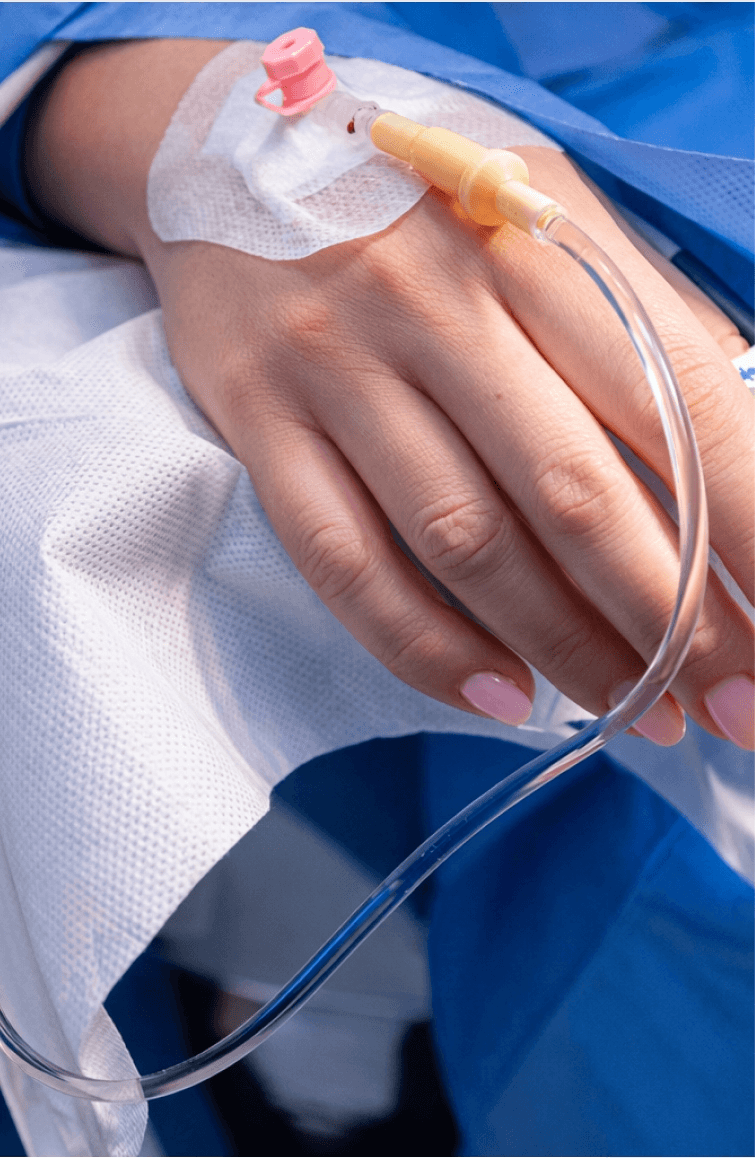
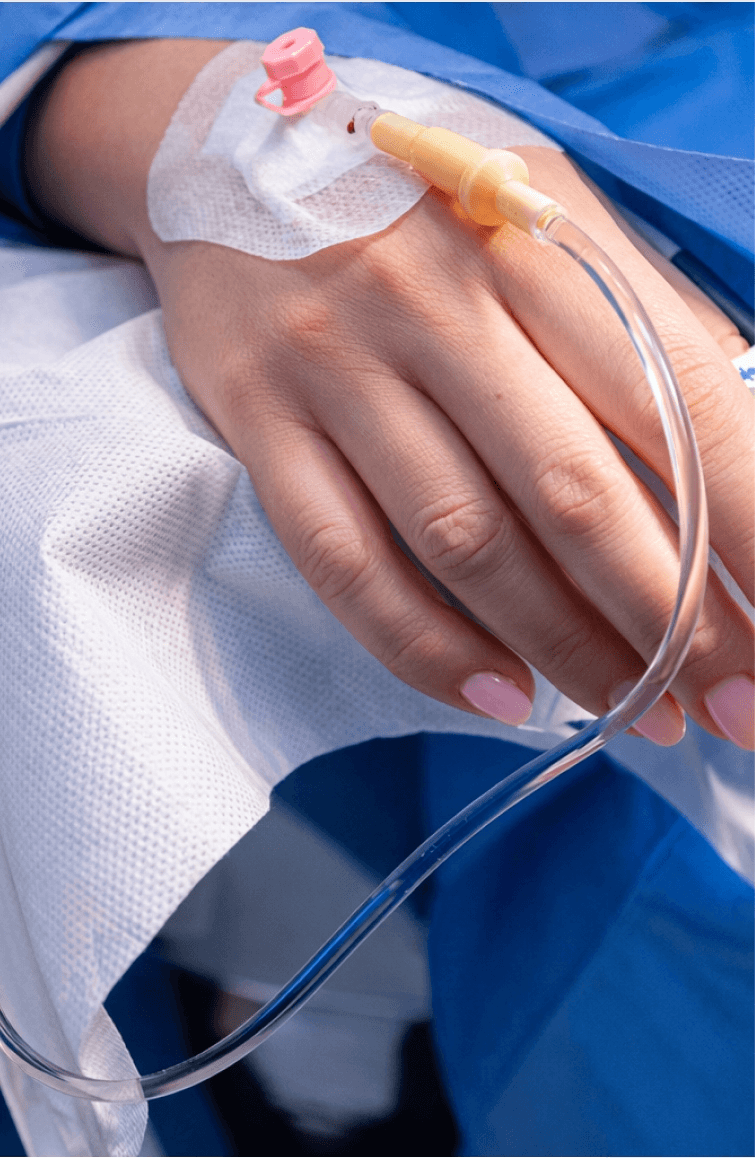
If the protocol includes monoclonal antibodies, such as rituximab, the drug is infused slowly via a dedicated peripheral intravenous line or central venous access device (such as a PICC line or implanted port). Vital signs are monitored every 15 to 30 minutes to manage potential infusion-related chills, fevers, or hypotension.
Step 4: Administration of Cytotoxic Chemotherapy
Cytotoxic chemotherapy drugs are administered sequentially according to specific protocol instructions. Certain agents (such as doxorubicin or vincristine) are given via short IV pushes or brief infusions, while others (such as cyclophosphamide) are infused over several hours alongside hydration fluids to prevent bladder toxicity.
Step 5: Post-Infusion Monitoring and Discharge
Following drug administration, IV lines are flushed, vital signs are reassessed, and outpatient discharge instructions are provided. Patients receive home medications, including oral antiemetics, prophylactic antibiotics if indicated, and subcutaneous growth factor injections (such as filgrastim) to support white blood cell recovery (NCCN Guidelines, 2024).
10. Immediate Post-Procedure Period
The immediate post-treatment period (the first 24 to 48 hours following an infusion) requires active management of acute toxicities and vigilant monitoring for complications.
Patients are instructed to monitor their body temperature twice daily. A fever of 38.0°C (100.4°F) or higher during post-chemotherapy nadir periods constitutes a medical emergency requiring immediate emergency department evaluation and broad-spectrum intravenous antibiotic coverage for potential febrile neutropenia (fever combined with dangerously low white blood cell levels) (ASCO-ASH Guidelines, 2023).
Hydration maintenance is critical to flush drug metabolites through the kidneys. Mild fatigue and transient nausea are common acute occurrences managed with prescribed antiemetic schedules. Pain at tumor sites may temporarily increase due to therapeutic inflammation as tumor cells die off.
11. Recovery — Short and Long Term
Recovery from lymphoma treatment operates on two distinct timelines: short-term inter-cycle physical recovery and long-term immunological and physical survivorship.
Short-term recovery occurs in repeated 14-day or 21-day cycles. Blood cell counts drop to their lowest point (the nadir) typically 7 to 14 days post-infusion before recovering prior to the next planned cycle. Most patients return to light, routine daily activities within 3 to 5 days following an uncomplicated infusion.
Long-term recovery spans 6 to 24 months post-treatment completion. Hair regrowth generally begins 4 to 8 weeks after ending cytotoxic therapy. Immune system cell profiles gradually normalize, though full functional antibody production recovery can take over a year, particularly after anti-CD20 therapy (Rituximab). Surveillance PET-CT scans are conducted at specific intervals to confirm continued complete metabolic remission (Lugano Criteria, Cheson et al., 2014).
12. Risks, Side Effects, and Complications
Lymphoma treatment carries acute, subacute, and long-term toxicity risks that vary based on agent selection, cumulative dosage, and individual patient health.
| Severity Level | Common Clinical Side Effects | Clinical Manifestations & Management |
|---|---|---|
| Common / Mild to Moderate | Alopecia, nausea, peripheral fatigue, transient mucositis, localized vein irritation | Managed with prophylactic antiemetics, supportive skin and oral hygiene protocols; fully reversible following treatment completion. |
| Uncommon / Moderate to Severe | Severe neutropenia (low white blood cell count), thrombocytopenia (low platelet count), peripheral neuropathy, steroid-induced hyperglycemia | Requires dose adjustments, subcutaneous granulocyte colony-stimulating factor (G-CSF) injections, blood component transfusions, or drug substitution. |
| Rare / Potentially Life-Threatening | Febrile neutropenia, anthracycline cardiotoxicity, bleomycin pulmonary toxicity, Cytokine Release Syndrome (CRS), secondary leukemias | Requires emergency medical admission, broad-spectrum antibiotics, ICU monitoring, Tocilizumab (for CRS), or definitive treatment cessation. |
Long-term safety data from major clinical trials indicate that while most acute toxicities resolve completely, cumulative anthracycline exposure carries a 1% to 3% risk of delayed cardiomyopathy, and alkylating agents carry a low long-term risk of treatment-related secondary myelodysplastic syndromes or acute myeloid leukemia (Straus et al., NEJM, 2018).
13. Lifestyle and Behavioural Considerations
Evidence-based lifestyle strategies during lymphoma treatment focus on reducing infection exposures, preserving physical muscle mass, maintaining nutritional status, and protecting organ function.
- Infection Mitigation: Patients must practice rigorous hand hygiene, avoid crowded indoor environments during blood count nadir periods, ensure food is thoroughly cooked, and avoid contact with individuals who have active contagious illnesses.
- Nutritional Support: Focus on maintaining adequate caloric and protein intake to prevent cancer cachexia. Dietary intake should emphasize well-washed, hygienic, high-protein foods. Unpasteurized dairy, raw meats, and unwashed produce should be avoided during neutropenic phases.
- Physical Activity: Aerobic exercise, such as daily light walking, reduces cancer-related fatigue and helps maintain functional performance status without increasing injury or infection risks.
- Behavioral Avoidance: Tobacco use is strictly contraindicated due to heightened risks of pulmonary toxicity, particularly with protocols containing bleomycin. Alcohol consumption should be minimized to avoid compounding hepatic metabolic stress (ESMO Guidelines, 2023).
14. How Outcomes Are Measured
Treatment response in lymphoma is formally evaluated using standardized nuclear imaging criteria defined by the Lugano Classification system. The primary tool for assessing response is the end-of-treatment 18F-FDG PET-CT scan.
Radiologists and oncologists score metabolic disease activity using the Deauville 5-Point Scale:
- Scores 1 and 2: Indicate complete metabolic response (no uptake higher than background tissue or mediastinum).
- Score 3: Indicates uptake slightly above mediastinum but below liver uptake, generally interpreted as a complete response in frontline settings.
- Scores 4 and 5: Indicate residual metabolic activity significantly higher than liver uptake or new sites of disease, representing partial response, stable disease, or progressive disease (Cheson et al., JCO, 2014).
Clinical efficacy is quantified by 5-year overall survival (OS) and progression-free survival (PFS) metrics. Frontline chemoimmunotherapy achieves 5-year survival rates exceeding 85-90% for early-stage Hodgkin lymphoma and 65-75% for advanced diffuse large B-cell lymphoma (Poeschel et al., Lancet, 2019; Straus et al., NEJM, 2018). If primary therapy fails, second-line salvage or cellular therapies are evaluated.
15. Recent Advances and Current Standard of Care
The standard of care for lymphoma has advanced rapidly over the past decade, shifting away from generic cytotoxic regimens toward targeted immunotherapies, antibody-drug conjugates, and cellular engineering.
Key advancements include the integration of antibody-drug conjugates like brentuximab vedotin into frontline Hodgkin lymphoma treatment, which significantly improves progression-free survival while allowing the omission of toxic agents like bleomycin (ECHELON-1 Trial, Straus et al., 2018). Similarly, short-course chemoimmunotherapy protocols (such as 4 cycles of R-CHOP) have established non-inferior outcomes with reduced toxicity for young patients with favorable low-risk diffuse large B-cell lymphoma (FLYER Trial, Poeschel et al., 2019).
For relapsed and refractory diseases, CAR T-cell therapies ( targeting CD19) and off-the-shelf bispecific antibodies (engineered proteins that simultaneously bind cancer cells and immune T-cells) have established durable response rates in patients who previously had limited treatment options (ZUMA-1 Trial, Neelapu et al., 2017).
16. Common Myths and Misconceptions
Myth: All lymphomas are treated with the exact same aggressive chemotherapy regimen.
Reality: Lymphoma comprises over 80 distinct subtypes classified by the WHO. Treatments range from observation for indolent disease to targeted oral agents, short-course chemoimmunotherapy, or cellular therapies (WHO 5th Edition, 2022).
Myth: Having a lymph node biopsy can cause lymphoma to burst and spread through the body.
Reality: Biopsies do not cause lymphoma cells to spread. Excisional or core needle biopsies are safe, routine procedures required to establish a precise histological diagnosis (NCCN Guidelines, 2024).
Myth: Indolent (slow-growing) lymphoma requires immediate, aggressive chemotherapy as soon as it is diagnosed.
Reality: Randomized clinical trials show that immediate chemotherapy in asymptomatic, low-tumor-burden indolent lymphoma does not improve overall survival compared to active surveillance (ESMO Guidelines, 2023).
Myth: Hair loss from lymphoma chemotherapy is permanent.
Reality: Alopecia caused by cytotoxic chemotherapy agents is almost always temporary. Hair regrowth typically resumes 4 to 8 weeks after completing treatment.
Myth: CAR T-cell therapy is a specialized form of traditional chemotherapy.
Reality: CAR T-cell therapy is a gene-edited cellular immunotherapy. It involves harvesting a patient's own living T-cells, reprogramming them in a laboratory to recognize cancer antigens, and reinfusing them to actively attack lymphoma cells (Neelapu et al., NEJM, 2017).
Myth: Older adults are automatically too frail to undergo effective lymphoma treatment.
Reality: Age alone does not dictate treatment candidacy. Comprehensive geriatric assessments and modified dose-adjusted regimens allow elderly patients to safely undergo curative-intent therapies (NCCN Guidelines, 2024).
Myth: Achieving complete remission means the lymphoma can never return.
Reality: Complete remission means no detectable cancer remains on imaging or laboratory tests. While many patients are permanently cured, surveillance imaging is required to monitor for potential recurrence.
17. Frequently Asked Questions
What is the difference between Hodgkin and Non-Hodgkin lymphoma?
The primary distinction lies in the microscopic cell structure. Hodgkin lymphoma is characterized by the presence of giant abnormal cells called Reed-Sternberg cells. Non-Hodgkin lymphoma lacks these specific cells and arises from different developmental stages of B-cells or T-cells. This distinction dictates completely different chemotherapy protocols and treatment strategies.
How long does a typical course of lymphoma treatment take?
Standard frontline chemoimmunotherapy courses typically last 4 to 6 months. Treatment is delivered in structured cycles spaced 2 to 3 weeks apart to allow healthy body tissues and bone marrow to recover between doses. Targeted daily oral agents or maintenance antibody therapies may continue for 1 to 2 years.
Will I need to stay in the hospital during my treatment?
Most standard lymphoma chemoimmunotherapy infusions are administered on an outpatient basis in specialized day-care oncology clinics. Inpatient hospital stays are generally reserved for high-intensity protocols, administration of CAR T-cell therapy, stem cell transplantation conditioning, or the management of acute complications like febrile neutropenia.
Can I continue working while undergoing lymphoma treatment?
Many patients continue working part-time or with modified light duties during treatment. However, flexibility is necessary, as fatigue and post-infusion side effects are most pronounced during the first 3 to 5 days following each treatment cycle. Occupational adjustments should be discussed with your treating oncologist.
How do doctors know if the lymphoma treatment is working?
Response is monitored through physical examinations, blood tests, and interim functional imaging. A interim PET-CT scan is typically performed after 2 to 4 cycles of therapy to measure metabolic tumor reduction according to the Lugano classification criteria. A final PET-CT scan assesses complete metabolic remission after all planned treatment cycles.
What is a PET-CT scan, and why is it preferred over a standard CT scan?
A PET-CT scan combines structural CT imaging with a radioactive glucose tracer (18F-FDG). Because active lymphoma cells consume glucose rapidly, the PET scan highlights metabolic cancer activity. This allows clinicians to distinguish between active, living tumor tissue and harmless scar tissue left behind after treatment.
What should I do if I develop a fever during chemotherapy?
Developing a fever of 38.0°C (100.4°F) or higher during chemotherapy is a medical emergency known as potential febrile neutropenia. You must contact your oncology team immediately or go to the nearest emergency room for urgent blood tests and intravenous broad-spectrum antibiotic administration to prevent overwhelming bloodstream infection.
How does lymphoma treatment affect fertility?
Certain cytotoxic chemotherapy drugs, particularly alkylating agents like cyclophosphamide, can reduce sperm production or cause premature ovarian failure. Patients of reproductive age should undergo fertility preservation counseling prior to starting therapy to discuss options such as sperm banking or egg/embryo cryopreservation.
What is CAR T-cell therapy, and when is it used?
CAR T-cell therapy is an advanced cellular immunotherapy where a patient's own T-lymphocytes are extracted, genetically modified in a laboratory to express chimeric antigen receptors targeting lymphoma proteins (like CD19), and reinfused. It is primarily indicated for patients with relapsed or refractory aggressive B-cell lymphoma after failing initial therapies.
Is radiation therapy always required for lymphoma?
No, radiation therapy is not always required. It is primarily utilized as definitive treatment for early-stage localized disease, as consolidation therapy following chemotherapy for bulky masses, or for palliative symptom relief. Many patients with advanced-stage or non-bulky disease are successfully treated with systemic chemoimmunotherapy alone.
What is the risk of developing a second cancer after lymphoma treatment?
Long-term survivorship data show a small elevated risk (1% to 3%) of secondary malignancies years after completing therapy, primarily related to radiation exposure or specific cytotoxic chemotherapy agents. Regular lifelong cancer screening and survivorship care protocols help mitigate and detect these late effects early.
What is the difference between indolent and aggressive lymphoma treatment?
Aggressive lymphomas grow rapidly and require immediate, intensive combination chemoimmunotherapy aimed at achieving a complete cure. Indolent lymphomas grow slowly and are often asymptomatic; treatment may be deferred under active surveillance until symptoms develop, focusing on long-term disease control rather than immediate eradication.
Booking With DIVINHEAL
Get a free consultation to understand your treatment options
Cost Calculator
I know my treatment — show me cost from 3 hospitals
Plan My Journey
Tell us your condition and budget — our AI matches the right destination, hospital and doctor and visa pathway
Recommended Article

Best In Vitro Fertilization (IVF) Doctors in Hyderabad
Doctors for Nephrology: Find Kidney Care Specialists
Doctors in Chennai: Find Medical Specialists in India
Best Embryo Freezing Hospitals in Hyderabad: Care Guide
Hospitals for reproductive surgery: Compare options
Hospitals in Gurugram: Guide to Quality Facilities
IVF Treatment in Haryana | Cost, Hospitals & Doctors
TAVR (Transcatheter Aortic Valve Replacement) cost in New Delhi
Tonsillectomy & Adenoidectomy Success Rate in Mumbai
Facelift & Anti-Aging Procedures in Chennai for Ethiopia Patients | Cost, Hospitals
Booking With DIVINHEAL
Get a free consultation to understand your treatment options
Cost Calculator
I know my treatment — show me cost from 3 hospitals
Plan My Journey
Tell us your condition and budget — our AI matches the right destination, hospital and doctor and visa pathway
Recommended Article
Best In Vitro Fertilization (IVF) Doctors in Hyderabad
Doctors for Nephrology: Find Kidney Care Specialists
Doctors in Chennai: Find Medical Specialists in India
Best Embryo Freezing Hospitals in Hyderabad: Care Guide
Hospitals for reproductive surgery: Compare options
Hospitals in Gurugram: Guide to Quality Facilities
IVF Treatment in Haryana | Cost, Hospitals & Doctors
TAVR (Transcatheter Aortic Valve Replacement) cost in New Delhi
Tonsillectomy & Adenoidectomy Success Rate in Mumbai
Facelift & Anti-Aging Procedures in Chennai for Ethiopia Patients | Cost, Hospitals
Our Speciality and Treatments
Genetic Disorder Diagnosis & Counselling
Pediatric Laparoscopic Surgery
Pediatric Kidney Transplant
Pediatric Cardiac Surgery
Down Syndrome Comprehensive Care
Vaccination Program
Newborn Care Package
Pediatric Intensive Care (PICU)
Pediatric Urology (incl. Hypospadias)
Pediatric Orthopedics
Pediatric Gastroenterology
Pediatric Pulmonology
Pediatric Endocrinology
Pediatric Cardiology (non-surgical)
Pediatric Oncology
Neonatal Intensive Care (NICU)
pediatric neurosurgery




Meet Our Medical Specialists




Sr. Consultant - Urology & Kidney Transplant Program (Unit I)
Dr. Abhinandan Mukhopadhyay
MBBS, MD
India

Sr. Consultant - Urology & Kidney Transplant Program (Unit I)
Dr. Abhinandan Mukhopadhyay
MBBS, MD
India
Hospitals
NABH & JCI Accredited Hospitals in India,Turkey, Thailand & UAE.

Artemis Hospital
Sector 51, Gurugram, Haryana, India

Lokmanya Hospitals
Not Specified

White Lotus Hospital
766, SFS 3145, SFS Road, 7th Sector, HSR Layout, Bengaluru, Karnataka 560102, India

Institute of Brain and Spine (IBS Hospital)
Not Specified
How DivinHeal Helps
We simplify your medical journey by providing comprehensive support and access to world-class healthcare.
Expert Specialist Matching
Connecting you with the world's top-rated medical experts.
Accredited Hospital Network
Access to JCI & NABH certified healthcare facilities.
Complete Travel Coordination
Hassle-free visa, stay, and local transport assistance.
24/7 Personal Care
Dedicated patient advisors supporting you at every step.
Journey Guidance
Full guidance from start to end of the patient treatment journey.
Expert Specialist Matching
Connecting you with the world's top-rated medical experts.
Everything you
need to know today
Browse through these common inquiries to better understand our patient-focused medical platform.
Yes, we work with a variety of insurance providers. Contact our team to verify your coverage.
Yes, we provide secure online consultations with experienced specialists.
Our care coordinators help match you with the most suitable specialist.
Absolutely. Your medical information is protected according to healthcare privacy standards.
Look at six things: accreditation (JCI or NABH), specialty depth, doctor credentials and experience, procedure-specific success rates, international patient support, and technology. DivinHeal's AI-driven matching evaluates every hospital in our accredited partner network on these dimensions and shortlists the best-fit options for your condition, budget, and country.
JCI (Joint Commission International) is the US-based global gold standard for hospital quality, recognised worldwide. NABH is India's national accreditation — accredited by ISQua, the same body that accredits JCI. Both signal independently verified safety and quality. Most of India's leading hospitals hold both.
Yes. All three welcome international patients through structured medical visa programs. India is the most established, treating patients from Africa, the Middle East, and South Asia at 60–80% lower cost. Thailand leads in cosmetic and dental care. The UAE is emerging in oncology and reproductive medicine.
Most patients save 50–80% on treatment costs. Heart bypass costs US $7,000–9,000 in India compared to $70,000–150,000 in the US. IVF costs $3,000–4,500 compared to $12,000–20,000 in the UK. Even after flights, visa, and accommodation, total savings remain 60–70%.
DivinHeal manages your entire non-medical journey: visa invitation letters, medical visa guidance, doctor appointments, teleconsultations, airport pickup, hospital-vetted accommodation for you and your attendant, language interpreters, local transport, cuisine preferences, and post-treatment follow-up — one dedicated coordinator from first enquiry to final follow-up.
You need a valid passport (6+ months validity), a medical visa (M-Visa for India — DivinHeal provides the hospital invitation letter), return flight tickets, recent medical reports and a doctor's referral, current prescription list, and proof of financial means. Any accompanying attendant needs their own passport and MX-Visa.
Still have more questions?
Book a call with our friendly team to learn how DivineHeal simplifies your healthcare journey.