Men's Wellness Package
5K+ International Patients Treated
40+ Source Countries Served
500+ Accredited Partner Hospitals
98% Patient Satisfaction
80% Average Savings vs USA
10K+ Doctors
NABH, JCI Accredited Hospitals
Free Treatment Plan
Free Consultation with Doctor
5+ Destinations Covered
About Men's Wellness Package
Sources and Guidelines Referenced
Major clinical society guidelines and peer-reviewed studies cited in this text include: European Association of Urology (EAU) Guidelines on Male Sexual and Reproductive Health (2023); Endocrine Society Clinical Practice Guideline on Testosterone Therapy in Men with Hypogonadism (2018); American Heart Association / American College of Cardiology (AHA/ACC) Guideline on the Primary Prevention of Cardiovascular Disease (2019); US Preventive Services Task Force (USPSTF) Screening Recommendations for Prostate Cancer (2018); American Association of Clinical Endocrinology (AACE) Comprehensive Type 2 Diabetes Management Algorithm (2023); European Society of Cardiology (ESC) Guidelines on Cardiovascular Disease Prevention (2021); Wu et al., European Male Ageing Study (EMAS) findings on male hypogonadism (2010).
Men's Wellness Package: A Comprehensive Patient Guide
1. Definition and Medical Identity
A Men's Wellness Package is a structured clinical protocol combining diagnostic blood testing, endocrine profiling, physical examination, and non-invasive imaging to evaluate overall health status in adult males. Its principal diagnostic purpose is early identification of metabolic, cardiovascular, urological, and hormonal disorders before clinical symptoms emerge.
This evaluation falls under the scope of preventive internal medicine and clinical endocrinology. Alternative terms include comprehensive male health assessment, executive male health screening, or structured preventive health evaluation. Unlike single-disease screening, this protocol systematically evaluates multiple inter-dependent physiological systems, providing an integrated overview of biological health.
2. The Underlying Condition or Need
As adult males age, systemic non-communicable diseases frequently develop without noticeable early symptoms. Vascular changes, declining androgen levels, and altered glucose metabolism accumulate over decades, increasing long-term morbidity if left unmanaged.
Subclinical dyslipidemia (abnormal cholesterol), hyperglycemia (elevated blood sugar), and vascular stiffness often produce no overt physical distress until severe complications—such as myocardial infarction or stroke—occur. Similarly, age-related androgen reduction, termed functional hypogonadism, presents non-specifically as fatigue, reduced muscle mass, or low mood, frequently misattributed to general stress. Standardized screening packages provide an objective biomarker baseline, allowing clinicians to detect physiological decline early and initiate timely interventions.
3. How the Treatment Works — Mechanism
A diagnostic health assessment works by evaluating quantitative biochemical, physiological, and anatomical markers against established reference intervals. Blood biomarkers measure metabolic organ function, systemic inflammatory state, and hormone synthesis, while physiological measurements quantify cardiovascular stress.
Venous blood analysis measures enzymatic activity in the liver (transaminases), filtration efficiency in the kidneys (serum creatinine and estimated glomerular filtration rate), and glycemic control via glycated hemoglobin (HbA1c). Endocrine testing evaluates the hypothalamic-pituitary-gonadal axis by measuring luteinizing hormone (LH), follicle-stimulating hormone (FSH), total testosterone, and sex hormone-binding globulin (SHBG). Cardiovascular imaging or resting electrocardiography (ECG) assesses cardiac rhythm, conduction patterns, and structural vascular risk.
4. Types and Protocols
Men's wellness protocols vary based on clinical depth, patient age, underlying risk factors, and specific diagnostic focus. Standard protocols range from baseline metabolic screens to comprehensive executive and organ-specific evaluations.
| Package Protocol | Primary Diagnostic Focus | Key Tests Included | Recommended Patient Profile |
|---|---|---|---|
| Basic Preventive Panel | General metabolic and organ health screening | CBC, CMP, Basic Lipid Panel, Fasting Glucose, Urinalysis | Adults under 35 with low disease risk and no family history |
| Comprehensive / Executive Panel | Full multi-system and endocrine assessment | Basic Panel + Total/Free Testosterone, SHBG, HbA1c, Thyroid Panel, PSA, ECG | Men aged 35–50, or those experiencing chronic fatigue or weight changes |
| Cardiometabolic Protocol | Advanced cardiovascular and diabetes risk profiling | Executive Panel + ApoB, Lp(a), hs-CRP, Coronary Calcium Scoring or Carotid US | Men with family history of premature heart disease, hypertension, or metabolic syndrome |
| Androgen & Urological Protocol | Hormonal, reproductive, and prostate health | Executive Panel + Prolactin, Estradiol, Free Testosterone via Equilibrium Dialysis, Prostate Ultrasound | Men over 40 with lower urinary tract symptoms, reduced libido, or suspected hypogonadism |
Clinicians determine protocol selection based on personal health history, age, family disease burden, and targeted diagnostic goals established during initial clinical intake.
5. Who the Treatment Is For — Indications
Comprehensive health packages are indicated for adult men seeking systematic baseline health evaluations or those presenting with vague, multi-system physiological complaints.
Primary clinical indications include:
- Asymptomatic annual screening for men aged 35 years and older (AHA/ACC 2019).
- Unexplained fatigue, decreased muscle mass, or altered body composition suggestive of endocrine imbalance (Endocrine Society 2018).
- Presence of metabolic risk factors including elevated waist circumference, hypertension, or high fasting blood glucose.
- Family history of premature coronary artery disease, prostate malignancy, or type 2 diabetes.
- Routine surveillance of previously identified borderline markers, such as borderline dyslipidemia or impaired fasting glucose.
6. Who the Treatment Is NOT For — Contraindications
Diagnostic screening packages are designed for stable, elective outpatient assessment. They are contraindicated in acute, unstable, or severe emergency conditions.
Primary clinical contraindications include:
- Acute medical emergencies, such as acute coronary syndrome, severe infections, or acute surgical conditions, which require immediate hospital emergency intervention.
- Active febrile illnesses or acute systemic inflammation, which artifactually alter inflammatory markers (hs-CRP), liver enzymes, and hormone levels.
- Recent acute prostate manipulation or acute urinary tract infection, which invalidates prostate-specific antigen (PSA) testing results.
- Uncontrolled acute psychiatric crisis preventing informed consent or cooperation with diagnostic procedures.
7. Alternatives and Clinical Comparison
Patients seeking health evaluation may choose between structured multi-system packages, symptom-targeted specialist consults, or routine single-biomarker checks.
| Evaluation Strategy | Clinical Scope | Diagnostic Approach | Key Trade-Offs |
|---|---|---|---|
| Comprehensive Wellness Package | Broad multi-system screening (metabolic, endocrine, cardiac, urological) | Simultaneous multi-panel blood work, imaging, and integrated consult | Efficient and broad baseline, but may discover minor incidental findings requiring secondary workup |
| Targeted Specialist Referral | Focus on single organ system (e.g., Cardiology or Urology only) | Deep evaluation of specific symptomatic complaint | High diagnostic accuracy for targeted symptoms, but misses concurrent systemic or endocrine issues |
| Opportunistic Single-Marker Screening | Isolated disease testing (e.g., lipid panel during standard checkup) | Minimal blood draw during general physician visit | Low upfront time commitment, but lacks integrated hormone and advanced cardiovascular risk context |
Clinicians recommend structured packages when an integrated, cross-system baseline is required, while targeted consultations are preferred for evaluating defined, severe organ-specific symptoms.
8. Pre-Treatment Phase
Proper preparation is essential to ensure laboratory accuracy and eliminate common physiological testing artifacts.
The patient completes a 10- to 12-hour overnight fast, abstaining from all foods and beverages except plain water. High-intensity exercise, heavy alcohol consumption, and sexual activity/ejaculation must be restricted for 48 hours prior to testing to prevent artificial elevations in creatine kinase, liver enzymes, and PSA levels (EAU Guidelines 2023). Biotin-containing nutritional supplements must be discontinued for 72 hours before phlebotomy, as biotin interferes with streptavidin-biotin immunoassays used to measure thyroid hormones and testosterone. Blood collection is scheduled between 08:00 and 10:00 AM to account for the diurnal rhythm of serum testosterone, which peaks in early morning hours (Endocrine Society 2018).
9. The Procedure — Step-by-Step Clinical Detail
A comprehensive male wellness assessment is performed in an outpatient clinic setting over 2 to 4 hours.
The sequence of clinical steps proceeds as follows:
- Clinical Registration and Intake: Completion of medical history questionnaires, lifestyle assessments, and family disease mapping.
- Anthropometric Measurements: Precise recording of height, weight, body mass index (BMI), waist-to-hip ratio, and blood pressure using standard clinical protocols.
- Venous Blood Collection (Phlebotomy): Drawing of morning fasting blood samples using sterile techniques for laboratory dispatch.
- Physiological and Imaging Diagnostics: Completion of a 12-lead resting electrocardiogram (ECG), abdominal ultrasound, and spirometry (if clinically indicated).
- Physical Examination: A systematic clinical exam by an internal medicine physician, including cardiovascular auscultation, abdominal palpation, and targeted urological evaluation if indicated.
10. Immediate Post-Procedure Period
Following blood collection and diagnostic scans, the immediate post-procedure phase requires minimal observation.
Patients are provided with a light snack to restore blood glucose levels after fasting. Venipuncture sites are compressed and bandaged to minimize localized extravasation of blood (bruising). Patients are cleared to resume normal activities, drive, and return to work immediately. Light soreness at the venipuncture site is normal and resolves within 24 hours.
11. Recovery — Short and Long Term
Because diagnostic packages involve non-invasive tests and routine venipuncture, there is no physical recovery period or functional downtime.
Laboratory processing requires 24 to 72 hours depending on the complexity of specific endocrine and immunoassay panels. Once all diagnostic data, laboratory values, and imaging reports are compiled, a comprehensive follow-up consultation is scheduled. During this visit, the clinician reviews biomarker trends, calculates integrated cardiovascular risk scores, and formulates a long-term preventive or therapeutic plan. Repeat evaluations are typically scheduled annually or semi-annually based on specific health status.
12. Risks, Side Effects, and Complications
Comprehensive wellness evaluations carry minimal physiological risk, though minor procedural side effects and diagnostic limitations exist.
| Risk Category | Clinical Presentation | Incidence Rate | Management Strategy |
|---|---|---|---|
| Mild / Common | Localized phlebotomy hematoma, minor venipuncture pain, transient lightheadedness after fasting | Common (5–10%) | Local pressure, cold compress, prompt post-phlebotomy oral hydration and nutrition |
| Uncommon | Vasovagal syncope (fainting during blood draw), superficial phlebitis at puncture site | Uncommon (1–2%) | Phlebotomy performed in recumbent position, warm compresses for vein irritation |
| Rare / Serious | Incidentaloma discovery causing psychological anxiety, false-positive PSA leading to unnecessary biopsy | Rare (<1%) | Evidence-based secondary confirmation protocols, clinical correlation before invasive follow-up |
Long-term diagnostic safety data emphasize that non-invasive screenings do not induce physical morbidity. However, clinicians must manage incidental findings carefully to prevent unnecessary downstream medical testing.
13. Lifestyle and Behavioural Considerations
Lifestyle optimizations before and after testing enhance biomarker reliability and support long-term metabolic health.
Prior to evaluation, patients should maintain stable dietary habits for two weeks, avoiding extreme caloric restriction or sudden keto-adaptation, which temporarily alters serum lipids and glucose tolerance. Following assessment, lifestyle interventions represent the primary therapeutic approach for early-stage metabolic abnormalities. Regular resistance and aerobic exercise, dietary modifications aligned with Mediterranean dietary patterns, adequate sleep hygiene, and smoking cessation demonstrate high efficacy in reversing subclinical dyslipidemia and early insulin resistance (AHA/ACC 2019 Guidelines).
14. How Outcomes Are Measured
The clinical success of a diagnostic assessment is measured by diagnostic clarity, accurate risk stratification, and patient adherence to follow-up prevention strategies.
Quantitative clinical endpoints include:
- Lipid Profile Optimization: Target LDL-C levels below age- and risk-stratified thresholds, with ApoB levels monitored to assess atherogenic particle number (ESC 2021).
- Glycemic Normalization: Reduction of HbA1c to below 5.7% through lifestyle or therapeutic measures (AACE 2023).
- Endocrine Stability: Restoration of morning serum total testosterone into the normal physiological range (300–1,000 ng/dL) accompanied by clinical symptom resolution in hypogonadal men (Endocrine Society 2018).
- Blood Pressure Control: Achieving resting blood pressure under 120/80 mmHg.
15. Recent Advances and Current Standard of Care
Diagnostic medicine for male health has advanced significantly over the past decade, moving beyond basic biochemical panels toward precision biomarker integration.
Current standards of care emphasize direct measurement of free testosterone via equilibrium dialysis or calculated free testosterone (using total testosterone, SHBG, and albumin) rather than relying solely on total testosterone levels (AUA 2018). Advanced cardiovascular risk profiling now incorporates Apolipoprotein B (ApoB), Lipoprotein(a) [Lp(a)], and high-sensitivity C-reactive protein (hs-CRP) to detect subclinical arterial inflammation more accurately than standard lipid panels alone (AHA/ACC 2019). Modern diagnostic protocols also integrate non-invasive calcium scoring and advanced ultrasound imaging to evaluate vascular age directly.
16. Common Myths and Misconceptions
Myth: A normal total testosterone level completely rules out male hypogonadism.
Reality: Total testosterone can appear artificially normal if sex hormone-binding globulin (SHBG) is low. Clinicians must measure free testosterone or SHBG to accurately evaluate androgen status in men with altered binding proteins (Endocrine Society 2018).
Myth: Elevated prostate-specific antigen (PSA) always indicates prostate cancer.
Reality: PSA is organ-specific, not cancer-specific. Benign prostatic hyperplasia (BPH), prostatitis, recent ejaculation, or vigorous cycling can temporarily elevate PSA levels (EAU Guidelines 2023).
Myth: Fasting blood glucose is sufficient to rule out prediabetes.
Reality: Fasting glucose alone can miss early metabolic dysfunction. Fasting insulin and glycated hemoglobin (HbA1c) provide a more sensitive evaluation of early insulin resistance (AACE 2023).
Myth: Young, athletic men do not need cardiovascular screening.
Reality: Inherited lipid disorders such as familial hypercholesterolemia or elevated Lipoprotein(a) affect athletic individuals regardless of body mass or diet, requiring early baseline assessment (AHA/ACC 2019).
Myth: Men's health screening packages require several days of bed rest or downtime.
Reality: Modern screening packages consist entirely of outpatient, non-invasive imaging and minor blood draws, requiring zero recovery time.
17. Frequently Asked Questions
What tests are included in a standard Men's Wellness Package?
A comprehensive package typically includes a complete blood count, comprehensive metabolic panel, lipid profile, HbA1c, liver and kidney function tests, thyroid hormones, total and free testosterone, SHBG, PSA, urinalysis, resting ECG, and an abdominal ultrasound evaluation.
Why must testosterone testing be performed in the morning?
Serum testosterone follows a circadian rhythm, peaking between 08:00 and 10:00 AM in adult men. Testing later in the day can yield falsely low testosterone values, leading to inaccurate diagnoses of hypogonadism (Endocrine Society 2018 Guidelines).
How often should an adult male undergo a comprehensive wellness assessment?
Asymptomatic adult men aged 35 to 50 generally benefit from an integrated screening every 1 to 2 years. Men over 50, or those with existing cardiovascular, metabolic, or hormonal conditions, should undergo annual assessments to monitor disease progression and medication efficacy.
Is fasting required before undergoing a male wellness evaluation?
Yes. A 10- to 12-hour overnight fast is required to obtain accurate baseline measurements for fasting blood glucose, triglycerides, and lipid subfractions. Drinking plain water during the fast is permitted and recommended to facilitate smooth venipuncture.
Can exercise affect blood test results?
Yes. Heavy resistance training or high-intensity endurance exercise within 48 hours of testing can elevate muscle enzymes like creatine kinase and transaminases (AST/ALT), as well as transiently alter hormone levels and PSA. Moderate physical rest is recommended prior to testing.
How is prostate health evaluated during a screening?
Prostate health is evaluated through a serum prostate-specific antigen (PSA) blood test, subjective lower urinary tract symptom scoring, and, when clinically indicated, a physical digital rectal examination (DRE) or non-invasive pelvic ultrasound (EAU Guidelines 2023).
What is the difference between total testosterone and free testosterone?
Total testosterone measures all circulating testosterone, most of which is bound tightly to SHBG or weakly to albumin. Free testosterone measures the unbound, biologically active hormone available to cellular tissue receptors. Evaluating both provides a complete picture of androgen status.
Does a high cholesterol level always require medication?
Not always. Clinical management of high cholesterol depends on overall 10-year cardiovascular risk stratification, taking into account age, blood pressure, smoking status, ApoB levels, and personal health history (AHA/ACC 2019). Mild elevations may be managed through lifestyle modifications.
How long does it take to receive results from a male wellness assessment?
Basic metabolic panels and standard blood counts are usually processed within 24 hours. Advanced endocrine assays, specialized lipid subfractions, and imaging reports are typically finalized within 48 to 72 hours, followed by a formal physician consultation.
Can high stress levels affect wellness package results?
Yes. Chronic physical or psychological stress elevates serum cortisol levels, which can secondary suppress the hypothalamic-pituitary-gonadal axis, leading to transiently lowered testosterone and elevated fasting blood glucose levels.
What happens if an abnormal biomarker is discovered during testing?
If an abnormal value is identified, the consulting clinician performs confirmatory testing or orders targeted secondary diagnostics. Depending on the finding, lifestyle adjustments, medical therapy, or referral to a specialist (such as a cardiologist or urologist) will be recommended.
Are there any dietary supplements that should be stopped before testing?
Yes. Biotin (vitamin B7) supplements should be stopped 72 hours prior to venipuncture because biotin interferes with laboratory immunoassay mechanisms, leading to inaccurate thyroid and testosterone hormone readings.
Booking With DIVINHEAL
Get a free consultation to understand your treatment options
Cost Calculator
I know my treatment — show me cost from 3 hospitals
Plan My Journey
Tell us your condition and budget — our AI matches the right destination, hospital and doctor and visa pathway
Recommended Article

Best In Vitro Fertilization (IVF) Doctors in Hyderabad
Doctors for Nephrology: Find Kidney Care Specialists
Doctors in Chennai: Find Medical Specialists in India
Best Embryo Freezing Hospitals in Hyderabad: Care Guide
Hospitals for reproductive surgery: Compare options
Hospitals in Gurugram: Guide to Quality Facilities
IVF Treatment in Haryana | Cost, Hospitals & Doctors
TAVR (Transcatheter Aortic Valve Replacement) cost in New Delhi
Tonsillectomy & Adenoidectomy Success Rate in Mumbai
Facelift & Anti-Aging Procedures in Chennai for Ethiopia Patients | Cost, Hospitals
Booking With DIVINHEAL
Get a free consultation to understand your treatment options
Cost Calculator
I know my treatment — show me cost from 3 hospitals
Plan My Journey
Tell us your condition and budget — our AI matches the right destination, hospital and doctor and visa pathway
Recommended Article
Best In Vitro Fertilization (IVF) Doctors in Hyderabad
Doctors for Nephrology: Find Kidney Care Specialists
Doctors in Chennai: Find Medical Specialists in India
Best Embryo Freezing Hospitals in Hyderabad: Care Guide
Hospitals for reproductive surgery: Compare options
Hospitals in Gurugram: Guide to Quality Facilities
IVF Treatment in Haryana | Cost, Hospitals & Doctors
TAVR (Transcatheter Aortic Valve Replacement) cost in New Delhi
Tonsillectomy & Adenoidectomy Success Rate in Mumbai
Facelift & Anti-Aging Procedures in Chennai for Ethiopia Patients | Cost, Hospitals
Our Speciality and Treatments
Genetic Disorder Diagnosis & Counselling
Pediatric Laparoscopic Surgery
Pediatric Kidney Transplant
Pediatric Cardiac Surgery
Down Syndrome Comprehensive Care
Vaccination Program
Newborn Care Package
Pediatric Intensive Care (PICU)
Pediatric Urology (incl. Hypospadias)
Pediatric Orthopedics
Pediatric Gastroenterology
Pediatric Pulmonology
Pediatric Endocrinology
Pediatric Cardiology (non-surgical)
Pediatric Oncology
Neonatal Intensive Care (NICU)
pediatric neurosurgery




Meet Our Medical Specialists




Sr. Consultant - Urology & Kidney Transplant Program (Unit I)
Dr. Abhinandan Mukhopadhyay
MBBS, MD
India

Sr. Consultant - Urology & Kidney Transplant Program (Unit I)
Dr. Abhinandan Mukhopadhyay
MBBS, MD
India
Hospitals
NABH & JCI Accredited Hospitals in India,Turkey, Thailand & UAE.
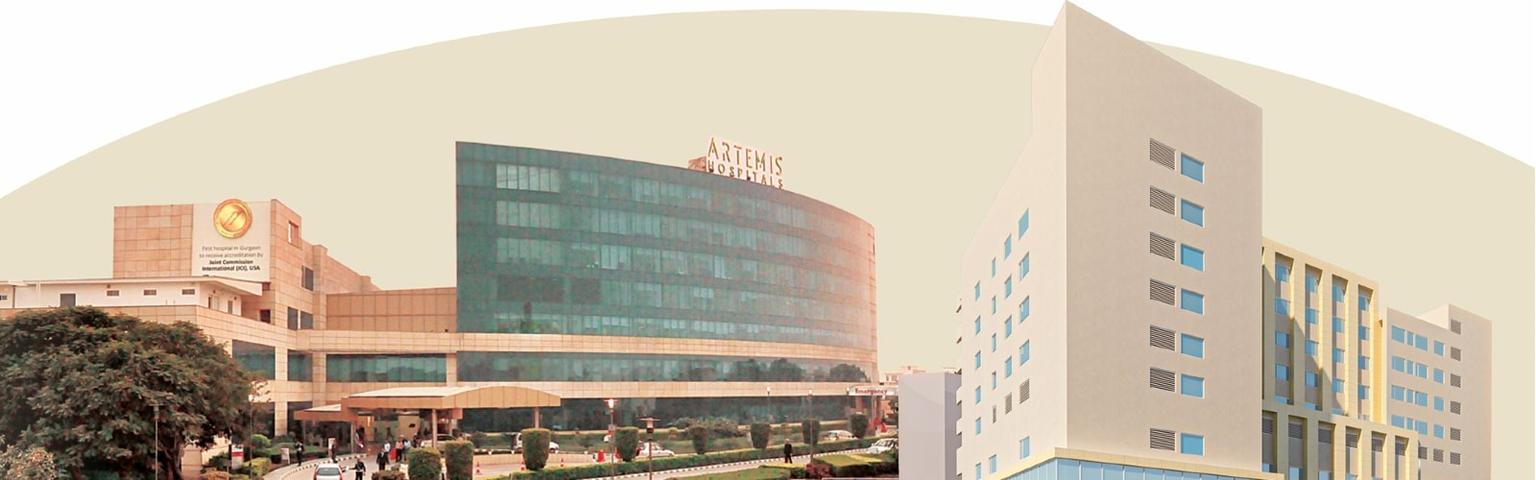
Artemis Hospital
Sector 51, Gurugram, Haryana, India
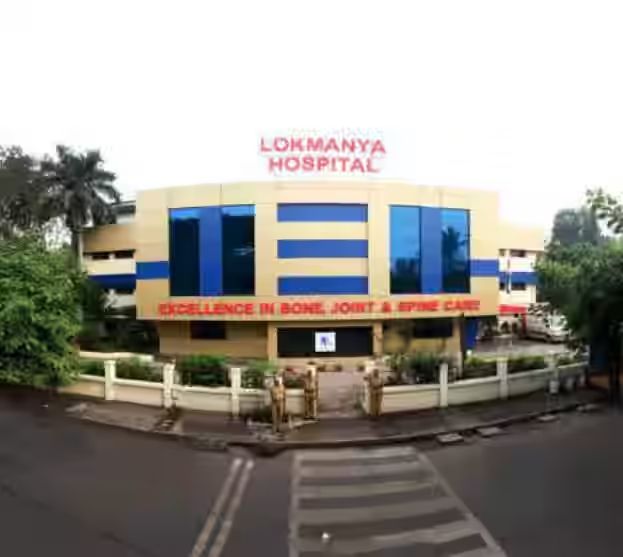
Lokmanya Hospitals
Not Specified

White Lotus Hospital
766, SFS 3145, SFS Road, 7th Sector, HSR Layout, Bengaluru, Karnataka 560102, India
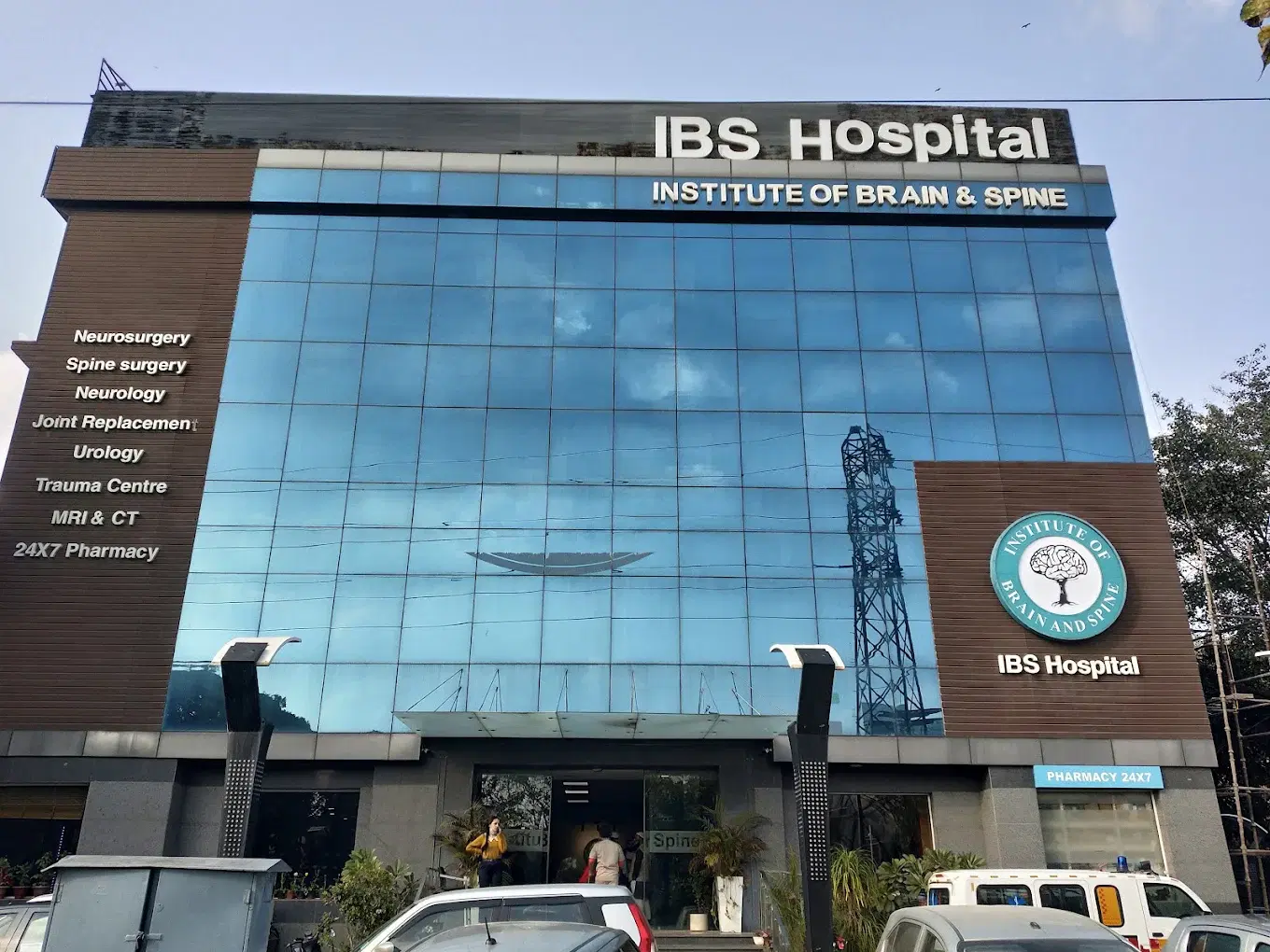
Institute of Brain and Spine (IBS Hospital)
Not Specified
How DivinHeal Helps
We simplify your medical journey by providing comprehensive support and access to world-class healthcare.
Expert Specialist Matching
Connecting you with the world's top-rated medical experts.
Accredited Hospital Network
Access to JCI & NABH certified healthcare facilities.
Complete Travel Coordination
Hassle-free visa, stay, and local transport assistance.
24/7 Personal Care
Dedicated patient advisors supporting you at every step.
Journey Guidance
Full guidance from start to end of the patient treatment journey.
Expert Specialist Matching
Connecting you with the world's top-rated medical experts.
Everything you
need to know today
Browse through these common inquiries to better understand our patient-focused medical platform.
Yes, we work with a variety of insurance providers. Contact our team to verify your coverage.
Yes, we provide secure online consultations with experienced specialists.
Our care coordinators help match you with the most suitable specialist.
Absolutely. Your medical information is protected according to healthcare privacy standards.
Look at six things: accreditation (JCI or NABH), specialty depth, doctor credentials and experience, procedure-specific success rates, international patient support, and technology. DivinHeal's AI-driven matching evaluates every hospital in our accredited partner network on these dimensions and shortlists the best-fit options for your condition, budget, and country.
JCI (Joint Commission International) is the US-based global gold standard for hospital quality, recognised worldwide. NABH is India's national accreditation — accredited by ISQua, the same body that accredits JCI. Both signal independently verified safety and quality. Most of India's leading hospitals hold both.
Yes. All three welcome international patients through structured medical visa programs. India is the most established, treating patients from Africa, the Middle East, and South Asia at 60–80% lower cost. Thailand leads in cosmetic and dental care. The UAE is emerging in oncology and reproductive medicine.
Most patients save 50–80% on treatment costs. Heart bypass costs US $7,000–9,000 in India compared to $70,000–150,000 in the US. IVF costs $3,000–4,500 compared to $12,000–20,000 in the UK. Even after flights, visa, and accommodation, total savings remain 60–70%.
DivinHeal manages your entire non-medical journey: visa invitation letters, medical visa guidance, doctor appointments, teleconsultations, airport pickup, hospital-vetted accommodation for you and your attendant, language interpreters, local transport, cuisine preferences, and post-treatment follow-up — one dedicated coordinator from first enquiry to final follow-up.
You need a valid passport (6+ months validity), a medical visa (M-Visa for India — DivinHeal provides the hospital invitation letter), return flight tickets, recent medical reports and a doctor's referral, current prescription list, and proof of financial means. Any accompanying attendant needs their own passport and MX-Visa.
Still have more questions?
Book a call with our friendly team to learn how DivineHeal simplifies your healthcare journey.