movement disorder treatment
5K+ International Patients Treated
40+ Source Countries Served
500+ Accredited Partner Hospitals
98% Patient Satisfaction
80% Average Savings vs USA
10K+ Doctors
NABH, JCI Accredited Hospitals
Free Treatment Plan
Free Consultation with Doctor
5+ Destinations Covered
About movement disorder treatment
Movement Disorder Treatment: Procedures, Cost & Recovery
Understanding Movement Disorder Treatment
Movement disorders are a group of neurological conditions that cause abnormal, involuntary movements or a reduction of voluntary movements. These can include Parkinson's disease, essential tremor, dystonia, Huntington's disease, and more. Effective movement disorder treatment is crucial for managing symptoms, improving motor function, and significantly enhancing a patient's quality of life. DivinHeal provides unparalleled access to globally accredited hospitals in India, renowned for their advanced neurology and neurosurgery departments, offering a full spectrum of therapeutic options including innovative medications, rehabilitative therapies, and advanced surgical interventions like Deep Brain Stimulation (DBS).
Types of Movement Disorder Treatment Procedures
Medical & Therapeutic Approaches
- Pharmacotherapy: Precision-tuned medication regimens are the cornerstone for many movement disorders, managing symptoms of Parkinson's disease, dystonia, and others. This includes dopaminergic drugs, anticholinergics, muscle relaxants, and other advanced neurological medications.
- Botulinum Toxin Injections: Highly effective for focal dystonia, spasticity, and some tremors, these injections precisely target overactive muscles to reduce involuntary movements and pain.
- Rehabilitative Therapies: Comprehensive physical therapy, occupational therapy, and speech therapy programs are vital for improving mobility, balance, daily living skills, and communication, tailored to the specific needs of each patient.
Surgical Approaches
- Deep Brain Stimulation (DBS): A highly effective neurosurgical procedure for advanced Parkinson's disease, essential tremor, and dystonia, where electrodes are implanted in specific brain areas to deliver electrical impulses that regulate abnormal brain activity.
- Focused Ultrasound Thalamotomy: A non-invasive procedure using highly focused ultrasound waves to ablate a small target in the brain (thalamus) to treat severe essential tremor, offering significant symptom relief without incisions.
- Other Neurosurgical Interventions: Depending on the specific disorder and patient profile, other targeted ablative procedures may be considered.
Cost Comparison: Why Patients Choose India for Movement Disorder Treatment
India has emerged as a global leader in providing high-quality, affordable movement disorder treatment. Patients from around the world choose India for its state-of-the-art medical infrastructure, internationally trained neurologists and neurosurgeons, and a commitment to patient-centric care. DivinHeal leverages its vast network to offer transparent and competitive pricing for complex procedures like Deep Brain Stimulation (DBS), as well as ongoing medical and rehabilitative therapies.
You can expect savings of up to 70% on your total treatment costs compared to Western countries, without compromising on medical excellence or safety. DivinHeal’s AI-driven platform helps you navigate various movement disorder treatment cost options, ensuring you receive the best possible care within your budget. Our end-to-end coordination covers everything from initial consultations to post-treatment follow-ups, making your medical journey seamless and stress-free.
| Country | Average Treatment Cost (USD) |
|---|---|
| India | $7,000 - $25,000 |
| United States | $50,000 - $100,000 |
| United Kingdom | $40,000 - $80,000 | Singapore | $35,000 - $60,000 |
| UAE | $30,000 - $50,000 |
DivinHeal’s Comprehensive Support for Your Movement Disorder Treatment
DivinHeal is your trusted partner throughout your entire movement disorder treatment journey. Our AI-driven platform intelligently matches you with the best hospitals and top neurologists in India, renowned for their expertise in movement disorders. We provide transparent, end-to-end care coordination, including:
- AI-Driven Hospital & Doctor Matching: Access to personalized recommendations based on your specific condition and preferences.
- Transparent Cost Breakdowns: Clear, upfront information on movement disorder treatment cost, helping you plan your budget effectively.
- Visa & Travel Assistance: Comprehensive support for medical visa applications, flight bookings, and local transportation.
- Accommodation & Language Support: Arranging comfortable stays and access to interpreters for seamless communication.
- Dedicated Care Coordination: A personal care manager to guide you from initial consultation through treatment and post-recovery follow-ups.
- Post-Treatment Care & Follow-up: Ensuring continuity of care and support even after you return home.
With DivinHeal, you gain peace of mind, knowing every detail of your treatment is handled with expertise, compassion, and transparency.
Recovery and Life After Movement Disorder Treatment
Recovery from movement disorder treatment is a dynamic and individualized process, focused on maximizing functional independence and sustained symptom control. For patients undergoing surgical interventions like DBS, the initial hospital stay is typically short (3-7 days), followed by a crucial period of rehabilitation and device programming over several weeks to months. For those managing their condition through medication and therapy, recovery involves ongoing adjustments and integration of lifestyle changes.
- Rehabilitation Programs: Engage in tailored physical, occupational, and speech therapy to regain strength, coordination, and communication skills. These programs are vital for adapting to life post-treatment.
- Medication & Device Management: Ongoing monitoring and precise adjustments of medications or DBS device settings by your neurologist are essential for optimal symptom control.
- Psychological & Emotional Support: Access to counseling and support groups can help patients and their families cope with the long-term aspects of movement disorders and treatment.
- Lifestyle Adaptations: Adopting a healthy diet, regular exercise, and adequate sleep contributes significantly to long-term wellness and symptom management.
- Long-term Follow-up: Regular check-ups with your specialist are crucial to monitor progress, address any new symptoms, and ensure sustained benefits from your movement disorder treatment. DivinHeal facilitates these long-term connections to provide continuous support.
DivinHeal is committed to supporting your recovery journey, offering resources and coordination for comprehensive post-treatment care that empowers you to live a fuller, more independent life.
Booking With DIVINHEAL
Get a free consultation to understand your treatment options
Cost Calculator
I know my treatment — show me cost from 3 hospitals
Plan My Journey
Tell us your condition and budget — our AI matches the right destination, hospital and doctor and visa pathway
Recommended Article

Best In Vitro Fertilization (IVF) Doctors in Hyderabad
Doctors for Nephrology: Find Kidney Care Specialists
Doctors in Chennai: Find Medical Specialists in India
Best Embryo Freezing Hospitals in Hyderabad: Care Guide
Hospitals for reproductive surgery: Compare options
Hospitals in Gurugram: Guide to Quality Facilities
IVF Treatment in Haryana | Cost, Hospitals & Doctors
TAVR (Transcatheter Aortic Valve Replacement) cost in New Delhi
Tonsillectomy & Adenoidectomy Success Rate in Mumbai
Facelift & Anti-Aging Procedures in Chennai for Ethiopia Patients | Cost, Hospitals
Booking With DIVINHEAL
Get a free consultation to understand your treatment options
Cost Calculator
I know my treatment — show me cost from 3 hospitals
Plan My Journey
Tell us your condition and budget — our AI matches the right destination, hospital and doctor and visa pathway
Recommended Article
Best In Vitro Fertilization (IVF) Doctors in Hyderabad
Doctors for Nephrology: Find Kidney Care Specialists
Doctors in Chennai: Find Medical Specialists in India
Best Embryo Freezing Hospitals in Hyderabad: Care Guide
Hospitals for reproductive surgery: Compare options
Hospitals in Gurugram: Guide to Quality Facilities
IVF Treatment in Haryana | Cost, Hospitals & Doctors
TAVR (Transcatheter Aortic Valve Replacement) cost in New Delhi
Tonsillectomy & Adenoidectomy Success Rate in Mumbai
Facelift & Anti-Aging Procedures in Chennai for Ethiopia Patients | Cost, Hospitals
Our Speciality and Treatments
Genetic Disorder Diagnosis & Counselling
Pediatric Laparoscopic Surgery
Pediatric Kidney Transplant
Pediatric Cardiac Surgery
Down Syndrome Comprehensive Care
Vaccination Program
Newborn Care Package
Pediatric Intensive Care (PICU)
Pediatric Urology (incl. Hypospadias)
Pediatric Orthopedics
Pediatric Gastroenterology
Pediatric Pulmonology
Pediatric Endocrinology
Pediatric Cardiology (non-surgical)
Pediatric Oncology
Neonatal Intensive Care (NICU)
pediatric neurosurgery


Meet Our Medical Specialists




Sr. Consultant - Urology & Kidney Transplant Program (Unit I)
Dr. Abhinandan Mukhopadhyay
MBBS, MD
India

Sr. Consultant - Urology & Kidney Transplant Program (Unit I)
Dr. Abhinandan Mukhopadhyay
MBBS, MD
India
Hospitals
NABH & JCI Accredited Hospitals in India,Turkey, Thailand & UAE.
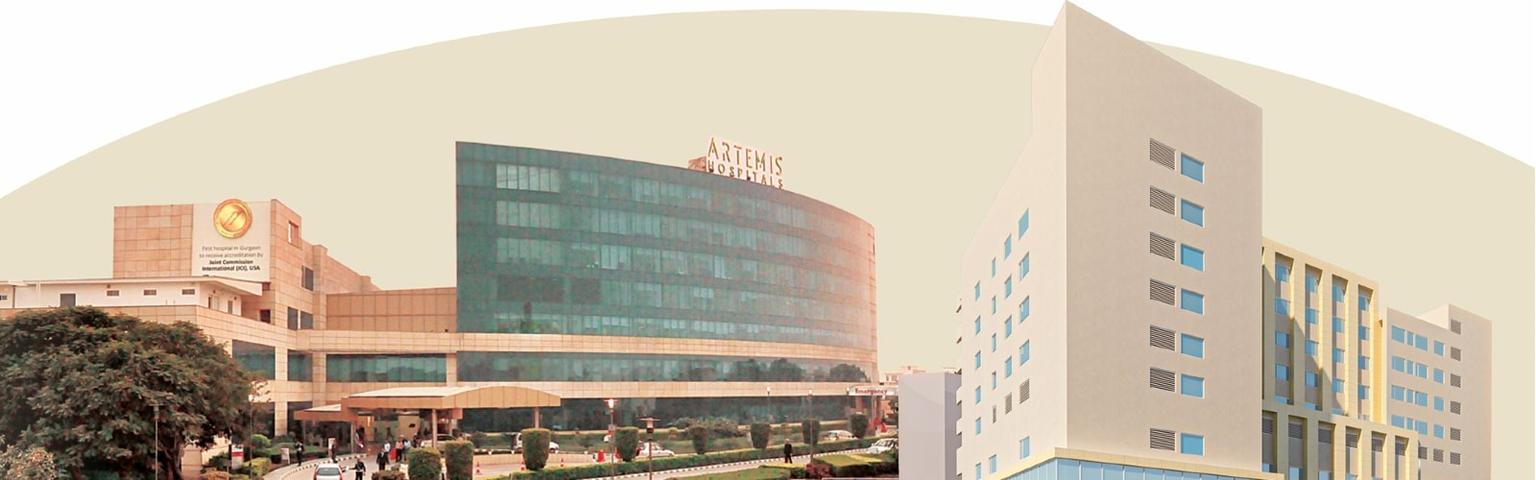
Artemis Hospital
Sector 51, Gurugram, Haryana, India
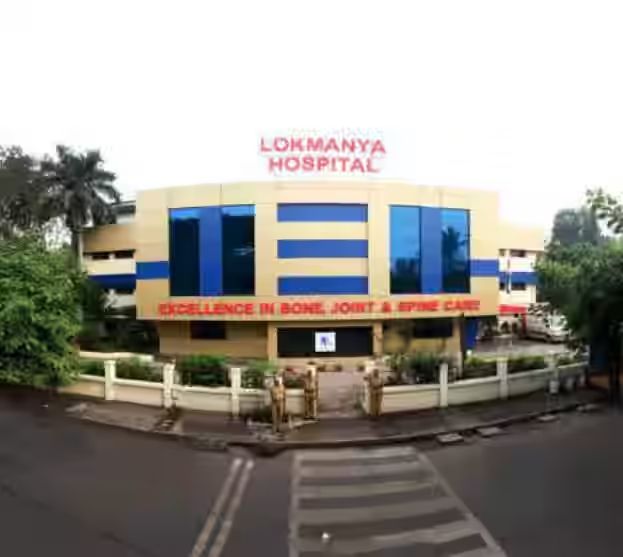
Lokmanya Hospitals
Not Specified

White Lotus Hospital
766, SFS 3145, SFS Road, 7th Sector, HSR Layout, Bengaluru, Karnataka 560102, India
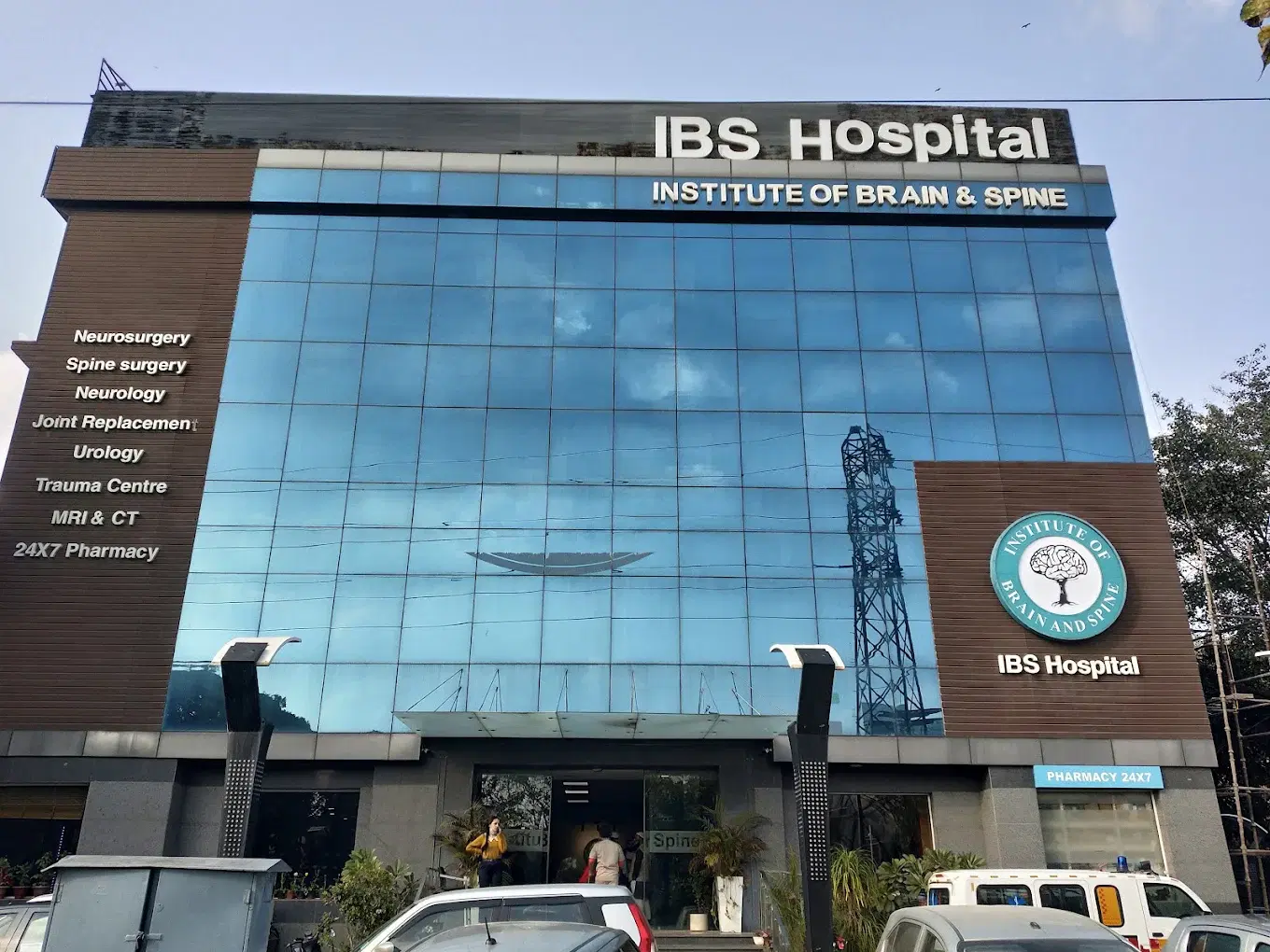
Institute of Brain and Spine (IBS Hospital)
Not Specified
How DivinHeal Helps
We simplify your medical journey by providing comprehensive support and access to world-class healthcare.
Expert Specialist Matching
Connecting you with the world's top-rated medical experts.
Accredited Hospital Network
Access to JCI & NABH certified healthcare facilities.
Complete Travel Coordination
Hassle-free visa, stay, and local transport assistance.
24/7 Personal Care
Dedicated patient advisors supporting you at every step.
Journey Guidance
Full guidance from start to end of the patient treatment journey.
Expert Specialist Matching
Connecting you with the world's top-rated medical experts.
Everything you
need to know today
Browse through these common inquiries to better understand our patient-focused medical platform.
Yes, we work with a variety of insurance providers. Contact our team to verify your coverage.
Yes, we provide secure online consultations with experienced specialists.
Our care coordinators help match you with the most suitable specialist.
Absolutely. Your medical information is protected according to healthcare privacy standards.
Look at six things: accreditation (JCI or NABH), specialty depth, doctor credentials and experience, procedure-specific success rates, international patient support, and technology. DivinHeal's AI-driven matching evaluates every hospital in our accredited partner network on these dimensions and shortlists the best-fit options for your condition, budget, and country.
JCI (Joint Commission International) is the US-based global gold standard for hospital quality, recognised worldwide. NABH is India's national accreditation — accredited by ISQua, the same body that accredits JCI. Both signal independently verified safety and quality. Most of India's leading hospitals hold both.
Yes. All three welcome international patients through structured medical visa programs. India is the most established, treating patients from Africa, the Middle East, and South Asia at 60–80% lower cost. Thailand leads in cosmetic and dental care. The UAE is emerging in oncology and reproductive medicine.
Most patients save 50–80% on treatment costs. Heart bypass costs US $7,000–9,000 in India compared to $70,000–150,000 in the US. IVF costs $3,000–4,500 compared to $12,000–20,000 in the UK. Even after flights, visa, and accommodation, total savings remain 60–70%.
DivinHeal manages your entire non-medical journey: visa invitation letters, medical visa guidance, doctor appointments, teleconsultations, airport pickup, hospital-vetted accommodation for you and your attendant, language interpreters, local transport, cuisine preferences, and post-treatment follow-up — one dedicated coordinator from first enquiry to final follow-up.
You need a valid passport (6+ months validity), a medical visa (M-Visa for India — DivinHeal provides the hospital invitation letter), return flight tickets, recent medical reports and a doctor's referral, current prescription list, and proof of financial means. Any accompanying attendant needs their own passport and MX-Visa.
Still have more questions?
Book a call with our friendly team to learn how DivineHeal simplifies your healthcare journey.