Neuro Rehabilitation Program
5K+ International Patients Treated
40+ Source Countries Served
500+ Accredited Partner Hospitals
98% Patient Satisfaction
80% Average Savings vs USA
10K+ Doctors
NABH, JCI Accredited Hospitals
Free Treatment Plan
Free Consultation with Doctor
5+ Destinations Covered
About Neuro Rehabilitation Program
Sources and Guidelines Referenced
This clinical guide incorporates evidence and recommendation standards from major international neurological and rehabilitation authorities: American Heart Association/American Stroke Association (AHA/ASA Stroke Rehabilitation Guidelines, Winstein et al. 2016, AHA 2021 Update); National Institute for Health and Care Excellence (NICE NG128: Stroke rehabilitation in adults, 2023 update); VA/DoD Clinical Practice Guideline for the Management of Stroke Rehabilitation (2019); American Congress of Rehabilitation Medicine (ACRM, 2022); World Health Organization (WHO Guidelines on Rehabilitation in Health Systems, 2022); and the European Academy of Neurology Task Force on Neurorehabilitation (EAN 2020).
Neuro Rehabilitation Program: A Comprehensive Patient Guide
1. Definition and Medical Identity
A neuro rehabilitation program is an intensive, medically supervised therapeutic regimen designed to restore physical, cognitive, sensory, and behavioural function in individuals affected by neurological disease or nervous system trauma. Known clinically as neurological rehabilitation, this program belongs to the medical specialty of physical medicine and rehabilitation (PM&R). Its primary goal is optimizing functional autonomy and reducing disability.
Neurological injury disrupts the complex neural networks that govern movement, sensation, communication, and cognition. A neuro rehabilitation program provides a structured structure where specialized clinical disciplines converge to evaluate, treat, and monitor patients. Unlike general physical therapy, neuro rehabilitation specifically targets the unique biological mechanisms of central nervous system recovery.
Programs operate across multiple settings, including acute inpatient rehabilitation facilities (IRFs), subacute skilled nursing settings, outpatient rehabilitation clinics, and specialized day-treatment centers. The medical directorship is maintained by a physiatrist—a medical doctor specializing in physical medicine and rehabilitation—who collaborates with clinical nurse specialists, physical therapists, occupational therapists, speech-language pathologists, neuropsychologists, and clinical social workers.
2. The Underlying Condition or Need
A neuro rehabilitation program is medically indicated when damage to the brain, spinal cord, or peripheral nerves produces functional impairment, physical disability, or cognitive disruption. The underlying biological deficit involves tissue ischemia, mechanical trauma, neuroinflammation, or progressive neurodegeneration that interrupts normal synaptic transmission and motor unit recruitment.
Clinical presentation varies depending on the anatomical site of lesions. Brain lesions—such as those from ischemic stroke, subarachnoid hemorrhage, or traumatic brain injury—often result in hemiparesis (weakness on one side of the body), aphasia (impairment of language expression or comprehension), executive cognitive dysfunction, and emotional lability. Spinal cord lesions manifest as paraplegia or tetraplegia, sensory level loss, and autonomic dysfunction, including neurogenic bladder and bowel.
Without structured neuro rehabilitation, individuals face substantial risks of secondary complications. Physical immobility leads to joint contractures, muscle atrophy, pressure ulcers, deep vein thrombosis, and hypostatic pneumonia. Neurologically, lack of targeted input promotes learned non-use—a phenomenon where the brain permanently discards neural representation of affected limbs. Intervening early prevents functional deterioration and harnesses critical temporal windows of physiological recovery (NICE NG128, 2023).
3. How the Treatment Works — Mechanism
A neuro rehabilitation program works by stimulating neuroplasticity—the central nervous system's capacity to structurally reorganize its cellular connections, form new functional pathways, and adapt in response to environmental demands and repetitive learning. Therapeutic exercises act as targeted stimuli that drive physical changes within surviving neural tissue.
At the cellular level, rehabilitation drives several biological processes: synaptogenesis (the formation of new synaptic contacts between neurons), axonal sprouting (the growth of new nerve fibers from undamaged axons to form replacement connections), and the unmasking of latent, pre-existing neural pathways. Following cortical injury, adjacent uninjured cortical areas can assume functions previously controlled by damaged tissue, a process known as vicariation or cortical remapping (Kwakkel et al., Lancet Neurology, 2017).
To trigger these biological changes, therapy must adhere to core neuroplasticity principles defined by Kleim and Jones (2008): specificity, repetition, intensity, time-dependence, and salience (meaningfulness of the task). High-intensity, task-oriented practice causes repetitive firing of neural networks. This repetitive action strengthens synaptic efficacy through long-term potentiation (LTP). Concurrently, targeted physical training downregulates inhibitory neurotransmitters like gamma-aminobutyric acid (GABA), creating a permissive environment for cortical reorganization and motor learning.
4. Types and Variations
Neuro rehabilitation programs are structured around patient acuity, clinical diagnosis, functional tolerance, and care setting. Variations in protocol reflect differences in session intensity, specialized equipment, and clinical focus.
Inpatient rehabilitation programs require patients to complete at least three hours of active therapy daily, split across multiple disciplines five to six days per week. Subacute programs offer less intensive therapy (1 to 2 hours daily) for individuals unable to tolerate high-intensity care. Outpatient programs focus on advanced community reintegration, fine motor retraining, and higher-level cognitive rehabilitation.
| Program Type | Clinical Setting | Daily Therapy Intensity | Primary Patient Population | Clinical Focus |
|---|---|---|---|---|
| Acute Inpatient Rehabilitation | Inpatient Rehabilitation Facility (IRF) | 3+ hours/day (5–6 days/week) | Acute stroke, moderate-to-severe TBI, spinal cord injury | Medical stabilization, early mobility, basic ADL independence, swallow safety |
| Subacute Rehabilitation | Skilled Nursing Facility (SNF) | 1–2 hours/day (5 days/week) | Frail elders, complex co-morbidities, slow-recovering neurological injury | Gradual stamina building, basic transfer training, prevention of immobility risks |
| Comprehensive Outpatient | Outpatient Rehabilitation Center | 2–4 hours/week (modular) | Mild-to-moderate stroke, outpatient TBI, stable MS, Parkinson's | Advanced gait, fine motor control, return to driving/work, cognitive maintenance |
| Day Treatment / Neuro Day Program | Dedicated Neuro Center | 4–6 hours/day (2–4 days/week) | Traumatic brain injury, post-acute cognitive-behavioural deficits | Community reintegration, vocational retraining, social-emotional processing |
Specialized sub-protocols within these settings include constraint-induced movement therapy (CIMT) for upper extremity paresis, body-weight-supported treadmill training (BWSTT) for gait retraining, and LSVT BIG and LOUD protocols specifically designed for Parkinson's disease (AHA/ASA 2021 guidelines).
5. Who the Treatment Is For — Indications
Neuro rehabilitation is indicated for individuals experiencing functional, cognitive, or motor deficits resulting from structural or functional pathology of the nervous system. Eligibility requires sufficient medical stability to participate in active physical and cognitive exercises.
- Vascular Neurological Disorders: Ischemic stroke, intracerebral hemorrhage, subarachnoid hemorrhage, transient ischemic attack (TIA) with residual deficits, and cerebral venous sinus thrombosis.
- Traumatic Neurological Injuries: Traumatic brain injury (concussion, contusion, diffuse axonal injury), spinal cord injury (complete or incomplete paraplegia/tetraplegia), and peripheral nerve trauma.
- Neurodegenerative and Progressive Conditions: Parkinson's disease, multiple sclerosis, amyotrophic lateral sclerosis (ALS early/mid stages), spinocerebellar ataxia, and normal pressure hydrocephalus.
- Neuromuscular and Inflammatory Conditions: Guillain-Barré syndrome, chronic inflammatory demyelinating polyneuropathy (CIDP), myasthenia gravis, and critical illness myopathy/neuropathy.
- Post-Neurosurgical Recovery: Post-resection of brain tumors (meningioma, glioma), spinal cord decompression, or deep brain stimulation (DBS) implantation.
Optimal timing is a key determinant of clinical recovery. Evidence indicates that initiating rehabilitation as soon as medical stability is achieved—typically within 24 to 72 hours post-acute stroke or brain injury—yields superior functional outcomes compared to delayed intervention (Winstein et al., AHA/ASA 2016). Assessment of potential requires evaluating the patient's baseline cognitive capacity, cardiopulmonary reserve, and active participation potential.
6. Who the Treatment Is NOT For — Contraindications
While neuro rehabilitation benefits most individuals with neurological impairment, specific medical conditions constitute absolute or relative contraindications. These criteria ensure patient safety and prevent medical decompensation during high-intensity exertion.
Absolute Contraindications:
- Unstable acute cardiovascular pathology, including uncompensated heart failure, acute coronary syndrome, unstable cardiac arrhythmias, or severe symptomatic aortic stenosis.
- Uncontrolled intracranial hypertension (elevated intracranial pressure > 20 mmHg) or active cerebral spinal fluid (CSF) leak.
- Unstable spinal fractures prior to surgical fixation or orthotic stabilization.
- Active, untreated deep vein thrombosis (DVT) or pulmonary embolism (PE) before therapeutic anticoagulation is established.
- Severe, acute systemic infection with septic shock or unmanageable hemodynamic instability.
Relative Contraindications and Conditions Requiring Protocol Modification:
- Severe cognitive impairment or advanced dementia that prevents motor learning or safety awareness (requires modified, low-demand behavioral protocols).
- Severe medical illness, such as end-stage renal disease or acute respiratory distress, limiting active therapy tolerance to under 30 minutes daily.
- Severe, unmanaged pain syndromes (requires optimization of pain protocols prior to functional training).
- Active psychosis or acute severe agitation that poses an immediate risk to patient or clinical staff safety.
7. Alternatives and Clinical Comparison
Patients evaluating management options for neurological recovery may compare comprehensive multidisciplinary neuro rehabilitation against single-discipline outpatient therapy, home-based therapy, pharmacotherapy alone, or surgical interventions. Clinical evidence demonstrates distinct differences in intervention scope and functional efficacy.
| Treatment Option | Mechanism of Action | Invasiveness | Multidisciplinary Care | Clinical Trade-offs & Indications |
|---|---|---|---|---|
| Multidisciplinary Neuro Rehabilitation | Targeted neuroplastic remapping via intensive, multi-modal task repetition | Non-invasive | Full (Physiatrist, PT, OT, SLP, Neuropsych) | Gold standard for complex deficits. Requires significant time commitment and physical stamina. Highest functional gains. |
| Single-Discipline Outpatient PT or OT | Focal motor or task-specific training restricted to single functional domains | Non-invasive | None (Single therapist working in isolation) | Suitable for isolated, mild deficits (e.g., focal wrist drop). Lacks integrated cognitive and speech coordination. |
| Home-Based Physical Therapy | Basic mobility and environmental adaptation in home setting | Non-invasive | Limited (Low-frequency independent visits) | Ideal for homebound patients; limited by lack of specialized robotic equipment and low therapy intensity. |
| Pharmacotherapy Alone (e.g., Antispasmodics) | Neurochemical modulation of muscle tone, neurotransmitters, or symptoms | Non-invasive / Systemic | None (Prescribed by primary physician or neurologist) | Controls symptoms (e.g., spasticity, tremor) but does not rebuild motor pathways or functional independence. |
| Surgical Interventions (e.g., ITB Pump, Tendon Transfer) | Mechanical release, nerve redirection, or intrathecal drug delivery | Invasive surgical procedure | Surgical team with post-op rehab referral | Addresses severe structural contractures or severe refractory spasticity. Requires rehab to maximize post-op gain. |
Clinical practice guidelines (VA/DoD 2019, NICE 2023) state that while individual modalities provide benefit, single-discipline interventions cannot replicate the therapeutic synergy of an integrated multidisciplinary team. Integrated programs yield significantly higher functional independence scores and lower rates of long-term institutionalization.
8. Pre-Treatment Phase
The pre-treatment phase establishes baseline functional metrics, screens for medical risks, and formulates an individualized rehabilitation plan. Upon referral, the patient undergoes formal intake assessments performed by the interdisciplinary clinical team within 24 to 48 hours of admission.
The baseline diagnostic evaluation incorporates standardized clinical scoring scales:
- Functional Independence Measure (FIM) or Continuum of Care Rating Scale (Section GG metrics): Measures self-care, mobility, sphincter control, and cognitive performance.
- Fugl-Meyer Assessment (FMA): Evaluates motor recovery, sensation, and joint balance in post-stroke hemiplegic patients.
- Berg Balance Scale (BBS): Assesses static and dynamic balance capacity to stratify fall risk.
- National Institutes of Health Stroke Scale (NIHSS): Quantifies neurological deficit severity.
- Rancho Los Amigos Levels of Cognitive Functioning: Classifies cognitive recovery stages following traumatic brain injury.
Medical preparation involves optimization of cardiac, pulmonary, and nutritional status. Swallowing capacity is verified through a Videofluoroscopic Swallowing Study (VFSS) or Fiberoptic Endoscopic Evaluation of Swallowing (FEES) to establish safe dietary textures and prevent aspiration pneumonia. Neurological stability is confirmed via repeated clinical examinations and neuro-imaging review (CT or MRI). Informed consent discussions establish realistic recovery trajectories, therapy expectations, and preliminary discharge planning goals.
9. The Procedure — Step-by-Step Clinical Detail
A neuro rehabilitation program operates as a structured daily regimen spanning weeks to months. The therapy environment is designed to deliver consistent sensory, physical, and cognitive inputs. Below is the chronological breakdown of a typical inpatient neuro rehabilitation day and treatment course.
Phase 1: Morning Medical Assessment and Physiological Priming
The rehabilitation day begins with a comprehensive nursing and physiatric check. Vital signs, neurological checks, skin integrity, and pain scores are evaluated. Medications targeting spasticity (e.g., baclofen, tizanidine) or motor learning boosters (e.g., dopaminergic agents) are administered at set times to align peak plasma concentrations with active therapy sessions.
Phase 2: Physical Therapy — Motor Control and Ambulation
Physical therapy (PT) sessions focus on lower extremity function, trunk stability, balance, and gait retraining. Therapists utilize task-oriented training principles, guiding the patient through hundreds of movement repetitions.
- Robotic-Assisted Gait Training: Exoskeletal systems or powered orthoses assist the patient in achieving physiological gait patterns on a treadmill, driving spinal central pattern generators (CPGs).
- Body-Weight-Supported Treadmill Training (BWSTT): Harness systems unweight a percentage of the patient's body mass, enabling safe practice of stepping movements without fear of falling.
- Functional Electrical Stimulation (FES): Transcutaneous electrodes deliver synchronized electrical currents to paralyzed muscles (e.g., anterior tibialis for foot drop) during the swing phase of gait.
Phase 3: Occupational Therapy — Upper Limb and ADL Retraining
Occupational therapy (OT) addresses upper extremity dexterity, range of motion, and activities of daily living (ADLs) such as feeding, dressing, grooming, and bathing.
- Constraint-Induced Movement Therapy (CIMT): The unimpaired arm is constrained in a mitt or sling for several hours daily, forcing intensive, repetitive use of the affected upper extremity to reverse learned non-use.
- Virtual Reality and Sensorimotor Gaming: Computerized biofeedback platforms encourage high-repetition reach-and-grasp movements in interactive environments.
- Adaptive Equipment Training: Patients practice utilizing specialized utensils, button hooks, and modified dressing aids to establish immediate functional independence.
Phase 4: Speech-Language Pathology and Cognitive Retraining
Speech-Language Pathologists (SLPs) conduct targeted interventions for communication deficits (aphasia, dysarthria) and swallowing impairments (dysphagia).
- Neuromuscular Electrical Stimulation (NMES): Transcutaneous electrical stimulation applied to anterior neck muscles facilitates hyolaryngeal elevation during swallowing.
- Constraint-Induced Language Therapy (CILT): Forces verbal communication by restricting non-verbal gesturing, targeting specific language activation in aphasic patients.
- Cognitive Rehabilitation Therapy (CRT): Neuropsychologists and SLPs execute computer-assisted and paper-based exercises targeting attention, working memory, executive planning, and emotional regulation.
10. Immediate Post-Procedure Period
The immediate post-procedure period refers to the initial 24 to 72 hours following entry into an intensive rehabilitation program or transition between rehabilitation phases. During this window, the physiological response to increased physical exertion is monitored closely.
Patients frequently experience pronounced physical and mental fatigue as neural networks adapt to high metabolic demands. Post-exercise cardiovascular stability is tracked, specifically monitoring for orthostatic hypotension—a sudden drop in blood pressure upon standing common after prolonged bed rest or spinal cord damage. Therapists implement gradual head-up tilt table protocols to recalibrate vascular tone.
Pain management is integrated into early daily routines. Musculoskeletal pain, neuropathic pain, and shoulder subluxation (partial dislocation of the shoulder joint due to paralysis of supporting rotator cuff muscles) are managed using specialized positioning slings, supportive taping, and targeted analgesics. Early discharge criteria for acute rehabilitation include demonstrating stable vital signs under exertion, safe functional transfers with minimal assist, and an established, safe swallowing strategy.
11. Recovery — Short and Long Term
Recovery during a neuro rehabilitation program follows a distinct temporal trajectory. Biological recovery occurs through rapid early restitution (resolving cerebral edema and inflammation) followed by sustained neuroplastic remodeling driven by therapy.
| Timeframe | Clinical Recovery Focus | Expected Milestones | Monitoring & Interventions |
|---|---|---|---|
| Weeks 1 – 4 (Acute Phase) | Bed mobility, trunk control, dysphagia resolution, early transfers | Sitting balance achieved; assistance requirements for ADLs reduced from total to moderate; initial safe oral intake | Daily physiatric oversight, weekly FIM/Section GG scoring, swallowing reassessment (VFSS/FEES) |
| Weeks 5 – 12 (Subacute Phase) | Standing balance, primitive gait restoration, upper extremity reach/grasp | Independent or supervised transfers; ambulation with assistive devices (walker/quad cane); basic independent self-care | Bi-weekly multidisciplinary goal reviews, orthotic evaluation (AFO fitting), functional capacity evaluation |
| Months 3 – 6 (Outpatient Transition) | Advanced gait speed, fine motor manipulation, high-level cognition | Community ambulation; return to modified household tasks; improved speech fluency and memory strategies | Outpatient therapy 2–3x/week, neuropsychological re-evaluation, driving assessment evaluation |
| Months 6 – 12+ (Maintenance / Long-Term) | Community reintegration, vocational retraining, physical endurance | Return to work or adaptive volunteering; independent home exercise routine; recreational activity adaptation | 6-month and 12-month follow-up clinic visits, periodic booster therapy blocks, community group support |
Functional progress often exhibits plateau periods. Clinical evidence confirms that while rapid functional gains occur in the first 3 to 6 months, neuroplastic adaptation continues for years post-injury with ongoing, task-specific practice (Winstein et al., 2016).
12. Risks, Side Effects, and Complications
Neuro rehabilitation programs are safe, but intensive physical and cognitive retraining carries inherent clinical risks. Complications are classified by frequency and clinical severity.
| Frequency / Severity | Clinical Complication | Pathophysiology & Presentation | Clinical Management Protocol |
|---|---|---|---|
| Common / Mild | Central and Peripheral Fatigue | Metabolic depletion during neural network retraining; deep systemic exhaustion | Scheduled rest intervals, energy conservation techniques, sleep hygiene optimization |
| Common / Mild | Musculoskeletal Soreness & Tendonitis | Overuse of unconditioned muscle groups and compensatory joint mechanics | Thermodynamical modalities, gentle stretching, therapy load adjustment |
| Uncommon / Moderate | Shoulder Subluxation & Pain | Paralysis of rotator cuff muscles allowing gravitational traction on the glenohumeral joint | Functional electrical stimulation (FES), specialized arm slings, lap trays, shoulder taping |
| Uncommon / Moderate | Joint Contractures | Shortening of soft tissues and muscles secondary to severe spasticity and immobility | Daily prolonged passive stretching, progressive splinting, serial casting, botulinum toxin injections |
| Uncommon / Moderate | Pressure Injuries (Stage 1–2) | Tissue ischemia over bony prominences due to prolonged pressure or shear force | Strict 2-hour turning schedules, specialized pressure-relieving cushions/mattresses, skin assessment |
| Rare / Severe | Deep Vein Thrombosis (DVT) / PE | Venous stasis in paralyzed limbs combining with hypercoagulable post-injury state | Prophylactic anticoagulation, compression stockings, immediate duplex ultrasound upon swelling |
| Rare / Severe | Autonomic Dysreflexia (SCI T6 or above) | Uncontrolled sympathetic discharge triggered by noxious stimuli below injury level | Immediate elevation of head, removal of restrictive clothing, identification of trigger (bladder/bowel) |
| Rare / Severe | Secondary Seizures | Irritation of cortical grey matter from evolving brain lesions or scar tissue | Immediate anti-seizure medication (ASM) administration, EEG monitoring, airway protection |
Long-term safety data from major stroke registries indicate that structured rehabilitation significantly lowers 1-year mortality and institutionalization rates compared to standard medical care without dedicated rehabilitation (AHA/ASA 2021 update). Warning signs requiring urgent medical attention during rehabilitation include sudden unilateral swelling, chest pain, acute dyspnea, sudden severe headache, or a abrupt decline in neurological status.
13. Lifestyle and Behavioural Considerations
Optimizing functional outcomes in a neuro rehabilitation program requires aligning lifestyle habits with the biological demands of neuroplasticity. The injured brain requires energy resources, restful sleep, and environmental enrichment to consolidate new motor and cognitive skills.
Pre-Treatment and In-Program Optimisation:
- Nutritional Support: High-protein, nutrient-dense nutrition supports tissue repair and synaptogenesis. Individuals with dysphagia require texture-modified diets (e.g., pureed foods, nectar-thick liquids) to ensure adequate hydration and caloric intake without aspiration risk.
- Sleep Optimization: Motor skill consolidation occurs largely during slow-wave and REM sleep cycles. Sleep disturbances, including obstructive sleep apnea (common post-stroke), must be diagnosed and treated with continuous positive airway pressure (CPAP) to optimize cognitive performance and recovery.
- Physical Environment Restructuring: Living spaces should undergo occupational therapy home assessments to remove tripper hazards, install grab bars, broaden doorways, and add wheelchair ramps prior to discharge.
- Substance Avoidance: Alcohol and nicotine impair neuroplasticity, reduce cerebral blood flow, and increase secondary stroke risk. Complete cessation is required.
14. How Outcomes Are Measured
Outcomes in a neuro rehabilitation program are evaluated using validated, standardized measurement scales administered at baseline, periodic intervals, and discharge. Clinical success is measured by functional independence and quality of life gains rather than complete anatomical cure.
Primary outcome tools include the Functional Independence Measure (FIM) and the Section GG Function Assessment, which score performance across 18 self-care, mobility, and cognitive tasks on a standardized numerical scale. Minimal Clinically Important Differences (MCID)—the smallest change in score that patients perceive as a beneficial improvement—are established for these measures. For instance, an increase of 22 points on the total FIM score represents a meaningful functional gain post-stroke (Kwakkel et al., 2017).
Other outcome metrics include gait velocity (meters per second measured via the 10-Meter Walk Test), dynamic endurance (6-Minute Walk Test), and upper limb manual dexterity (Action Research Arm Test - ARAT). Cognitive outcomes are tracked using the Functional Assessment of Verbal Reasoning and Executive Strategies (FAVRES) and Montreal Cognitive Assessment (MoCA).
If progress plateaus during an outpatient program, clinicians conduct formal re-evaluations. Plateaus are managed by altering treatment protocols, introducing novel modalities (such as robotic assistance or CIMT), addressing secondary medical issues (e.g., untreated depression or severe spasticity), or transitioning the patient to a home maintenance program with periodic booster clinical therapy blocks.
15. Recent Advances and Current Standard of Care
The standard of care in neuro rehabilitation has evolved significantly over the past two decades, transitioning from passive range-of-motion management to high-intensity, technology-assisted active motor learning programs grounded in neuroscience.
Key contemporary technological and clinical advances include:
- Exoskeletal and Robotic Gait Systems: Advanced wearable robotic exoskeletons provide powered assistance to hip and knee joints, enabling non-ambulatory patients with spinal cord injury or stroke to achieve high-volume walking practice early in recovery.
- Non-Invasive Brain Stimulation (NIBS): Repetitive Transcranial Magnetic Stimulation (rTMS) and transcranial Direct Current Stimulation (tDCS) are used as adjuncts to prime cortical excitability before physical or language therapy sessions (EAN Guidelines 2020).
- Virtual Reality (VR) and Immersive Environments: VR systems deliver customized, high-salience motor tasks with real-time visual and auditory feedback, enhancing patient engagement and driving cortical remapping.
- Targeted Pharmacotherapy for Spasticity: Intramuscular Botulinum Toxin Type A (BoNT-A) injections combined with intensive post-injection therapy allow precise focal spasticity reduction without systemic side effects.
- Brain-Computer Interfaces (BCIs): Emerging BCI systems decode neural signals from the motor cortex to power functional electrical stimulation devices or external robotic orthoses, bypassing damaged spinal pathways.
16. Common Myths and Misconceptions
Myth: Brain recovery completely stops six months after a stroke or head injury.
Reality: While rapid spontaneous neurological recovery occurs in the first 3 to 6 months, clinical research demonstrates that neuroplasticity remains active throughout life. Functional improvements can continue for years post-injury with intensive, task-specific practice (Winstein et al., AHA/ASA 2016).
Myth: Neuro rehabilitation is just basic physical therapy that patients can do on their own at home.
Reality: Neuro rehabilitation is an integrated medical discipline involving specialized physicians, therapists, and neuropsychologists. It uses clinical technologies like FES, robotics, and specific task-oriented training protocols that cannot be replicated by unguided home exercise (NICE NG128, 2023).
Myth: If a paralyzed arm does not move within a few weeks, it will never function again.
Reality: Delayed recovery of motor function is common. Interventions such as Constraint-Induced Movement Therapy (CIMT) and neuromuscular electrical stimulation can unmask latent motor pathways months after initial paralysis.
Myth: Cognitive and speech deficits automatically improve on their own as physical strength returns.
Reality: Cognitive and language recovery follow distinct neural pathways separate from motor recovery. Speech-Language Pathology and cognitive rehabilitation therapy are required to rebuild communication and executive function networks.
Myth: Neuro rehabilitation is only for severe injuries like total paralysis or major strokes.
Reality: Mild neurological events, including mild traumatic brain injury (concussion) and transient ischemic events, frequently cause subtle executive, balance, and visual processing deficits that benefit from targeted neuro rehabilitation.
Myth: Using adaptive equipment (like a walker or splint) makes a patient lazy and prevents real recovery.
Reality: Adaptive equipment provides necessary joint stability, prevents fall-related trauma, and prevents compensatory movements. Using adaptive devices enables safe, high-repetition mobility that drives neuroplastic recovery.
17. Frequently Asked Questions
What is the main goal of a neuro rehabilitation program?
The main goal of a neuro rehabilitation program is to help individuals who have experienced nervous system damage regain functional independence, mobility, cognitive capability, and communication skills. Therapists work to maximize physical recovery, prevent secondary medical complications, and provide adaptive techniques to improve overall quality of life.
How long does an inpatient neuro rehabilitation program typically last?
An inpatient neuro rehabilitation program typically lasts between two to six weeks, depending on injury severity, functional baseline, and patient stamina. Following discharge from inpatient care, patients often continue their recovery through structured outpatient therapy programs for an additional three to twelve months.
What is the difference between general physical therapy and neuro rehabilitation?
General physical therapy primarily targets musculoskeletal injuries, joint balance, and localized muscle recovery. Neuro rehabilitation specifically focuses on central nervous system repair, utilizing neuroplasticity principles, advanced technology, and coordinated multidisciplinary care (including physiatry, speech therapy, and neuropsychology) to retrain brain-body signaling.
How many hours of therapy are performed each day in acute rehabilitation?
In accredited inpatient rehabilitation facilities, patients participate in at least three hours of active therapy per day, five to six days a week. This time is divided between physical therapy, occupational therapy, and speech-language therapy based on individual clinical needs.
Can neuro rehabilitation help patients with progressive diseases like Parkinson's or MS?
Yes. Neuro rehabilitation benefits individuals with progressive neurological conditions like Parkinson's disease and multiple sclerosis. Programs use specialized protocols (such as LSVT BIG) to preserve mobility, manage muscle spasticity, delay functional decline, and maintain independence for as long as possible.
What is neuroplasticity and why is it important in rehabilitation?
Neuroplasticity is the brain and spinal cord's ability to reorganize structural connections, form new neural pathways, and adapt in response to injury and learning. It forms the core mechanism of neuro rehabilitation, allowing surviving brain cells to take over functions lost from damaged tissue through repetitive, task-specific practice.
How is swallowing difficulty (dysphagia) treated in neuro rehabilitation?
Swallowing difficulties are evaluated using diagnostic imaging like videofluoroscopic swallowing studies. Speech-Language Pathologists treat dysphagia using neck muscle exercises, neuromuscular electrical stimulation (NMES), postural compensations, and dietary texture modifications to ensure safe swallowing and prevent aspiration pneumonia.
What is constraint-induced movement therapy (CIMT)?
Constraint-Induced Movement Therapy is an evidence-based physical intervention for upper limb weakness. The stronger, unimpaired arm is constrained in a mitt or sling, forcing the patient to repetitively use the affected arm during high-intensity tasks to drive cortical remapping and reverse learned non-use.
Are family members involved in the neuro rehabilitation process?
Yes. Family members and primary caregivers are integral to the rehabilitation process. Teams provide structured caregiver training in safe transfer techniques, equipment management, communication strategies, and home exercise assistance prior to patient discharge to ensure a safe transition home.
What happens if a patient reaches a plateau during therapy?
If functional progress plateaus, the clinical team reassesses the patient to identify underlying barriers such as spasticity, depression, or fatigue. Therapists adjust treatment modalities, introduce novel therapeutic tools, or transition the patient to a home maintenance program with scheduled periodic booster therapy blocks.
How does the team manage post-stroke or post-injury spasticity?
Spasticity (involuntary muscle stiffness) is managed using a combination of daily prolonged stretching, antispasmodic oral medications, dynamic splinting, and targeted botulinum toxin (BoNT-A) injections. Physical and occupational therapy immediately following injections helps maximize muscle lengthening and motor control.
When can a patient drive again after a major neurological event?
Return to driving requires a specialized clinical evaluation conducted by a certified driver rehabilitation specialist. The assessment includes testing visual processing, reaction time, cognitive decision-making, and physical motor control, often followed by on-road evaluations in adaptive vehicles before medical clearance is issued.
Booking With DIVINHEAL
Get a free consultation to understand your treatment options
Cost Calculator
I know my treatment — show me cost from 3 hospitals
Plan My Journey
Tell us your condition and budget — our AI matches the right destination, hospital and doctor and visa pathway
Recommended Article

Best In Vitro Fertilization (IVF) Doctors in Hyderabad
Doctors for Nephrology: Find Kidney Care Specialists
Doctors in Chennai: Find Medical Specialists in India
Best Embryo Freezing Hospitals in Hyderabad: Care Guide
Hospitals for reproductive surgery: Compare options
Hospitals in Gurugram: Guide to Quality Facilities
IVF Treatment in Haryana | Cost, Hospitals & Doctors
TAVR (Transcatheter Aortic Valve Replacement) cost in New Delhi
Tonsillectomy & Adenoidectomy Success Rate in Mumbai
Facelift & Anti-Aging Procedures in Chennai for Ethiopia Patients | Cost, Hospitals
Booking With DIVINHEAL
Get a free consultation to understand your treatment options
Cost Calculator
I know my treatment — show me cost from 3 hospitals
Plan My Journey
Tell us your condition and budget — our AI matches the right destination, hospital and doctor and visa pathway
Recommended Article
Best In Vitro Fertilization (IVF) Doctors in Hyderabad
Doctors for Nephrology: Find Kidney Care Specialists
Doctors in Chennai: Find Medical Specialists in India
Best Embryo Freezing Hospitals in Hyderabad: Care Guide
Hospitals for reproductive surgery: Compare options
Hospitals in Gurugram: Guide to Quality Facilities
IVF Treatment in Haryana | Cost, Hospitals & Doctors
TAVR (Transcatheter Aortic Valve Replacement) cost in New Delhi
Tonsillectomy & Adenoidectomy Success Rate in Mumbai
Facelift & Anti-Aging Procedures in Chennai for Ethiopia Patients | Cost, Hospitals
Our Speciality and Treatments
Genetic Disorder Diagnosis & Counselling
Pediatric Laparoscopic Surgery
Pediatric Kidney Transplant
Pediatric Cardiac Surgery
Down Syndrome Comprehensive Care
Vaccination Program
Newborn Care Package
Pediatric Intensive Care (PICU)
Pediatric Urology (incl. Hypospadias)
Pediatric Orthopedics
Pediatric Gastroenterology
Pediatric Pulmonology
Pediatric Endocrinology
Pediatric Cardiology (non-surgical)
Pediatric Oncology
Neonatal Intensive Care (NICU)
pediatric neurosurgery
Meet Our Medical Specialists




Sr. Consultant - Urology & Kidney Transplant Program (Unit I)
Dr. Abhinandan Mukhopadhyay
MBBS, MD
India

Sr. Consultant - Urology & Kidney Transplant Program (Unit I)
Dr. Abhinandan Mukhopadhyay
MBBS, MD
India
Hospitals
NABH & JCI Accredited Hospitals in India,Turkey, Thailand & UAE.

Artemis Hospital
Sector 51, Gurugram, Haryana, India
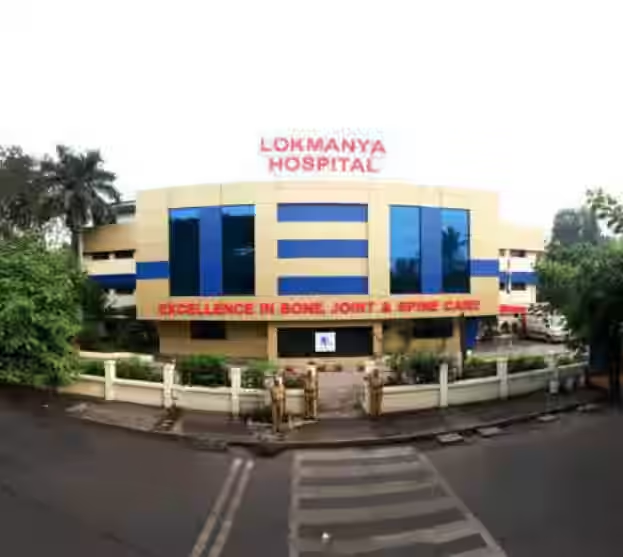
Lokmanya Hospitals
Not Specified

White Lotus Hospital
766, SFS 3145, SFS Road, 7th Sector, HSR Layout, Bengaluru, Karnataka 560102, India
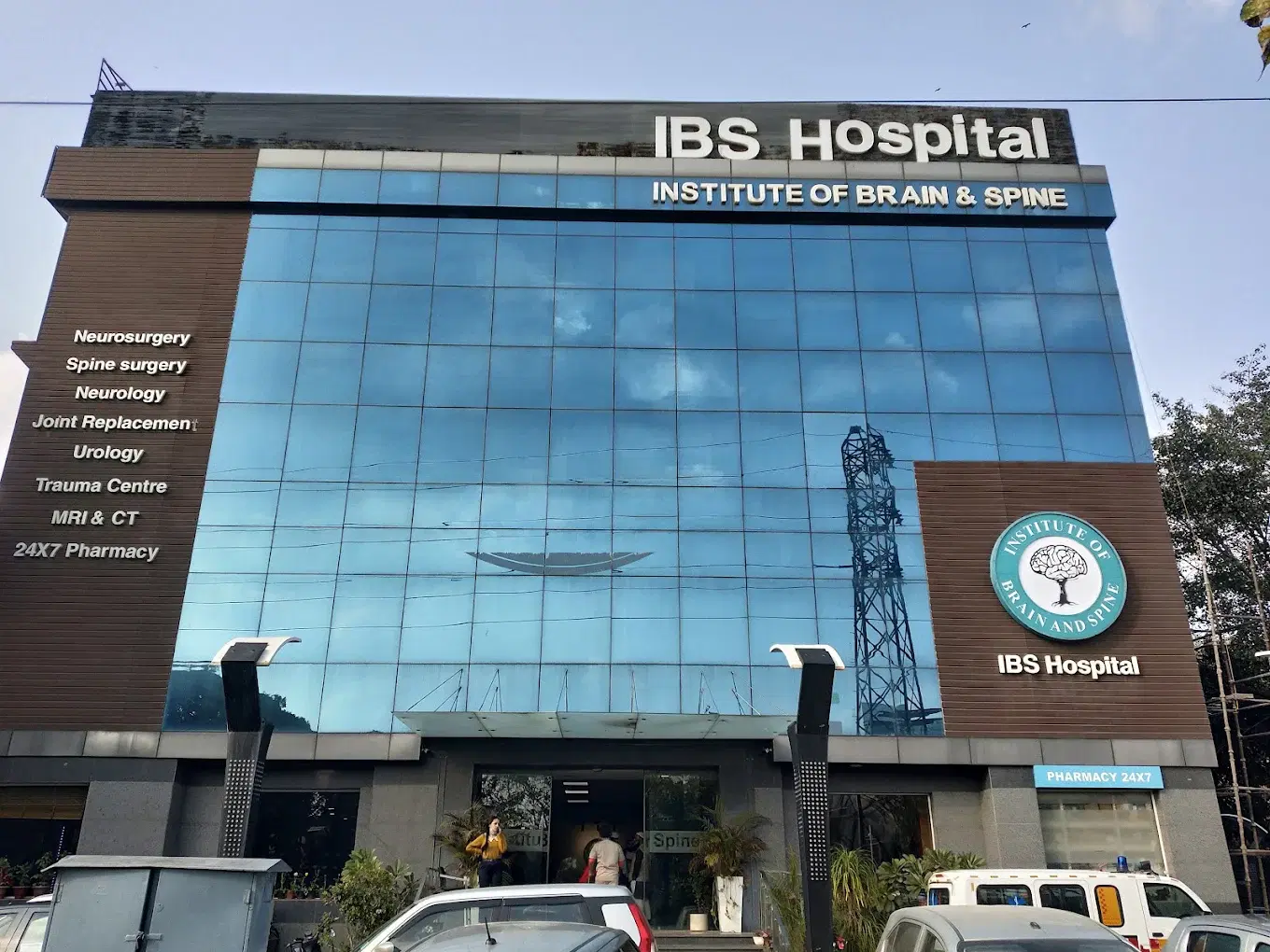
Institute of Brain and Spine (IBS Hospital)
Not Specified
How DivinHeal Helps
We simplify your medical journey by providing comprehensive support and access to world-class healthcare.
Expert Specialist Matching
Connecting you with the world's top-rated medical experts.
Accredited Hospital Network
Access to JCI & NABH certified healthcare facilities.
Complete Travel Coordination
Hassle-free visa, stay, and local transport assistance.
24/7 Personal Care
Dedicated patient advisors supporting you at every step.
Journey Guidance
Full guidance from start to end of the patient treatment journey.
Expert Specialist Matching
Connecting you with the world's top-rated medical experts.
Everything you
need to know today
Browse through these common inquiries to better understand our patient-focused medical platform.
Yes, we work with a variety of insurance providers. Contact our team to verify your coverage.
Yes, we provide secure online consultations with experienced specialists.
Our care coordinators help match you with the most suitable specialist.
Absolutely. Your medical information is protected according to healthcare privacy standards.
Look at six things: accreditation (JCI or NABH), specialty depth, doctor credentials and experience, procedure-specific success rates, international patient support, and technology. DivinHeal's AI-driven matching evaluates every hospital in our accredited partner network on these dimensions and shortlists the best-fit options for your condition, budget, and country.
JCI (Joint Commission International) is the US-based global gold standard for hospital quality, recognised worldwide. NABH is India's national accreditation — accredited by ISQua, the same body that accredits JCI. Both signal independently verified safety and quality. Most of India's leading hospitals hold both.
Yes. All three welcome international patients through structured medical visa programs. India is the most established, treating patients from Africa, the Middle East, and South Asia at 60–80% lower cost. Thailand leads in cosmetic and dental care. The UAE is emerging in oncology and reproductive medicine.
Most patients save 50–80% on treatment costs. Heart bypass costs US $7,000–9,000 in India compared to $70,000–150,000 in the US. IVF costs $3,000–4,500 compared to $12,000–20,000 in the UK. Even after flights, visa, and accommodation, total savings remain 60–70%.
DivinHeal manages your entire non-medical journey: visa invitation letters, medical visa guidance, doctor appointments, teleconsultations, airport pickup, hospital-vetted accommodation for you and your attendant, language interpreters, local transport, cuisine preferences, and post-treatment follow-up — one dedicated coordinator from first enquiry to final follow-up.
You need a valid passport (6+ months validity), a medical visa (M-Visa for India — DivinHeal provides the hospital invitation letter), return flight tickets, recent medical reports and a doctor's referral, current prescription list, and proof of financial means. Any accompanying attendant needs their own passport and MX-Visa.
Still have more questions?
Book a call with our friendly team to learn how DivineHeal simplifies your healthcare journey.