neuromodulation therapy
5K+ International Patients Treated
40+ Source Countries Served
500+ Accredited Partner Hospitals
98% Patient Satisfaction
80% Average Savings vs USA
10K+ Doctors
NABH, JCI Accredited Hospitals
Free Treatment Plan
Free Consultation with Doctor
5+ Destinations Covered
About neuromodulation therapy
Sources and Guidelines Referenced
The clinical evidence and recommendations in this guide are grounded in published clinical practice guidelines and landmark consensus statements, including: the Neuromodulation Appropriateness Consensus Committee (NACC) Guidelines (Deer et al., 2020/2022); American Academy of Neurology (AAN) Practice Guidelines on Deep Brain Stimulation (AAN 2023); National Institute for Health and Care Excellence (NICE) Clinical Guideline NG193 on Chronic Pain and IPG636 on Spinal Cord Stimulation; European Academy of Neurology (EAN) Guidelines on Functional Neurosurgery (EAN 2021); and American Association of Neurological Surgeons (AANS) position statements.
Neuromodulation Therapy: A Comprehensive Patient Guide
1. Definition and Medical Identity
Neuromodulation therapy is a specialized medical treatment that alters nerve cell activity through targeted electrical micro-impulses or direct chemical delivery. The term encompasses technologies like spinal cord stimulation, deep brain stimulation, and sacral nerve stimulation. Categorized under functional neurology and neurosurgery, its core goal is to restore normal neural signaling without permanently destroying nerve tissue.
As defined by the International Neuromodulation Society (INS 2022), neuromodulation acts directly upon the nervous system at target sites. Medical primary terminology designates these systems as bioelectronic medicine or neurostimulation devices. Unlike systemic oral medications that travel throughout the entire circulatory system, neuromodulation applies therapeutic action exclusively to specific neural circuits. This targeted approach prevents widespread biological side effects while offering an adjustable, fully reversible treatment method.
2. The Underlying Condition or Need
Neuromodulation therapy addresses severe chronic conditions caused by biological malfunctions in neural network signaling. When nerve pathways become damaged, inflamed, or pathologically synchronized, they send persistent, hyper-active pain or motor signals to the brain. Over time, the central nervous system undergoes abnormal structural and functional reorganization, a process known as central sensitization, which perpetuates debilitating symptoms even after original tissue injury has healed.
In chronic neuropathic pain conditions, such as persistent spinal pain syndrome or complex regional pain syndrome, damaged peripheral nerves maintain continuous pain signaling. In movement disorders like Parkinson's disease or essential tremor, degeneration of dopamine-producing neurons disrupts deep brain motor loops, producing severe resting tremor, muscle rigidity, and slowness of movement (bradykinesia). Left untreated, these progressive neurological signaling dysfunctions lead to physical disability, severe muscle contractures, profound psychological distress, loss of employment, and diminished quality of life (NICE NG193, 2021).
3. How the Treatment Works — Mechanism
Neuromodulation therapy operates by injecting precisely controlled electrical current fields or micro-doses of medication directly into target nervous tissue. At the cellular level, electrical pulses alter the resting membrane potential of target neurons, blocking pathologically synchronized firing patterns or stimulating inhibitory neural pathways. This intervention replaces abnormal signal volleys with normal or sub-perception signaling, effectively interrupting the disease pathway before signals reach conscious perception.
The underlying scientific principle depends on the specific modality applied. In spinal cord stimulation, low-voltage electrical fields applied to the dorsal columns activate large-diameter A-beta sensory fibers. According to the gate control theory established by Melzack and Wall, activating these fast fibers stimulates inhibitory interneurons in the dorsal horn of the spinal cord, blocking smaller, pain-transmitting C and A-delta fibers from sending pain signals to the brain. In deep brain stimulation, high-frequency electrical pulses (typically above 100 Hz) suppress abnormal oscillatory activity within subcortical nuclei, such as the subthalamic nucleus or globus pallidus internus, thereby restoring fluid communication within motor cortex loops (AAN 2023).
4. Types and Variations
Neuromodulation therapy encompasses multiple distinct types categorized by their target anatomical location and delivery mechanism. Variations range from fully invasive surgically implanted systems to non-invasive external neurostimulation devices. Selecting the appropriate variation depends on the patient's underlying disease, targeted biological system, and clinical treatment goals.
Surgically implanted systems include spinal cord stimulation (SCS), deep brain stimulation (DBS), vagus nerve stimulation (VNS), sacral neuromodulation (SNM), and peripheral nerve stimulation (PNS). SCS delivers stimulation along the posterior epidural space of the spinal cord. DBS places micro-electrodes inside target subcortical brain structures. VNS applies stimulation to the cervical vagus nerve. Non-invasive alternatives include transcutaneous electrical nerve stimulation (TENS), repetitive transcranial magnetic stimulation (rTMS), and non-invasive vagus nerve stimulation (nVNS).
| Neuromodulation Type | Target Structure | Primary Mechanism | Primary Clinical Indications | Invasiveness Level |
|---|---|---|---|---|
| Spinal Cord Stimulation (SCS) | Dorsal Columns of Spinal Cord | Inhibits spinal dorsal horn pain transmission via electric fields | Persistent spinal pain syndrome, CRPS, ischemic pain | Surgically Implanted |
| Deep Brain Stimulation (DBS) | Subthalamic Nucleus, GPi, or VIM Thalamus | Modulates pathologically synchronized subcortical motor loops | Parkinson's disease, Essential Tremor, Dystonia, OCD | Surgically Implanted |
| Sacral Neuromodulation (SNM) | Sacral Nerve Roots (S3/S4) | Modulates spinal reflexes regulating bladder and bowel function | Overactive bladder, non-obstructive retention, fecal incontinence | Surgically Implanted |
| Vagus Nerve Stimulation (VNS) | Cervical Vagus Nerve / Brainstem Pathways | Alters autonomic and cortical network excitability | Drug-resistant epilepsy, treatment-resistant depression | Surgically Implanted |
| Peripheral Nerve Stimulation (PNS) | Specific Peripheral Nerves (e.g., Occipital) | Disrupts localized peripheral pain signal transmission | Localized neuropathic pain, occipital neuralgia | Minimally Invasive / Implanted |
| Transcranial Magnetic Stimulation (rTMS) | Cerebral Cortex (e.g., Dorsolateral PFC) | Induces cortical plasticity using external magnetic pulses | Major depressive disorder, obsessive-compulsive disorder | Non-Invasive External |
5. Who the Treatment Is For — Indications
Neuromodulation therapy is indicated for patients with confirmed, objective neurological conditions whose symptoms cause moderate to severe functional impairment and have failed to respond adequately to standard, conservative medical treatments. Candidates must have exhausted appropriate pharmacological, physical, and interventional therapies administered over an adequate duration under specialist care (Deer et al., NACC Guidelines 2020).
Establishing candidacy requires a rigorous diagnostic workup. For movement disorders, patients must undergo standardized rating scales (such as the Movement Disorder Society UPDRS) and levodopa challenge testing to confirm medication responsiveness. For chronic pain, diagnostic imaging (MRI or CT myelography) must rule out surgically correctable structural lesions, and a detailed neurological examination must confirm a neuropathic pain distribution. Age thresholds vary; DBS is routinely offered to adults with Parkinson's disease presenting with severe motor fluctuations, while sacral neuromodulation is applied across adult age spectrums. Crucially, all surgical candidates must undergo formal psychological evaluation to screen for unmanaged psychiatric disorders and verify realistic outcome expectations.
6. Who the Treatment Is NOT For — Contraindications
Neuromodulation therapy is contraindicated in patients with conditions that compromise surgical safety, impair device operation, or prevent adequate compliance. Absolute contraindications include active systemic infection, localized infection at the surgical site, untreated severe psychiatric disease (such as active psychosis or major unmanaged depression), and severe cognitive impairment or dementia that prevents the patient from operating the device programmer safely (AAN 2023).
Relative contraindications require careful multidisciplinary review and protocol modification. These include severe blood clotting disorders (coagulopathies), ongoing use of unmodifiable high-dose anticoagulant therapy, severe cardiac pacemaker interference, and planned frequent magnetic resonance imaging (MRI) body scans that exceed the specific safety conditions of the implanted neurostimulation system. Additionally, severe structural spinal stenosis obstructing the epidural space prevents successful placement of spinal cord stimulation leads.
7. Alternatives and Clinical Comparison
Neuromodulation therapy occupies a distinct stage in treatment pathways, sitting between conservative medical therapies and non-reversible ablative surgical interventions. Clinicians consider neuromodulation when high-dose oral pharmacotherapy causes unacceptable adverse effects or stops providing adequate symptom control, but structural reconstructive surgery is not clinically appropriate or medically safe.
Alternative treatments vary significantly in mechanism, invasiveness, and long-term reversibility. Pharmacological options (such as oral opioids, anticonvulsants, or dopamine replacement agents) act systemically but frequently produce tolerance, sedation, and cognitive slowing. Interventional injections or radiofrequency neurotomy provide short-term focal relief but require repeated administration. Ablative surgeries, such as pallidotomy, thalamotomy, or surgical rhizotomy, permanently destroy nervous tissue, carrying risks of irreversible neurological deficits. In contrast, neuromodulation offers programmable, fully adjustable, and structurally non-destructive relief (EAN 2021).
| Treatment Option | Primary Mechanism | Invasiveness Level | Reversibility | Major Trade-offs & Advantages |
|---|---|---|---|---|
| Neuromodulation Therapy | Targeted electrical/chemical disruption of pathological neural circuits | Minimally Invasive to Moderate Surgical | Fully Reversible (Device removable) | Adjustable long-term control; requires foreign body implant and maintenance | Assertion-level target control; avoids systemic side effects
| Systemic Pharmacotherapy | Biochemical receptor binding across peripheral and central networks | Non-Invasive | Reversible upon drug cessation | Simple administration; causes widespread systemic side effects, tolerance, and loss of efficacy |
| Destructive Ablative Surgery | Permanent thermal or mechanical destruction of focal nerve tissue | Surgical or MR-Guided Focused Ultrasound | Irreversible (Permanent tissue loss) | No implanted hardware needed; high risk of permanent focal neurological deficits if target strays |
| Reconstructive Spine / Brain Surgery | Structural decompression or realignment of bone and soft tissue | Major Open Surgical | Irreversible structural change | Corrects underlying structural mechanical compromise; carries higher surgical recovery risk |
8. Pre-Treatment Phase
The pre-treatment phase begins with a comprehensive, multidisciplinary clinical consultation. Neurologists, neurosurgeons, pain medicine specialists, and functional rehabilitation professionals review the patient's complete diagnostic history, previous medication trials, and surgical records. High-resolution structural imaging—including thin-slice 3D MRI or CT myelography—is performed to map target neuroanatomy, identify anatomical variants, and plan precise lead trajectory paths.
Lifestyle preparation includes strict smoking cessation for at least four weeks prior to surgery, as nicotine impairs wound healing and increases surgical site infection risks. Anticoagulants and antiplatelet agents (e.g., warfarin, clopidogrel, aspirin) are safely discontinued under cardiologic supervision seven to fourteen days preoperatively. Pre-procedural counseling thoroughly covers device operation, charging requirements (for rechargeable systems), realistic symptom reduction expectations, and surgical risks. Patients receive antibacterial body cleansers to use for two to three days before surgery to minimize skin colonization with Staphylococcus species.
9. The Procedure — Step-by-Step Clinical Detail
The neuromodulation procedure is performed under sterile operating room conditions, employing a two-stage process: a preliminary trial phase followed by permanent surgical implantation if the trial demonstrates therapeutic clinical efficacy.
For Spinal Cord Stimulation (SCS), the step-by-step trial and implant workflow includes:
- Step 1: Patient Positioning and Anesthesia: The patient is positioned prone on a radiolucent operating table. Local anesthesia is infiltrated into the mid-thoracic or upper lumbar region, combined with light intravenous conscious sedation to allow active patient feedback during testing.
- Step 2: Percutaneous Needle Insertion: Under real-time fluoroscopic guidance, a specialized epidural needle (Touhy needle) is advanced into the epidural space using a loss-of-resistance technique.
- Step 3: Lead Advancement: Flexible stimulation leads containing multiple electrode contacts are threaded through the needle and guided along the posterior epidural space to the target spinal cord levels (e.g., T8–T10 for lower extremity pain).
- Step 4: Intraoperative Paresthesia Mapping: The leads are temporarily connected to an external programmer. Low-voltage electrical pulses are delivered, and the patient confirms that the sensations (paresthesias) accurately overlap their clinical pain region (not required for sub-perception/high-frequency modes).
- Step 5: Externalization for Trial: Once lead placement is optimized, the needle is withdrawn. The external ends of the leads are anchored to the skin and connected to an external trial stimulator worn on a belt for three to seven days.
- Step 6: Permanent Generator Implantation (Stage 2): If the trial demonstrates 50% or greater pain relief, permanent implantation proceeds. Under general or deep sedation, a subcutaneous pocket is created in the upper buttock or lower abdomen. The permanent leads are anchored to supraspinous fascia, tunneled through subcutaneous tissue via a tunneling rod, and connected to the implantable pulse generator (IPG).
- Step 7: Closure and Interrogations: Suture lines are closed in multiple anatomical layers. Intraoperative electrical impedance testing confirms correct circuit connection, and sterile dressings are applied.
10. Immediate Post-Procedure Period
In the immediate post-procedure period (the first 24 to 48 hours), patients are monitored in a post-anesthesia care unit (PACU) before transfer to a step-down ward or day-surgery unit. Vital signs, neurological status, motor strength, sensation, and surgical incision site integrity are assessed every hour. Post-operative incisional pain is managed with short-acting oral analgesics and cold therapy; strong opioids are minimized to avoid masking neurological changes.
Discharge criteria require stable neurological status, controlled incisional pain, voiding capability, and successful ambulatory recovery. Before leaving the facility, patients receive clear instructions regarding wound care, activity restrictions, and signs of potential complications. Drivers must transport the patient home. Bending, twisting, reaching, overhead stretching, and lifting items heavier than five pounds are strictly prohibited to prevent lead dislodgement before tissue encapsulation occurs around the leads.
11. Recovery — Short and Long Term
Recovery from neuromodulation surgery proceeds across a progressive biological timeline, moving from acute surgical healing to long-term parameter optimization.
Weeks 1–2 (Acute Incisional Phase): Focus centers on surgical wound healing. Suture or staple sites must remain clean and dry; showering is permitted after initial incision seal, but bathing, swimming, or soaking is strictly avoided. Localized bruising and mild swelling around the IPG pocket are expected. Physical activity is limited to light indoor walking.
Weeks 3–6 (Subacute Stabilization Phase): Suture removal occurs. Tissue encapsulation begins around the implanted leads and generator pocket, securing hardware positions. Initial post-operative device programming occurs during outpatient clinic visits, during which stimulation pulse width, frequency, and amplitude are fine-tuned to match patient feedback.
Weeks 7–12+ (Long-Term Integration Phase): Physical activity is gradually increased. Patients undergo structured physical therapy to rebuild core stability and correct post-pain gait abnormalities. Clinicians schedule regular follow-up visits every 3 to 6 months to monitor battery longevity, assess impedance values, optimize battery life, and adjust programs as disease symptoms evolve over time (Deer et al., NACC 2020).
12. Risks, Side Effects, and Complications
Neuromodulation therapy carries procedure-related, hardware-related, and biological risks. Complication rates have significantly declined with modern surgical techniques and improved bio-compatible hardware, but risks remain inherent to any minor or major neurological intervention.
Serious biological complications include surgical site infection, deep epidural abscess formation, and epidural or intracranial hemorrhage. An epidural hematoma after spinal lead placement is a medical emergency requiring rapid surgical decompression to prevent permanent spinal cord injury and paralysis. Hardware complications include lead migration away from the target nerve, conductor wire fracture, lead insulation breakage, generator failure, or erosion of the generator through the skin. Device-related adverse effects include uncomfortable paresthesias, painful muscle twitching, or unintended electrical shock sensations caused by sudden body movements altering distance to the spinal cord.
| Risk Category | Specific Clinical Complication | Estimated Frequency | Clinical Management / Intervention |
|---|---|---|---|
| Mild / Common | Incisional pain at generator pocket | 10% – 20% | Mild oral analgesics; resolves within 2–4 weeks |
| Mild / Common | Pocket seroma or localized fluid collection | 5% – 10% | Observation, pressure dressing; rare needle aspiration |
| Moderate / Uncommon | Lead migration or lead displacement | 2% – 5% | Surgical lead repositioning or replacement |
| Moderate / Uncommon | Hardware failure / wire fracture / battery fault | 1% – 3% | Surgical component replacement |
| Severe / Rare | Surgical site infection / Pocket infection | 1% – 2% | System explantation, intravenous antibiotics |
| Severe / Rare | Epidural hematoma or spinal cord compression | < 0.5% | Emergency surgical decompression, hematoma evacuation |
| Severe / Rare | Intracranial hemorrhage (DBS procedures) | 0.5% – 1.0% | Emergency neurosurgical management, intensive monitoring |
13. Lifestyle and Behavioural Considerations
Living with an implanted neuromodulation system requires ongoing lifestyle adjustments to ensure hardware integrity and maximum clinical benefit. Pre-procedural optimization involves maintaining a healthy body mass index, quitting smoking, and optimizing glycemic control in diabetic patients to reduce surgical wound infection rates. Post-implantation, physical activity must avoid sudden, repetitive spinal hyper-flexion, extreme axial twisting, or heavy lifting during the early weeks to protect lead placement.
Long-term considerations involve navigating electromagnetic fields and security environments. Patients receive a medical device identification card that must be shown at airport security checkpoints, as neurostimulators trigger metal detectors and can experience functional disruption from security wands. While modern neurostimulators are engineered with advanced shielding, patients must consult their clinician regarding specific magnetic resonance imaging (MRI) compatibility conditions before undergoing imaging. Patients utilizing rechargeable systems must build a regular recharging routine using their external wireless charging collar or belt, maintaining battery levels according to manufacturer guidelines to avoid unexpected battery depletion.
14. How Outcomes Are Measured
Clinical outcomes in neuromodulation therapy are systematically measured using validated, objective functional assessment tools alongside patient-reported rating scales tailored to the treated condition. In chronic pain conditions, primary clinical endpoints include the Visual Analog Scale (VAS) or Numerical Rating Scale (NRS) for pain intensity, the Oswestry Disability Index (ODI) for physical function, and total daily oral morphine milligram equivalents (MME) consumed (NICE IPG636, 2020).
In movement disorders treated with Deep Brain Stimulation, outcomes are quantified using standardized scoring systems such as the Movement Disorder Society Unified Parkinson's Disease Rating Scale (MDS-UPDRS Part III motor score), motor symptom diaries tracking "on" time without troublesome dyskinesia, and tremor intensity scales. Clinical success is broadly defined as a 50% or greater reduction in target symptom severity, accompanied by meaningful functional improvement and reduced medication requirements. If therapeutic benefits diminish over time—a phenomenon known as loss of efficacy or habituation—clinicians perform comprehensive lead impedance checks, trial altered stimulation frequencies, or adjust electrode selection to restore benefit.
15. Recent Advances and Current Standard of Care
The field of neuromodulation therapy has rapidly advanced over the last decade, transitioning from high-amplitude paresthesia-based stimulation to advanced, sub-perception electrical waveforms and closed-loop biofeedback systems. Historical spinal cord stimulation relied on delivering low-frequency stimulation (50–100 Hz) that produced continuous tingling sensations (paresthesias) overlapping pain regions. Current standards of care incorporate high-frequency stimulation (e.g., 10 kHz) and burst stimulation patterns that deliver pain relief without generating felt paresthesias, allowing patients to drive and sleep without stimulation interference (Deer et al., NACC 2020).
Another major technological breakthrough is closed-loop adaptive neurostimulation. Modern spinal cord and deep brain stimulation devices now continuously record local field potentials (LFPs) or evoked compound action potentials (ECAPs) from tissue leads. When changes in body posture or neural firing cause stimulation currents to shift, the intelligent pulse generator automatically adjusts its electrical output in micro-seconds to maintain stable, optimal stimulation parameters. Furthermore, advancements in directional lead technology and MRI-conditional device engineering allow precise electrical field shaping to avoid side effects while preserving compatibility with high-field diagnostic MRI scans.
16. Common Myths and Misconceptions
Myth: Neuromodulation therapy permanently cures the underlying neurological disease or damaged spinal structures.
Reality: Neuromodulation alters and manages abnormal symptom signaling; it does not cure the underlying neurodegenerative or structural condition. It offers long-term symptom management and functional restoration without altering underlying anatomical pathology (AAN 2023).
Myth: Electrical stimulation from neuromodulation devices feels like unpleasant electric shocks.
Reality: Modern sub-perception waveforms (such as 10 kHz or burst stimulation) operate completely beneath the threshold of conscious sensation, producing no tingling or electrical sensation at all. Traditional paresthesia-based modes produce only a gentle, soothing buzzing feeling.
Myth: Once a neuromodulator is surgically implanted, it can never be removed.
Reality: Neuromodulation is fully reversible. If a device stops providing clinical benefit or if newer medical treatments emerge, the entire system—including generator and leads—can be safely removed through minor surgical explantation.
Myth: Patients with an implanted neuromodulation system can never undergo an MRI scan.
Reality: Most modern neurostimulation systems are specifically engineered as MRI-conditional. Provided specific safety guidelines and device programming settings are followed, patients can safely receive full-body or brain MRI scans (Deer et al., 2020).
Myth: The trial phase involves major invasive surgery with permanent device implantation.
Reality: The initial trial phase is a temporary, minimally invasive outpatient procedure. Temporary leads are placed percutaneously under local anesthesia and connected to an external generator for several days to evaluate effectiveness before any permanent surgical decisions are made.
Myth: Neuromodulation devices frequently shock or interfere with cardiac pacemakers.
Reality: Modern neurostimulators are thoroughly tested for electromagnetic compatibility. When placed at proper anatomical distances and programmed appropriately, neuromodulation systems safely co-exist alongside modern cardiac pacemakers without cross-interference.
17. Frequently Asked Questions
What is neuromodulation therapy?
Neuromodulation therapy is an advanced medical treatment that delivers targeted electrical micro-impulses or chemical agents directly to specific nerves, the spinal cord, or brain structures. It acts by modulating abnormal electrical signaling pathways to reduce chronic pain, control movement disorders, or manage autonomic dysfunctions without permanently destroying nerve tissue.
How does neuromodulation therapy work?
Neuromodulation works by modifying nerve cell activity at targeted sites within the nervous system. By introducing precisely calibrated electrical fields or localized drugs, it blocks pathological pain signals from reaching the brain, suppresses abnormal movement oscillations, or restores normal reflex arcs within specialized organ systems.
What conditions are treated with neuromodulation?
Neuromodulation therapy treats persistent spinal pain syndrome, complex regional pain syndrome (CRPS), Parkinson's disease, essential tremor, dystonia, drug-resistant epilepsy, overactive bladder, non-obstructive urinary retention, and fecal incontinence. It is also used for select cases of severe treatment-resistant depression and chronic refractory angina.
Is neuromodulation surgery permanent?
The procedure is entirely reversible, not permanent. Unlike destructive neurosurgical procedures that permanently excise nerve tissue, all neuromodulation hardware—including the pulse generator and electrical leads—can be completely deactivated or surgically removed if no longer required.
What is the difference between a trial and permanent implantation?
A trial involves placing temporary electrical leads near target nerves for three to seven days using an external, belt-worn generator to test symptom relief. Permanent implantation is performed only if the trial achieves at least 50% symptom reduction, involving the subcutaneous surgical placement of an internal pulse generator.
Will I feel the electrical stimulation?
Whether you feel stimulation depends on the programming mode chosen. Traditional low-frequency modes produce a mild, comfortable tingling sensation known as paresthesia. Modern sub-perception and high-frequency modes (such as 10 kHz) deliver complete symptom relief without producing any physical sensation.
How long does the battery in an implantable pulse generator last?
Non-rechargeable pulse generator batteries typically last between three to five years, depending on stimulation settings and daily usage hours. Rechargeable pulse generators can last ten to fifteen years or longer, requiring periodic wireless charging sessions using an external charging pad.
What are the primary surgical risks of neuromodulation?
Primary surgical risks include localized incisional infection, bleeding, seroma formation, lead displacement requiring revision, and temporary pocket pain. Severe but rare risks include epidural hematoma, direct nerve tissue damage, and deep infection requiring device explantation.
How long is the recovery period after implantation surgery?
Initial surgical incisional recovery takes two to four weeks, during which physical bending, twisting, and heavy lifting are strictly restricted. Full functional recovery, lead stability, and long-term parameter optimization are typically achieved within six to twelve weeks post-surgery.
Can I go through airport security with a neurostimulator?
Yes, but the device may trigger airport security metal detectors or walk-through scanners. Patients are issued an official medical device identification card to show security personnel, allowing for alternative manual screening or pat-down procedures.
Can I get an MRI with an implanted neurostimulator?
Most modern neuromodulation devices are MRI-conditional. This means you can undergo MRI scans safely provided specific technical criteria are met, including setting the device into a dedicated "MRI Mode" prior to the imaging procedure.
How much physical activity can I perform with an implanted device?
After completing the initial six-to-twelve-week recovery window and receiving medical clearance, most patients return to normal daily physical activities, including walking, swimming, cycling, and gentle exercise. High-impact contact sports should generally be avoided to prevent hardware damage.
What happens if the stimulation stops working over time?
If stimulation effectiveness decreases, clinicians conduct comprehensive non-invasive troubleshooting. They evaluate lead electrical impedance, test individual lead contact points, adjust stimulation frequency or pulse width, or switch to alternative waveform paradigms to restore therapeutic efficacy.
How is deep brain stimulation different from spinal cord stimulation?
Deep brain stimulation (DBS) targets subcortical structures within the brain (such as the subthalamic nucleus) to manage movement disorders like Parkinson's disease. Spinal cord stimulation (SCS) targets sensory nerve columns in the spinal epidural space primarily to control chronic neuropathic pain in the limbs and back.
Booking With DIVINHEAL
Get a free consultation to understand your treatment options
Cost Calculator
I know my treatment — show me cost from 3 hospitals
Plan My Journey
Tell us your condition and budget — our AI matches the right destination, hospital and doctor and visa pathway
Recommended Article

Best In Vitro Fertilization (IVF) Doctors in Hyderabad
Doctors for Nephrology: Find Kidney Care Specialists
Doctors in Chennai: Find Medical Specialists in India
Best Embryo Freezing Hospitals in Hyderabad: Care Guide
Hospitals for reproductive surgery: Compare options
Hospitals in Gurugram: Guide to Quality Facilities
IVF Treatment in Haryana | Cost, Hospitals & Doctors
TAVR (Transcatheter Aortic Valve Replacement) cost in New Delhi
Tonsillectomy & Adenoidectomy Success Rate in Mumbai
Facelift & Anti-Aging Procedures in Chennai for Ethiopia Patients | Cost, Hospitals
Booking With DIVINHEAL
Get a free consultation to understand your treatment options
Cost Calculator
I know my treatment — show me cost from 3 hospitals
Plan My Journey
Tell us your condition and budget — our AI matches the right destination, hospital and doctor and visa pathway
Recommended Article
Best In Vitro Fertilization (IVF) Doctors in Hyderabad
Doctors for Nephrology: Find Kidney Care Specialists
Doctors in Chennai: Find Medical Specialists in India
Best Embryo Freezing Hospitals in Hyderabad: Care Guide
Hospitals for reproductive surgery: Compare options
Hospitals in Gurugram: Guide to Quality Facilities
IVF Treatment in Haryana | Cost, Hospitals & Doctors
TAVR (Transcatheter Aortic Valve Replacement) cost in New Delhi
Tonsillectomy & Adenoidectomy Success Rate in Mumbai
Facelift & Anti-Aging Procedures in Chennai for Ethiopia Patients | Cost, Hospitals
Our Speciality and Treatments
Genetic Disorder Diagnosis & Counselling
Pediatric Laparoscopic Surgery
Pediatric Kidney Transplant
Pediatric Cardiac Surgery
Down Syndrome Comprehensive Care
Vaccination Program
Newborn Care Package
Pediatric Intensive Care (PICU)
Pediatric Urology (incl. Hypospadias)
Pediatric Orthopedics
Pediatric Gastroenterology
Pediatric Pulmonology
Pediatric Endocrinology
Pediatric Cardiology (non-surgical)
Pediatric Oncology
Neonatal Intensive Care (NICU)
pediatric neurosurgery
Meet Our Medical Specialists




Sr. Consultant - Urology & Kidney Transplant Program (Unit I)
Dr. Abhinandan Mukhopadhyay
MBBS, MD
India

Sr. Consultant - Urology & Kidney Transplant Program (Unit I)
Dr. Abhinandan Mukhopadhyay
MBBS, MD
India
Hospitals
NABH & JCI Accredited Hospitals in India,Turkey, Thailand & UAE.

Artemis Hospital
Sector 51, Gurugram, Haryana, India
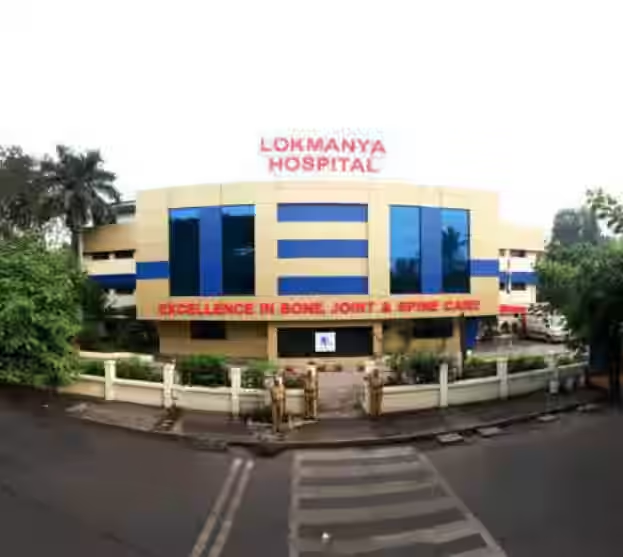
Lokmanya Hospitals
Not Specified

White Lotus Hospital
766, SFS 3145, SFS Road, 7th Sector, HSR Layout, Bengaluru, Karnataka 560102, India
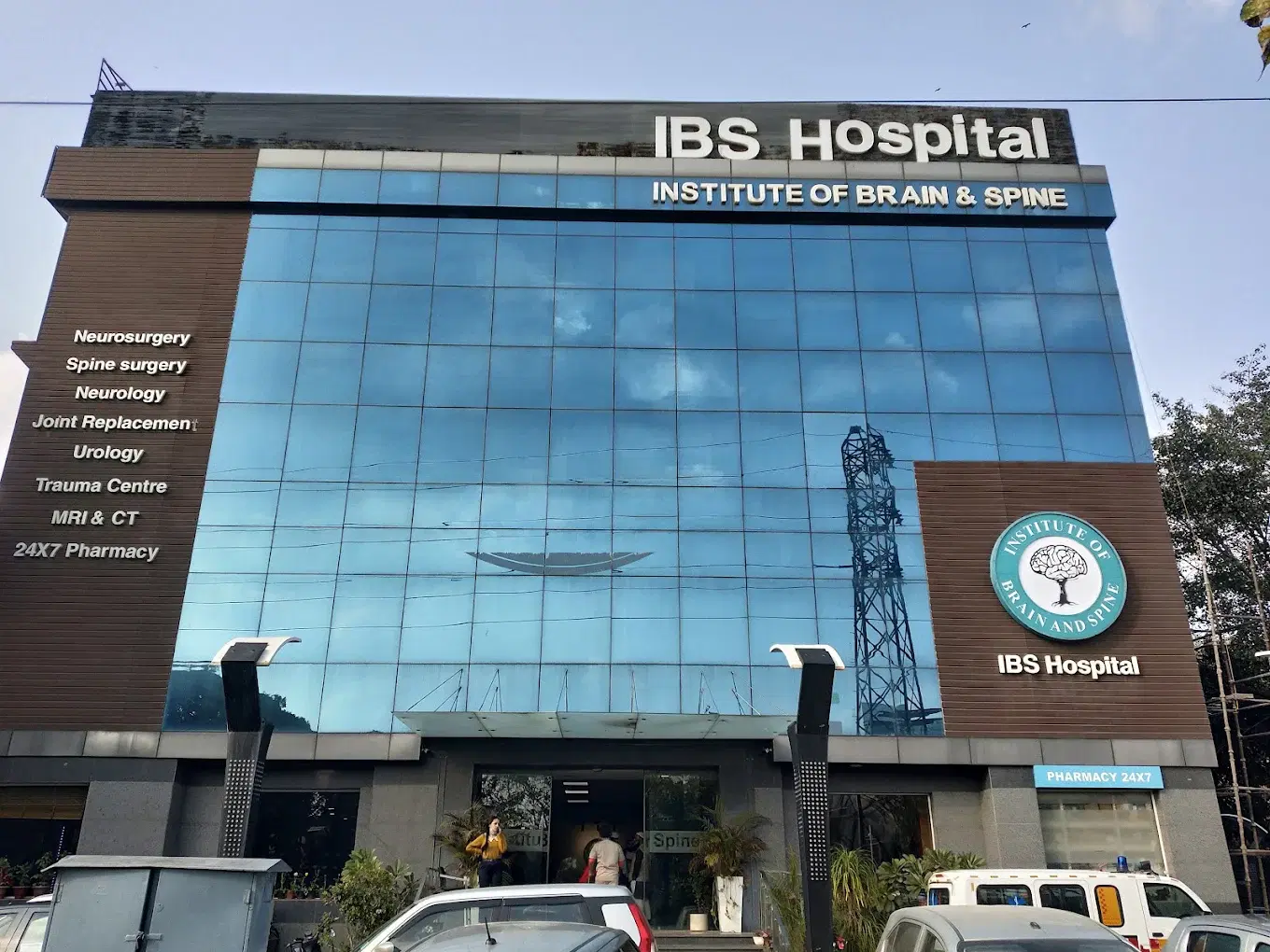
Institute of Brain and Spine (IBS Hospital)
Not Specified
How DivinHeal Helps
We simplify your medical journey by providing comprehensive support and access to world-class healthcare.
Expert Specialist Matching
Connecting you with the world's top-rated medical experts.
Accredited Hospital Network
Access to JCI & NABH certified healthcare facilities.
Complete Travel Coordination
Hassle-free visa, stay, and local transport assistance.
24/7 Personal Care
Dedicated patient advisors supporting you at every step.
Journey Guidance
Full guidance from start to end of the patient treatment journey.
Expert Specialist Matching
Connecting you with the world's top-rated medical experts.
Everything you
need to know today
Browse through these common inquiries to better understand our patient-focused medical platform.
Yes, we work with a variety of insurance providers. Contact our team to verify your coverage.
Yes, we provide secure online consultations with experienced specialists.
Our care coordinators help match you with the most suitable specialist.
Absolutely. Your medical information is protected according to healthcare privacy standards.
Look at six things: accreditation (JCI or NABH), specialty depth, doctor credentials and experience, procedure-specific success rates, international patient support, and technology. DivinHeal's AI-driven matching evaluates every hospital in our accredited partner network on these dimensions and shortlists the best-fit options for your condition, budget, and country.
JCI (Joint Commission International) is the US-based global gold standard for hospital quality, recognised worldwide. NABH is India's national accreditation — accredited by ISQua, the same body that accredits JCI. Both signal independently verified safety and quality. Most of India's leading hospitals hold both.
Yes. All three welcome international patients through structured medical visa programs. India is the most established, treating patients from Africa, the Middle East, and South Asia at 60–80% lower cost. Thailand leads in cosmetic and dental care. The UAE is emerging in oncology and reproductive medicine.
Most patients save 50–80% on treatment costs. Heart bypass costs US $7,000–9,000 in India compared to $70,000–150,000 in the US. IVF costs $3,000–4,500 compared to $12,000–20,000 in the UK. Even after flights, visa, and accommodation, total savings remain 60–70%.
DivinHeal manages your entire non-medical journey: visa invitation letters, medical visa guidance, doctor appointments, teleconsultations, airport pickup, hospital-vetted accommodation for you and your attendant, language interpreters, local transport, cuisine preferences, and post-treatment follow-up — one dedicated coordinator from first enquiry to final follow-up.
You need a valid passport (6+ months validity), a medical visa (M-Visa for India — DivinHeal provides the hospital invitation letter), return flight tickets, recent medical reports and a doctor's referral, current prescription list, and proof of financial means. Any accompanying attendant needs their own passport and MX-Visa.
Still have more questions?
Book a call with our friendly team to learn how DivineHeal simplifies your healthcare journey.