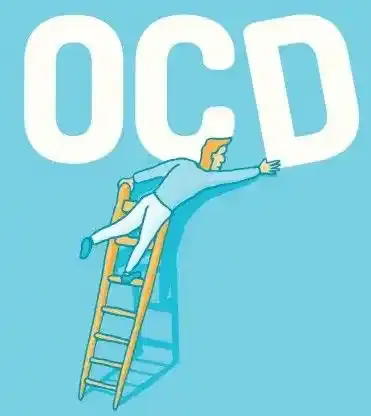
OCD / PTSD Treatment
5K+ International Patients Treated
40+ Source Countries Served
500+ Accredited Partner Hospitals
98% Patient Satisfaction
80% Average Savings vs USA
10K+ Doctors
NABH, JCI Accredited Hospitals
Free Treatment Plan
Free Consultation with Doctor
5+ Destinations Covered
About OCD / PTSD Treatment
Sources and Guidelines Referenced
American Psychiatric Association (APA) Practice Guideline for the Treatment of Patients with Obsessive-Compulsive Disorder (2007/2013); VA/DoD Clinical Practice Guideline for the Management of Posttraumatic Stress Disorder and Acute Stress Disorder (2023); National Institute for Health and Care Excellence (NICE) Guideline NG116: Post-traumatic stress disorder (2018); NICE Guideline CG31: Obsessive-compulsive disorder and body dysmorphic disorder (2005/2020); World Federation of Societies of Biological Psychiatry (WFSBP) Guidelines for Pharmacological Treatment of Anxiety, Obsessive-Compulsive and Post-Traumatic Stress Disorders (Bandelow et al., 2022); Foa et al. (2005); Resick et al. (2012); Shapiro (2018); Carmi et al. (2019).
OCD / PTSD Treatment: A Comprehensive Patient Guide
1. Definition and Medical Identity
OCD and PTSD treatment refers to evidence-based psychological therapies and medical interventions designed to reduce intrusive thoughts, severe emotional distress, and compulsive or avoidance behaviours. These clinical protocols combine specialized cognitive-behavioural modalities, selective neurochemical medications, and advanced neuromodulation techniques to restore normal brain circuit functioning and daily psychological health.
Obsessive-compulsive disorder and post-traumatic stress disorder represent distinct clinical diagnoses classified in the Diagnostic and Statistical Manual of Mental Disorders, Fifth Edition (DSM-5-TR). While OCD belongs to the obsessive-compulsive and related disorders category, PTSD is classified under trauma- and stressor-related disorders. Despite distinct clinical features, both conditions share overlapping neural circuit dysfunctions characterized by impaired fear extinction, intrusive distress, and repetitive behavioral attempts to neutralize psychological threat.
Evidence-based treatment protocols aim to suppress symptom severity, eliminate functional impairment, and achieve durable long-term remission. According to guidelines established by the American Psychiatric Association (APA 2013) and the National Institute for Health and Care Excellence (NICE NG116 2018), treatment relies on manualized, empirical interventions tested through randomized controlled trials rather than non-specific supportive therapy.
2. The Underlying Condition or Need
OCD and PTSD arise from distinct neurobiological disruptions involving fear conditioning, emotional regulation, and brain circuit processing. Obsessive-compulsive disorder causes recurrent, distressing intrusive thoughts alongside repetitive mental or physical rituals. Post-traumatic stress disorder develops after exposure to traumatic events, producing persistent fear responses, flashbacks, hyperarousal, and pervasive emotional avoidance.
In patients with OCD, the brain struggles to inhibit persistent error signals. Intrusive thoughts (obsessions) induce intense anxiety, compelling the individual to perform repetitive actions (compulsions) such as excessive washing, checking, counting, or mental reassurance. Although compulsions temporarily reduce anxiety, they reinforce the brain's false perception of threat, creating an escalating obsession-compulsion cycle that consumes hours each day.
In patients with PTSD, extreme traumatic stress alters how the central nervous system processes emotional memories. Exposure to real or threatened death, severe injury, or sexual violence overwhelms normal coping mechanisms. The brain fails to consolidate the trauma as a past event, keeping the sympathetic nervous system in a state of chronic alarm. Left untreated, both OCD and PTSD follow a chronic, fluctuating course that severely impairs personal relationships, employment, and overall physical health.
3. How the Treatment Works — Mechanism
Evidence-based treatments for OCD and PTSD alter dysfunctional neural circuits by promoting neuroplasticity, systemic fear extinction, and neurochemical rebalancing. Psychological therapies systematically desensitise hyperactive fear structures like the amygdala, while psychiatric medications adjust central serotonin and norepinephrine levels to reduce biological hyperarousal and compulsive drive.
In psychological exposure therapies, such as ERP or Prolonged Exposure, patients face feared thoughts, objects, or memory cues in a safe, controlled clinical environment without performing compulsive rituals or avoidance strategies. This repeated process activates inhibitory learning—a cellular process in the prefrontal cortex that creates new, non-threat memory traces that override historical fear conditioning (Foa et al., 2005).
Pharmacological treatments act directly on central neurotransmitter systems. High-dose selective serotonin reuptake inhibitors (SSRIs) block the presynaptic reuptake of serotonin (5-HT), increasing synaptic neurotransmitter availability in the corticostriatal-thalamocortical loop. Over 6 to 12 weeks, this enhanced signaling downregulates hyperactive orbitofrontal cortex circuits, dampening intrusive obsessions and lowering emotional stress signals (Bandelow et al., 2022).
4. Types and Variations
Clinical management of OCD and PTSD includes several validated treatment variations categorized into psychological modalities, pharmacotherapy, and advanced neurotechnologies. Clinicians select individual protocols based on primary diagnostic criteria, symptom severity, trauma complexity, and previous therapeutic response according to established psychiatric treatment guidelines.
First-line psychological interventions for OCD rely on Exposure and Response Prevention. For PTSD, guidelines prioritize trauma-focused cognitive behavioural therapy, Cognitive Processing Therapy, Prolonged Exposure, and Eye Movement Desensitisation and Reprocessing. Pharmacological strategies utilize antidepressant medications at doses often higher than those prescribed for major depressive disorder.
| Treatment Type | Clinical Protocol / Mechanism | Target Indication | Session Format & Frequency | Typical Duration |
|---|---|---|---|---|
| Exposure and Response Prevention (ERP) | Systematic exposure to obsessional triggers while strictly blocking compulsive rituals. | Primary OCD (all subtypes) | Individual, 1–2 times weekly (60–90 min) | 12–20 weeks |
| Cognitive Processing Therapy (CPT) | Structured cognitive restructuring targeting trauma-related distorted beliefs ('stuck points'). | PTSD, Complex PTSD | Individual or group, 1–2 times weekly (60 min) | 12 sessions |
| Prolonged Exposure (PE) | In vivo and imaginal exposure to trauma memories and safe avoided situations. | Primary PTSD | Individual, weekly (90 min) | 8–15 sessions |
| Eye Movement Desensitisation (EMDR) | Dual-attention bilateral sensory stimulation paired with traumatic memory recall. | PTSD, single or multiple trauma | Individual, weekly (60–90 min) | 8–12 sessions |
| High-Dose SSRI Pharmacotherapy | Inhibition of presynaptic serotonin reuptake in central corticostriatal pathways. | Moderate to severe OCD and PTSD | Daily oral dosing with medical review every 2–4 weeks | 12–24 months minimum |
| Deep Transcranial Magnetic Stimulation (dTMS) | Non-invasive magnetic pulses targeting the anterior cingulate and prefrontal cortices. | Treatment-resistant OCD | Daily weekday sessions (20 min) | 6 weeks (29 sessions) |
5. Who the Treatment Is For — Indications
Treatment for OCD and PTSD is indicated for adult patients experiencing persistent intrusive thoughts, debilitating compulsions, traumatic stress memories, or extreme hyperarousal that impairs daily functioning. Diagnostic evaluations confirm symptoms using standardised criteria to establish treatment readiness and identify co-occurring psychological or physiological medical conditions.
Clinical indications for initiating evidence-based care include:
- A formal DSM-5-TR or ICD-11 diagnosis of obsessive-compulsive disorder or post-traumatic stress disorder established by a clinical psychiatrist or psychologist.
- Symptom severity causing significant distress or functional impairment across personal, domestic, occupational, or academic domains.
- Yale-Brown Obsessive Compulsive Scale (Y-BOCS) score of 16 or higher (indicating moderate to severe OCD).
- PTSD Checklist for DSM-5 (PCL-5) score of 31 or higher, or a Clinician-Administered PTSD Scale (CAPS-5) diagnosis of active PTSD.
- Patient willingness and capacity to engage in exposure exercises and complete self-directed behavioral homework between therapy sessions.
6. Who the Treatment Is NOT For — Contraindications
Certain clinical factors and physiological conditions require modified protocols or temporarily contraindicate specific OCD and PTSD interventions. Active psychosis, severe untreated substance dependency, acute medical instability, or severe active suicidal crisis necessitate immediate medical stabilization before initiating intensive exposure-based psychological therapies or specific psychotropic medication regimens.
Key contraindications and protocol modifications include:
- Active Psychosis or Mania: Uncontrolled psychotic symptoms or acute bipolar manic episodes prevent effective participation in cognitive processing and require primary psychiatric stabilization.
- Severe Unmanaged Substance Dependence: Active acute intoxication or life-threatening withdrawal states impair memory consolidation during exposure therapy; detoxification and stabilization must precede trauma processing.
- Imminent Suicidal Crisis: Patients with active suicidal intent require immediate crisis safety management and inpatient or intensive outpatient stabilization before undergoing distress-inducing exposure exercises.
- Seizure History or Intracranial Metal (for TMS): Non-invasive transcranial magnetic stimulation is contraindicated in patients with metallic implants near the head or an unmanaged primary seizure disorder.
- Unstable Cardiovascular Disease: Severe baseline autonomic instability requires careful evaluation before initiating SNRIs or exposure interventions that transiently elevate heart rate and blood pressure.
7. Alternatives and Clinical Comparison
Alternative and adjunct treatments for OCD and PTSD offer distinct therapeutic approaches when first-line therapies provide incomplete symptom relief. Clinical alternatives range from general cognitive behavioral therapy and supportive psychotherapy to novel pharmacological agents and invasive surgical options like deep brain stimulation for refractory disease variants.
When first-line interventions fail to achieve adequate clinical response, care teams evaluate alternative modalities based on therapeutic burden, invasiveness, and side-effect profiles (VA/DoD 2023; NICE CG31).
| Treatment Modality | Primary Mechanism | Invasiveness & Burden | Clinical Suitability | Comparative Trade-offs |
|---|---|---|---|---|
| First-Line ERP / Trauma CBT | Targeted exposure, inhibitory learning, cognitive restructuring | Non-invasive; high emotional effort and weekly commitment | First-line choice for mild-to-severe OCD & PTSD | Higher initial emotional distress; produces durable skills without drug side effects. |
| EMDR Therapy | Bilateral stimulation paired with traumatic memory reprocessing | Non-invasive; moderate emotional effort, minimal homework | First-line choice for single or complex PTSD | Does not require detailed verbal narrative of trauma; less effective for primary OCD. |
| Monotherapy SSRIs / SNRIs | Neurochemical modulation of serotonin/norepinephrine pathways | Non-invasive; daily medication adherence required | First-line choice when patient declines or cannot access therapy | Easier initial access; risk of side effects and symptom relapse upon drug withdrawal. |
| Deep TMS (dTMS) | Electromagnetic stimulation of deep corticostriatal brain regions | Non-invasive outpatient procedure; 5 days/week for 6 weeks | Second-line option for treatment-resistant OCD | Requires frequent clinical visits; well-tolerated with no systemic drug side effects. |
| Deep Brain Stimulation (DBS) | Implanted electrodes delivering electrical stimulation to basal ganglia | Invasive neurosurgical implantation | Third-line option for severe, chronic, refractory OCD | High surgical risk; reserved for severe cases unresponsive to all other treatments. |
8. Pre-Treatment Phase
The pre-treatment phase establishes a precise diagnostic profile, safety plan, and structured therapeutic framework before active intervention begins. Clinicians conduct comprehensive psychiatric evaluations, standardize baseline symptom severity scales, review past treatment responses, and educate patients regarding therapy expectations to ensure clinical readiness and informed consent.
A thorough diagnostic assessment excludes underlying medical conditions—such as thyroid dysfunctions, neurological disorders, or substance-induced states—that mimic anxiety symptoms. Clinicians review prior therapy records, dosage histories, and treatment duration to identify factors contributing to past therapeutic resistance.
During psychoeducation, clinicians explain the biological rationale behind exposure therapy and fear conditioning. Patients learn that temporary increases in distress during exposure sessions are normal signs of neural processing. Working together, the patient and therapist build a personalized exposure hierarchy using the Subjective Units of Distress Scale (SUDS), ranking triggers from mild anxiety (20–30 SUDS) to severe panic (90–100 SUDS).
9. The Procedure — Step-by-Step Clinical Detail
The therapeutic procedure unfolds across structured clinical sessions following standardized manualized protocols for psychological interventions or precise dosage titration schedules for psychiatric medications. Practitioners deliver these interventions in outpatient or specialized day-care settings, guiding patients through cognitive restructuring, controlled exposure exercises, or neurochemical adjustments.
A standard psychological treatment course proceeds through the following chronological steps:
- Step 1: Baseline Assessment and Alliance Building (Sessions 1–2): Completing detailed history taking, administering Y-BOCS or CAPS-5 rating scales, establishing safety boundaries, and finalizing the SUDS exposure hierarchy.
- Step 2: Psychoeducation and Grounding Mastery (Sessions 3–4): Teaching distress tolerance, arousal reduction strategies, and cognitive tracking methods to manage anticipatory anxiety.
- Step 3: Systematic In-Session Exposure (Sessions 5–14):
- For OCD (ERP): The clinician introduces an intermediate trigger from the SUDS hierarchy. The patient remains in contact with the stimulus (e.g., touching a contaminated surface) while strictly refraining from compulsions (e.g., hand washing) until anxiety naturally decreases by 50% or more.
- For PTSD (PE/CPT/EMDR): The patient describes the traumatic event in detail (imaginal exposure) or processes trauma-related beliefs ('stuck points') regarding safety, trust, and control, or performs bilateral eye movements while focusing on key trauma images.
- Step 4: Self-Directed Out-of-Session Homework (Ongoing): The patient completes daily real-world exposure exercises (in vivo exposure) assigned during therapy sessions to generalize fear extinction to their home and work environments.
- Step 5: Mid-Treatment Re-evaluation (Session 8–10): The clinician re-evaluates standardized rating scales to measure progress, identify non-response, and adjust protocol intensity or medication dosages accordingly.
10. Immediate Post-Procedure Period
The immediate post-session period focuses on managing transient emotional distress, consolidating therapeutic learning, and ensuring emotional safety following exposure or trauma processing. Patients receive structured debriefing instructions, grounding technique guidance, and clear safety criteria before leaving the clinic to promote effective cognitive processing between therapy appointments.
Following an exposure or trauma-processing session, patients may experience lingering autonomic arousal, physical fatigue, emotional vulnerability, or mild headache. Clinicians reserve the final 10 to 15 minutes of each session for cognitive debriefing and physical grounding exercises—such as diaphragmatic breathing or sensory orientation—to ensure the patient reaches emotional stability before departure.
Patients receive clear instructions regarding post-session self-care. They are advised to avoid immediate high-stress activities, refrain from alcohol or unprescribed sedatives, and maintain routine sleep schedules. Clinicians emphasize that mild, transient symptom spikes during the initial hours after exposure reflect normal memory reprocessing rather than treatment failure.
11. Recovery — Short and Long Term
Recovery from OCD and PTSD follows a progressive timeline characterized by gradual reduction in intrusive symptoms, improved emotional resilience, and restored daily functioning. Patients transition through early acute symptom stabilization into long-term relapse prevention, consolidating functional gains over several months of structured therapeutic practice and clinical follow-up.
During the short-term recovery phase (weeks 4 to 12), patients report reduced compulsion duration, decreased distress during exposure to triggers, and improved control over intrusive thoughts. Standardized scoring typically reveals a 30% to 50% drop in primary symptom scale scores (Y-BOCS or PCL-5), signifying a clinically meaningful treatment response (APA 2013; VA/DoD 2023).
Long-term recovery (months 6 to 24) focuses on maintaining functional gains and expanding daily activities previously limited by avoidance. Patients participate in monthly booster sessions to reinforce exposure skills and refine relapse prevention plans. If medication discontinuation is planned, clinicians implement a gradual tapering schedule over 3 to 6 months to prevent antidepressant discontinuation syndrome or abrupt symptom recurrence.
12. Risks, Side Effects, and Complications
Treatments for OCD and PTSD carry specific, well-documented clinical risks and side effects ranging from transient emotional discomfort during exposure therapy to pharmacological adverse effects. Systematic clinical monitoring allows practitioners to identify, stratify, and manage potential complications early, ensuring patient safety throughout active treatment.
Psychological therapies require patients to face anxiety-provoking triggers, which temporarily increases emotional distress. Pharmacological treatments affect systemic neurotransmitter levels, producing potential physical and cognitive side effects that vary depending on drug class and dosage (Bandelow et al., 2022).
| Severity Category | Potential Risk / Side Effect | Underlying Cause | Clinical Management Strategy |
|---|---|---|---|
| Common / Mild | Gastrointestinal upset, mild nausea, transient insomnia, temporary emotional fatigue after therapy. | Initial serotonergic stimulation of peripheral receptors; emotional effort during exposure. | Take medication with meals; implement sleep hygiene; practice post-session grounding. Symptoms typically resolve within 2–3 weeks. |
| Uncommon / Moderate | Sexual dysfunction (anorgasmia, low libido), weight gain, emotional blunting, therapy drop-out risk. | Central 5-HT2 receptor activation; emotional overwhelm during rapid exposure progression. | Adjust SSRI dosage; switch drug class (e.g., to SNRIs); add bupropion; slow the exposure hierarchy pace. |
| Rare / Serious | Serotonin syndrome, emergence of suicidal ideation (age <25), treatment-induced mania, seizures (TMS). | Excessive central serotonergic activity; unmasking underlying bipolar illness; cortical overstimulation. | Immediate emergency medical evaluation; discontinue offending agent; institute hospital safety protocol. |
13. Lifestyle and Behavioural Considerations
Lifestyle and behavioral adjustments support neurobiological recovery by optimizing sleep quality, physical health, and emotional regulation during OCD and PTSD therapy. Evidence-based behavioral strategies reinforce therapeutic gains, enhance medication efficacy, and reduce vulnerability to physiological stress triggers throughout the active treatment and maintenance phases.
Key lifestyle considerations supported by clinical evidence include:
- Sleep Architecture Optimization: Maintaining consistent sleep-wake cycles stabilizes prefrontal cortex activity and supports memory consolidation following exposure therapy.
- Substance Use Reduction: Alcohol, cannabis, and central nervous system stimulants disrupt sleep architecture, increase panic vulnerability, and interfere with inhibitory learning during exposure sessions.
- Structured Physical Exercise: Aerobic exercise increases brain-derived neurotrophic factor (BDNF), enhancing neuroplasticity and supporting fear extinction pathways in the hippocampus (Stein et al., 2019).
- Family and Systemic Behavioural Unaccommodating: Educating family members to gradually reduce accommodation behaviors—such as participating in rituals or assisting with avoidance—prevents accidental reinforcement of symptoms.
14. How Outcomes Are Measured
Clinicians measure OCD and PTSD treatment outcomes using standardized psychological assessment scales, functional rating inventories, and clinical interviews evaluated at set intervals. Objective assessment allows care teams to track symptom reduction, verify therapeutic progress, adjust medication dosages, or modify psychological protocols when necessary.
Primary clinical outcome scales include:
- Yale-Brown Obsessive Compulsive Scale (Y-BOCS): A 10-item clinician-rated scale measuring obsession and compulsion severity (0–40 range). A score reduction of 35% or greater defines a standard clinical treatment response, while a total score of 12 or lower indicates clinical remission.
- PTSD Checklist for DSM-5 (PCL-5): A 20-item self-report scale tracking PTSD symptom domains (0–80 range). A reduction of 10 to 18 points reflects clinically significant improvement, with scores below 31 indicating loss of full diagnostic criteria.
- Clinician-Administered PTSD Scale (CAPS-5): The diagnostic gold-standard clinical interview evaluating trauma symptom frequency and severity over the preceding month.
- Sheehan Disability Scale (SDS): A self-report tool measuring functional impairment across work, social, and family life domains.
15. Recent Advances and Current Standard of Care
Recent clinical advances in OCD and PTSD treatment combine enhanced neuroimaging insights, accelerated therapy protocols, and targeted neuromodulation technology. Current standard-of-care guidelines continuously incorporate new clinical trial evidence to refine existing therapies, reduce treatment drop-out rates, and improve outcomes for treatment-resistant patient populations.
Key technological and clinical advances over the past decade include:
- Accelerated Exposure Protocols: Research demonstrates that delivering concentrated exposure therapy over 2 to 4 intensive weeks produces outcomes comparable to traditional 16-week outpatient treatment, significantly lowering drop-out rates (Rothbaum et al., 2014).
- FDA Clearance of Deep TMS for OCD: Deep transcranial magnetic stimulation utilizing specialized coils targeting the anterior cingulate cortex received formal regulatory clearance following positive multicentre randomized controlled trial data (Carmi et al., 2019).
- Augmentation Strategies in Pharmacotherapy: Guidelines support adding low-dose atypical antipsychotics (e.g., aripiprazole) for SSRI-resistant OCD or using glutamate-modulating agents (e.g., memantine) to enhance treatment response (Hirschtritt et al., 2017).
- Digital and Telehealth Delivery: Clinical trial data confirm that manualized ERP, CPT, and PE delivered via secure video platforms achieve equivalent symptom reduction to in-person clinical sessions, expanding care access (VA/DoD 2023).
16. Common Myths and Misconceptions
Widespread misconceptions regarding OCD and PTSD treatment often delay clinical help-seeking and create unnecessary patient anxiety about therapeutic protocols. Reviewing peer-reviewed clinical evidence clarifies the true biological nature of these conditions and demonstrates the efficacy of modern psychiatric and psychological interventions.
Myth: OCD is simply a personality quirk involving neatness, cleanliness, and organization.
Reality: OCD is a severe neurobiological disorder involving hyperactive brain circuits that cause disabling intrusive thoughts and compulsions, often unrelated to cleanliness (APA 2013).
Myth: Exposure therapy re-traumatizes patients by forcing them to relive terrible memories.
Reality: Exposure therapy takes place in a safe, controlled clinical environment, systematically strengthening the prefrontal cortex to reduce trauma reactivity without re-traumatization (Foa et al., 2005; VA/DoD 2023).
Myth: PTSD only affects military veterans who have experienced combat.
Reality: PTSD can develop in anyone exposed to actual or threatened death, serious injury, sexual violence, severe accidents, or medical crises (NICE NG116 2018).
Myth: Medication is the only effective treatment for severe psychiatric symptoms.
Reality: Specialized psychological therapies like ERP, CPT, and EMDR show equal or superior long-term outcome durability compared to medication alone (NICE CG31; VA/DoD 2023).
Myth: Antidepressants used for OCD and PTSD are addictive and alter your personality.
Reality: SSRIs and SNRIs do not cause physical addiction or dependence, nor do they alter core personality traits when properly prescribed and monitored (Bandelow et al., 2022).
Myth: People should be able to overcome intrusive thoughts and traumatic memories through willpower.
Reality: Intrusive thoughts and trauma responses stem from involuntary neural circuit dysfunction that requires specialized clinical treatment rather than personal effort alone (APA 2013).
Myth: If initial therapy or medication fails to help, there are no remaining treatment options.
Reality: Clinical protocols include second- and third-line options—including augmentation, deep TMS, and specialized intensive residential programs—that effectively treat refractory cases (Carmi et al., 2019).
17. Frequently Asked Questions
How do clinicians differentiate between normal anxiety and clinical OCD or PTSD?
Clinicians differentiate normal anxiety from OCD or PTSD by assessing symptom severity, duration, and functional disruption. Normal anxiety is transient and proportionate to life stressors. OCD involves repetitive obsessions and compulsions taking over an hour daily. PTSD requires specific trauma exposure causing persistent intrusive memories, avoidance, hyperarousal, and mood changes lasting over one month (APA 2013).
Can OCD and PTSD occur at the same time in the same patient?
Yes, OCD and PTSD frequently co-occur in the same individual. Traumatic events can trigger or exacerbate obsessive-compulsive symptoms, while chronic severe OCD increases stress vulnerability. Care teams conduct thorough diagnostic evaluations to identify primary symptom drivers and design an integrated, staged treatment plan prioritizing the most severe condition (NICE NG116 2018).
What is the difference between ERP therapy and traditional talking therapy?
Traditional talking therapy focuses on exploring history, gaining insight, and discussing emotions. ERP is an active, structured behavioral protocol. It systematically exposes patients to distress-provoking thoughts or triggers while actively blocking compulsive rituals. Clinical trials show ERP is significantly more effective for OCD than non-specific supportive talking therapy (Foa et al., 2005).
How does EMDR therapy help process traumatic memories?
EMDR pairs traumatic memory recall with bilateral sensory stimulation, such as side-to-side eye movements. This dual-attention processing taxes working memory and reduces the emotional intensity of the traumatic memory. Over multiple sessions, the brain re-encodes the memory as a neutral past event rather than an immediate threat (Shapiro 2018).
How long do psychiatric medications take to show clinical benefits for OCD and PTSD?
Psychiatric medications like SSRIs require 6 to 8 weeks at adequate dosages to demonstrate initial symptom reduction, with peak therapeutic benefits occurring between 12 and 16 weeks. OCD typically requires higher doses and longer trial durations than major depression. Clinicians monitor progress carefully before adjusting dosages or changing drug classes (Bandelow et al., 2022).
Will exposure therapy re-traumatise me or worsen my symptoms?
Exposure therapy does not re-traumatize patients when conducted by a trained clinician following manualized protocols. While facing triggers causes temporary anxiety, it promotes inhibitory learning—teaching the brain that feared outcomes do not occur. Clinicians progress at a manageable pace established collaboratively on the patient's exposure hierarchy (VA/DoD 2023).
Are SSRIs for OCD and PTSD addictive or habit-forming?
No, SSRIs and SNRIs are non-addictive and do not produce drug-seeking behavior, tolerance, or euphoria. However, abrupt discontinuation can cause withdrawal-like discontinuation symptoms, such as dizziness or nausea. Patients should always taper medications gradually under direct medical supervision (Bandelow et al., 2022).
What happens if first-line therapy does not reduce my symptoms?
If first-line therapy provides insufficient response, clinicians review protocol adherence, increase medication dosages, or switch to alternative evidence-based modalities (such as adding EMDR, CPT, or clomipramine). Second-line strategies also include atypical antipsychotic augmentation, deep TMS, or referral to intensive day-treatment programs (APA 2013; Carmi et al., 2019).
Is TMS effective for severe treatment-resistant OCD or PTSD?
Deep Transcranial Magnetic Stimulation (dTMS) targeting the anterior cingulate cortex is FDA-cleared and clinically proven for treatment-resistant OCD. Multicentre trials show significant symptom reduction in patients who failed prior pharmacotherapy and therapy. TMS for PTSD is currently under active clinical investigation with encouraging secondary trial data (Carmi et al., 2019).
How long does a typical course of trauma therapy or ERP take?
A standard course of manualized outpatient therapy (ERP, CPT, PE, or EMDR) typically requires 12 to 20 weekly sessions lasting 60 to 90 minutes each. Accelerated protocols can deliver concentrated treatment over 2 to 4 weeks. Therapy duration varies based on symptom complexity, co-occurring conditions, and homework adherence (VA/DoD 2023).
Can I undergo therapy for PTSD or OCD while continuing my normal work schedule?
Yes, most patients undergo outpatient therapy while maintaining normal work and personal commitments. Weekly 60-to-90-minute appointments allow individuals to practice self-directed behavioral exercises in their daily routines. Patients undergoing intensive daily exposure or residential programs may require temporary leave from work to focus fully on treatment.
What should I do if I experience a symptom spike during therapy?
Temporary symptom spikes during early exposure therapy reflect normal memory reprocessing and neural fear extinction. Patients should apply distress tolerance techniques learned in session, refrain from engaging in compulsive rituals or avoidance, and report distress levels to their clinician during the next session to adjust pacing if necessary (Foa et al., 2005).
How can family members support a relative undergoing OCD or PTSD treatment?
Family members can support recovery by learning about the illness, encouraging adherence to therapy homework, and refraining from accommodating rituals or avoidance behaviors. Attending family psychoeducation sessions helps relatives establish supportive boundaries without unintentionally reinforcing symptoms (APA 2013; NICE CG31).
Booking With DIVINHEAL
Get a free consultation to understand your treatment options
Cost Calculator
I know my treatment — show me cost from 3 hospitals
Plan My Journey
Tell us your condition and budget — our AI matches the right destination, hospital and doctor and visa pathway
Recommended Article

Best In Vitro Fertilization (IVF) Doctors in Hyderabad
Doctors for Nephrology: Find Kidney Care Specialists
Doctors in Chennai: Find Medical Specialists in India
Best Embryo Freezing Hospitals in Hyderabad: Care Guide
Hospitals for reproductive surgery: Compare options
Hospitals in Gurugram: Guide to Quality Facilities
IVF Treatment in Haryana | Cost, Hospitals & Doctors
TAVR (Transcatheter Aortic Valve Replacement) cost in New Delhi
Tonsillectomy & Adenoidectomy Success Rate in Mumbai
Facelift & Anti-Aging Procedures in Chennai for Ethiopia Patients | Cost, Hospitals
Booking With DIVINHEAL
Get a free consultation to understand your treatment options
Cost Calculator
I know my treatment — show me cost from 3 hospitals
Plan My Journey
Tell us your condition and budget — our AI matches the right destination, hospital and doctor and visa pathway
Recommended Article
Best In Vitro Fertilization (IVF) Doctors in Hyderabad
Doctors for Nephrology: Find Kidney Care Specialists
Doctors in Chennai: Find Medical Specialists in India
Best Embryo Freezing Hospitals in Hyderabad: Care Guide
Hospitals for reproductive surgery: Compare options
Hospitals in Gurugram: Guide to Quality Facilities
IVF Treatment in Haryana | Cost, Hospitals & Doctors
TAVR (Transcatheter Aortic Valve Replacement) cost in New Delhi
Tonsillectomy & Adenoidectomy Success Rate in Mumbai
Facelift & Anti-Aging Procedures in Chennai for Ethiopia Patients | Cost, Hospitals
Our Speciality and Treatments
Genetic Disorder Diagnosis & Counselling
Pediatric Laparoscopic Surgery
Pediatric Kidney Transplant
Pediatric Cardiac Surgery
Down Syndrome Comprehensive Care
Vaccination Program
Newborn Care Package
Pediatric Intensive Care (PICU)
Pediatric Urology (incl. Hypospadias)
Pediatric Orthopedics
Pediatric Gastroenterology
Pediatric Pulmonology
Pediatric Endocrinology
Pediatric Cardiology (non-surgical)
Pediatric Oncology
Neonatal Intensive Care (NICU)
pediatric neurosurgery


Meet Our Medical Specialists




Sr. Consultant - Urology & Kidney Transplant Program (Unit I)
Dr. Abhinandan Mukhopadhyay
MBBS, MD
India

Sr. Consultant - Urology & Kidney Transplant Program (Unit I)
Dr. Abhinandan Mukhopadhyay
MBBS, MD
India
Hospitals
NABH & JCI Accredited Hospitals in India,Turkey, Thailand & UAE.

Artemis Hospital
Sector 51, Gurugram, Haryana, India
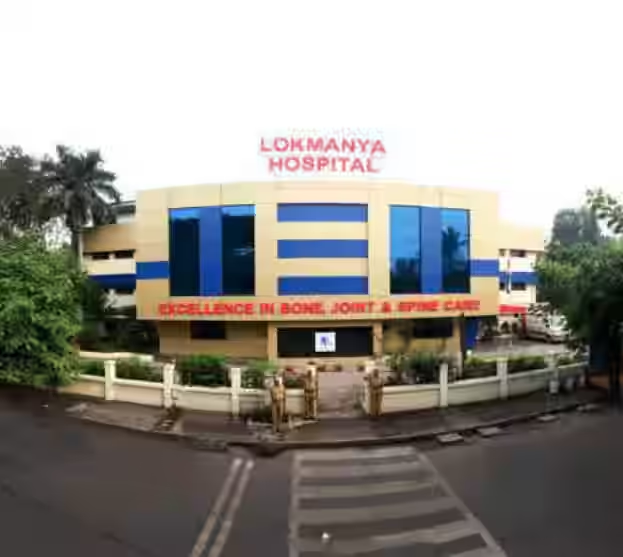
Lokmanya Hospitals
Not Specified

White Lotus Hospital
766, SFS 3145, SFS Road, 7th Sector, HSR Layout, Bengaluru, Karnataka 560102, India
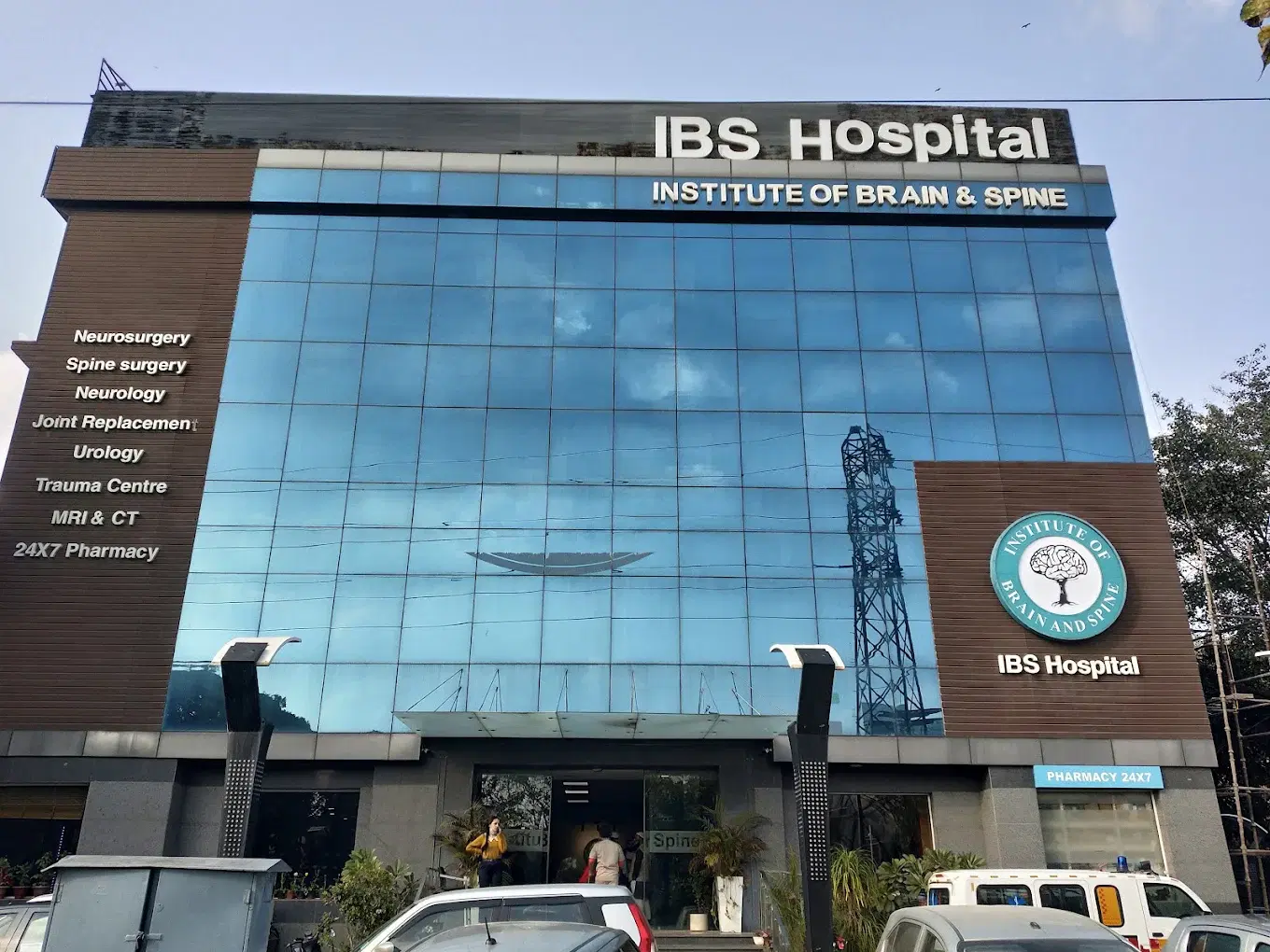
Institute of Brain and Spine (IBS Hospital)
Not Specified
How DivinHeal Helps
We simplify your medical journey by providing comprehensive support and access to world-class healthcare.
Expert Specialist Matching
Connecting you with the world's top-rated medical experts.
Accredited Hospital Network
Access to JCI & NABH certified healthcare facilities.
Complete Travel Coordination
Hassle-free visa, stay, and local transport assistance.
24/7 Personal Care
Dedicated patient advisors supporting you at every step.
Journey Guidance
Full guidance from start to end of the patient treatment journey.
Expert Specialist Matching
Connecting you with the world's top-rated medical experts.
Everything you
need to know today
Browse through these common inquiries to better understand our patient-focused medical platform.
Yes, we work with a variety of insurance providers. Contact our team to verify your coverage.
Yes, we provide secure online consultations with experienced specialists.
Our care coordinators help match you with the most suitable specialist.
Absolutely. Your medical information is protected according to healthcare privacy standards.
Look at six things: accreditation (JCI or NABH), specialty depth, doctor credentials and experience, procedure-specific success rates, international patient support, and technology. DivinHeal's AI-driven matching evaluates every hospital in our accredited partner network on these dimensions and shortlists the best-fit options for your condition, budget, and country.
JCI (Joint Commission International) is the US-based global gold standard for hospital quality, recognised worldwide. NABH is India's national accreditation — accredited by ISQua, the same body that accredits JCI. Both signal independently verified safety and quality. Most of India's leading hospitals hold both.
Yes. All three welcome international patients through structured medical visa programs. India is the most established, treating patients from Africa, the Middle East, and South Asia at 60–80% lower cost. Thailand leads in cosmetic and dental care. The UAE is emerging in oncology and reproductive medicine.
Most patients save 50–80% on treatment costs. Heart bypass costs US $7,000–9,000 in India compared to $70,000–150,000 in the US. IVF costs $3,000–4,500 compared to $12,000–20,000 in the UK. Even after flights, visa, and accommodation, total savings remain 60–70%.
DivinHeal manages your entire non-medical journey: visa invitation letters, medical visa guidance, doctor appointments, teleconsultations, airport pickup, hospital-vetted accommodation for you and your attendant, language interpreters, local transport, cuisine preferences, and post-treatment follow-up — one dedicated coordinator from first enquiry to final follow-up.
You need a valid passport (6+ months validity), a medical visa (M-Visa for India — DivinHeal provides the hospital invitation letter), return flight tickets, recent medical reports and a doctor's referral, current prescription list, and proof of financial means. Any accompanying attendant needs their own passport and MX-Visa.
Still have more questions?
Book a call with our friendly team to learn how DivineHeal simplifies your healthcare journey.