Centres Of Excellence
Our Centres of Excellence bring together multidisciplinary teams to deliver precise diagnosis, advanced treatments, and superior outcomes across a wide spectrum of medical specialties.

OVERVIEW
Overview of Pediatric Cardiac Surgery Treatment
Restoring Hope for Young Hearts
Pediatric Cardiac Surgery is a highly specialized field dedicated to diagnosing and treating heart conditions present at birth (congenital heart disease) or those that develop during childhood. These conditions can range from simple holes in the heart to complex malformations requiring intricate surgical repair. The primary goal is to ensure optimal heart function, allowing children to grow and develop normally.
Advanced Techniques for Delicate Hearts
Modern pediatric cardiac surgery employs advanced diagnostic tools, minimally invasive techniques where appropriate, and highly sophisticated surgical procedures. This includes repairs for conditions like Ventricular Septal Defects (VSD), Atrial Septal Defects (ASD), Tetralogy of Fallot (TOF), Transposition of the Great Arteries (TGA), Patent Ductus Arteriosus (PDA), and many more. DivinHeal facilitates access to hospitals equipped with state-of-the-art facilities and experienced pediatric cardiac surgeons, ensuring the highest standards of care.
PROCEDURE
Pediatric cardiac surgery procedures vary significantly based on the specific heart defect. However, common steps include: 1. Anesthesia: General anesthesia is administered by a pediatric anesthesiologist. 2. Incision: A median sternotomy (incision down the middle of the chest) is most common, though minimally invasive approaches are sometimes used. 3. Cardiopulmonary Bypass: For most open-heart surgeries, the child is connected to a heart-lung machine to temporarily take over heart and lung function. 4. Defect Repair: The surgeon repairs the heart defect using various techniques, such as patching holes, widening narrowed vessels, re-routing blood flow, or reconstructing malformed structures. 5. Weaning from Bypass: Once the repair is complete, the heart-lung machine is gradually disconnected, and the heart resumes its function. 6. Closure: The chest incision is closed, often with drainage tubes left temporarily. 7. Post-operative Care: The child is moved to a Pediatric Cardiac Intensive Care Unit (PCICU) for close monitoring and recovery.
BENEFITS
Benefits of Pediatric Cardiac Surgery
Transforming Lives and Ensuring Healthy Futures
Improved Quality of Life
Successful surgery corrects heart defects, allowing children to participate in normal activities, play, and lead fulfilling lives without the limitations imposed by heart conditions.
Enhanced Growth and Development
By optimizing blood flow and oxygen delivery, surgery supports healthy physical and cognitive development, preventing complications like growth failure and developmental delays.
Increased Life Expectancy
Many congenital heart defects, if left untreated, can be life-threatening. Surgery significantly improves long-term survival rates and can lead to a normal or near-normal life expectancy.
Symptom Relief
Children often experience relief from symptoms such as shortness of breath, fatigue, cyanosis (bluish skin), and poor feeding, leading to greater comfort and well-being.
Prevention of Complications
Early surgical intervention can prevent severe complications like pulmonary hypertension, heart failure, stroke, and infective endocarditis.
Emotional Well-being for Families
Providing definitive treatment offers immense relief and hope to families, reducing anxiety and allowing them to focus on their child's future.
RECOVERY
Pediatric Cardiac Surgery Recovery Time and Tips
A Guided Path to Healing and Strength
Immediate Post-Operative Period (ICU Stay)
Following surgery, your child will spend several days to a week or more in the Pediatric Cardiac Intensive Care Unit (PCICU) for close monitoring. During this time, pain management, ventilator support, and continuous observation of vital signs are crucial. Parents are typically encouraged to be present and involved as much as possible, with guidance from nursing staff.
Hospital Ward Recovery
Once stable, your child will be transferred to a regular pediatric ward. The focus shifts to weaning off medications, encouraging mobility, and ensuring adequate nutrition. The hospital stay typically lasts 7-14 days, depending on the complexity of the surgery and the child's progress.
Home Recovery and Activity Restrictions
Upon discharge, a period of home recovery is essential. Activity restrictions are common for several weeks to months, especially avoiding heavy lifting, strenuous play, and activities that could impact the chest incision. School may be resumed gradually. Your medical team will provide specific guidelines tailored to your child's recovery.
Long-Term Follow-up and Wellness
Regular follow-up appointments with a pediatric cardiologist are vital for monitoring heart function and overall health. Rehabilitation, including physical therapy, may be recommended. DivinHeal supports families with comprehensive post-operative care plans, including access to emotional counseling, nutritional guidance, and support groups, ensuring a holistic approach to your child's long-term well-being and development.
WHAT WE TREAT
Conditions Treated by Pediatric Cardiac Surgery
Comprehensive Care for Congenital and Acquired Heart Conditions
Congenital Heart Defects (CHDs)
- Ventricular Septal Defect (VSD): A hole in the wall separating the two lower chambers of the heart.
- Atrial Septal Defect (ASD): A hole in the wall separating the two upper chambers of the heart.
- Patent Ductus Arteriosus (PDA): A persistent opening between the two major blood vessels leading from the heart.
- Tetralogy of Fallot (TOF): A complex combination of four heart defects.
- Transposition of the Great Arteries (TGA): A condition where the two main arteries leaving the heart are switched.
- Coarctation of the Aorta: A narrowing of the aorta, the main artery that carries blood from the heart to the body.
- Hypoplastic Left Heart Syndrome (HLHS): A severe birth defect where the left side of the heart is underdeveloped.
- Ebstein's Anomaly: A malformation of the tricuspid valve.
- Pulmonary Atresia/Stenosis: A condition where the pulmonary valve is not formed correctly or is narrowed.
Acquired Heart Conditions in Children
- Rheumatic Heart Disease: Damage to heart valves caused by rheumatic fever.
- Cardiomyopathy: Diseases of the heart muscle.
- Cardiac Tumors: Rare growths on or in the heart.
- Valvular Heart Disease: Problems with heart valves due to infection or other causes.
PREPARATION
Preparation for Pediatric Cardiac Surgery involves several crucial steps: 1. Comprehensive Pre-operative Assessment: This includes blood tests, ECG, echocardiogram, chest X-ray, and potentially cardiac MRI/CT or catheterization to precisely map the defect and assess overall health. 2. Medical Optimization: Any existing infections or other medical conditions must be addressed and managed before surgery. 3. Nutritional Support: Ensuring the child is well-nourished pre-operatively is important for recovery. 4. Medication Review: All current medications will be reviewed, and some may need to be stopped before surgery. 5. Education and Counseling: Parents and, where appropriate, the child will receive detailed explanations of the procedure, expected outcomes, risks, and recovery process. Child life specialists may help prepare younger children. 6. Fasting Instructions: Strict fasting guidelines (for food and drink) will be provided for the day of surgery.
RISKS
While modern pediatric cardiac surgery has high success rates, potential risks exist: 1. General Surgical Risks: Bleeding, infection at the incision site, blood clots, adverse reaction to anesthesia. 2. Cardiac-Specific Risks: Arrhythmias (irregular heartbeats), residual defects requiring further intervention, heart failure, injury to surrounding structures. 3. Pulmonary Complications: Pneumonia, difficulty breathing requiring prolonged ventilator support. 4. Neurological Complications: Stroke (rare), developmental delays. 5. Renal Complications: Kidney injury. 6. Prolonged Hospital Stay: Due to complications or slower recovery. 7. Psychological Impact: Anxiety or trauma for the child and family.
JOURNEY
Your Child's Pediatric Cardiac Surgery Journey with DivinHeal
Seamless Care from Diagnosis to Recovery
Initial Consultation & Diagnosis
Your journey begins with a thorough evaluation, often involving fetal echocardiography (if diagnosed prenatally), pediatric echocardiography, ECG, chest X-ray, and sometimes cardiac MRI or CT scans. Our AI-driven platform helps you find the best pediatric cardiologists for an accurate diagnosis and treatment plan.
Pre-Surgical Preparation
Once surgery is recommended, DivinHeal assists with all pre-operative arrangements, including necessary tests, consultations with the surgical team, anesthesiologists, and pediatric intensivists. We provide detailed guidance on how to prepare your child for the procedure, addressing all your concerns.
The Surgical Procedure
The surgery itself is performed by highly skilled pediatric cardiac surgeons in a specialized operating theater. The specific procedure will depend on the child's condition. Post-surgery, your child will be moved to a Pediatric Cardiac Intensive Care Unit (PCICU) for close monitoring and recovery.
Hospital Stay & Post-Operative Care
The hospital stay typically involves several days to weeks, depending on the complexity of the surgery and the child's recovery. Our dedicated care coordinators ensure continuous communication, support, and transparency regarding your child's progress and care.
Recovery & Follow-up
After discharge, we provide comprehensive guidance on home care, medication management, and follow-up appointments. DivinHeal helps arrange rehabilitation, physical therapy, and ongoing pediatric cardiology consultations to support your child's long-term health and development.
OUTCOMES
Patients undergoing Total Knee Replacement typically experience significant pain relief, restored knee function, and improved mobility, allowing a return to many daily activities. The long-term prognosis is excellent, with most artificial knee joints lasting 15-20 years or more, offering sustained hope for an active life.
Hospitals Offering this treatment
India offers premium medical procedures at affordable prices. Discover our most popular treatments, delivered by the country's finest doctors.

Hisar Intercontinental Hospital
Saray Mah. Siteyolu Cad. No:7, Umraniye, 34768, Istanbul, Turkey

Medical Park Group, Istanbul
Fahrettin Kerim Gokay Cad. Tıbbiye Cd., Kadikoy, Istanbul, Turkey

Emsey Hospital, Pendik, Istanbul
Çamlık, Selçuklu Cd. No:22, 34912 Pendik/İstanbul, Türkiye
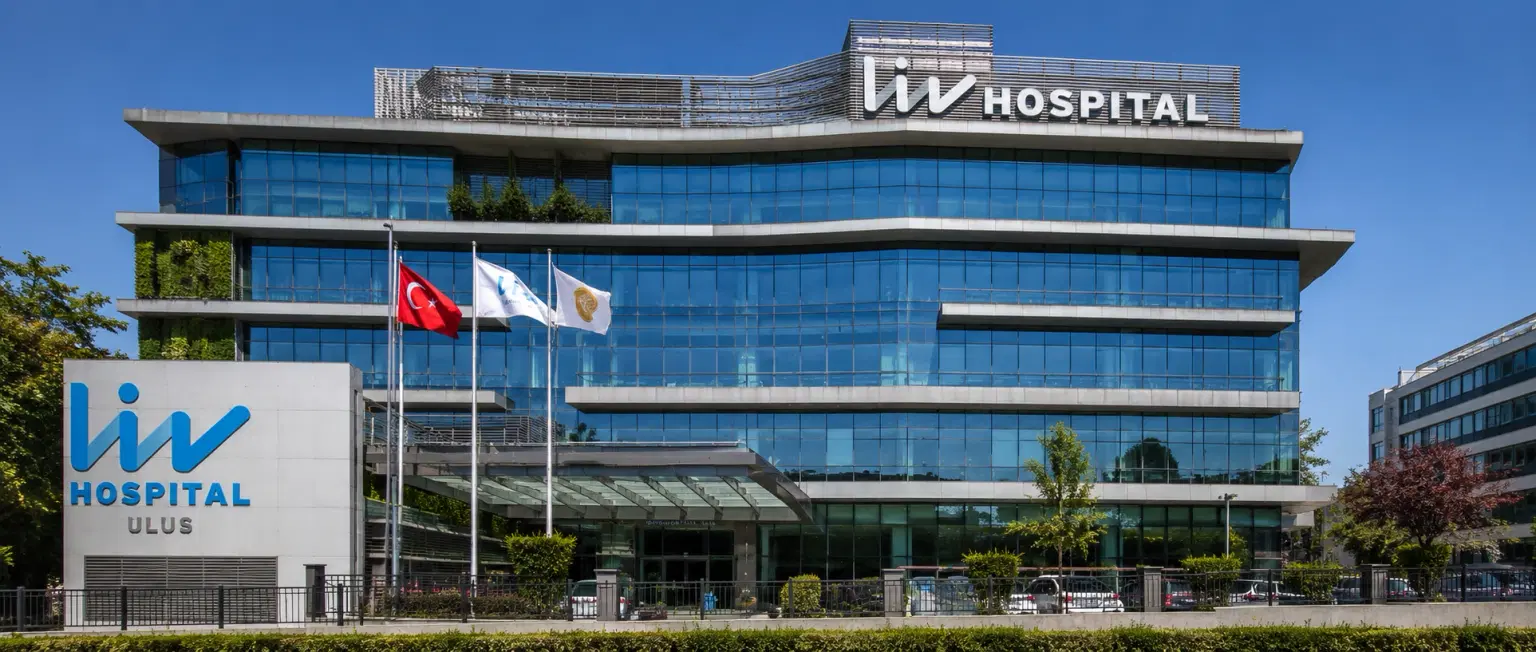
LIV Hospital, Istanbul
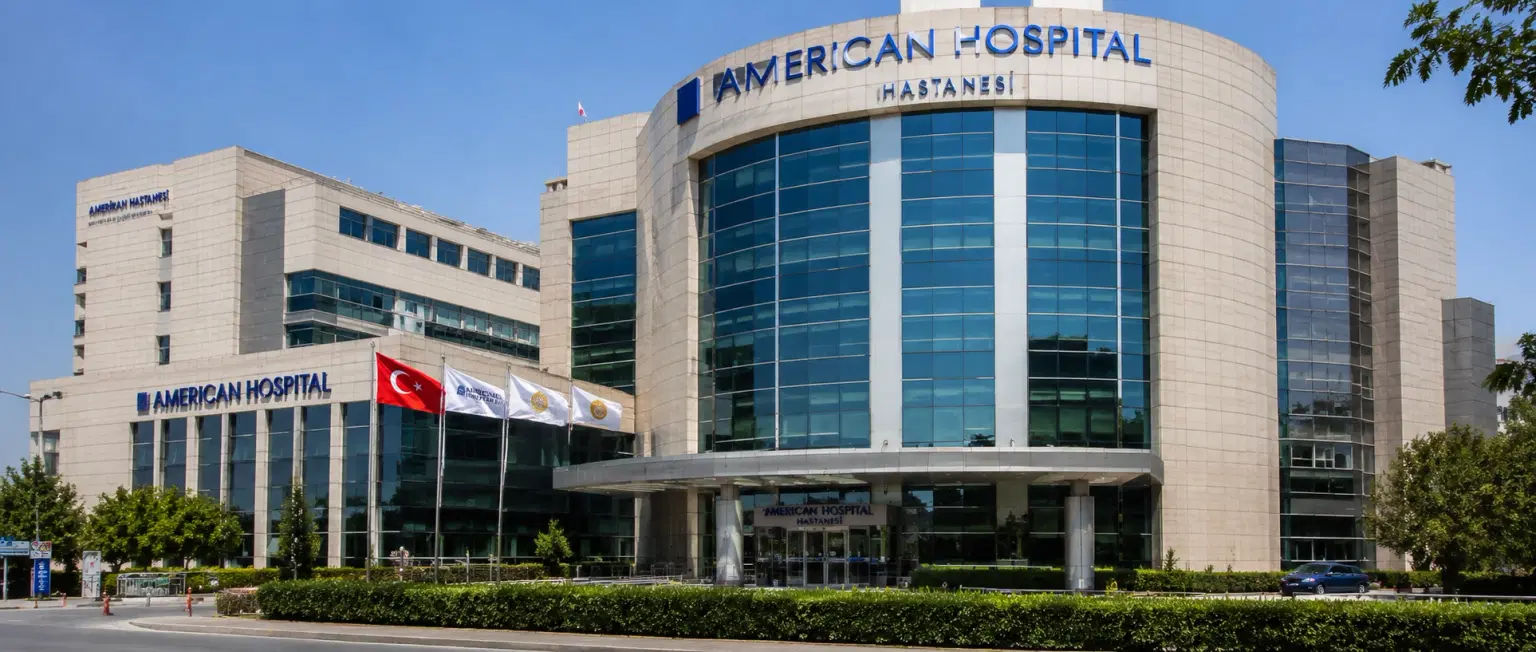
American Hospital, Istanbul
Guzelbahce Sk. No:20, 34365, Nisantasi, Istanbul, Turkey

Memorial Hospitals Group
Burhaniye, Nagehan Sokağı No:4/A D:1, 34676 Üsküdar/İstanbul, Türkiye

Florence Nightingale Hospital Istanbul
Abide-i Hürriyet Cd No:166, 34381 Sisli, Istanbul
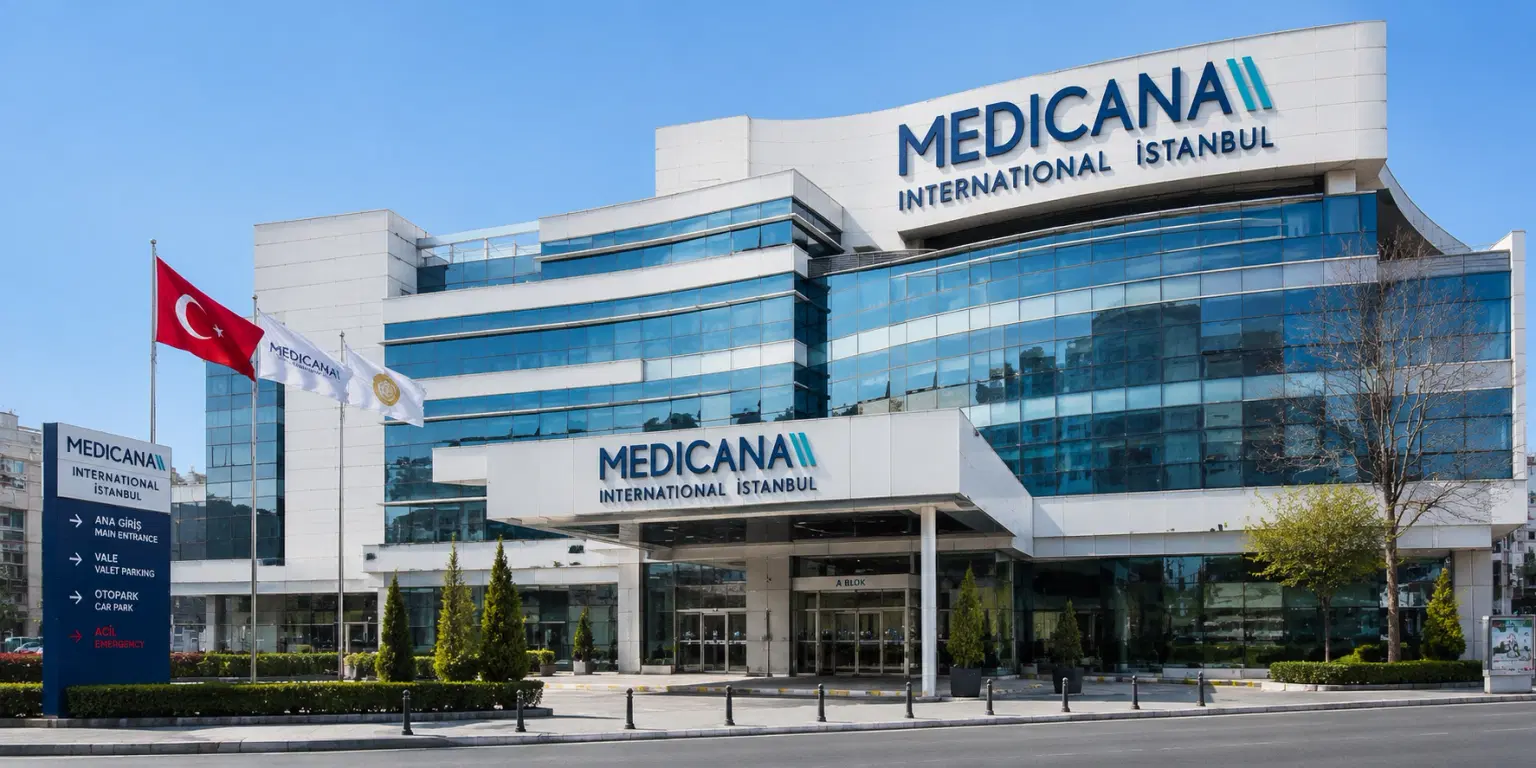
Medicana International Hospital, Istanbul
Halit Ziya Turkkani Mah. Medikal Park Cd. No:1, Beylikdüzü, İstanbul

Okan University Hospital Istanbul
Icmeler Mah. Aydınlıyolu Cd. No:2, 34947 Icmeler-Tuzla, Istanbul
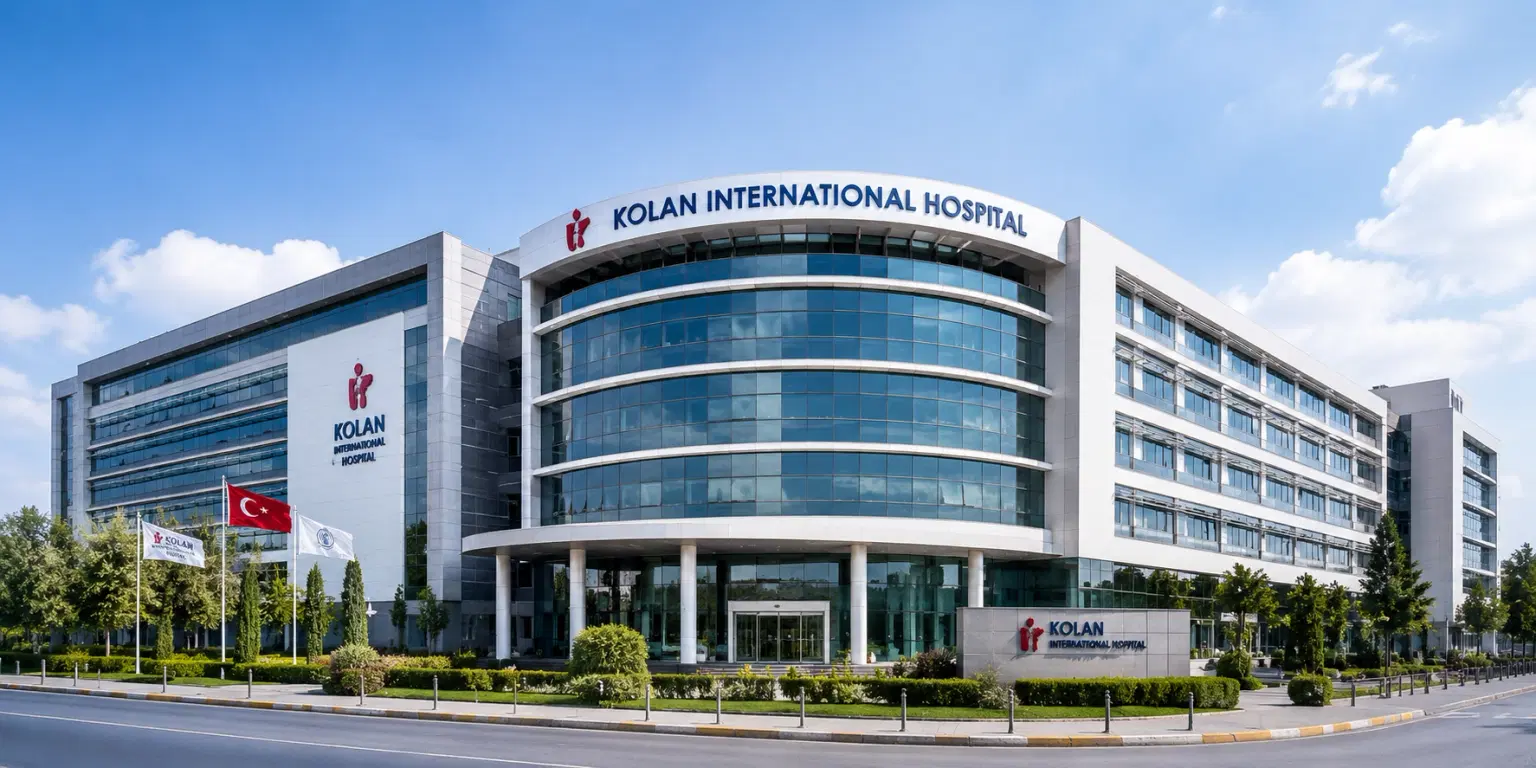
Kolan International Hospital, Istanbul
Kaptanpasa Mah. Okmeydan Kavsagi, Darulaceze Cd. No:14, 34384 Sisli, Istanbul

Al Zahra Hospital, Dubai
Sheikh Zayed Road, Al Barsha 1, Dubai, UAE

Burjeel Medical City, Abu Dhabi
28th Street, Mohammed Bin Zayed City, Abu Dhabi, UAE

Burjeel Hospital, Dubai
Dubai, UAE (part of Burjeel Holdings network)
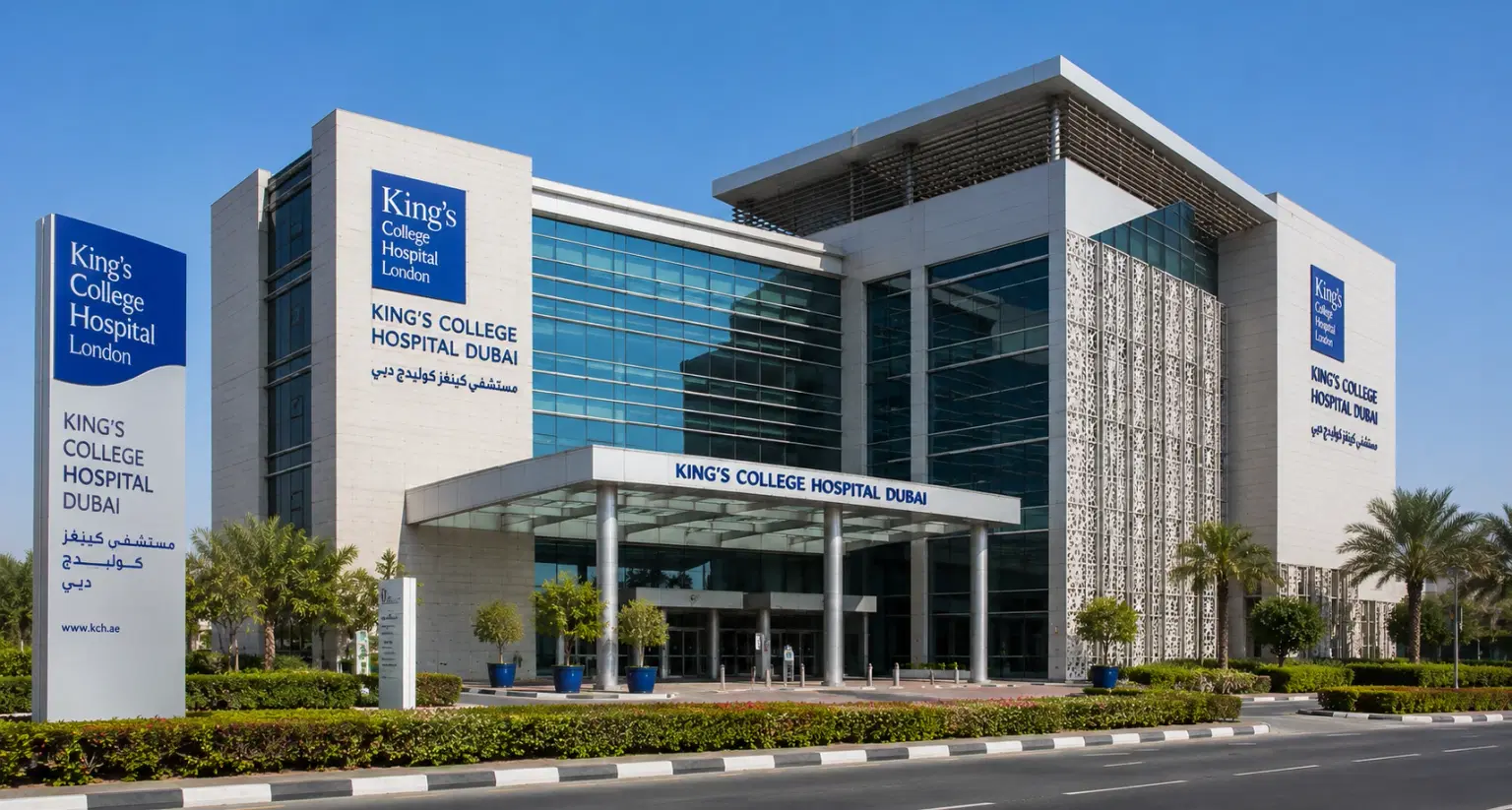
King's College Hospital, Dubai
Dubai Hills, Mohammed Bin Rashid City, Dubai, UAE
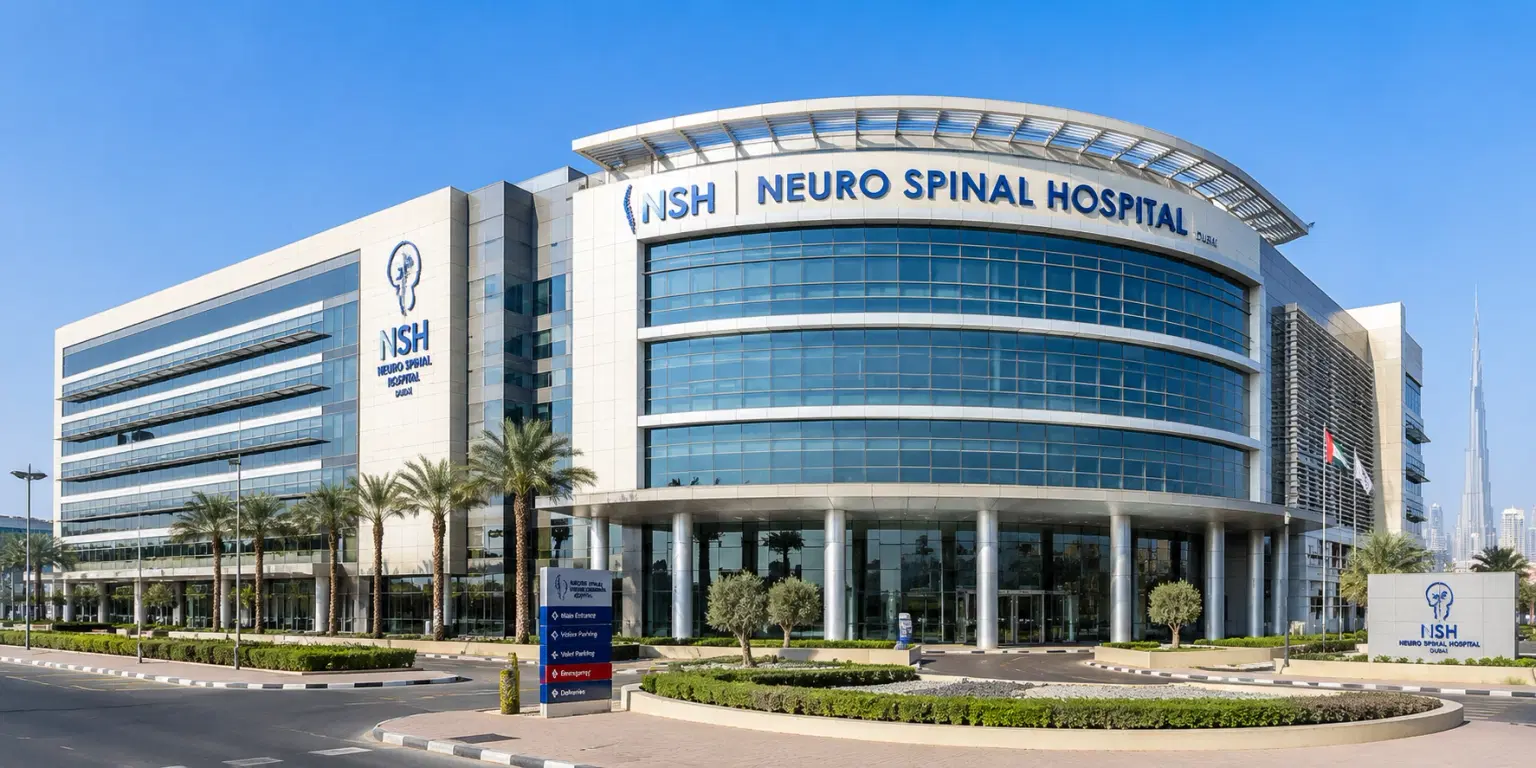
Neuro Spinal Hospital (NSH), Dubai
Dubai Science Park, Umm Suqeim St, Al Barsha South, Dubai, UAE

HMS Al Garhoud Hospital, Dubai
Al Garhoud Street, Al Garhoud, Dubai, UAE
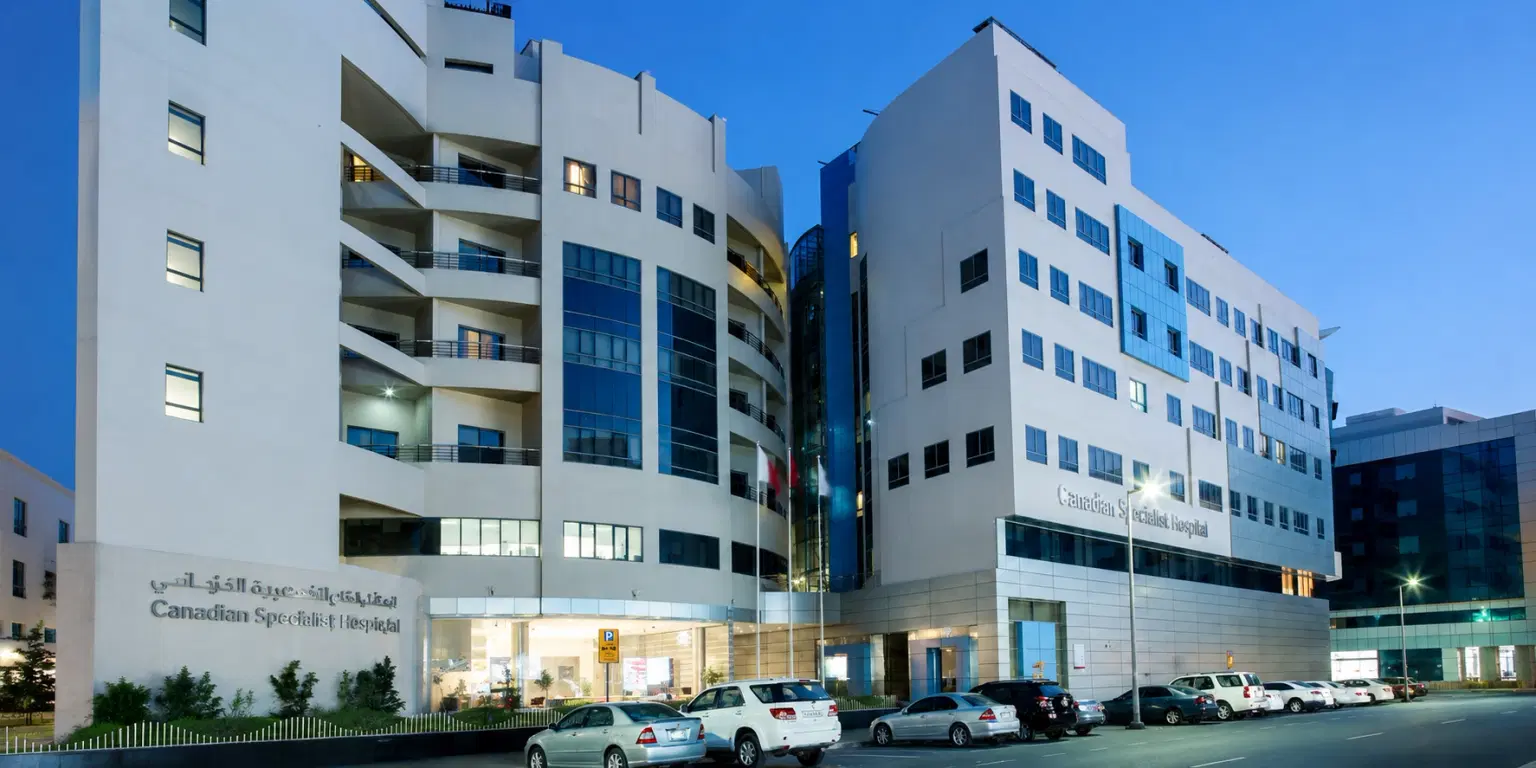
Canadian Specialist Hospital, Dubai
Abu Hail Street 269/1, Canadian Specialist Hospital Building, Hor Al Anz East, Deira, Dubai, UAE
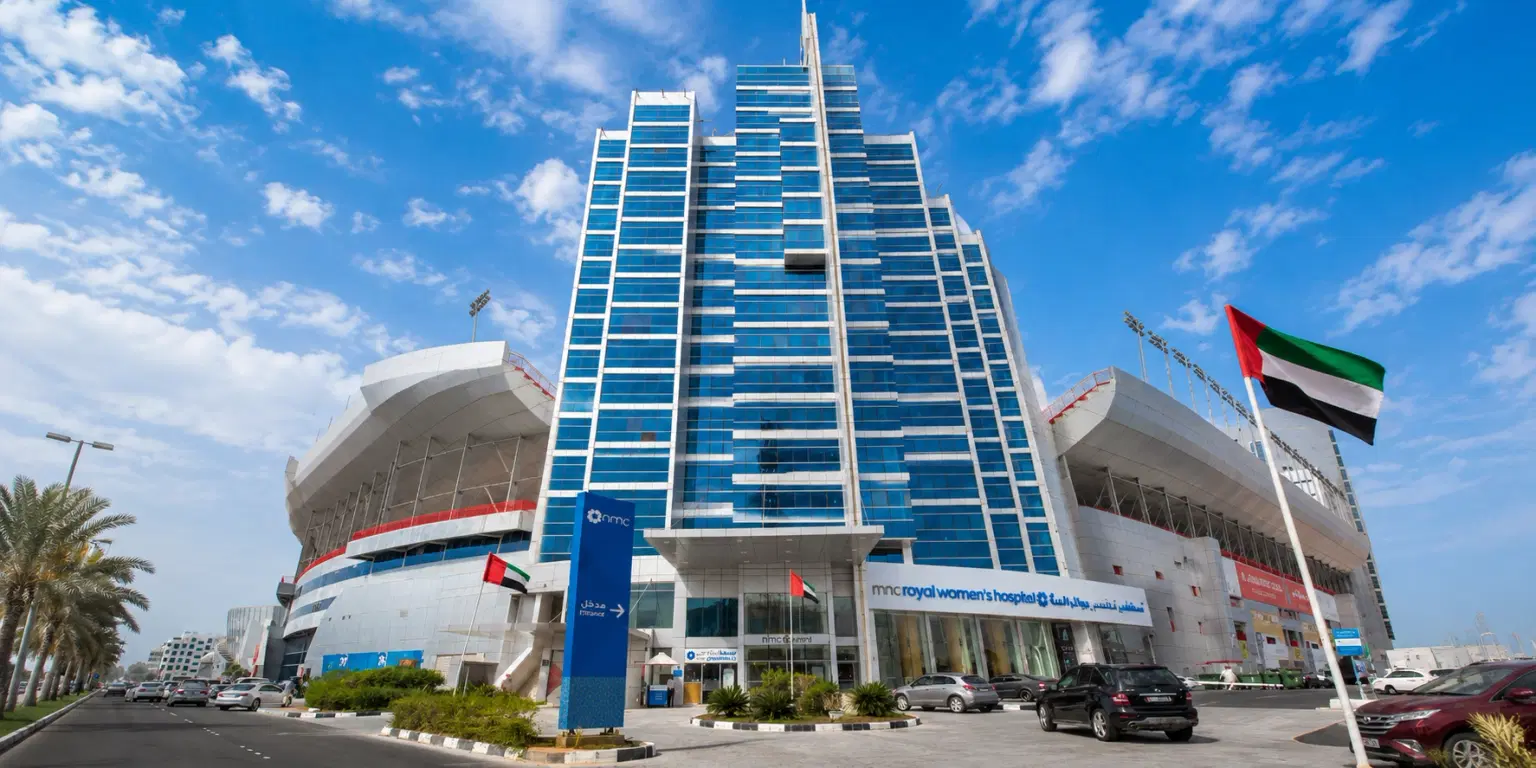
NMC Royal Women's Hospital, Abu Dhabi
Tower B, Mohammed bin Zayed Stadium, Al Jazira Club, Opposite Dusit Thani, Muroor Road, Abu Dhabi, UAE
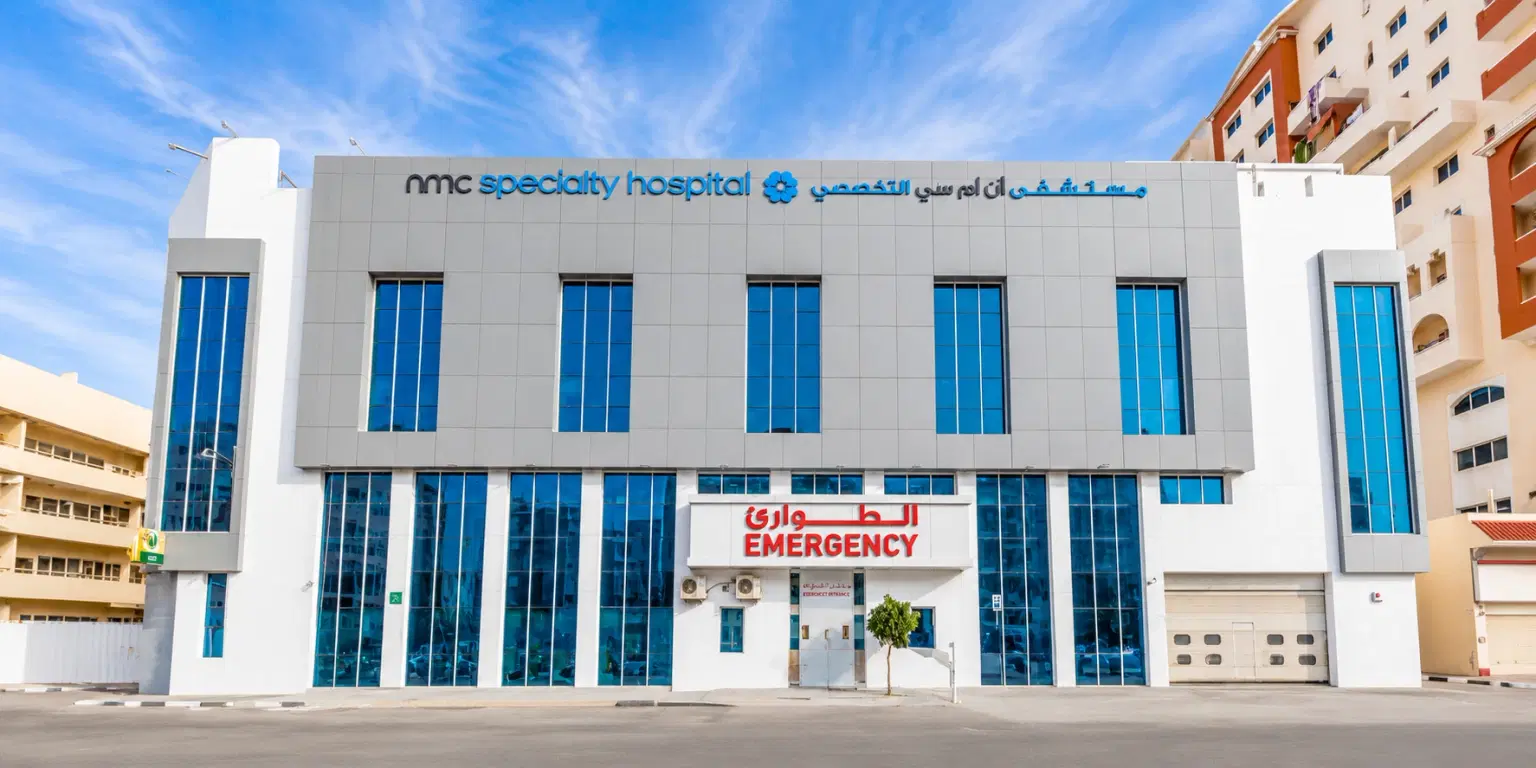
NMC Specialty Hospital, Al Nahda, Dubai
7A St, Al Qusais, Al Nahda 2, next to Bait Al Khair Building, Dubai
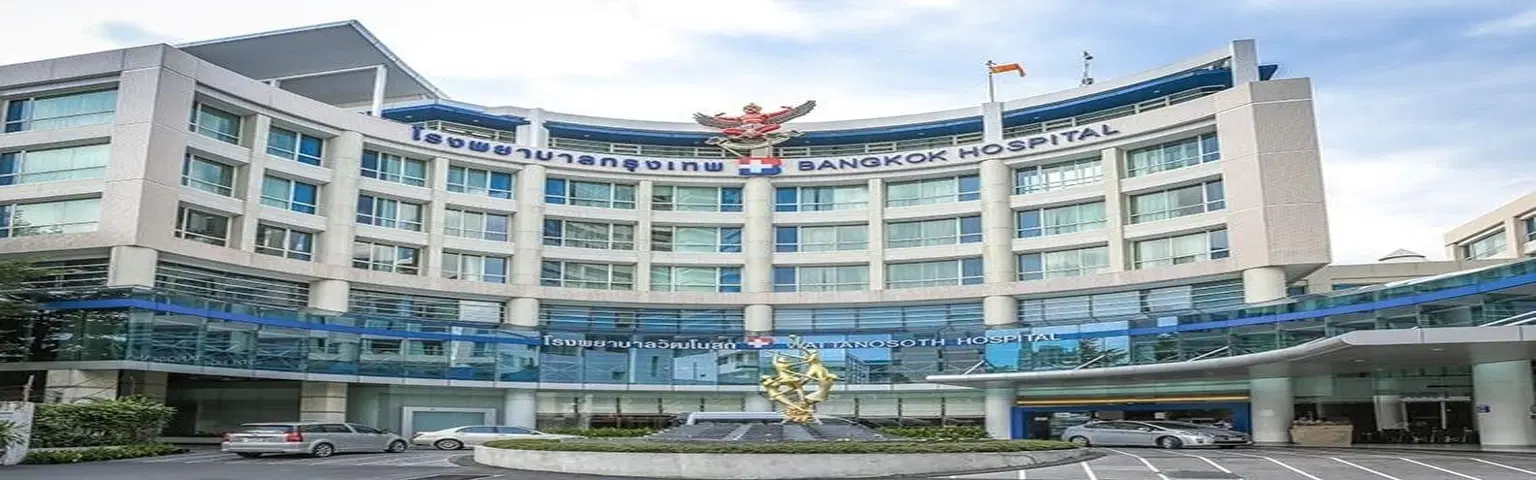
Bangkok Hospital, Thailand
2 Soi Soonvijai 7, New Petchburi Road, Huay Khwang, Bangkok 10310, Thailand
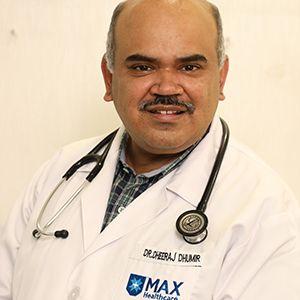
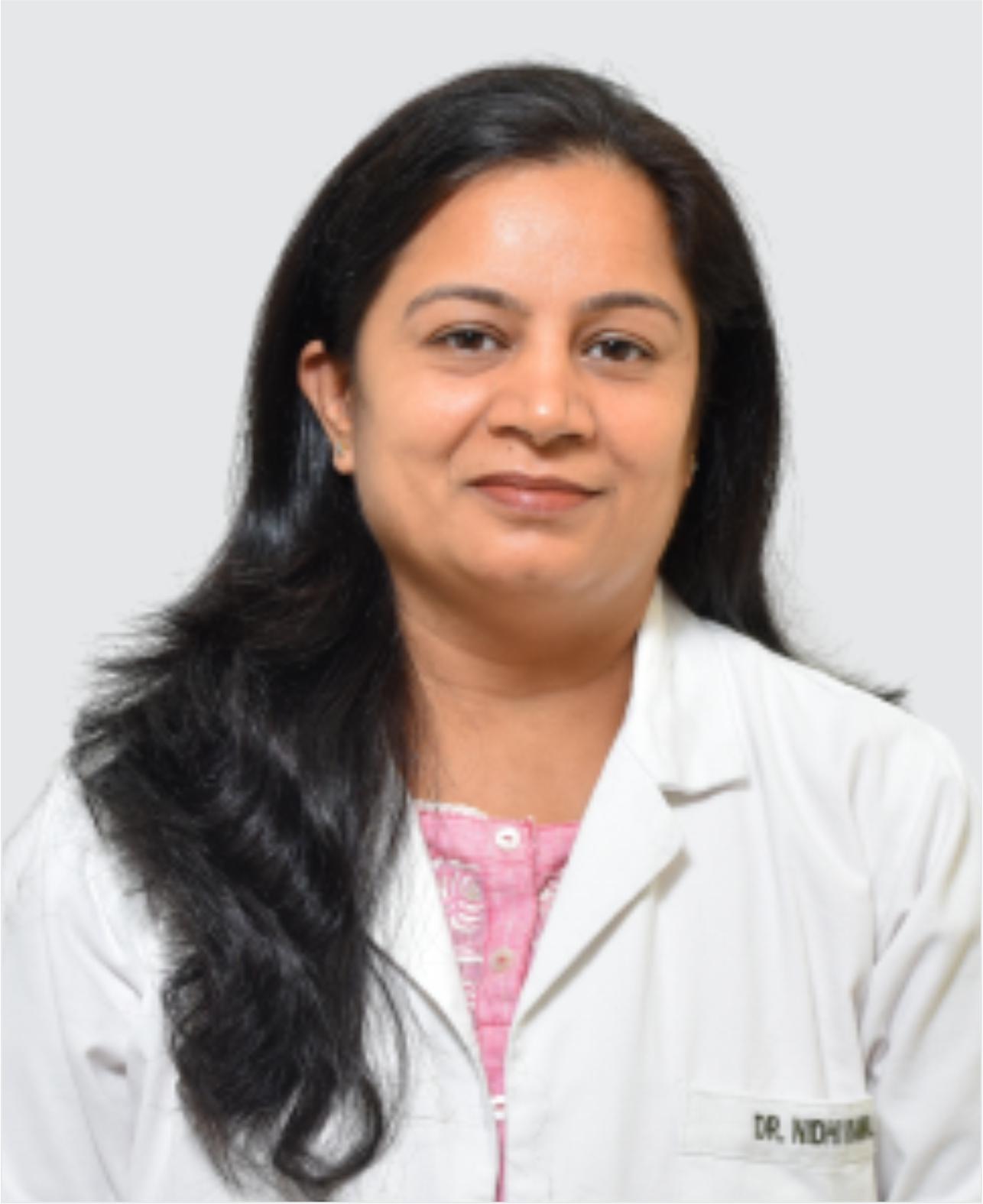
Meet Our Doctors
Meet our team of highly qualified and experienced medical professionals dedicated to providing the best healthcare services.

Booking With DIVINHEAL
Get a free consultation to understand your treatment options