


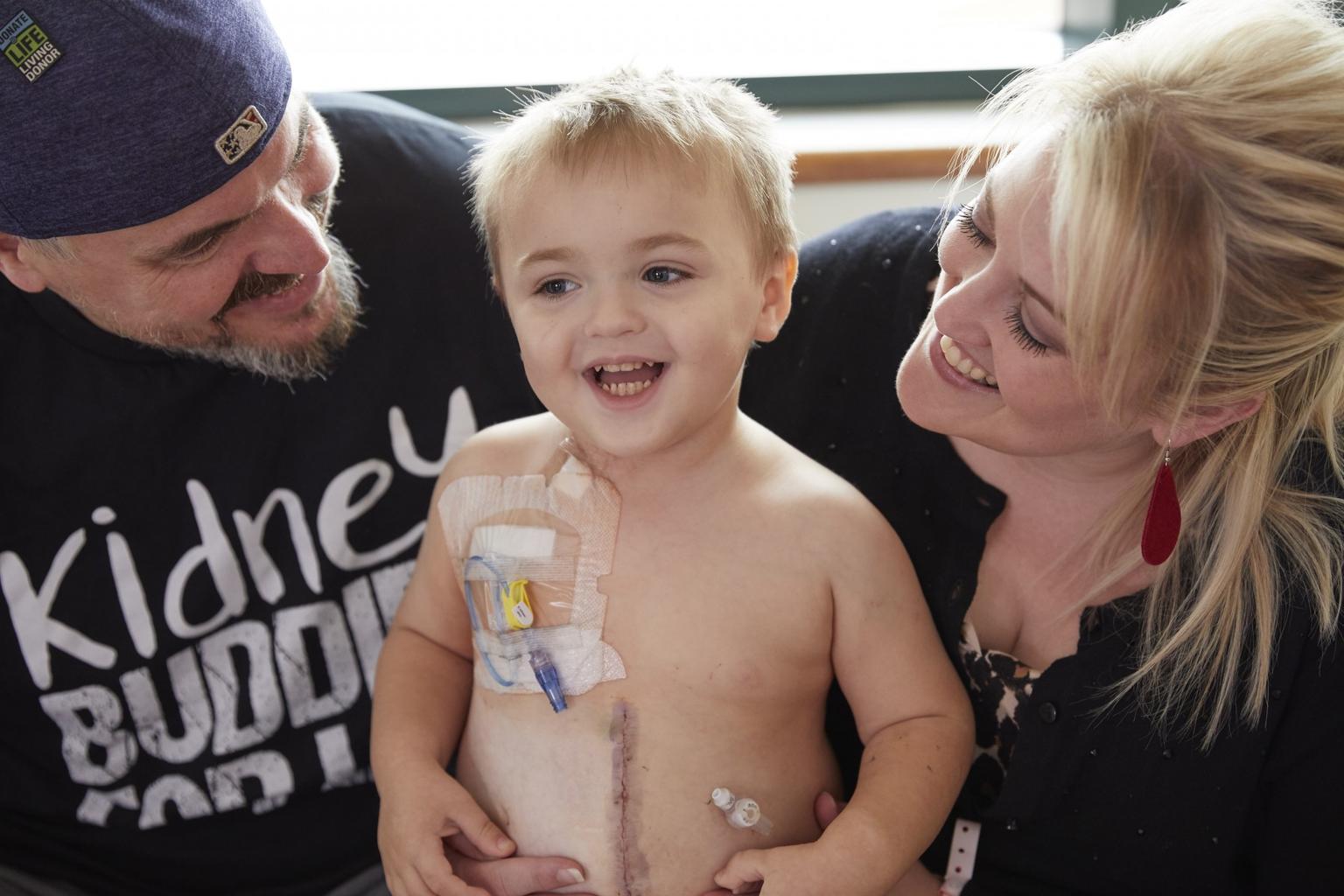
Pediatric Kidney Transplant
5K+ International Patients Treated
40+ Source Countries Served
500+ Accredited Partner Hospitals
98% Patient Satisfaction
80% Average Savings vs USA
10K+ Doctors
NABH, JCI Accredited Hospitals
Free Treatment Plan
Free Consultation with Doctor
5+ Destinations Covered
About Pediatric Kidney Transplant
Pediatric Kidney Transplant Treatment: Procedures, Cost & Recovery
Understanding Pediatric Kidney Transplant
A Pediatric Kidney Transplant is a critical, life-changing surgical procedure for children suffering from End-Stage Renal Disease (ESRD). This condition occurs when a child's kidneys are no longer able to adequately filter waste products from the blood, impacting their growth, development, and overall well-being. Unlike adults, children with ESRD face unique challenges, making timely transplantation a crucial intervention. At DivinHeal, we understand the immense hope and trust families place in us. We connect you with accredited pediatric transplant hospitals in India that boast world-class facilities and highly experienced pediatric nephrology and transplant teams, offering advanced therapeutic options for your child's journey to renewed health.
Types of Pediatric Kidney Transplant Procedures & Associated Therapies
Surgical Approaches
- Living Donor Kidney Transplant: This preferred method involves transplanting a kidney from a healthy, compatible living donor, often a family member (parent, sibling) or an altruistic individual. It typically results in better long-term outcomes and allows for elective scheduling.
- Deceased Donor Kidney Transplant: This involves transplanting a kidney from a deceased individual who has consented to organ donation. Children are placed on a waiting list, and organs are allocated based on compatibility, urgency, and other factors.
The surgery itself involves placing the new kidney in the child's lower abdomen, connecting its blood vessels to the child's and its ureter to the bladder. The child's native kidneys are usually left in place unless medical reasons dictate their removal.
Non-Surgical Therapies & Pre/Post-Transplant Management
- Pre-Transplant Evaluation: Before surgery, children undergo extensive evaluations including blood tests (tissue typing, cross-matching), imaging, and health assessments to ensure suitability and donor compatibility. DivinHeal coordinates these crucial steps.
- Dialysis as a Bridge: Many children require dialysis (hemodialysis or peritoneal dialysis) to manage ESRD symptoms and maintain health while awaiting a suitable donor kidney.
- Immunosuppression Therapy: After the transplant, children require lifelong immunosuppressive medications to prevent their immune system from rejecting the new kidney. Careful monitoring and adherence to this regimen are paramount for long-term graft survival.
- Post-Operative Care & Monitoring: Intensive care, vigilant monitoring for rejection or infection, and medication management are crucial in the immediate post-transplant period.
Cost Comparison: Why Families Choose India for Pediatric Kidney Transplant
The decision to pursue a Pediatric Kidney Transplant for your child is monumental, and understanding the costs involved is a major concern for many families globally. While the quality of care in countries like the USA, UK, Singapore, or UAE is high, the financial burden can be overwhelming. India has emerged as a leading global destination for pediatric kidney transplants, offering advanced medical facilities, highly experienced pediatric nephrologists and transplant surgeons, and compassionate care at a significantly lower cost. DivinHeal is committed to providing transparent, affordable Pediatric Kidney Transplant packages, ensuring that financial constraints do not deter access to life-saving treatment.
| Country | Average Pediatric Kidney Transplant Cost (USD) |
|---|---|
| India | $12,000 - $28,000 |
| United States | $150,000 - $300,000 |
| United Kingdom | $100,000 - $200,000 | Singapore | $80,000 - $150,000 |
| UAE | $70,000 - $120,000 |
As illustrated, choosing India for your child's Pediatric Kidney Transplant treatment cost can lead to savings of up to 70-80% without compromising on the quality of medical care. This affordability, coupled with DivinHeal’s commitment to facilitating seamless, end-to-end medical journeys, makes hope and healing accessible to more families worldwide.
DivinHeal’s Comprehensive Support for Your Child's Transplant Journey
At DivinHeal, we understand the emotional and logistical challenges of seeking international medical care for your child. Our AI-driven platform and dedicated care coordinators provide unparalleled support:
- Expert Hospital & Specialist Matching: We use advanced AI to match your child with the best hospitals for Pediatric Kidney Transplant and top pediatric nephrologists and transplant surgeons in India.
- Transparent Cost Breakdowns: Get clear, upfront information on affordable Pediatric Kidney Transplant packages, covering all aspects from evaluation to post-operative care, with no hidden fees.
- End-to-End Care Coordination: From initial teleconsultations and visa assistance to travel arrangements, accommodation, and on-ground support, we manage every detail.
- Emotional & Logistical Support: Our team provides compassionate guidance, ensuring families feel safe and supported every step of the way, focusing on hope and healing.
- Post-Treatment Follow-up: We facilitate seamless communication with medical teams for ongoing care and recovery guidance, supporting your child's long-term health.
We are dedicated to making world-class Pediatric Kidney Transplant treatment accessible and stress-free for your family.
Pediatric Kidney Transplant Recovery Time and Tips
The journey to recovery after a Pediatric Kidney Transplant is a crucial phase, demanding patience, vigilance, and adherence to medical advice. The initial hospital stay typically ranges from 1 to 2 weeks, focusing on ensuring the new kidney functions well and managing immediate post-operative needs.
- Immediate Post-Op Care: Your child will be closely monitored in an intensive care unit. Pain management, monitoring kidney function (urine output, blood tests), and initiating anti-rejection medications are top priorities. Preventing infection is also paramount.
- Medication Management: Lifelong immunosuppressive medications are essential to prevent rejection. Families receive extensive education on dosages, schedules, and potential side effects. Regular blood tests monitor drug levels and kidney function.
- Activity & Lifestyle: Gradual return to normal activities is encouraged. Intense physical activity and contact sports are generally restricted for a period to protect the transplant site. Your child's medical team will provide specific guidelines.
- Diet & Nutrition: A healthy, balanced diet is vital. Specific dietary recommendations may be given to support kidney health and manage medication side effects.
- Follow-Up Care: Frequent clinic visits are crucial, especially in the first year, to monitor the transplant's health and address any emerging concerns. DivinHeal assists in coordinating these essential follow-up appointments.
- Emotional Well-being: The emotional impact on both the child and family is significant. Access to psychological support and counseling services can be invaluable during this period.
With dedicated care and adherence to the recovery plan, children can look forward to a vibrant, active life, free from the burdens of End-Stage Renal Disease. DivinHeal's network of hospitals provides comprehensive support for the entire recovery journey, ensuring the best possible Pediatric Kidney Transplant recovery time and tips for a healthy future.
Booking With DIVINHEAL
Get a free consultation to understand your treatment options
Cost Calculator
I know my treatment - show me cost from 3 hospitals
Plan My Journey
Tell us your condition and budget - our AI matches the right destination, hospital and doctor and visa pathway
Recommended Article

Booking With DIVINHEAL
Get a free consultation to understand your treatment options
Cost Calculator
I know my treatment - show me cost from 3 hospitals
Plan My Journey
Tell us your condition and budget - our AI matches the right destination, hospital and doctor and visa pathway
Recommended Article
Our Speciality and Treatments
Down Syndrome Comprehensive Care
Pediatric Oncology
Genetic Disorder Diagnosis & Counselling
Pediatric Laparoscopic Surgery
Pediatric Kidney Transplant
Pediatric Cardiac Surgery
Vaccination Program
Newborn Care Package
Pediatric Intensive Care (PICU)
Pediatric Urology (incl. Hypospadias)
Pediatric Orthopedics
Pediatric Gastroenterology
Pediatric Pulmonology
Pediatric Endocrinology
Pediatric Cardiology (non-surgical)
Neonatal Intensive Care (NICU)
pediatric neurosurgery




Meet Our Medical Specialists
Hospitals
NABH & JCI Accredited Hospitals in India,Turkey, Thailand & UAE.
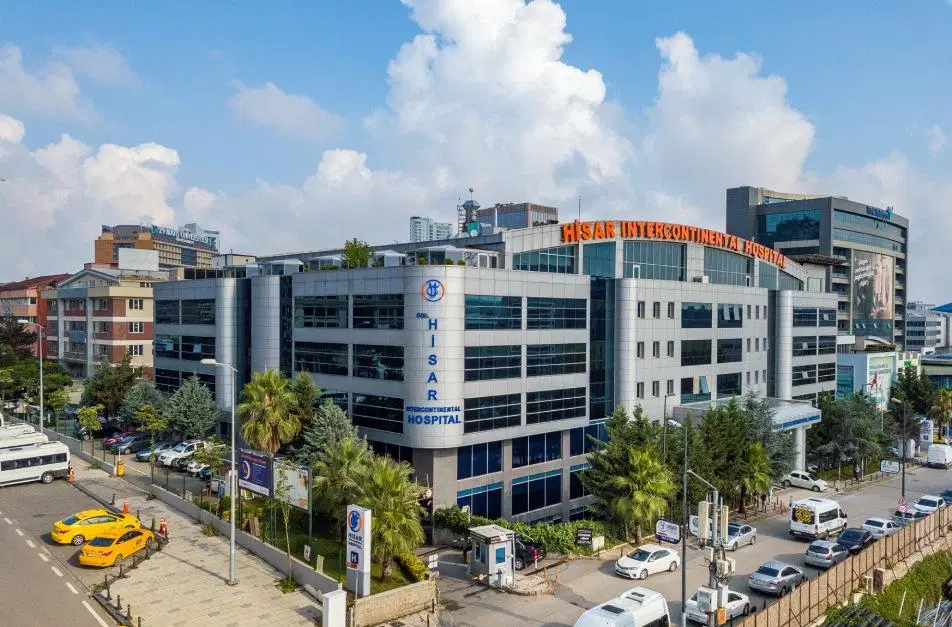
Hisar Intercontinental Hospital
Saray Mah. Siteyolu Cad. No:7, Umraniye, 34768, Istanbul, Turkey

Medical Park Group, Istanbul
Fahrettin Kerim Gokay Cad. Tıbbiye Cd., Kadikoy, Istanbul, Turkey
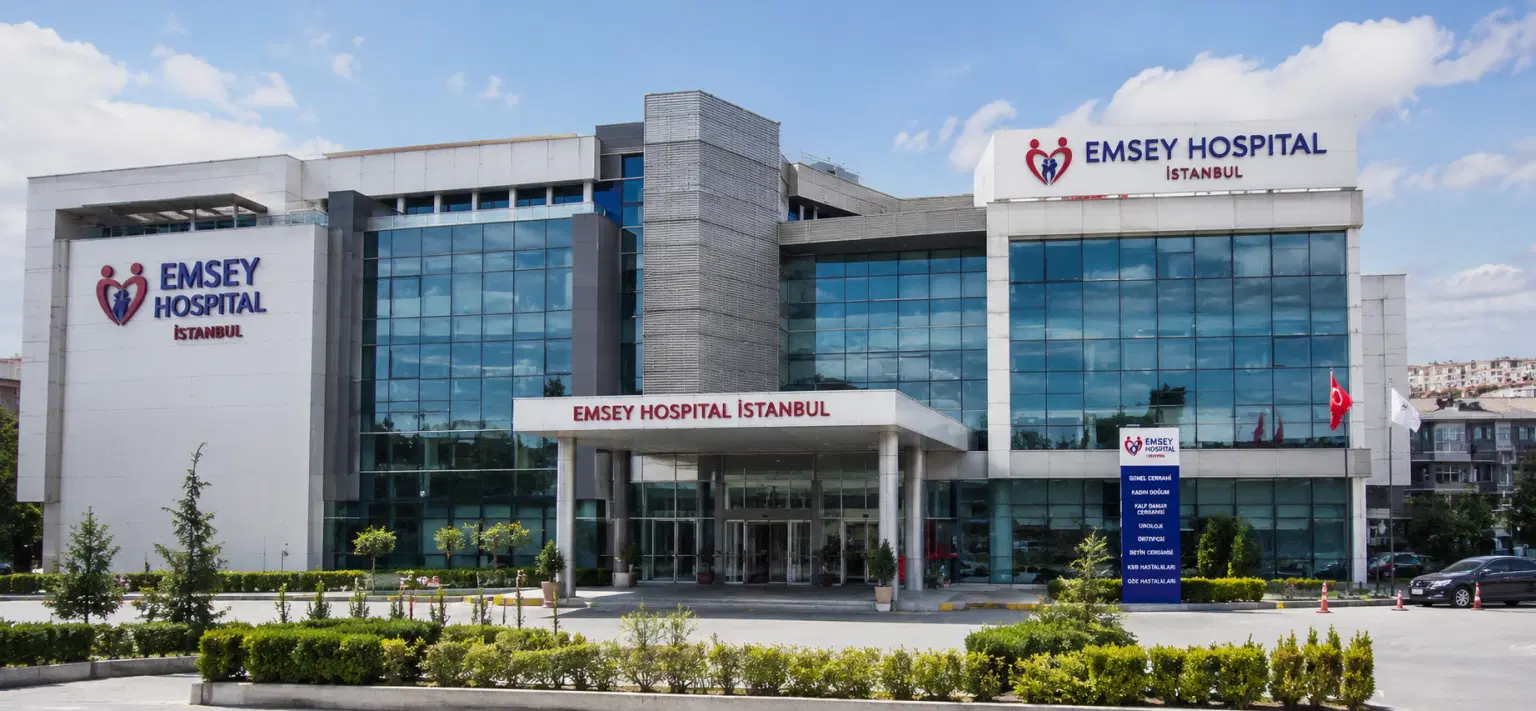
Emsey Hospital, Pendik, Istanbul
Çamlık, Selçuklu Cd. No:22, 34912 Pendik/İstanbul, Türkiye
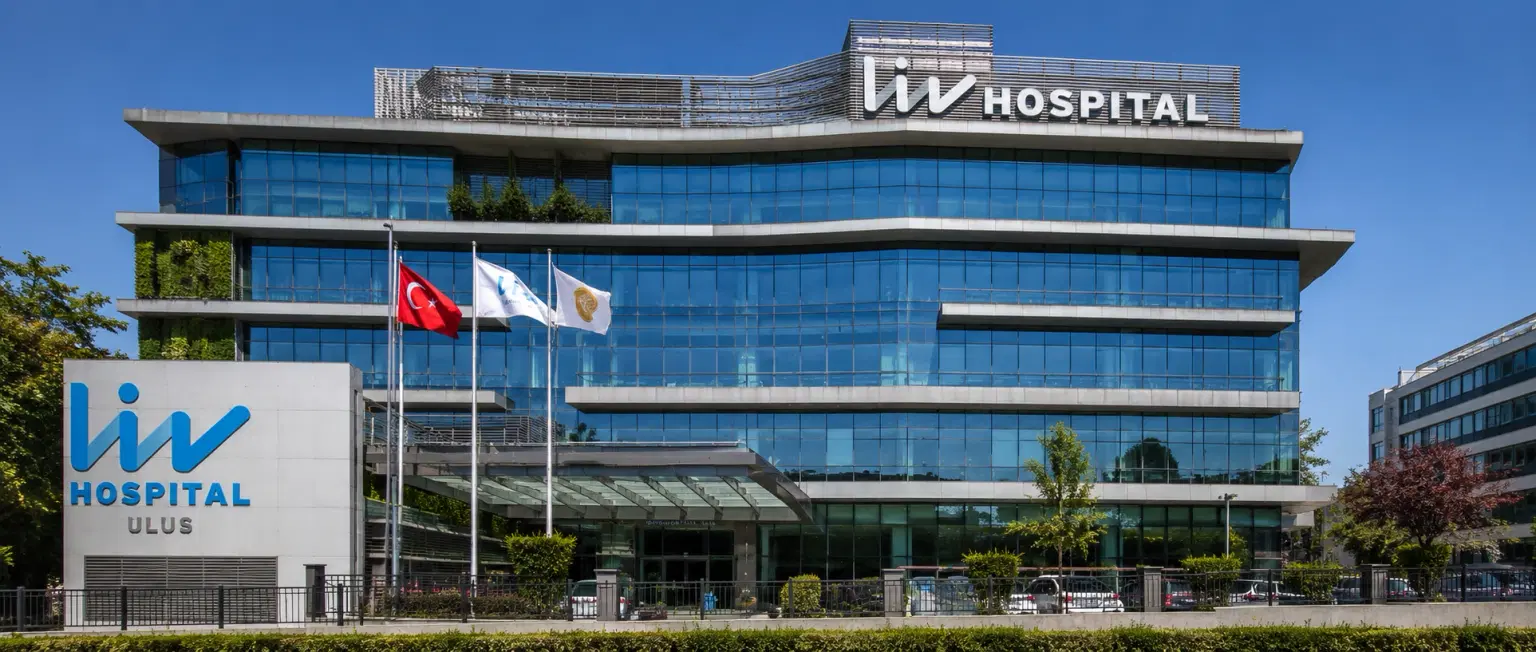
LIV Hospital, Istanbul
How DivinHeal Helps
We simplify your medical journey by providing comprehensive support and access to world-class healthcare.
Expert Specialist Matching
Connecting you with the world's top-rated medical experts.
Accredited Hospital Network
Access to JCI & NABH certified healthcare facilities.
Complete Travel Coordination
Hassle-free visa, stay, and local transport assistance.
24/7 Personal Care
Dedicated patient advisors supporting you at every step.
Journey Guidance
Full guidance from start to end of the patient treatment journey.
Expert Specialist Matching
Connecting you with the world's top-rated medical experts.
Everything you
need to know today
Browse through these common inquiries to better understand our patient-focused medical platform.
Yes, we work with a variety of insurance providers. Contact our team to verify your coverage.
Yes, we provide secure online consultations with experienced specialists.
Our care coordinators help match you with the most suitable specialist.
Absolutely. Your medical information is protected according to healthcare privacy standards.
Look at six things: accreditation (JCI or NABH), specialty depth, doctor credentials and experience, procedure-specific success rates, international patient support, and technology. DivinHeal's AI-driven matching evaluates every hospital in our accredited partner network on these dimensions and shortlists the best-fit options for your condition, budget, and country.
JCI (Joint Commission International) is the US-based global gold standard for hospital quality, recognised worldwide. NABH is India's national accreditation — accredited by ISQua, the same body that accredits JCI. Both signal independently verified safety and quality. Most of India's leading hospitals hold both.
Yes. All three welcome international patients through structured medical visa programs. India is the most established, treating patients from Africa, the Middle East, and South Asia at 60–80% lower cost. Thailand leads in cosmetic and dental care. The UAE is emerging in oncology and reproductive medicine.
Most patients save 50–80% on treatment costs. Heart bypass costs US $7,000–9,000 in India compared to $70,000–150,000 in the US. IVF costs $3,000–4,500 compared to $12,000–20,000 in the UK. Even after flights, visa, and accommodation, total savings remain 60–70%.
DivinHeal manages your entire non-medical journey: visa invitation letters, medical visa guidance, doctor appointments, teleconsultations, airport pickup, hospital-vetted accommodation for you and your attendant, language interpreters, local transport, cuisine preferences, and post-treatment follow-up — one dedicated coordinator from first enquiry to final follow-up.
You need a valid passport (6+ months validity), a medical visa (M-Visa for India — DivinHeal provides the hospital invitation letter), return flight tickets, recent medical reports and a doctor's referral, current prescription list, and proof of financial means. Any accompanying attendant needs their own passport and MX-Visa.
Still have more questions?
Book a call with our friendly team to learn how DivineHeal simplifies your healthcare journey.