Pulmonology
5K+ International Patients Treated
40+ Source Countries Served
500+ Accredited Partner Hospitals
98% Patient Satisfaction
80% Average Savings vs USA
10K+ Doctors
NABH, JCI Accredited Hospitals
Free Treatment Plan
Free Consultation with Doctor
5+ Destinations Covered
About Pulmonology
Sources and Guidelines Referenced
This clinical guide incorporates evidence and standards from major international respiratory societies: Global Initiative for Chronic Obstructive Lung Disease (GOLD 2024 Report), Global Initiative for Asthma (GINA 2023 Strategy), American Thoracic Society / European Respiratory Society (ATS/ERS 2022 Technical Standards), British Thoracic Society (BTS 2021 Clinical Guidelines), and American College of Chest Physicians (CHEST 2021 Expert Consensus Statements).
Pulmonology: A Comprehensive Patient Guide
1. Definition and Medical Identity
Pulmonology is the medical subspecialty of internal medicine dedicated to preventing, diagnosing, and treating diseases of the respiratory tract, pulmonary vasculature, and mediastinum. Often referred to as chest medicine or respiratory medicine, pulmonology aims to preserve gas exchange efficiency, maintain normal lung mechanics, and prevent progressive respiratory dysfunction.
Scope of Pulmonary Practice
Pulmonologists manage disorders affecting the airways (bronchi and bronchioles), lung parenchyma (alveoli and interstitial tissue), pleura (membranes enclosing the lungs), and pulmonary circulation (arteries and veins supplying the lungs). Care spans outpatient chronic disease management, specialized procedural suites, and intensive care units where life support mechanisms are required.
2. The Underlying Condition or Need
Pulmonology addresses disorders that compromise normal respiration, leading to tissue hypoxia, hypercapnia, and cellular stress. Respiratory diseases represent a primary cause of global chronic morbidity, driven by environmental exposures, genetic predispositions, immune dysregulation, and aging.
Pathophysiology of Respiratory Impairment
Biological impairment in chest medicine falls into three core categories:
- Obstructive Airway Pathology: Characterized by narrowed or collapsed airways that impede expiratory airflow, typical of asthma, COPD, and bronchiectasis.
- Restrictive Parenchymal Pathology: Characterized by reduced compliance and lung expansion, often due to interstitial fibrosis, chest wall deformities, or neuromuscular weakness.
- Vascular and Perfusion Pathology: Characterized by impaired pulmonary blood flow, elevated pulmonary vascular resistance, or blood clot obstruction, as seen in pulmonary embolism and pulmonary arterial hypertension.
Without clinical intervention, progressive respiratory disorders lead to irreversible structural airway remodeling, chronic hypoxemia, right ventricular overload (cor pulmonale), and respiratory failure.
3. How the Treatment Works — Mechanism
Pulmonology employs pharmacological, mechanical, and behavioral interventions to restore airway patency, decrease parenchymal inflammation, optimize ventilation-perfusion matching, and strengthen respiratory muscle performance.
Pharmacological Mechanisms
Inhaled medications deliver concentrated therapeutic agents directly to airway target sites while minimizing systemic exposure:
- Beta-2 Agonists: Stimulate smooth muscle receptors to induce rapid or sustained bronchodilation.
- Antimuscarinics: Block acetylcholine-mediated bronchoconstriction and mucus hypersecretion.
- Inhaled Corticosteroids (ICS): Suppress eosinophilic and lymphocytic airway inflammation, decreasing mucosal edema and hyperresponsiveness (GINA 2023).
- Antifibrotics: Inhibit fibroblast proliferation and extracellular matrix deposition in interstitial lung conditions (ATS/ERS 2022).
Mechanical and Physical Interventions
Non-pharmacological approaches enhance respiratory mechanics. Supplemental oxygen therapy elevates arterial partial pressure of oxygen (PaO2). Non-invasive positive pressure ventilation (NIV) maintains airway patency, reduces the work of breathing, and enhances carbon dioxide clearance during acute exacerbations or severe sleep apnea.
4. Types and Variations
Pulmonology encompasses several specialized sub-disciplines tailored to specific disease processes and clinical needs.
Clinical Sub-specializations in Pulmonology
| Subspecialty Domain | Primary Clinical Focus | Core Diagnostic & Therapeutic Modalities |
|---|---|---|
| Asthma & Airway Diseases | Reversible and fixed airway obstruction (Asthma, COPD, Bronchiectasis) | Spirometry, FeNO, Inhaled Biologics, Bronchial Thermoplasty |
| Interstitial Lung Disease (ILD) | Parenchymal inflammation and pulmonary fibrosis | HRCT, Bronchoalveolar Lavage, Surgical Lung Biopsy, Antifibrotics |
| Interventional Pulmonology | Minimally invasive diagnostic and therapeutic airway procedures | Flexible & Rigid Bronchoscopy, EBUS, Airway Stenting, Cryobiopsy |
| Pulmonology Vascular Disease | Pulmonary hypertension and thromboembolic disease | Right Heart Catheterization, Pulmonary Angiography, Vasodilators |
| Sleep Medicine | Sleep-disordered breathing and alveolar hypoventilation | Polysomnography (Sleep Study), CPAP, BiPAP, Hypoglossal Nerve Stimulation |
5. Who the Treatment Is For — Indications
Pulmonology care is indicated for individuals experiencing acute or chronic respiratory symptoms, abnormal lung imaging findings, or functional breathing limitations.
Primary Clinical Indications
- Persistent Respiratory Symptoms: Chronic cough lasting over 8 weeks, progressive dyspnea (shortness of breath), unexplained wheezing, or hemoptysis (coughing up blood).
- Airway Diseases: Uncontrolled asthma, COPD, chronic bronchitis, or emphysema (GOLD 2024).
- Parenchymal and Interstitial Disorders: Suspected idiopathic pulmonary fibrosis, hypersensitivity pneumonitis, or sarcoidosis.
- Pulmonary Vascular Conditions: Pulmonary hypertension, pulmonary embolism follow-up, or unexplained right-sided heart strain.
- Sleep-Disordered Breathing: Excessive daytime sleepiness, severe snoring, witnessed apnea events, or morning headaches suggesting sleep apnea.
- Occupational and Environmental Exposure: Exposure to asbestos, silica, coal dust, or toxic fumes presenting with abnormal chest imaging.
6. Who the Treatment Is NOT For — Contraindications
While general pulmonology consultations carry no contraindications, specific diagnostic procedures and intense therapeutic protocols require careful safety screening.
Contraindications for Specific Pulmonary Procedures
- Forced Expiratory Spirometry: Contraindicated in patients with recent thoracic/abdominal surgery (within 4 weeks), recent myocardial infarction or unstable angina (within 1 month), thoracic aortic aneurysm, or acute retinal detachment due to increased intrathoracic pressure (ATS/ERS 2022).
- Flexible Bronchoscopy: Absolute contraindications include severe refractic hypoxemia, unstable cardiac arrhythmias, and uncorrectable severe coagulopathy.
- Pulmonary Rehabilitation Exercise Testing: Absolute contraindications include acute myocardial infarction within 3-5 days, unstable angina, uncontrolled arrhythmias causing hemodynamic compromise, and acute pulmonary embolism.
7. Alternatives and Clinical Comparison
Pulmonology care integrates with other clinical specialties depending on disease etiology, clinical acuity, and structural severity.
Comparative Clinical Modalities
| Treatment Modality | Clinical Indication | Invasiveness | Primary Clinical Role |
|---|---|---|---|
| Medical Pulmonology | Chronic airway, vascular, and parenchymal diseases | Non-Invasive to Minimally Invasive | Long-term disease stabilization, pharmacological management, rehabilitation |
| Thoracic Surgery | Resectable lung nodules, bullous emphysema, severe pleural disease | Surgical (VATS / Open Thoracotomy) | Anatomical resection, tissue biopsy, decortication, volume reduction |
| Allergy / Immunology | Atopic asthma, severe allergic rhinitis, immune deficiencies | Non-Invasive | Allergen immunotherapy, biologic targeted therapy, immunomodulation |
| Critical Care Medicine | Acute respiratory failure, ARDS, septic shock | Invasive | Endotracheal intubation, mechanical ventilation, invasive hemodynamic monitoring |
8. Pre-Treatment Phase
The pre-treatment evaluation establishes baseline respiratory function, identifies underlying etiology, and safety-screens patients before specialized testing or therapeutic interventions.
Initial Clinical Workup
- Detailed Clinical History: Evaluation of dyspnea onset, cough characteristics, smoking history (pack-years), occupational exposures, and family history of respiratory disease.
- Physical Examination: Auscultation for wheezes, crackles, or reduced breath sounds; assessment for digital clubbing, cyanosis, peripheral edema, and use of accessory respiratory muscles.
- Baseline Physiological Testing: Routine oxygen saturation, resting pulse oximetry, and six-minute walk test (6MWT).
- Diagnostic Imaging: Standard two-view chest X-ray and high-resolution computed tomography (HRCT) of the chest when parenchymal disease is suspected.
- Procedural Preparation: Fasting instructions for sedated procedures (6-8 hours), temporary adjustment of anticoagulant or antiplatelet therapy under cardiology direction, and baseline blood work (CBC, coagulation profile, arterial blood gases).
9. The Procedure — Step-by-Step Clinical Detail
Pulmonology encompasses distinct clinical steps depending on whether the primary procedure is diagnostic lung function testing or an interventional procedure such as flexible bronchoscopy.
Diagnostic Pulmonary Function Testing (PFT)
- Spirometry: The patient takes a maximal inhalation and forcibly exhales into a spirometer sensor for at least 6 seconds to measure Forced Vital Capacity (FVC) and Forced Expiratory Volume in 1 Second (FEV1).
- Bronchodilator Reversibility: Administration of an inhaled short-acting beta-2 agonist (e.g., 400 mcg albuterol), followed by repeat spirometry 15 minutes later to evaluate airflow reversibility (defined as an increase in FEV1 or FVC by >12% and >200 mL).
- Plethysmography: The patient sits inside a sealed cabin to measure Total Lung Capacity (TLC) and Residual Volume (RV) by calculating thoracic gas volume changes during gentle panting against a closed shutter.
- DLCO Testing: The patient inhales a trace gas mixture containing low-concentration carbon monoxide, holds their breath for 10 seconds, and exhales to measure the rate of gas transfer across the alveolar-capillary membrane.
Interventional Bronchoscopy Protocol
- Preparation & Sedation: Intravenous access is secured; local anesthetic (lidocaine spray) is applied to the pharynx, and moderate sedation or general anesthesia is initiated.
- Insertion: A flexible bronchoscope is advanced through the nasal or oral cavity, passing through the vocal cords into the trachea and mainstem bronchi.
- Airway Inspection: Systemic visual assessment of mucosal color, vascularity, secretions, dynamic airway collapse, or endobronchial lesions.
- Sampling / Intervention: Diagnostic sampling via bronchoalveolar lavage (BAL), endobronchial biopsy, or endobronchial ultrasound (EBUS) guided transbronchial needle aspiration for mediastinal lymph node staging (BTS 2021).
- Withdrawal & Hemostasis: Local instillation of cold saline or dilute epinephrine if minor bleeding occurs, followed by scope withdrawal.
10. Immediate Post-Procedure Period
Post-procedural protocols focus on monitoring patient stability, preventing complications, and managing transient minor symptoms.
Post-PFT and Post-Procedure Protocols
- Non-Invasive Diagnostic Testing: No recovery period required; patients may experience temporary lightheadedness that resolves within minutes.
- Sedated Interventional Procedures (Bronchoscopy): Post-procedure recovery in a dedicated unit for 1 to 3 hours to monitor cardiac rhythm, oxygen saturation, and blood pressure.
- Airway Protection Assessment: Oral intake of fluids and food is withheld until the cough reflex fully returns, typically 1 to 2 hours following local topical anesthesia.
- Post-Procedure Imaging: Routine chest radiograph is performed following transbronchial biopsy to rule out iatrogenic pneumothorax.
11. Recovery — Short and Long Term
Recovery dynamics depend entirely on the specific pulmonology modality used—ranging from immediate resumption of activities following non-invasive testing to multi-week adaptations during pulmonary rehabilitation.
Recovery Matrix
| Phase | Diagnostic PFT / Outpatient Care | Interventional Bronchoscopy | Pulmonary Rehabilitation Program |
|---|---|---|---|
| First 24 Hours | Immediate normal activity; no physical restrictions. | Rest at home; mild sore throat or transient low-grade fever (<38°C); avoid driving due to sedation. | Mild muscle soreness; hydrate well and monitor resting oxygen saturation. |
| Days 2 – 7 | Full symptom tracking and compliance with started inhalers. | Resolution of minor throat irritation and trace blood-streaked sputum; return to work within 24–48 hours. | Gradual accumulation of aerobic conditioning sessions (2-3 times per week). |
| Long-Term (1–6 Months) | Serial evaluation of FEV1; adjustment of controller maintenance therapy based on clinical response. | Biopsy review at 1-2 weeks; management plan adjustment; follow-up HRCT if indicated. | Significant improvement in 6-minute walk distance, dyspnea scores, and functional independence (ATS/ERS 2022). |
12. Risks, Side Effects, and Complications
Complications in medical pulmonology vary based on intervention invasiveness, baseline pulmonary reserve, and underlying comorbidities.
Risk Severity Matrix
| Severity Level | Possible Complications | Frequency & Clinical Context | Management Protocol |
|---|---|---|---|
| Common / Mild | Lightheadedness during PFTs; mild sore throat, transient cough, or minor blood-tinged sputum post-bronchoscopy. | 10% – 20% of interventional cases | Self-limiting within 24–48 hours; warm saline gargles, simple analgesics. |
| Uncommon / Moderate | Transient fever post-bronchoalveolar lavage; localized bronchospasm; minor arterial oxygen desaturation during testing. | 2% – 5% of invasive procedures | Supplemental oxygen administration, inhaled bronchodilator nebulization, anti-pyretic therapy. |
| Rare / Severe | Pneumothorax (lung collapse); significant endobronchial hemorrhage (>100 mL); severe hypoxia; adverse sedation reaction. | <1% for diagnostic bronchoscopy; 1%–4% for transbronchial biopsy | Intercostal chest tube insertion for pneumothorax; endobronchial epinephrine/cold saline lavage; airway stabilization; reversal agents for sedation. |
Warning Signs Requiring Urgent Medical Evaluation
Patients must seek immediate emergency medical evaluation if they develop sudden severe shortness of breath, chest pain worse with deep inspiration, hemoptysis exceeding a tablespoon of bright red blood, high fever with chills, or persistent blue discoloration of lips or fingernails (cyanosis).
13. Lifestyle and Behavioral Considerations
Lifestyle modifications directly impact pulmonary clinical outcomes, slowing functional lung decline and optimizing therapeutic efficacy.
Evidence-Based Behavioral Interventions
- Smoking Cessation: Smoking cessation is the single most effective intervention to stop the accelerated decline in FEV1 in patients with COPD (GOLD 2024). Combined behavioral therapy and pharmacotherapy (nicotine replacement, varenicline) achieve superior abstinence rates.
- Environmental Remediation: Reducing exposure to indoor combustion sources, particulate matter, mold spores, and occupational dusts. Utilization of High-Efficiency Particulate Air (HEPA) filtration units in allergic asthma.
- Vaccination Compliance: Annual influenza vaccination, pneumococcal conjugate/polysaccharide vaccination, COVID-19 boosters, and Respiratory Syncytial Virus (RSV) immunization are recommended for chronic lung disease patients (BTS 2021).
- Nutritional Support: High-protein, nutrient-dense meal strategies for patients with severe COPD to prevent pulmonary cachexia and diaphragm weakness; weight management for obese patients with sleep apnea or asthma.
14. How Outcomes Are Measured
Clinical success in pulmonology is evaluated through objective physiological testing, patient-reported outcome measures, and health system utilization metrics.
Core Measurement Endpoints
- Spirometric Parameters: Serial preservation or improvement in FEV1, FVC, and FEV1/FVC ratios measured over months to years.
- Gas Exchange Endpoints: Stability or improvement in resting pulse oximetry, arterial oxygen pressure (PaO2), and DLCO percentages.
- Functional Exercise Capacity: Change in distance covered during the six-minute walk test (6MWT). An increase of 30 meters represents a clinically meaningful improvement.
- Exacerbation Frequency: Reduction in the annual rate of acute disease flare-ups requiring oral systemic corticosteroids, emergency room visits, or hospital admissions (GOLD 2024).
- Symptom and Quality-of-Life Scores: Validated scales including the Modified Medical Research Council (mMRC) dyspnea scale, COPD Assessment Test (CAT), and Asthma Control Test (ACT).
15. Recent Advances and Current Standard of Care
Pulmonology has evolved rapidly through breakthroughs in molecular phenotyping, advanced imaging, biopharmaceuticals, and interventional technologies.
Modern Clinical Advances
- Targeted Biologic Therapies: Monoclonal antibodies targeting interleukin-5 (IL-5), IL-4/IL-13, and thymic stromal lymphopoietin (TSLP) have revolutionized management of severe eosinophilic and allergic asthma, drastically reducing oral steroid dependency (GINA 2023).
- Antifibrotic Pharmacotherapy: Tyrosine kinase inhibitors (nintedanib) and antifibrotic agents (pirfenidone) slow forced vital capacity decline in idiopathic pulmonary fibrosis and progressive fibrosing interstitial lung diseases (ATS/ERS 2022).
- Robotic-Assisted Bronchoscopy: Ultra-thin, computer-guided robotic catheters allow precise navigation to peripheral pulmonary nodules for early-stage lung cancer diagnosis.
- Endobronchial Valve Placement: Minimally invasive lung volume reduction using one-way endobronchial valves offers non-surgical treatment for selected patients with severe heterogenous emphysema.
16. Common Myths and Misconceptions
Myth: Asthma is exclusively a childhood condition that adults outgrow.
Reality: Asthma can develop at any age, known as adult-onset asthma. While childhood asthma symptoms may remit during adolescence, underlying airway hyperresponsiveness often persists or recurs in adulthood (GINA 2023).
Myth: Supplemental oxygen therapy is addictive and causes the lungs to stop working.
Reality: Supplemental oxygen is a therapeutic prescription that corrects life-threatening hypoxemia. It is not addictive; it prevents organ damage and pulmonary hypertension caused by low blood oxygen levels.
Myth: Inhaled corticosteroids cause severe systemic side effects identical to oral steroid pills.
Reality: Inhaled corticosteroids deliver microgram doses directly to airway mucosa, resulting in minimal systemic absorption compared to milligram doses of oral steroids (GINA 2023).
Myth: Exercise should be avoided by people with chronic lung disease to protect their lungs.
Reality: Structured exercise within pulmonary rehabilitation improves peripheral muscle efficiency, reduces oxygen demand, decreases dyspnea, and improves overall function (ATS/ERS 2022).
Myth: Shortness of breath is an unavoidable and untreatable part of normal aging.
Reality: Dyspnea is a symptom of underlying pathology—such as lung, cardiac, or neuromuscular disease—and warrants thorough clinical investigation regardless of age.
Myth: A normal chest X-ray rules out serious lung disease.
Reality: Standard chest radiographs may miss early-stage interstitial lung disease, mild emphysema, pulmonary vascular disorders, or small endobronchial lesions, requiring high-resolution CT (HRCT) or specialized diagnostic testing.
17. Frequently Asked Questions
What is the primary difference between a pulmonologist and a allergist?
A pulmonologist specializes in the comprehensive diagnosis and treatment of all respiratory conditions across the airways, parenchymal tissue, and pulmonary blood vessels. An allergist focuses primarily on immune-mediated hypersensitivity reactions affecting multiple body systems, including allergic rhinitis, eczema, and allergic asthma.
How is spirometry performed during a clinical consultation?
Spirometry requires taking a deep breath until the lungs are completely full, then blowing out forcefully and continuously into a diagnostic mouthpiece for at least 6 seconds. The testing device records exhaled volume and airflow speed to evaluate for restrictive or obstructive breathing patterns.
What is high-resolution computed tomography (HRCT) of the lungs?
HRCT is an advanced radiological imaging technique that captures thin cross-sectional slices (typically 1 mm) of the lung tissue. It provides detailed visualization of the interstitial space, alveoli, small airways, and vascular structures, allowing accurate diagnosis of pulmonary fibrosis and interstitial lung conditions.
When should supplemental home oxygen be prescribed?
Supplemental oxygen is indicated when resting arterial blood gas analysis shows an arterial partial pressure of oxygen (PaO2) of 55 mmHg or less, or when resting pulse oximetry (SpO2) remains consistently at or below 88% (GOLD 2024). Specialized prescribing criteria also apply to exercise-induced or nocturnal desaturation.
Can damaged lung tissue regenerate or heal?
Airway inflammation and acute epithelial injury can heal with proper medical therapy. However, structural fibrotic scar tissue (as in pulmonary fibrosis) and destroyed alveolar walls (as in severe emphysema) are generally permanent. Medical treatment focuses on stabilizing function, reducing symptoms, and halting disease progression.
What is bronchoalveolar lavage (BAL)?
Bronchoalveolar lavage is a diagnostic procedure performed during flexible bronchoscopy. Sterile saline solution is instilled into a specific segment of the lung and aspirated back to collect cellular components, pathogens, and biomarkers for cytological, microbiological, and immunologic analysis.
How does a continuous positive airway pressure (CPAP) machine treat sleep apnea?
A CPAP device delivers a continuous stream of pressurized room air through a mask worn over the nose or face during sleep. This positive air pressure acts as a pneumatic splint, holding the upper airway open and preventing soft tissue collapse, obstructive apneas, and nocturnal oxygen desaturation.
What occurs during a six-minute walk test (6MWT)?
The 6MWT is a standardized functional exercise test measuring the total distance a patient can walk at their own pace along a flat, 30-meter corridor in 6 minutes. Heart rate, oxygen saturation, and dyspnea levels are continuously or periodically recorded to assess overall physical functional capacity.
What is fractional exhaled nitric oxide (FeNO) testing?
FeNO testing measures the concentration of nitric oxide in a patient's exhaled breath. Elevated nitric oxide levels serve as a non-invasive biomarker for type-2 eosinophilic airway inflammation, assisting in diagnosing asthma and predicting clinical response to inhaled corticosteroid therapy (GINA 2023).
How often should patients with chronic respiratory conditions see a pulmonologist?
Follow-up frequency varies by disease severity and clinical stability. Patients with stable condition typically undergo clinical evaluation every 6 to 12 months. Patients with severe, brittle, or newly diagnosed respiratory disease may require consultations every 1 to 3 months until stabilization is achieved.
What is pulmonary rehabilitation?
Pulmonary rehabilitation is an evidence-based, multidisciplinary intervention featuring individualized aerobic exercise training, strength conditioning, breathing retraining (such as pursed-lip breathing), nutritional guidance, and self-management education designed to improve physical and emotional condition in chronic respiratory disease (ATS/ERS 2022).
Is a referral required to consult a pulmonologist?
Referral requirements depend on regional clinical practice patterns and health system frameworks. Generally, primary care physicians initiate a referral when routine treatments fail to control respiratory symptoms, when diagnostic tests yield abnormal results, or when specialized procedural management is required.
How do inhaled biologics work in severe asthma?
Injected biologic therapies target specific cytokines (such as IL-4, IL-5, IL-13) or immunoglobulins (IgE) driving chronic airway inflammation. By blocking these inflammatory signaling pathways, biologics decrease asthma exacerbations, improve lung function, and reduce dependency on oral steroids (GINA 2023).
Booking With DIVINHEAL
Get a free consultation to understand your treatment options
Cost Calculator
I know my treatment — show me cost from 3 hospitals
Plan My Journey
Tell us your condition and budget — our AI matches the right destination, hospital and doctor and visa pathway
Recommended Article

Best In Vitro Fertilization (IVF) Doctors in Hyderabad
Doctors for Nephrology: Find Kidney Care Specialists
Doctors in Chennai: Find Medical Specialists in India
Best Embryo Freezing Hospitals in Hyderabad: Care Guide
Hospitals for reproductive surgery: Compare options
Hospitals in Gurugram: Guide to Quality Facilities
IVF Treatment in Haryana | Cost, Hospitals & Doctors
TAVR (Transcatheter Aortic Valve Replacement) cost in New Delhi
Tonsillectomy & Adenoidectomy Success Rate in Mumbai
Facelift & Anti-Aging Procedures in Chennai for Ethiopia Patients | Cost, Hospitals
Booking With DIVINHEAL
Get a free consultation to understand your treatment options
Cost Calculator
I know my treatment — show me cost from 3 hospitals
Plan My Journey
Tell us your condition and budget — our AI matches the right destination, hospital and doctor and visa pathway
Recommended Article
Best In Vitro Fertilization (IVF) Doctors in Hyderabad
Doctors for Nephrology: Find Kidney Care Specialists
Doctors in Chennai: Find Medical Specialists in India
Best Embryo Freezing Hospitals in Hyderabad: Care Guide
Hospitals for reproductive surgery: Compare options
Hospitals in Gurugram: Guide to Quality Facilities
IVF Treatment in Haryana | Cost, Hospitals & Doctors
TAVR (Transcatheter Aortic Valve Replacement) cost in New Delhi
Tonsillectomy & Adenoidectomy Success Rate in Mumbai
Facelift & Anti-Aging Procedures in Chennai for Ethiopia Patients | Cost, Hospitals
Our Speciality and Treatments
Genetic Disorder Diagnosis & Counselling
Pediatric Laparoscopic Surgery
Pediatric Kidney Transplant
Pediatric Cardiac Surgery
Down Syndrome Comprehensive Care
Vaccination Program
Newborn Care Package
Pediatric Intensive Care (PICU)
Pediatric Urology (incl. Hypospadias)
Pediatric Orthopedics
Pediatric Gastroenterology
Pediatric Pulmonology
Pediatric Endocrinology
Pediatric Cardiology (non-surgical)
Pediatric Oncology
Neonatal Intensive Care (NICU)
pediatric neurosurgery




Meet Our Medical Specialists




Sr. Consultant - Urology & Kidney Transplant Program (Unit I)
Dr. Abhinandan Mukhopadhyay
MBBS, MD
India

Sr. Consultant - Urology & Kidney Transplant Program (Unit I)
Dr. Abhinandan Mukhopadhyay
MBBS, MD
India
Hospitals
NABH & JCI Accredited Hospitals in India,Turkey, Thailand & UAE.
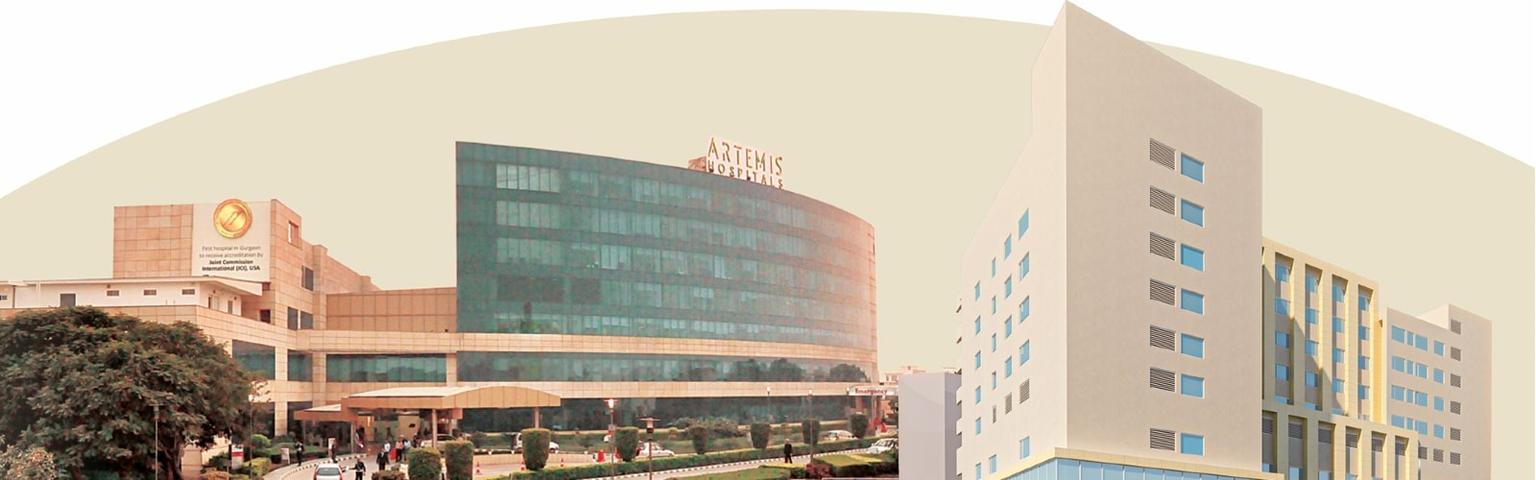
Artemis Hospital
Sector 51, Gurugram, Haryana, India
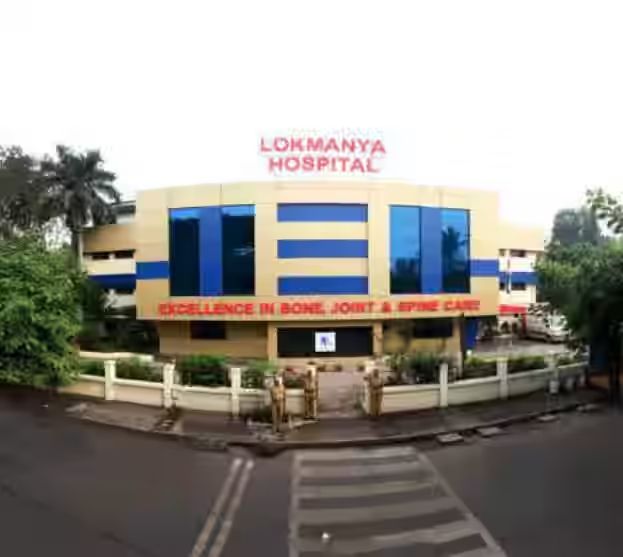
Lokmanya Hospitals
Not Specified

White Lotus Hospital
766, SFS 3145, SFS Road, 7th Sector, HSR Layout, Bengaluru, Karnataka 560102, India
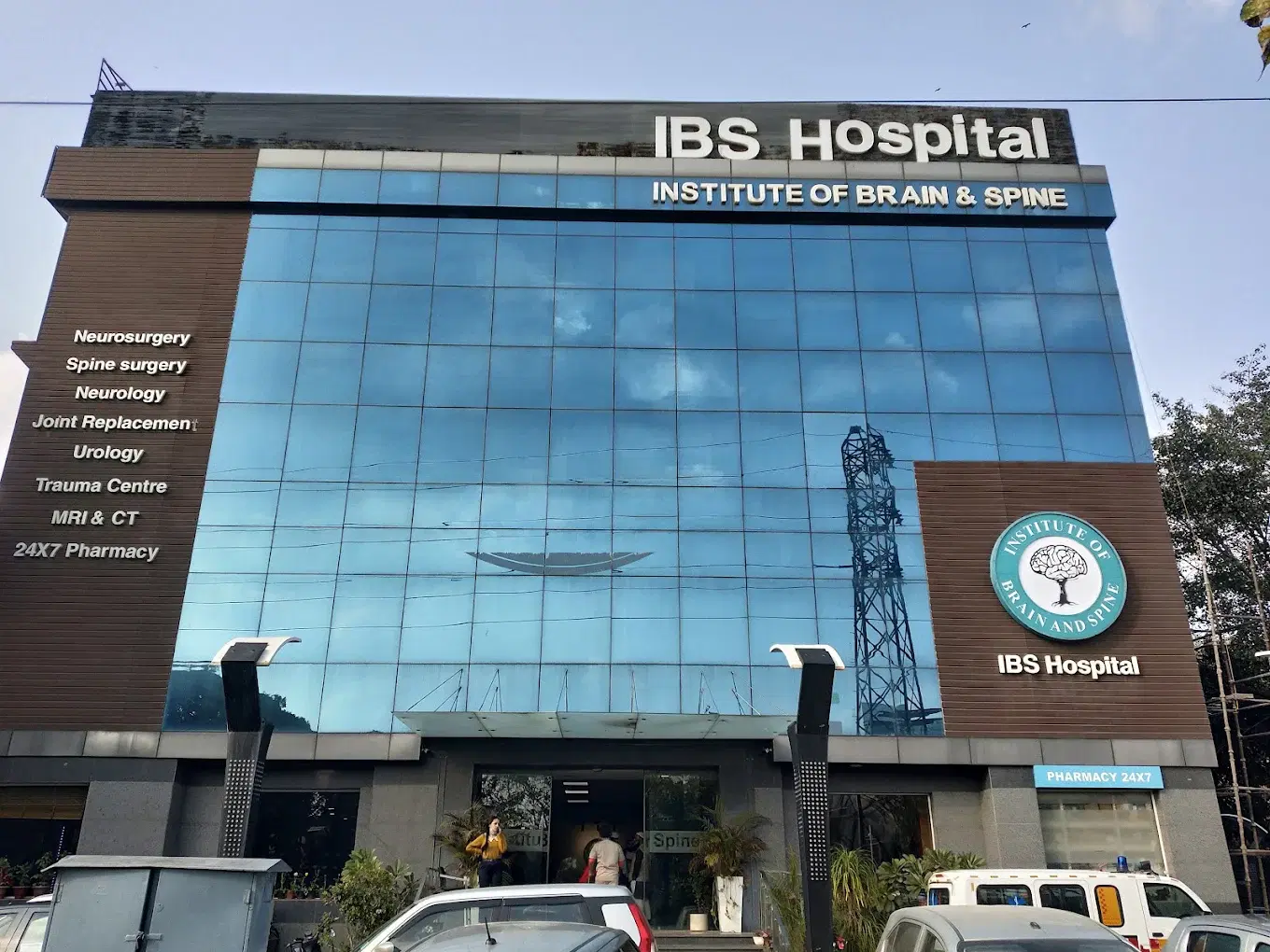
Institute of Brain and Spine (IBS Hospital)
Not Specified
How DivinHeal Helps
We simplify your medical journey by providing comprehensive support and access to world-class healthcare.
Expert Specialist Matching
Connecting you with the world's top-rated medical experts.
Accredited Hospital Network
Access to JCI & NABH certified healthcare facilities.
Complete Travel Coordination
Hassle-free visa, stay, and local transport assistance.
24/7 Personal Care
Dedicated patient advisors supporting you at every step.
Journey Guidance
Full guidance from start to end of the patient treatment journey.
Expert Specialist Matching
Connecting you with the world's top-rated medical experts.
Everything you
need to know today
Browse through these common inquiries to better understand our patient-focused medical platform.
Yes, we work with a variety of insurance providers. Contact our team to verify your coverage.
Yes, we provide secure online consultations with experienced specialists.
Our care coordinators help match you with the most suitable specialist.
Absolutely. Your medical information is protected according to healthcare privacy standards.
Look at six things: accreditation (JCI or NABH), specialty depth, doctor credentials and experience, procedure-specific success rates, international patient support, and technology. DivinHeal's AI-driven matching evaluates every hospital in our accredited partner network on these dimensions and shortlists the best-fit options for your condition, budget, and country.
JCI (Joint Commission International) is the US-based global gold standard for hospital quality, recognised worldwide. NABH is India's national accreditation — accredited by ISQua, the same body that accredits JCI. Both signal independently verified safety and quality. Most of India's leading hospitals hold both.
Yes. All three welcome international patients through structured medical visa programs. India is the most established, treating patients from Africa, the Middle East, and South Asia at 60–80% lower cost. Thailand leads in cosmetic and dental care. The UAE is emerging in oncology and reproductive medicine.
Most patients save 50–80% on treatment costs. Heart bypass costs US $7,000–9,000 in India compared to $70,000–150,000 in the US. IVF costs $3,000–4,500 compared to $12,000–20,000 in the UK. Even after flights, visa, and accommodation, total savings remain 60–70%.
DivinHeal manages your entire non-medical journey: visa invitation letters, medical visa guidance, doctor appointments, teleconsultations, airport pickup, hospital-vetted accommodation for you and your attendant, language interpreters, local transport, cuisine preferences, and post-treatment follow-up — one dedicated coordinator from first enquiry to final follow-up.
You need a valid passport (6+ months validity), a medical visa (M-Visa for India — DivinHeal provides the hospital invitation letter), return flight tickets, recent medical reports and a doctor's referral, current prescription list, and proof of financial means. Any accompanying attendant needs their own passport and MX-Visa.
Still have more questions?
Book a call with our friendly team to learn how DivineHeal simplifies your healthcare journey.