radical hysterectomy
5K+ International Patients Treated
40+ Source Countries Served
500+ Accredited Partner Hospitals
98% Patient Satisfaction
80% Average Savings vs USA
10K+ Doctors
NABH, JCI Accredited Hospitals
Free Treatment Plan
Free Consultation with Doctor
5+ Destinations Covered
About radical hysterectomy
Radical Hysterectomy Treatment: Procedures, Cost & Recovery
Understanding Radical Hysterectomy
Radical hysterectomy is a crucial surgical intervention, primarily recognized as a definitive radical hysterectomy treatment for early-stage cervical cancer. While less common, it may also be employed for select cases of endometrial or ovarian cancer. This complex procedure involves the removal of the uterus, cervix, parametrium (the tissue surrounding the cervix), and typically the upper part of the vagina, often accompanied by pelvic lymph node dissection.
The importance of timely and precise radical hysterectomy treatment cannot be overstated for improving patient outcomes. At DivinHeal, we empower patients by providing access to internationally accredited oncology hospitals and highly experienced gynecologic oncologists specializing in advanced therapeutic options, including state-of-the-art surgical techniques, radical hysterectomy chemotherapy and radiation therapy, and novel targeted therapies. We address all aspects, from radical hysterectomy diagnosis and therapy options to comprehensive recovery.
Types of Radical Hysterectomy Procedures
Surgical Approaches for Radical Hysterectomy
The choice of surgical approach for a radical hysterectomy depends on various factors, including the cancer stage, patient health, and surgeon expertise. Each method aims for complete tumor removal while optimizing patient recovery:
- Abdominal Radical Hysterectomy: This traditional open surgery involves a larger incision across the abdomen, allowing the surgeon direct visualization and access to the pelvic organs. While it has a longer recovery, it remains a standard for complex cases.
- Laparoscopic Radical Hysterectomy: A minimally invasive procedure utilizing several small incisions, a camera, and specialized instruments. Patients often experience less pain, smaller scars, and a faster radical hysterectomy recovery time compared to open surgery.
- Robotic-Assisted Radical Hysterectomy: An advanced laparoscopic technique where the surgeon uses a console to control robotic arms. This offers enhanced precision, magnified 3D vision, and greater dexterity, leading to excellent outcomes and often the quickest recovery.
Non-Surgical Therapies as Adjuncts to Radical Hysterectomy
While radical hysterectomy is a surgical cornerstone, comprehensive cancer care often includes non-surgical modalities:
- Chemotherapy: Used before (neoadjuvant) or after (adjuvant) surgery, especially if lymph nodes are involved or there's a higher risk of recurrence. It targets rapidly dividing cancer cells throughout the body.
- Radiation Therapy: Often delivered externally (EBRT) or internally (brachytherapy), radiation therapy uses high-energy rays to kill cancer cells, sometimes after surgery to eradicate remaining microscopic disease or as primary treatment for advanced stages.
- Targeted Therapy: These drugs specifically target vulnerabilities in cancer cells, often with fewer side effects than traditional chemotherapy. While less common as a primary treatment for early cervical cancer, they may be considered for recurrent or metastatic disease.
- Hormonal Therapy: Less frequently used for cervical cancer, but relevant in some gynecological cancers, it works by blocking hormones that fuel cancer growth.
DivinHeal ensures access to the Best hospitals for radical hysterectomy and top oncologists who integrate these diverse radical hysterectomy diagnosis and therapy options into personalized treatment plans.
Cost Comparison: Why Patients Choose India for Radical Hysterectomy
Patients worldwide are increasingly turning to India for high-quality medical treatments, particularly complex surgeries like radical hysterectomy. The primary driver is the unparalleled affordability, offering significant savings of up to 70% compared to Western countries, without compromising on quality or success rates. DivinHeal facilitates access to world-class hospitals and top oncologists, ensuring you receive exceptional care at a fraction of the radical hysterectomy treatment cost.
Our transparent, AI-driven platform provides clear cost breakdowns and helps you find affordable radical hysterectomy packages tailored to your needs. This radical hysterectomy surgery cost comparison clearly illustrates India's advantage:
| Country | Average Radical Hysterectomy Treatment Cost (USD) |
|---|---|
| India | $3,500 - $7,500 |
| United States | $25,000 - $50,000 |
| United Kingdom | $20,000 - $40,000 |
| Singapore | $15,000 - $30,000 |
| UAE | $12,000 - $25,000 |
Choosing India through DivinHeal means choosing hope, safety, and superior medical outcomes at an accessible price point, encompassing everything from initial radical hysterectomy diagnosis to comprehensive therapy options and recovery.
DivinHeal’s Comprehensive Support for Radical Hysterectomy Patients
Navigating a radical hysterectomy treatment journey can be overwhelming, but with DivinHeal, you are never alone. Our AI-driven platform and dedicated human care coordinators provide seamless, end-to-end support:
- AI-Driven Hospital Matching: We connect you with the Best hospitals for radical hysterectomy and top oncologists in India, tailored to your specific medical needs and preferences.
- Transparent Cost Breakdowns: Receive clear, upfront information on radical hysterectomy treatment cost, including comprehensive and affordable radical hysterectomy packages with no hidden fees. Our radical hysterectomy surgery cost comparison tools ensure full transparency.
- Visa & Travel Assistance: From medical visa applications to flight and accommodation bookings, we manage all logistics, making your journey stress-free.
- Dedicated Care Coordination: A personal care manager assists you from the initial consultation and radical hysterectomy diagnosis through treatment, radical hysterectomy recovery time and tips, and post-treatment follow-ups.
- Language Support: We ensure effective communication with medical staff through professional interpreters.
- Post-Treatment Follow-up: Our support extends beyond your hospital stay, facilitating ongoing consultations and wellness guidance to ensure optimal radical hysterectomy success rate.
We are committed to providing a compassionate, high-quality, and affordable healthcare experience, making DivinHeal your trusted global healthcare facilitator.
Radical Hysterectomy Recovery and Life After Treatment
Understanding the radical hysterectomy recovery time and tips is crucial for a smooth and effective return to daily life. While the initial hospital stay typically ranges from 3 to 7 days, full recuperation can take several weeks to months, depending on the surgical approach and individual healing capacity.
- Immediate Post-Operative Period: In the hospital, focus will be on pain management, preventing complications like blood clots (through early ambulation), and monitoring vital signs.
- At-Home Recovery:
- Activity Restrictions: Avoid heavy lifting, strenuous exercise, and prolonged standing for 6-8 weeks. Sexual activity is generally restricted for a similar period to allow the vaginal cuff to heal.
- Pain Management: Continue prescribed pain medication and over-the-counter options as needed.
- Wound Care: Keep incision sites clean and dry. Report any signs of infection immediately.
- Nutrition & Hydration: A balanced diet rich in fiber and adequate hydration can prevent constipation, a common post-surgical issue.
- Emotional Well-being: It's normal to experience emotional fluctuations. Seeking support from family, friends, or a professional counselor can be highly beneficial. DivinHeal can help connect you with support resources.
- Long-Term Considerations:
- Follow-up Appointments: Regular check-ups with your gynecologic oncologist are vital to monitor recovery, assess for any potential recurrence, and manage long-term effects.
- Lymphedema Management: If lymph nodes were removed, there's a risk of lymphedema. Your care team will provide guidance on managing this.
- Lifestyle Adjustments: Maintaining a healthy lifestyle with regular, gentle exercise and a nutritious diet contributes to overall well-being.
DivinHeal’s holistic approach includes guiding you through every step of your radical hysterectomy recovery, connecting you with resources for physical therapy, emotional counseling, and long-term wellness planning, aiming for the best possible radical hysterectomy success rate and quality of life post-treatment.
Booking With DIVINHEAL
Get a free consultation to understand your treatment options
Cost Calculator
I know my treatment — show me cost from 3 hospitals
Plan My Journey
Tell us your condition and budget — our AI matches the right destination, hospital and doctor and visa pathway
Recommended Article

Best In Vitro Fertilization (IVF) Doctors in Hyderabad
Doctors for Nephrology: Find Kidney Care Specialists
Doctors in Chennai: Find Medical Specialists in India
Best Embryo Freezing Hospitals in Hyderabad: Care Guide
Hospitals for reproductive surgery: Compare options
Hospitals in Gurugram: Guide to Quality Facilities
IVF Treatment in Haryana | Cost, Hospitals & Doctors
TAVR (Transcatheter Aortic Valve Replacement) cost in New Delhi
Tonsillectomy & Adenoidectomy Success Rate in Mumbai
Facelift & Anti-Aging Procedures in Chennai for Ethiopia Patients | Cost, Hospitals
Booking With DIVINHEAL
Get a free consultation to understand your treatment options
Cost Calculator
I know my treatment — show me cost from 3 hospitals
Plan My Journey
Tell us your condition and budget — our AI matches the right destination, hospital and doctor and visa pathway
Recommended Article
Best In Vitro Fertilization (IVF) Doctors in Hyderabad
Doctors for Nephrology: Find Kidney Care Specialists
Doctors in Chennai: Find Medical Specialists in India
Best Embryo Freezing Hospitals in Hyderabad: Care Guide
Hospitals for reproductive surgery: Compare options
Hospitals in Gurugram: Guide to Quality Facilities
IVF Treatment in Haryana | Cost, Hospitals & Doctors
TAVR (Transcatheter Aortic Valve Replacement) cost in New Delhi
Tonsillectomy & Adenoidectomy Success Rate in Mumbai
Facelift & Anti-Aging Procedures in Chennai for Ethiopia Patients | Cost, Hospitals
Our Speciality and Treatments
Genetic Disorder Diagnosis & Counselling
Pediatric Laparoscopic Surgery
Pediatric Kidney Transplant
Pediatric Cardiac Surgery
Down Syndrome Comprehensive Care
Vaccination Program
Newborn Care Package
Pediatric Intensive Care (PICU)
Pediatric Urology (incl. Hypospadias)
Pediatric Orthopedics
Pediatric Gastroenterology
Pediatric Pulmonology
Pediatric Endocrinology
Pediatric Cardiology (non-surgical)
Pediatric Oncology
Neonatal Intensive Care (NICU)
pediatric neurosurgery






Meet Our Medical Specialists




Sr. Consultant - Urology & Kidney Transplant Program (Unit I)
Dr. Abhinandan Mukhopadhyay
MBBS, MD
India

Sr. Consultant - Urology & Kidney Transplant Program (Unit I)
Dr. Abhinandan Mukhopadhyay
MBBS, MD
India
Hospitals
NABH & JCI Accredited Hospitals in India,Turkey, Thailand & UAE.
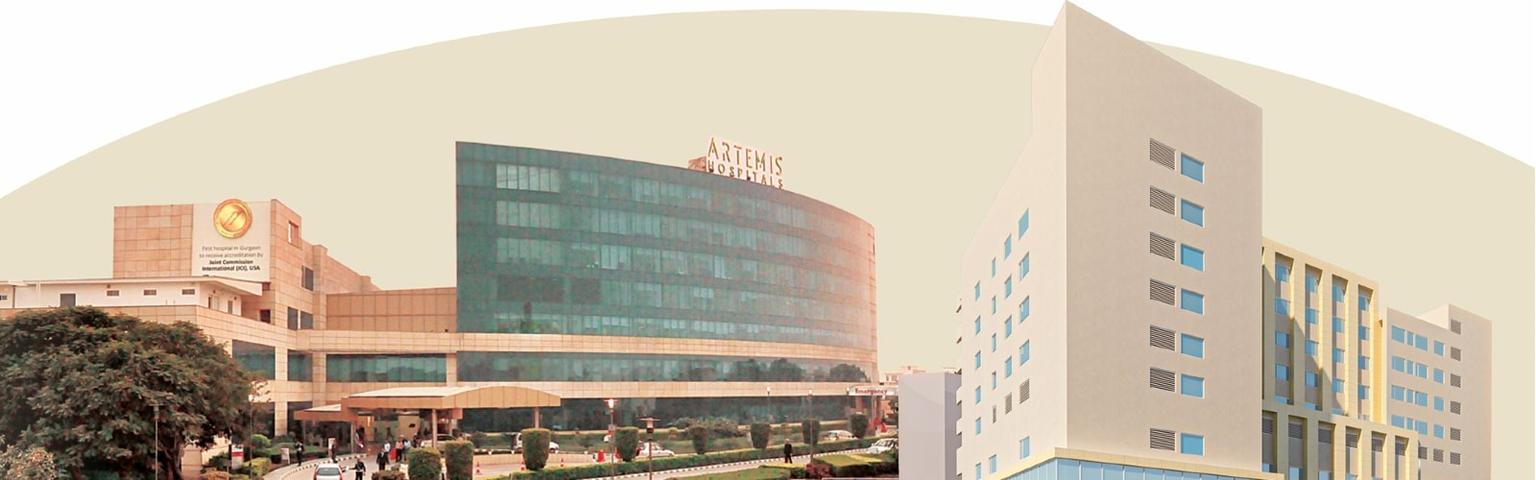
Artemis Hospital
Sector 51, Gurugram, Haryana, India

Lokmanya Hospitals
Not Specified

White Lotus Hospital
766, SFS 3145, SFS Road, 7th Sector, HSR Layout, Bengaluru, Karnataka 560102, India
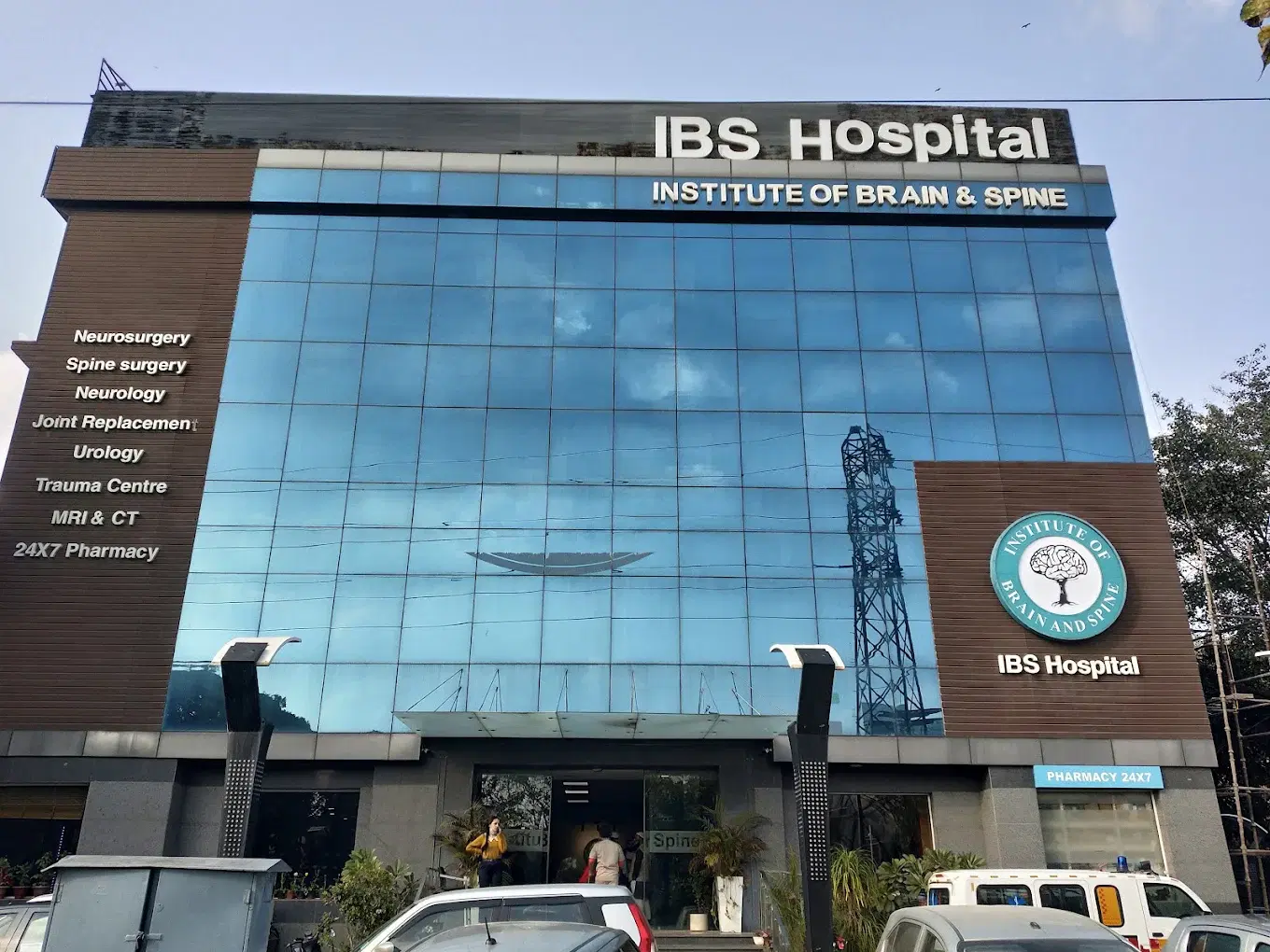
Institute of Brain and Spine (IBS Hospital)
Not Specified
How DivinHeal Helps
We simplify your medical journey by providing comprehensive support and access to world-class healthcare.
Expert Specialist Matching
Connecting you with the world's top-rated medical experts.
Accredited Hospital Network
Access to JCI & NABH certified healthcare facilities.
Complete Travel Coordination
Hassle-free visa, stay, and local transport assistance.
24/7 Personal Care
Dedicated patient advisors supporting you at every step.
Journey Guidance
Full guidance from start to end of the patient treatment journey.
Expert Specialist Matching
Connecting you with the world's top-rated medical experts.
Everything you
need to know today
Browse through these common inquiries to better understand our patient-focused medical platform.
Yes, we work with a variety of insurance providers. Contact our team to verify your coverage.
Yes, we provide secure online consultations with experienced specialists.
Our care coordinators help match you with the most suitable specialist.
Absolutely. Your medical information is protected according to healthcare privacy standards.
Look at six things: accreditation (JCI or NABH), specialty depth, doctor credentials and experience, procedure-specific success rates, international patient support, and technology. DivinHeal's AI-driven matching evaluates every hospital in our accredited partner network on these dimensions and shortlists the best-fit options for your condition, budget, and country.
JCI (Joint Commission International) is the US-based global gold standard for hospital quality, recognised worldwide. NABH is India's national accreditation — accredited by ISQua, the same body that accredits JCI. Both signal independently verified safety and quality. Most of India's leading hospitals hold both.
Yes. All three welcome international patients through structured medical visa programs. India is the most established, treating patients from Africa, the Middle East, and South Asia at 60–80% lower cost. Thailand leads in cosmetic and dental care. The UAE is emerging in oncology and reproductive medicine.
Most patients save 50–80% on treatment costs. Heart bypass costs US $7,000–9,000 in India compared to $70,000–150,000 in the US. IVF costs $3,000–4,500 compared to $12,000–20,000 in the UK. Even after flights, visa, and accommodation, total savings remain 60–70%.
DivinHeal manages your entire non-medical journey: visa invitation letters, medical visa guidance, doctor appointments, teleconsultations, airport pickup, hospital-vetted accommodation for you and your attendant, language interpreters, local transport, cuisine preferences, and post-treatment follow-up — one dedicated coordinator from first enquiry to final follow-up.
You need a valid passport (6+ months validity), a medical visa (M-Visa for India — DivinHeal provides the hospital invitation letter), return flight tickets, recent medical reports and a doctor's referral, current prescription list, and proof of financial means. Any accompanying attendant needs their own passport and MX-Visa.
Still have more questions?
Book a call with our friendly team to learn how DivineHeal simplifies your healthcare journey.