Centres Of Excellence
Our Centres of Excellence bring together multidisciplinary teams to deliver precise diagnosis, advanced treatments, and superior outcomes across a wide spectrum of medical specialties.
OVERVIEW
The primary goal of Robotic Prostatectomy is to surgically remove cancerous prostate tissue while preserving surrounding vital structures like nerves responsible for erectile function and the bladder sphincter for urinary continence. This advanced procedure, often performed using the da Vinci Surgical System, offers a precise approach to prostate cancer treatment, aiming for complete cancer removal with minimal impact on quality of life.
PROCEDURE
Robotic Prostatectomy is performed under general anesthesia. The surgeon makes several small (0.5-1 cm) incisions in the lower abdomen. Through these incisions, ports are inserted for the robotic instruments and a high-definition camera. The surgeon sits at a console a few feet away, controlling the robotic arms that hold the surgical tools. The robotic system provides a magnified, 3D view of the surgical area, allowing for extremely precise dissection. The prostate gland, along with the seminal vesicles, is carefully dissected free from surrounding tissues. Nerve-sparing techniques are employed where appropriate to preserve the neurovascular bundles responsible for erectile function. Lymph nodes may also be removed if indicated by the cancer's aggressiveness or stage. After the prostate is removed, the bladder is reconnected to the urethra, and the small incisions are closed. A urinary catheter is typically left in place for 1-3 weeks to allow for healing of the connection between the bladder and urethra. The entire procedure usually takes 2-4 hours.
BENEFITS
Key Benefits of Robotic Prostatectomy
Minimally Invasive Approach
Compared to traditional open surgery, Robotic Prostatectomy involves several small incisions instead of one large one, leading to less post-operative pain, reduced blood loss, and smaller, less noticeable scars. This translates to a more comfortable and aesthetically pleasing recovery.
Enhanced Surgical Precision
The robotic system provides the surgeon with a magnified 3D view and instruments with a greater range of motion than the human wrist. This allows for incredibly precise dissection and suturing, crucial for intricate procedures like nerve-sparing, which is vital for preserving erectile function and urinary continence, significantly improving the Robotic Prostatectomy success rate.
Faster Recovery Time
Patients undergoing Robotic Prostatectomy typically experience a shorter hospital stay, quicker return to normal activities, and a faster overall Robotic Prostatectomy recovery time. This is due to less trauma to tissues and reduced surgical stress on the body.
Reduced Risk of Complications
The precision and minimally invasive nature of the procedure can lead to a lower risk of certain complications such as infection, blood transfusions, and prolonged pain, enhancing safety and overall patient experience.
Improved Functional Outcomes
With careful nerve-sparing techniques facilitated by robotic assistance, there is an increased potential for better preservation of urinary continence and erectile function post-surgery, critical aspects of a patient's quality of life after Robotic Prostatectomy treatment.
Global Affordability and Quality with DivinHeal
Through DivinHeal, patients can access these advanced benefits at an affordable Robotic Prostatectomy cost in world-class hospitals in India, ensuring high-quality care without financial burden.
RECOVERY
Robotic Prostatectomy Recovery Time and Tips
Immediate Post-Operative Period (Hospital Stay)
Patients typically stay in the hospital for 2-5 days following Robotic Prostatectomy. During this time, a urinary catheter will be in place to allow the bladder to heal. Pain management will be provided, and early mobilization (walking) is encouraged to prevent complications like blood clots.
First Few Weeks at Home (Catheter Removal & Initial Healing)
The urinary catheter is usually removed 1-3 weeks after surgery. It's common to experience some urinary leakage (incontinence) initially, which gradually improves. Activity should be light, avoiding heavy lifting or strenuous exercise. Focus on hydration and a balanced diet. DivinHeal provides comprehensive support during this crucial phase, offering recovery tips and connecting you with resources for continence management.
Long-Term Recovery & Rehabilitation
Full recovery of urinary control and erectile function can take several months to up to two years, varying significantly among individuals. Pelvic floor exercises (Kegels) are highly recommended to aid in regaining continence. Erectile dysfunction can be managed with medication, vacuum devices, or injections, often guided by your specialist. Regular follow-ups are essential to monitor PSA levels and ensure the long-term Robotic Prostatectomy success rate. DivinHeal facilitates these follow-ups with top oncologists for Robotic Prostatectomy.
Emotional and Psychological Support
Dealing with cancer and surgical recovery can be emotionally challenging. Support groups, counseling, and open communication with your healthcare team are vital. DivinHeal offers access to resources for emotional well-being throughout your Robotic Prostatectomy treatment journey.
WHAT WE TREAT
Conditions Treated by Robotic Prostatectomy
Localized Prostate Cancer
Robotic Prostatectomy is primarily indicated for patients diagnosed with localized prostate cancer, where the cancer is confined to the prostate gland and has not spread to other parts of the body. This approach offers an excellent chance for complete cancer removal.
Intermediate to High-Risk Prostate Cancer
It is also a viable option for men with intermediate to high-risk localized prostate cancer, often combined with other therapies like hormonal therapy or radiation, depending on the specific cancer characteristics and patient profile. Our top oncologists for Robotic Prostatectomy will assess your unique situation.
Early-Stage Prostate Cancer
For early-stage prostate cancer, especially in younger, healthier men, Robotic Prostatectomy offers a definitive treatment with a high Robotic Prostatectomy success rate, aiming to cure the disease while minimizing side effects.
PREPARATION
Pre-treatment preparation for Robotic Prostatectomy involves several key steps. Patients will undergo a thorough medical evaluation, including blood tests, urine tests, an electrocardiogram (ECG), and potentially chest X-rays, to ensure they are fit for surgery and general anesthesia. Imaging studies like MRI may be performed to further map the prostate and surrounding structures. Patients will be advised to stop certain medications, such as blood thinners, several days or weeks before surgery. Bowel preparation, involving a clear liquid diet and laxatives, is often required the day before the procedure. Patients must fast for a specified period (typically 8-12 hours) before surgery. Discussions with the surgeon will cover potential side effects, recovery expectations, and specific instructions for post-operative care, including catheter management. Preparing psychologically for the procedure and recovery is also important, and patients are encouraged to ask any questions they have.
RISKS
JOURNEY
Your Journey to Healing: Robotic Prostatectomy with DivinHeal
Initial Consultation & Diagnosis
Your journey begins with a comprehensive review of your diagnosis (PSA levels, biopsy results, imaging scans). DivinHeal connects you with top urologists and oncologists who specialize in Robotic Prostatectomy treatment for a personalized treatment plan.
Pre-Treatment Evaluation & Planning
Once you choose to proceed, our dedicated care coordinators assist with all pre-operative preparations, including medical clearances, travel arrangements, and transparent cost breakdowns for your affordable Robotic Prostatectomy package.
The Robotic Prostatectomy Procedure
Performed by highly experienced surgeons in India's best hospitals, the procedure involves precise removal of the prostate gland using state-of-the-art robotic technology, focusing on optimal cancer control and nerve-sparing techniques.
Post-Operative Care & Recovery
Following surgery, you'll receive dedicated post-operative care. Our team provides continuous support, guiding you through recovery with tips for managing post-operative symptoms, catheter care, and rehabilitation to ensure a smooth return to daily life.
Long-Term Follow-up & Support
DivinHeal ensures continued support even after your return home. We facilitate follow-up consultations and connect you with resources for long-term wellness, including physical therapy and emotional counseling, to monitor your Robotic Prostatectomy success rate and overall health.
OUTCOMES
Expected Outcomes
Successful removal of cancerous prostate tissue, leading to a high probability of cancer control and long-term remission.
Potential preservation of vital urinary and sexual functions, although individual recovery varies over time.
Reduced blood loss, less post-operative pain, and a significantly quicker return to daily activities compared to traditional surgery.
Related Links
Doctors For Treatment in Similar Locations
- Best Robotic Prostatectomy Doctors in Bengaluru
- Best Robotic Prostatectomy Doctors in Chennai
- Best Robotic Prostatectomy Doctors in Gurugram
- Best Robotic Prostatectomy Doctors in Hyderabad
- Best Robotic Prostatectomy Doctors in India
- Best Robotic Prostatectomy Doctors in Mumbai
- Best Robotic Prostatectomy Doctors in New Delhi
- Best Robotic Prostatectomy Doctors in Pune
Best Hospital Near by for treatment
- Best Robotic Prostatectomy Hospitals in Bengaluru
- Best Robotic Prostatectomy Hospitals in Chennai
- Best Robotic Prostatectomy Hospitals in Gurugram
- Best Robotic Prostatectomy Hospitals in Hyderabad
- Best Robotic Prostatectomy Hospitals in India
- Best Robotic Prostatectomy Hospitals in Mumbai
- Best Robotic Prostatectomy Hospitals in New Delhi
- Best Robotic Prostatectomy Hospitals in Pune
Hospitals Offering this treatment
India offers premium medical procedures at affordable prices. Discover our most popular treatments, delivered by the country's finest doctors.
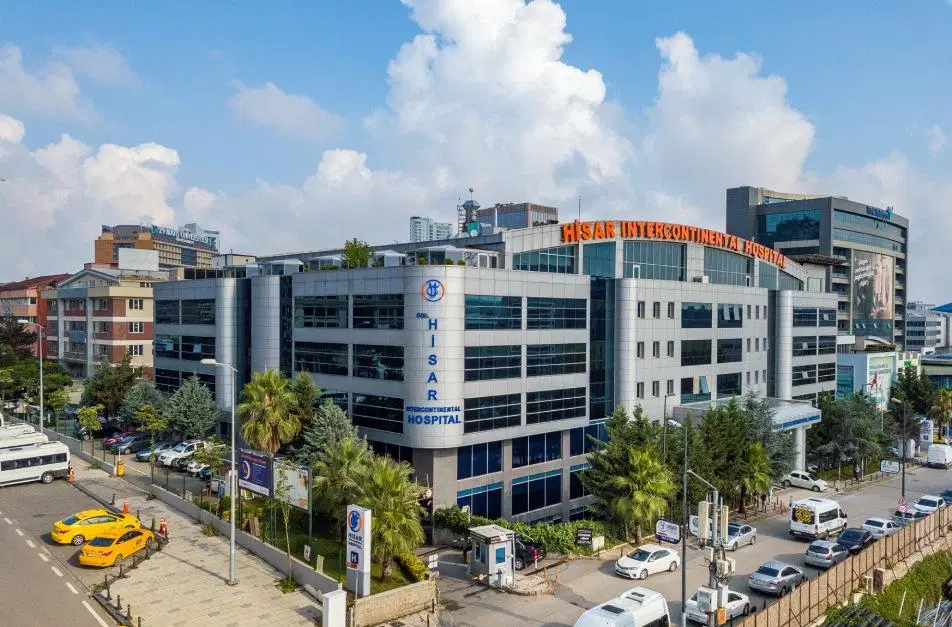
Hisar Intercontinental Hospital
Saray Mah. Siteyolu Cad. No:7, Umraniye, 34768, Istanbul, Turkey
Hisar Intercontinental Hospital
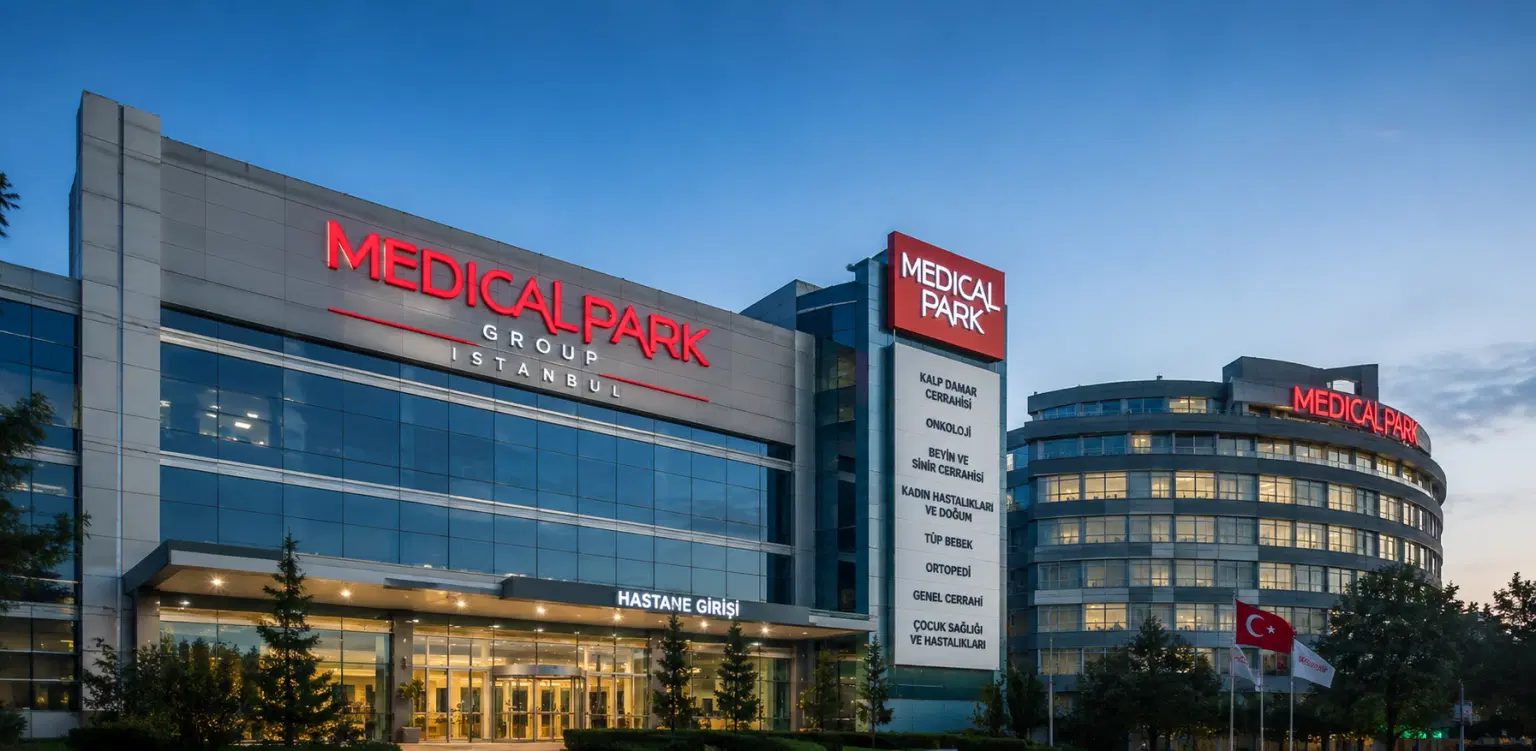
Medical Park Group, Istanbul
Fahrettin Kerim Gokay Cad. Tıbbiye Cd., Kadikoy, Istanbul, Turkey
Medical Park Group, Istanbul
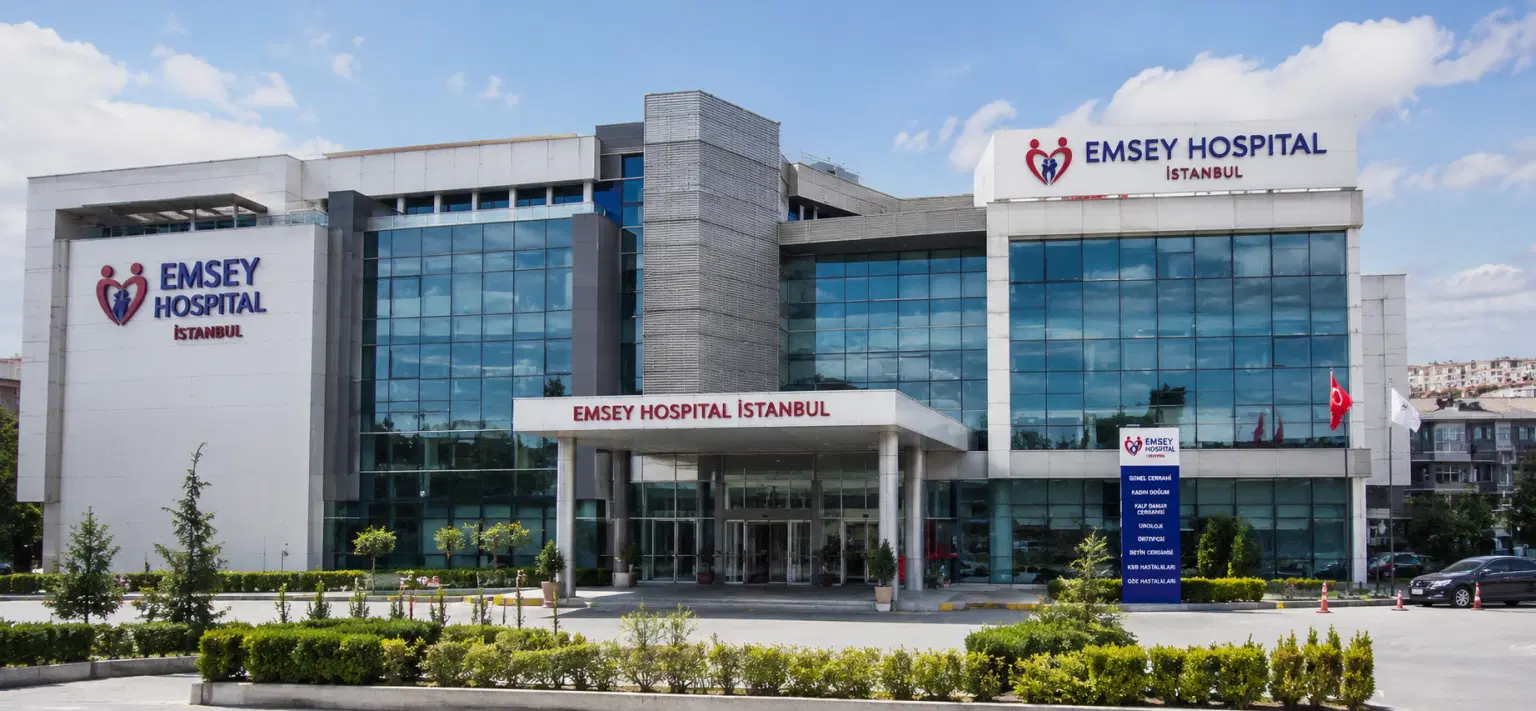
Emsey Hospital, Pendik, Istanbul
Çamlık, Selçuklu Cd. No:22, 34912 Pendik/İstanbul, Türkiye
Emsey Hospital, Pendik, Istanbul
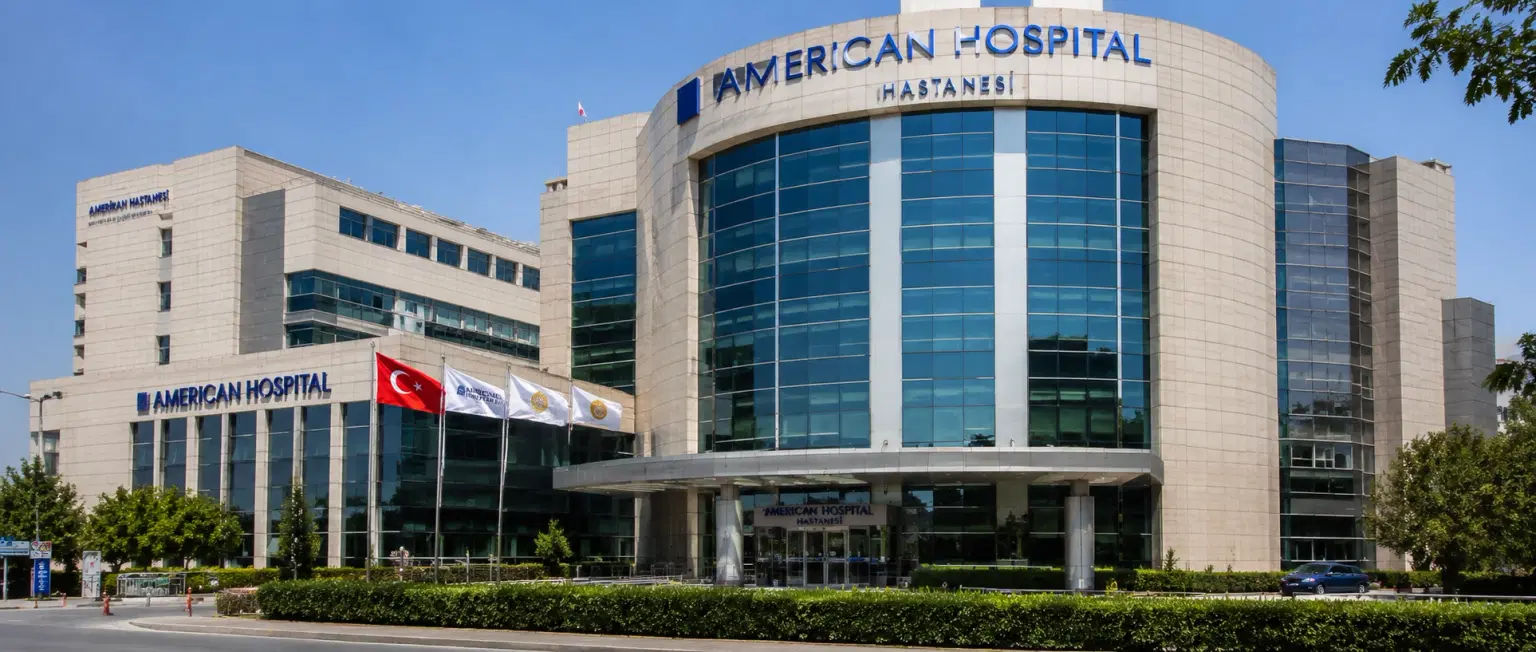
American Hospital, Istanbul
Guzelbahce Sk. No:20, 34365, Nisantasi, Istanbul, Turkey
American Hospital, Istanbul
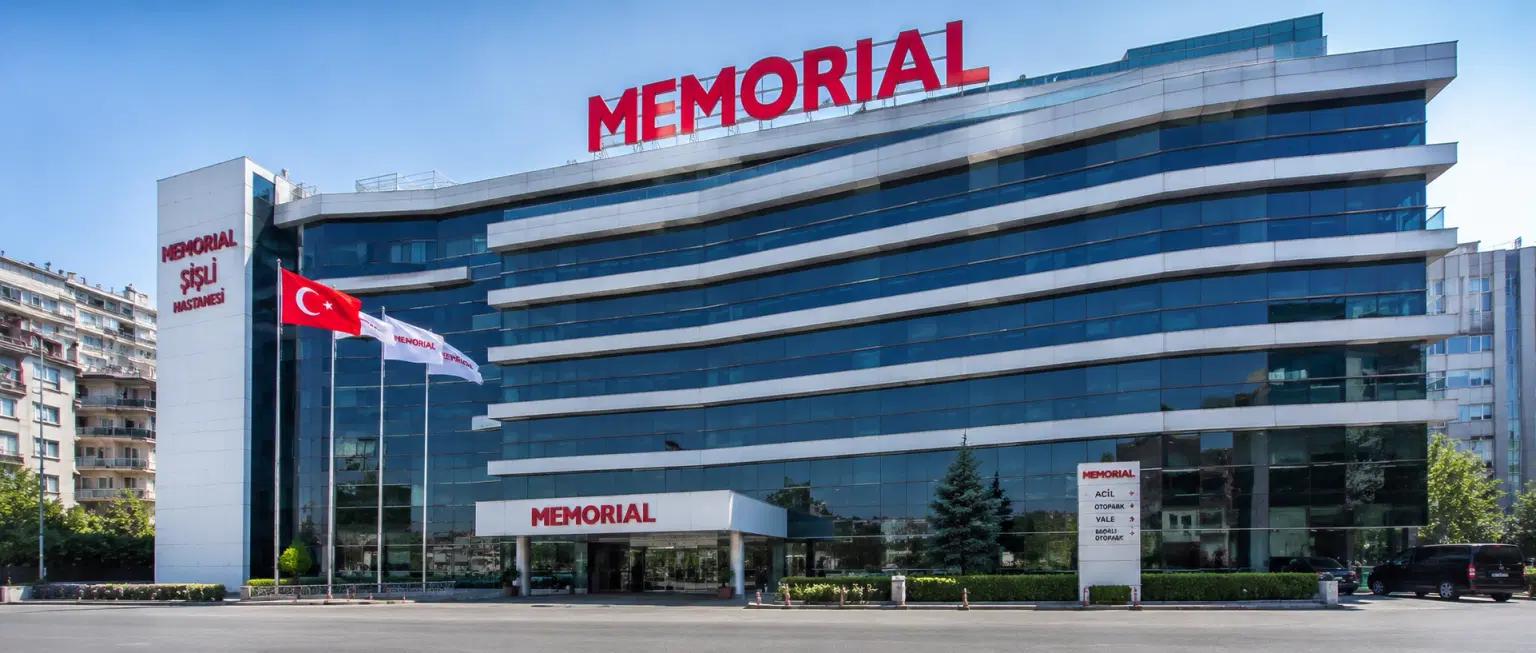
Memorial Hospitals Group
Burhaniye, Nagehan Sokağı No:4/A D:1, 34676 Üsküdar/İstanbul, Türkiye
Memorial Hospitals Group
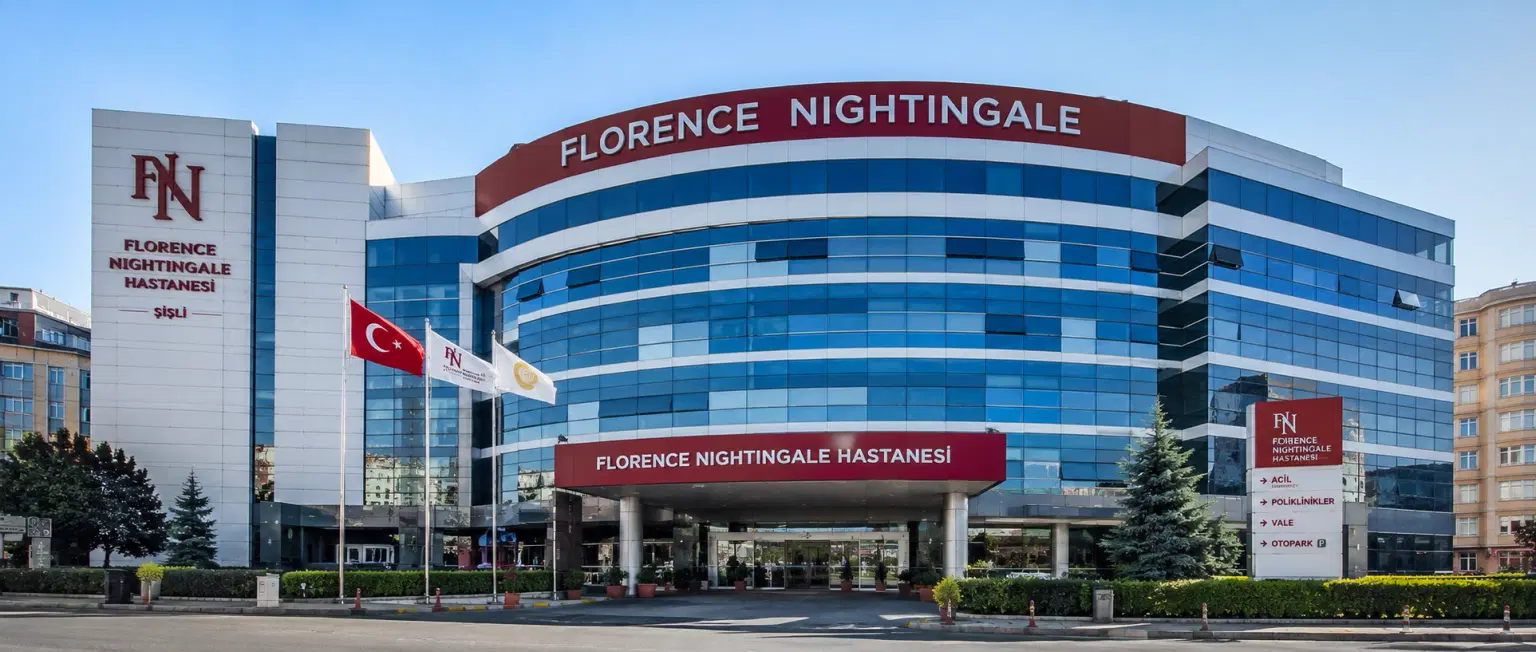
Florence Nightingale Hospital Istanbul
Abide-i Hürriyet Cd No:166, 34381 Sisli, Istanbul
Florence Nightingale Hospital Istanbul
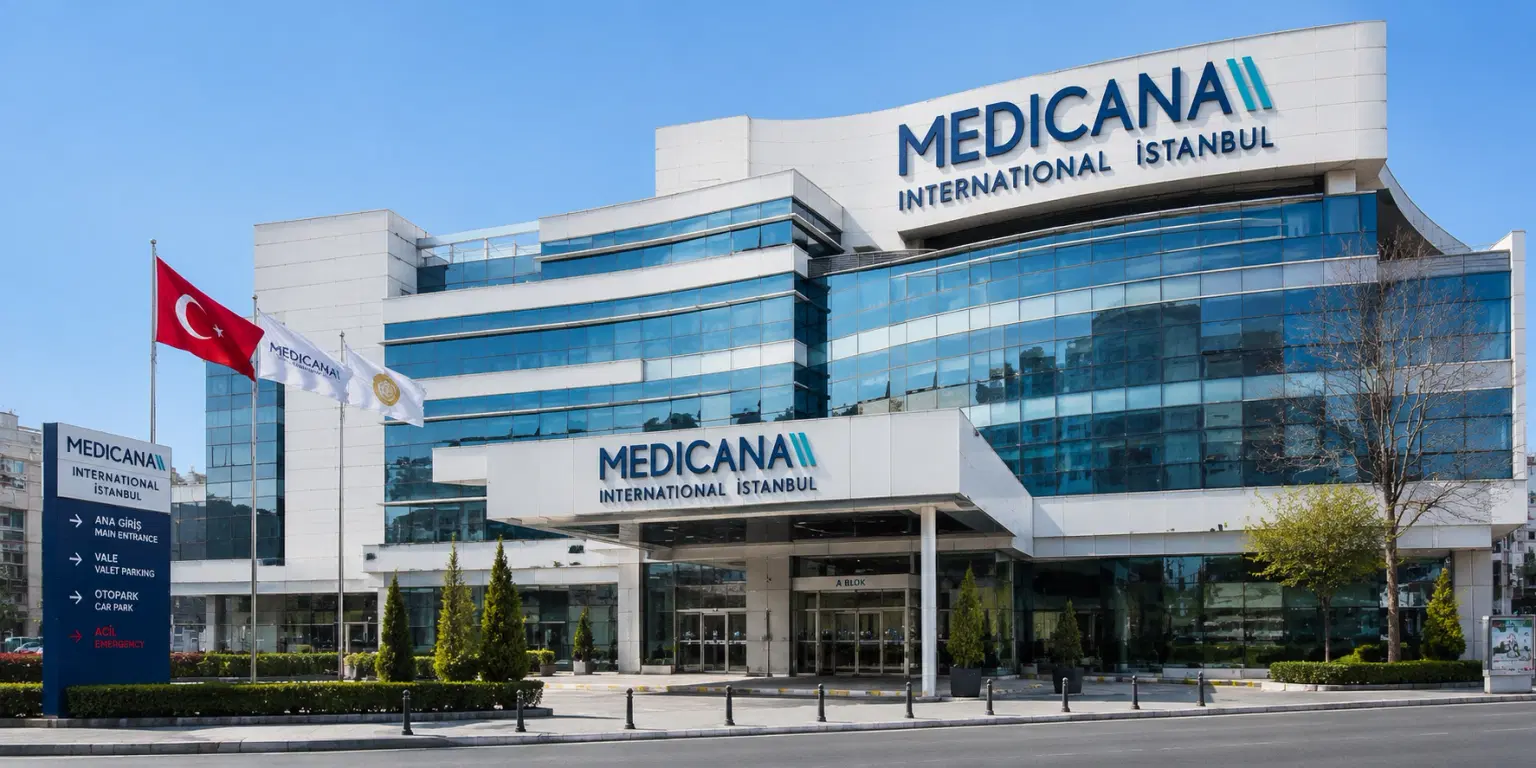
Medicana International Hospital, Istanbul
Halit Ziya Turkkani Mah. Medikal Park Cd. No:1, Beylikdüzü, İstanbul
Medicana International Hospital, Istanbul
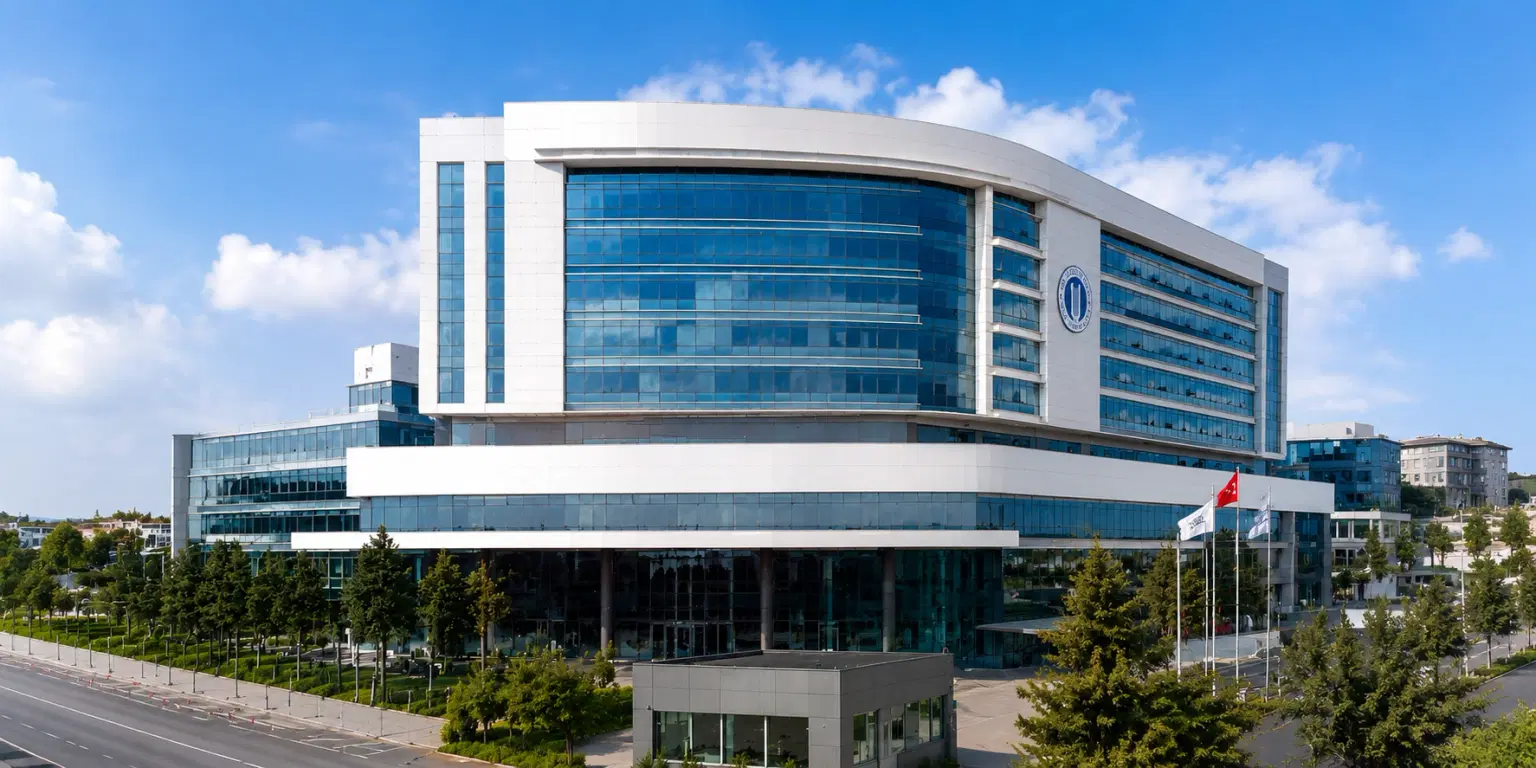
Okan University Hospital Istanbul
Icmeler Mah. Aydınlıyolu Cd. No:2, 34947 Icmeler-Tuzla, Istanbul
Okan University Hospital Istanbul
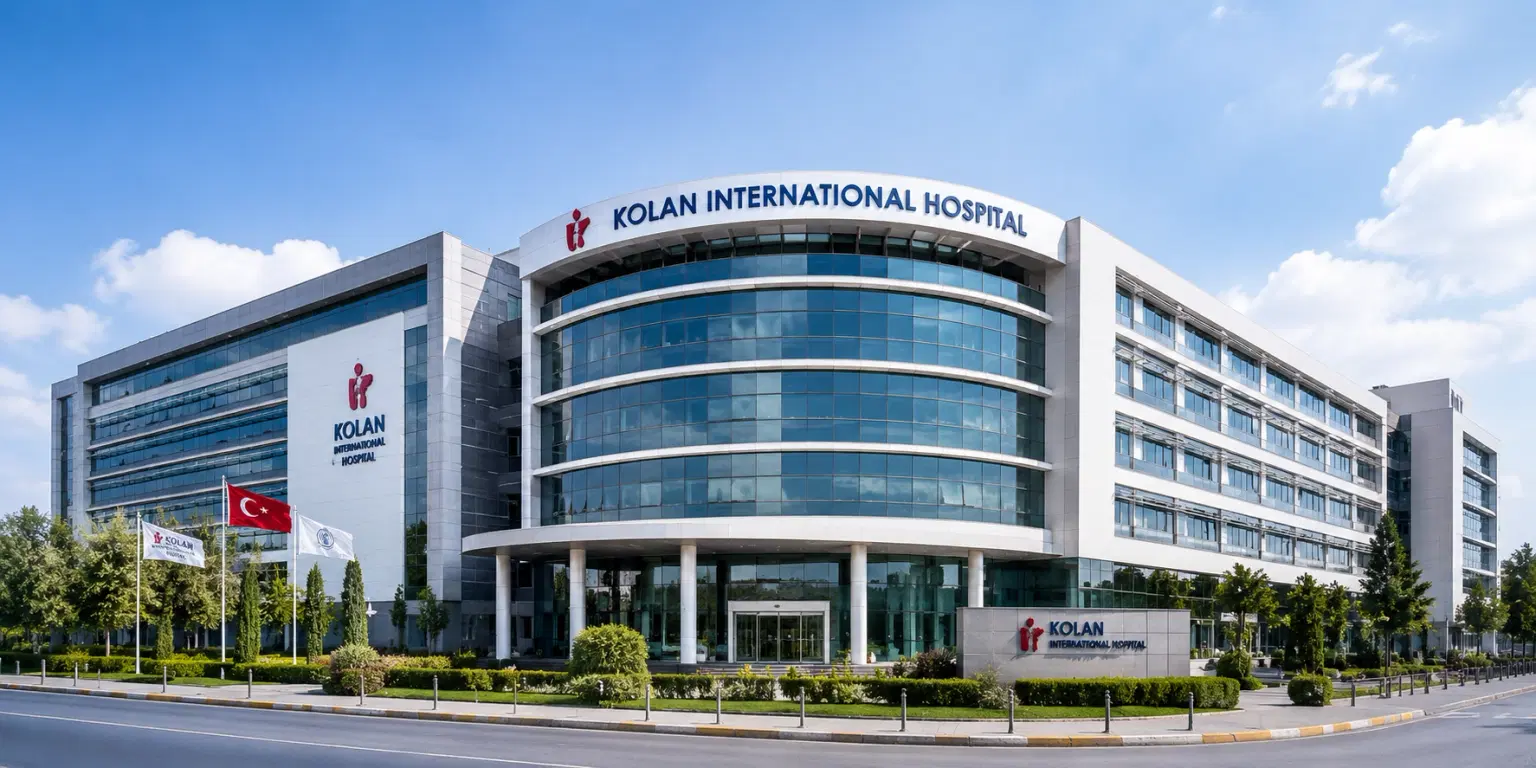
Kolan International Hospital, Istanbul
Kaptanpasa Mah. Okmeydan Kavsagi, Darulaceze Cd. No:14, 34384 Sisli, Istanbul
Kolan International Hospital, Istanbul
Meet Our Doctors
Meet our team of highly qualified and experienced medical professionals dedicated to providing the best healthcare services.

Dr. Abhinandan Mukhopadhyay
Sr. Consultant - Urology & Kidney Transplant Program (Unit I)
Urology, Kidney Transplant, Urological Cancers
Haryana
8+ Years
Experience
Artemis Hospital
Hospital
1500
Fees
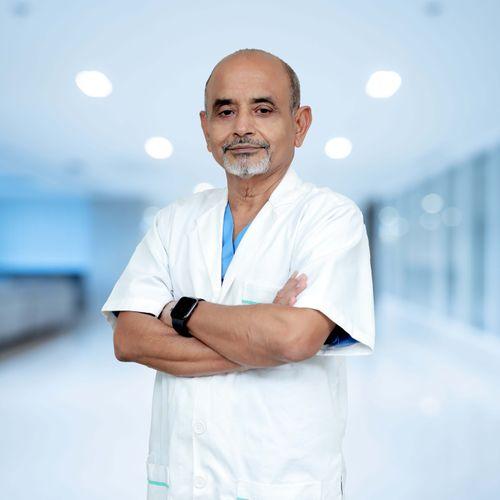
Dr. A. J. Chitkara
Senior Director - Urology, Uro-Oncology, Robotics & Kidney Transplant
Urology
New Delhi
30+ Years
Experience
Apolo Delhi
Hospital
1500
Fees
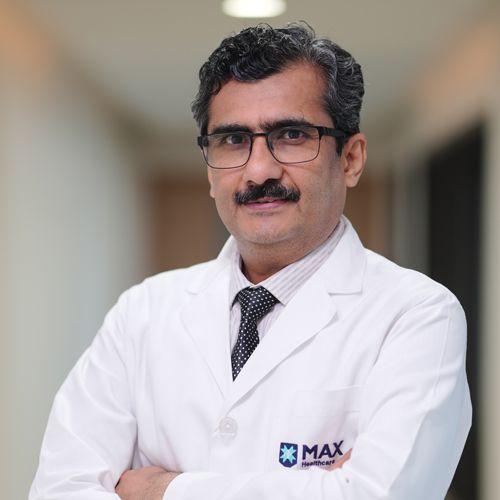
Dr. Amit K Devra
Senior Director - Urology & Kidney Transplant
Urology, Kidney Transplant
New Delhi
24+ Years
Experience
Apolo Delhi
Hospital
1500
Fees

Dr. Asit Arora
Senior Director, Head of Department - Urology, Uro-Oncology, Robotics and Renal Transplant
Urology, Uro-Oncology, Robotics and Renal Transplant
New Delhi
25+ Years
Experience
Apolo Delhi
Hospital
1500
Fees
Dr. Avtar Singh Bath
Associate Director - Urology and Renal Transplant
Urology
New Delhi
27+ Years
Experience
Apolo Delhi
Hospital
1500
Fees
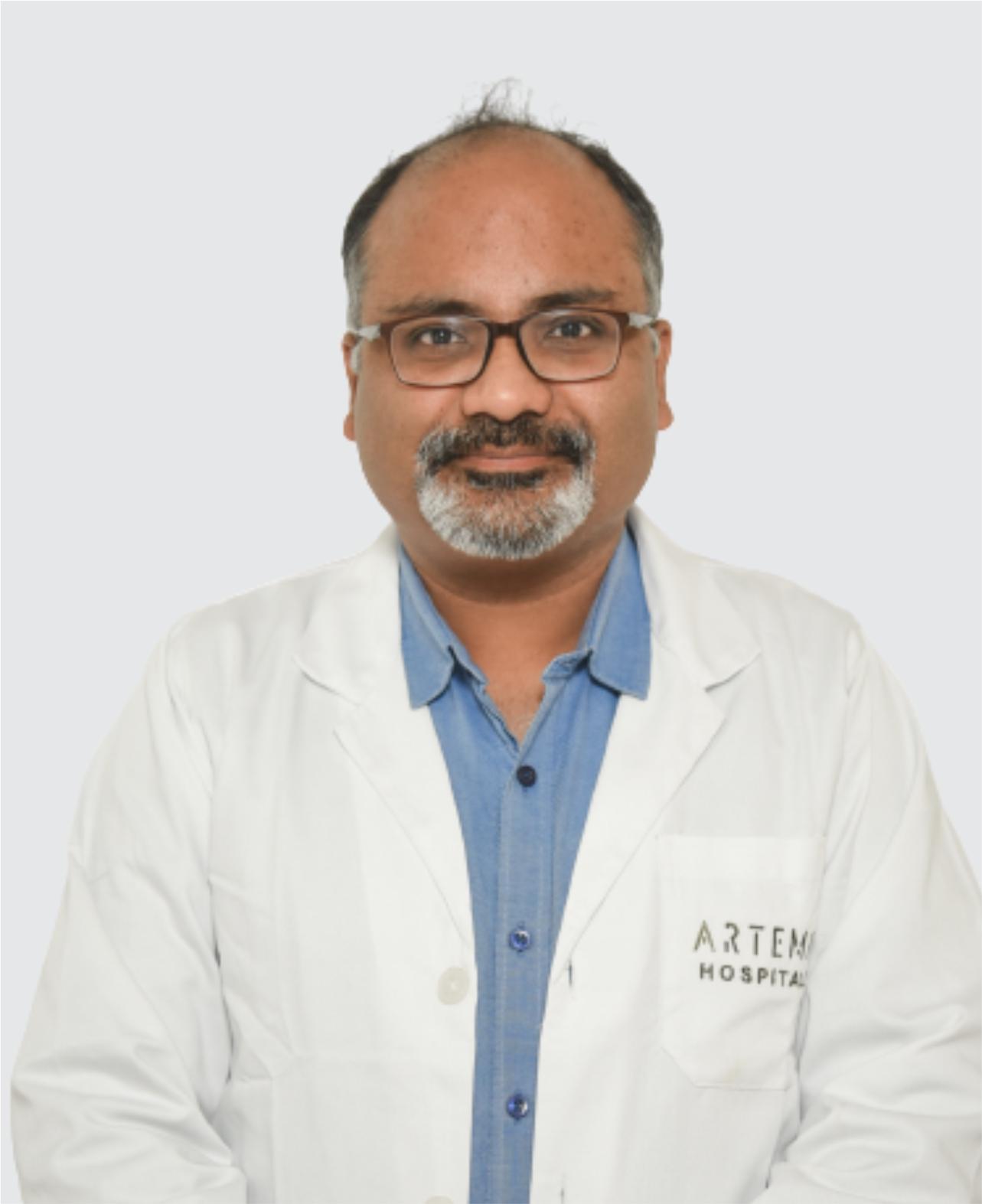
Dr. Varun Mittal
Head - Kidney Transplant & Associate Chief - Uro-Oncology & Robotic Surgery (Unit I)
Nephrology, Organ Transplant, Robotic Surgery, Urology
New Delhi
15+ Years
Experience
Artemis Hospital
Hospital
1500
Fees
Booking With DIVINHEAL
Get a free consultation to understand your treatment options