sarcoma surgery
5K+ International Patients Treated
40+ Source Countries Served
500+ Accredited Partner Hospitals
98% Patient Satisfaction
80% Average Savings vs USA
10K+ Doctors
NABH, JCI Accredited Hospitals
Free Treatment Plan
Free Consultation with Doctor
5+ Destinations Covered
About sarcoma surgery
Sarcoma Surgery Treatment: Procedures, Cost & Recovery
Understanding Sarcoma Surgery
Sarcoma is a rare and complex type of cancer that develops in the bones and soft tissues of the body. Sarcoma surgery is the cornerstone of treatment for most localized sarcomas, aiming for complete removal of the tumor along with a margin of healthy tissue. Early and accurate diagnosis, followed by expert surgical intervention, is critical for achieving the best possible outcomes. DivinHeal connects patients with highly accredited oncology hospitals and leading surgical oncologists globally, including India, offering advanced therapeutic options such as precise surgical resection, chemotherapy, radiation therapy, and targeted treatments. We ensure access to state-of-the-art diagnostics and personalized care plans.
Types of Sarcoma Surgery Procedures
Surgical Approaches for Sarcoma
- Wide Local Excision (WLE): The most common surgical approach, involving the removal of the sarcoma along with a margin of surrounding healthy tissue to ensure all cancer cells are eradicated. This is often performed for soft tissue sarcomas.
- Limb-Sparing Surgery: For sarcomas affecting limbs, this advanced technique removes the cancerous portion of bone or soft tissue while preserving the limb itself. Reconstruction using bone grafts, prostheses, or tissue flaps is then performed.
- Amputation: In rare cases where the tumor is very large, has invaded critical structures, or limb-sparing surgery is not feasible, amputation may be necessary to ensure complete cancer removal and prevent recurrence.
- Compartmentectomy: Removal of an entire muscle compartment containing the tumor, often used for sarcomas located within specific anatomical compartments.
- Resection of Bone Sarcomas: Involves the removal of the affected bone segment, followed by reconstruction with endoprostheses, allografts (donor bone), or autografts (patient's own bone).
- Retroperitoneal Sarcoma Resection: Highly complex surgery for tumors located in the retroperitoneal space, often requiring removal of adjacent organs or structures due to tumor involvement.
Non-Surgical Therapies in Conjunction with Sarcoma Surgery
- Neo-adjuvant Chemotherapy: Administered before surgery (e.g., for osteosarcoma, Ewing sarcoma) to shrink the tumor, making it easier to resect and potentially enabling limb preservation.
- Adjuvant Chemotherapy: Given after surgery to destroy any remaining cancer cells and reduce the risk of recurrence or metastasis, particularly for high-grade sarcomas.
- Radiation Therapy: Can be used before (neo-adjuvant) or after (adjuvant) surgery to kill cancer cells, reduce tumor size, or improve local control. It may also be a primary treatment for unresectable tumors or for palliative care.
- Targeted Therapy: Medications like imatinib (for GIST) or pazopanib (for certain soft tissue sarcomas) specifically target cancer cells' growth pathways, often used in advanced or recurrent cases.
- Immunotherapy: A nascent but promising field, using the body's immune system to fight sarcoma, currently under investigation for various sarcoma types.
Cost Comparison: Why Patients Choose India for Sarcoma Surgery
Navigating the financial aspects of cancer treatment can be daunting, especially for complex procedures like sarcoma surgery. Costs vary significantly across different global healthcare systems. India has emerged as a beacon of affordable, high-quality medical care, offering substantial cost savings without compromising on the expertise of its top oncologists and the advanced facilities available.
Patients worldwide are increasingly opting for sarcoma surgery in India, benefiting from world-class surgical expertise, state-of-the-art technology, and comprehensive post-operative care at a fraction of the cost found in Western countries. DivinHeal ensures transparent pricing and AI-driven hospital matching to provide you with the best, most affordable sarcoma surgery packages.
Below is a comparative overview of average sarcoma surgery treatment costs:
| Country | Average Sarcoma Surgery Cost (USD) |
|---|---|
| India | $5,000 - $15,000 |
| United States | $40,000 - $80,000 |
| United Kingdom | $35,000 - $65,000 |
| Singapore | $25,000 - $50,000 |
| UAE | $20,000 - $40,000 |
Choosing India through DivinHeal can lead to savings of up to 70% or more on your sarcoma surgery treatment, making quality cancer care accessible and affordable.
DivinHeal’s Comprehensive Support for Your Sarcoma Journey
DivinHeal stands as your trusted partner in navigating the complexities of sarcoma treatment. Our AI-driven platform offers seamless, end-to-end care coordination, ensuring you receive the best possible care with peace of mind. Our services include:
- AI-Driven Hospital & Specialist Matching: We connect you with India's top hospitals and world-renowned surgical oncologists and sarcoma specialists, meticulously matched to your specific needs and budget.
- Transparent Cost Breakdowns: Receive clear, upfront pricing for your sarcoma surgery treatment cost, with no hidden fees, empowering you to make informed decisions.
- Visa & Travel Assistance: Our dedicated team provides comprehensive support for medical visa applications, flight bookings, and local transportation, making your journey stress-free.
- Accommodation & Language Support: We assist with comfortable accommodation arrangements and provide translation services to ensure clear communication throughout your stay.
- Dedicated Care Coordination: From your initial consultation, pre-treatment preparations, during your hospital stay, and through your recovery, a personal care coordinator is with you every step of the way.
- Post-Treatment Follow-up: We facilitate virtual consultations and follow-up care to ensure a smooth transition and continued support after you return home.
With DivinHeal, you gain access to affordable sarcoma surgery packages and a compassionate team committed to your hope, safety, and recovery.
Sarcoma Surgery Recovery Time and Tips
Recovery after sarcoma surgery is a crucial phase that requires patience and adherence to medical advice. The sarcoma surgery recovery time and tips will vary based on the extent of surgery and the individual's overall health:
- Immediate Post-operative Care: Expect an initial hospital stay of 3-7 days. Pain will be managed with medication, and wound care will be meticulous. Early mobilization, as advised by your medical team, is encouraged to prevent complications.
- Physical Therapy & Rehabilitation: Especially after limb-sparing surgery, a comprehensive physical therapy program is vital. This helps restore strength, flexibility, and range of motion. Adherence to your therapist's exercises is key to regaining function.
- Wound Care: Keep the surgical site clean and dry as instructed by your surgeon. Monitor for signs of infection (redness, swelling, pus, fever).
- Pain Management: Continue pain medication as prescribed. Gradually, you will transition to over-the-counter pain relievers.
- Activity Restrictions: Avoid heavy lifting, strenuous activities, and certain movements that could strain the surgical site for several weeks or months.
- Nutrition: A balanced diet rich in protein and vitamins supports healing.
- Emotional Support: It's normal to experience a range of emotions during recovery. Seek support from family, friends, support groups, or professional counselors. DivinHeal can connect you with resources for emotional well-being.
- Long-term Follow-up: Regular appointments with your oncology team are essential for monitoring your recovery, detecting any potential recurrence early, and adjusting your ongoing care plan. These may include imaging scans (MRI, CT) at scheduled intervals.
Your journey with DivinHeal extends beyond the surgery, ensuring you have the support and guidance needed for a successful recovery and a better quality of life.
Booking With DIVINHEAL
Get a free consultation to understand your treatment options
Cost Calculator
I know my treatment — show me cost from 3 hospitals
Plan My Journey
Tell us your condition and budget — our AI matches the right destination, hospital and doctor and visa pathway
Recommended Article

Best In Vitro Fertilization (IVF) Doctors in Hyderabad
Doctors for Nephrology: Find Kidney Care Specialists
Doctors in Chennai: Find Medical Specialists in India
Best Embryo Freezing Hospitals in Hyderabad: Care Guide
Hospitals for reproductive surgery: Compare options
Hospitals in Gurugram: Guide to Quality Facilities
IVF Treatment in Haryana | Cost, Hospitals & Doctors
TAVR (Transcatheter Aortic Valve Replacement) cost in New Delhi
Tonsillectomy & Adenoidectomy Success Rate in Mumbai
Facelift & Anti-Aging Procedures in Chennai for Ethiopia Patients | Cost, Hospitals
Booking With DIVINHEAL
Get a free consultation to understand your treatment options
Cost Calculator
I know my treatment — show me cost from 3 hospitals
Plan My Journey
Tell us your condition and budget — our AI matches the right destination, hospital and doctor and visa pathway
Recommended Article
Best In Vitro Fertilization (IVF) Doctors in Hyderabad
Doctors for Nephrology: Find Kidney Care Specialists
Doctors in Chennai: Find Medical Specialists in India
Best Embryo Freezing Hospitals in Hyderabad: Care Guide
Hospitals for reproductive surgery: Compare options
Hospitals in Gurugram: Guide to Quality Facilities
IVF Treatment in Haryana | Cost, Hospitals & Doctors
TAVR (Transcatheter Aortic Valve Replacement) cost in New Delhi
Tonsillectomy & Adenoidectomy Success Rate in Mumbai
Facelift & Anti-Aging Procedures in Chennai for Ethiopia Patients | Cost, Hospitals
Our Speciality and Treatments
Genetic Disorder Diagnosis & Counselling
Pediatric Laparoscopic Surgery
Pediatric Kidney Transplant
Pediatric Cardiac Surgery
Down Syndrome Comprehensive Care
Vaccination Program
Newborn Care Package
Pediatric Intensive Care (PICU)
Pediatric Urology (incl. Hypospadias)
Pediatric Orthopedics
Pediatric Gastroenterology
Pediatric Pulmonology
Pediatric Endocrinology
Pediatric Cardiology (non-surgical)
Pediatric Oncology
Neonatal Intensive Care (NICU)
pediatric neurosurgery


Meet Our Medical Specialists




Sr. Consultant - Urology & Kidney Transplant Program (Unit I)
Dr. Abhinandan Mukhopadhyay
MBBS, MD
India

Sr. Consultant - Urology & Kidney Transplant Program (Unit I)
Dr. Abhinandan Mukhopadhyay
MBBS, MD
India
Hospitals
NABH & JCI Accredited Hospitals in India,Turkey, Thailand & UAE.
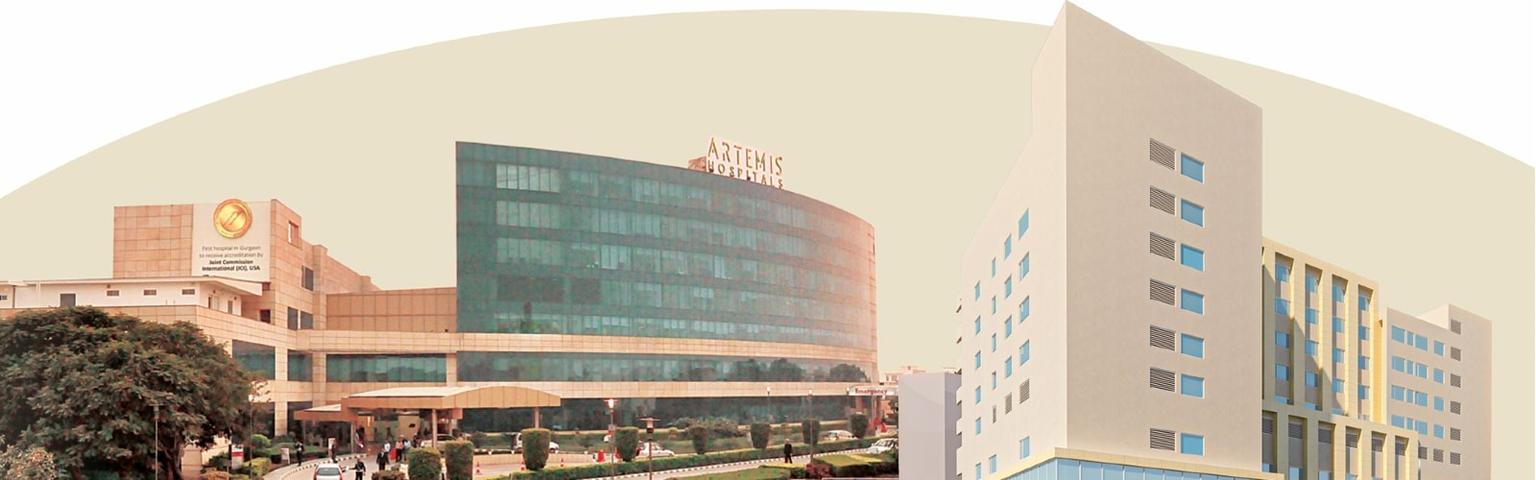
Artemis Hospital
Sector 51, Gurugram, Haryana, India
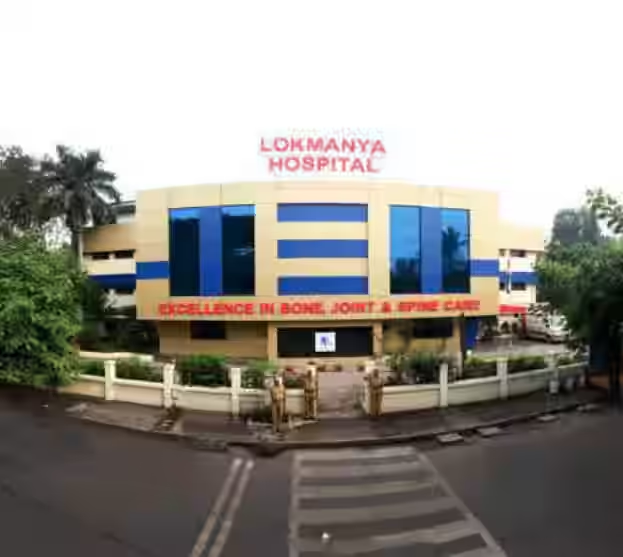
Lokmanya Hospitals
Not Specified

White Lotus Hospital
766, SFS 3145, SFS Road, 7th Sector, HSR Layout, Bengaluru, Karnataka 560102, India
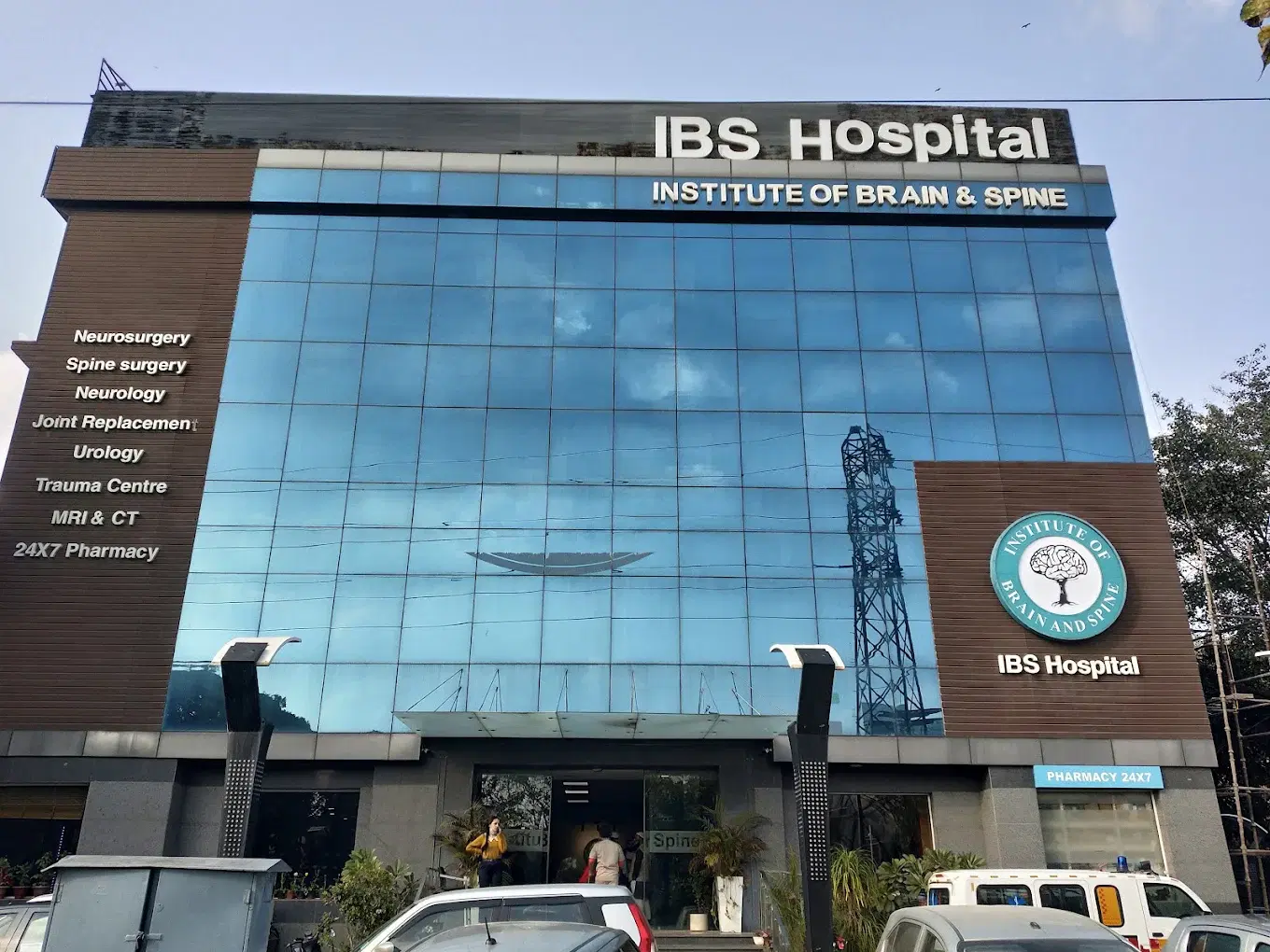
Institute of Brain and Spine (IBS Hospital)
Not Specified
How DivinHeal Helps
We simplify your medical journey by providing comprehensive support and access to world-class healthcare.
Expert Specialist Matching
Connecting you with the world's top-rated medical experts.
Accredited Hospital Network
Access to JCI & NABH certified healthcare facilities.
Complete Travel Coordination
Hassle-free visa, stay, and local transport assistance.
24/7 Personal Care
Dedicated patient advisors supporting you at every step.
Journey Guidance
Full guidance from start to end of the patient treatment journey.
Expert Specialist Matching
Connecting you with the world's top-rated medical experts.
Everything you
need to know today
Browse through these common inquiries to better understand our patient-focused medical platform.
Yes, we work with a variety of insurance providers. Contact our team to verify your coverage.
Yes, we provide secure online consultations with experienced specialists.
Our care coordinators help match you with the most suitable specialist.
Absolutely. Your medical information is protected according to healthcare privacy standards.
Look at six things: accreditation (JCI or NABH), specialty depth, doctor credentials and experience, procedure-specific success rates, international patient support, and technology. DivinHeal's AI-driven matching evaluates every hospital in our accredited partner network on these dimensions and shortlists the best-fit options for your condition, budget, and country.
JCI (Joint Commission International) is the US-based global gold standard for hospital quality, recognised worldwide. NABH is India's national accreditation — accredited by ISQua, the same body that accredits JCI. Both signal independently verified safety and quality. Most of India's leading hospitals hold both.
Yes. All three welcome international patients through structured medical visa programs. India is the most established, treating patients from Africa, the Middle East, and South Asia at 60–80% lower cost. Thailand leads in cosmetic and dental care. The UAE is emerging in oncology and reproductive medicine.
Most patients save 50–80% on treatment costs. Heart bypass costs US $7,000–9,000 in India compared to $70,000–150,000 in the US. IVF costs $3,000–4,500 compared to $12,000–20,000 in the UK. Even after flights, visa, and accommodation, total savings remain 60–70%.
DivinHeal manages your entire non-medical journey: visa invitation letters, medical visa guidance, doctor appointments, teleconsultations, airport pickup, hospital-vetted accommodation for you and your attendant, language interpreters, local transport, cuisine preferences, and post-treatment follow-up — one dedicated coordinator from first enquiry to final follow-up.
You need a valid passport (6+ months validity), a medical visa (M-Visa for India — DivinHeal provides the hospital invitation letter), return flight tickets, recent medical reports and a doctor's referral, current prescription list, and proof of financial means. Any accompanying attendant needs their own passport and MX-Visa.
Still have more questions?
Book a call with our friendly team to learn how DivineHeal simplifies your healthcare journey.