Voice Therapy / Speech Therapy
5K+ International Patients Treated
40+ Source Countries Served
500+ Accredited Partner Hospitals
98% Patient Satisfaction
80% Average Savings vs USA
10K+ Doctors
NABH, JCI Accredited Hospitals
Free Treatment Plan
Free Consultation with Doctor
5+ Destinations Covered
About Voice Therapy / Speech Therapy
Sources and Guidelines Referenced
The clinical guidance provided in this document is derived from published consensus standards and empirical research from leading professional societies, including the American Speech-Language-Hearing Association (ASHA Clinical Practice Guidelines, 2021), the American Academy of Otolaryngology-Head and Neck Surgery (AAO-HNS Clinical Practice Guideline: Hoarseness/Dysphonia, Patel et al., 2018), the European Laryngological Society (ELS Standards, De Bodt et al., 2015), and the Royal College of Speech and Language Therapists (RCSLT Voice Clinical Guidelines, 2019). Key clinical trials cited include Stemple et al. (2000) on Vocal Function Exercises, Verdolini-Abbott et al. (2001) on Resonant Voice Therapy, and Ramig et al. (2018) on Lee Silverman Voice Treatment (LSVT LOUD).
Voice Therapy / Speech Therapy: A Comprehensive Patient Guide
1. Definition and Medical Identity
Voice therapy and speech therapy are non-surgical, evidence-based clinical interventions used to diagnose, treat, and rehabilitate disorders affecting voice production, articulation, language processing, and swallowing. Administered by a qualified speech-language pathologist (SLP), these therapies aim to optimize neuromuscular control of the vocal fold apparatus and speech mechanism.
Speech-language pathology encompasses two distinct but overlapping therapeutic domains: voice therapy and speech therapy. Voice therapy specifically targets the function of the larynx (voice box), addressing abnormalities in pitch, loudness, quality, and vocal endurance. Speech therapy addresses broader motor speech production, language processing, cognitive-communication networks, and deglutition (the medical process of swallowing). Together, these disciplines provide targeted rehabilitation to establish healthy, efficient, and reliable functional communication.
2. The Underlying Condition or Need
Disorders of voice and speech arise when disease, trauma, or habitual misuse disrupts the normal function of the respiratory, laryngeal, or articulatory systems. Under normal physiological conditions, air driven from the lungs passes between the two closed vocal folds (vocal cords), inducing rapid, rhythmic vibration that creates sound waves. When this balance is disturbed, patients experience functional impairment.
Structural abnormalities, such as vocal fold nodules, polyps, or granulomas, physical obstructions prevent complete vocal fold closure. This incomplete closure allows air to escape, resulting in dysphonia (hoarseness or raspy voice quality). Neurological conditions, including stroke, traumatic brain injury, or Parkinson's disease, disrupt neural signals to the laryngeal and oral musculature. Functional disorders, such as muscle tension dysphonia (MTD), involve hyperfunctional muscle strain without underlying structural disease. If left untreated, chronic voice misuses can lead to permanent structural damage, permanent vocal fold scarring, social isolation, and significant occupational disability.
3. How the Treatment Works — Mechanism
Voice and speech therapy work through two primary biological principles: neuromuscular conditioning of the vocal apparatus and central nervous system neuroplasticity (the brain's capacity to reorganize neural pathways in response to targeted training).
Therapy restructures how the subglottic air pressure (pressure beneath the vocal folds) interacts with laryngeal muscular resistance. By introducing specific acoustic and aerodynamic resistance tasks—such as Semi-Occluded Vocal Tract (SOVT) exercises—therapy balances the forces acting on the delicate mucosal tissues of the vocal folds. At the cellular level, efficient vocal fold vibration reduces mechanical shear stress on the vocal fold epithelium and underlying lamina propria, promoting tissue healing and preventing mucosal thickening. In motor speech retraining, high-intensity repetitive practice strengthens neural pathways, improving motor unit recruitment in the tongue, lips, pharynx, and laryngeal muscles.
4. Types and Variations
Clinical speech-language pathology utilizes structured, protocol-driven techniques tailored to specific diagnostic findings. Treatment strategies fall into direct therapies (exercises targeting laryngeal or speech mechanics) and indirect therapies (environmental and behavioral adaptations).
| Therapy Type | Primary Indication | Core Mechanism | Clinical Goal |
|---|---|---|---|
| Vocal Function Exercises (VFE) | Vocal fatigue, presbyphonia, muscle imbalance | Systematic isometric/isotonic laryngeal muscle drills | Restore balance among respiration, phonation, and resonance |
| Resonant Voice Therapy (RVT) | Vocal nodules, muscle tension dysphonia | Foci of acoustic sensation in the anterior alveolar ridge | Maximal acoustic output with minimal vocal fold impact stress |
| Lee Silverman Voice Treatment (LSVT LOUD) | Parkinson's disease, dysarthria | High-intensity target on vocal loudness and sensory recalibration | Increase subglottic pressure and vocal amplitude |
| Manual Circumlaryngeal Therapy | Hyperfunctional voice disorders, MTD | Digital massage and lowering of the hyoid-laryngeal complex | Reduce excessive paralaryngeal muscular tension |
| Gender-Affirming Voice Therapy | Transgender and non-binary vocal alignment | Pitch, resonance, non-verbal communication retraining | Align vocal output with gender identity safely |
| Phonetic/Articulatory Speech Therapy | Post-stroke dysarthria, motor speech delay | Neuromuscular positioning drills for articulators | Improve speech intelligibility and clarity |
The treating clinician selects the protocol following diagnostic evaluation. For example, a patient with hyperfunctional muscle tension dysphonia requires manual circumlaryngeal reduction and resonant voice placement. Conversely, a patient with hypokinetic dysarthria secondary to Parkinson's disease requires intensive motor-unit recruitment protocols such as LSVT LOUD (Ramig et al., 2018).
5. Who the Treatment Is For — Indications
Voice and speech therapy is indicated for pediatric and adult patients presenting with functional, structural, or neurogenic communication and swallowing impairments. Diagnostic confirmation prior to initiating therapy is essential to rule out malignant disease.
- Structural Laryngeal Pathology: Benign mucosal lesions including vocal fold nodules, polyps, cysts, contact granulomas, and reinke's edema.
- Functional Voice Disorders: Muscle tension dysphonia (MTD), ventricular phonation (using false vocal folds for speech), and psychogenic aphonia (loss of voice without physical pathology).
- Neurogenic Conditions: Vocal fold paresis or paralysis, spasmodic dysphonia (as an adjunct to medical treatment), Parkinson's disease, amyotrophic lateral sclerosis (ALS), multiple sclerosis, and post-stroke dysarthria or aphasia.
- Airway and Breathing Disorders: Paradoxical vocal fold movement (PVFM), also known as vocal cord dysfunction (VCD), and chronic refractory cough.
- Elective and Specialty Indications: Gender-affirming voice transition, occupational voice strain in professional voice users (teachers, singers, broadcast performers).
6. Who the Treatment Is NOT For — Contraindications
Voice therapy is contraindicated as a primary treatment when unmanaged structural, malignant, or medical conditions require urgent surgical or medical intervention.
Absolute Contraindications:
- Unevaluated Dysphonia: Initiating voice therapy without prior visualization of the larynx (via flexible or rigid laryngoscopy) is strictly contraindicated, as it may delay diagnosis of laryngeal carcinoma or premalignant dysplasia (AAO-HNS Practice Guideline, Patel et al., 2018).
- Active Acute Laryngeal Infection: Severe acute laryngitis with severe tissue edema requires medical management and temporary vocal rest rather than active mechanical exercise.
Relative Contraindications and Cautions:
- Unstable Structural Lesions: Large, pedunculated polyps at high risk for hemorrhage or airway compromise may require surgical excision prior to behavioral therapy.
- Severe Cognitive Impairment: Patients unable to retain or carry out daily motor practice regimens may show limited benefit from complex direct voice exercises, requiring modified indirect environmental interventions instead.
7. Alternatives and Clinical Comparison
Management of voice and speech disorders depends on etiology and ranges from conservative monitoring to medical, surgical, and therapeutic pathways.
| Treatment Modality | Primary Mechanism | Invasiveness | Typical Timeline | Clinical Trade-offs |
|---|---|---|---|---|
| Voice & Speech Therapy | Neuromuscular re-education and behavioral retraining | Non-invasive | 4–12 weekly sessions plus home practice | Requires high patient compliance; non-immediate results |
| Phonosurgery (e.g., Microlaryngoscopy) | Surgical excision of structural lesions (polyps, cysts) | Invasive (Operating Room under general anesthesia) | Single procedure; 1–2 weeks strict post-op voice rest | Immediate lesion removal; risk of vocal fold scarring, requires post-op therapy |
| Laryngeal Injections (Botulinum Toxin) | Chemodenervation of hyperactive laryngeal muscles | Minimally invasive (In-office or day surgery) | Repeated every 3–4 months | Highly effective for spasmodic dysphonia; temporary symptom control |
| Medical Management (e.g., PPIs for LPR) | Pharmacological suppression of gastric acid irritants | Non-invasive (Oral medication) | 3–6 months continuous medical therapy | Treats secondary tissue irritants; does not correct bad vocal habits |
Clinicians frequently combine pathways. For instance, surgical phonosurgery excises a fibrous vocal polyp, but pre- and post-operative voice therapy remains necessary to correct the hyperfunctional vocal behaviors that caused the lesion initially (RCSLT Guidelines, 2019).
8. Pre-Treatment Phase
The pre-treatment phase focuses on comprehensive diagnostic evaluation, acoustic baseline measurement, and patient education.
Initial evaluation begins with an otolaryngic examination using videostroboscopy—a high-speed imaging technique utilizing synchronized flashing light to visualize vocal fold mucosal wave vibration in real time. Following medical clearance, the speech-language pathologist conducts a specialized voice or speech evaluation comprising:
- Acoustic Analysis: Objective measurement of fundamental frequency (pitch), jitter (frequency perturbation), shimmer (amplitude perturbation), and signal-to-noise ratio using specialized acoustic software.
- Aerodynamic Assessment: Measurement of maximum phonation time (MPT) and subglottic airflow rates to assess efficiency of vocal fold closure.
- Perceptual and Patient-Reported Evaluation: Clinician assessment using the CAPE-V (Consensus Auditory-Perceptual Evaluation of Voice) and patient self-assessment via the validated 30-item Voice Handicap Index (VHI).
The clinician reviews proper vocal hygiene fundamentals (hydration, avoidance of phonotraumatic behaviors like throat clearing) and obtains informed consent before establishing therapeutic goals.
9. The Procedure — Step-by-Step Clinical Detail
Voice and speech therapy sessions take place in an outpatient clinical room or via validated telepractice platforms. Sessions typically last between 30 and 60 minutes.
Phase 1: Physiological Warm-Up and Airway Calibration
Every session begins with physical posture alignment and respiratory stabilization. The patient performs low-resistance Semi-Occluded Vocal Tract (SOVT) exercises, such as sustained lip trills, tongue rolls, or phonation into a narrow straw submerged in water. These exercises equalize pressure above and below the vocal folds, reducing impact stress while warming up the intrinsic laryngeal muscles.
Phase 2: Targeted Neuromuscular Retraining
The clinician introduces specific physiological targets based on the diagnosis:
- For Hyperfunctional Disorders (MTD, Nodules): The clinician guides the patient through Resonant Voice Therapy (RVT), training the patient to produce sound focused in the bones of the face (the facial mask). This setup yields maximal vocal acoustic output with minimal laryngeal exertion. Manual circumlaryngeal massage may be applied externally to loosen tight paralaryngeal muscles.
- For Hypofunctional Disorders (Paresh, Presbyphonia): The patient completes Vocal Function Exercises (VFE) or pushing/pulling vocalization techniques to increase vocal fold adduction and firm mucosal closure.
- For Neurogenic Dysarthria: The patient practices high-effort sensory recalibration tasks (e.g., LSVT LOUD), sustaining high-volume vocal output to reset the brain's internal perception of normal voice volume.
Phase 3: Hierarchical Transfer and Carryover
Once sound is produced efficiently in isolated vowels, the clinician systematically advances the task up the linguistic hierarchy: single words, structured phrases, reading passages, and conversational speech. The clinician uses auditory, visual, and biofeedback tools (such as real-time pitch tracking displays) to reinforce target voice production.
10. Immediate Post-Procedure Period
Because voice and speech therapy sessions are non-invasive outpatient interventions, there is no surgical recovery or formal post-procedure observation period. Patients can immediately resume standard daily activities.
Directly following an intensive therapy session, patients may experience mild, transient vocal fatigue or light muscular awareness around the neck and throat—similar to the sensation of muscle awareness after a physical workout. Patients are instructed to drink plenty of water to maintain vocal fold mucosal hydration and to avoid straining or testing the voice excessively immediately after high-effort therapy practice.
11. Recovery — Short and Long Term
Functional recovery in voice and speech therapy depends on neurobehavioral adaptation and consistent home practice. Unlike passive medical treatments, success depends directly on regular home practice.
| Timeframe | Therapeutic Stage | Clinical Milestones |
|---|---|---|
| Weeks 1–2 | Initial Conditioning & Awareness | Mastery of basic SOVT exercises; increased awareness of vocal strain triggers; improved hydration practices. |
| Weeks 3–6 | Consolidation of Technique | Consistent production of resonant or effortless voice in structured phrases; initial reduction in self-reported Voice Handicap Index (VHI) scores. |
| Weeks 7–12 | Generalization & Transfer | Automated application of healthy vocal mechanics during unscripted conversation and occupational demands; resolution or reduction of benign mucosal lesions on follow-up stroboscopy. |
| 3–6 Months Post-Discharge | Long-Term Maintenance | Sustained functional voice improvements without active clinician supervision; routine use of daily vocal warm-ups by high-demand voice users. |
12. Risks, Side Effects, and Complications
Voice and speech therapy carry an exceptionally low risk profile. Adverse events are almost exclusively limited to mild, temporary discomfort stemming from inappropriate exercise execution or over-use.
| Severity Level | Potential Issue / Side Effect | Clinical Management & Mitigation |
|---|---|---|
| Common / Mild | Transient Vocal Muscle Fatigue | Shorten exercise duration; ensure adequate systemic hydration. |
| Uncommon | Compensatory Laryngeal Tension | Re-evaluate therapeutic technique; re-apply circumlaryngeal relaxation exercises. |
| Rare / Serious | Phonotraumatic Mucosal Hemorrhage | Strict contraindication of high-effort exercises in patients with active vocal fold vascular ectasias; immediate vocal rest if sudden aphonia occurs. |
Warning Signs Requiring Urgent Evaluation: Sudden loss of voice (aphonia), acute throat pain during phonation, coughing up blood (hemoptysis), or progressive shortness of breath (stridor) require immediate otolaryngological reassessment to rule out vocal fold hemorrhage or airway obstruction.
13. Lifestyle and Behavioural Considerations
Behavioral modifications—collectively termed vocal hygiene—form an essential foundation supporting direct voice therapy interventions.
- Systemic and Surface Hydration: Maintaining systemic hydration by drinking adequate water optimizes the viscosity of the vocal fold mucosal layer, reducing the force required to vibrate the vocal folds (Phonation Threshold Pressure). Inhaling steam or room-temperature saline mist provides beneficial direct surface hydration.
- Elimination of Phonotrauma: Patients learn to eliminate chronic throat clearing and hard coughing—behaviors that slam the vocal folds together with violent force. Clinicians teach silent swallowing or liquid sipping as replacement behaviors.
- Reflux Management: Laryngopharyngeal reflux (LPR), where stomach contents reach the throat, inflames the sensitive posterior laryngeal mucosa. Dietary modifications (avoiding late-night meals, caffeine, alcohol, acidic foods) protect delicate vocal fold tissues.
- Environmental Modifications: Using personal voice amplification devices in noisy work environments reduces the need to shout, protecting against occupational vocal strain.
14. How Outcomes Are Measured
Outcomes in speech and voice therapy are systematically measured using objective acoustic, aerodynamic, physiological, and quality-of-life tools.
Clinical endpoints are evaluated at periodic four- to eight-week intervals and at discharge:
- Acoustic and Aerodynamic Metrics: Clinicians track improvements in maximum phonation time (seconds of sustained sound), normalized vocal intensity ranges (decibels), signal-to-noise ratio, and stroboscopic evidence of complete vocal fold closure.
- Validated Self-Report Scales: Functional outcome success is demonstrated by a statistically and clinically meaningful decrease in the total Voice Handicap Index (VHI) score. A drop of 18 or more points on the 30-item VHI indicates significant clinical improvement (Solomon et al., 2011).
- Intelligibility Ratings: For motor speech disorders, outcomes are measured by percentage improvements in sentence and conversational intelligibility scores assessed by unfamiliar listeners.
If a patient fails to show measurable progress after 6 to 8 weeks of compliant participation, the clinician initiates a re-evaluation to reassess diagnosis or consider surgical or pharmacological options.
15. Recent Advances and Current Standard of Care
The standard of care in voice and speech therapy has evolved significantly over the past decade, shifting away from passive vocal rest toward active, exercise-based physiological retraining protocols supported by advanced imaging technologies.
High-definition digital videostroboscopy and flexible high-speed laryngeal imaging allow clinicians to analyze vocal fold vibrations at up to 4,000 frames per second. This enables fine-grained tracking of mucosal wave recovery before and after therapy. Furthermore, the integration of telepractice (remote voice therapy) has been validated as clinically equivalent to in-person therapy for many functional and neurogenic voice disorders, dramatically improving treatment accessibility (ASHA Telepractice Guidance, 2021).
Additionally, quantitative exercise science principles—such as target heart rate zones, structured overload, and systematic exercise progression—are now routinely integrated into vocal protocols like Vocal Function Exercises, accelerating neuromuscular adaptation in aging or injured laryngeal structures.
16. Common Myths and Misconceptions
Myth: Complete vocal rest (total silence) is the best treatment for all voice problems.
Reality: Prolonged vocal rest can lead to muscle atrophy and stiffness. Except for short-term recovery from acute vocal fold hemorrhage or immediate post-surgical healing, active, gentle vocal exercise (SOVT) promotes faster tissue healing and prevents compensatory strain (AAO-HNS Guidelines, 2018).
Myth: Voice therapy is only necessary for professional singers and actors.
Reality: Voice disorders affect individuals across all professions, including teachers, call center staff, parents, and healthcare workers. Anyone experiencing voice strain, hoarseness, or reduced vocal endurance benefits from therapy.
Myth: Whispering protects the vocal cords when you are hoarse.
Reality: Whispering actually places greater mechanical strain on the vocal folds than speaking softly in a normal resonant voice, as it forces the arytenoid cartilages together while squeezing the intrinsic laryngeal muscles.
Myth: Voice therapy can permanently change your natural structural pitch overnight.
Reality: Voice therapy cannot alter the physical size of the anatomical laryngeal framework. It safely optimizes your pitch range by modifying muscle tension and acoustic resonance over weeks of consistent training.
Myth: Surgical removal of vocal nodules completely fixes the voice problem without needing therapy.
Reality: Surgery removes the tissue lesion, but if the underlying faulty vocal habits that caused the nodule are not corrected with voice therapy, the nodules frequently recur.
Myth: Speech therapy for adults after a stroke is ineffective after the first six months.
Reality: Contemporary neuroplasticity research demonstrates that the adult brain retains the capacity for functional reorganization long into the chronic post-stroke phase, enabling speech and language gains years after injury with intensive therapy.
17. Frequently Asked Questions
How long does a standard course of voice therapy take?
A typical course of voice therapy spans 4 to 12 weekly or bi-weekly sessions, depending on the diagnosis and patient compliance. Mild functional disorders may resolve in as few as 4 sessions, while structural lesions or neurogenic conditions require longer, more intensive treatment programs.
Can voice therapy prevent the need for laryngeal surgery?
Yes. For many benign structural conditions, such as early-stage vocal fold nodules or muscle tension dysphonia, a full course of voice therapy is the primary recommended treatment and frequently resolves both symptoms and lesions, eliminating the need for surgery.
What happens during my first voice therapy evaluation session?
The speech-language pathologist reviews your medical history, conducts acoustic and aerodynamic testing, assesses your posture and breathing mechanics, and listens to your voice during various speech tasks. The clinician explains the findings and collaborates with you to design an individualized treatment plan.
Is voice therapy effective when conducted via telehealth?
Yes. Extensive clinical research demonstrates that telepractice delivery of voice therapy yields functional outcomes, acoustic improvements, and patient satisfaction rates comparable to traditional in-person clinical sessions.
What is Semi-Occluded Vocal Tract (SOVT) therapy?
SOVT therapy involves exercising the voice while creating a partial constriction in the mouth or vocal tract—such as blowing through a narrow straw or performing lip trills. This balances pressure across the vocal folds, making sound production efficient and comfortable.
Can voice therapy lower or raise my natural pitch safely?
Yes. Voice therapy can safely shift your habitual pitch within your anatomical range by retraining laryngeal muscle balance and adjusting vocal tract resonance. This approach avoids vocal strain or long-term tissue damage.
How soon will I notice improvements in my voice quality?
Many patients notice temporary improvements in vocal ease during their very first session. Lasting, automatic improvements in daily speech typically emerge within 3 to 6 weeks of consistent home exercise practice.
What is the difference between an otolaryngologist and a speech-language pathologist?
An otolaryngologist is a medical doctor (ENT surgeon) who diagnoses medical conditions, performs laryngoscopy, prescribes medications, and conducts surgery. A speech-language pathologist is a certified clinical specialist who provides non-surgical rehabilitation, voice retraining, and behavioral therapy.
Can voice therapy help with chronic coughing or throat clearing?
Yes. Specialized voice therapy protocols for persistent cough and vocal cord dysfunction teach behavioral suppression techniques, hypersensitivity desensitization, and relaxed breathing strategies to break the cycle of chronic irritation.
Will I need to perform home exercises between clinical appointments?
Yes. Daily home practice—typically 5 to 10 minutes, two to three times per day—is essential for motor learning and muscle re-education. Therapy sessions teach the techniques, but home practice automates them for daily life.
Is voice therapy painful?
No. Voice therapy should never cause pain. If you experience pain, burning, or severe discomfort during exercises, inform your clinician immediately so they can adjust your technique or re-evaluate your condition.
Can aging affect the voice, and can therapy help?
Yes. Aging can cause presbyphonia, a condition where vocal fold muscles lose tone and mass, resulting in a weak or breathy voice. Specialized voice therapy exercises restore laryngeal muscle strength and improve vocal loudness in older adults.
Booking With DIVINHEAL
Get a free consultation to understand your treatment options
Cost Calculator
I know my treatment — show me cost from 3 hospitals
Plan My Journey
Tell us your condition and budget — our AI matches the right destination, hospital and doctor and visa pathway
Recommended Article

Best In Vitro Fertilization (IVF) Doctors in Hyderabad
Doctors for Nephrology: Find Kidney Care Specialists
Doctors in Chennai: Find Medical Specialists in India
Best Embryo Freezing Hospitals in Hyderabad: Care Guide
Hospitals for reproductive surgery: Compare options
Hospitals in Gurugram: Guide to Quality Facilities
IVF Treatment in Haryana | Cost, Hospitals & Doctors
TAVR (Transcatheter Aortic Valve Replacement) cost in New Delhi
Tonsillectomy & Adenoidectomy Success Rate in Mumbai
Facelift & Anti-Aging Procedures in Chennai for Ethiopia Patients | Cost, Hospitals
Booking With DIVINHEAL
Get a free consultation to understand your treatment options
Cost Calculator
I know my treatment — show me cost from 3 hospitals
Plan My Journey
Tell us your condition and budget — our AI matches the right destination, hospital and doctor and visa pathway
Recommended Article
Best In Vitro Fertilization (IVF) Doctors in Hyderabad
Doctors for Nephrology: Find Kidney Care Specialists
Doctors in Chennai: Find Medical Specialists in India
Best Embryo Freezing Hospitals in Hyderabad: Care Guide
Hospitals for reproductive surgery: Compare options
Hospitals in Gurugram: Guide to Quality Facilities
IVF Treatment in Haryana | Cost, Hospitals & Doctors
TAVR (Transcatheter Aortic Valve Replacement) cost in New Delhi
Tonsillectomy & Adenoidectomy Success Rate in Mumbai
Facelift & Anti-Aging Procedures in Chennai for Ethiopia Patients | Cost, Hospitals
Our Speciality and Treatments
Genetic Disorder Diagnosis & Counselling
Pediatric Laparoscopic Surgery
Pediatric Kidney Transplant
Pediatric Cardiac Surgery
Down Syndrome Comprehensive Care
Vaccination Program
Newborn Care Package
Pediatric Intensive Care (PICU)
Pediatric Urology (incl. Hypospadias)
Pediatric Orthopedics
Pediatric Gastroenterology
Pediatric Pulmonology
Pediatric Endocrinology
Pediatric Cardiology (non-surgical)
Pediatric Oncology
Neonatal Intensive Care (NICU)
pediatric neurosurgery




Meet Our Medical Specialists




Sr. Consultant - Urology & Kidney Transplant Program (Unit I)
Dr. Abhinandan Mukhopadhyay
MBBS, MD
India

Sr. Consultant - Urology & Kidney Transplant Program (Unit I)
Dr. Abhinandan Mukhopadhyay
MBBS, MD
India
Hospitals
NABH & JCI Accredited Hospitals in India,Turkey, Thailand & UAE.

Artemis Hospital
Sector 51, Gurugram, Haryana, India
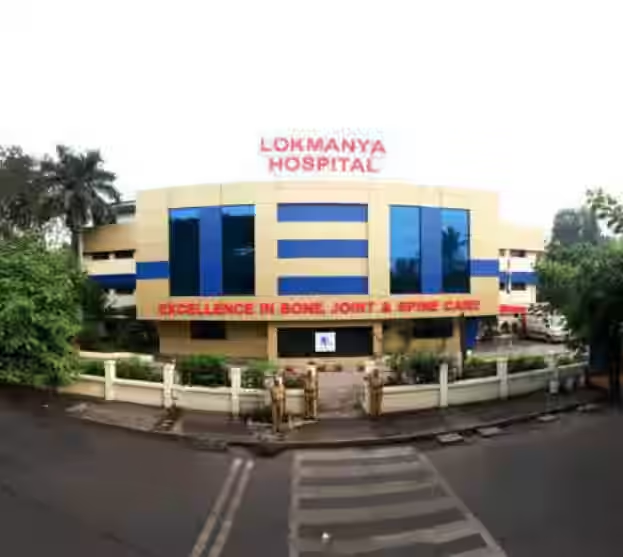
Lokmanya Hospitals
Not Specified

White Lotus Hospital
766, SFS 3145, SFS Road, 7th Sector, HSR Layout, Bengaluru, Karnataka 560102, India
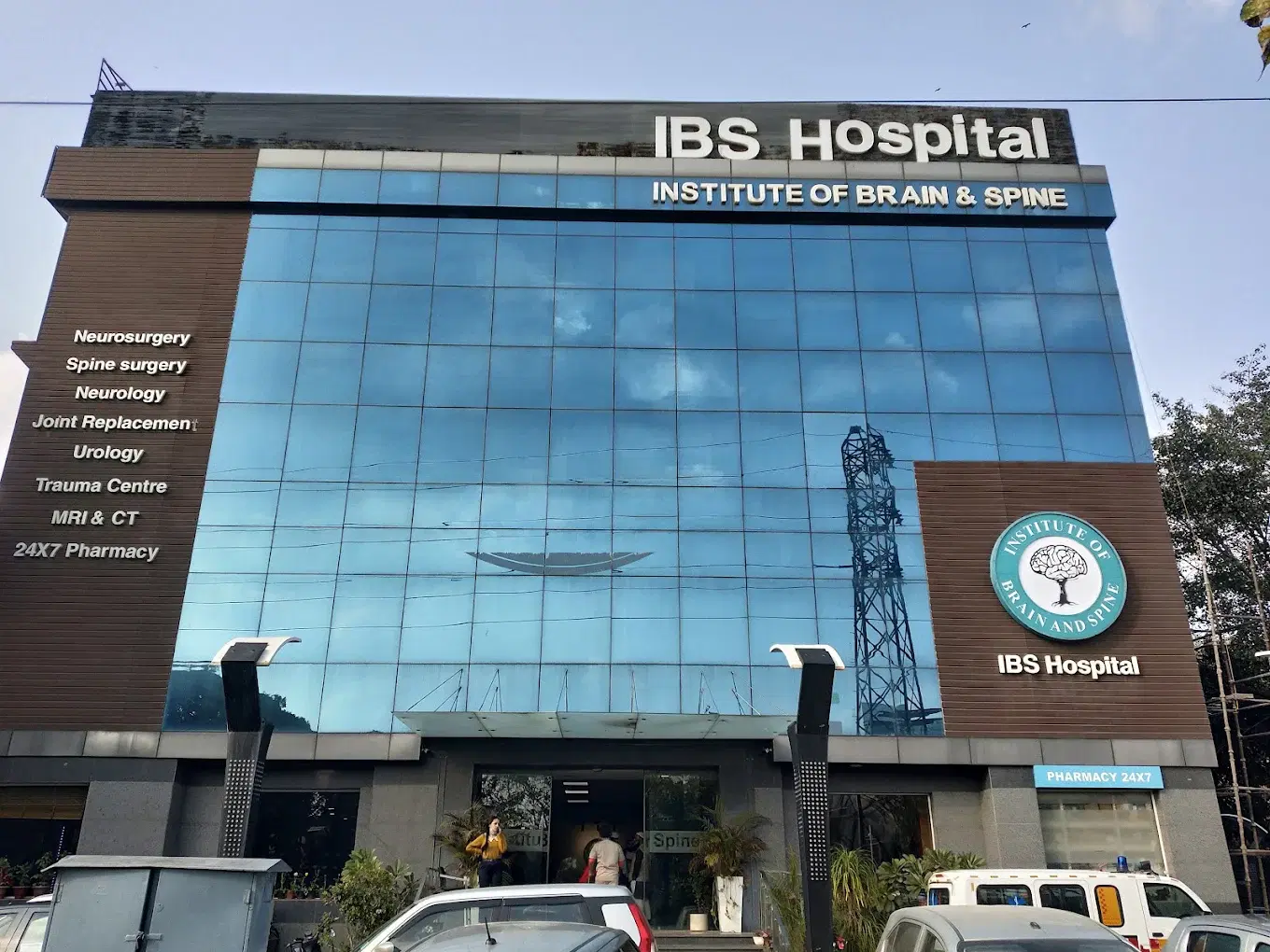
Institute of Brain and Spine (IBS Hospital)
Not Specified
How DivinHeal Helps
We simplify your medical journey by providing comprehensive support and access to world-class healthcare.
Expert Specialist Matching
Connecting you with the world's top-rated medical experts.
Accredited Hospital Network
Access to JCI & NABH certified healthcare facilities.
Complete Travel Coordination
Hassle-free visa, stay, and local transport assistance.
24/7 Personal Care
Dedicated patient advisors supporting you at every step.
Journey Guidance
Full guidance from start to end of the patient treatment journey.
Expert Specialist Matching
Connecting you with the world's top-rated medical experts.
Everything you
need to know today
Browse through these common inquiries to better understand our patient-focused medical platform.
Yes, we work with a variety of insurance providers. Contact our team to verify your coverage.
Yes, we provide secure online consultations with experienced specialists.
Our care coordinators help match you with the most suitable specialist.
Absolutely. Your medical information is protected according to healthcare privacy standards.
Look at six things: accreditation (JCI or NABH), specialty depth, doctor credentials and experience, procedure-specific success rates, international patient support, and technology. DivinHeal's AI-driven matching evaluates every hospital in our accredited partner network on these dimensions and shortlists the best-fit options for your condition, budget, and country.
JCI (Joint Commission International) is the US-based global gold standard for hospital quality, recognised worldwide. NABH is India's national accreditation — accredited by ISQua, the same body that accredits JCI. Both signal independently verified safety and quality. Most of India's leading hospitals hold both.
Yes. All three welcome international patients through structured medical visa programs. India is the most established, treating patients from Africa, the Middle East, and South Asia at 60–80% lower cost. Thailand leads in cosmetic and dental care. The UAE is emerging in oncology and reproductive medicine.
Most patients save 50–80% on treatment costs. Heart bypass costs US $7,000–9,000 in India compared to $70,000–150,000 in the US. IVF costs $3,000–4,500 compared to $12,000–20,000 in the UK. Even after flights, visa, and accommodation, total savings remain 60–70%.
DivinHeal manages your entire non-medical journey: visa invitation letters, medical visa guidance, doctor appointments, teleconsultations, airport pickup, hospital-vetted accommodation for you and your attendant, language interpreters, local transport, cuisine preferences, and post-treatment follow-up — one dedicated coordinator from first enquiry to final follow-up.
You need a valid passport (6+ months validity), a medical visa (M-Visa for India — DivinHeal provides the hospital invitation letter), return flight tickets, recent medical reports and a doctor's referral, current prescription list, and proof of financial means. Any accompanying attendant needs their own passport and MX-Visa.
Still have more questions?
Book a call with our friendly team to learn how DivineHeal simplifies your healthcare journey.