tubal recanalization Treatment in India for Bangladesh
Access high-quality treatment through JCI & NABH-accredited hospitals, renowned specialists, and end-to-end medical travel support designed around your healing journey.
Plan My Journey
Tell us your condition and budget - our AI matches the right destination, hospital and doctor and visa pathway
Cost calculator
I know my treatment - show me cost from 3 hospitals
5K+ International Patients Treated
40+ Source Countries Served
500+ Accredited Partner Hospitals
98% Patient Satisfaction
80% Average Savings vs USA
10K+ Doctors
NABH, JCI Accredited Hospitals
Free Treatment Plan
Free Consultation with Doctor
5+ Destinations Covered

Written by DivinHeal Editorial Contributor, Rahul Kumar, Embryologist | Medically Reviewed by Dr Indu Priya, Gynecologist(MD) Published on: February 19, 2026
About
Tubal Recanalization in India for Bangladesh Patients
For many women in Bangladesh who previously chose permanent contraception, the desire to expand their family can become a deeply felt aspiration. Understanding if tubal recanalization is a viable path, and where to find expert care, often brings a mix of hope and uncertainty. Exploring options for fertility restoration requires clear, reliable information.
When considering medical procedures like tubal recanalization, patients from Bangladesh frequently look beyond local borders for specialized treatment. India has emerged as a preferred destination, offering access to advanced medical technology and experienced fertility specialists. This widespread availability across multiple Indian cities ensures a range of choices for patients.
India’s medical system is recognized globally for its high standards in fertility and gynecological care. Across the country, leading hospitals house dedicated women's health centers with teams of highly skilled surgeons and modern infrastructure. This nationwide network provides a reassuring foundation of trust and expertise for international patients seeking complex procedures.
India offers a comprehensive and compassionate environment for women seeking tubal recanalization.
What is Tubal Recanalization?
Tubal recanalization is a surgical procedure designed to reverse a previous tubal ligation, often referred to as "tubal reversal." It involves reconnecting the blocked or severed sections of the fallopian tubes, which are essential pathways for eggs to travel from the ovaries to the uterus. The goal is to restore a woman's natural fertility and enable future conception.
What are the Surgical Approaches for Tubal Recanalization?
Tubal recanalization is primarily a surgical intervention. The approach often depends on the type of previous ligation and the surgeon's expertise. The main techniques include:
- Mini-Laparotomy: This involves a small abdominal incision, typically 2-3 inches long, allowing the surgeon direct access to the fallopian tubes. It is a traditional and highly effective method.
- Laparoscopic Tubal Recanalization: A minimally invasive approach using small incisions and specialized instruments. A camera guides the surgeon, offering reduced recovery time and less scarring.
- Robotic-Assisted Laparoscopy: In some advanced centers, robotic systems may be used to enhance precision during laparoscopic recanalization, particularly for complex cases.
When is Tubal Recanalization Recommended?
- Desire for future pregnancies after a tubal ligation.
- Previous tubal ligation where sufficient healthy tube length remains.
- Patient is under 40 years old for better success rates.
- Good ovarian reserve and uterine health.
- Male partner has healthy sperm count and motility.
What is the Pre-Treatment Evaluation for Tubal Recanalization?
- Medical History Review: Detailed discussion of previous tubal ligation method.
- Pelvic Examination: Assessment of overall reproductive health.
- Hysterosalpingogram (HSG): X-ray to assess the remaining fallopian tube length and health.
- Blood Tests: Hormone levels, general health markers, and ovarian reserve assessment.
- Semen Analysis: Evaluation of the male partner's fertility.
- Counseling: Discussion of success rates, risks, and alternative options.
How is Tubal Recanalization Performed?
The specific procedure for tubal recanalization varies depending on the chosen surgical approach and the individual patient's condition.
Anesthesia and Incision
General anesthesia is administered. For mini-laparotomy, a small incision is made in the lower abdomen. For laparoscopy, several tiny incisions are made.
Locating and Preparing Tubes
The blocked ends of the fallopian tubes are carefully identified. Any scarred or damaged tissue at the ends is precisely removed.
Reconnecting the Tubes
Using extremely fine sutures and microsurgical techniques, the healthy segments of the fallopian tube are reconnected. This delicate anastomosis aims to restore the tube's lumen.
Verifying Patency
A dye might be passed through the tubes to confirm that they are open and allowing fluid to flow, indicating successful reconnection.
Closing Incisions
Once patency is confirmed, the surgical incisions are closed with sutures or surgical tape. Patients are then moved to a recovery area.
What Does Recovery After Tubal Recanalization Involve?
Recovery from tubal recanalization typically involves a hospital stay of 1-3 days, depending on the surgical method. Patients may experience mild to moderate pain managed with medication. Physical activity should be restricted for several weeks, and strenuous exercise avoided. Follow-up appointments are crucial to monitor healing and discuss the optimal time to begin attempting conception. Full recovery can take 4-6 weeks.
What are the Risks and Success Rates of Tubal Recanalization?
- Ectopic pregnancy (pregnancy outside the uterus).
- Surgical complications like infection or bleeding.
- Failure of the tubes to remain open or reconnect.
- Adverse reaction to anesthesia.
- Pelvic adhesion formation.
The success rate of achieving pregnancy after tubal recanalization varies significantly, generally ranging from 50% to 80%. Factors influencing this include the woman's age, the length and health of the remaining fallopian tube segments, the type of previous tubal ligation, and the surgeon's skill. Younger patients with longer, healthy tube segments typically have higher success rates. Long-term expectations should include the possibility of natural conception but also a higher risk of ectopic pregnancy.
Ready to Explore Your Fertility Options?
Connect with leading fertility specialists in India for a personalized consultation regarding tubal recanalization. Our team can help you understand the procedure, potential outcomes, and assist with your travel plans from Bangladesh.
What is the Cost of Tubal Recanalization in India?
The cost of tubal recanalization in India is influenced by several factors, including the chosen hospital's facilities, the surgeon's experience, the specific surgical technique (laparoscopic versus mini-laparotomy), and the duration of hospital stay. Diagnostic tests, anesthesia, and post-operative care also contribute to the overall expense.
In India, the estimated cost for tubal recanalization typically ranges from INR 1,50,000 to INR 3,50,000.
Indicative Cost of Tubal Recanalization Across Indian Cities
| City | Estimated Cost (INR) |
|---|---|
| Delhi | 1,80,000 - 3,20,000 |
| Mumbai | 2,00,000 - 3,50,000 |
| Chennai | 1,70,000 - 3,00,000 |
| Bengaluru | 1,90,000 - 3,30,000 |
| Hyderabad | 1,60,000 - 2,90,000 |
| Kolkata | 1,50,000 - 2,80,000 |
| Ahmedabad | 1,60,000 - 2,90,000 |
Global Cost Comparison for Tubal Recanalization (Approximate USD)
| Country | Estimated Cost (USD) |
|---|---|
| India | 1,800 - 4,200 |
| USA | 8,000 - 20,000 |
| UK | 7,500 - 15,000 |
| Singapore | 7,500 - 15,000 |
| Thailand | 4,500 - 9,000 |
For patients from Bangladesh, India often presents a significantly more affordable option for tubal recanalization compared to Western countries, without compromising on advanced medical facilities or specialist expertise. This cost-effectiveness, combined with high-quality care, makes India a compelling choice.
Comprehensive Support Services for Your Medical Journey in India
- Visa and travel assistance from Bangladesh.
- Arrangement of comfortable accommodation options.
- Language support for effective communication.
- Dedicated patient care coordinators.
- Logistical support for local transport.
- Scheduling all medical appointments and follow-ups.
Essential Documents for Your Treatment Trip to India
- Valid passport and medical visa.
- All previous medical reports and consultation notes.
- Proof of address and identity.
- Travel insurance documents (if applicable).
- Consent forms for the procedure.
Preparing for Your Tubal Recanalization in India
- Initial online consultation with the surgeon.
- Complete pre-surgical diagnostic tests.
- Follow any dietary or medication restrictions.
- Arrange necessary travel and accommodation well in advance.
- Plan for companion support during your stay.
Guidance for Your Recovery After Tubal Recanalization
- Adhere strictly to post-operative medication schedule.
- Follow all wound care instructions carefully.
- Avoid heavy lifting and strenuous activities.
- Attend all scheduled follow-up appointments.
- Gradually resume normal activities as advised by your doctor.
Start Your Path to Fertility Restoration
Our team is ready to guide you through every step of your tubal recanalization journey in India. From initial inquiry to post-operative care, we ensure a seamless and supportive experience for patients from Bangladesh.
Taking the Next Step Towards Family Building
Considering tubal recanalization in India offers a pathway to potentially fulfilling your dream of having more children. Trust in experienced medical professionals and advanced facilities to guide you.
Hospitals
NABH & JCI Accredited Hospitals in India,Turkey, Thailand & UAE.

Artemis Hospital
Sector 51, Gurugram, Haryana, India

Lokmanya Hospitals
Not Specified

White Lotus Hospital
766, SFS 3145, SFS Road, 7th Sector, HSR Layout, Bengaluru, Karnataka 560102, India
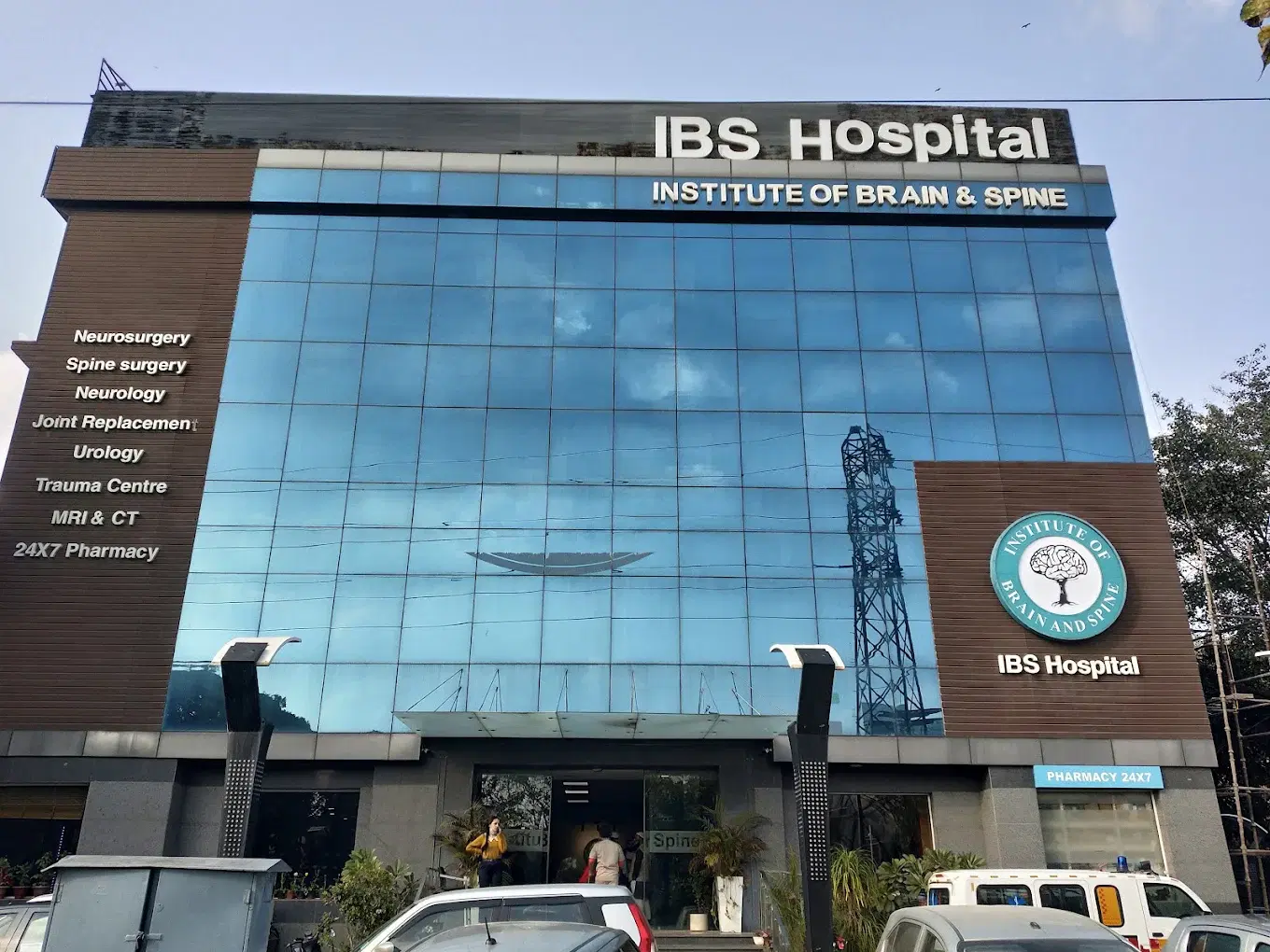
Institute of Brain and Spine (IBS Hospital)
Not Specified
Meet Our Medical Specialists




Sr. Consultant - Urology & Kidney Transplant Program (Unit I)
Dr. Abhinandan Mukhopadhyay
MBBS, MD
India

Sr. Consultant - Urology & Kidney Transplant Program (Unit I)
Dr. Abhinandan Mukhopadhyay
MBBS, MD
India
How DivinHeal Helps
We simplify your medical journey by providing comprehensive support and access to world-class healthcare.
Expert Specialist Matching
Connecting you with the world's top-rated medical experts.
Accredited Hospital Network
Access to JCI & NABH certified healthcare facilities.
Complete Travel Coordination
Hassle-free visa, stay, and local transport assistance.
24/7 Personal Care
Dedicated patient advisors supporting you at every step.
Journey Guidance
Full guidance from start to end of the patient treatment journey.
Expert Specialist Matching
Connecting you with the world's top-rated medical experts.
Everything you
need to know today
Browse through these common inquiries to better understand our patient-focused medical platform.
Yes, we work with a variety of insurance providers. Contact our team to verify your coverage.
Yes, we provide secure online consultations with experienced specialists.
Our care coordinators help match you with the most suitable specialist.
Absolutely. Your medical information is protected according to healthcare privacy standards.
Look at six things: accreditation (JCI or NABH), specialty depth, doctor credentials and experience, procedure-specific success rates, international patient support, and technology. DivinHeal's AI-driven matching evaluates every hospital in our accredited partner network on these dimensions and shortlists the best-fit options for your condition, budget, and country.
JCI (Joint Commission International) is the US-based global gold standard for hospital quality, recognised worldwide. NABH is India's national accreditation — accredited by ISQua, the same body that accredits JCI. Both signal independently verified safety and quality. Most of India's leading hospitals hold both.
Yes. All three welcome international patients through structured medical visa programs. India is the most established, treating patients from Africa, the Middle East, and South Asia at 60–80% lower cost. Thailand leads in cosmetic and dental care. The UAE is emerging in oncology and reproductive medicine.
Most patients save 50–80% on treatment costs. Heart bypass costs US $7,000–9,000 in India compared to $70,000–150,000 in the US. IVF costs $3,000–4,500 compared to $12,000–20,000 in the UK. Even after flights, visa, and accommodation, total savings remain 60–70%.
DivinHeal manages your entire non-medical journey: visa invitation letters, medical visa guidance, doctor appointments, teleconsultations, airport pickup, hospital-vetted accommodation for you and your attendant, language interpreters, local transport, cuisine preferences, and post-treatment follow-up — one dedicated coordinator from first enquiry to final follow-up.
You need a valid passport (6+ months validity), a medical visa (M-Visa for India — DivinHeal provides the hospital invitation letter), return flight tickets, recent medical reports and a doctor's referral, current prescription list, and proof of financial means. Any accompanying attendant needs their own passport and MX-Visa.
Still have more questions?
Book a call with our friendly team to learn how DivineHeal simplifies your healthcare journey.