TURP (Transurethral Resection of Prostate) Treatment in India for Bangladesh
Need Personalized Advice?
Our medical experts are ready to answer your questions and guide you through your treatment options.
About
TURP Treatment in India for Bangladesh Patients | Cost & Hospitals
Men from Bangladesh facing prostate issues often grapple with concerns about effective treatment. The thought of undergoing a procedure like Transurethral Resection of Prostate (TURP) can bring worries about surgical quality, recovery time, and accessibility of advanced care, especially when considering options outside their home country.
Many patients look to other nations for specialized medical care when local options feel limited or too costly. India has emerged as a preferred destination, offering a comprehensive healthcare landscape with advanced facilities and highly skilled medical professionals across its major cities, making it an attractive choice for intricate procedures like TURP.
The Indian medical system is known for its accredited hospitals and expert urologists who adhere to international protocols, ensuring high standards of patient safety and clinical outcomes. This nationwide network provides a reassuring environment for international patients seeking reliable and effective solutions for their health concerns.
India consistently delivers accessible and high-quality TURP treatment options for international patients.
What is TURP (Transurethral Resection of Prostate)?
Transurethral Resection of Prostate, or TURP, is a common surgical procedure used to treat urinary problems caused by an enlarged prostate, a condition known as Benign Prostatic Hyperplasia (BPH). During TURP, a surgeon inserts a thin, lighted scope called a resectoscope into the urethra. This instrument allows the surgeon to see and trim away excess prostate tissue that is blocking urine flow. The goal is to relieve uncomfortable urinary symptoms such as frequent urination, difficulty starting to urinate, a weak stream, and the feeling of incomplete bladder emptying, significantly improving a patient's quality of life.
Approaches to Benign Prostatic Hyperplasia (BPH) Treatment
Treatment for BPH can vary depending on the severity of symptoms, prostate size, and overall patient health. Here are common approaches:
- Medication: Often the first line of treatment for mild to moderate symptoms, including alpha-blockers to relax bladder neck muscles and 5-alpha reductase inhibitors to shrink the prostate.
- Minimally Invasive Procedures: These include techniques like UroLift (prostatic urethral lift) or Rezūm water vapor therapy, which aim to relieve obstruction with less invasiveness than traditional surgery.
- TURP (Transurethral Resection of Prostate): Considered the "gold standard" surgical treatment for BPH, involving the removal of obstructing prostate tissue through the urethra.
- Laser Prostatectomy: Procedures such as Holmium Laser Enucleation of the Prostate (HoLEP) or Photoselective Vaporization of the Prostate (PVP) use lasers to remove or vaporize excess prostate tissue.
- Open Prostatectomy: Reserved for very large prostates or when other treatments are not suitable, this involves an incision to remove prostate tissue.
When is TURP Treatment Required?
- Moderate to severe urinary symptoms related to BPH, not improving with medication.
- Recurrent urinary tract infections due to incomplete bladder emptying.
- Bladder stones caused by BPH.
- Kidney damage or impairment due to prolonged urinary obstruction.
- Inability to urinate (urinary retention) requiring a catheter.
- Significant blood in the urine from enlarged prostate.
Pre-Treatment Evaluation for TURP
- Detailed medical history review and physical examination.
- Blood tests: Complete blood count, kidney function tests, electrolyte levels, and Prostate-Specific Antigen (PSA) test.
- Urine tests: Urinalysis to check for infection, and urine culture if infection is suspected.
- Uroflowmetry and Post-Void Residual Volume (PVR) measurement to assess urine flow and bladder emptying.
- Transrectal Ultrasound (TRUS) of the prostate to measure prostate size and guide biopsy if needed.
- Cystoscopy, a procedure where a thin scope is inserted into the urethra to visualize the bladder and prostate internally.
How the TURP Procedure is Performed
The TURP procedure is a well-established surgical method performed under general or spinal anesthesia. The specific steps ensure precise removal of the obstructing prostate tissue.
During the Surgery
After anesthesia, the surgeon inserts a resectoscope into the urethra and advances it to the prostate. The resectoscope has a light, a camera, and an electrical loop. Using this loop, the surgeon carefully cuts away small pieces of the enlarged prostate tissue. Irrigation fluid is continuously flushed through the resectoscope to clear away the removed tissue fragments and to maintain clear visibility. The pieces of prostate tissue are then flushed out through the resectoscope. The entire process aims to widen the urinary channel and relieve the obstruction. A catheter is typically inserted at the end of the procedure to drain urine and to irrigate the bladder to prevent clot formation.
Recovery Process After TURP
After TURP, patients typically stay in the hospital for one to three days. A catheter remains in place for a few days to drain urine and allow the prostate to begin healing. It is common to experience some blood in the urine, discomfort during urination, and frequent urges to urinate in the initial recovery period. Patients are advised to avoid strenuous activities, heavy lifting, and sexual intercourse for several weeks to prevent bleeding. Gradual return to normal activities is recommended, with most patients feeling significant improvement in urinary symptoms within a few weeks to months. Follow-up appointments with the urologist are crucial to monitor healing and ensure optimal results.
Potential Risks and Success Rates of TURP
- Bleeding requiring a blood transfusion.
- Infection of the urinary tract.
- Retrograde ejaculation, where semen enters the bladder instead of exiting the penis.
- TURP syndrome, a rare complication from fluid absorption during surgery.
- Urethral stricture (narrowing of the urethra) or bladder neck contracture.
- Erectile dysfunction, though less common.
- Need for repeat surgery in the future.
TURP has a high success rate, with most patients experiencing significant and lasting relief from BPH symptoms. Approximately 80-90% of patients report a substantial improvement in their urinary flow and comfort. Success rates can vary based on the patient's overall health, the size of the prostate, and the surgeon's experience. Long-term outcomes are generally positive, with many patients enjoying freedom from BPH symptoms for 10-15 years or more. Individual results may differ, and patients should discuss their specific expectations and potential outcomes with their medical team.
Cost of TURP Treatment in India
The cost of TURP treatment in India is a significant factor for international patients, especially those from Bangladesh. This cost is influenced by several elements including the choice of hospital (government, private, multi-specialty), the surgeon's fees, the technology used (e.g., monopolar or bipolar TURP), length of hospital stay, and any additional services required during recovery. India offers a competitive pricing structure without compromising on quality.
Generally, the cost of TURP in India can range from INR 80,000 to INR 250,000.
Indicative TURP Costs Across Major Indian Cities (INR)
| City | Cost Range (INR) |
|---|---|
| Delhi | 85,000 - 230,000 |
| Mumbai | 90,000 - 250,000 |
| Chennai | 80,000 - 220,000 |
| Bengaluru | 90,000 - 240,000 |
| Hyderabad | 85,000 - 235,000 |
| Kolkata | 75,000 - 210,000 |
| Ahmedabad | 70,000 - 200,000 |
Global Comparison of TURP Treatment Costs (USD)
| Country | Approximate Cost (USD) |
|---|---|
| India | 1,000 - 3,000 |
| USA | 7,000 - 15,000 |
| United Kingdom | 6,000 - 12,000 |
| Singapore | 5,000 - 10,000 |
| Thailand | 4,000 - 8,000 |
| Germany | 8,000 - 14,000 |
Ready to explore your TURP treatment options in India?
Contact us for a personalized cost estimate and hospital recommendations.
Support Services for Your Treatment Journey in India
- Assistance with medical visa applications and necessary documentation.
- Arrangement of airport pick-up and local transportation services.
- Guidance for selecting suitable accommodation near the hospital.
- Provision of language interpreters for effective communication with medical staff.
- Coordination of all hospital appointments, consultations, and diagnostic tests.
- Dedicated patient relations team for continuous support throughout your stay.
Important Papers Required for Your Medical Visit
- Valid passport and medical visa.
- Copies of all relevant medical reports, test results, and past treatment history.
- Doctor's referral letter or recommendation for TURP.
- Proof of address in your home country and during your stay in India.
- Any previous prescription details for current medications.
How to Prepare Before You Arrive for TURP
- Ensure all necessary medical documents are organized and easily accessible.
- Consult with your local doctor about travel fitness and specific pre-operative instructions.
- Arrange for a companion to accompany you, especially for post-operative support.
- Understand the climate and pack appropriate clothing for your stay in India.
- Inform your medical coordinator of your arrival schedule well in advance.
Recovery and Follow-Up Care After TURP
- Adhere strictly to the prescribed medication regimen, including antibiotics and pain relief.
- Maintain adequate fluid intake to help flush the bladder and prevent infection.
- Avoid any strenuous physical activities, heavy lifting, or straining for several weeks.
- Follow dietary recommendations provided by your medical team to prevent constipation.
- Attend all scheduled follow-up appointments with your urologist in India or upon returning home.
Take Your Next Step Toward Better Health
Making an informed decision about your health is paramount. India offers a pathway to effective TURP treatment with compassionate care and world-class facilities.
Have questions or need expert guidance on TURP in India?
Reach out to our medical specialists today for a detailed consultation.
Hospitals Offering this treatment
India offers premium medical procedures at affordable prices. Discover our most popular treatments, delivered by the country's finest doctors.
Meet Our Doctors
Meet our team of highly qualified and experienced medical professionals dedicated to providing the best healthcare services.

Dr. Abhinandan Mukhopadhyay
Sr. Consultant - Urology & Kidney Transplant Program (Unit I)
Urology, Kidney Transplant, Urological Cancers
Haryana
8+ Years
Experience
Artemis Hospital
Hospital
1500
Fees
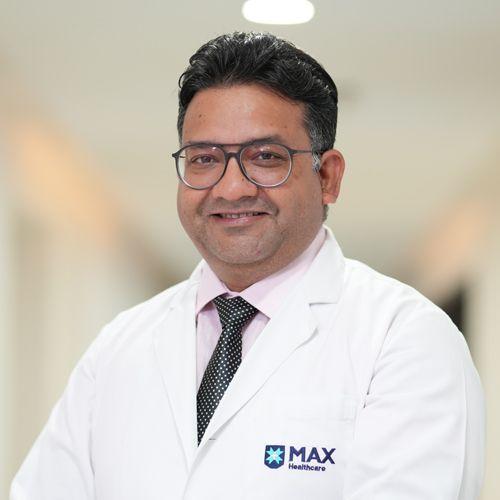
Dr. Anil Prasad Bhatt
Principal Consultant
Urology, Uro-Oncology, Renal Transplant
New Delhi
30+ Years
Experience
Apolo Delhi
Hospital
1500
Fees
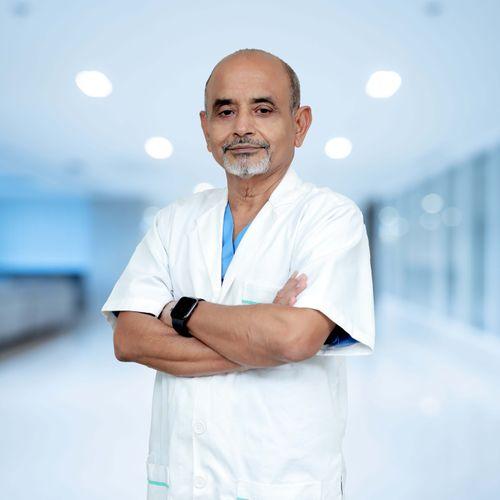
Dr. A. J. Chitkara
Senior Director - Urology, Uro-Oncology, Robotics & Kidney Transplant
Urology
New Delhi
30+ Years
Experience
Apolo Delhi
Hospital
1500
Fees
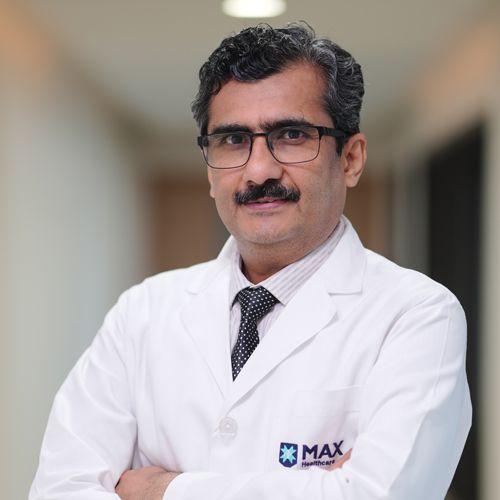
Dr. Amit K Devra
Senior Director - Urology & Kidney Transplant
Urology, Kidney Transplant
New Delhi
24+ Years
Experience
Apolo Delhi
Hospital
1500
Fees
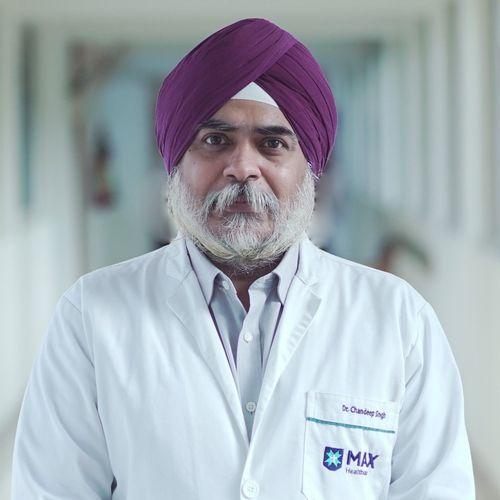
Dr. Chandeep Singh
Director
Urology
New Delhi
15+ Years
Experience
Apolo Delhi
Hospital
1500
Fees
Related Links
Other Treatment related Information
- TURP (Transurethral Resection of Prostate) cost in Bengaluru
- TURP (Transurethral Resection of Prostate) cost in Chennai
- TURP (Transurethral Resection of Prostate) cost in Mumbai
- TURP (Transurethral Resection of Prostate) cost in Hyderabad
- TURP (Transurethral Resection of Prostate) cost in New Delhi
- TURP (Transurethral Resection of Prostate) cost in Pune
- TURP (Transurethral Resection of Prostate) cost in India
- TURP (Transurethral Resection of Prostate) cost in Haryana
- TURP (Transurethral Resection of Prostate) Success Rate in Haryana
- TURP (Transurethral Resection of Prostate) Success Rate in Mumbai
- TURP (Transurethral Resection of Prostate) Success Rate in New Delhi
- TURP (Transurethral Resection of Prostate) Success Rate in Pune
- TURP (Transurethral Resection of Prostate) Success Rate in Bengaluru
- TURP (Transurethral Resection of Prostate) Success Rate in Chennai
- TURP (Transurethral Resection of Prostate) Success Rate in India
- TURP (Transurethral Resection of Prostate) Success Rate in Hyderabad
- Best TURP (Transurethral Resection of Prostate) Doctors in Chennai
- Best TURP (Transurethral Resection of Prostate) Doctors in Hyderabad
- Best TURP (Transurethral Resection of Prostate) Doctors in New Delhi
- Best TURP (Transurethral Resection of Prostate) Doctors in Gurugram
Ready To Start Your Healing Journey?
Get Personalized Medical Treatment Options From India's Top Hospitals. Our Medical Experts Are Ready To Assist You Every Step Of The Way.