TURP (Transurethral Resection of Prostate) Treatment in India for Iraq
Need Personalized Advice?
Our medical experts are ready to answer your questions and guide you through your treatment options.
About
TURP in India for Iraqi Patients: Hospitals, Costs, and Care
Facing prostate issues can bring many questions, especially when considering treatment abroad. For patients in Iraq seeking TURP, worries about quality, safety, and the unknown journey are common. Understanding your options is the first crucial step toward finding relief.
Many individuals from Iraq explore international healthcare for advanced procedures like TURP. India stands out as a leading destination, offering a wide network of hospitals and specialists across various cities. Access to modern medical care is a significant advantage for international patients.
India's medical infrastructure is built on experienced surgeons, cutting-edge technology, and comprehensive patient care. Hospitals nationwide adhere to international standards, ensuring a trusted environment for complex procedures. This widespread expertise reassures patients seeking quality treatment.
Are you ready to discover how India can be your choice for successful TURP treatment?
What is TURP (Transurethral Resection of Prostate)?
TURP, or Transurethral Resection of Prostate, is a common surgical procedure to alleviate urinary symptoms caused by an enlarged prostate, a condition known as Benign Prostatic Hyperplasia (BPH). During TURP, excess prostate tissue obstructing the urethra is carefully removed using a specialized instrument passed through the penis, without needing an external incision. This aims to restore normal urine flow and improve bladder emptying.
Are There Different Approaches to Prostate Treatment?
Medication: Oral drugs to manage mild to moderate BPH symptoms by relaxing prostate muscles or shrinking the gland.
Minimally Invasive Procedures: Techniques like UroLift, Rezum, or Water Vapor Thermal Therapy offer less aggressive options with shorter recovery times.
Laser Prostatectomy: Procedures such as HoLEP (Holmium Laser Enucleation of the Prostate) or PVP (Photoselective Vaporization of the Prostate) use focused laser energy.
Transurethral Resection of Prostate (TURP): The traditional and effective endoscopic surgery that resects obstructing prostate tissue from within the urethra.
Open Prostatectomy: Reserved for very large prostates, this traditional surgery involves an abdominal incision, now less frequently performed due to modern advances.
When Is TURP Recommended for Prostate Issues?
- Significant difficulty with urination, including weak stream or hesitancy
- Frequent and urgent need to urinate, especially at night (nocturia)
- Incomplete bladder emptying, leading to urinary retention
- Recurrent urinary tract infections (UTIs) due to prostate obstruction
- Formation of bladder stones related to BPH
- Kidney damage or impairment caused by prolonged bladder outflow obstruction
What Pre-Treatment Evaluations are Necessary?
- Comprehensive physical examination, including a digital rectal exam (DRE)
- Blood tests: PSA (Prostate-Specific Antigen) levels, complete blood count, kidney function tests
- Urinalysis to check for infection or other abnormalities
- Urine flow study and post-void residual volume measurement
- Imaging: Ultrasound of the kidneys and bladder to assess structure and function
- Cystoscopy: A procedure to visually inspect the urethra and bladder
How is a TURP Procedure Performed?
The TURP procedure is a standard surgical approach for BPH, performed with precision to relieve urinary obstruction and improve symptoms.
Anesthesia: The procedure begins with the administration of either spinal or general anesthesia to ensure patient comfort.
Resectoscope Insertion: A thin, lighted instrument called a resectoscope is inserted through the tip of the penis into the urethra, reaching the prostate gland.
Tissue Removal: Using a wire loop with an electric current at its tip, the surgeon carefully shaves away small pieces of the enlarged prostate tissue. This opens the urinary channel.
Irrigation: A continuous flow of irrigating fluid flushes the removed tissue fragments into the bladder, which are then suctioned out.
Completion: Once enough tissue is removed to ensure adequate urine flow, the resectoscope is withdrawn, and a catheter is usually placed to drain urine and flush the bladder.
What Does the Recovery Process Involve?
After TURP, patients typically stay in the hospital for 1 to 3 days. A catheter remains in place for a short period to aid drainage and irrigation. Patients may experience some blood in the urine, discomfort, and frequent urination initially. Light activity is encouraged, but strenuous efforts, heavy lifting, and sexual activity should be avoided for several weeks. Staying hydrated is crucial. Follow-up appointments are scheduled to monitor healing and address any concerns. Full recovery can take a few weeks to a couple of months.
Understanding the Risks and Success Rates of TURP
- Bleeding requiring transfusion, though rare
- Infection of the urinary tract
- Retrograde ejaculation (semen flows backward into the bladder)
- Temporary urinary incontinence
- TURP syndrome (fluid absorption leading to electrolyte imbalance)
- Urethral stricture (narrowing of the urethra)
- Erectile dysfunction (very rare)
TURP has a high success rate in relieving BPH symptoms, with most patients experiencing significant improvement in urine flow and quality of life. The effectiveness can vary based on the prostate size, overall health, and the surgeon's expertise. While long-term results are generally excellent, some patients may require further treatment years later if prostate tissue regrowth occurs.
Cost of TURP (Transurethral Resection of Prostate) in India
The cost of TURP in India varies based on several factors, including the chosen hospital's reputation, the surgeon's experience, the technology used, the complexity of the case, and the overall length of hospital stay. Despite these variables, India offers highly competitive pricing compared to many Western countries, without compromising on quality of care.
Generally, the cost for TURP in India can range from approximately INR 120,000 to INR 350,000.
Estimated TURP Cost Across Major Indian Cities (INR)
| City | Estimated Cost (INR) |
|---|---|
| Delhi | 130,000 - 320,000 |
| Mumbai | 140,000 - 330,000 |
| Bangalore | 135,000 - 310,000 |
| Chennai | 125,000 - 300,000 |
| Hyderabad | 120,000 - 290,000 |
| Kolkata | 120,000 - 280,000 |
| Ahmedabad | 115,000 - 270,000 |
Global TURP Cost Comparison (USD)
| Country | Estimated Cost (USD) |
|---|---|
| India | 1,500 - 4,000 |
| Iraq | 4,000 - 8,000 |
| USA | 10,000 - 20,000 |
| UK | 8,000 - 15,000 |
| Singapore | 7,000 - 12,000 |
| Turkey | 3,000 - 7,000 |
Dedicated Support for Your Medical Journey
- Visa assistance and travel arrangements
- Complimentary airport pickup and drop-off
- Dedicated interpreter services for effective communication
- Assistance with local accommodation and logistics
- Personalized medical coordinator throughout your stay
- Guidance for post-treatment follow-up care
Essential Documents for Your TURP Treatment in India
- Valid passport and Indian medical visa
- Comprehensive medical reports and diagnostic test results
- Referral letter from your local physician
- Copies of previous surgical records, if applicable
- Travel insurance details (if you have coverage)
- Patient consent forms (will be provided)
Preparing for Your TURP Procedure in India
- Discuss all current medications with your surgeon
- Follow specific dietary guidelines provided by the hospital
- Adhere to fasting instructions before the procedure
- Arrange for a companion to accompany you
- Plan to arrive in India a few days prior to your scheduled surgery
- Ensure all necessary documents are organized for your arrival
Guidance for Your Post-TURP Recovery and Aftercare
- Carefully follow all discharge instructions given by your medical team
- Maintain good hydration by drinking plenty of fluids
- Avoid strenuous activities, heavy lifting, and prolonged sitting
- Report any unusual bleeding, pain, or fever to your doctor immediately
- Attend all scheduled follow-up appointments
- Gradually resume normal activities as advised by your surgeon
Ready to Explore Your TURP Treatment Options?
Connecting with expert medical teams in India is your first step towards lasting relief and improved quality of life. Take charge of your health today.
Hospitals Offering this treatment
India offers premium medical procedures at affordable prices. Discover our most popular treatments, delivered by the country's finest doctors.
Meet Our Doctors
Meet our team of highly qualified and experienced medical professionals dedicated to providing the best healthcare services.

Dr. Abhinandan Mukhopadhyay
Sr. Consultant - Urology & Kidney Transplant Program (Unit I)
Urology, Kidney Transplant, Urological Cancers
Haryana
8+ Years
Experience
Artemis Hospital
Hospital
1500
Fees
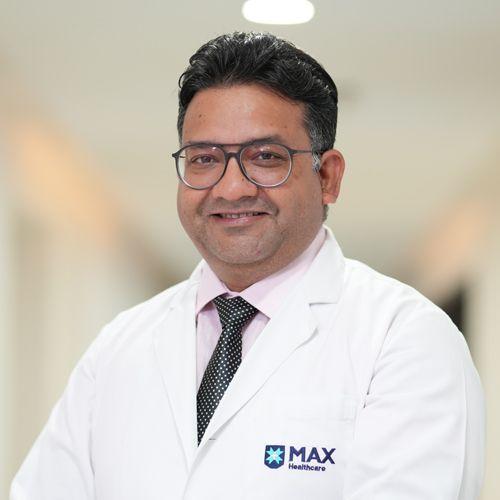
Dr. Anil Prasad Bhatt
Principal Consultant
Urology, Uro-Oncology, Renal Transplant
New Delhi
30+ Years
Experience
Apolo Delhi
Hospital
1500
Fees
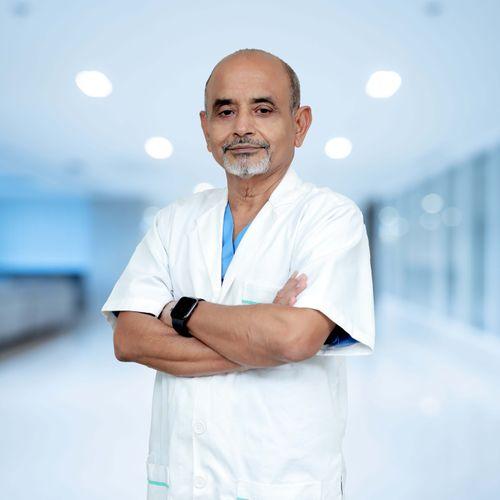
Dr. A. J. Chitkara
Senior Director - Urology, Uro-Oncology, Robotics & Kidney Transplant
Urology
New Delhi
30+ Years
Experience
Apolo Delhi
Hospital
1500
Fees
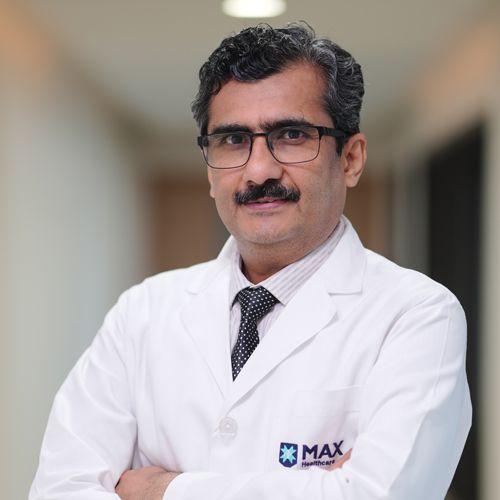
Dr. Amit K Devra
Senior Director - Urology & Kidney Transplant
Urology, Kidney Transplant
New Delhi
24+ Years
Experience
Apolo Delhi
Hospital
1500
Fees
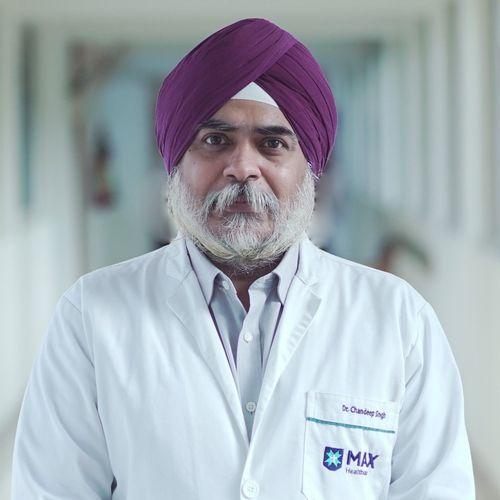
Dr. Chandeep Singh
Director
Urology
New Delhi
15+ Years
Experience
Apolo Delhi
Hospital
1500
Fees
Related Links
Other Treatment related Information
- TURP (Transurethral Resection of Prostate) cost in Bengaluru
- TURP (Transurethral Resection of Prostate) cost in Chennai
- TURP (Transurethral Resection of Prostate) cost in Mumbai
- TURP (Transurethral Resection of Prostate) cost in Hyderabad
- TURP (Transurethral Resection of Prostate) cost in New Delhi
- TURP (Transurethral Resection of Prostate) cost in Pune
- TURP (Transurethral Resection of Prostate) cost in India
- TURP (Transurethral Resection of Prostate) cost in Haryana
- TURP (Transurethral Resection of Prostate) Success Rate in Haryana
- TURP (Transurethral Resection of Prostate) Success Rate in Mumbai
- TURP (Transurethral Resection of Prostate) Success Rate in New Delhi
- TURP (Transurethral Resection of Prostate) Success Rate in Pune
- TURP (Transurethral Resection of Prostate) Success Rate in Bengaluru
- TURP (Transurethral Resection of Prostate) Success Rate in Chennai
- TURP (Transurethral Resection of Prostate) Success Rate in India
- TURP (Transurethral Resection of Prostate) Success Rate in Hyderabad
- Best TURP (Transurethral Resection of Prostate) Doctors in Chennai
- Best TURP (Transurethral Resection of Prostate) Doctors in Hyderabad
- Best TURP (Transurethral Resection of Prostate) Doctors in New Delhi
- Best TURP (Transurethral Resection of Prostate) Doctors in Gurugram
Ready To Start Your Healing Journey?
Get Personalized Medical Treatment Options From India's Top Hospitals. Our Medical Experts Are Ready To Assist You Every Step Of The Way.