TURP (Transurethral Resection of Prostate) Treatment in New Delhi for Iraq
Need Personalized Advice?
Our medical experts are ready to answer your questions and guide you through your treatment options.
About
TURP Treatment in New Delhi for Iraqi Patients | Costs
Considering essential medical treatment like TURP can bring many questions, especially if you are an Iraqi patient looking for options abroad. You might wonder about the quality of care, the expertise of doctors, and whether a successful recovery is possible far from home.
Many patients from Iraq choose New Delhi for advanced medical procedures. This city offers a well-established healthcare environment where coordination for international patients is seamless. It is known for its blend of world-class facilities and compassionate patient support.
New Delhi's medical system has earned trust through its leading hospitals and highly skilled specialists. Patients benefit from easy follow-ups and comprehensive care, ensuring a smooth journey from initial consultation to complete recovery within the city.
Is New Delhi the right choice for your TURP treatment?
What is TURP (Transurethral Resection of Prostate)?
Transurethral Resection of Prostate, or TURP, is a surgical procedure used to treat benign prostatic hyperplasia (BPH), a condition where the prostate gland enlarges and causes urinary problems. During TURP, a surgeon removes excess prostate tissue that is blocking urine flow. This is done using a resectoscope inserted through the urethra, without making an external incision. The goal is to relieve symptoms like frequent urination, weak stream, and difficulty emptying the bladder.
Common Approaches for Enlarged Prostate Treatment
While TURP is a highly effective procedure, several approaches exist for managing an enlarged prostate:
- Traditional Monopolar TURP: This is the classic method using an electrical current to cut and cauterize tissue.
- Bipolar TURP: A newer technique that uses bipolar energy, allowing for safer surgery with saline irrigation, reducing the risk of certain complications.
- Laser Prostatectomy (HoLEP, GreenLight Laser): These procedures use laser energy to remove or vaporize prostate tissue, often resulting in less bleeding and faster recovery.
- Prostatic Urethral Lift (UroLift): A minimally invasive procedure that lifts and holds the enlarged prostate tissue, relieving compression on the urethra.
- Water Vapor Thermal Therapy (Rezum): Uses steam to destroy excess prostate tissue.
- Medication Management: For milder cases, alpha-blockers or 5-alpha reductase inhibitors can help relax bladder muscles or shrink the prostate.
When is TURP Treatment Recommended?
- Significant urinary symptoms impacting quality of life (frequent urination, urgency, weak stream, incomplete emptying).
- Failure of medication to control BPH symptoms effectively.
- Recurrent urinary tract infections (UTIs) due to urine retention.
- Bladder stones caused by the enlarged prostate.
- Kidney damage or impaired kidney function due to long-term urinary obstruction.
- Inability to urinate (acute urinary retention).
- Blood in the urine (hematuria) originating from the prostate.
Pre-Treatment Evaluation Process
- Medical History Review: A thorough discussion of your symptoms, medical conditions, and medications.
- Physical Examination: Including a digital rectal examination (DRE) to assess prostate size and consistency.
- Urine Analysis: To check for infection or blood in the urine.
- Blood Tests: Including kidney function tests and Prostate-Specific Antigen (PSA) to screen for prostate cancer.
- Uroflowmetry: Measures the speed and strength of your urine stream.
- Post-Void Residual (PVR) Volume: Measures the amount of urine left in your bladder after urination.
- Urodynamic Studies: May be performed to evaluate bladder pressure and function.
- Imaging Studies: Such as ultrasound of the kidneys and bladder, or a transrectal ultrasound of the prostate, to assess its size and rule out other issues.
How the TURP Procedure is Performed
The specific procedure for treating an enlarged prostate depends on your individual condition, prostate size, and the treatment plan chosen by your specialist. TURP is typically performed under spinal or general anesthesia.
During the TURP Procedure:
- Anesthesia: You will receive either general anesthesia (making you unconscious) or spinal anesthesia (numbing the lower body).
- Insertion of Resectoscope: The surgeon inserts a thin, lighted tube called a resectoscope through the tip of the penis into the urethra.
- Tissue Removal: Using a wire loop with electric current at the end of the resectoscope, the surgeon carefully shaves away small pieces of the enlarged prostate tissue, one piece at a time. This opens up the urinary channel.
- Irrigation and Removal: The removed prostate tissue pieces are flushed into the bladder with an irrigating fluid and then drained out.
- Catheter Placement: A catheter is usually inserted into the bladder at the end of the procedure to drain urine and continuously flush the bladder to prevent blood clots.
Recovery Process After TURP
After TURP, patients typically stay in the hospital for 1-3 days. The catheter usually remains in place for a few days until urine becomes clearer. You may experience some discomfort, frequent urination, and possibly blood in your urine for several weeks. It's important to avoid strenuous activity, heavy lifting, and sexual activity for about 4-6 weeks to allow for proper healing. Your doctor will provide specific instructions for recovery, including hydration, diet, and medications. Follow-up appointments are crucial to monitor healing and assess the long-term success of the procedure.
Potential Risks and Expected Success Rates
- Bleeding requiring a transfusion.
- Infection (urinary tract infection, epididymitis).
- Retrograde ejaculation (semen flows backward into the bladder).
- Erectile dysfunction (temporary or rarely permanent).
- Incontinence (temporary or, in rare cases, persistent leakage).
- TURP syndrome (a rare complication from fluid absorption during surgery).
- Urethral stricture (narrowing of the urethra).
- Need for repeat surgery over time (though usually long-lasting).
TURP has a high success rate, with approximately 85-90% of patients experiencing significant improvement in urinary symptoms. Outcomes can vary based on individual health, prostate size, and the surgeon's experience. Most patients enjoy a substantial and long-lasting reduction in BPH symptoms. Long-term expectations include continued relief from obstruction, though in a small percentage of cases, symptoms may recur over many years, potentially requiring further treatment.
Ready to Explore Treatment Options in New Delhi?
Our team is here to guide you through every step. Contact us for a personalized consultation and treatment plan.
Cost of TURP Treatment in New Delhi
The cost of TURP treatment in New Delhi can vary significantly based on several factors. These include the choice of hospital (private vs. corporate), the specific specialist's fees, the type of TURP procedure performed (monopolar vs. bipolar, or laser alternatives), the duration of hospital stay, and any additional pre-operative tests or post-operative care required.
Generally, the cost for TURP in New Delhi can range from approximately INR 1,20,000 to INR 3,50,000.
New Delhi TURP Cost vs. Global Averages
New Delhi offers a compelling balance of high-quality medical care and cost-effectiveness compared to many Western countries, making it an attractive destination for medical tourism.
| Location | Estimated TURP Cost (USD) |
|---|---|
| New Delhi, India | $1,500 - $4,200 |
| United States | $10,000 - $20,000 |
| United Kingdom | $8,000 - $15,000 |
| Germany | $7,000 - $13,000 |
| Singapore | $6,000 - $11,000 |
Get a Detailed Cost Estimate for Your TURP
Share your medical reports with us to receive a personalized treatment plan and transparent cost breakdown.
Support Services for Your Treatment Journey
- Assistance with medical visa applications for Iraqi patients.
- Arrangements for airport pickup and local transportation.
- Guidance for finding suitable accommodation near the hospital.
- Dedicated international patient desk for all inquiries and support.
- Facilitation of interpreter services to ensure clear communication.
- Help with scheduling appointments and consultations.
- Post-treatment follow-up coordination.
Important Papers Required for Your Medical Visit
- Valid passport and medical visa.
- All relevant medical reports, scans, and doctor's prescriptions.
- A letter from your referring doctor, if applicable.
- Proof of financial capacity for treatment.
- Vaccination records, if required.
Preparing for Your Procedure
- Discuss all current medications, including supplements, with your doctor.
- Follow fasting instructions provided by your medical team before surgery.
- Arrange for a companion to assist you during your hospital stay and initial recovery.
- Inform your doctor about any allergies or previous reactions to anesthesia.
- Complete all pre-operative tests as advised by your New Delhi specialist.
Recovery and Follow-Up Care Instructions
- Adhere to the prescribed medication regimen, including pain relievers and antibiotics.
- Maintain good hydration by drinking plenty of fluids.
- Avoid heavy lifting and strenuous activities for several weeks.
- Refrain from driving for a period recommended by your surgeon.
- Attend all scheduled follow-up appointments to monitor your progress.
- Be mindful of potential signs of complications and report them immediately.
Take Your Next Step Toward Better Health
Choosing the right path for your health is a significant decision. New Delhi's medical community is ready to offer you expert care and support throughout your TURP treatment journey.
Hospitals Offering this treatment
India offers premium medical procedures at affordable prices. Discover our most popular treatments, delivered by the country's finest doctors.
Meet Our Doctors
Meet our team of highly qualified and experienced medical professionals dedicated to providing the best healthcare services.

Dr. Abhinandan Mukhopadhyay
Sr. Consultant - Urology & Kidney Transplant Program (Unit I)
Urology, Kidney Transplant, Urological Cancers
Haryana
8+ Years
Experience
Artemis Hospital
Hospital
1500
Fees
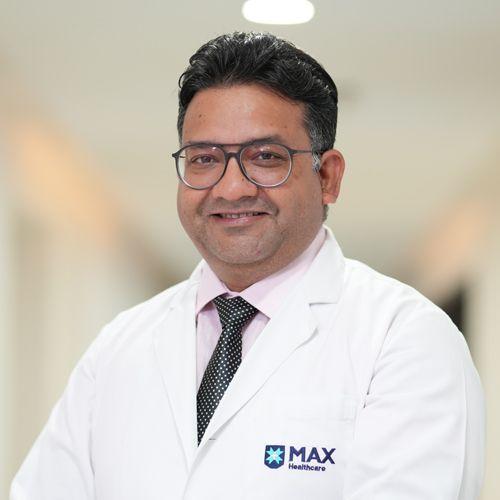
Dr. Anil Prasad Bhatt
Principal Consultant
Urology, Uro-Oncology, Renal Transplant
New Delhi
30+ Years
Experience
Apolo Delhi
Hospital
1500
Fees
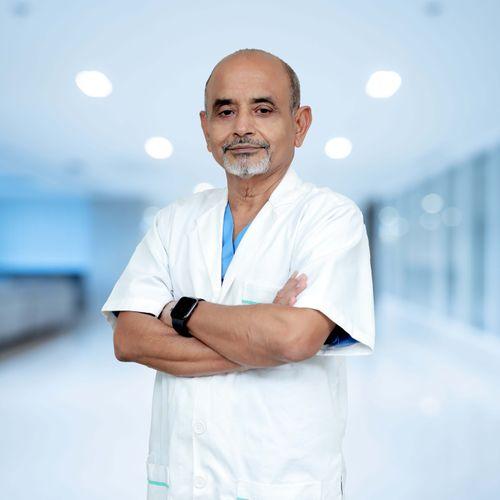
Dr. A. J. Chitkara
Senior Director - Urology, Uro-Oncology, Robotics & Kidney Transplant
Urology
New Delhi
30+ Years
Experience
Apolo Delhi
Hospital
1500
Fees
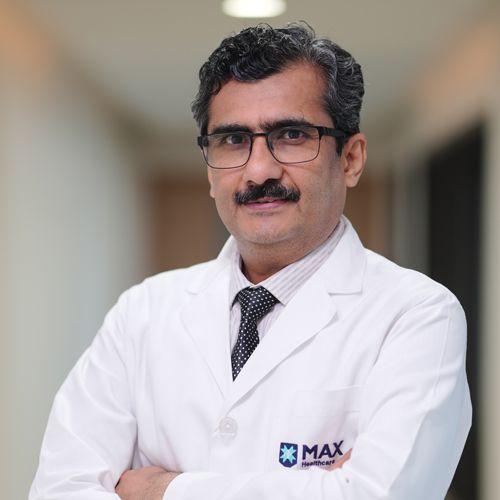
Dr. Amit K Devra
Senior Director - Urology & Kidney Transplant
Urology, Kidney Transplant
New Delhi
24+ Years
Experience
Apolo Delhi
Hospital
1500
Fees
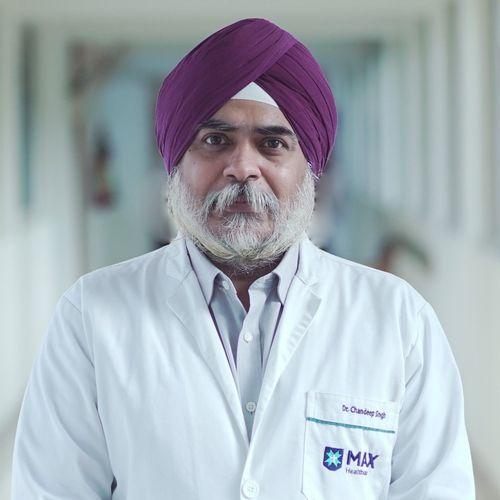
Dr. Chandeep Singh
Director
Urology
New Delhi
15+ Years
Experience
Apolo Delhi
Hospital
1500
Fees
Related Links
Other Treatment related Information
- TURP (Transurethral Resection of Prostate) cost in Bengaluru
- TURP (Transurethral Resection of Prostate) cost in Chennai
- TURP (Transurethral Resection of Prostate) cost in Mumbai
- TURP (Transurethral Resection of Prostate) cost in Hyderabad
- TURP (Transurethral Resection of Prostate) cost in New Delhi
- TURP (Transurethral Resection of Prostate) cost in Pune
- TURP (Transurethral Resection of Prostate) cost in India
- TURP (Transurethral Resection of Prostate) cost in Haryana
- TURP (Transurethral Resection of Prostate) Success Rate in Haryana
- TURP (Transurethral Resection of Prostate) Success Rate in Mumbai
- TURP (Transurethral Resection of Prostate) Success Rate in New Delhi
- TURP (Transurethral Resection of Prostate) Success Rate in Pune
- TURP (Transurethral Resection of Prostate) Success Rate in Bengaluru
- TURP (Transurethral Resection of Prostate) Success Rate in Chennai
- TURP (Transurethral Resection of Prostate) Success Rate in India
- TURP (Transurethral Resection of Prostate) Success Rate in Hyderabad
- Best TURP (Transurethral Resection of Prostate) Doctors in Chennai
- Best TURP (Transurethral Resection of Prostate) Doctors in Hyderabad
- Best TURP (Transurethral Resection of Prostate) Doctors in New Delhi
- Best TURP (Transurethral Resection of Prostate) Doctors in Gurugram
Ready To Start Your Healing Journey?
Get Personalized Medical Treatment Options From India's Top Hospitals. Our Medical Experts Are Ready To Assist You Every Step Of The Way.