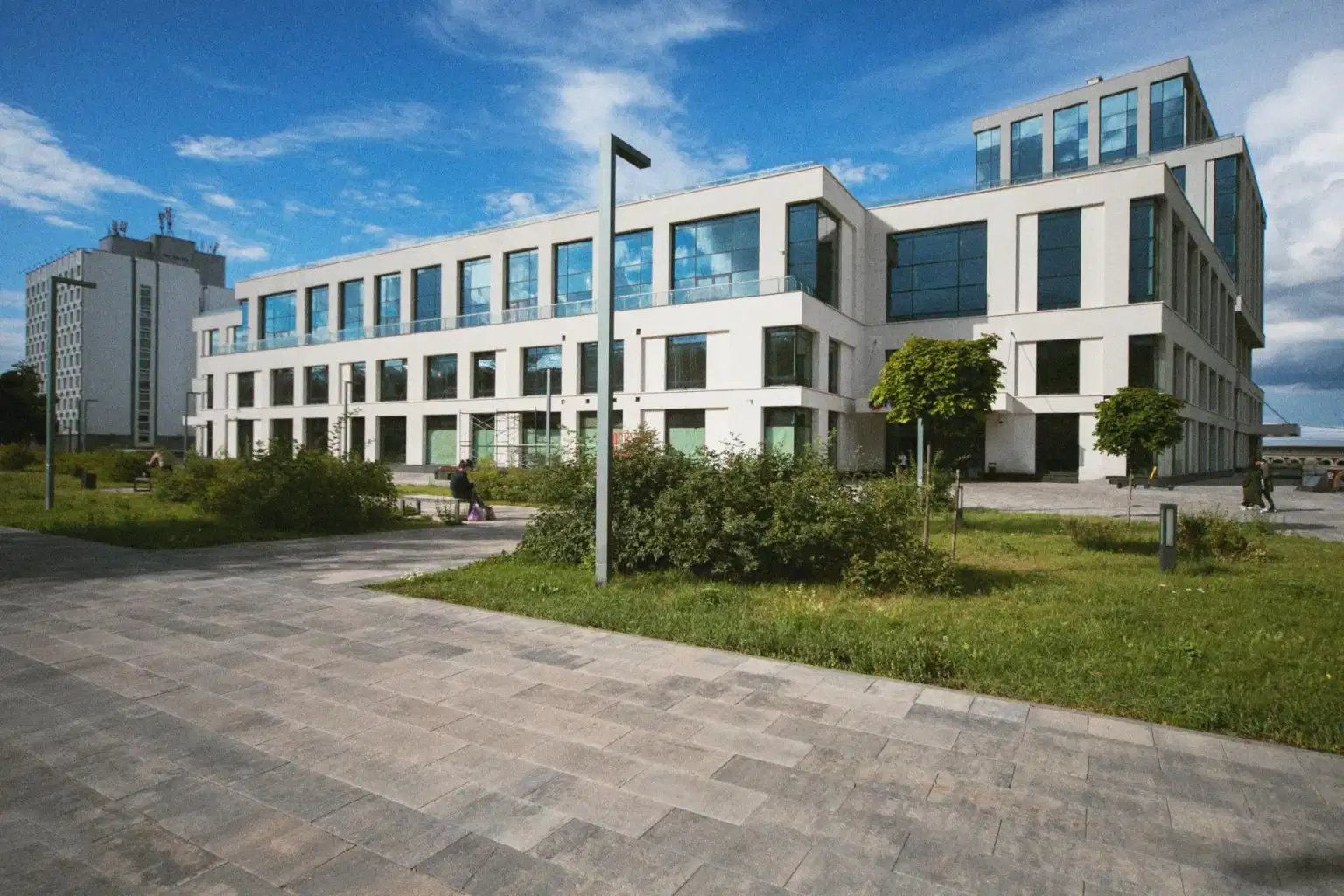
TURP (Transurethral Resection of Prostate) Treatment in New Delhi for Nigeria
Need Personalized Advice?
Our medical experts are ready to answer your questions and guide you through your treatment options.
About
TURP Treatment in New Delhi for Nigerian Patients: Your Guide
For many individuals in Nigeria facing symptoms of an enlarged prostate, finding effective and accessible treatment can be a significant concern. The discomfort and disruption to daily life caused by conditions like Benign Prostatic Hyperplasia (BPH) often prompt a search for advanced medical solutions. Patients frequently worry about treatment quality, cost, and the overall experience abroad.
This search often leads patients to consider international medical hubs. New Delhi stands out as a prime destination for specialized care, offering a robust healthcare ecosystem. Patients are drawn to its well-established medical infrastructure and streamlined processes, making it a reliable choice for complex procedures such as TURP.
New Delhi's hospitals are home to highly skilled urologists and advanced surgical units, building significant trust among international patients. The city provides a comprehensive care environment, ensuring that follow-ups and recovery support are easily managed within a secure medical framework. This commitment to patient well-being extends throughout the treatment journey.
Is New Delhi the right choice for your TURP treatment?
Understanding TURP: Transurethral Resection of Prostate
Transurethral Resection of the Prostate, commonly known as TURP, is a surgical procedure designed to alleviate urinary symptoms caused by an enlarged prostate, a condition medically termed Benign Prostatic Hyperplasia (BPH). During the procedure, excess prostate tissue that obstructs urine flow is carefully removed. This reopens the urinary channel, significantly improving symptoms such as frequent urination, weak stream, and incomplete bladder emptying. TURP is considered the gold standard for treating moderate to severe BPH.
Common Treatments for Enlarged Prostate
Transurethral Resection of the Prostate (TURP): This is the classic surgical approach, using an electrical loop to remove excess prostate tissue that blocks urine flow.
Laser Prostatectomy: Procedures like Holmium Laser Enucleation of the Prostate (HoLEP) or GreenLight Laser Photo-vaporization use laser energy to remove or vaporize obstructing prostate tissue with less bleeding.
UroLift System: This minimally invasive procedure involves placing small implants to lift and hold the enlarged prostate tissue away from the urethra, opening the urinary channel.
Prostatic Artery Embolization (PAE): A non-surgical option where tiny beads are injected into the arteries supplying the prostate to reduce blood flow, causing the gland to shrink.
Medication Management: Alpha-blockers and 5-alpha reductase inhibitors are often prescribed for mild to moderate BPH symptoms to relax prostate muscles or shrink the gland.
Open Prostatectomy: Reserved for very large prostates or complex cases, this involves an incision to surgically remove the obstructing prostate tissue.
When is TURP Treatment Recommended?
- Persistent bothersome urinary symptoms such as frequent urination, urgency, weak stream, or straining.
- Failure of medication management to adequately control BPH symptoms.
- Recurrent urinary tract infections (UTIs) due to incomplete bladder emptying.
- Bladder stones caused by urinary retention.
- Kidney damage or impairment resulting from chronic bladder outlet obstruction.
- Inability to urinate (urinary retention) requiring a catheter.
- Significant blood in the urine (hematuria) originating from the prostate.
Preparing for TURP: Pre-Treatment Evaluation
- Medical History and Physical Exam: A thorough review of your health and a physical assessment, including a digital rectal exam.
- Urine Analysis: To check for infection or other urinary issues.
- Blood Tests: Including complete blood count (CBC), kidney function tests (creatinine, BUN), electrolytes, and prostate-specific antigen (PSA) levels.
- Uroflowmetry: Measures the speed and strength of your urine stream.
- Post-Void Residual (PVR) Volume: Measures how much urine remains in the bladder after urination.
- Transrectal Ultrasound (TRUS) of the Prostate: To assess prostate size and shape accurately.
- Cystoscopy: A small scope inserted into the urethra to visualize the bladder and prostate internally.
How TURP Surgery is Performed
The TURP procedure is a well-established surgical method to relieve symptoms of an enlarged prostate. Its exact application depends on your specific condition and the surgeon's assessment.
Anesthesia: The procedure typically begins with either general anesthesia, putting you to sleep, or spinal anesthesia, which numbs the lower half of your body.
Insertion of Resectoscope: A thin, rigid tube called a resectoscope is carefully inserted into the urethra through the penis. This instrument is equipped with a light, camera, and a wire loop.
Tissue Removal: Using the electrified wire loop, the surgeon precisely cuts away small pieces of the excess prostate tissue that are blocking the urine flow. These pieces are then flushed into the bladder.
Irrigation and Removal: Sterile fluid is continuously flushed through the resectoscope to clear the bladder of removed tissue fragments. Once the obstruction is cleared, the resectoscope is withdrawn.
Catheter Placement: A catheter is usually inserted into the bladder at the end of the procedure to drain urine and flush out any blood clots, allowing the surgical area to heal.
What to Expect During Your Recovery After TURP
Recovery after TURP generally involves a hospital stay of one to three days. The catheter usually remains in place for a few days post-surgery, with its removal marking a significant step in your healing. You might experience some discomfort, burning during urination, and blood in your urine for several weeks, which is normal. Strenuous activities, heavy lifting, and sexual activity should be avoided for about four to six weeks. It is crucial to drink plenty of fluids to help flush your bladder. Follow-up appointments with your urologist are essential to monitor your progress and address any concerns, ensuring a smooth return to your normal routine.
Potential Risks and High Success Rates of TURP
- Bleeding: Some blood in the urine is common, but significant bleeding requiring transfusion is a rare complication.
- Infection: Urinary tract infections can occur, typically managed with antibiotics.
- Retrograde Ejaculation: Semen flows backward into the bladder instead of out through the penis during ejaculation, which is a common and permanent side effect.
- Erectile Dysfunction: While rare, there is a small risk of changes in erectile function.
- Urinary Incontinence: Temporary leakage is possible, but severe long-term incontinence is very uncommon.
- TURP Syndrome: A rare but serious complication caused by absorbing too much irrigation fluid during surgery.
- Need for Re-treatment: A small percentage of men may require further treatment if prostate tissue grows back over time.
TURP has a high success rate in significantly improving urinary flow and relieving BPH symptoms for the majority of patients. Many experience noticeable improvements within weeks of the procedure. The outcome can vary depending on individual prostate size, overall health, and the surgeon's expertise. Long-term results are generally excellent, providing lasting relief for many years. Regular follow-ups with your urologist are important to monitor your long-term prostate health and manage any potential future issues.
Cost of TURP Treatment in New Delhi
The cost of TURP treatment in New Delhi is influenced by several factors, including the chosen hospital's accreditation and facilities, the experience level of the urologist, the specific type of TURP procedure performed (e.g., standard monopolar, bipolar), and the length of your hospital stay. Pre-operative diagnostics and post-operative care also contribute to the final expense.
For Nigerian patients considering TURP in New Delhi, the estimated cost typically ranges from INR 120,000 to INR 250,000.
Comparing TURP Costs in New Delhi
New Delhi offers competitive pricing for high-quality TURP surgery compared to many Western countries, making advanced care more accessible.
| Location | Estimated Cost Range (USD) |
|---|---|
| New Delhi, India | $1,400 - $3,000 |
| United States | $8,000 - $15,000 |
| United Kingdom | $7,500 - $12,500 |
| Singapore | $7,400 - $14,800 |
| Thailand | $4,200 - $8,500 |
Dedicated Support for Patients Visiting New Delhi
- Visa Assistance: Guidance and support in applying for your medical visa.
- Travel and Accommodation: Help with flight bookings and finding suitable lodging options in New Delhi.
- Airport Transfers: Convenient pick-up and drop-off services from the airport.
- Language Support: Access to professional interpreters to ensure clear communication.
- Dedicated Patient Coordinator: A single point of contact to assist with all your needs throughout your stay.
- Local Connectivity: Assistance with obtaining a local SIM card for easy communication.
- Post-Discharge Follow-up: Coordination of virtual consultations for ongoing care after you return home.
Essential Documents for Your Medical Journey
- Valid Passport: Ensure it has sufficient validity beyond your planned stay.
- Medical Visa: The necessary entry permit for medical treatment in India.
- Hospital Invitation Letter: A formal letter from the New Delhi hospital confirming your appointment.
- Comprehensive Medical Reports: Recent diagnostic tests, doctor's notes, and relevant health records.
- Referral Letter from Your Doctor: A letter from your local physician detailing your condition and need for TURP.
- Proof of Funds or Insurance: Documentation demonstrating your ability to cover treatment costs.
- Copies of All Documents: Keep multiple copies of all important papers for safety.
Steps to Prepare Before Your TURP Procedure
- Medication Review: Inform your doctor about all medications you are taking, especially blood thinners, which may need to be stopped before surgery.
- Fasting Instructions: Adhere strictly to the fasting guidelines provided by your medical team before the procedure.
- Personal Hygiene: Follow any specific bathing or cleansing instructions given by the hospital.
- Arrange Support: Plan for someone to assist you during your initial recovery phase in New Delhi.
- Understand the Procedure: Discuss any remaining questions or concerns with your urologist to feel fully prepared.
- Pack Essentials: Bring comfortable clothing, personal hygiene items, and any comfort items for your hospital stay.
Aftercare Guidance for a Smooth Recovery
- Catheter Care: Follow all instructions for managing your catheter until it is removed.
- Stay Hydrated: Drink plenty of water to help flush your bladder and prevent infection.
- Avoid Strenuous Activities: Refrain from heavy lifting or intense exercise for several weeks as advised by your doctor.
- Monitor for Complications: Be aware of signs like fever, severe pain, or heavy bleeding, and report them immediately.
- Dietary Recommendations: Maintain a balanced diet and avoid foods that may irritate your bladder.
- Adhere to Follow-up Schedule: Attend all post-operative appointments to ensure proper healing and track progress.
- Gradual Return to Normal Life: Slowly reintroduce daily activities based on your doctor's recommendations.
Ready to Regain Your Quality of Life?
Let us help you navigate your treatment journey with confidence and excellent care in New Delhi.
Hospitals Offering this treatment
India offers premium medical procedures at affordable prices. Discover our most popular treatments, delivered by the country's finest doctors.
Meet Our Doctors
Meet our team of highly qualified and experienced medical professionals dedicated to providing the best healthcare services.

Dr. Abhinandan Mukhopadhyay
Sr. Consultant - Urology & Kidney Transplant Program (Unit I)
Urology, Kidney Transplant, Urological Cancers
Haryana
8+ Years
Experience
Artemis Hospital
Hospital
1500
Fees

Dr. Ajit Singh Baghela
Consultant
Paediatric Neurology
Haryana
9+ Years
Experience
Artemis Hospital
Hospital
1500
Fees
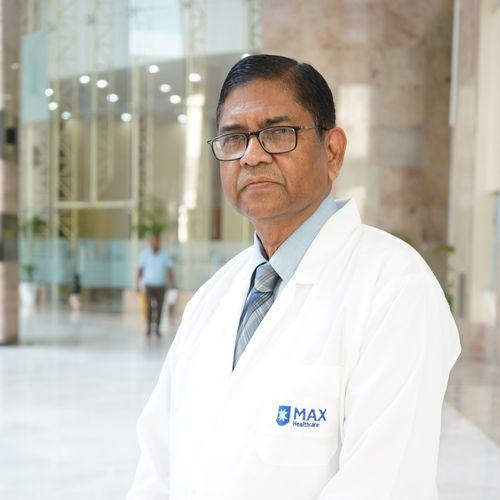
Dr. Nakul Sinha
Chairman - Cardiology
Cardiology
New Delhi
41+ Years
Experience
Max Hospital,Gurgaon
Hospital
1500
Fees
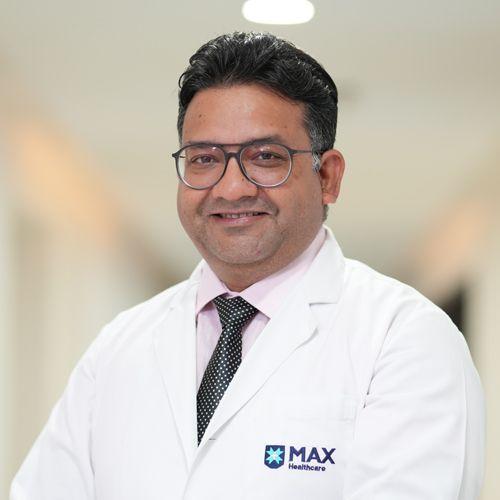
Dr. Anil Prasad Bhatt
Principal Consultant
Urology, Uro-Oncology, Renal Transplant
New Delhi
30+ Years
Experience
Apolo Delhi
Hospital
1500
Fees
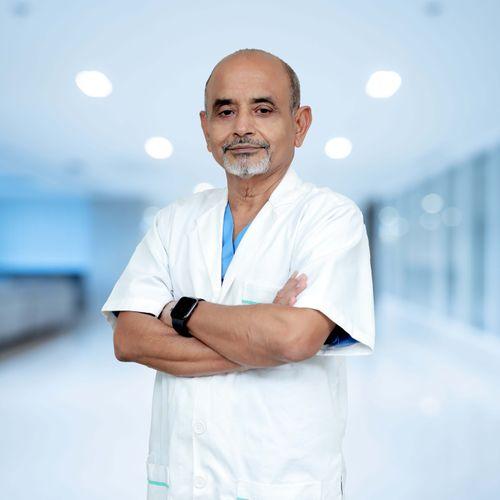
Dr. A. J. Chitkara
Senior Director - Urology, Uro-Oncology, Robotics & Kidney Transplant
Urology
New Delhi
30+ Years
Experience
Apolo Delhi
Hospital
1500
Fees
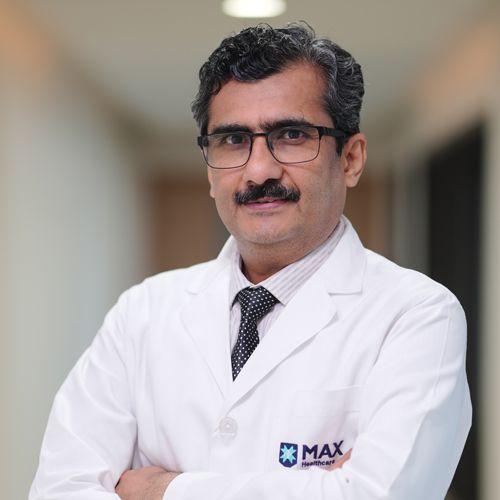
Dr. Amit K Devra
Senior Director - Urology & Kidney Transplant
Urology, Kidney Transplant
New Delhi
24+ Years
Experience
Apolo Delhi
Hospital
1500
Fees
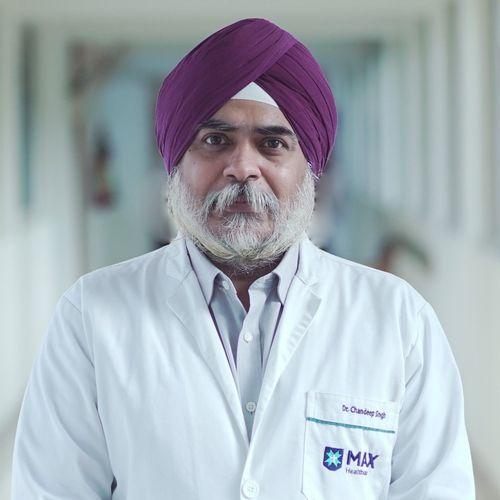
Dr. Chandeep Singh
Director
Urology
New Delhi
15+ Years
Experience
Apolo Delhi
Hospital
1500
Fees
Related Links
Other Treatment related Information
- TURP (Transurethral Resection of Prostate) cost in Bengaluru
- TURP (Transurethral Resection of Prostate) cost in Chennai
- TURP (Transurethral Resection of Prostate) cost in Mumbai
- TURP (Transurethral Resection of Prostate) cost in Hyderabad
- TURP (Transurethral Resection of Prostate) cost in New Delhi
- TURP (Transurethral Resection of Prostate) cost in Pune
- TURP (Transurethral Resection of Prostate) cost in India
- TURP (Transurethral Resection of Prostate) cost in Haryana
- TURP (Transurethral Resection of Prostate) Success Rate in Haryana
- TURP (Transurethral Resection of Prostate) Success Rate in Mumbai
- TURP (Transurethral Resection of Prostate) Success Rate in New Delhi
- TURP (Transurethral Resection of Prostate) Success Rate in Pune
- TURP (Transurethral Resection of Prostate) Success Rate in Bengaluru
- TURP (Transurethral Resection of Prostate) Success Rate in Chennai
- TURP (Transurethral Resection of Prostate) Success Rate in India
- TURP (Transurethral Resection of Prostate) Success Rate in Hyderabad
- Best TURP (Transurethral Resection of Prostate) Doctors in Chennai
- Best TURP (Transurethral Resection of Prostate) Doctors in Hyderabad
- Best TURP (Transurethral Resection of Prostate) Doctors in New Delhi
- Best TURP (Transurethral Resection of Prostate) Doctors in Gurugram
Ready To Start Your Healing Journey?
Get Personalized Medical Treatment Options From India's Top Hospitals. Our Medical Experts Are Ready To Assist You Every Step Of The Way.