

Urology Treatment in India for Iraq
Access high-quality treatment through JCI & NABH-accredited hospitals, renowned specialists, and end-to-end medical travel support designed around your healing journey.
Plan My Journey
Tell us your condition and budget - our AI matches the right destination, hospital and doctor and visa pathway
Cost calculator
I know my treatment - show me cost from 3 hospitals
5K+ International Patients Treated
40+ Source Countries Served
500+ Accredited Partner Hospitals
98% Patient Satisfaction
80% Average Savings vs USA
10K+ Doctors
NABH, JCI Accredited Hospitals
Free Treatment Plan
Free Consultation with Doctor
5+ Destinations Covered

Written by DivinHeal Editorial Contributor, DivinHeal Medical Team, Healthcare Advisory Team Published on: February 19, 2026
Advanced Urology Care in India for Patients from Iraq
Patients from Iraq facing urological health challenges often feel overwhelmed, searching for effective, high-quality treatment options. The process of finding specialized care, understanding complex procedures, and managing logistics in a foreign country can be a source of significant worry.
Many individuals explore medical solutions beyond their home country, with India emerging as a leading destination. Its established healthcare infrastructure provides advanced urology treatments across multiple major cities, offering accessible options for various conditions.
India's reputation for medical excellence is built on highly skilled urologists, state-of-the-art diagnostic tools, and comprehensive patient care. This nationwide commitment to advanced medicine helps build trust and confidence among international patients seeking quality outcomes.
Is India the optimal choice for your specialized urological health needs?
Understanding Urology
Urology is a specialized branch of medicine that focuses on the health of the urinary tract system in both men and women, and the male reproductive organs. This includes the kidneys, bladder, ureters, and urethra, as well as the prostate, testes, and penis in men. Urologists diagnose and treat a wide range of conditions, from common infections and kidney stones to complex cancers and male fertility issues. The field combines medical management with advanced surgical techniques to restore health and improve quality of life.
Common Urology Treatment Options
Urological care encompasses diverse approaches, tailored to the specific condition and patient needs. These often include:
- Medication Management: Prescribing drugs for conditions such as urinary tract infections, overactive bladder, enlarged prostate (BPH), or erectile dysfunction.
- Minimally Invasive Surgery: Utilizing techniques like laparoscopy or robotic-assisted surgery for conditions such as prostatectomy, nephrectomy, or bladder repair, resulting in smaller incisions and faster recovery.
- Endourology: Procedures performed through natural body openings, often using scopes to treat kidney stones, bladder tumors, or blockages in the urinary tract.
- Open Surgery: Traditional surgical approaches for highly complex cases, large tumors, or extensive reconstruction when minimally invasive options are not suitable.
- Lifestyle Modifications and Behavioral Therapy: Recommendations for diet, exercise, and bladder training to manage conditions like incontinence or interstitial cystitis.
- Reconstructive Urology: Surgical procedures to repair or rebuild damaged or diseased urinary and reproductive organs due to trauma, birth defects, or cancer.
When Urology Care Becomes Necessary
- Persistent pain or discomfort in the lower back, abdomen, or groin
- Frequent, urgent, or painful urination
- Presence of blood in urine (hematuria)
- Difficulty with bladder control or leakage
- Recurrent urinary tract infections (UTIs)
- Visible kidney stones or suspected bladder stones
- Symptoms of an enlarged prostate, such as weak urine flow
- Concerns regarding male fertility or sexual dysfunction
- Unexplained swelling or lumps in the male reproductive organs
- Abnormal findings on routine health screenings, such as elevated PSA levels
Essential Pre-Treatment Evaluation Steps
- Comprehensive physical examination and medical history review
- Blood tests including kidney function, PSA (for prostate health), and infection markers
- Urinalysis to check for infections, blood, or other abnormalities
- Ultrasound imaging of the kidneys, bladder, and prostate
- Computed Tomography (CT) scan or Magnetic Resonance Imaging (MRI) for detailed anatomical views
- Cystoscopy, a procedure where a thin scope examines the bladder and urethra
- Urodynamic studies to assess bladder storage and emptying function
- Biopsy procedures, such as prostate biopsy, if cancer is suspected
How Urological Treatments Are Performed
The specific procedure for urological conditions varies significantly based on the diagnosis, its severity, and the patient's overall health and treatment plan.
Medical Management and Therapy
For many conditions, treatment begins with non-surgical methods. This may involve antibiotic courses for infections, medications to relax the bladder or shrink the prostate, or lifestyle changes to manage symptoms. Physical therapy is sometimes prescribed for pelvic floor dysfunction.
Minimally Invasive Surgical Techniques
Advanced urological surgeries often employ minimally invasive approaches. Procedures like laser lithotripsy use focused energy to break kidney stones into small fragments for easier passage. Laparoscopic or robotic-assisted surgeries, such as radical prostatectomy or partial nephrectomy, involve small incisions and specialized instruments, leading to less pain and quicker recovery.
Endoscopic Procedures
These procedures use flexible or rigid scopes inserted through natural orifices. Cystoscopy allows direct visualization of the bladder and urethra for diagnosis or minor interventions. Ureteroscopy can reach the ureters and kidneys to remove stones or treat tumors without external incisions.
Open Surgical Interventions
In cases of extensive cancer, large anatomical anomalies, or when minimally invasive methods are not suitable, traditional open surgery may be necessary. This approach provides direct access for complex reconstructions, tumor removal, or organ repair.
Understanding Your Recovery Process
The recovery period following urological treatment is highly individualized, depending on the type of procedure, its complexity, and your general health. Immediately after, pain management is a priority, and you may have catheters or drains that require specific care. Activity restrictions are common for a period, with gradual return to normal routines. Adherence to prescribed medications and wound care instructions is vital to prevent complications. Regular follow-up appointments with your urologist are crucial to monitor healing, assess the treatment's effectiveness, and address any concerns. Rehabilitation, including specific exercises or dietary changes, might be part of your long-term recovery plan to ensure the best possible outcome.
Potential Risks and Expected Success Rates
- Risk of infection at the surgical site or within the urinary tract
- Bleeding, which can be mild or, in rare cases, require further intervention
- Pain and discomfort during the initial recovery phase
- Temporary changes in urinary function, such as urgency or difficulty urinating
- Adverse reactions to anesthesia
- Rarely, damage to surrounding organs or tissues
- Possibility of recurrence of the urological condition
Urology treatments in India generally boast high success rates, largely due to the expertise of specialists and the use of advanced medical technologies. The outcome for each patient varies based on factors such as the specific diagnosis, the stage of the condition, the patient's overall health, and their adherence to post-treatment care. Many patients experience significant improvement in symptoms or complete resolution of their condition. While some chronic conditions may require ongoing management, the goal is always to enhance quality of life and restore optimal urinary and reproductive health.
Seeking Expert Urology Care in India?
Connect with our patient support team for personalized guidance and to begin your treatment journey.
Cost of Urology Treatment in India
The cost of urological treatment in India is influenced by several key factors. These include the specific type and complexity of the urological procedure, the choice of hospital (public vs. private, specialty centers), the experience and reputation of the treating urologist, the duration of hospital stay, and the need for advanced diagnostic tests or post-operative care.
Generally, urology treatments in India can range from approximately INR 75,000 for minor procedures to INR 6,000,000 or more for complex surgeries and long-term care, offering significant affordability compared to many Western nations.
Estimated Urology Treatment Costs Across Indian Cities
| City | Estimated Cost Range (INR) |
|---|---|
| Delhi | 75,000 - 5,00,000 |
| Mumbai | 80,000 - 5,50,000 |
| Chennai | 70,000 - 4,80,000 |
| Bengaluru | 85,000 - 5,20,000 |
| Hyderabad | 70,000 - 4,90,000 |
| Kolkata | 65,000 - 4,70,000 |
| Ahmedabad | 60,000 - 4,50,000 |
Urology Treatment Cost Comparison: India vs. Other Countries
| Country | Estimated Cost Range (USD) |
|---|---|
| India | $1,000 - $75,000 |
| USA | $15,000 - $150,000 |
| UK | $10,000 - $90,000 |
| Singapore | $8,000 - $70,000 |
| Thailand | $5,000 - $50,000 |
| Turkey | $4,000 - $45,000 |
Comprehensive Support for Your Urology Journey in India
- Assistance with obtaining medical visas and travel arrangements
- Coordination of appointments with leading urology specialists
- Availability of language interpretation services throughout your stay
- Guidance on accommodation options and local transportation
- Dedicated patient care managers to assist with all logistics
- Facilitation of teleconsultations before and after your arrival in India
- Seamless transition for follow-up care and remote consultations post-treatment
Required Documents for Urology Treatment in India
- Copies of all relevant medical reports, diagnostic scans, and previous prescriptions
- Valid passport with at least six months validity and appropriate medical visa
- Official appointment confirmation or invitation letter from the chosen hospital
- Proof of financial solvency or medical insurance details for treatment costs
- Patient consent forms as provided by the hospital
- Any previous treatment summaries or discharge papers
Preparing for Your Urology Procedure in India
- Strictly follow all pre-operative dietary and medication instructions from your doctor
- Arrange for a family member or companion to accompany you for support during your visit
- Inform your medical team about all current medications, allergies, and existing health conditions
- Complete all recommended pre-travel health checks and vaccinations
- Plan for adequate recovery time in India before returning home
- Ensure all necessary documents are organized and easily accessible
Post-Urology Treatment Care and Follow-up
- Adhere precisely to the prescribed medication regimen and dosage instructions
- Attend all scheduled post-operative follow-up appointments with your urologist
- Continuously monitor for any signs of infection, unusual pain, or complications
- Maintain the recommended activity restrictions and gradually increase mobility as advised
- Follow any specific dietary guidelines or hydration recommendations
- Communicate promptly with your medical team regarding any new or worsening symptoms
Ready for a Consultation?
Our team is here to answer your questions and help you plan your urology treatment in India.
Ready to Explore Your Urology Treatment Options?
Take the first step towards renewed health with expert urological care in India, offering advanced solutions and compassionate support.
Recommended Article
Best In Vitro Fertilization (IVF) Doctors in Hyderabad
Doctors for Nephrology: Find Kidney Care Specialists
Doctors in Chennai: Find Medical Specialists in India
Best Embryo Freezing Hospitals in Hyderabad: Care Guide
Hospitals for reproductive surgery: Compare options
Hospitals in Gurugram: Guide to Quality Facilities
IVF Treatment in Haryana | Cost, Hospitals & Doctors
TAVR (Transcatheter Aortic Valve Replacement) cost in New Delhi
Tonsillectomy & Adenoidectomy Success Rate in Mumbai
Facelift & Anti-Aging Procedures in Chennai for Ethiopia Patients | Cost, Hospitals
Hospitals
NABH & JCI Accredited Hospitals in India,Turkey, Thailand & UAE.

Artemis Hospital
Sector 51, Gurugram, Haryana, India

Lokmanya Hospitals
Not Specified

White Lotus Hospital
766, SFS 3145, SFS Road, 7th Sector, HSR Layout, Bengaluru, Karnataka 560102, India
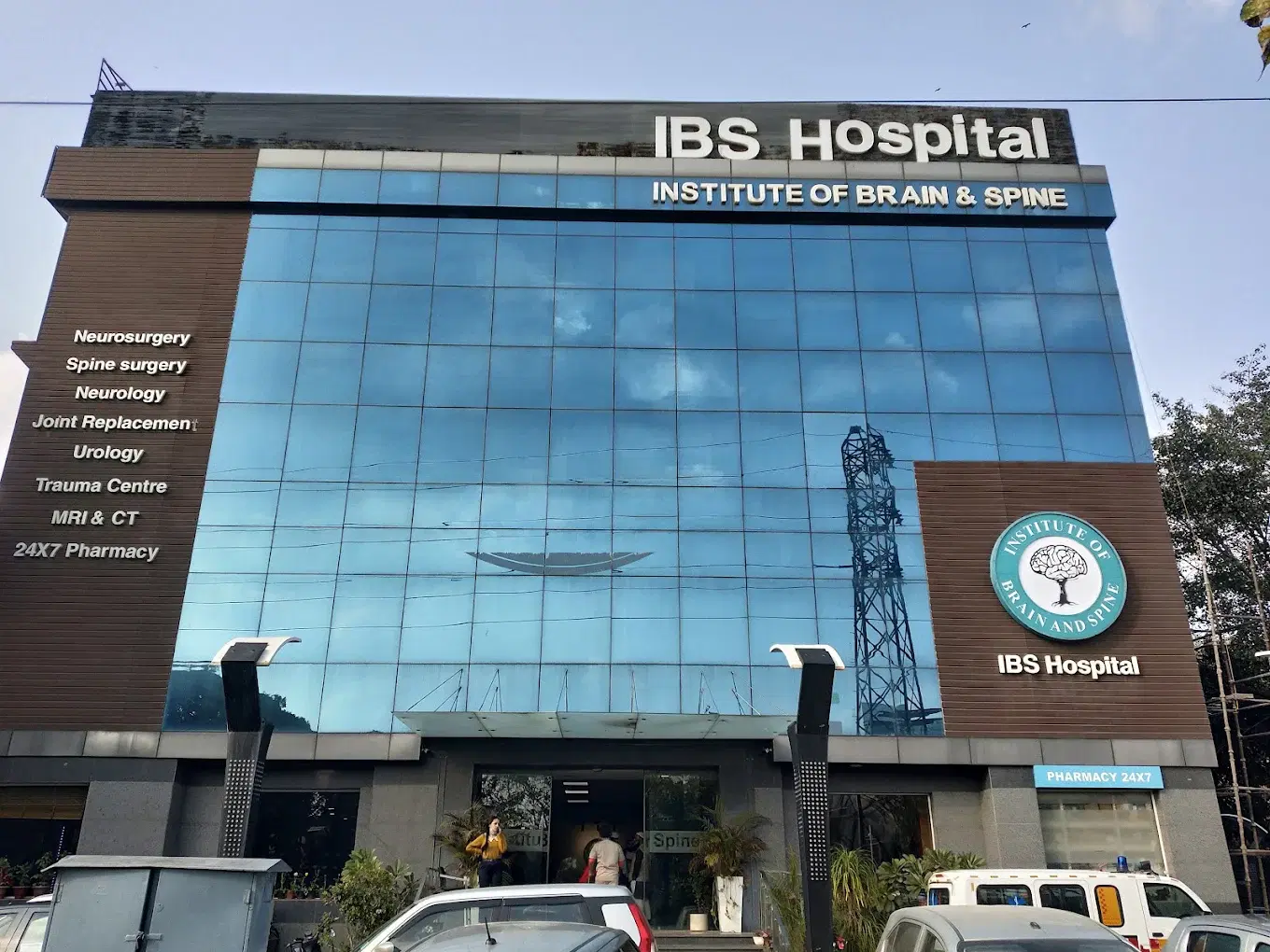
Institute of Brain and Spine (IBS Hospital)
Not Specified
Meet Our Medical Specialists




Sr. Consultant - Urology & Kidney Transplant Program (Unit I)
Dr. Abhinandan Mukhopadhyay
MBBS, MD
India

Sr. Consultant - Urology & Kidney Transplant Program (Unit I)
Dr. Abhinandan Mukhopadhyay
MBBS, MD
India
How DivinHeal Helps
We simplify your medical journey by providing comprehensive support and access to world-class healthcare.
Expert Specialist Matching
Connecting you with the world's top-rated medical experts.
Accredited Hospital Network
Access to JCI & NABH certified healthcare facilities.
Complete Travel Coordination
Hassle-free visa, stay, and local transport assistance.
24/7 Personal Care
Dedicated patient advisors supporting you at every step.
Journey Guidance
Full guidance from start to end of the patient treatment journey.
Expert Specialist Matching
Connecting you with the world's top-rated medical experts.
Everything you
need to know today
Browse through these common inquiries to better understand our patient-focused medical platform.
Yes, we work with a variety of insurance providers. Contact our team to verify your coverage.
Yes, we provide secure online consultations with experienced specialists.
Our care coordinators help match you with the most suitable specialist.
Absolutely. Your medical information is protected according to healthcare privacy standards.
Look at six things: accreditation (JCI or NABH), specialty depth, doctor credentials and experience, procedure-specific success rates, international patient support, and technology. DivinHeal's AI-driven matching evaluates every hospital in our accredited partner network on these dimensions and shortlists the best-fit options for your condition, budget, and country.
JCI (Joint Commission International) is the US-based global gold standard for hospital quality, recognised worldwide. NABH is India's national accreditation — accredited by ISQua, the same body that accredits JCI. Both signal independently verified safety and quality. Most of India's leading hospitals hold both.
Yes. All three welcome international patients through structured medical visa programs. India is the most established, treating patients from Africa, the Middle East, and South Asia at 60–80% lower cost. Thailand leads in cosmetic and dental care. The UAE is emerging in oncology and reproductive medicine.
Most patients save 50–80% on treatment costs. Heart bypass costs US $7,000–9,000 in India compared to $70,000–150,000 in the US. IVF costs $3,000–4,500 compared to $12,000–20,000 in the UK. Even after flights, visa, and accommodation, total savings remain 60–70%.
DivinHeal manages your entire non-medical journey: visa invitation letters, medical visa guidance, doctor appointments, teleconsultations, airport pickup, hospital-vetted accommodation for you and your attendant, language interpreters, local transport, cuisine preferences, and post-treatment follow-up — one dedicated coordinator from first enquiry to final follow-up.
You need a valid passport (6+ months validity), a medical visa (M-Visa for India — DivinHeal provides the hospital invitation letter), return flight tickets, recent medical reports and a doctor's referral, current prescription list, and proof of financial means. Any accompanying attendant needs their own passport and MX-Visa.
Still have more questions?
Book a call with our friendly team to learn how DivineHeal simplifies your healthcare journey.