
Urology Success Rate in Haryana
Access high-quality treatment through JCI & NABH-accredited hospitals, renowned specialists, and end-to-end medical travel support designed around your healing journey.
Plan My Journey
Tell us your condition and budget - our AI matches the right destination, hospital and doctor and visa pathway
Cost calculator
I know my treatment - show me cost from 3 hospitals
5K+ International Patients Treated
40+ Source Countries Served
500+ Accredited Partner Hospitals
98% Patient Satisfaction
80% Average Savings vs USA
10K+ Doctors
NABH, JCI Accredited Hospitals
Free Treatment Plan
Free Consultation with Doctor
5+ Destinations Covered

Written by DivinHeal Editorial Contributor, DivinHeal Medical Team, Healthcare Advisory Team Published on: February 19, 2026
About
Urology Success Rate in Haryana: Understanding Patient Outcomes
Patients seeking information on urological outcomes often prioritize data. Understanding these rates is vital for informed healthcare decisions. Success in urology varies significantly, influenced by the specific condition, chosen treatment method, and individual patient characteristics. Haryana, as a key medical hub, provides diverse urological care options for its residents.
Evaluating Urology survival rate in Haryana involves reviewing aggregated clinical data from various institutions. These outcome trends are assessed against established benchmarks and clinical protocols. It is crucial to acknowledge that results can differ based on the precise urological procedure, disease stage, and the patient's unique health profile, ensuring realistic expectations.
What "Success" Means in Urology Treatment
For urological conditions, "success" often signifies complete resolution of symptoms, significant improvement in organ function, or effective disease control. This can range from eliminating kidney stones to managing prostate conditions, restoring fertility, or achieving long-term remission for certain cancers. Outcomes are viewed across both short-term relief and sustained long-term recovery.
Understanding Urology Success Rates by Procedure
Success rates vary depending on treatment approach and patient factors.
| Treatment Type / Category | Typical Use Case | Success Rate Range (%) | What Success Indicates |
|---|---|---|---|
| Kidney Stone Removal (e.g., Ureteroscopy, PCNL) | Eliminating urinary tract stones and associated symptoms. | 85%–98% | Stone-free status, relief from pain, improved kidney function. |
| Prostatectomy (for Localized Prostate Cancer) | Surgical removal of the prostate gland to treat early-stage cancer. | 70%–95% | Cancer-free margins, biochemical recurrence-free survival, continence preservation. |
| Bladder Cancer Treatment (e.g., TURBT, Cystectomy) | Removal of bladder tumors and management of invasive cancer. | 60%–85% | Tumor eradication, effective disease control, preserved bladder function (where applicable). |
| Male Infertility Treatments (e.g., Varicocelectomy) | Addressing factors impacting male fertility and sperm quality. | 30%–60% | Improved sperm parameters, potential for natural conception or assisted reproduction. |
| Urinary Incontinence Surgery (e.g., Slings, Pelvic Floor Repair) | Restoring bladder control for various forms of incontinence. | 75%–90% | Significant reduction or elimination of leakage, enhanced quality of life. |
Examining Stage-Wise and Age-Wise Urology Survival in Haryana
| Age Group / Patient Category | Treatment Method / Condition Stage | Success Rate Range (%) |
|---|---|---|
| Younger Adults (<45 Years) | Early Stage Urological Conditions (e.g., minor tumors, kidney stones) | 90%–98% |
| Middle-Aged Adults (45-65 Years) | Localized Prostate Cancer, Bladder Tumors (Early-Moderate Stage) | 70%–90% |
| Older Adults (>65 Years) | Advanced Prostate Cancer, Complex Bladder Conditions (Moderate-Late Stage) | 50%–75% |
| Patients with Multiple Comorbidities | Any Urological Procedure (Increased Complexity) | Lower end of typical range, depending on condition |
Urology Outcomes in Haryana vs. Global Benchmarks
The Urology success rate in Haryana is often comparable with international standards. This holds true when similar evidence-based protocols, advanced technology, and rigorous patient selection criteria are consistently applied across healthcare institutions. Leading centers in Haryana frequently adopt global best practices to optimize patient outcomes and safety.
| Region / Country | Treatment Success Rate Range (%) |
|---|---|
| India (Haryana) | 65%–95% |
| USA | 70%–96% |
| United Kingdom | 68%–94% |
| Germany | 70%–95% |
| Singapore | 69%–94% |
| Thailand | 65%–92% |
| United Arab Emirates | 67%–93% |
These success rates are illustrative and not guaranteed. Actual outcomes depend on individual patient health, specific condition severity, and chosen treatment methods.
Factors Influencing Urology Outcomes
- Stage and severity of the urological condition at diagnosis.
- Patient's age, overall health status, and presence of co-existing medical conditions.
- Specific treatment method selected and its appropriate, timely application.
- Expertise, experience, and specialization of the surgical team and healthcare professionals.
- Patient adherence to pre-treatment preparation, post-treatment care, and follow-up protocols.
- Availability and utilization of advanced diagnostic tools and therapeutic technologies.
- Individual patient biological response to treatment and healing capabilities.
- Early detection and timely initiation of evidence-based treatment protocols.
Data Sources & Methodology for Urology Outcomes
- National and state-level health registries for urological diseases in India.
- World Health Organization (WHO) and International Agency for Research on Cancer (IARC) reports.
- Peer-reviewed medical journals, clinical research studies, and meta-analyses.
- Aggregated outcome data from multi-hospital networks and academic institutions.
- Leading centers such as AIIMS, Tata Memorial Centre, and major institutes follow evidence-based protocols.
Navigating Urology Care Decisions
Patients are encouraged to make confident and informed decisions regarding urological care. Understanding potential outcomes based on available data supports personalized treatment discussions with healthcare providers. This contributes positively to the overall Urology recovery rate in Haryana.
Hospitals
NABH & JCI Accredited Hospitals in India,Turkey, Thailand & UAE.
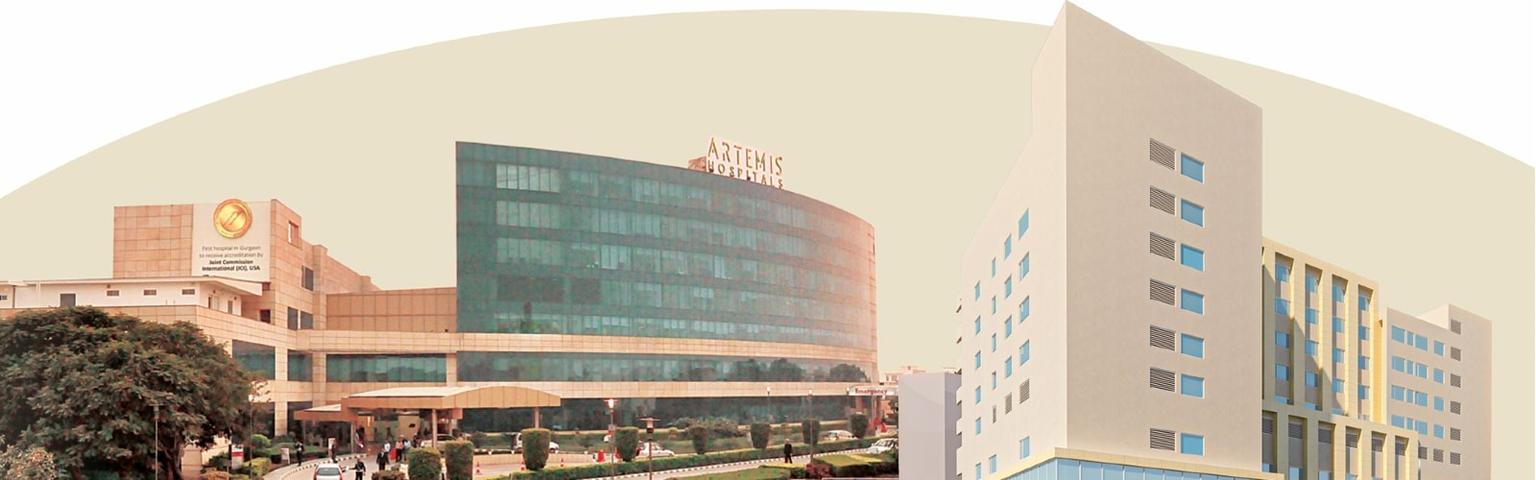
Artemis Hospital
Sector 51, Gurugram, Haryana, India
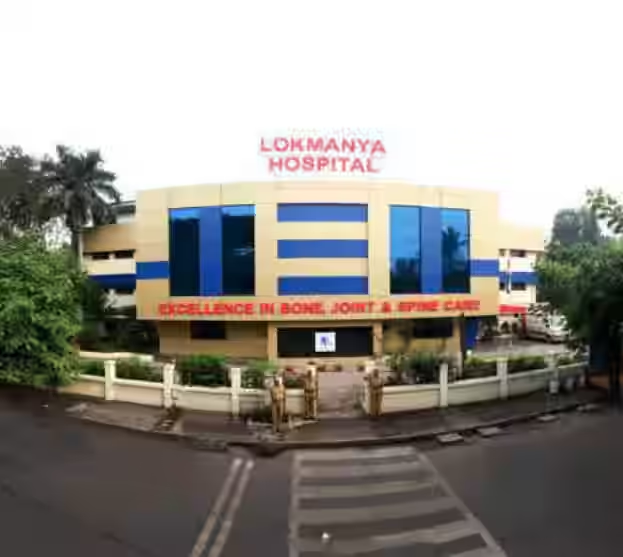
Lokmanya Hospitals
Not Specified

White Lotus Hospital
766, SFS 3145, SFS Road, 7th Sector, HSR Layout, Bengaluru, Karnataka 560102, India
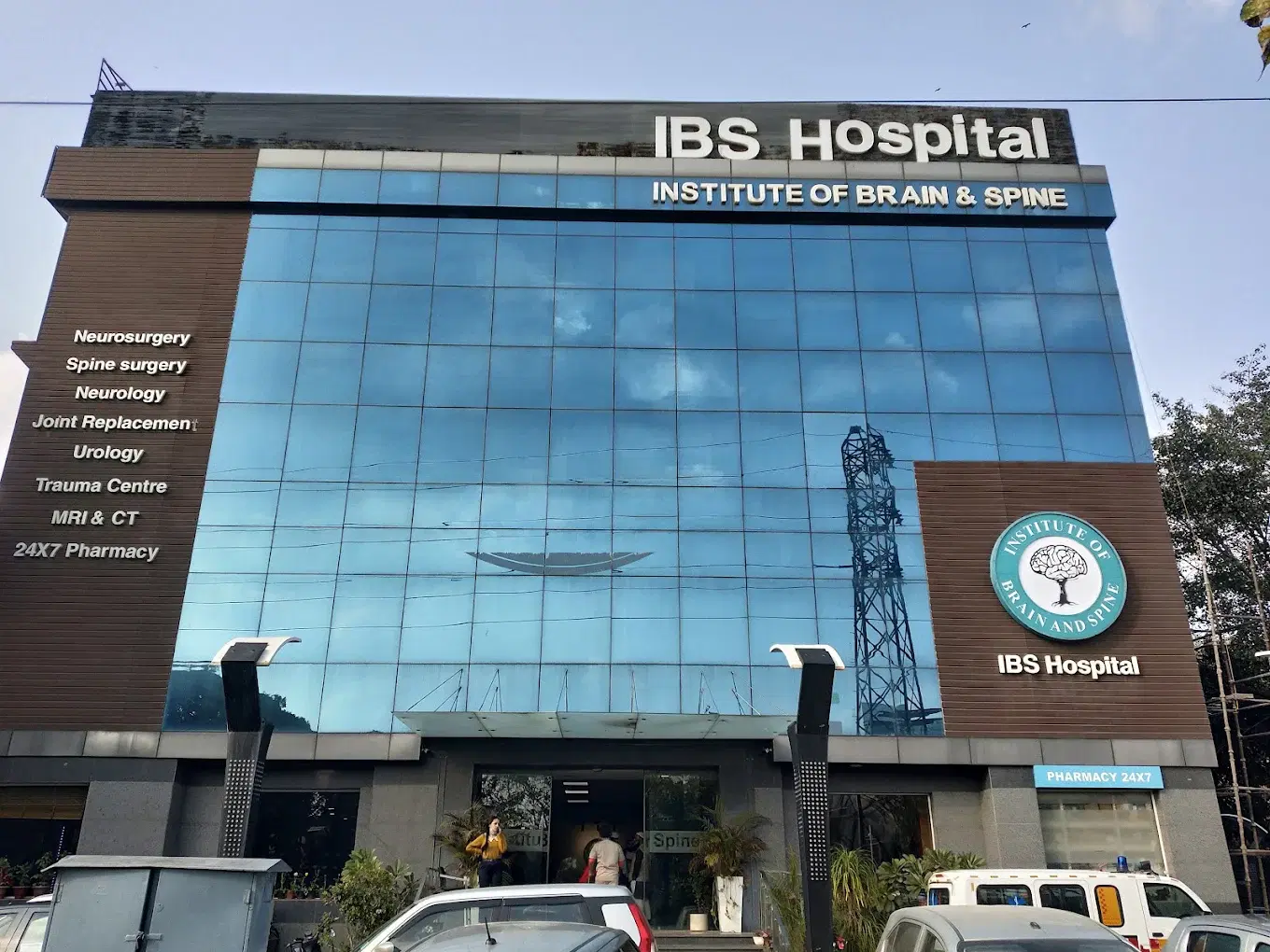
Institute of Brain and Spine (IBS Hospital)
Not Specified
Meet Our Medical Specialists




Sr. Consultant - Urology & Kidney Transplant Program (Unit I)
Dr. Abhinandan Mukhopadhyay
MBBS, MD
India

Sr. Consultant - Urology & Kidney Transplant Program (Unit I)
Dr. Abhinandan Mukhopadhyay
MBBS, MD
India
How DivinHeal Helps
We simplify your medical journey by providing comprehensive support and access to world-class healthcare.
Expert Specialist Matching
Connecting you with the world's top-rated medical experts.
Accredited Hospital Network
Access to JCI & NABH certified healthcare facilities.
Complete Travel Coordination
Hassle-free visa, stay, and local transport assistance.
24/7 Personal Care
Dedicated patient advisors supporting you at every step.
Journey Guidance
Full guidance from start to end of the patient treatment journey.
Expert Specialist Matching
Connecting you with the world's top-rated medical experts.
Everything you
need to know today
Browse through these common inquiries to better understand our patient-focused medical platform.
Yes, we work with a variety of insurance providers. Contact our team to verify your coverage.
Yes, we provide secure online consultations with experienced specialists.
Our care coordinators help match you with the most suitable specialist.
Absolutely. Your medical information is protected according to healthcare privacy standards.
Look at six things: accreditation (JCI or NABH), specialty depth, doctor credentials and experience, procedure-specific success rates, international patient support, and technology. DivinHeal's AI-driven matching evaluates every hospital in our accredited partner network on these dimensions and shortlists the best-fit options for your condition, budget, and country.
JCI (Joint Commission International) is the US-based global gold standard for hospital quality, recognised worldwide. NABH is India's national accreditation — accredited by ISQua, the same body that accredits JCI. Both signal independently verified safety and quality. Most of India's leading hospitals hold both.
Yes. All three welcome international patients through structured medical visa programs. India is the most established, treating patients from Africa, the Middle East, and South Asia at 60–80% lower cost. Thailand leads in cosmetic and dental care. The UAE is emerging in oncology and reproductive medicine.
Most patients save 50–80% on treatment costs. Heart bypass costs US $7,000–9,000 in India compared to $70,000–150,000 in the US. IVF costs $3,000–4,500 compared to $12,000–20,000 in the UK. Even after flights, visa, and accommodation, total savings remain 60–70%.
DivinHeal manages your entire non-medical journey: visa invitation letters, medical visa guidance, doctor appointments, teleconsultations, airport pickup, hospital-vetted accommodation for you and your attendant, language interpreters, local transport, cuisine preferences, and post-treatment follow-up — one dedicated coordinator from first enquiry to final follow-up.
You need a valid passport (6+ months validity), a medical visa (M-Visa for India — DivinHeal provides the hospital invitation letter), return flight tickets, recent medical reports and a doctor's referral, current prescription list, and proof of financial means. Any accompanying attendant needs their own passport and MX-Visa.
Still have more questions?
Book a call with our friendly team to learn how DivineHeal simplifies your healthcare journey.