
Dental Implants Treatment in Gurugram for Ethiopia
Need Personalized Advice?
Our medical experts are ready to answer your questions and guide you through your treatment options.
About
Dental Implants in Gurugram for Patients from Ethiopia
Considering dental implants often brings questions about quality, cost, and access to advanced care, especially for patients in Ethiopia. Many seek solutions beyond their borders to find effective, long-lasting answers for missing teeth. This journey can feel uncertain, filled with logistical and medical considerations.
Patients exploring options for dental implants frequently look to Gurugram because of its established reputation in medical tourism. The city provides a comprehensive care environment, bringing together highly skilled dental specialists, modern clinics, and supportive patient services, all designed to streamline the treatment process for international visitors.
Gurugram's dental hospitals and clinics are recognized for their commitment to international standards and patient safety. They house experienced implantologists and oral surgeons who focus on precision and successful outcomes. Patients from Ethiopia can expect well-coordinated care, from initial consultation to post-treatment follow-ups within the city.
Could Gurugram be the right destination for your dental implant needs?
What Are Dental Implants?
Dental implants are advanced restorative solutions for replacing missing teeth. They consist of a small, screw-shaped post, typically made of titanium, which is surgically placed into the jawbone beneath the gum line. This implant acts as a sturdy root for a prosthetic tooth, such as a crown, bridge, or denture. Over time, the implant fuses with the bone, creating a strong and stable foundation that feels and functions much like a natural tooth. They restore chewing ability, improve speech, and enhance facial aesthetics, preventing bone loss that often occurs after tooth extraction.
Exploring Different Dental Implant Options
Endosteal Implants: These are the most common type of dental implant. They are surgically placed directly into the jawbone and typically resemble small screws, cylinders, or blades. Each implant holds one or more prosthetic teeth.
Subperiosteal Implants: Positioned on top of the jawbone but under the gum tissue, these implants feature a metal framework that protrudes through the gum to hold the prosthesis. They are often chosen for patients who cannot wear conventional dentures and have minimal bone height.
Mini Dental Implants (MDIs): MDIs are narrower than traditional implants and are often used for stabilizing lower dentures or for temporary use. Their smaller size can make them suitable for areas with limited bone or for less invasive procedures.
All-on-4 Dental Implants: This technique involves placing a full arch of prosthetic teeth using only four implants per jaw. It is a popular solution for patients needing to replace an entire set of teeth, offering a fixed, non-removable alternative to dentures.
Implant-Supported Bridges and Dentures: Instead of replacing each missing tooth with an individual implant, implants can be used to support multi-tooth bridges or full dentures, providing enhanced stability and comfort compared to traditional removable prosthetics.
When Do You Need Dental Implants?
- Missing a single tooth or multiple teeth due to decay, injury, or gum disease.
- Experiencing discomfort or instability with removable dentures or bridges.
- Desiring to improve chewing efficiency and restore the ability to eat various foods.
- Wishing to enhance facial appearance and confidence by filling gaps in your smile.
- Looking to prevent further bone loss in the jaw, which commonly occurs after tooth extraction.
- Seeking a long-term, durable solution for tooth replacement.
How Are You Evaluated for Dental Implants?
- Comprehensive Dental Examination: A thorough review of your oral health, including gums, existing teeth, and bite.
- Detailed Medical History Review: Assessment of any underlying health conditions, medications, and lifestyle factors that could impact treatment.
- Diagnostic Imaging: X-rays, OPG (orthopantomogram), and 3D Cone Beam Computed Tomography (CBCT) scans to evaluate jawbone density, nerve locations, and sinus positions.
- Bone Density Assessment: Determining if there is sufficient bone volume and quality to support the implant, possibly requiring bone grafting.
- Treatment Planning: Customizing a plan that includes the type of implant, number of implants, and prosthetic design tailored to your needs.
What Happens During a Dental Implant Procedure?
The dental implant procedure is typically performed in stages, tailored to your specific needs and the chosen implant type.
Initial Assessment and Planning: This stage involves detailed imaging and models to create a precise surgical guide for implant placement. Your oral surgeon will discuss the entire process with you, addressing any concerns.
Implant Placement: During this surgical step, the titanium implant post is carefully placed into the jawbone. This is usually done under local anesthesia. A healing cap or temporary crown might be placed, or the gum tissue may be closed over the implant.
Osseointegration (Healing Period): Over several months, the implant naturally fuses with the surrounding jawbone in a process called osseointegration. This creates a strong and stable foundation. The duration varies per individual.
Abutment Placement: Once osseointegration is complete, a small connector, called an abutment, is attached to the implant. This piece will eventually hold your new crown or prosthetic tooth. Sometimes, the abutment is placed at the same time as the implant.
Crown/Prosthesis Attachment: After the gum tissue around the abutment has healed, your custom-made crown, bridge, or denture is securely attached. This final restoration is designed to match your natural teeth in color, shape, and size.
What Does Dental Implant Recovery Involve?
The initial recovery after implant placement typically involves minor discomfort, swelling, and bruising, which can be managed with prescribed pain medication. It is crucial to follow post-operative instructions, including maintaining good oral hygiene, avoiding hard or sticky foods, and refraining from smoking. The healing period, or osseointegration, can take several months, during which the implant integrates with the bone. Regular follow-up appointments with your Gurugram specialist are essential to monitor the healing process and ensure the long-term success of your implant. You will receive guidance on diet, oral care, and any necessary activity restrictions to support optimal healing.
Understanding Dental Implant Risks and Success Rates
- Infection at the implant site, which can be managed with antibiotics.
- Nerve damage, causing pain, numbness, or tingling in surrounding areas.
- Sinus issues, if implants in the upper jaw protrude into the sinus cavity.
- Implant failure, where the implant does not properly fuse with the bone, although rare.
- Damage to adjacent teeth or blood vessels during the surgical procedure.
Dental implants boast a remarkably high success rate, often exceeding 95% over 10 years when performed by experienced professionals. The success of dental implants depends on several factors, including the patient's overall health, oral hygiene practices, the skill of the dental surgeon, and the quality of the bone. With proper care and regular check-ups, dental implants can last a lifetime, providing a durable and functional solution for tooth replacement. Long-term outcomes are generally excellent, with most patients experiencing significant improvements in their oral health and quality of life.
What Is the Cost of Dental Implants in Gurugram?
The cost of dental implants in Gurugram varies based on several factors. These include the specific type of implant chosen, the number of implants required, the reputation and experience of the implantologist, the facilities of the dental clinic or hospital, and whether additional procedures like bone grafting or sinus lifts are necessary. The materials used for the crown and any pre-operative diagnostics also influence the final expense.
For a single dental implant, the typical cost range in Gurugram can be approximately INR 25,000 to INR 65,000. This range generally includes the implant post and abutment, but the final crown will be an additional cost depending on the material.
Comparing Dental Implant Costs: Gurugram vs. Global
Gurugram offers a significant cost advantage for dental implants compared to many Western and African nations, without compromising on quality.
| Location | Estimated Cost (USD) for a Single Implant |
|---|---|
| Gurugram, India | $300 - $800 |
| United States | $3,000 - $6,000 |
| United Kingdom | $2,500 - $4,500 |
| Canada | $2,800 - $5,500 |
| Australia | $3,500 - $6,500 |
| Germany | $2,000 - $4,000 |
| UAE | $1,500 - $3,000 |
Begin Your Journey to a Complete Smile
Connect with top dental specialists in Gurugram to discuss your implant needs and get a personalized cost estimate.
Comprehensive Support for Your Visit to Gurugram
- Visa and Travel Assistance: Guidance through the visa application process and travel arrangements to Gurugram.
- Accommodation Services: Help in finding suitable lodging options, from hotels to guesthouses, near your treatment facility.
- Local Transportation: Arranging airport transfers and local transport for your medical appointments.
- Language Support: Access to interpreters to ensure clear communication with your medical team.
- Appointment Coordination: Scheduling all your consultations, procedures, and follow-up visits efficiently.
- Post-Treatment Care Planning: Assisting with arrangements for your recovery period and any necessary follow-up care upon returning home.
Key Documents Needed for Your Dental Journey
- Valid passport and Indian medical visa.
- Copies of all relevant dental records and medical history, including X-rays or CT scans.
- Any referral letters from your local dentist or doctor.
- Proof of funds or travel insurance for your medical trip.
- A list of all current medications and allergies.
Preparing for Your Dental Implant Procedure
- Undergo a thorough dental cleaning and address any existing oral infections before implant surgery.
- Discuss all your medical conditions and current medications with your Gurugram specialist.
- Follow specific dietary guidelines provided by your doctor in the days leading up to the procedure.
- Arrange for comfortable accommodation and local transport for your stay in Gurugram.
- Ensure all necessary travel and medical documents are in order before your departure.
Aftercare Guidelines for Successful Recovery
- Strictly adhere to all oral hygiene instructions provided by your dental team in Gurugram.
- Manage pain and swelling with prescribed medications and cold compresses.
- Consume soft foods and liquids during the initial healing phase to avoid stress on the implant site.
- Avoid smoking and alcohol, as these can impede the healing process.
- Attend all scheduled follow-up appointments to monitor healing and implant integration.
- Contact your clinic immediately if you experience excessive pain, swelling, or signs of infection.
Ready to Rediscover Your Smile?
Gurugram offers a pathway to renewed oral health and confidence through advanced dental implant solutions.
Connect with Gurugram's Top Dental Clinics
Reach out today for a consultation and take the first step towards a lasting, beautiful smile.
Hospitals Offering this treatment
India offers premium medical procedures at affordable prices. Discover our most popular treatments, delivered by the country's finest doctors.
Meet Our Doctors
Meet our team of highly qualified and experienced medical professionals dedicated to providing the best healthcare services.
Dr. Anjana Satyajit
Head - Dentistry
Dentistry
New Delhi
20+ Years
Experience
Artemis Hospital
Hospital
1500
Fees
Dr Aditi Dixit
Sr. Consultant – Women Imaging
Radiology
New Delhi
15+ Years
Experience
Artemis Hospital
Hospital
1500
Fees

Dr Chandrima Misra M
Co-Head Psychological Services
Mental Health and Behavioural Sciences
New Delhi
15+ Years
Experience
Artemis Hospital
Hospital
1500
Fees

Dr. Nutan Agarwal
Head of Department - Gynae Endocrinology & DNB Program Director - Obs & Gynae
Gynaecological Endocrinology, Maternity, Obstetrics & Gynaecology
New Delhi
35+ Years
Experience
Artemis Hospital
Hospital
1500
Fees
Dr. Poonam Gautam
Senior Consultant - ENT
ENT and Head & Neck Surgery
New Delhi
24+ Years
Experience
Artemis Hospital
Hospital
1500
Fees
Dr. Priyanka Raina
Consultant (Head & Neck Surgery) - Surgical Oncology
Head and Neck Surgical Oncology
New Delhi
10+ Years
Experience
Artemis Hospital
Hospital
1500
Fees
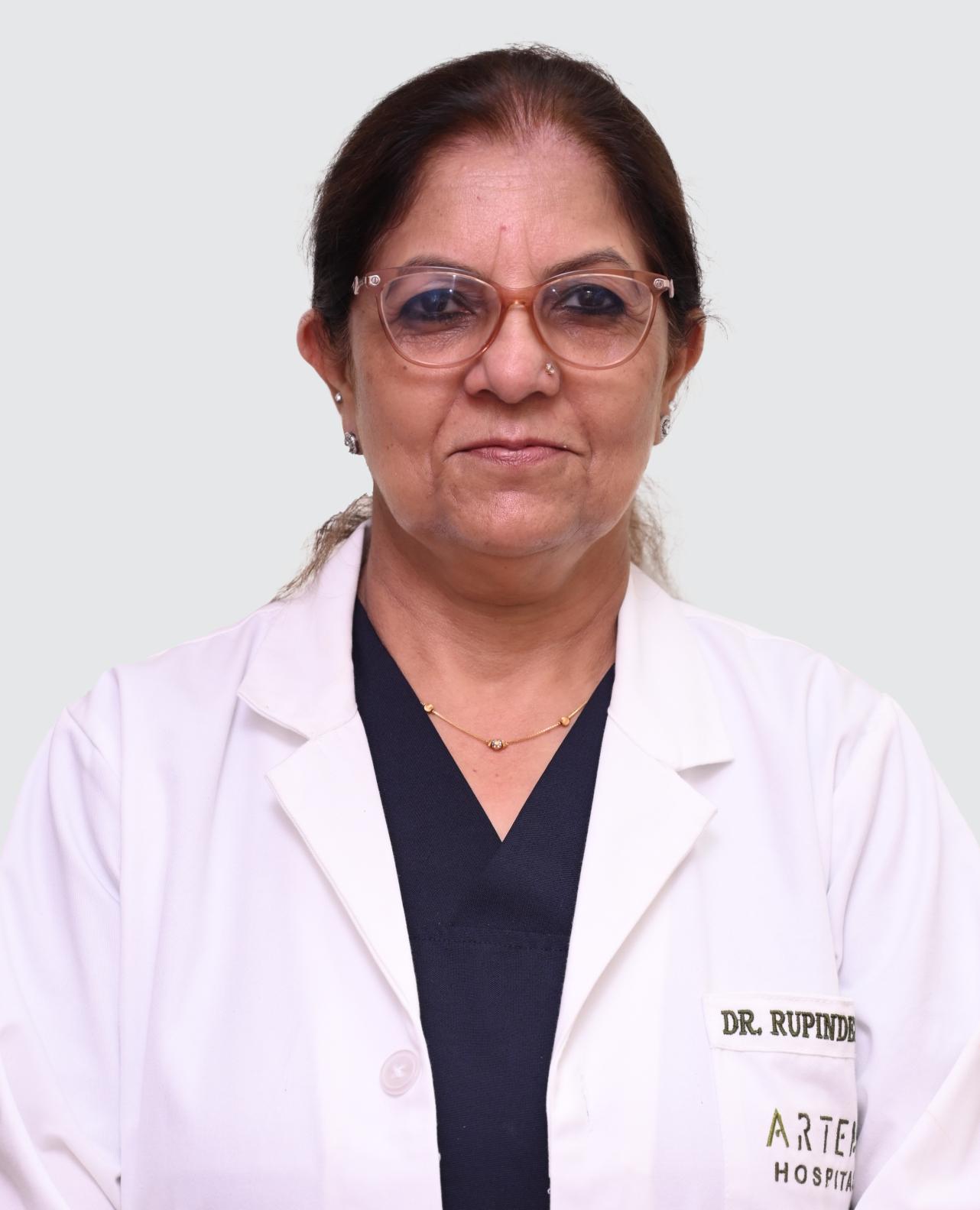
Dr. Rupinder Sekhon
Chairperson - Gynae Oncology
Gynaecological Oncology
New Delhi
16+ Years
Experience
Artemis Hospital
Hospital
1500
Fees
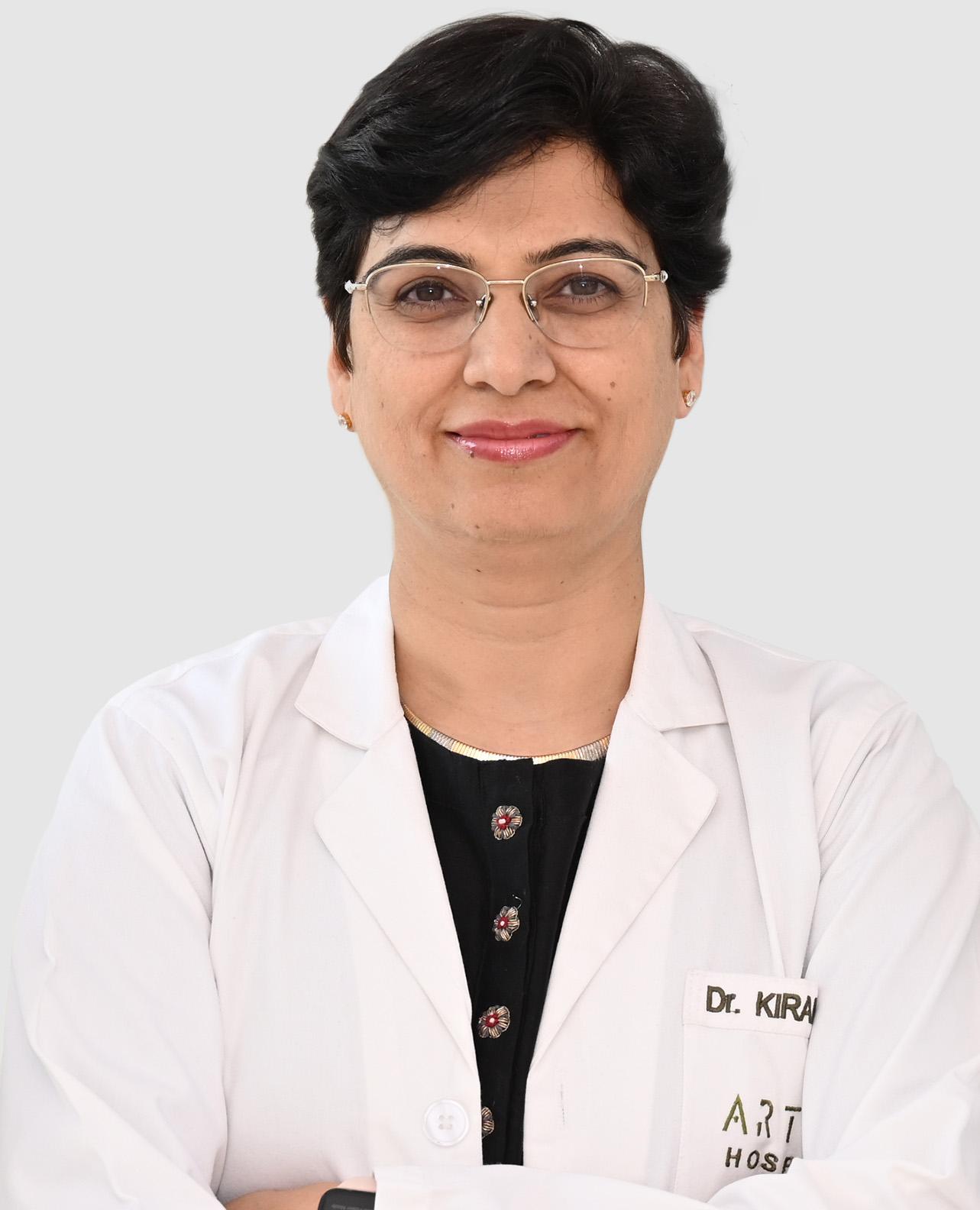
Dr. Kiran Arora
Unit Head - Reproductive Medicine (Unit II)
IVF, Reproductive Medicine, Obstetrics & Gynecology
New Delhi
20+ Years
Experience
Artemis Hospital
Hospital
1500
Fees
Nidhi Jain
Sr. Consultant - Obs & Gynae
Maternity, Obstetrics & Gynaecology
New Delhi
15+ Years
Experience
Artemis Hospital
Hospital
1500
Fees

Dr. Nidhi Rajotia
Unit Head - Obs & Gynae
Maternity, Obstetrics & Gynaecology
New Delhi
19+ Years
Experience
Artemis Hospital
Hospital
1500
Fees
Related Links
Recent Blogs
Other Treatment related Information
Ready To Start Your Healing Journey?
Get Personalized Medical Treatment Options From India's Top Hospitals. Our Medical Experts Are Ready To Assist You Every Step Of The Way.