
Egg Freezing (Oocyte Cryopreservation) Treatment in Chennai for Iraq
Need Personalized Advice?
Our medical experts are ready to answer your questions and guide you through your treatment options.
About
Egg Freezing in Chennai for Iraqi Patients | Cost, Care
For many women in Iraq, planning for the future includes thoughtful decisions about family. The possibility of preserving fertility, especially egg freezing, often brings questions about quality of care, safety, and the overall journey. Concerns about finding reliable, advanced medical support outside one's home country are natural and valid.
As a leading destination for medical tourism, Chennai offers a compelling option for those seeking specialized fertility treatments. Patients from various regions, including Iraq, are increasingly choosing this vibrant city for its modern healthcare infrastructure and a patient-centric approach that ensures coordinated care from arrival to recovery.
Chennai's hospitals are recognized for their expertise in reproductive medicine, housing experienced fertility specialists and state-of-the-art laboratories. The city provides a trusted environment where international patients can access advanced procedures like egg freezing with confidence, ensuring comprehensive care and ease of follow-up within its dedicated medical facilities.
Is Chennai the right choice for your egg freezing journey?
What is Egg Freezing (Oocyte Cryopreservation)?
Egg freezing, medically known as oocyte cryopreservation, is a process where a woman's eggs (oocytes) are retrieved from her ovaries, frozen, and stored for future use. This procedure offers women the opportunity to preserve their fertility, allowing them to delay childbearing for various personal, medical, or professional reasons. When ready to conceive, the eggs can be thawed, fertilized with sperm in a laboratory, and the resulting embryos transferred to the uterus. It provides significant control over reproductive timing.
Different Approaches to Egg Freezing
While the core procedure of egg freezing remains consistent, its application varies based on individual needs and circumstances:
- Elective Egg Freezing: This is for women who wish to postpone childbearing to pursue educational, career, or personal goals, or simply have not yet found a suitable partner. It's a proactive step to safeguard future fertility.
- Medical Egg Freezing: Recommended for women facing medical treatments that may impair their fertility, such as chemotherapy or radiation for cancer, or those undergoing surgery that might affect reproductive organs. It can also be an option for certain genetic conditions.
- Donor Egg Freezing: In some cases, women may choose to freeze eggs donated by another woman for future use, particularly if they are unable to produce viable eggs themselves.
- Fertility Preservation for Conditions: For women diagnosed with conditions like endometriosis, premature ovarian insufficiency, or certain autoimmune diseases, egg freezing can be a crucial strategy to preserve fertility before the condition further impacts ovarian reserve.
When is Egg Freezing Recommended?
- Age related fertility decline concerns
- Diagnosis of cancer requiring chemotherapy or radiation
- Risk of premature ovarian insufficiency
- Family history of early menopause
- Upcoming pelvic surgery affecting ovaries
- Ethical or religious reasons delaying family planning
- Lack of a partner and desire to preserve future options
- Pursuit of advanced education or career goals
Pre-Treatment Evaluation for Egg Freezing
- Comprehensive medical history review and physical examination
- Blood tests to assess ovarian reserve (AMH, FSH, E2)
- Infectious disease screening (HIV, Hepatitis B and C)
- Transvaginal ultrasound to check ovarian health and count follicles
- Genetic screening as deemed necessary by the specialist
- Counseling session to discuss the procedure and expectations
How the Egg Freezing Procedure is Performed
The egg freezing procedure is a multi-step process, tailored to each woman's unique biological response and medical profile.
Ovarian Stimulation
This phase involves daily injections of fertility medications for about 10-14 days. These medications stimulate the ovaries to produce multiple eggs, rather than the single egg typically released in a natural cycle. Throughout this period, the patient undergoes regular blood tests and transvaginal ultrasounds to monitor follicle growth and hormone levels.
Egg Retrieval
Once the eggs are mature, a minor surgical procedure called transvaginal oocyte retrieval is performed. This is typically done under light sedation. A thin needle is guided through the vaginal wall, using ultrasound imaging, to aspirate fluid from the follicles and retrieve the eggs. The procedure usually takes about 20-30 minutes, and patients can return home the same day.
Cryopreservation
Immediately after retrieval, the collected eggs are evaluated by embryologists. Mature, healthy eggs are then rapidly frozen using a technique called vitrification. Vitrification is an ultra-rapid freezing method that prevents ice crystal formation, which can damage cells. The frozen eggs are then stored in specialized liquid nitrogen tanks at extremely low temperatures for long-term preservation.
Recovery Process After Egg Retrieval
Following egg retrieval, most women experience mild discomfort, such as cramping, bloating, or light spotting, similar to period symptoms. These symptoms typically resolve within a few days. Rest is advised for the first 24 hours. Patients should avoid strenuous activities, heavy lifting, and sexual intercourse for about a week. A follow-up appointment is usually scheduled within a week to ensure proper recovery and discuss the number of eggs successfully frozen. Full recovery for normal activities is generally swift.
Potential Risks and Success Rates of Egg Freezing
- Ovarian Hyperstimulation Syndrome (OHSS), a temporary reaction to fertility drugs
- Minor bleeding or infection at the retrieval site
- Damage to nearby organs, though very rare
- Emotional stress or anxiety throughout the process
- Failure of some eggs to survive the freezing and thawing process
The success rate of egg freezing, meaning the likelihood of a live birth from thawed eggs, varies significantly. Key factors include the woman's age at the time of freezing and the number of eggs retrieved and stored. Generally, younger women (under 35) have higher success rates per egg. While there are no guarantees, freezing more eggs increases the overall chances. Success also depends on the quality of the lab performing the vitrification and subsequent fertilization and embryo transfer.
Cost of Egg Freezing in Chennai
The cost of egg freezing in Chennai is a significant advantage for international patients, offering advanced care at a fraction of Western prices. Factors influencing the total cost include the specific fertility clinic chosen, the specialist's fees, the type and dosage of fertility medications required, and the duration of egg storage.
In Chennai, the average cost for one cycle of egg freezing generally ranges from INR 1,20,000 to INR 2,00,000. This estimate typically covers the consultation, ovarian stimulation, egg retrieval, and initial freezing and storage.
Chennai Egg Freezing Cost Comparison
Patients from abroad find Chennai offers exceptional value without compromising on quality or technology. The comparative costs below highlight why Chennai is a preferred destination for fertility preservation.
| Location | Estimated Cost (USD) per Cycle |
|---|---|
| Chennai, India | $1,500 - $2,500 |
| USA | $8,000 - $15,000 |
| UK | $5,000 - $8,000 |
| Australia | $7,000 - $10,000 |
| UAE | $4,000 - $7,000 |
Considering egg freezing? Reach out to Chennai's top fertility specialists to understand your options and get a personalized cost estimate.
Comprehensive Support for Your Fertility Journey
- Personalized treatment plans tailored to individual needs
- Assistance with travel logistics, including visa and accommodation
- Dedicated patient coordinator for seamless communication
- Interpretation services for various languages, including Arabic
- Post-procedure follow-up and long-term care guidance
- Access to psychological counseling for emotional support
Essential Papers for Your Medical Travel
- Valid passport and medical visa for India
- Copies of all relevant medical reports and previous test results
- Doctor's referral letter, if available
- Proof of address in Iraq and India (for visa purposes)
- Financial documents to cover treatment costs
Preparing for Your Egg Freezing Procedure
- Complete all recommended pre-treatment evaluations in advance
- Discuss any current medications or supplements with your doctor
- Maintain a healthy lifestyle, including a balanced diet and moderate exercise
- Avoid smoking and alcohol consumption prior to treatment
- Arrange for comfortable and suitable accommodation in Chennai
- Understand the full treatment schedule and expected duration of stay
Aftercare Instructions for Optimal Recovery
- Follow all medication instructions provided by your fertility specialist
- Attend all scheduled follow-up appointments
- Rest adequately and avoid strenuous activities for at least one week
- Stay hydrated and consume a light, easily digestible diet
- Monitor for any unusual symptoms and report them to your clinic
- Plan for a comfortable return journey and continued communication with your Chennai doctor
Ready to explore egg freezing in Chennai? Connect with our expert team to begin your personalized consultation.
Taking Control of Your Future Fertility
Choosing egg freezing is a powerful step towards securing your reproductive future. In Chennai, you will find a supportive and advanced medical environment ready to guide you through every stage with expertise and care.
Hospitals Offering this treatment
India offers premium medical procedures at affordable prices. Discover our most popular treatments, delivered by the country's finest doctors.
Meet Our Doctors
Meet our team of highly qualified and experienced medical professionals dedicated to providing the best healthcare services.

Dr Aditi Dixit
Sr. Consultant – Women Imaging
Radiology
New Delhi
15+ Years
Experience
Artemis Hospital
Hospital
1500
Fees

Dr. Parul Prakash
Head - Reproductive Medicine (IVF)
IVF, Reproductive Medicine, Obstetrics and Gynaecology
New Delhi
20+ Years
Experience
Artemis Hospital
Hospital
1500
Fees

Dr. Poonam Gautam
Senior Consultant - ENT
ENT and Head & Neck Surgery
New Delhi
24+ Years
Experience
Artemis Hospital
Hospital
1500
Fees
Dr. Priyanka Raina
Consultant (Head & Neck Surgery) - Surgical Oncology
Head and Neck Surgical Oncology
New Delhi
10+ Years
Experience
Artemis Hospital
Hospital
1500
Fees
Dr. Rupinder Sekhon
Chairperson - Gynae Oncology
Gynaecological Oncology
New Delhi
16+ Years
Experience
Artemis Hospital
Hospital
1500
Fees
Dr. Kiran Arora
Unit Head - Reproductive Medicine (Unit II)
IVF, Reproductive Medicine, Obstetrics & Gynecology
New Delhi
20+ Years
Experience
Artemis Hospital
Hospital
1500
Fees
Nidhi Jain
Sr. Consultant - Obs & Gynae
Maternity, Obstetrics & Gynaecology
New Delhi
15+ Years
Experience
Artemis Hospital
Hospital
1500
Fees

Dr. Nidhi Rajotia
Unit Head - Obs & Gynae
Maternity, Obstetrics & Gynaecology
New Delhi
19+ Years
Experience
Artemis Hospital
Hospital
1500
Fees

Dr. Reshma Tewari
Director
Obstetrics and Gynaecology
New Delhi
19+ Years
Experience
Artemis Hospital
Hospital
1500
Fees
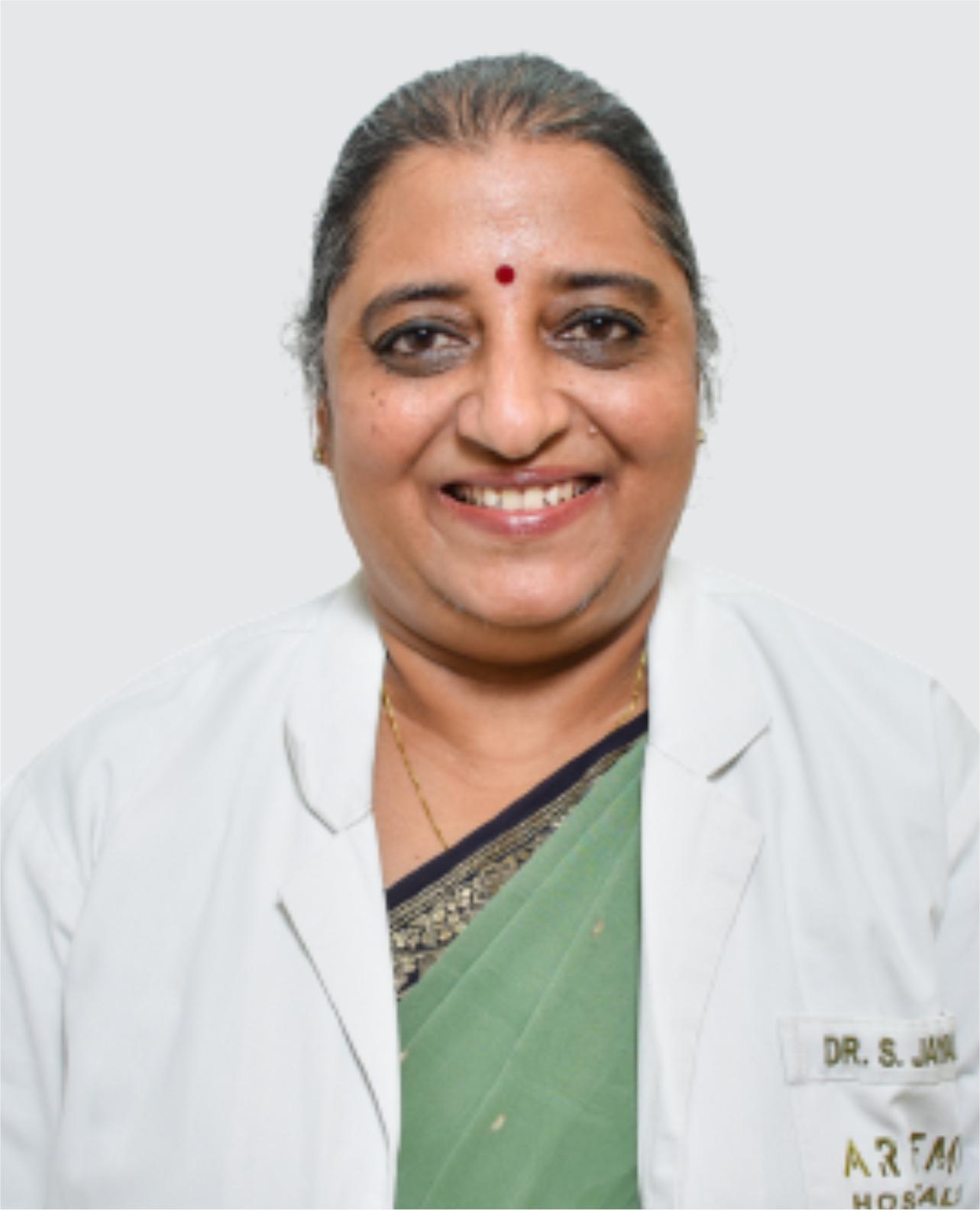
Dr.S Jayalakshmi
Head - Radiation Oncology & CyberKnife Centre (Unit II)
Oncology
New Delhi
23+ Years
Experience
Artemis Hospital
Hospital
1500
Fees
Related Links
Recent Blogs
Other Treatment related Information
- Egg Freezing (Oocyte Cryopreservation) cost in India
- Egg Freezing (Oocyte Cryopreservation) cost in Bengaluru
- Egg Freezing (Oocyte Cryopreservation) cost in Mumbai
- Egg Freezing (Oocyte Cryopreservation) cost in Pune
- Egg Freezing (Oocyte Cryopreservation) cost in New Delhi
- Egg Freezing (Oocyte Cryopreservation) cost in Chennai
- Egg Freezing (Oocyte Cryopreservation) cost in Hyderabad
- Egg Freezing (Oocyte Cryopreservation) cost in Haryana
- Egg Freezing (Oocyte Cryopreservation) Success Rate in Haryana
- Egg Freezing (Oocyte Cryopreservation) Success Rate in Pune
- Egg Freezing (Oocyte Cryopreservation) Success Rate in New Delhi
- Egg Freezing (Oocyte Cryopreservation) Success Rate in Mumbai
- Egg Freezing (Oocyte Cryopreservation) Success Rate in Hyderabad
- Egg Freezing (Oocyte Cryopreservation) Success Rate in India
- Egg Freezing (Oocyte Cryopreservation) Success Rate in Bengaluru
- Egg Freezing (Oocyte Cryopreservation) Success Rate in Chennai
- Best Egg Freezing (Oocyte Cryopreservation) Doctors in New Delhi
Ready To Start Your Healing Journey?
Get Personalized Medical Treatment Options From India's Top Hospitals. Our Medical Experts Are Ready To Assist You Every Step Of The Way.