
Egg Freezing (Oocyte Cryopreservation) Treatment in Chennai for Nigeria
Need Personalized Advice?
Our medical experts are ready to answer your questions and guide you through your treatment options.
About
Egg Freezing in Chennai for Patients from Nigeria | Cost & Care
Considering egg freezing is a significant decision, especially when looking beyond your home country. For many Nigerian women, the thought of preserving fertility involves careful research into quality, accessibility, and financial aspects. You might be weighing your options, seeking a balance between advanced medical care and a supportive environment.
Patients often explore medical destinations outside their home country for specialized procedures due to various factors. Chennai has emerged as a preferred choice, known for its consistent healthcare standards and an integrated approach to international patient care. The city's medical infrastructure is designed to provide comprehensive services.
Trust in Chennai's medical facilities stems from its network of JCI and NABH accredited hospitals, housing experienced fertility specialists. These professionals are adept at managing complex cases, ensuring that each patient receives personalized attention from initial consultation through the entire preservation process.
Is Chennai the right place to begin your fertility preservation journey?
What is Egg Freezing (Oocyte Cryopreservation)?
Egg freezing, medically known as oocyte cryopreservation, is a process where a woman's eggs (oocytes) are retrieved from her ovaries, frozen, and stored for future use. This technique allows women to preserve their fertility for various personal or medical reasons. The frozen eggs can then be thawed, fertilized with sperm in a laboratory, and implanted into the uterus when the woman is ready to attempt pregnancy. This offers a valuable option for family planning, providing flexibility and peace of mind regarding future reproductive choices.
Approaches to Egg Freezing Procedures
While the core process of egg freezing remains consistent, there are different approaches based on individual needs and clinical situations:
- Elective Egg Freezing: This is for women who wish to delay pregnancy for personal, professional, or social reasons. It offers a proactive way to safeguard fertility against age-related decline.
- Medical Egg Freezing: Recommended for women facing medical treatments that may impair their fertility, such as chemotherapy or radiation therapy for cancer, or those undergoing certain surgical procedures.
- Donor Egg Freezing: Involves freezing eggs from a donor for use by recipients who cannot produce their own viable eggs.
- Emergency Egg Freezing: A more rapid protocol for patients who need immediate fertility preservation due to an urgent medical diagnosis or treatment plan.
When Is Egg Freezing Required?
- To preserve fertility before cancer treatments like chemotherapy or radiation.
- If you have a genetic condition or family history of early menopause.
- To allow for greater flexibility in career or educational pursuits before starting a family.
- If you are not ready for motherhood but wish to prevent age-related decline in egg quality.
- For women undergoing surgery that might affect ovarian function.
- If you are concerned about declining fertility due to advancing age.
Pre-Treatment Evaluation for Egg Freezing
- Detailed medical history review and physical examination.
- Blood tests to assess ovarian reserve (AMH, FSH, Estradiol).
- Infectious disease screening (HIV, Hepatitis B and C, Syphilis).
- Transvaginal ultrasound to check ovarian health and count antral follicles.
- Genetic screening, if indicated by personal or family history.
- Consultation with a fertility specialist to discuss treatment plan and expectations.
How the Egg Freezing Procedure Is Performed
The egg freezing procedure is a carefully managed process with several distinct stages, tailored to each patient's physiological response.
Ovarian Stimulation
The process begins with ovarian stimulation, where you receive hormone injections for approximately 10-14 days. These medications encourage multiple follicles in your ovaries to mature, rather than just the single egg released in a natural cycle. Regular ultrasound scans and blood tests monitor follicle growth and hormone levels.
Egg Retrieval
Once the follicles reach an optimal size, a trigger shot is administered to induce final egg maturation. Approximately 34-36 hours later, the egg retrieval procedure is performed. This is a minor surgical procedure done under light sedation. A thin, ultrasound-guided needle is passed through the vaginal wall into the ovaries to gently aspirate fluid from the follicles, collecting the eggs.
Cryopreservation
After retrieval, the mature eggs are immediately taken to the embryology lab. Here, they undergo a rapid freezing process called vitrification. This technique involves quickly cooling the eggs to very low temperatures, preventing ice crystal formation that could damage the cells. The vitrified eggs are then stored in liquid nitrogen tanks until you are ready to use them.
Recovery Process After Egg Freezing
Following egg retrieval, most women experience mild discomfort such as bloating, cramping, or light spotting for a day or two. It is generally recommended to rest on the day of the procedure and avoid strenuous activities for about a week. You will receive specific instructions regarding medication, activity levels, and signs to watch for. A follow-up consultation typically happens a few days later to ensure proper healing and address any concerns. Full recovery is usually quick, allowing you to resume normal activities shortly.
Potential Risks and Success Rates of Egg Freezing
- Mild discomfort, bloating, or cramping after egg retrieval.
- Risk of Ovarian Hyperstimulation Syndrome (OHSS), usually mild.
- Bleeding or infection, though rare, associated with egg retrieval.
- Emotional stress from the hormone treatment and procedure.
- Not all retrieved eggs may survive the freezing and thawing process.
- The quality of eggs may not guarantee a successful pregnancy in the future.
The success rates of egg freezing are influenced by several factors, primarily the age of the woman at the time of freezing and the number of eggs stored. Generally, younger women (under 35) tend to have higher success rates as their eggs are of better quality. While there are no guarantees, advancements in cryopreservation techniques have significantly improved the viability of frozen eggs. It is important to have a realistic understanding of potential outcomes based on individual circumstances and the advice of your fertility specialist.
Ready to Discuss Your Fertility Preservation Options?
Connect with a leading fertility specialist in Chennai today. We are here to guide you through every step.
Cost of Egg Freezing in Chennai
The cost of egg freezing in Chennai is typically more affordable compared to many Western countries, without compromising on the quality of care or technology. The overall expense can vary based on several factors, including the specific clinic, the chosen medication protocol, and any additional diagnostic tests required.
In Chennai, the estimated cost for one cycle of egg freezing generally ranges from INR 100,000 to INR 150,000. This often includes the consultation, ovarian stimulation medications, egg retrieval, and the initial cryopreservation and storage fees.
Chennai Egg Freezing Cost vs. Other Global Destinations
Comparing the cost of egg freezing across different countries highlights Chennai as a highly cost-effective option for international patients seeking quality care.
| Location | Estimated Cost (USD) |
|---|---|
| Chennai, India | $1,200 - $1,800 |
| United States | $8,000 - $15,000 |
| United Kingdom | $4,000 - $8,000 |
| Australia | $5,000 - $9,000 |
| Thailand | $4,000 - $7,000 |
Assistance Available for International Patients
- Dedicated patient coordinators to assist with all travel and treatment logistics.
- Visa assistance and invitation letters for medical travel to India.
- Airport transfers and local transportation arrangements.
- Accommodation options from budget-friendly hotels to serviced apartments.
- Language interpretation services to ensure clear communication.
- Guidance on local culture and amenities for a comfortable stay.
Important Papers Required for Your Medical Visit
- Valid passport and medical visa for India.
- Copies of all relevant medical reports and previous test results.
- Referral letter from your local doctor, if applicable.
- Proof of address in your home country.
- Passport-sized photographs for various formalities.
- Any existing insurance documentation, although medical tourism is often self-paid.
Steps to Get Ready for Egg Freezing Treatment
- Complete all necessary diagnostic tests as advised by your Chennai specialist.
- Ensure you have a detailed understanding of the treatment protocol.
- Discuss any current medications or supplements with your doctor.
- Follow dietary and lifestyle recommendations given by the clinic.
- Arrange for a companion if you prefer, especially for the egg retrieval day.
- Confirm all travel arrangements and accommodation well in advance.
Recovery and Follow-Up Care Instructions
- Adhere strictly to post-retrieval medication instructions.
- Avoid heavy lifting and strenuous exercise for at least one week.
- Monitor for any unusual symptoms and report them to your clinic promptly.
- Attend scheduled follow-up appointments in Chennai or virtually if you return home.
- Maintain open communication with your fertility specialist regarding your recovery.
- Plan for ongoing storage fees for your frozen eggs, typically annual.
Secure Your Future Today with Expert Fertility Preservation
Reach out to our patient support team to begin planning your egg freezing journey in Chennai.
Begin Your Path to Fertility Confidence
Taking the step to preserve your fertility is a powerful choice. Chennai’s advanced medical facilities and compassionate specialists are ready to support you.
Hospitals Offering this treatment
India offers premium medical procedures at affordable prices. Discover our most popular treatments, delivered by the country's finest doctors.
Meet Our Doctors
Meet our team of highly qualified and experienced medical professionals dedicated to providing the best healthcare services.

Dr. Ajit Singh Baghela
Consultant
Paediatric Neurology
Haryana
9+ Years
Experience
Artemis Hospital
Hospital
1500
Fees
Dr Aditi Dixit
Sr. Consultant – Women Imaging
Radiology
New Delhi
15+ Years
Experience
Artemis Hospital
Hospital
1500
Fees
Dr. Parul Prakash
Head - Reproductive Medicine (IVF)
IVF, Reproductive Medicine, Obstetrics and Gynaecology
New Delhi
20+ Years
Experience
Artemis Hospital
Hospital
1500
Fees

Dr. Poonam Gautam
Senior Consultant - ENT
ENT and Head & Neck Surgery
New Delhi
24+ Years
Experience
Artemis Hospital
Hospital
1500
Fees
Dr. Priyanka Raina
Consultant (Head & Neck Surgery) - Surgical Oncology
Head and Neck Surgical Oncology
New Delhi
10+ Years
Experience
Artemis Hospital
Hospital
1500
Fees
Dr. Rupinder Sekhon
Chairperson - Gynae Oncology
Gynaecological Oncology
New Delhi
16+ Years
Experience
Artemis Hospital
Hospital
1500
Fees
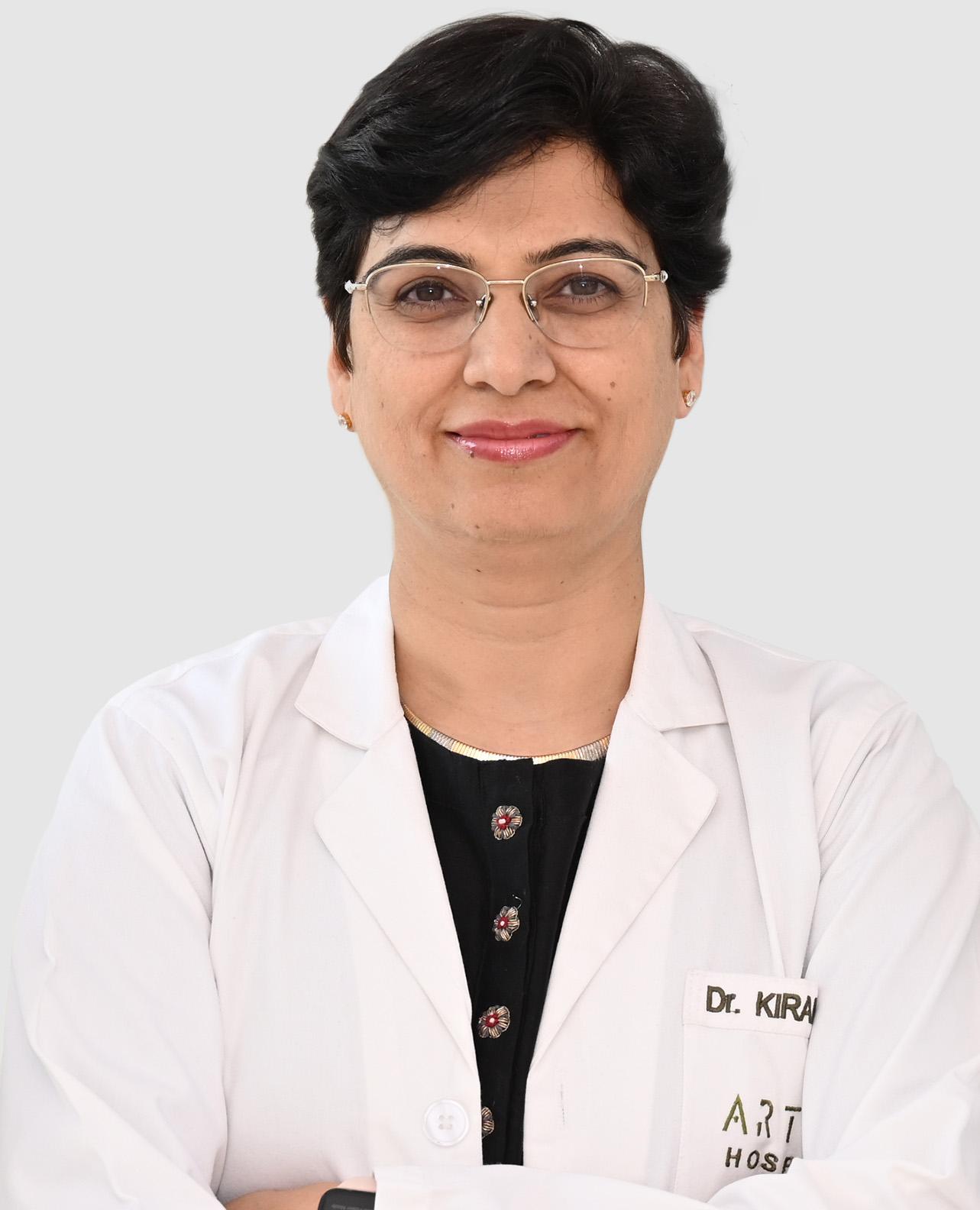
Dr. Kiran Arora
Unit Head - Reproductive Medicine (Unit II)
IVF, Reproductive Medicine, Obstetrics & Gynecology
New Delhi
20+ Years
Experience
Artemis Hospital
Hospital
1500
Fees
Nidhi Jain
Sr. Consultant - Obs & Gynae
Maternity, Obstetrics & Gynaecology
New Delhi
15+ Years
Experience
Artemis Hospital
Hospital
1500
Fees

Dr. Nidhi Rajotia
Unit Head - Obs & Gynae
Maternity, Obstetrics & Gynaecology
New Delhi
19+ Years
Experience
Artemis Hospital
Hospital
1500
Fees

Dr. Reshma Tewari
Director
Obstetrics and Gynaecology
New Delhi
19+ Years
Experience
Artemis Hospital
Hospital
1500
Fees
Related Links
Recent Blogs
Other Treatment related Information
- Egg Freezing (Oocyte Cryopreservation) cost in India
- Egg Freezing (Oocyte Cryopreservation) cost in Bengaluru
- Egg Freezing (Oocyte Cryopreservation) cost in Mumbai
- Egg Freezing (Oocyte Cryopreservation) cost in Pune
- Egg Freezing (Oocyte Cryopreservation) cost in New Delhi
- Egg Freezing (Oocyte Cryopreservation) cost in Chennai
- Egg Freezing (Oocyte Cryopreservation) cost in Hyderabad
- Egg Freezing (Oocyte Cryopreservation) cost in Haryana
- Egg Freezing (Oocyte Cryopreservation) Success Rate in Haryana
- Egg Freezing (Oocyte Cryopreservation) Success Rate in Pune
- Egg Freezing (Oocyte Cryopreservation) Success Rate in New Delhi
- Egg Freezing (Oocyte Cryopreservation) Success Rate in Mumbai
- Egg Freezing (Oocyte Cryopreservation) Success Rate in Hyderabad
- Egg Freezing (Oocyte Cryopreservation) Success Rate in India
- Egg Freezing (Oocyte Cryopreservation) Success Rate in Bengaluru
- Egg Freezing (Oocyte Cryopreservation) Success Rate in Chennai
- Best Egg Freezing (Oocyte Cryopreservation) Doctors in New Delhi
Ready To Start Your Healing Journey?
Get Personalized Medical Treatment Options From India's Top Hospitals. Our Medical Experts Are Ready To Assist You Every Step Of The Way.