
heart failure surgery Treatment in India for Nigeria
व्यक्तिगत सलाह की आवश्यकता है?
हमारे चिकित्सा विशेषज्ञ आपके प्रश्नों का उत्तर देने और आपके उपचार विकल्पों के माध्यम से आपका मार्गदर्शन करने के लिए तैयार हैं।
हमारे चिकित्सा विशेषज्ञ आपके प्रश्नों का उत्तर देने और आपके उपचार विकल्पों के माध्यम से आपका मार्गदर्शन करने के लिए तैयार हैं।
Facing heart failure can bring significant worry and uncertainty for patients in Nigeria. The thought of needing complex surgery, along with concerns about advanced medical care and affordability, often raises many questions.
Many patients and families consider options beyond their home country. India stands out as a leading destination, offering specialized heart care across various major cities, providing access to cutting-edge treatments and experienced medical teams.
India’s nationwide medical infrastructure has earned global trust, with hospitals equipped with modern technology and highly skilled cardiac surgeons. Patients benefit from a well-coordinated system focused on comprehensive care.
India provides advanced solutions for complex cardiac conditions.
Heart failure surgery refers to various procedures designed to improve heart function when medication and lifestyle changes are no longer sufficient. These interventions aim to restore blood flow, repair damaged structures, or assist the heart in pumping blood more effectively, thereby enhancing a patient’s quality of life and longevity.
Coronary Artery Bypass Grafting (CABG): Creates new routes for blood to flow around blocked or narrowed arteries, improving oxygen supply to the heart muscle.
Heart Valve Repair or Replacement: Addresses faulty heart valves that do not open or close properly, ensuring efficient blood flow through the heart.
Left Ventricular Assist Device (LVAD) Implantation: A mechanical pump surgically implanted to help the heart pump blood to the rest of the body, often used as a bridge to transplant or as a long-term therapy.
Heart Transplant: Replaces a severely diseased heart with a healthy donor heart, typically for end-stage heart failure when other treatments are no longer effective.
Aneurysmectomy: Surgical removal of a weakened, bulging section of the heart wall to improve its pumping efficiency and prevent rupture.
The specific heart failure surgery depends on the underlying cause and the patient’s overall health. Each procedure involves careful planning and execution by a specialized cardiac team.
During CABG, surgeons create bypasses using healthy blood vessels from another part of the body, such as the leg or chest. These grafts reroute blood around blocked arteries to restore proper blood flow to the heart muscle. This procedure can be performed as open-heart surgery or minimally invasively.
For valve issues, the surgeon may either repair the damaged valve by reshaping leaflets, separating fused ones, or implanting a ring to support it. If repair is not possible, the faulty valve is replaced with a mechanical or biological prosthetic valve. This typically involves open-heart surgery.
An LVAD is a battery-operated mechanical pump implanted in the chest. It connects to the heart’s left ventricle and the aorta, helping to circulate blood throughout the body. The procedure requires open-heart surgery, and external components connect to the device.
Recovery from heart failure surgery varies widely depending on the procedure and individual patient factors. It typically involves an initial stay in intensive care, followed by several days in a hospital ward. Patients will receive pain management, wound care, and begin light physical activity. A cardiac rehabilitation program is crucial for strengthening the heart and improving stamina. Full recovery can take several weeks to months, with ongoing follow-up appointments and medication management essential for long-term health.
The success rates for heart failure surgery are generally high, especially for procedures like CABG and valve repair, which can significantly improve symptoms and life expectancy. Outcomes for LVAD implantation and heart transplantation are also improving, offering renewed hope for patients with advanced heart failure. Individual results depend on the patient’s overall health, the severity of heart disease, and adherence to post-operative care and rehabilitation.
Considering heart failure surgery in India? Connect with our expert team to understand your treatment options and get a personalized plan.
Enquire Now for a Free Consultation
The cost of heart failure surgery in India is considerably more affordable compared to Western countries, without compromising on quality or technology. Several factors influence the final cost, including the type of surgery performed, the specific hospital chosen, the surgeon's experience, the duration of hospital stay, and any required post-operative rehabilitation.
Generally, the cost of heart failure surgery in India can range from INR 4,00,000 to INR 25,00,000 or more, depending on the complexity of the procedure and individual patient needs.
| City | Estimated Cost (INR) |
| Delhi | 5,50,000 - 22,00,000 |
| Mumbai | 6,00,000 - 25,00,000 |
| Chennai | 5,00,000 - 20,00,000 |
| Bengaluru | 5,80,000 - 23,00,000 |
| Hyderabad | 5,20,000 - 21,00,000 |
| Kolkata | 4,80,000 - 19,00,000 |
| Ahmedabad | 4,50,000 - 18,00,000 |
| Country | Estimated Cost (USD) |
| India | $5,000 - $30,000 |
| USA | $80,000 - $200,000+ |
| UK | $60,000 - $150,000+ |
| Singapore | $40,000 - $90,000 |
| Thailand | $25,000 - $60,000 |
Ready to explore advanced heart failure treatment in India? Our team is here to guide you through every step, ensuring a smooth and supportive experience.
Reach Out for Expert Medical Guidance
Choosing heart failure surgery is a significant decision. India offers world-class medical expertise and comprehensive care to support patients from Nigeria throughout their healing journey.
India offers premium medical procedures at affordable prices. Discover our most popular treatments, delivered by the country's finest doctors.
Meet our team of highly qualified and experienced medical professionals dedicated to providing the best healthcare services.

Consultant
Paediatric Neurology
Haryana
9+ Years
Experience
Artemis Hospital
Hospital
1500
Fees
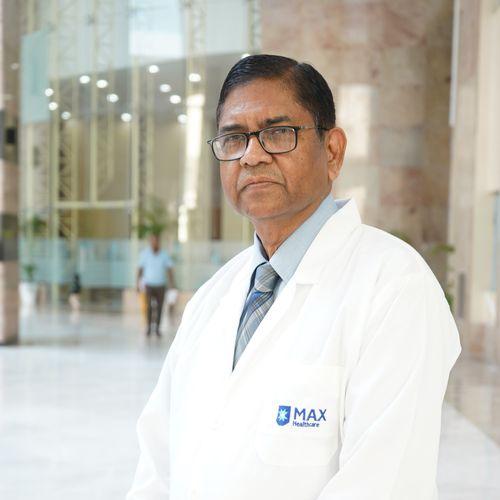
Chairman - Cardiology
Cardiology
New Delhi
41+ Years
Experience
Max Hospital,Gurgaon
Hospital
1500
Fees
भारत के शीर्ष अस्पतालों से व्यक्तिगत चिकित्सा उपचार विकल्प प्राप्त करें। हमारे चिकित्सा विशेषज्ञ हर कदम पर आपकी सहायता करने के लिए तैयार हैं।