
Heart Transplant Treatment in Gurugram for Iraq
Need Personalized Advice?
Our medical experts are ready to answer your questions and guide you through your treatment options.
About
Heart Transplant in Gurugram for Iraq Patients | Cost, Hospitals
Facing the need for a heart transplant can bring significant worry, especially for patients from Iraq seeking advanced care abroad. The complexities of finding the right specialized facility, understanding the procedure, and managing the overall journey are common concerns that arise.
Many international patients, including those from Iraq, turn to Gurugram for highly specialized medical procedures like heart transplants. The city has developed a strong reputation for its world-class hospitals and dedicated cardiac surgical teams, making it a preferred destination for complex treatments.
Trust in Gurugram's healthcare ecosystem is built upon its accredited hospitals and highly experienced cardiologists and cardiac surgeons. These facilities are designed to provide comprehensive care, from initial consultation to post-operative recovery, ensuring a well-coordinated and continuous treatment pathway within the city.
Is Gurugram the right choice for your heart transplant journey?
What is a Heart Transplant?
A heart transplant is a life-saving surgical procedure that replaces a diseased or failing heart with a healthy donor heart. This complex operation is typically reserved for individuals with end-stage heart failure who have not responded to other medical treatments. The goal is to improve the patient's quality of life and extend their lifespan by providing a functional heart capable of pumping blood efficiently throughout the body. It involves careful selection of both the recipient and the donor, followed by a meticulous surgical process and extensive post-operative care.
Types of Heart Transplant Procedures
The primary type of heart transplant is an orthotopic transplant, where the recipient's diseased heart is removed and replaced with the donor heart. Variations and related procedures include:
- Orthotopic Transplantation: The most common method, involving the removal of the recipient’s entire heart and replacing it with the donor organ.
- Heterotopic Transplantation (Piggyback Transplant): A rarer procedure where the donor heart is connected to the recipient's diseased heart, allowing both hearts to function together.
- Combined Heart-Lung Transplant: For patients suffering from severe heart and lung failure, both organs are replaced simultaneously.
- Mechanical Circulatory Support Devices: Often used as a bridge to transplant, devices like Ventricular Assist Devices (VADs) can support heart function while awaiting a donor heart.
- Re-transplantation: In some cases, a second heart transplant may be necessary if the first transplanted heart fails.
When is a Heart Transplant Required?
- End-stage heart failure that does not improve with other treatments.
- Severe coronary artery disease causing irreversible heart muscle damage.
- Cardiomyopathy, where the heart muscle becomes enlarged, thick, or rigid.
- Severe congenital heart defects not amenable to repair.
- Life-threatening arrhythmias unresponsive to other interventions.
- Valvular heart disease leading to severe heart failure.
- Pulmonary hypertension that has significantly damaged the heart.
Pre-Treatment Evaluation for Heart Transplant
- Comprehensive cardiac assessment including echocardiogram, ECG, and cardiac catheterization.
- Lung function tests and chest X-rays to assess respiratory health.
- Kidney and liver function tests, along with blood chemistry panels.
- Infectious disease screening to rule out active infections.
- Tissue typing and cross-matching to ensure compatibility with a donor heart.
- Psychological evaluation and social support assessment.
- Detailed medical history review and physical examination.
How the Heart Transplant is Performed
The heart transplant procedure is a highly intricate surgery performed by a specialized cardiac surgical team. The exact steps may vary slightly based on the patient’s condition and the specific surgical approach.
Before the Surgery
Once a suitable donor heart becomes available and compatibility is confirmed, the patient is prepared for surgery. This involves a final medical check, administration of necessary medications, and explaining the procedure again to the patient and family.
During the Surgery
The patient is placed under general anesthesia. An incision is made in the chest, and the patient is connected to a heart-lung bypass machine, which temporarily takes over the functions of the heart and lungs. The diseased heart is then carefully removed, leaving the atria (upper chambers) or parts of them intact. The new donor heart is then meticulously sutured into place, connecting the major blood vessels. Once connected, the new heart is allowed to warm, and the surgical team monitors for signs of it beginning to beat. The patient is then weaned off the bypass machine, and the chest incision is closed.
Immediately After Surgery
Patients are moved to the Intensive Care Unit (ICU) for close monitoring. Immunosuppressant medications are started immediately to prevent the body from rejecting the new heart. Support systems, including ventilators and IV lines, are gradually removed as the patient stabilizes.
Recovery Process After a Heart Transplant
Recovery after a heart transplant is a long-term process involving several stages. Initially, patients spend time in the ICU, followed by a stay in a regular hospital ward. Healing time for the sternum takes several weeks, with restrictions on lifting and strenuous activity. A critical aspect of recovery is lifelong adherence to immunosuppressant medication to prevent rejection. Regular follow-up appointments, blood tests, and biopsies are essential to monitor the new heart's function and detect any signs of rejection early. Cardiac rehabilitation, including supervised exercise and lifestyle counseling, plays a vital role in regaining strength and adapting to a new way of living.
Risks and Success Rates of Heart Transplants
- Organ rejection, where the body’s immune system attacks the new heart.
- Infection due to immunosuppressant medications.
- Primary graft dysfunction, where the new heart fails to function adequately immediately after transplant.
- Complications from surgery such as bleeding, blood clots, or stroke.
- Development of coronary artery disease in the transplanted heart (cardiac allograft vasculopathy).
- Side effects from long-term immunosuppressant therapy, including kidney problems or increased cancer risk.
Heart transplant success rates have significantly improved over the years due to advancements in surgical techniques and post-operative care. While outcomes can vary based on individual patient health, age, and adherence to medical regimens, the one-year survival rate typically ranges from 85% to 90%, and the five-year survival rate is generally around 70% to 75%. Long-term expectations include a significantly improved quality of life and increased longevity for most recipients, though consistent medical follow-up is crucial for sustained health.
Cost of Heart Transplant in Gurugram
The cost of a heart transplant in Gurugram is influenced by several factors. These include the hospital's infrastructure and technology, the experience of the cardiac surgeon and medical team, the duration of hospital stay (especially in the ICU), pre-operative evaluations, post-operative medications (particularly immunosuppressants), and any potential complications that may arise.
A heart transplant in Gurugram typically ranges from INR 25,00,000 to INR 45,00,000.
Gurugram Heart Transplant Cost Compared to Other Countries
Gurugram offers a highly competitive option for heart transplants when compared to costs in many Western nations, providing significant savings without compromising on advanced medical care.
| Location | Estimated Cost (USD) |
|---|---|
| Gurugram, India | $30,000 - $55,000 |
| United States | $1,000,000 - $1,500,000 |
| United Kingdom | $150,000 - $250,000 |
| Singapore | $120,000 - $180,000 |
| Turkey | $60,000 - $90,000 |
Comprehensive Support for Your Medical Journey
- Assistance with visa applications and travel arrangements for patients from Iraq.
- Coordination of airport transfers and local transportation within Gurugram.
- Dedicated patient care managers to guide you through every step.
- Arrangement of comfortable accommodation options for patients and accompanying family members.
- Translation services to ensure clear communication with medical staff.
- Facilitation of follow-up appointments and post-treatment care planning.
Required Medical Documents for Your Visit
- Current medical reports, including diagnostic scans and lab results.
- A detailed medical history from your primary care physician.
- Passport copies and valid medical visa for all travelers.
- Any previous consultation notes related to your cardiac condition.
- A list of all current medications, including dosages.
Steps to Prepare Before Your Arrival
- Consult with your local doctor regarding travel fitness and necessary vaccinations.
- Organize all required medical documents and personal identification.
- Arrange for accommodation in Gurugram that meets your recovery needs.
- Discuss travel insurance options covering medical emergencies.
- Pack essential personal items and comfortable clothing for your hospital stay.
Aftercare Guidance for Your Recovery
- Strict adherence to prescribed immunosuppressant and other medications.
- Regular monitoring of vital signs and symptoms, as instructed by your doctor.
- Participation in a structured cardiac rehabilitation program.
- Maintaining a healthy lifestyle with a balanced diet and regular, gentle exercise.
- Avoiding crowded places and contact with sick individuals to prevent infection.
- Scheduled follow-up appointments with your cardiac team in Gurugram.
Ready to Explore Your Treatment Options?
Begin your path to a healthier heart. Our team is here to support you in navigating the journey toward a successful heart transplant in Gurugram.
Hospitals Offering this treatment
India offers premium medical procedures at affordable prices. Discover our most popular treatments, delivered by the country's finest doctors.
Meet Our Doctors
Meet our team of highly qualified and experienced medical professionals dedicated to providing the best healthcare services.
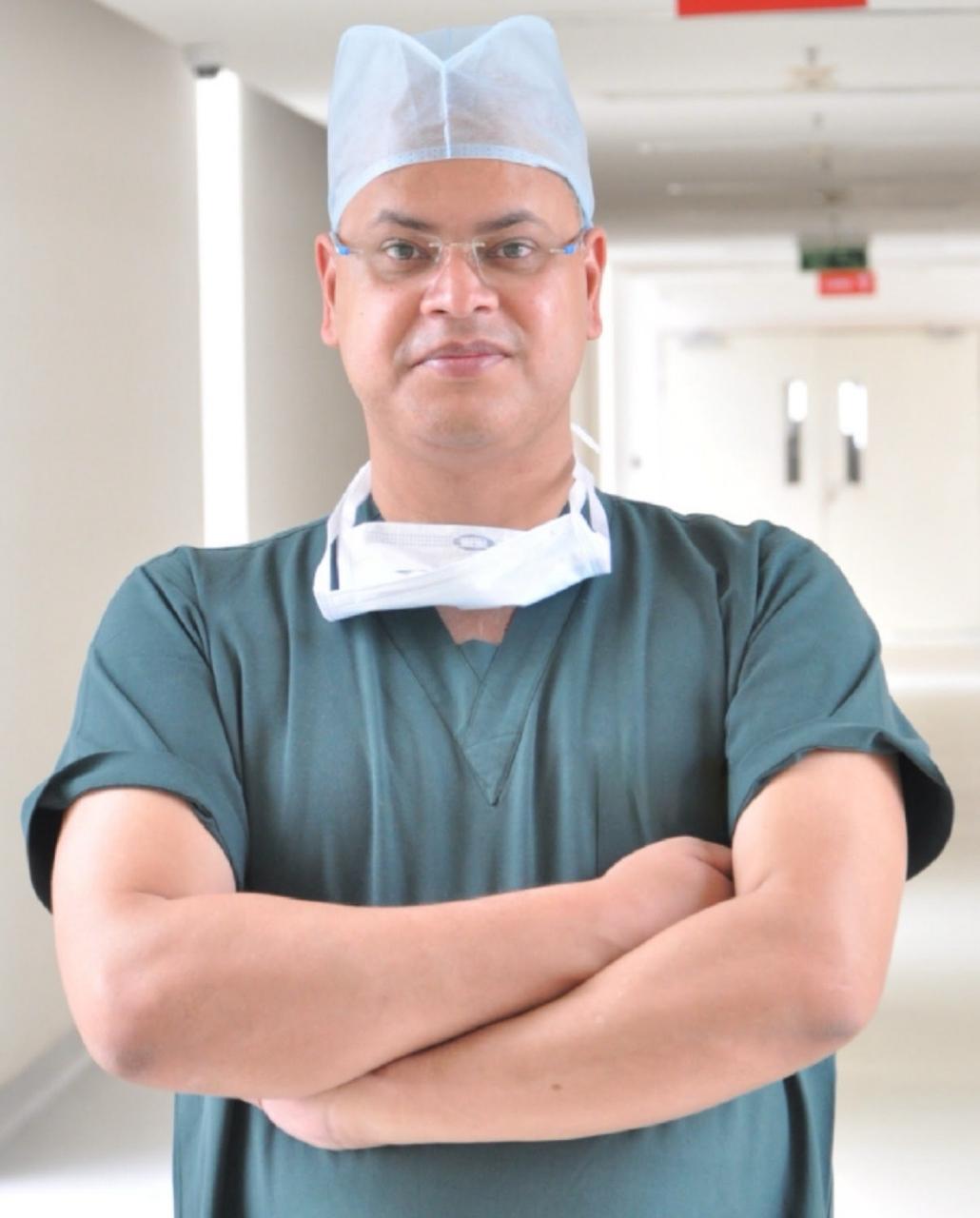
Dr. Ramkinkar Jha
Chief and Unit Head - Orthopaedics (Unit III)
Orthopaedic Surgery, Orthopaedics, Robotic Surgery
New Delhi
20+ Years
Experience
Artemis Hospital
Hospital
1500
Fees

Dr. Surendra Nath Khanna
Chairperson, Adult Cardiac Surgery & Heart - Lung Transplant
Cardio Thoracic and Vascular Surgery, Vascular Surgery
New Delhi
34+ Years
Experience
Artemis Hospital
Hospital
1500
Fees
Related Links
Recent Blogs
Other Treatment related Information
Ready To Start Your Healing Journey?
Get Personalized Medical Treatment Options From India's Top Hospitals. Our Medical Experts Are Ready To Assist You Every Step Of The Way.