
Heart Transplant Treatment in Pune
Need Personalized Advice?
Our medical experts are ready to answer your questions and guide you through your treatment options.
About
Heart Transplant Care in Pune | Access & Treatment Services
Patients seeking advanced cardiac solutions often consider India for complex procedures. Heart Transplant Treatment in Pune offers a compelling and comprehensive option. This vibrant city has rapidly emerged as a significant healthcare hub. It attracts individuals requiring highly specialized medical interventions from across the globe.
Many international patients choose Pune for its combination of high-quality care and accessible costs. Individuals residing in regions with limited advanced cardiac facilities frequently travel here. They seek comprehensive heart transplant services, trusting Pune’s established medical infrastructure. The city provides a structured and supportive pathway for their intricate treatment needs.
Pune’s healthcare landscape is robust and continuously evolving. It features several modern hospitals equipped with dedicated cardiac transplant units. These facilities boast cutting-edge technology and adhere to stringent international patient care standards. The overall environment is meticulously designed to support successful and comfortable patient journeys, from admission through recovery.
Navigating Your Heart Transplant Journey in Pune
Starting your Heart Transplant journey in Pune is designed to be as seamless as possible. The process typically begins with an initial online consultation. This allows patients to share their comprehensive medical reports for expert review. Our dedicated patient coordinators provide full assistance with visa applications, travel arrangements, and accommodation logistics. Upon arrival in Pune, a detailed, in-person clinical assessment is conducted. This involves a multidisciplinary team of cardiac experts. Highly skilled specialists for Heart Transplant in Pune meticulously evaluate each case. Extensive pre-transplant evaluations are performed. This critical phase ensures optimal patient suitability and readiness for the procedure. All admission procedures are managed with utmost efficiency. Patient comfort, clear communication, and comprehensive support are paramount throughout this demanding preparatory phase.
Leading Hospitals for Heart Transplant Surgery in Pune
- Advanced Transplant Centers: Pune hosts several premier hospitals renowned for their cardiac transplant programs. These centers are equipped with cutting-edge surgical theaters. They also feature highly specialized intensive care units. These ICUs are staffed by expert critical care teams.
- Experienced Medical Teams: The hospitals boast teams of highly skilled cardiothoracic surgeons. These surgeons possess extensive experience in complex transplant procedures. They work collaboratively with expert cardiologists, anesthesiologists, and immunologists. All support staff are specifically trained in transplant patient care.
- Comprehensive Post-Operative Care: Leading facilities offer robust post-transplant recovery and rehabilitation programs. These include advanced monitoring systems and personalized physical therapy. Such dedicated care significantly aids in patient recuperation and long-term adaptation.
- Modern Diagnostic Capabilities: Access to state-of-the-art diagnostic tools is a standard offering. This ensures precise pre-operative planning and thorough assessments. It also supports vigilant post-operative management, detecting any issues promptly.
- Patient-Centric Environments: Hospitals prioritize creating a supportive and healing atmosphere. They provide extensive counseling services and patient education resources. This helps patients and their families fully understand the entire transplant process.
Post-Transplant Care and Long-Term Recovery in Pune
After a Heart Transplant, diligent and ongoing care is absolutely vital for success. Pune’s hospitals offer structured post-operative follow-up protocols. This includes regular check-ups, meticulous medication management, and comprehensive lifestyle counseling. Patients receive detailed guidance on diet, exercise, and infection prevention. Remote consultations can also be effectively arranged for international patients. This ensures essential continuity of care, even after returning to their home country. The primary goal is to ensure the patient’s long-term health and well-being. A strong Heart Transplant success rate in Pune is significantly bolstered by this diligent and continuous follow-up care. Patients are closely monitored for any signs of organ rejection or other potential complications. Comprehensive rehabilitation programs are tailored to help restore strength, mobility, and overall function. Patient education programs empower individuals for effective self-management.
Understanding the Cost of Heart Transplant in Pune
The overall cost of Heart Transplant in Pune is notably more affordable compared to many Western nations. Several key factors can influence the final pricing. These include the specific hospital chosen, the experience level of the surgical team, and the required length of hospital stay. Additionally, extensive pre-transplant evaluations contribute to the total cost. Post-operative medication, particularly immunosuppressants, and rehabilitation charges are also significant factors. Patients are always provided with detailed, transparent cost breakdowns. This comprehensive approach ensures clarity in financial planning. Here is an estimated range for various components:
| Component | Estimated Cost Range (INR) | Estimated Cost Range (USD) |
|---|---|---|
| Surgery & Hospital Stay | 25,00,000 - 45,00,000 | 30,000 - 55,000 |
| Pre-transplant Evaluation | 3,00,000 - 5,00,000 | 3,500 - 6,000 |
| Post-op Medications (1st year) | 5,00,000 - 8,00,000 | 6,000 - 10,000 |
| Total Estimated Package | 33,00,000 - 58,00,000 | 40,000 - 70,000 |
Choosing Pune for a Heart Transplant means accessing high-quality, top-tier medical care. The city expertly combines advanced healthcare facilities with highly experienced cardiac specialists. Patients benefit immensely from comprehensive, patient-centric treatment pathways. From the initial online consultation to crucial post-operative recovery, continuous support is a hallmark of care. Pune truly presents a viable, high-quality, and cost-effective solution for individuals with complex cardiac needs.
Hospitals Offering this treatment
India offers premium medical procedures at affordable prices. Discover our most popular treatments, delivered by the country's finest doctors.
Meet Our Doctors
Meet our team of highly qualified and experienced medical professionals dedicated to providing the best healthcare services.

Dr. Anjana Satyajit
Head - Dentistry
Dentistry
New Delhi
20+ Years
Experience
Artemis Hospital
Hospital
1500
Fees
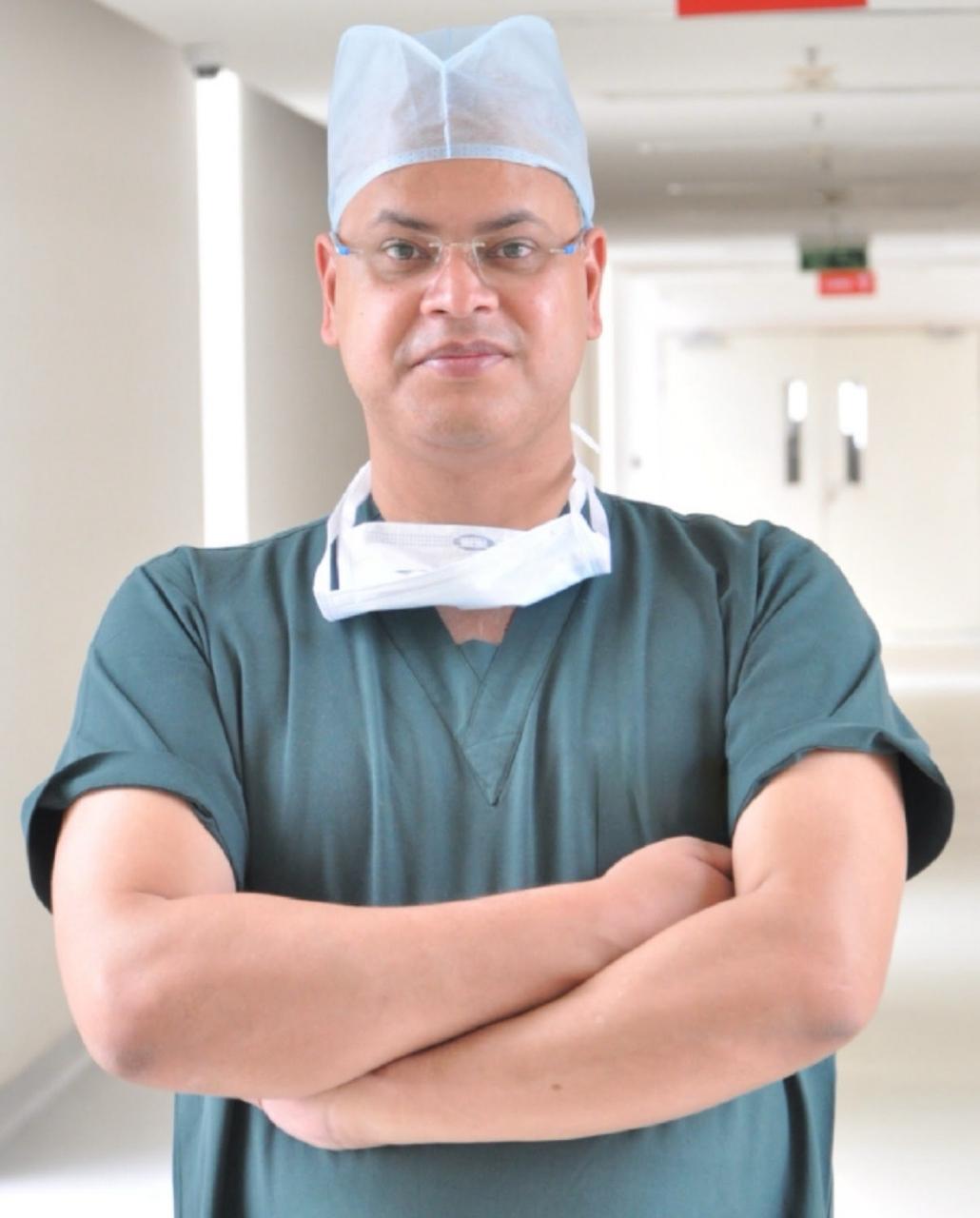
Dr. Ramkinkar Jha
Chief and Unit Head - Orthopaedics (Unit III)
Orthopaedic Surgery, Orthopaedics, Robotic Surgery
New Delhi
20+ Years
Experience
Artemis Hospital
Hospital
1500
Fees

Dr. Surendra Nath Khanna
Chairperson, Adult Cardiac Surgery & Heart - Lung Transplant
Cardio Thoracic and Vascular Surgery, Vascular Surgery
New Delhi
34+ Years
Experience
Artemis Hospital
Hospital
1500
Fees
Related Links
Recent Blogs
Other Treatment related Information
Ready To Start Your Healing Journey?
Get Personalized Medical Treatment Options From India's Top Hospitals. Our Medical Experts Are Ready To Assist You Every Step Of The Way.