
Minimally Invasive Coronary Artery Bypass Surgery (MICS CABG) Treatment in Mumbai for Iraq
Need Personalized Advice?
Our medical experts are ready to answer your questions and guide you through your treatment options.
Our medical experts are ready to answer your questions and guide you through your treatment options.
For patients in Iraq considering Minimally Invasive Coronary Artery Bypass Surgery (MICS CABG), finding the right medical expertise and advanced facilities abroad can feel overwhelming. Concerns about treatment quality, surgeon experience, and seamless coordination often arise when exploring options outside one's home country.
Mumbai has emerged as a leading destination for complex cardiac procedures, drawing international patients due to its world-class medical infrastructure and highly skilled surgical teams. The city’s hospitals are equipped with cutting-edge technology, offering a sophisticated environment for advanced treatments like MICS CABG.
Patients from Iraq choosing Mumbai benefit from accredited hospitals and experienced cardiac specialists dedicated to international patient care. The city provides a well-coordinated ecosystem, ensuring smooth consultations, detailed treatment planning, and comprehensive post-operative support within a single, trusted environment.
Are you ready to explore how Mumbai can be your choice for cardiac care?
Minimally Invasive Coronary Artery Bypass Surgery (MICS CABG) is an advanced cardiac procedure designed to restore blood flow to the heart muscle. Unlike traditional open-heart surgery, which requires a large incision down the center of the chest and splitting the breastbone, MICS CABG is performed through smaller incisions, typically on the left side of the chest. This technique avoids a full sternotomy, leading to less pain, reduced blood loss, a lower risk of infection, and a significantly faster recovery period. It effectively bypasses blocked coronary arteries using healthy blood vessels (grafts) taken from another part of the body, improving heart function and alleviating symptoms like chest pain.
While MICS CABG itself is a specific surgical approach, there are variations in how it can be performed:
The precise method for MICS CABG depends on the individual patient's condition, the number of blocked arteries, and the surgeon's chosen approach.
The general steps involved typically include:
The recovery after MICS CABG is generally quicker and less arduous compared to traditional CABG. Patients typically spend a shorter time in the hospital, often 4 to 7 days, including intensive care unit monitoring. Post-surgery, pain is usually managed effectively with medication due to the smaller incision. Patients are encouraged to start gentle mobilization soon after surgery. Full recovery, including a return to most normal activities, can often be achieved within 2 to 4 weeks, significantly faster than the 6-12 weeks for conventional CABG. A tailored cardiac rehabilitation program is crucial, involving guided exercise, dietary advice, and lifestyle modifications to optimize long-term heart health. Regular follow-up appointments with the cardiac team are essential to monitor progress and ensure ongoing well-being.
MICS CABG procedures boast high success rates, typically ranging from 90% to 95% in improving blood flow to the heart and relieving symptoms. The long-term outcomes are comparable to traditional CABG, with excellent graft patency for many years. However, individual results can vary based on factors such as the patient's overall health, the extent of coronary artery disease, the number of bypasses performed, and the experience of the surgical team. Adherence to post-operative care and lifestyle changes plays a significant role in maintaining the positive outcomes and preventing future cardiac issues.
The cost of Minimally Invasive Coronary Artery Bypass Surgery (MICS CABG) in Mumbai is influenced by several factors. These include the choice of hospital (private, multi-specialty, or specific cardiac center), the experience and reputation of the cardiac surgeon, the type of MICS approach used (on-pump or off-pump), the duration of hospital stay, and any additional medical complications or required pre/post-operative treatments.
For international patients, MICS CABG in Mumbai typically ranges from approximately INR 5,00,000 to INR 8,50,000.
Mumbai offers a compelling combination of advanced medical care and cost-effectiveness compared to many Western countries. The table below illustrates the estimated cost comparison for MICS CABG.
| Location | Estimated Cost (USD) |
|---|---|
| Mumbai, India | $6,000 - $10,500 |
| United States | $45,000 - $85,000 |
| United Kingdom | $32,000 - $65,000 |
| Singapore | $28,000 - $48,000 |
| Thailand | $16,000 - $28,000 |
| Turkey | $11,000 - $22,000 |
Your journey to a healthier heart begins with a single, informed decision. Reach out to our team today for personalized guidance and support for your MICS CABG treatment in Mumbai.
India offers premium medical procedures at affordable prices. Discover our most popular treatments, delivered by the country's finest doctors.
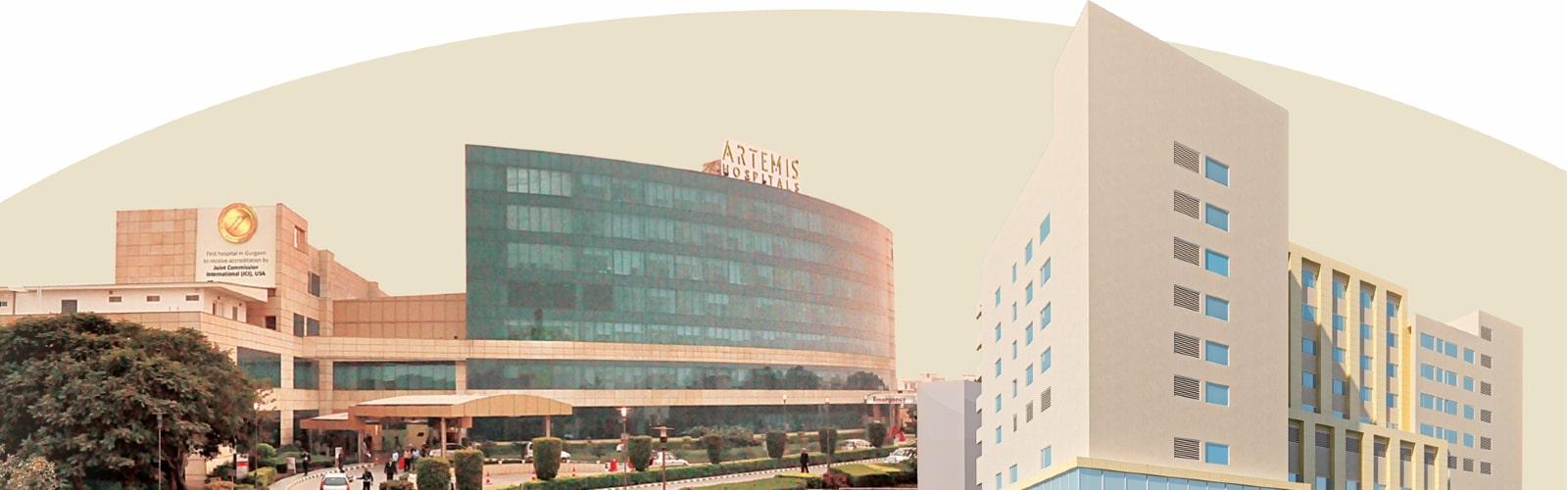
Sector 51, Gurugram, Haryana, India
Artemis Hospital
Meet our team of highly qualified and experienced medical professionals dedicated to providing the best healthcare services.
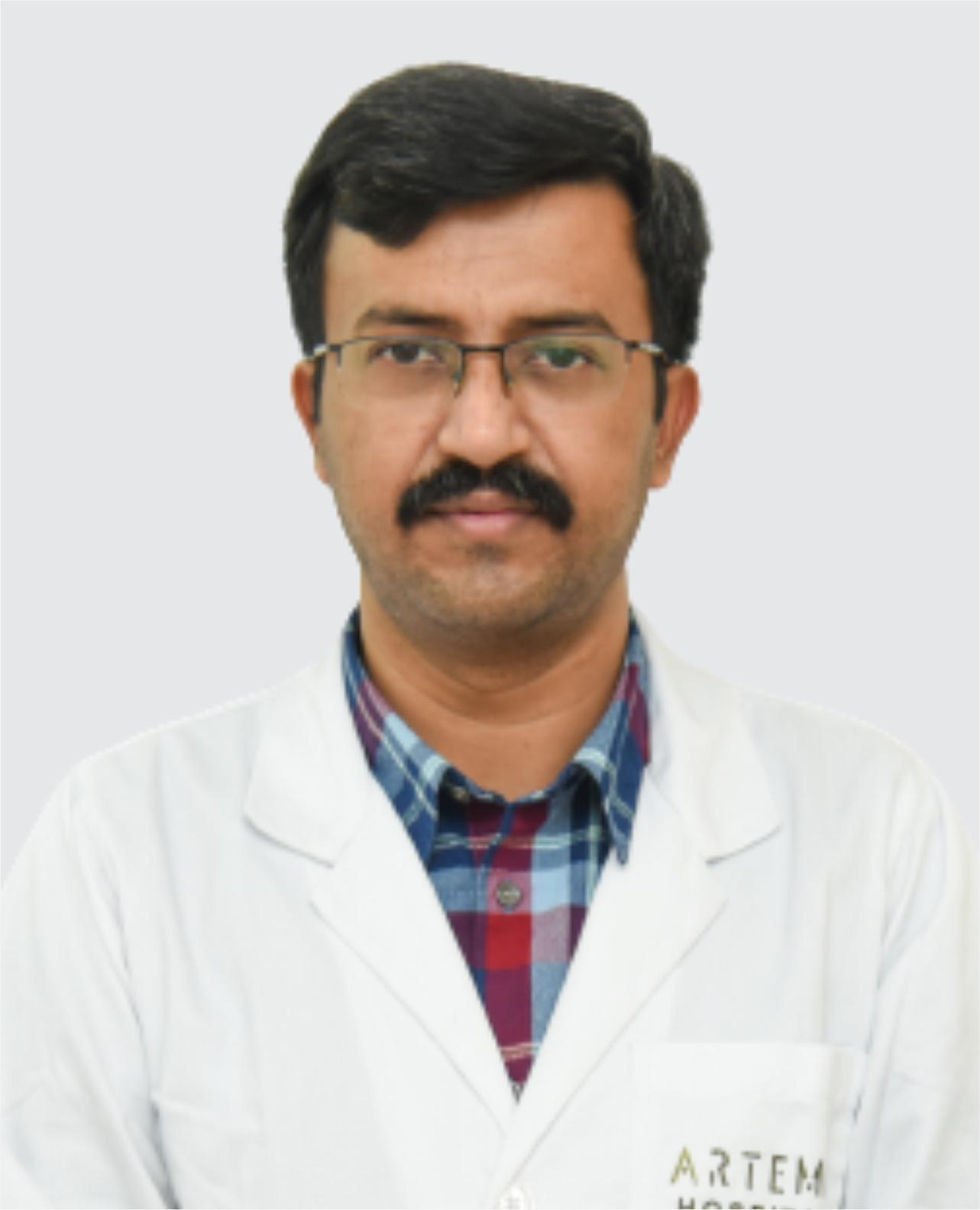
Sr. Consultant - Urology & Kidney Transplant Program (Unit I)
Organ Transplant, Urology
New Delhi
8+ Years
Experience
Artemis Hospital
Hospital
1500
Fees
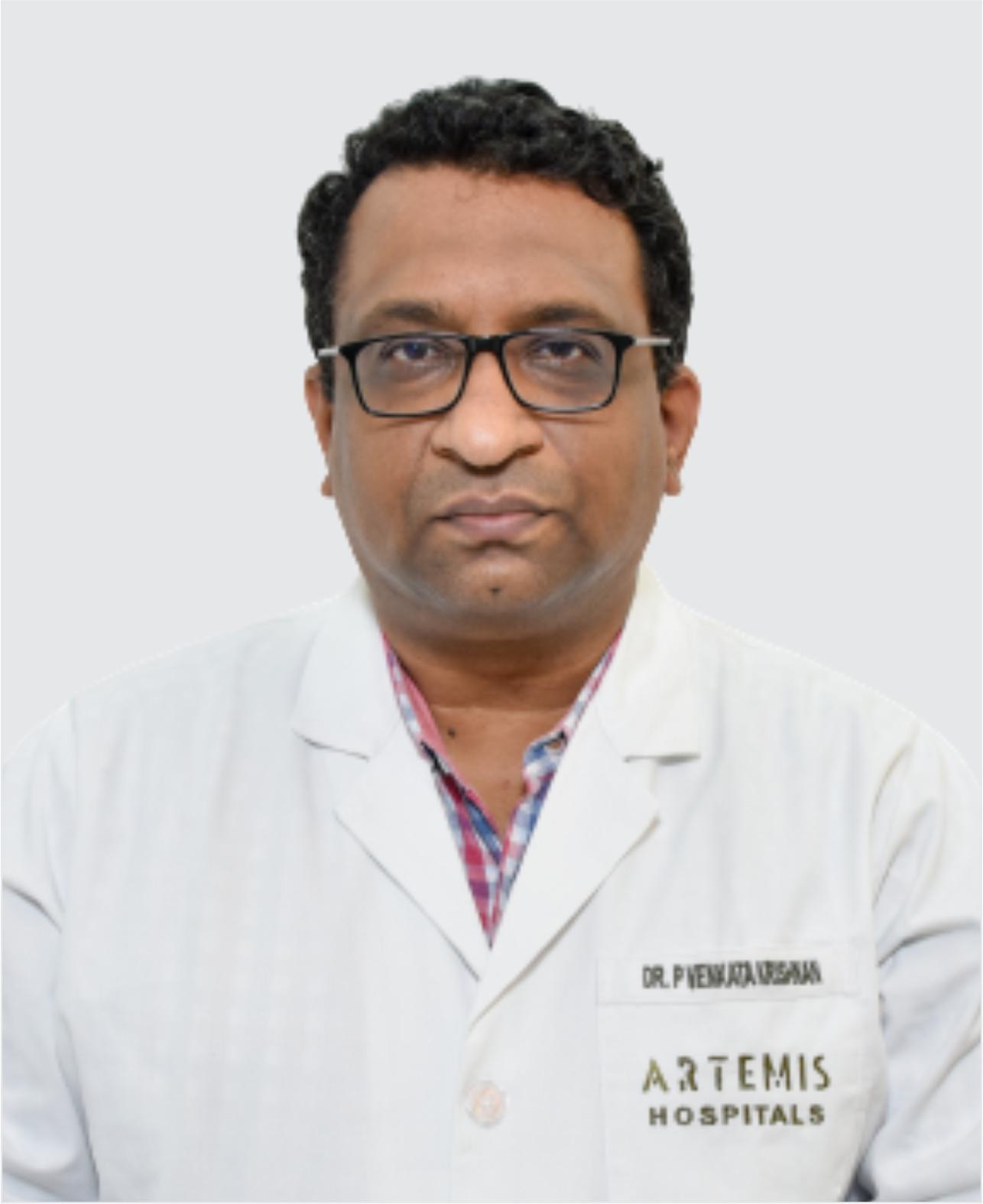
Sr. Consultant
Internal Medicine
New Delhi
12+ Years
Experience
Artemis Hospital
Hospital
1500
Fees
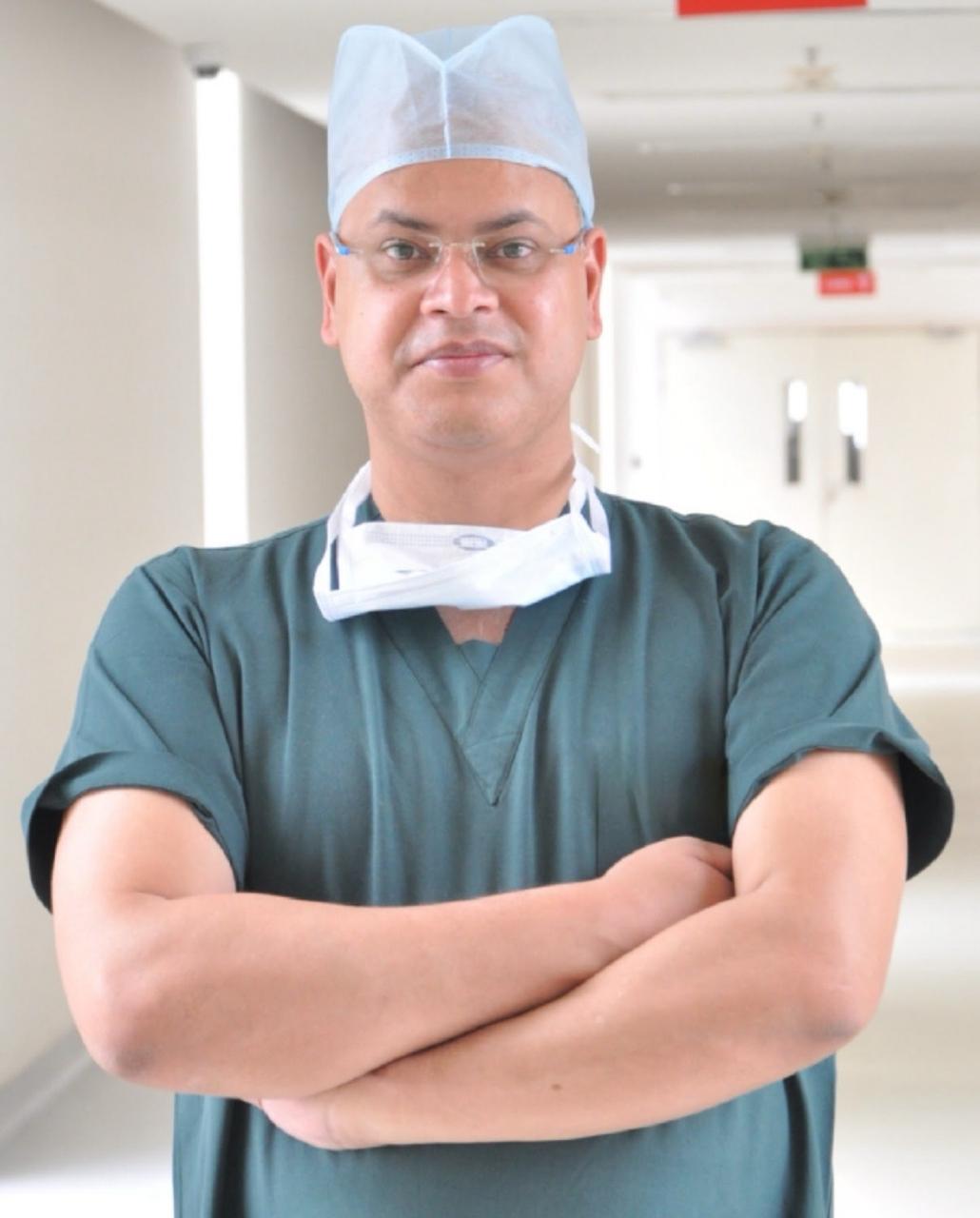
Chief and Unit Head - Orthopaedics (Unit III)
Orthopaedic Surgery, Orthopaedics, Robotic Surgery
New Delhi
20+ Years
Experience
Artemis Hospital
Hospital
1500
Fees

Chairperson, Adult Cardiac Surgery & Heart - Lung Transplant
Cardio Thoracic and Vascular Surgery, Vascular Surgery
New Delhi
34+ Years
Experience
Artemis Hospital
Hospital
1500
Fees
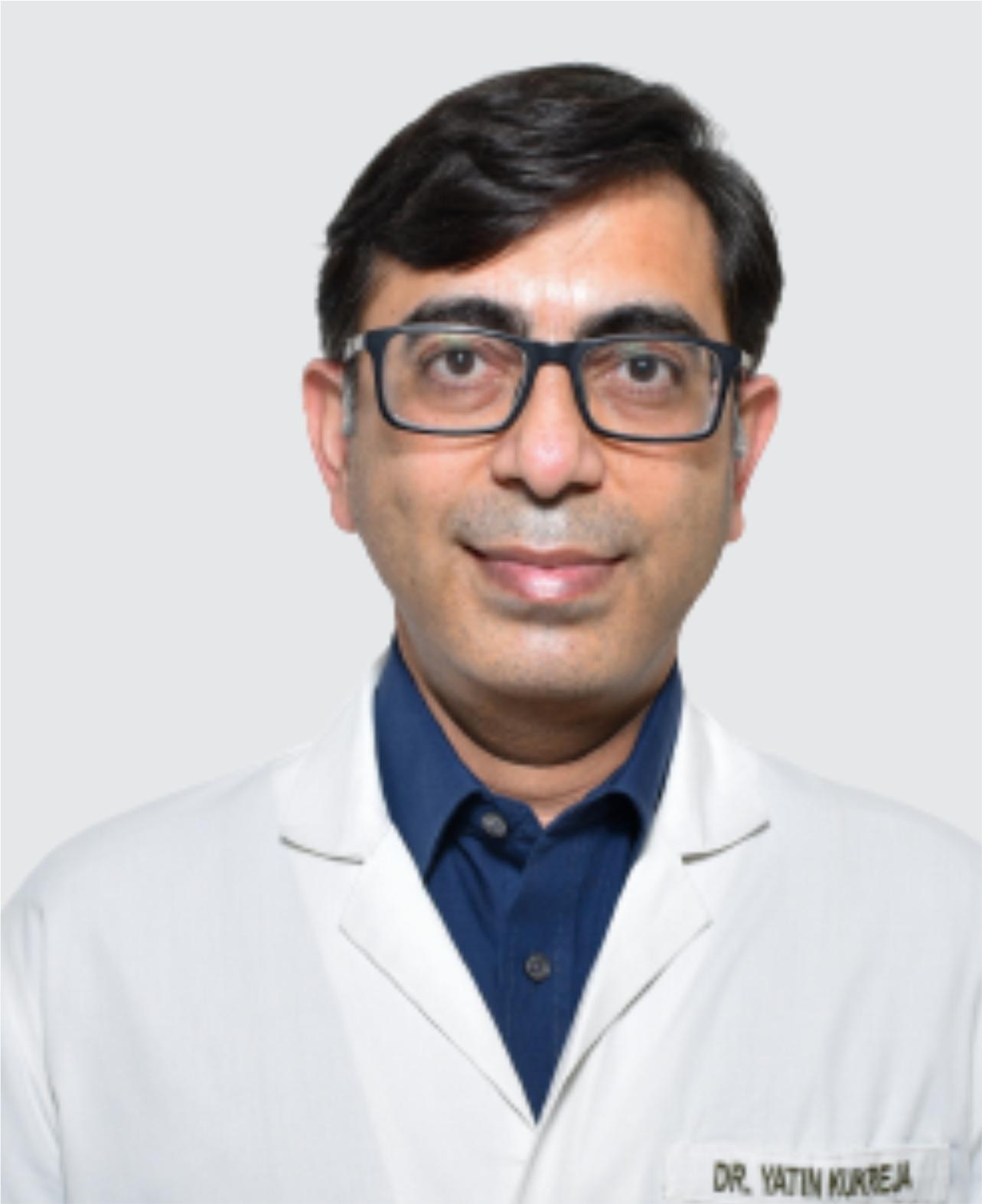
Director
Cardiology
New Delhi
14+ Years
Experience
Artemis Hospital
Hospital
1500
Fees

Vice Chairman, Cardiac Sciences, Cardiology, Interventional Cardiology, Cardiac Electrophysiology-Pacemaker & Director & HOD (Interventional Cardiology) at Max Super Speciality Hospital, Shalimar Bagh, Delhi
Interventional Cardiology
New Delhi
26+ Years
Experience
Max Hospital,Gurgaon
Hospital
1500
Fees

Director - CTVS
Cardiac Surgery
New Delhi
27+ Years
Experience
Apolo Delhi
Hospital
1500
Fees

Associate Director - CTVS (Cardiothoracic and Vascular Surgery)
Cardiothoracic and Vascular Surgery
New Delhi
26+ Years
Experience
Apolo Delhi
Hospital
1500
Fees
Associate Director
Cardiac Surgery
New Delhi
24+ Years
Experience
Apolo Delhi
Hospital
1500
Fees
Senior Consultant, Cardiac Surgery
Cardiac Surgery
New Delhi
18+ Years
Experience
Apolo Delhi
Hospital
1500
Fees
Get Personalized Medical Treatment Options From India's Top Hospitals. Our Medical Experts Are Ready To Assist You Every Step Of The Way.