
व्यक्तिगत सलाह की आवश्यकता है?
हमारे चिकित्सा विशेषज्ञ आपके प्रश्नों का उत्तर देने और आपके उपचार विकल्पों के माध्यम से आपका मार्गदर्शन करने के लिए तैयार हैं।
हमारे चिकित्सा विशेषज्ञ आपके प्रश्नों का उत्तर देने और आपके उपचार विकल्पों के माध्यम से आपका मार्गदर्शन करने के लिए तैयार हैं।
Patients from Bangladesh considering advanced medical care often face a significant decision, especially when a diagnosis requires specialized treatment like Targeted Molecular Therapy. The uncertainty around finding the right expertise, navigating a new healthcare system, and managing treatment costs can feel overwhelming.
Many families look beyond their borders for effective solutions, and New Delhi stands out as a leading medical destination. This city offers a concentration of world-class hospitals and a supportive environment for international patients. Its established infrastructure ensures a seamless treatment journey.
New Delhi’s medical community has earned trust through consistent high-quality care, particularly in oncology and advanced therapies. Patients can access highly skilled specialists and state-of-the-art facilities. This makes follow-ups and comprehensive care manageable within the city.
Exploring Targeted Molecular Therapy in New Delhi offers a path to specialized, high-quality healthcare.
Targeted Molecular Therapy is a type of cancer treatment that uses drugs to specifically identify and attack cancer cells while minimizing harm to normal cells. Unlike traditional chemotherapy, which acts broadly on fast-growing cells, targeted therapy works by interfering with specific molecules involved in cancer cell growth, progression, and spread. These molecules are often unique to cancer cells or are overactive in them. The therapy focuses on blocking these specific pathways, leading to more precise and often less toxic treatment outcomes.
Targeted Molecular Therapies are categorized based on their mechanism of action and the specific targets they address:
The specific method of administering Targeted Molecular Therapy depends on the type of drug, the patient’s condition, and the treatment plan.
Many targeted therapy drugs are available in pill form and can be taken orally at home. Patients receive detailed instructions on dosage, timing, and potential side effects. Regular follow-up appointments and blood tests are crucial to monitor progress and manage any adverse reactions.
Some targeted therapies, particularly monoclonal antibodies, are administered intravenously (IV), meaning they are given directly into a vein. These infusions typically take place in a hospital or clinic setting and can last from 30 minutes to several hours. The frequency of infusions varies, often ranging from weekly to every few weeks, as determined by the oncologist.
Targeted therapy is usually given in cycles, with periods of treatment followed by rest periods. This allows the body to recover and helps manage side effects. The duration of treatment can range from several months to years, depending on the disease response and patient tolerance. Continuous monitoring for efficacy and side effects is a cornerstone of this therapy.
Recovery from Targeted Molecular Therapy is often different from traditional chemotherapy. While side effects can occur, they are generally less severe and more specific, often including skin rashes, fatigue, diarrhea, or blood pressure changes. Patients typically experience an improved quality of life compared to conventional treatments. Regular follow-up visits with the oncology team are essential to monitor treatment effectiveness, manage side effects, and adjust the regimen if necessary. Long-term surveillance, including imaging and blood tests, helps track disease status and detect any recurrence or progression, ensuring sustained care and support.
The success rates of Targeted Molecular Therapy vary significantly based on the specific cancer type, the identified genetic mutations, the stage of the disease, and individual patient factors. For some cancers, targeted therapies have dramatically improved outcomes, leading to longer progression-free survival and overall survival rates. While complete cures are not always achieved, these therapies can often stabilize disease, reduce tumor size, and extend life with a better quality of life. Results depend on how well the therapy targets the specific cancer pathway and the patient's overall response to the medication.
Connect with New Delhi's top oncologists for a personalized consultation. Our team can help you understand your options and next steps.
The cost of Targeted Molecular Therapy in New Delhi depends on several factors. These include the specific type of targeted drug used, the duration of treatment, the hospital chosen, and any additional diagnostic tests or supportive care required. The brand of medication, whether it is an oral drug or an IV infusion, and the frequency of administration all play a role in the total expense.
For a typical course of Targeted Molecular Therapy, patients can expect costs to range from approximately INR 5,00,000 to INR 25,00,000 or more per cycle or for a defined duration, depending on the specific drug protocol.
New Delhi offers a competitive pricing structure for advanced medical treatments like Targeted Molecular Therapy, providing significant cost advantages compared to many Western countries while maintaining high standards of care.
| Location | Estimated Cost Range (USD) |
|---|---|
| New Delhi, India | $6,000 - $30,000+ (per cycle/duration) |
| United States | $30,000 - $100,000+ (per cycle/duration) |
| United Kingdom | $20,000 - $70,000+ (per cycle/duration) |
| Singapore | $15,000 - $50,000+ (per cycle/duration) |
| Thailand | $8,000 - $35,000+ (per cycle/duration) |
Our patient support team is available to answer your questions and help you plan your treatment journey to New Delhi. Reach out today.
Making informed decisions about advanced medical treatment is vital. New Delhi offers world-class Targeted Molecular Therapy, supported by experienced specialists and comprehensive patient care systems, guiding you towards better health outcomes.
India offers premium medical procedures at affordable prices. Discover our most popular treatments, delivered by the country's finest doctors.
Meet our team of highly qualified and experienced medical professionals dedicated to providing the best healthcare services.
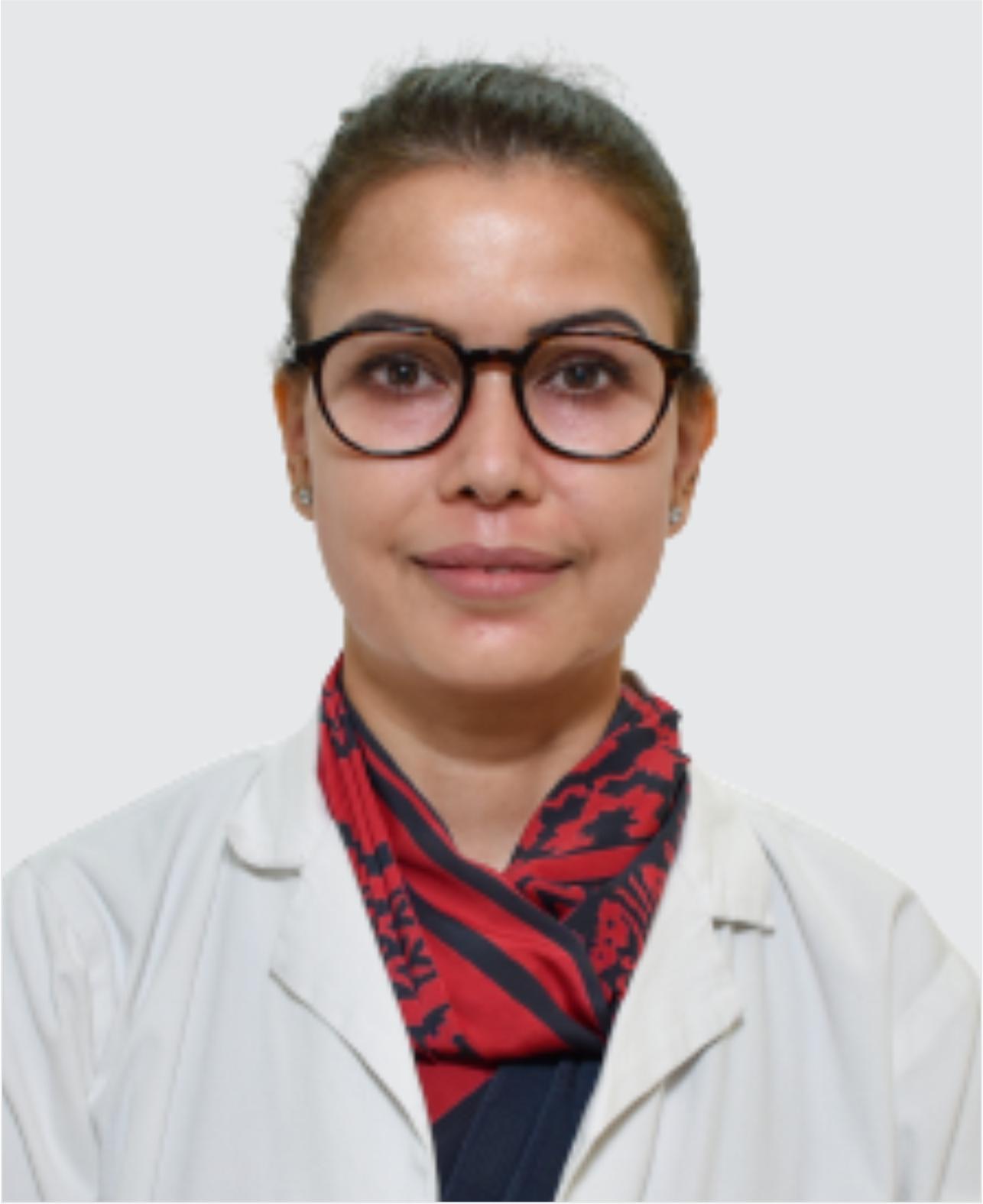
Chairperson - Nuclear Medicine & Radio-Theranostics
Nuclear Medicine
New Delhi
15+ Years
Experience
Artemis Hospital
Hospital
1500
Fees
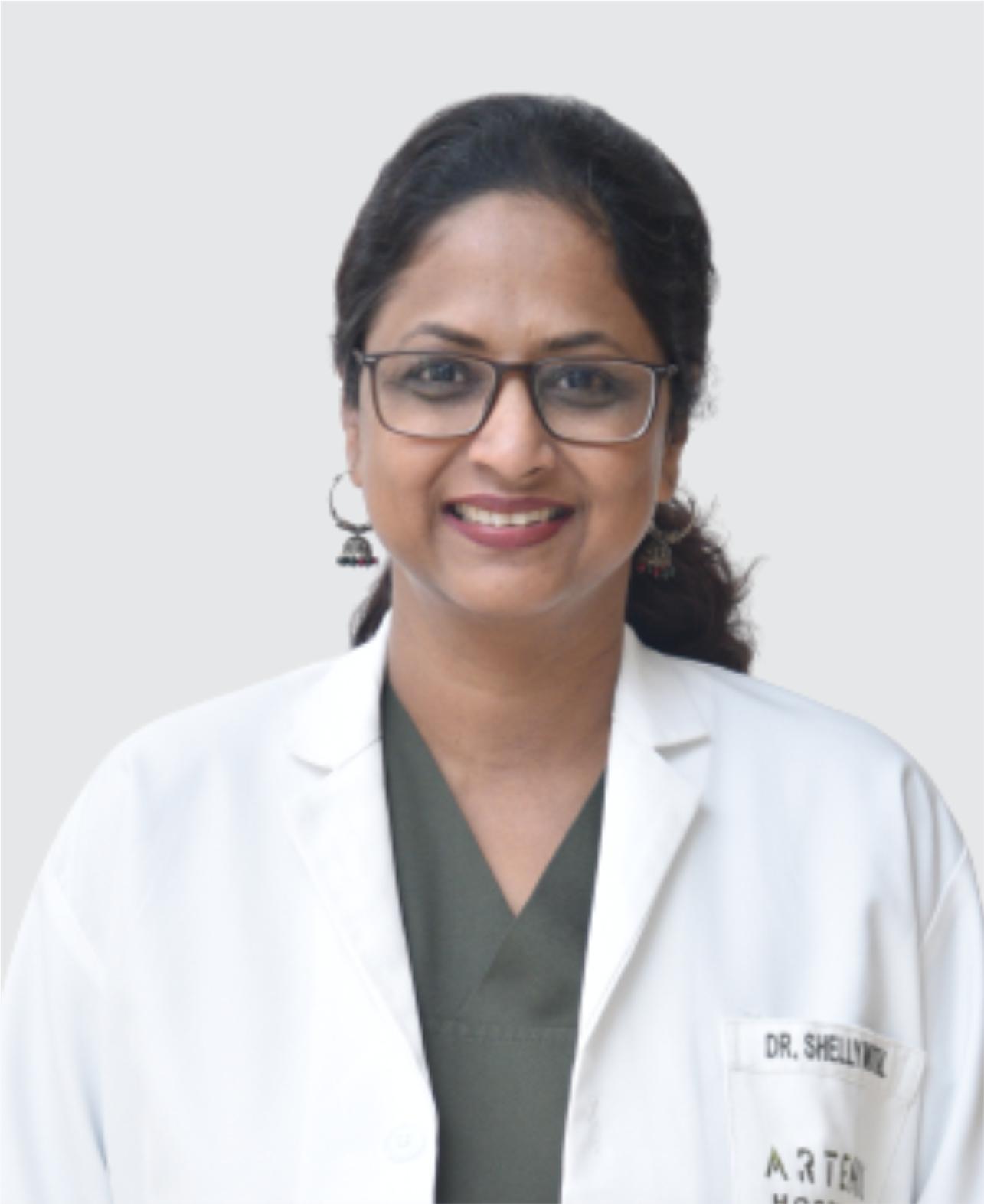
Sr. Consultant
Medical Oncology & Hematology
New Delhi
14+ Years
Experience
Artemis Hospital
Hospital
1500
Fees
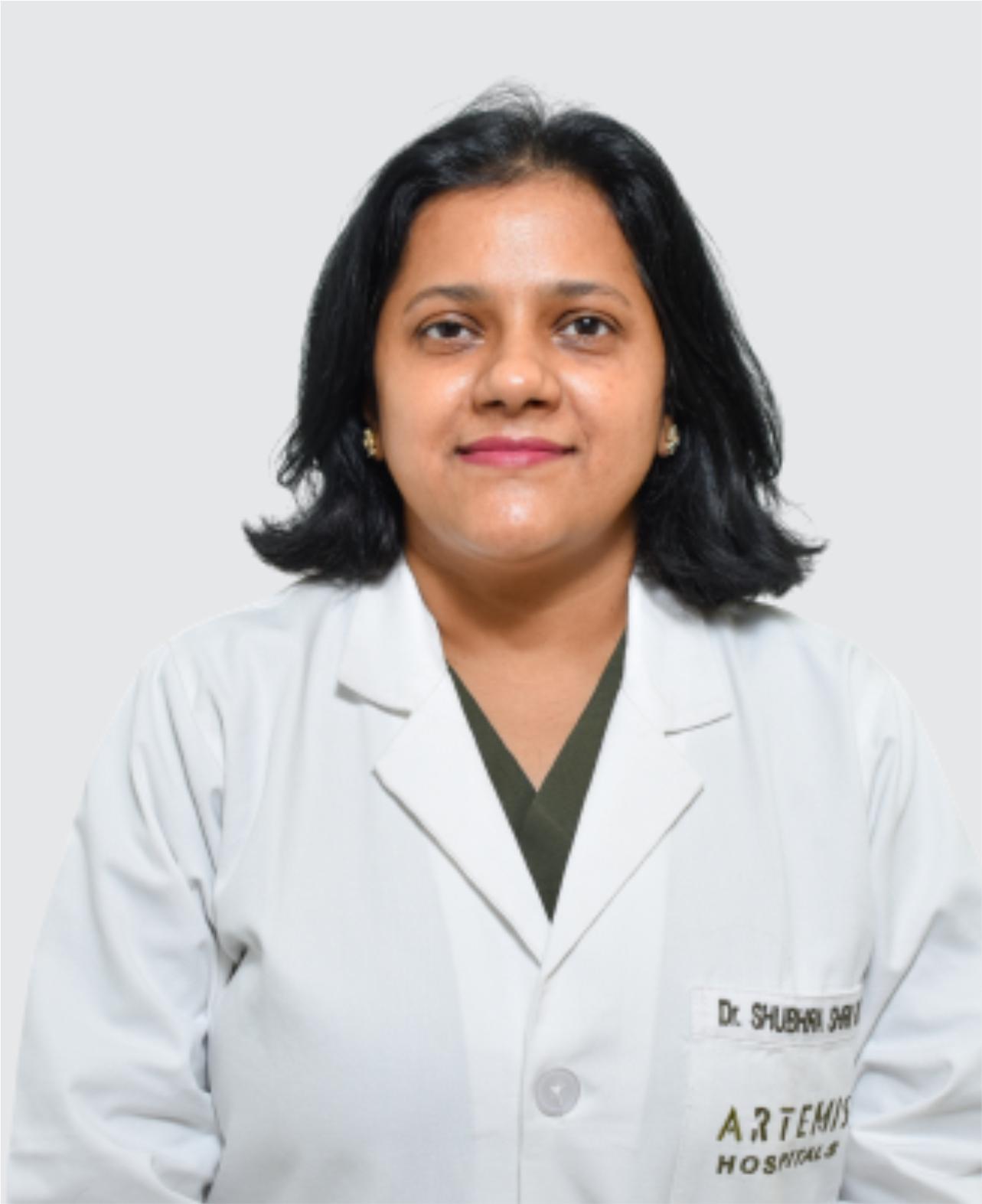
Sr. Consultant
Medical Oncology & Hemato Oncology
New Delhi
9+ Years
Experience
Artemis Hospital
Hospital
1500
Fees
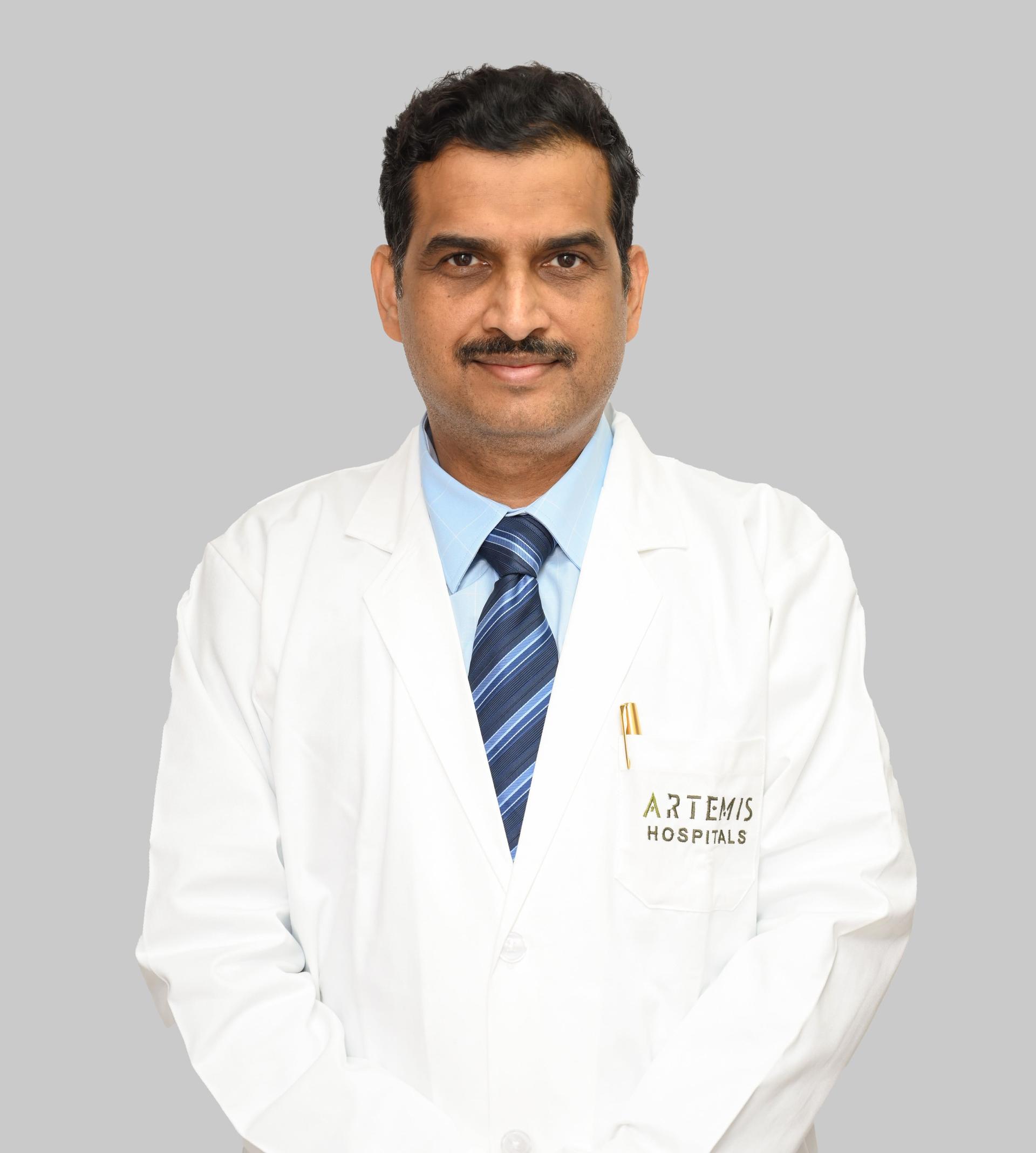
Director - Medical Oncology
Medical Oncology
New Delhi
17+ Years
Experience
Artemis Hospital
Hospital
1500
Fees
Senior Consultant Plastic Surgeon
Plastic Surgery
New Delhi
19+ Years
Experience
Max Hospital,Gurgaon
Hospital
1500
Fees
Senior Oncologist, Max Healthcare; Former Dean & Professor, AIIMS
Cancer Care & Oncology
New Delhi
15+ Years
Experience
Max Hospital,Gurgaon
Hospital
1500
Fees
Principal Director & Head – Nuclear Medicine
Nuclear Medicine
New Delhi
38+ Years
Experience
Max Hospital,Gurgaon
Hospital
1500
Fees
Director, Medical Oncology
Medical Oncology
New Delhi
30+ Years
Experience
Apolo Delhi
Hospital
1500
Fees

Director
Medical Oncology
New Delhi
44+ Years
Experience
Apolo Delhi
Hospital
1500
Fees
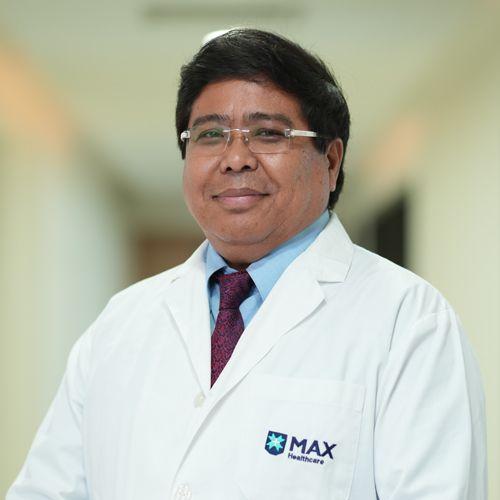
Principal Director & Chief of Medical Oncology
Medical Oncology
New Delhi
30+ Years
Experience
Apolo Delhi
Hospital
1500
Fees
Sr. Consultant
Medical Oncology
New Delhi
29+ Years
Experience
Apolo Delhi
Hospital
1500
Fees
Director - Medical Oncology
Medical Oncology
New Delhi
20+ Years
Experience
Apolo Delhi
Hospital
1500
Fees
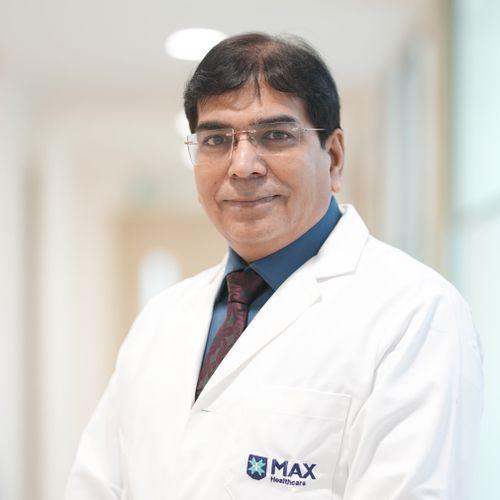
Director
Medical Oncology & Haemato-Oncology
New Delhi
34+ Years
Experience
Apolo Delhi
Hospital
1500
Fees
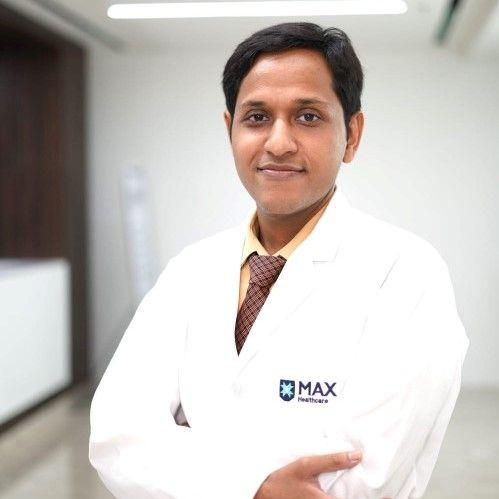
Director
Oncology
New Delhi
26+ Years
Experience
Apolo Delhi
Hospital
1500
Fees
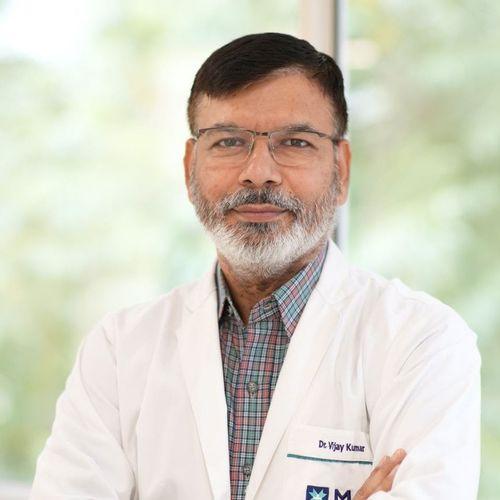
Director & Head
Medical Oncology & Haematology
New Delhi
20+ Years
Experience
Apolo Delhi
Hospital
1500
Fees
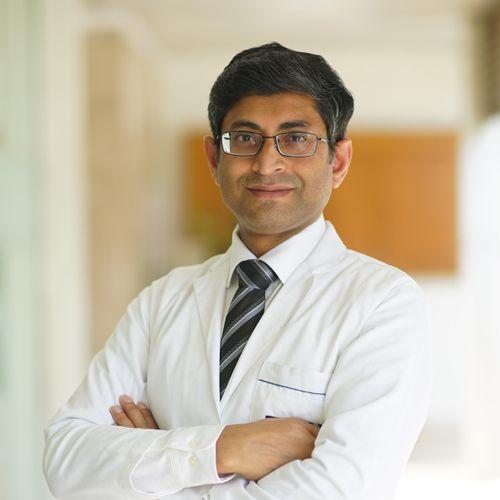
Sr. Consultant
Medical & Haemato Oncology
New Delhi
8+ Years
Experience
Apolo Delhi
Hospital
1500
Fees
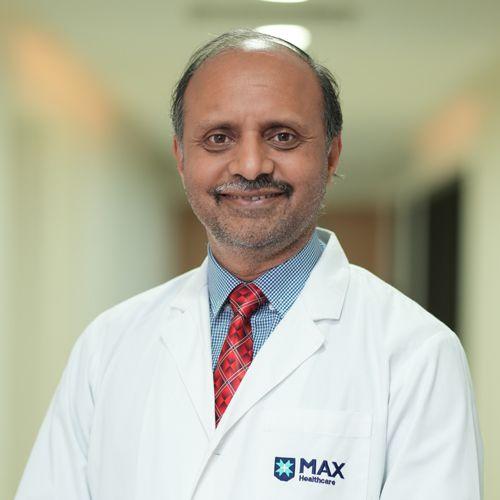
Director
Medical Oncology
New Delhi
13+ Years
Experience
Apolo Delhi
Hospital
1500
Fees

Director - Medical Oncology
Medical Oncology
New Delhi
13+ Years
Experience
Apolo Delhi
Hospital
1500
Fees
भारत के शीर्ष अस्पतालों से व्यक्तिगत चिकित्सा उपचार विकल्प प्राप्त करें। हमारे चिकित्सा विशेषज्ञ हर कदम पर आपकी सहायता करने के लिए तैयार हैं।