Orthopedics Treatment in India for Ethiopia
Need Personalized Advice?
Our medical experts are ready to answer your questions and guide you through your treatment options.
About
Orthopedic Treatment in India for Patients from Ethiopia
For many individuals in Ethiopia experiencing persistent joint pain, limited mobility, or significant musculoskeletal issues, accessing highly specialized orthopedic care can be a real challenge. The journey to recovery often involves complex decisions about treatment options, quality of care, and potential costs, leading to understandable worries.
Patients increasingly look beyond their home country for advanced medical solutions that promise better outcomes and affordability. India has emerged as a preferred destination, offering a wide array of cutting-edge orthopedic treatments available across its many modern healthcare hubs and cities.
India’s medical infrastructure is renowned for its world-class orthopedic hospitals, equipped with state-of-the-art technology and staffed by highly experienced surgeons and specialists. This nationwide network provides advanced care, ensuring patients from Ethiopia receive expert attention and comprehensive support.
Could India be the ideal destination for your orthopedic treatment?
Get a Free Expert Consultation Today.
What is Orthopedic Treatment?
Orthopedics is a medical specialty focused on the diagnosis, correction, prevention, and treatment of patients with skeletal deformities, disorders of the bones, joints, muscles, ligaments, tendons, and nerves. Essentially, it addresses issues affecting your body's musculoskeletal system. The goal of orthopedic treatment is to relieve pain, restore function, and improve a patient's overall quality of life, allowing them to move freely and comfortably again.
Types of Orthopedic Treatments Available
Orthopedic care encompasses a broad range of procedures and therapies, tailored to individual patient needs:
- Joint Replacement Surgery: Including total knee replacement (TKR), total hip replacement (THR), and shoulder replacement for severe arthritis or joint damage.
- Arthroscopy: Minimally invasive surgery used to diagnose and treat problems inside a joint, commonly performed on knees, shoulders, hips, and ankles.
- Spine Surgery: Procedures for conditions like herniated discs, spinal stenosis, scoliosis, and fractures, ranging from discectomy to spinal fusion.
- Trauma and Fracture Care: Treatment for broken bones and complex injuries resulting from accidents, including internal and external fixation.
- Sports Medicine: Addressing injuries sustained during athletic activities, such as ligament tears (ACL, meniscus), tendon ruptures, and sprains.
- Pediatric Orthopedics: Specialized care for musculoskeletal conditions in children, including congenital deformities, growth plate injuries, and developmental issues.
- Hand and Wrist Surgery: Treatment for carpal tunnel syndrome, tendonitis, fractures, and other hand-related conditions.
- Foot and Ankle Surgery: Corrective procedures for bunions, hammertoes, ankle instability, and Achilles tendon injuries.
When is Orthopedic Treatment Required?
- Persistent and severe joint pain (knees, hips, shoulders, back) that does not respond to conservative treatments.
- Significant loss of mobility or function in a joint or limb, making daily activities difficult.
- Acute or chronic fractures from injuries, accidents, or osteoporosis.
- Degenerative joint conditions such as osteoarthritis, rheumatoid arthritis, or avascular necrosis.
- Spinal conditions causing chronic back pain, numbness, tingling, or weakness in limbs.
- Ligament or tendon tears, particularly those impacting stability or movement, like ACL tears.
- Deformities or structural abnormalities of bones and joints, either congenital or acquired.
- Unresolved sports injuries causing ongoing pain or hindering athletic performance.
Pre-Treatment Evaluation for Orthopedics
- Comprehensive Physical Examination: Assessing range of motion, strength, stability, and identifying areas of pain.
- Detailed Medical History: Reviewing past medical conditions, surgeries, medications, and lifestyle factors.
- Imaging Tests: X-rays to visualize bones, MRI scans for soft tissues (ligaments, tendons, cartilage), and CT scans for detailed bone structures.
- Blood Tests: To check for infection, inflammation, or underlying systemic conditions that might affect treatment.
- Nerve Conduction Studies / Electromyography (EMG): If nerve involvement is suspected, particularly in spine or limb conditions.
- Consultations with Specialists: Collaboration with anesthesiologists, cardiologists, or other specialists if co-existing conditions exist.
How Orthopedic Treatment is Performed
The specific procedure for orthopedic treatment depends entirely on the patient’s diagnosis, the severity of their condition, and the treatment plan developed by their specialist.
Surgical Interventions
For conditions requiring surgery, the process generally involves:
- Anesthesia: Administered to ensure patient comfort throughout the procedure.
- Incision: Made to access the affected area, either a traditional open incision or smaller incisions for minimally invasive techniques.
- Repair or Replacement: The surgeon will repair fractured bones, reconstruct torn ligaments, remove damaged tissue, or implant prosthetic joints (e.g., knee or hip replacements).
- Closure: Incisions are carefully closed with sutures or staples, and the area is bandaged.
Non-Surgical Therapies
Many orthopedic conditions can be managed without surgery through:
- Medication: Pain relievers, anti-inflammatory drugs, or muscle relaxants.
- Physical Therapy: Exercises to strengthen muscles, improve flexibility, and restore range of motion.
- Injections: Corticosteroids or hyaluronic acid injections into joints for pain relief and lubrication.
- Bracing or Casting: To stabilize injured areas and promote healing.
- Lifestyle Modifications: Ergonomic adjustments, weight management, and activity modification.
Recovery Process After Orthopedic Treatment
The recovery period following orthopedic treatment varies significantly based on the type of procedure and individual patient factors. Post-surgery, patients will receive pain management, wound care instructions, and often begin early mobilization under the guidance of physical therapists. Rehabilitation is a critical component of recovery, involving structured exercises to regain strength, flexibility, and function. Patients typically have follow-up appointments to monitor progress, remove sutures, and adjust their recovery plan. Adherence to prescribed activities and restrictions is essential for optimal healing and long-term success.
Potential Risks and Success Rates
- General Surgical Risks: Infection, excessive bleeding, blood clots (DVT/PE), and adverse reactions to anesthesia.
- Procedure-Specific Risks: Nerve or blood vessel damage, stiffness or limited range of motion, implant loosening or failure, persistent pain, or joint instability.
- Rehabilitation Challenges: Slow healing, difficulty with physical therapy, or re-injury if recovery protocols are not followed.
Orthopedic treatments, especially joint replacements and arthroscopic procedures, generally boast high success rates in India. Outcomes vary based on the patient's age, overall health, specific condition, and their commitment to rehabilitation. The primary goal is to significantly reduce pain, restore functional mobility, and improve the patient's ability to participate in daily activities. With advanced surgical techniques and dedicated post-operative care, many patients experience a dramatic improvement in their quality of life.
Cost of Orthopedic Treatment in India
The cost of orthopedic treatment in India is notably more affordable compared to many Western countries, without compromising on quality. Several factors influence the final cost, including the specific type of procedure required (e.g., a simple arthroscopy vs. a complex spinal fusion), the choice of hospital (public vs. private, multi-specialty vs. boutique), the experience level of the surgeon, the type of implants or prosthetics used, and the length of hospital stay and rehabilitation.
For a general range, basic orthopedic procedures might start from INR 80,000, while complex surgeries like total joint replacements can range from INR 2,50,000 to INR 6,00,000 or more, depending on the factors mentioned above.
Indicative Orthopedics Cost Across Indian Cities (INR)
| City | Average Cost Range (INR) |
|---|---|
| Delhi / NCR | 2,70,000 - 5,50,000 |
| Mumbai | 2,80,000 - 5,80,000 |
| Chennai | 2,60,000 - 5,20,000 |
| Bengaluru | 2,90,000 - 5,70,000 |
| Hyderabad | 2,50,000 - 5,00,000 |
| Kolkata | 2,40,000 - 4,80,000 |
| Ahmedabad | 2,30,000 - 4,70,000 |
Global Orthopedics Cost Comparison (USD)
| Country | Average Cost Range (USD) |
|---|---|
| India | 3,500 - 10,000 |
| Ethiopia | 8,000 - 15,000+ |
| USA | 30,000 - 60,000+ |
| UK | 18,000 - 35,000+ |
| Singapore | 15,000 - 28,000+ |
| Thailand | 6,000 - 15,000+ |
Support Services for Your Orthopedic Journey
- Visa and Travel Assistance: Guidance through the medical visa application process and coordination for travel arrangements from Ethiopia.
- Accommodation Services: Help in finding suitable lodging options for patients and accompanying family members near the hospital.
- Local Transportation: Arrangement for airport transfers and transportation for hospital visits and appointments.
- Language Interpreters: Provision of interpreters to ensure clear communication between patients and medical staff.
- Dedicated Patient Coordinators: A single point of contact to assist with all aspects of your medical journey, from initial inquiry to post-treatment follow-up.
- Dietary and Cultural Needs: Attention to specific dietary requirements and cultural sensitivities to ensure comfort.
Important Documents Needed for Your Visit
- Passport and Visa: Valid passport and a valid medical visa for entry into India.
- Medical Reports: All recent medical records, imaging scans (X-rays, MRI, CT), doctor's notes, and prescription details.
- Appointment Letters: Confirmation letters from the hospital or doctor in India.
- Proof of Funds: Documentation to show financial capability for treatment and stay.
- Accompanying Person's ID: If traveling with a companion, their passport and visa details.
Preparing for Your Orthopedic Procedure
- Medical Review: Undergo any final medical checks or tests requested by your Indian doctor before travel.
- Medication Adjustment: Discuss current medications with your doctor, especially blood thinners, and adjust as advised.
- Lifestyle Modifications: Follow recommendations regarding diet, smoking, and alcohol intake prior to surgery.
- Travel Planning: Confirm all travel itineraries, flight details, and accommodation arrangements.
- Information Sharing: Ensure your medical team has a complete understanding of your health history and any pre-existing conditions.
Recovery and Post-Treatment Care Instructions
- Follow-up Appointments: Adhere strictly to scheduled follow-up visits with your orthopedic surgeon.
- Medication Schedule: Take prescribed pain relievers, antibiotics, and other medications exactly as instructed.
- Physical Therapy: Diligently follow the physical rehabilitation program to regain strength and mobility.
- Wound Care: Keep surgical incisions clean and dry, following all specific instructions to prevent infection.
- Activity Restrictions: Understand and respect any limitations on lifting, bending, or weight-bearing during the initial recovery phase.
- Hydration and Nutrition: Maintain a healthy diet and ensure adequate hydration to support healing.
- Monitoring Symptoms: Be aware of signs of complications like increased pain, swelling, fever, or redness, and report them promptly.
Reach out to our patient support team today.
Begin Your Path to Enhanced Mobility and Comfort
Choosing the right orthopedic treatment is a significant step toward improving your health and quality of life. India offers a blend of expertise, technology, and affordability that can provide a hopeful solution for patients from Ethiopia.
Hospitals Offering this treatment
India offers premium medical procedures at affordable prices. Discover our most popular treatments, delivered by the country's finest doctors.
Meet Our Doctors
Meet our team of highly qualified and experienced medical professionals dedicated to providing the best healthcare services.
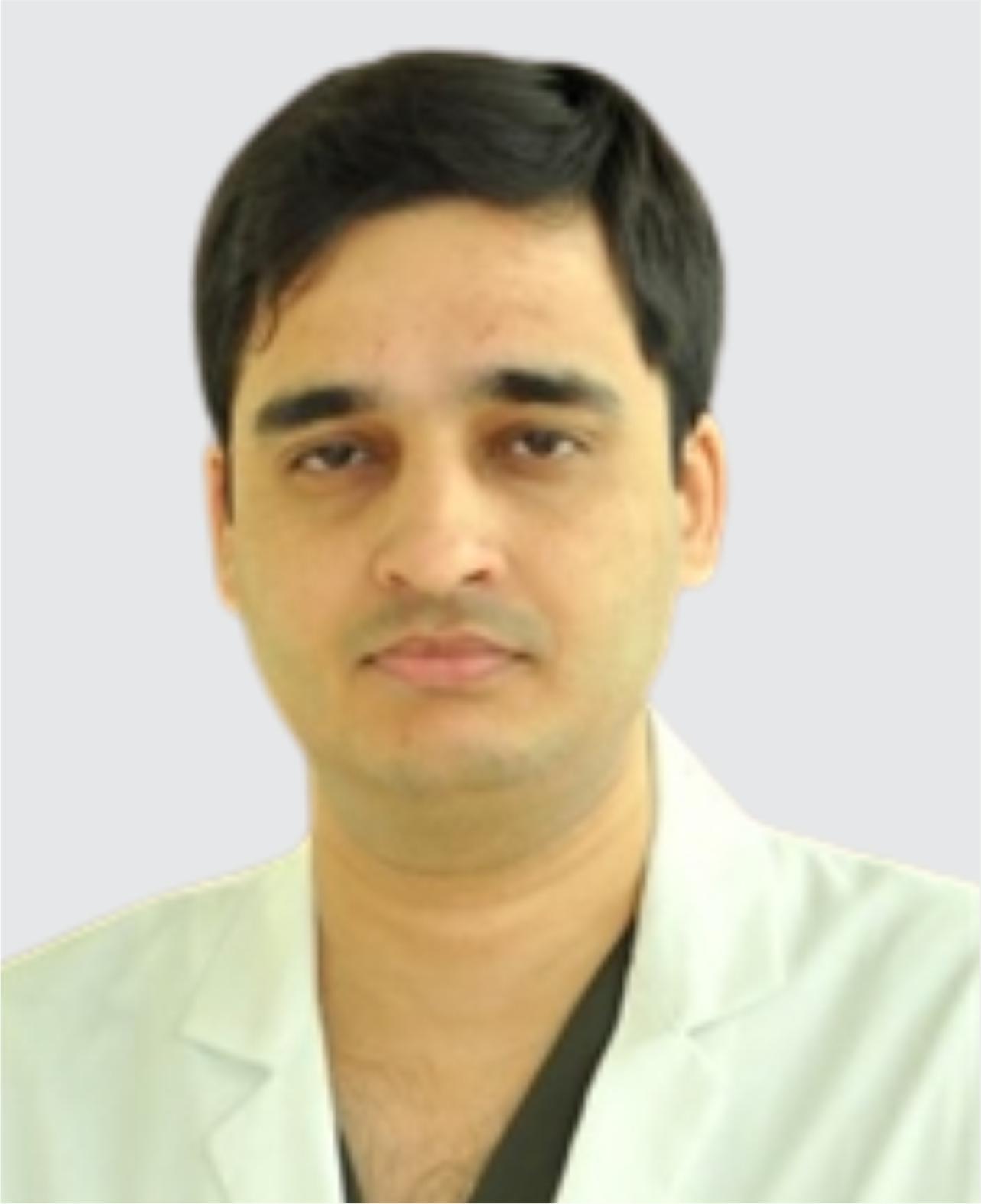
Dr. Amit Kalsotra
Sr. Consultant - Anaesthesia, Critical Care & Pain Management
Anaesthesia, Critical Care, Pain Management
New Delhi
15+ Years
Experience
Artemis Hospital
Hospital
1500
Fees
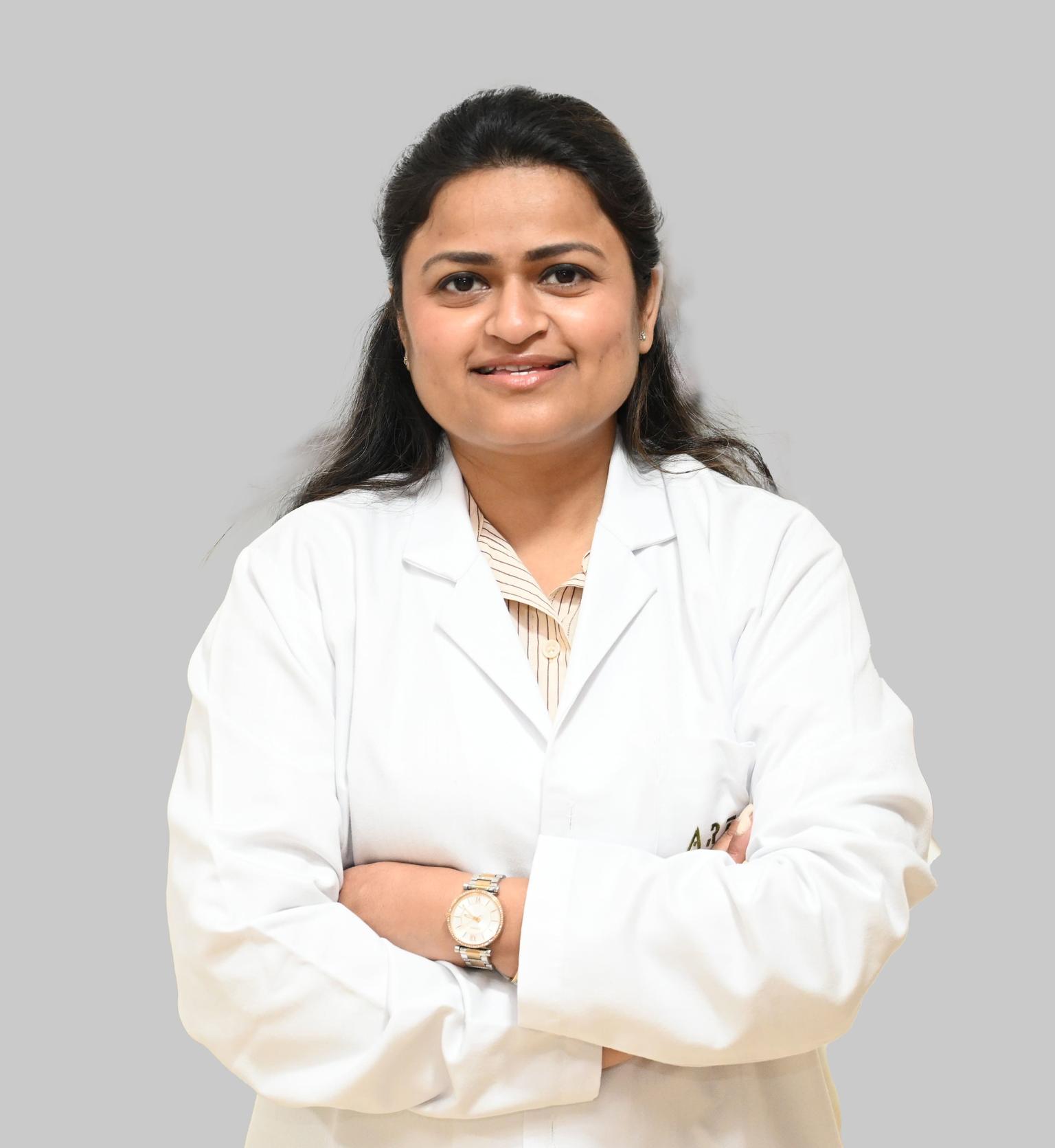
Dr. Anjali Vaish
Consultant - Physiotherapy and Rehabilitation Centre
Physiotherapy and Rehabilitation Centre
New Delhi
10+ Years
Experience
Artemis Hospital
Hospital
1500
Fees
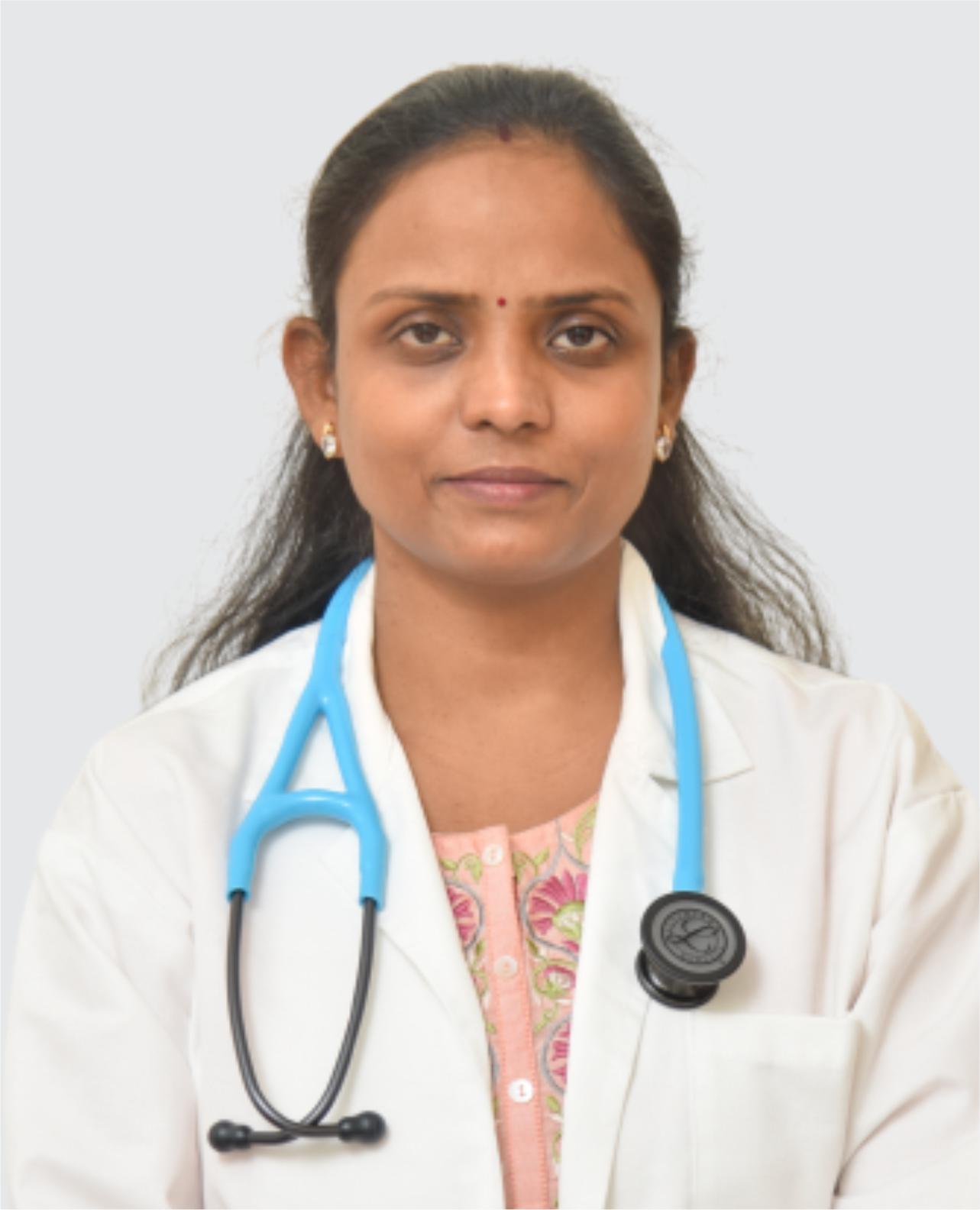
Dr. Anju Singh
Consultant - Pediatric Rheumatology
Pediatric Rheumatology
New Delhi
13+ Years
Experience
Artemis Hospital
Hospital
1500
Fees
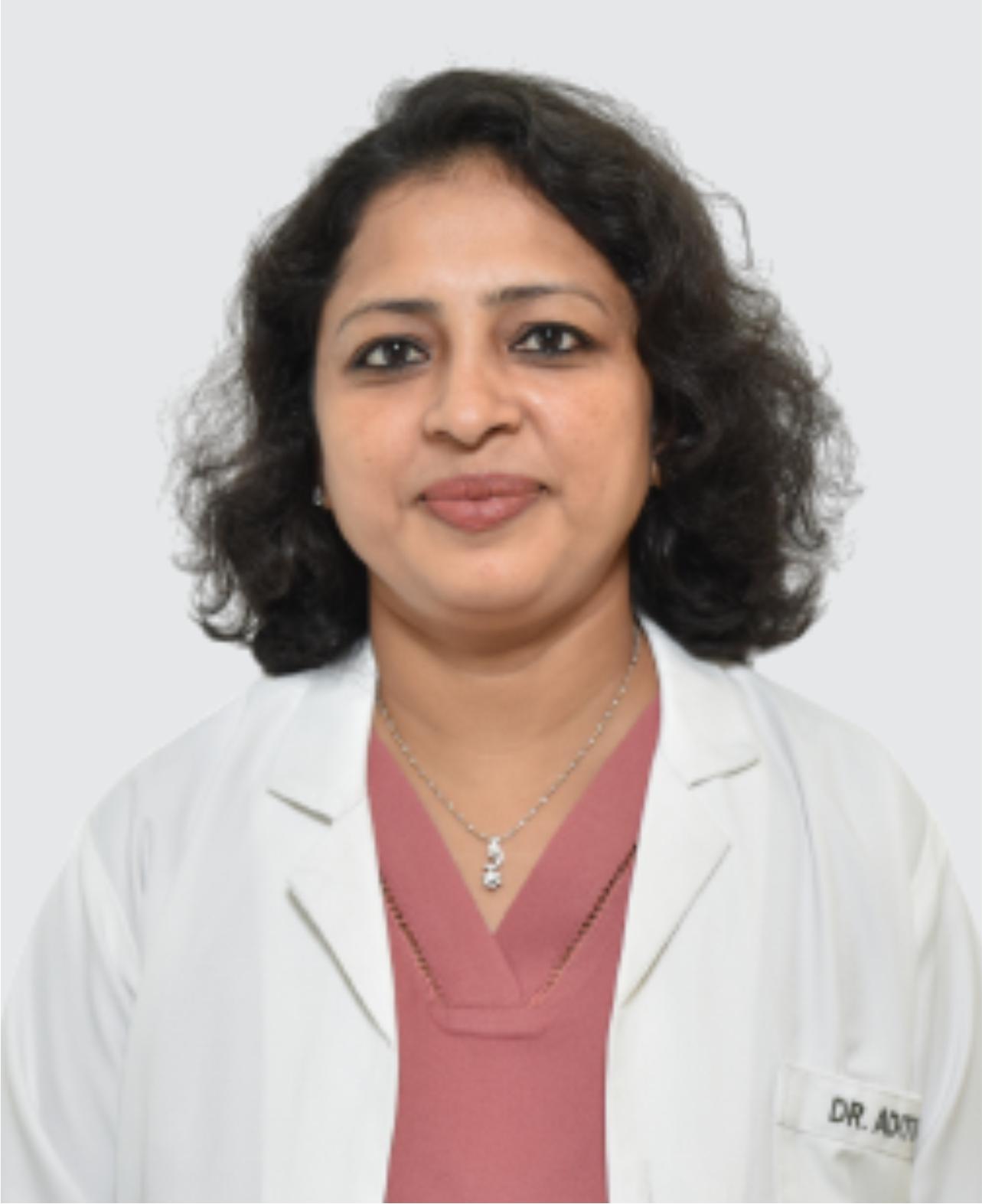
Dr Aditi Dixit
Sr. Consultant – Women Imaging
Radiology
New Delhi
15+ Years
Experience
Artemis Hospital
Hospital
1500
Fees
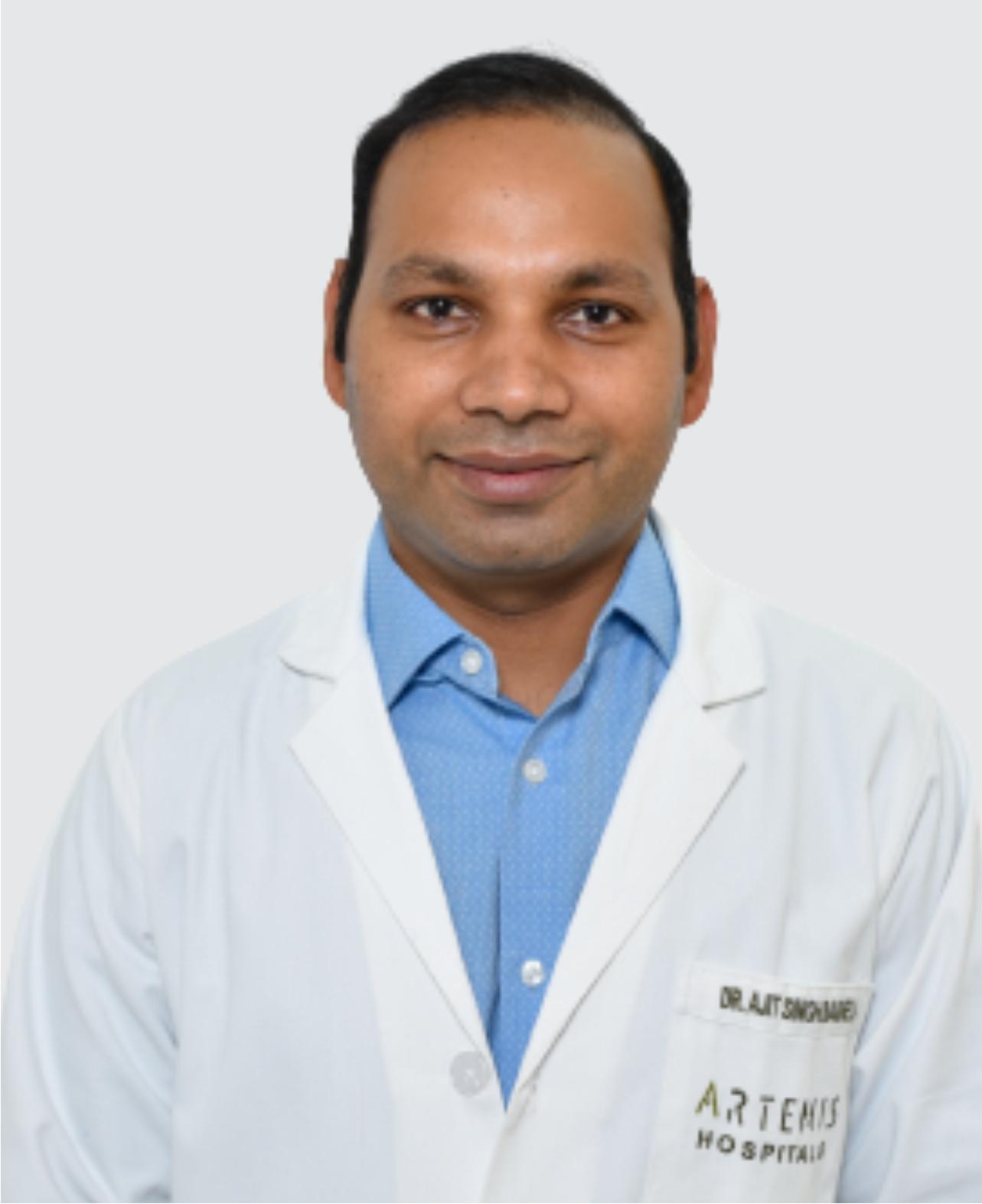
Dr. Ajit Singh Baghela
Sr. Consultant - Paediatric Neurology
Paediatric Neurology
New Delhi
9+ Years
Experience
Artemis Hospital
Hospital
1500
Fees

Dr. (Brig.) Anil Khetarpal
Deputy Chief - Medical Services & Chairperson -Department of Blood Centre and Transfusion medicine
Blood Centre & Transfusion Medicine
New Delhi
33+ Years
Experience
Artemis Hospital
Hospital
1500
Fees
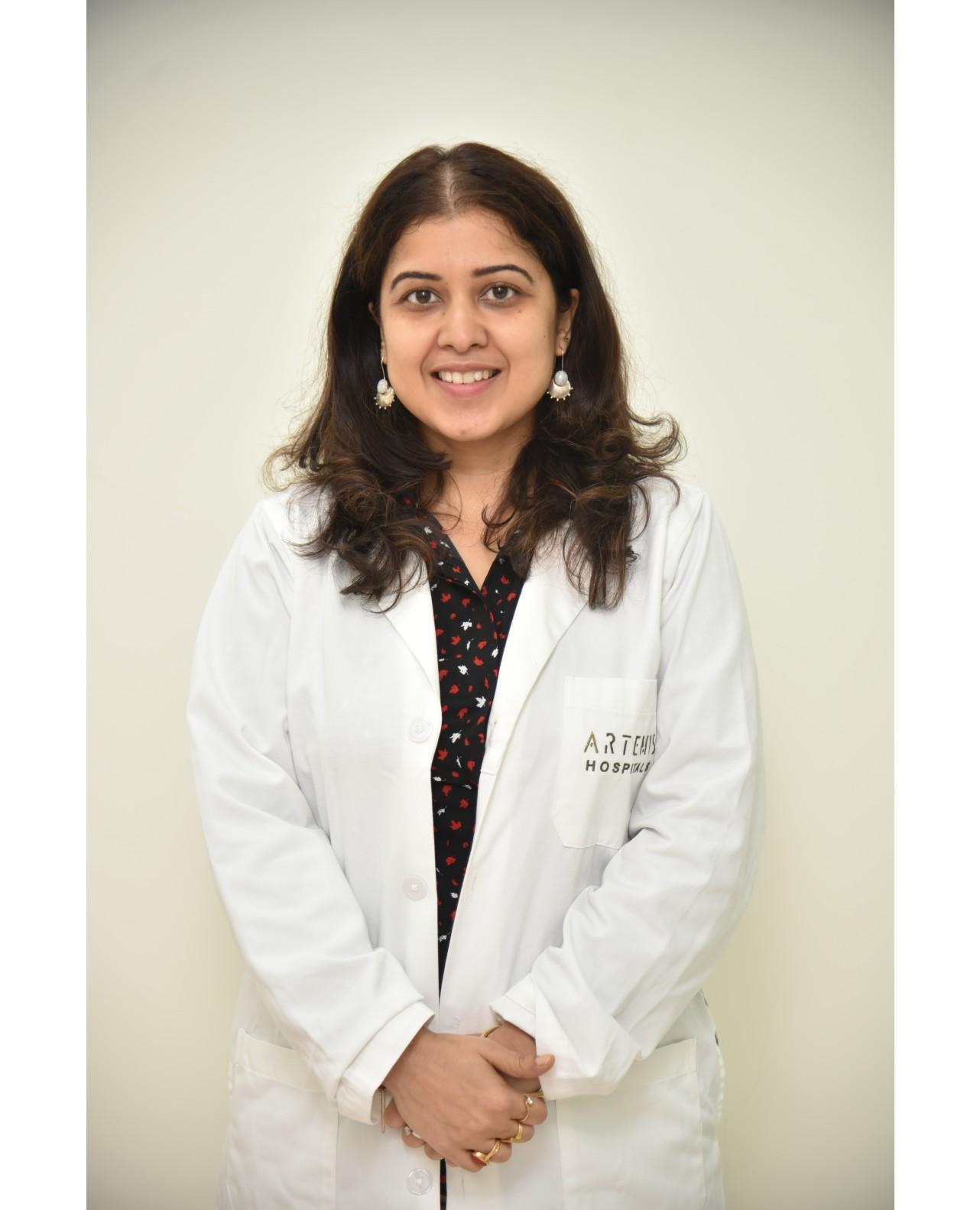
Dr Chandrima Misra M
Co-Head Psychological Services
Mental Health and Behavioural Sciences
New Delhi
15+ Years
Experience
Artemis Hospital
Hospital
1500
Fees
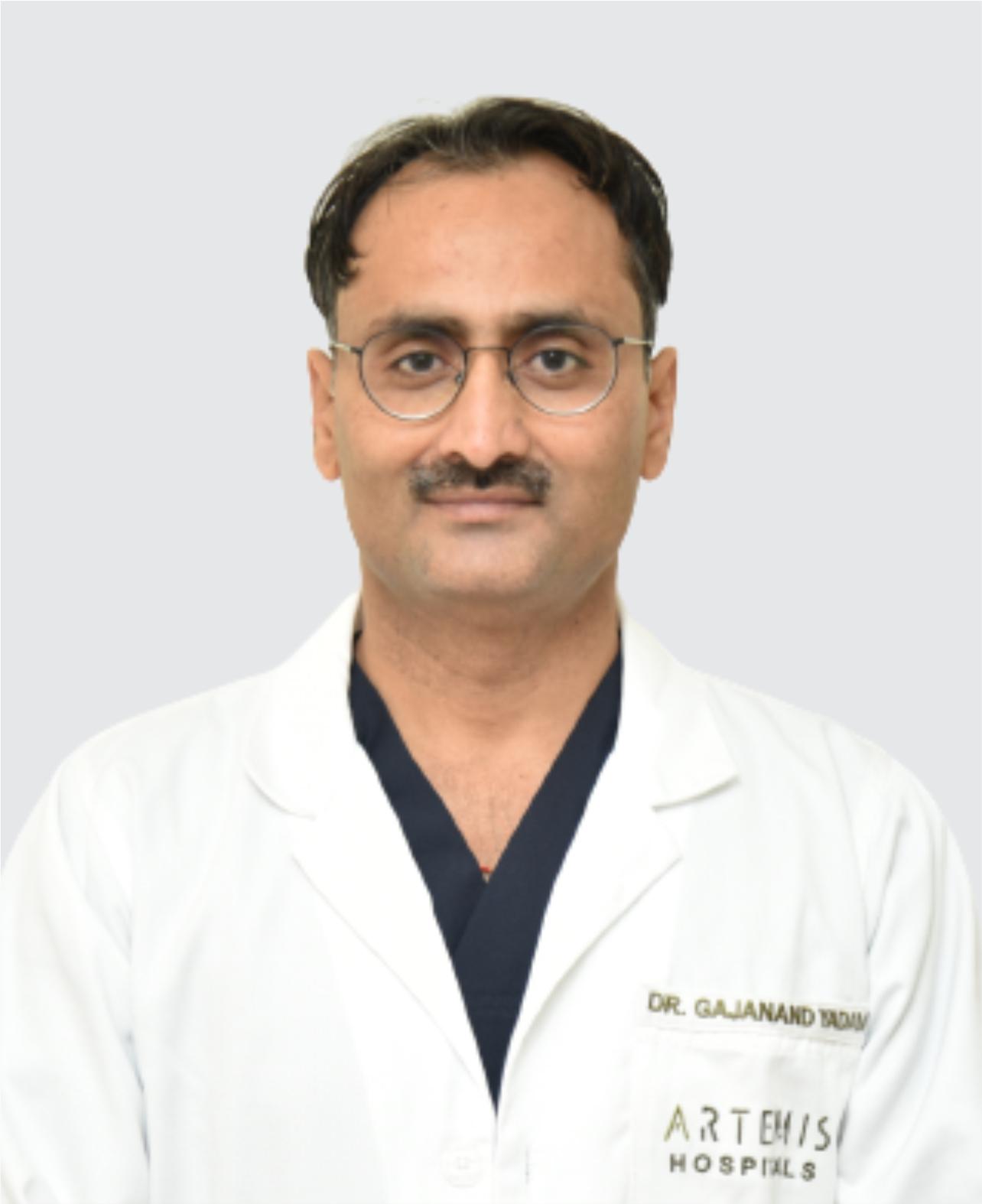
Dr. Gajanand Yadav
Consultant - Orthopaedics and Hip and Knee Arthroplasty
Orthopaedics, Hip and Knee Arthroplasty, Joint Replacement, Sports Medicine
New Delhi
12+ Years
Experience
Artemis Hospital
Hospital
1500
Fees
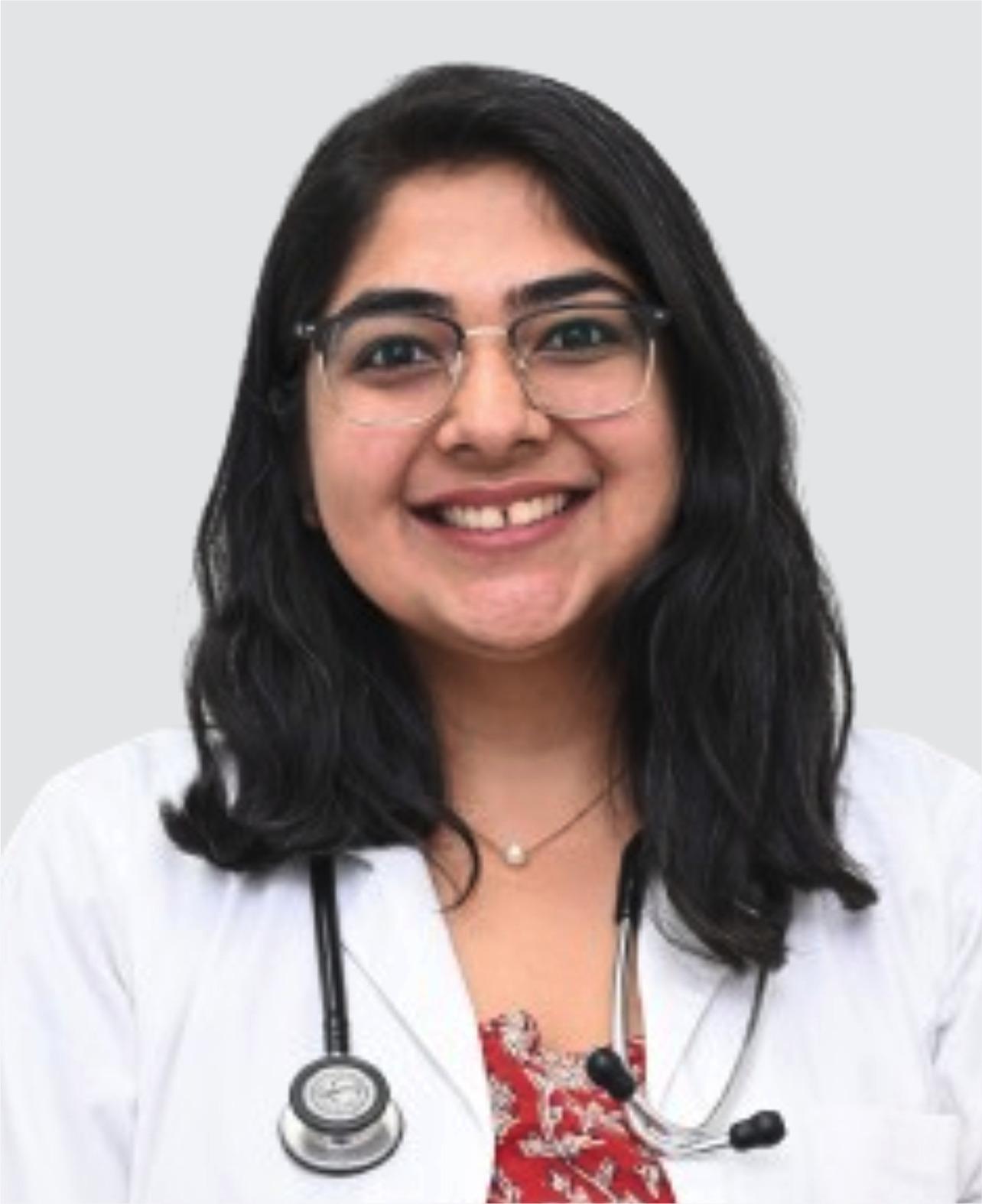
Dr. Meenal Thakral
Attending Consultant – Geriatric Medicine
Geriatric Medicine, Geriatric Surgery
New Delhi
3+ Years
Experience
Artemis Hospital
Hospital
1500
Fees
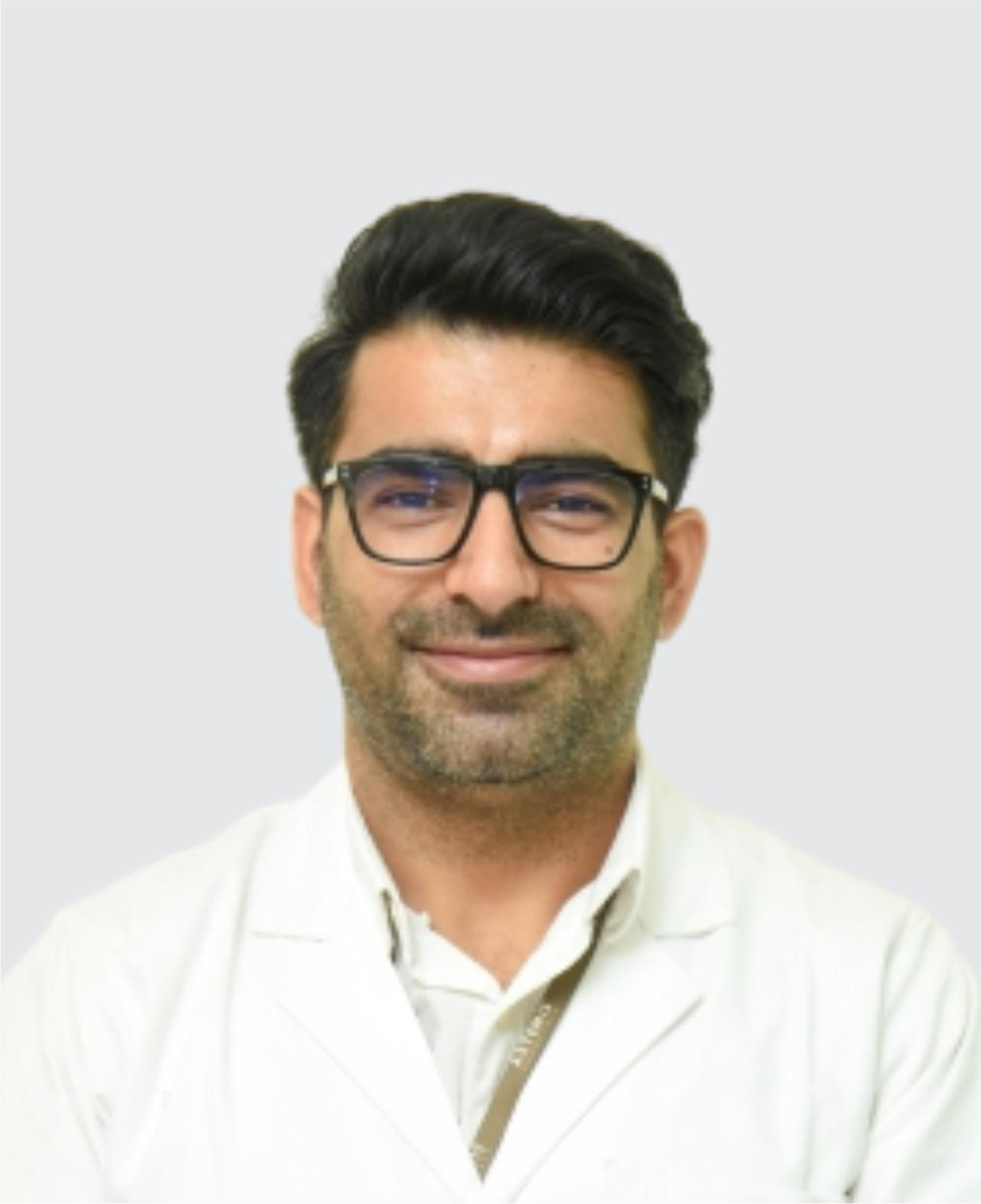
Dr. Mohammad Irfan Banday
Consultant
Orthopaedic Surgery
New Delhi
10+ Years
Experience
Artemis Hospital
Hospital
1500
Fees
Related Links
Recent Blogs
- How DivinHeal Helps You Find the Best Hospital in India
- Limb Lengthening Surgery: India vs USA, Turkey & Europe
- Best Orthopedics Doctors in India for Nigerian Patients
- Best Orthopedics Hospitals in India for Nigerian Patients
- Travel, Stay & Food Tips for Medical Tourists in India
- Ethiopia to India Medical Travel Guide for Patients | DivinHeal
- Top 10 Orthopedic Hospitals in Bangalore (2026 Guide)
- Top Spine Surgeons in India for International Patients
- Limb Lengthening Surgery Cost in India (₹5L–₹10L) Explained
- Chiropractic Treatment Cost in India for Omani Patients
Other Treatment related Information
Ready To Start Your Healing Journey?
Get Personalized Medical Treatment Options From India's Top Hospitals. Our Medical Experts Are Ready To Assist You Every Step Of The Way.