
Paediatric Treatment in India
Need Personalized Advice?
Our medical experts are ready to answer your questions and guide you through your treatment options.
About
Paediatric Treatment in India | Medical Scope & Care
Paediatric treatment focuses on the medical care of infants, children, and adolescents. It encompasses a wide range of health services. These services address conditions from birth through young adulthood. Paediatric care is vital for ensuring healthy growth and development. It covers diagnosis, treatment, and prevention of illnesses unique to younger age groups. This includes managing acute diseases, chronic conditions, and developmental disorders.
Patients from various regions increasingly choose India for paediatric care. Families from countries like Bangladesh, Nepal, and Afghanistan often travel for advanced treatment. This is due to geographical proximity and cultural similarities. Many patients from African nations such as Nigeria and Kenya also seek care. The Middle East, including Oman and UAE, sees families coming for complex cases. They are drawn by high-quality medical expertise and competitive costs. India offers a blend of advanced technology and experienced medical professionals. This combination provides accessible and comprehensive paediatric solutions.
India's healthcare system boasts robust infrastructure for paediatric treatment. Specialized hospitals feature dedicated paediatric departments. These centres are equipped with state-of-the-art medical technology. A large pool of highly trained paediatric specialists is available. India’s commitment to patient-centred care is evident. It maintains international standards in medical practice. The scale of healthcare delivery is significant. This ensures wide accessibility to quality paediatric services.
Indications for Paediatric Treatment
- Newborn intensive care for premature infants.
- Congenital anomalies requiring surgical correction.
- Management of infectious diseases in children.
- Treatment of childhood cancers and blood disorders.
- Neurological conditions affecting development.
- Gastrointestinal and respiratory disorders.
- Endocrine and metabolic imbalances.
- Cardiac conditions requiring intervention.
- Renal diseases and urological issues.
- Orthopaedic conditions and injuries.
Approaches to Paediatric Treatment
Paediatric treatment involves diverse medical and surgical approaches. These are tailored to the specific needs of children. General paediatrics focuses on routine check-ups and common illnesses. Paediatric surgery addresses congenital defects and injuries. Sub-specialties include paediatric cardiology, oncology, and neurology. Each discipline provides specialized care. For example, paediatric cardiology manages heart defects. Paediatric oncology treats childhood cancers. Developmental paediatrics supports children with special needs. Advanced diagnostic tools aid precise treatment planning. These include MRI, CT scans, and genetic testing. Therapeutic interventions range from medication management to complex surgeries. Rehabilitation services also form a critical component of holistic care.
Diagnostic and Clinical Evaluation
- Detailed medical history collection from parents.
- Comprehensive physical examination of the child.
- Blood tests and other laboratory investigations.
- Imaging studies such as X-rays, ultrasound, MRI, CT scans.
- Specialized tests like EEG for neurological conditions.
- Echocardiograms for cardiac assessments.
- Genetic testing for inherited disorders.
- Developmental assessments for milestones.
Medical Explanation of Paediatric Care
Paediatric care often begins with thorough diagnostic evaluations. These identify the underlying health issue. Treatment plans are then developed by a multidisciplinary team. This team includes paediatricians, surgeons, and therapists. Medical management often involves specific medications. Surgical procedures correct anatomical defects or remove diseased tissue. Minimally invasive techniques are frequently employed. These reduce recovery time and discomfort for children. For chronic conditions, ongoing management and monitoring are essential. The focus remains on age-appropriate care. This supports the child's overall well-being. Nutrition and psychological support are also integrated into treatment.
Clinical Recovery Expectations
Recovery from paediatric treatment varies widely. It depends on the child's age, condition, and treatment type. Post-operative care involves pain management and monitoring. Hospital stays may range from a few days to several weeks. Rehabilitation therapy is often crucial. This helps children regain strength and function. Parents receive clear instructions for home care. Regular follow-up appointments are scheduled. These ensure proper healing and track progress. Support for emotional and developmental needs is also provided during recovery. A smooth recovery process aims for the child's return to normal activities.
Potential Medical Risks
- Anaesthetic complications during surgery.
- Infection at the surgical site or elsewhere.
- Bleeding during or after a procedure.
- Adverse reactions to medications.
- Organ damage from complex interventions.
- Long-term developmental delays in some cases.
- Psychological distress for the child.
- Recurrence of the underlying condition.
Outcome and Success Rates
The Paediatric success rate in India is generally high. Outcomes depend on many factors. These include the specific condition, its severity, and early diagnosis. The child's overall health plays a significant role. Advanced medical technologies improve prognoses. Specialized paediatric expertise contributes to positive results. For many common conditions, success rates are comparable to global standards. Complex cases also see favorable outcomes due to skilled specialists. Early intervention greatly enhances the chances of successful recovery. India strives to achieve the best possible health outcomes for its young patients.
Cost of Paediatric Treatment in India
The cost of Paediatric Treatment in India is a significant advantage for international patients. Prices are considerably lower compared to Western countries. This affordability does not compromise quality. Several factors influence the final cost. These include the complexity of the condition and the required treatment. The choice of hospital and the duration of stay also play a role. India offers transparent pricing structures. This allows families to plan their medical journey effectively.
| Type of Paediatric Treatment | Estimated Cost Range (USD) |
|---|---|
| General Paediatric Consultation | 20 - 50 |
| Paediatric Cardiac Surgery | 5,000 - 15,000 |
| Paediatric Oncology Treatment (e.g., Leukemia) | 10,000 - 30,000 |
| Paediatric Neurosurgery | 6,000 - 18,000 |
| Paediatric Orthopaedic Surgery | 3,000 - 10,000 |
| Neonatal Intensive Care (per day) | 200 - 500 |
India stands as a compelling destination for paediatric treatment. It combines advanced medical care with cost-effectiveness. The availability of expert specialists for Paediatric Treatment in India is a major draw. Families seeking quality care for their children will find comprehensive support. India's healthcare sector continues to evolve. It offers hope and healing for young patients globally.
Hospitals Offering this treatment
India offers premium medical procedures at affordable prices. Discover our most popular treatments, delivered by the country's finest doctors.
Meet Our Doctors
Meet our team of highly qualified and experienced medical professionals dedicated to providing the best healthcare services.
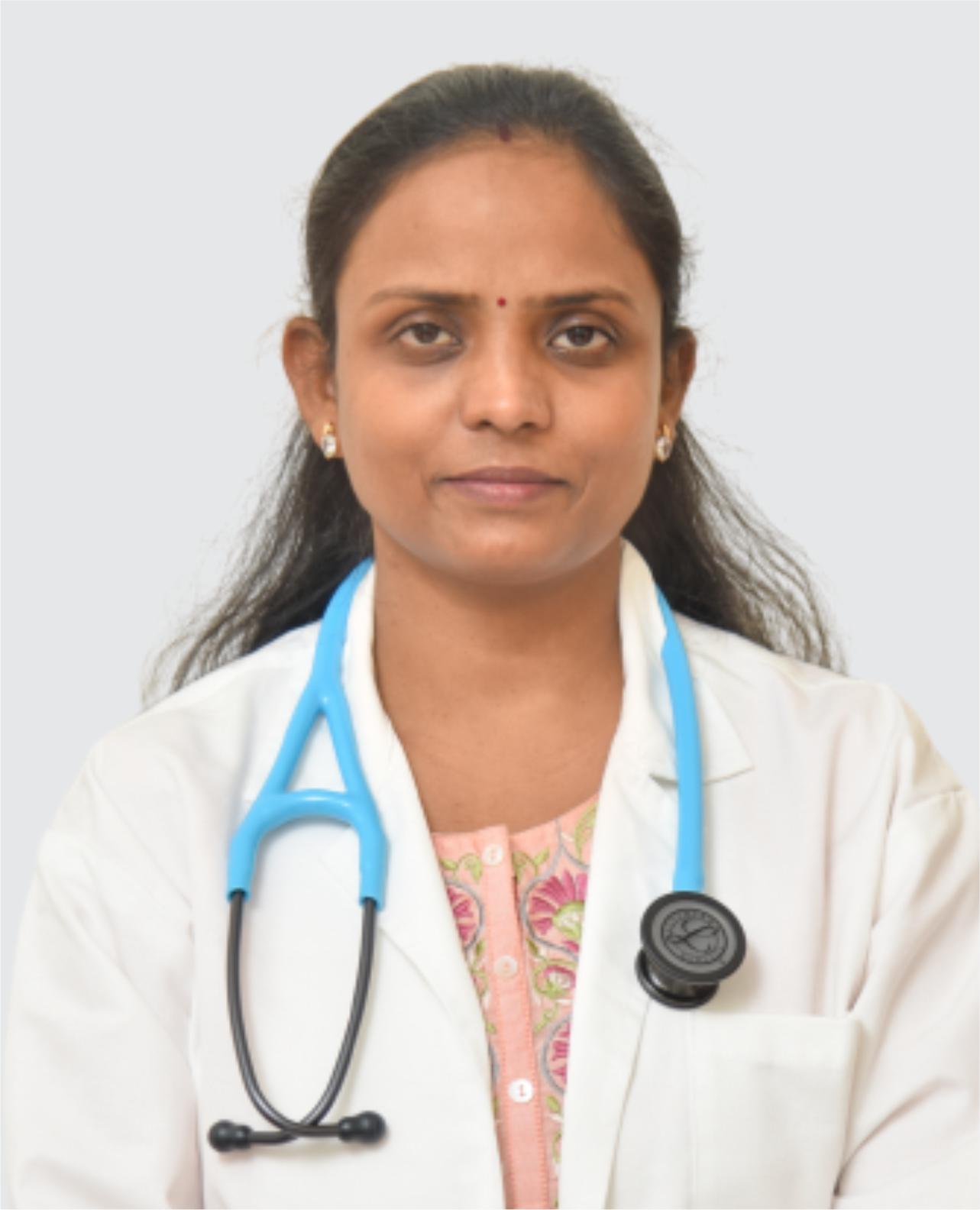
Dr. Anju Singh
Consultant - Pediatric Rheumatology
Pediatric Rheumatology
New Delhi
13+ Years
Experience
Artemis Hospital
Hospital
1500
Fees
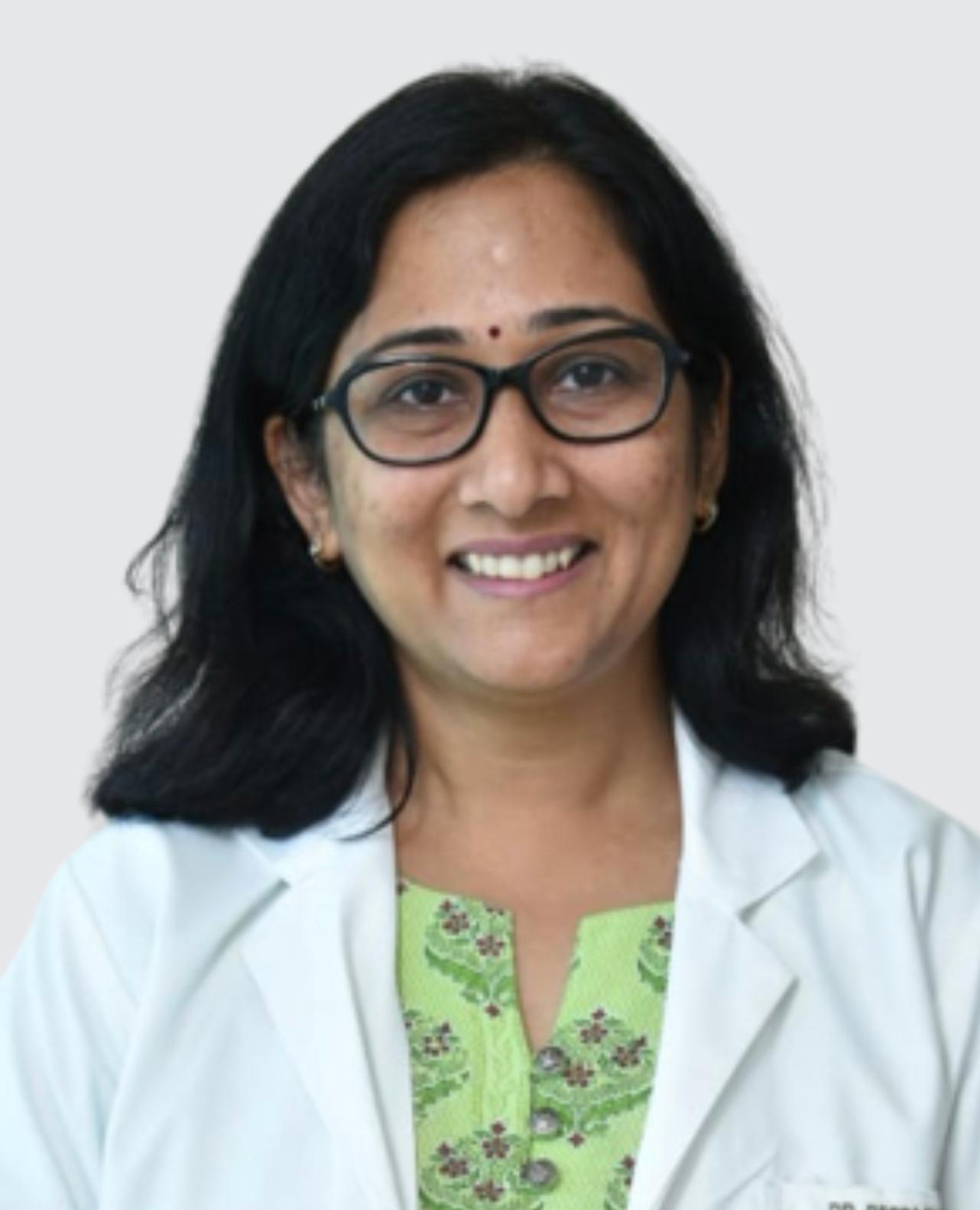
Dr. Deepa Maheshwari
Unit Head
Maternity, Obstetrics & Gynaecology
New Delhi
20+ Years
Experience
Artemis Hospital
Hospital
1500
Fees
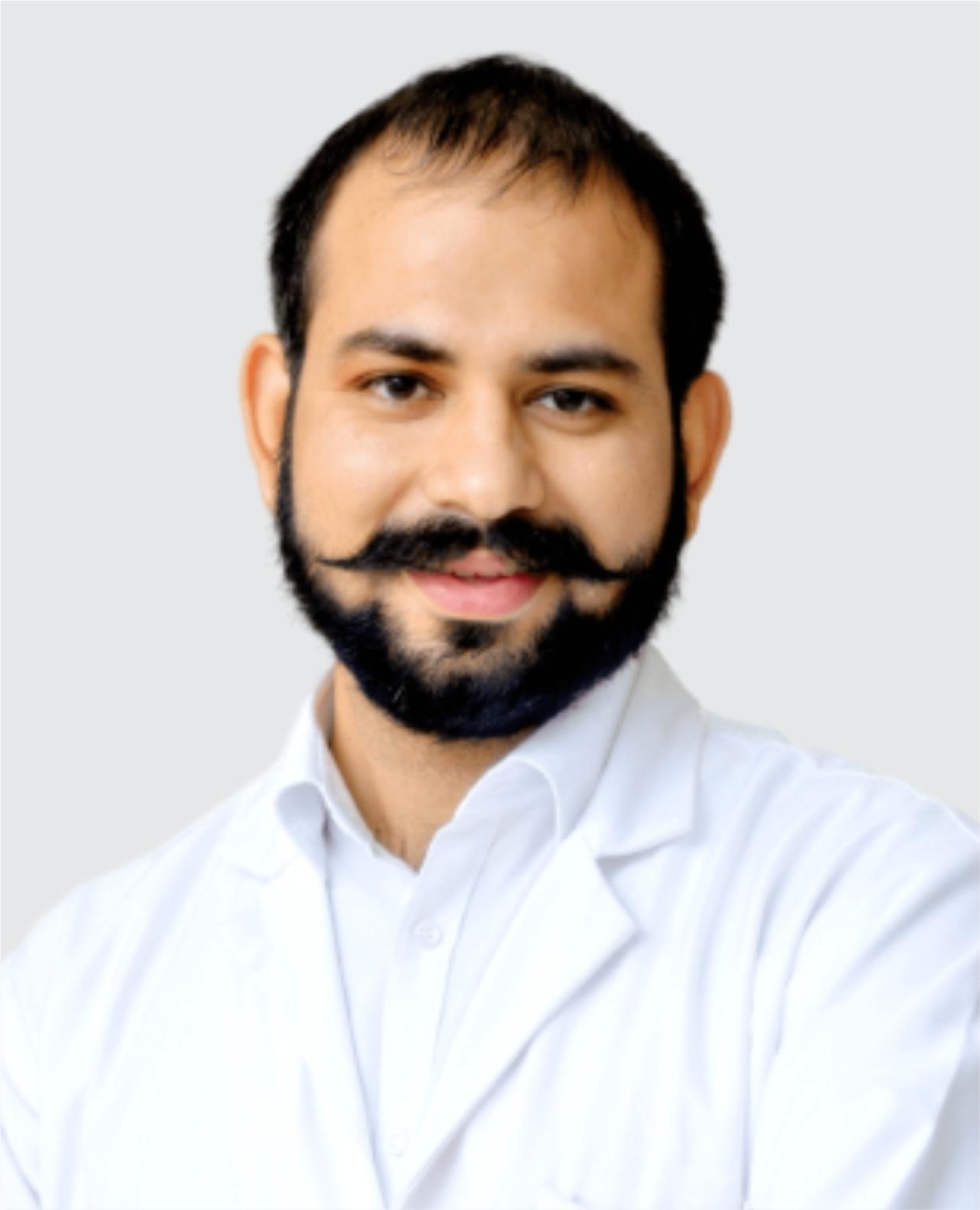
Dr. Sachin Sethi
Principal Lead - Physiotherapy
Physiotherapy and Rehabilitation
New Delhi
13+ Years
Experience
Artemis Hospital
Hospital
1500
Fees
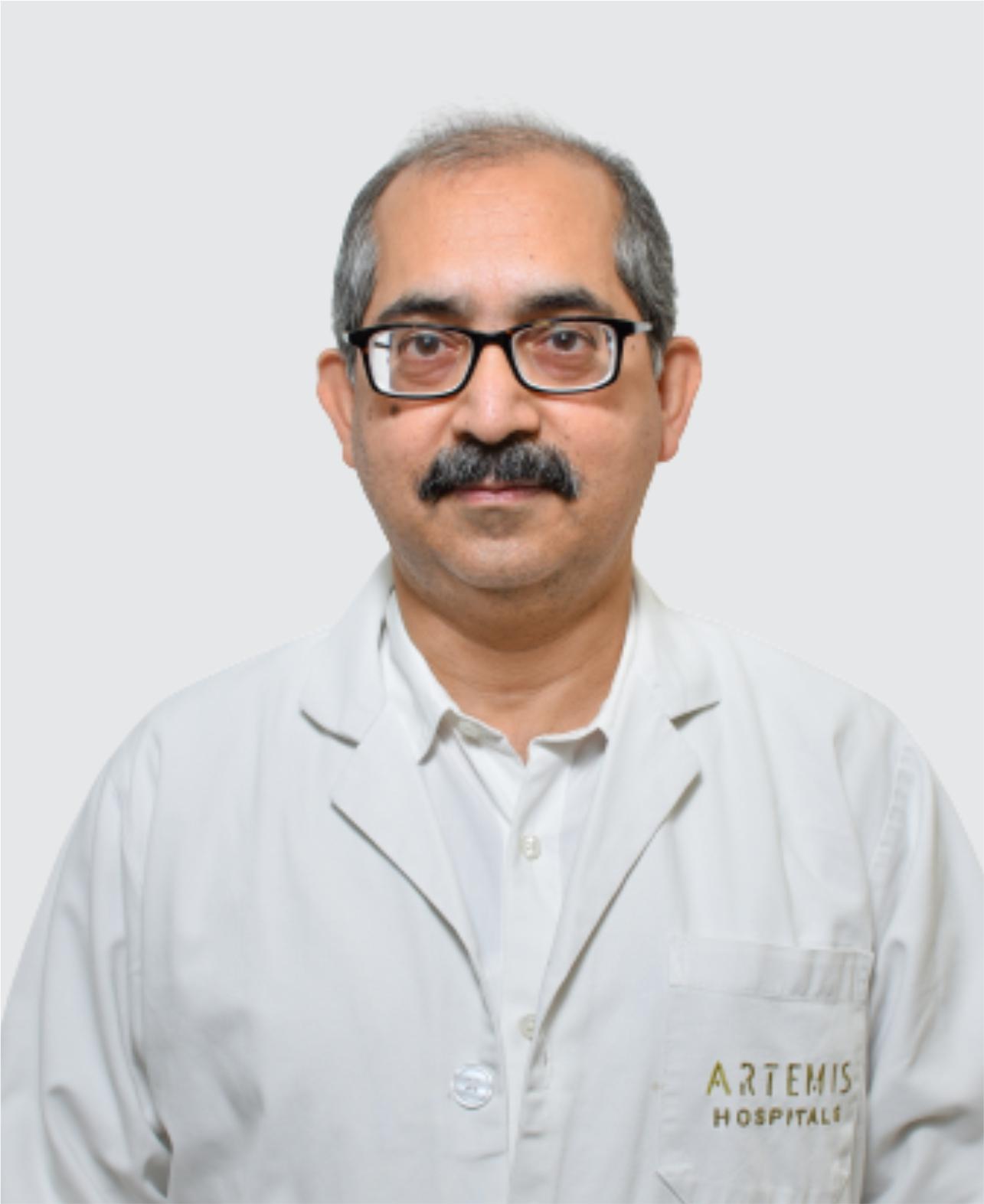
Dr. Sanjay Mehta
Chairperson
Radiology
New Delhi
28+ Years
Experience
Artemis Hospital
Hospital
1500
Fees
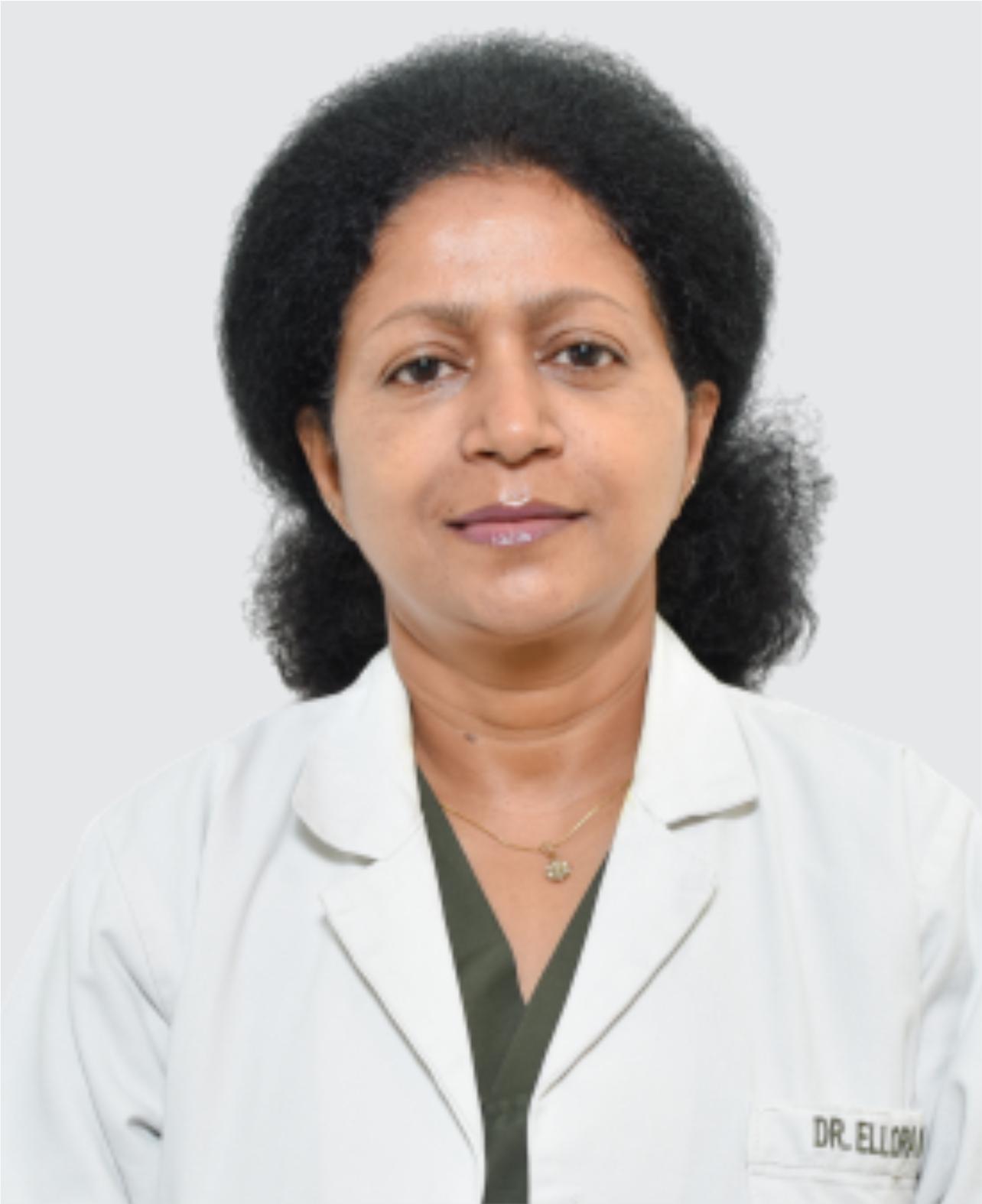
Dr. Ellora Nanda
Admin Head - Emergency
Emergency & Trauma Services
New Delhi
25+ Years
Experience
Artemis Hospital
Hospital
1500
Fees

Gurpreet Makkar
Head Imaging & Chief DNB Program
Radiology
New Delhi
19+ Years
Experience
Artemis Hospital
Hospital
1500
Fees
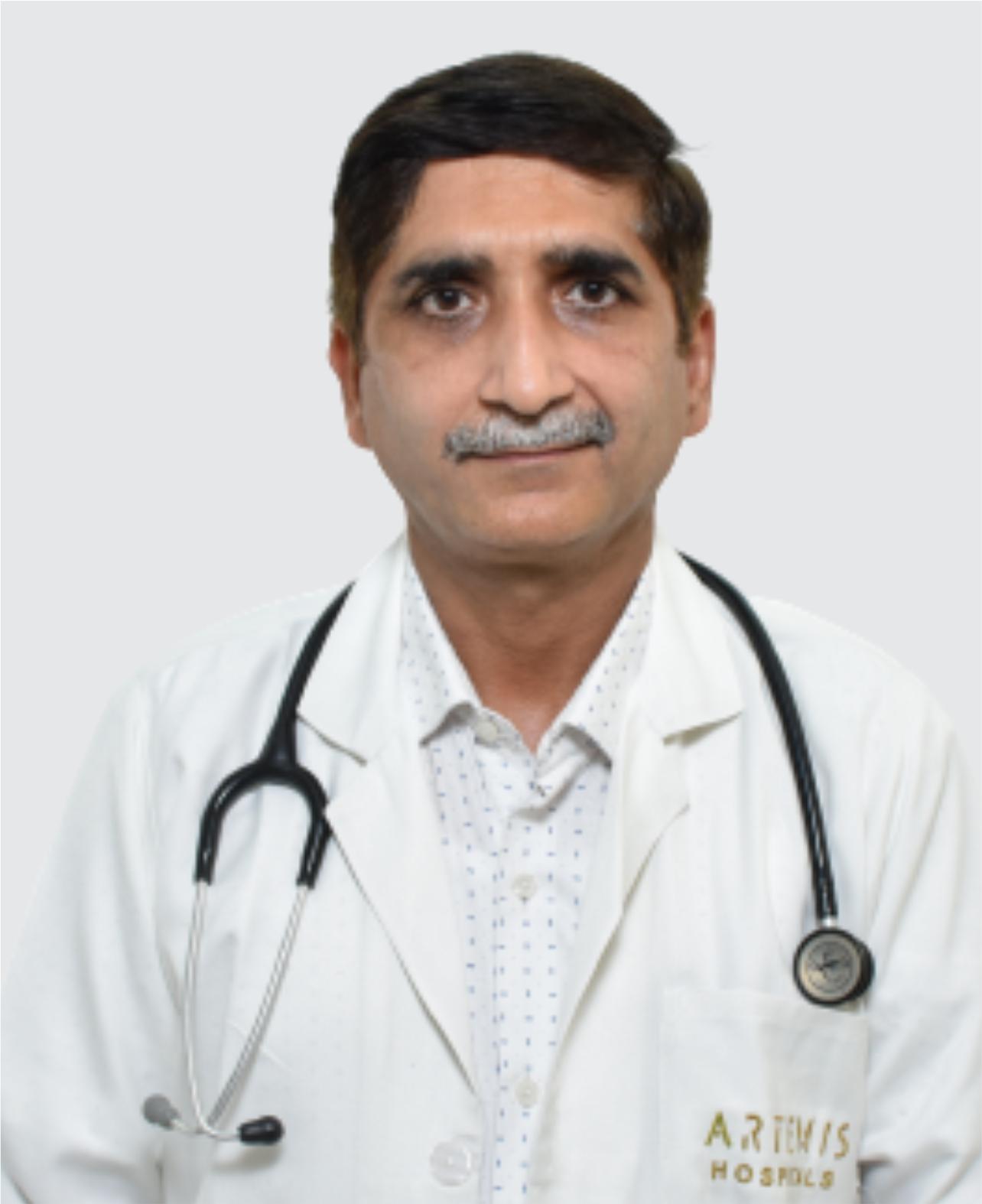
Dr. Hemant Gogia
Sr. Consultant - Paediatrics & Head - Medical Services and Medical Superintendent
Paediatric
New Delhi
10+ Years
Experience
Artemis Hospital
Hospital
1500
Fees
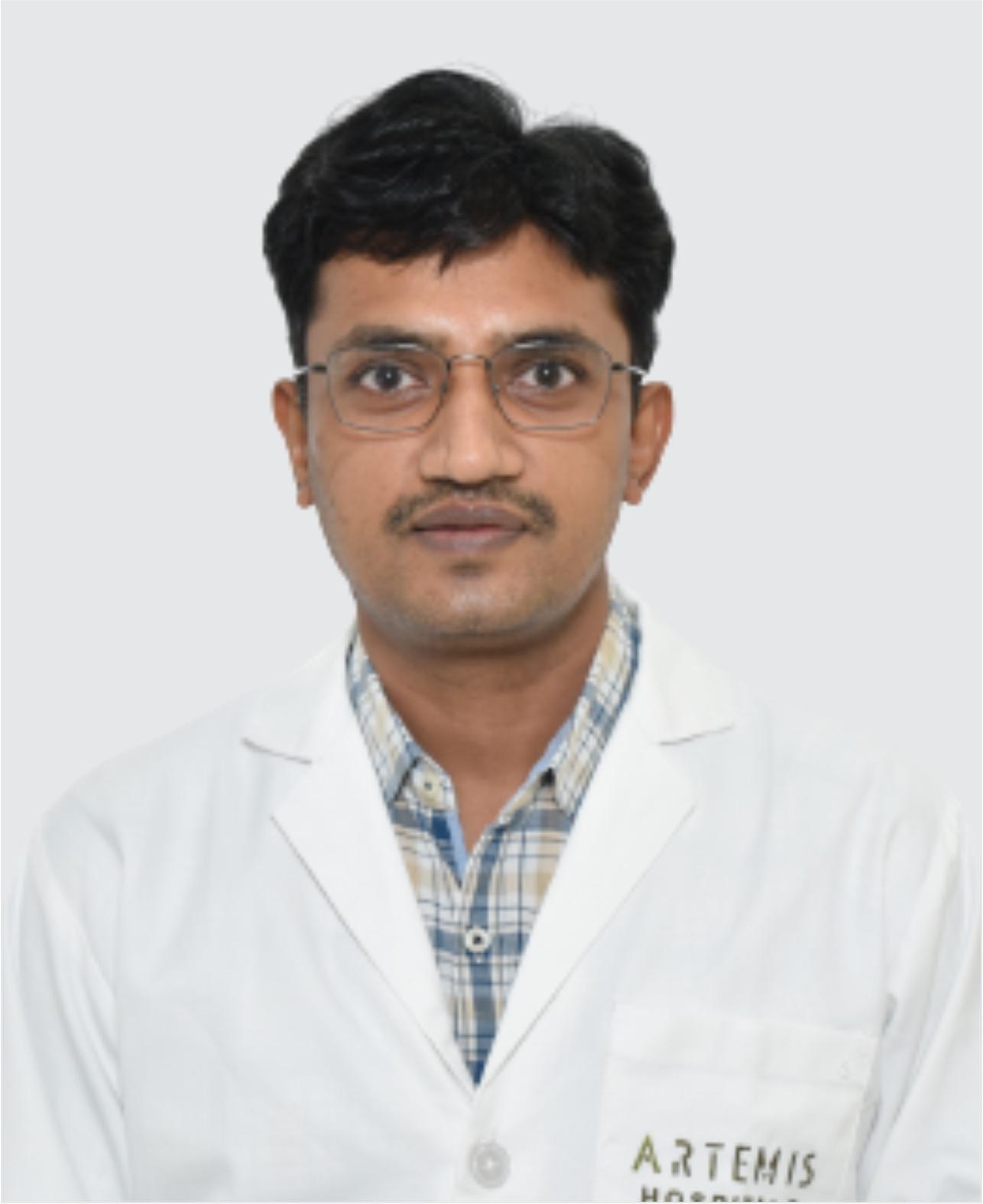
Dr. Nitin Goel
Sr. Consultant
Paediatric Surgery
New Delhi
10+ Years
Experience
Artemis Hospital
Hospital
1500
Fees
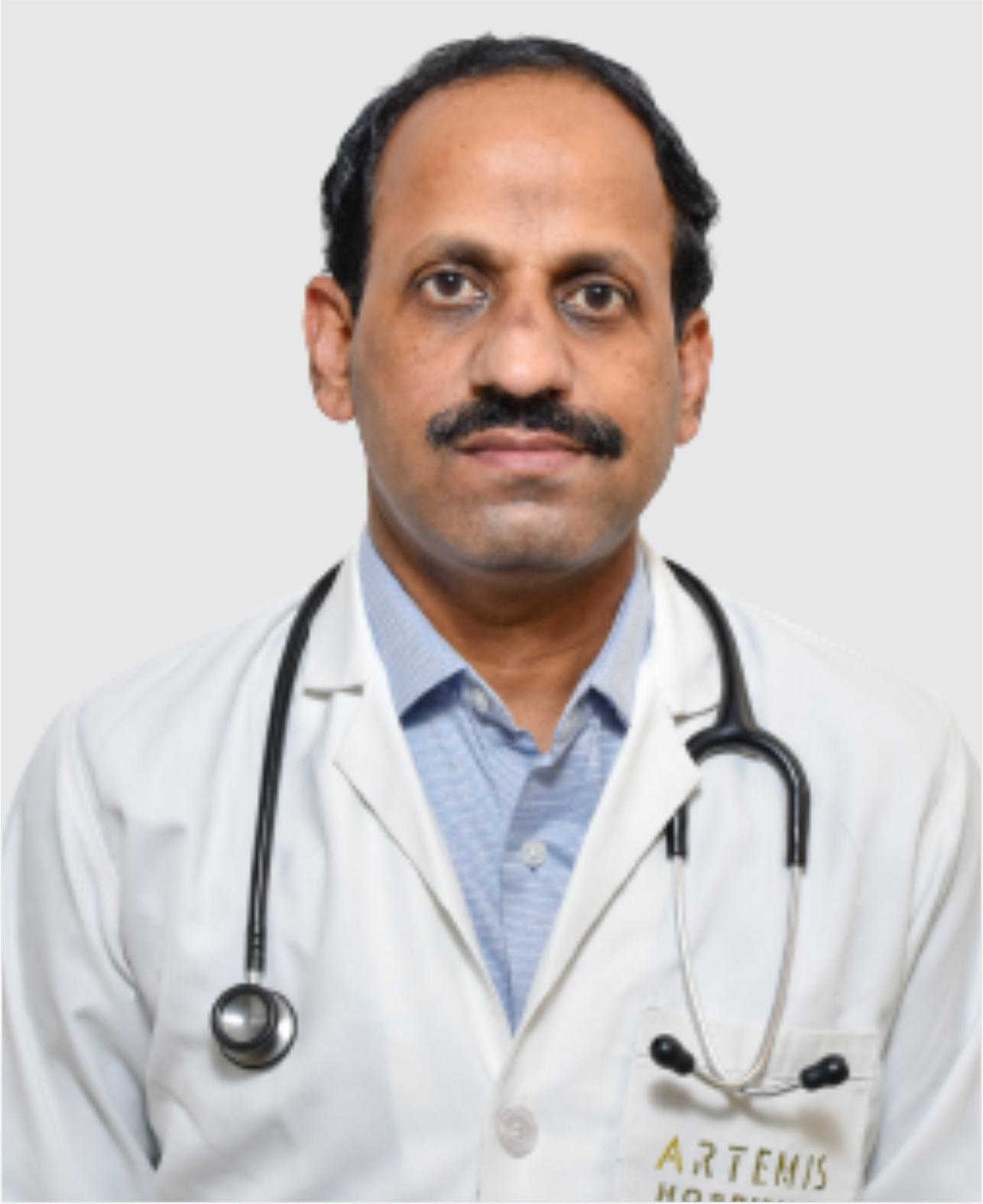
Dr. Padam Yadav
Consultant
Paediatric
New Delhi
15+ Years
Experience
Artemis Hospital
Hospital
1500
Fees
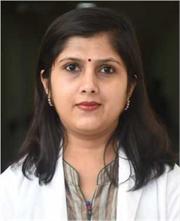
Dr. Ritika Singla
Director
Neonatology
New Delhi
11+ Years
Experience
Artemis Hospital
Hospital
1500
Fees
Related Links
Recent Blogs
Other Treatment related Information
Ready To Start Your Healing Journey?
Get Personalized Medical Treatment Options From India's Top Hospitals. Our Medical Experts Are Ready To Assist You Every Step Of The Way.
Frequently Asked Questions
Get answers to common questions about medical tourism, treatment procedures, and our comprehensive healthcare services.