Centres Of Excellence
Our Centres of Excellence bring together multidisciplinary teams to deliver precise diagnosis, advanced treatments, and superior outcomes across a wide spectrum of medical specialties.

OVERVIEW
Goals and Techniques in Paediatric Treatment
The primary goals of paediatric treatment are to restore health, prevent disease progression, alleviate symptoms, and support the child's growth and developmental milestones. Techniques range from minimally invasive diagnostic procedures and medication management to advanced surgical interventions, critical care, and long-term rehabilitative therapies. Emphasizing a child-centric approach, treatments are tailored to the unique physiological and psychological needs of young patients, often involving a multidisciplinary team of specialists.
PROCEDURE
BENEFITS
Benefits of World-Class Paediatric Treatment
Improved Health Outcomes
Access to advanced medical technologies and expert Paediatric specialists ensures accurate diagnosis and effective treatment, leading to better health and developmental outcomes for children.
Holistic Child-Centric Care
Treatments are tailored to the unique needs of children, focusing on minimizing discomfort, supporting emotional well-being, and fostering a positive recovery environment.
Access to Specialized Expertise
DivinHeal connects you with sub-specialists in Paediatric cardiology, neurology, oncology, and more, ensuring specialized care for complex conditions and higher Paediatric success rates.
Significant Cost Savings
Opting for Paediatric treatment in India through DivinHeal provides access to high-quality care at a fraction of the cost in Western countries, making superior treatment financially feasible.
Comprehensive Support System
From visa assistance to post-treatment follow-ups, DivinHeal provides end-to-end support, reducing stress for families and allowing them to focus entirely on their child's recovery and well-being.
RECOVERY
Paediatric Recovery Time and Tips
The Paediatric recovery time is highly dependent on the specific condition treated, the child's age, and overall health. For minor procedures, recovery might be a few days, while complex surgeries or treatments like Paediatric chemotherapy and radiation therapy can involve weeks to months of rehabilitation and ongoing care.
Immediate Post-Treatment Care
Close monitoring for pain management, infection prevention, and ensuring adequate nutrition and rest. Our care coordinators guide families on hospital protocols and post-discharge instructions.
Physical and Occupational Therapy
For certain conditions, physical therapy, occupational therapy, or speech therapy may be crucial for regaining strength, mobility, and developmental skills. DivinHeal can help arrange these services.
Emotional and Psychological Support
Children and families may benefit from counseling to cope with the emotional impact of illness and treatment. Child-life specialists in our partner hospitals help make the experience less stressful for young patients.
Long-Term Follow-up
Regular check-ups with Paediatric specialists are vital to monitor progress, manage any long-term effects, and ensure continued healthy development. DivinHeal facilitates these follow-up appointments and offers guidance on lifestyle modifications for optimal Paediatric recovery.
WHAT WE TREAT
Conditions Treated in Paediatrics
Common Paediatric Conditions
Respiratory infections (asthma, bronchitis), gastrointestinal disorders (appendicitis, inflammatory bowel disease), urinary tract infections, skin conditions (eczema, severe allergies), childhood fevers, and infectious diseases.
Complex Paediatric Diseases
Congenital heart defects, neurological disorders (epilepsy, cerebral palsy), paediatric cancers (leukemia, brain tumors), endocrine disorders (diabetes), kidney diseases, orthopedic conditions (scoliosis, clubfoot), and genetic syndromes.
Developmental & Behavioral Issues
Developmental delays, autism spectrum disorder, ADHD, and other neurodevelopmental conditions requiring specialized therapies and management.
PREPARATION
RISKS
JOURNEY
The Paediatric Treatment Journey with DivinHeal
Initial Consultation & Diagnosis
Families begin with an AI-driven matching process to find the best paediatric specialists. Comprehensive diagnostic evaluations, including imaging, lab tests, and genetic screenings, are performed to accurately identify the child's condition.
Personalized Treatment Planning
Based on the diagnosis, a multidisciplinary team develops a personalized treatment plan, considering the child's age, specific condition, and overall health. This may include medication, surgery, specialized therapies, or a combination.
Treatment & Hospital Stay
DivinHeal coordinates all aspects of the treatment, from hospital admission to post-procedure care. Our partner hospitals offer child-friendly environments and expert medical teams focused on comfort and effective treatment.
Recovery & Follow-up Care
Post-treatment, our care coordinators ensure a smooth recovery. This includes arranging follow-up appointments, providing guidance on home care, and connecting families with rehabilitation or supportive services to ensure long-term well-being and a successful Paediatric recovery.
OUTCOMES
Successful Paediatric care leads to improved health outcomes, enhanced quality of life, and the optimal physical and cognitive development of children. Expected results include effective management of diseases, successful recovery from interventions, and a strong foundation for a healthy future.
Related Links
Doctors For Treatment in Similar Locations
Best Hospital Near by for treatment
Related Treatments

Pediatric Oncology
Treatment Price
$0.00 USDNo overview available
Treatment Overview
No overview available
Procedures
No procedure details available
Benefits
No benefits information available
Recovery Information
No recovery information available
Pediatric Cardiology (non-surgical)
Treatment Price
$0.00 USDNo overview available
Treatment Overview
No overview available
Procedures
No procedure details available
Benefits
No benefits information available
Recovery Information
No recovery information available
Pediatric Endocrinology
Treatment Price
$0.00 USDNo overview available
Treatment Overview
No overview available
Procedures
No procedure details available
Benefits
No benefits information available
Recovery Information
No recovery information available
Pediatric Pulmonology
Treatment Price
$0.00 USDNo overview available
Treatment Overview
No overview available
Procedures
No procedure details available
Benefits
No benefits information available
Recovery Information
No recovery information available
Pediatric Gastroenterology
Treatment Price
$0.00 USDNo overview available
Treatment Overview
No overview available
Procedures
No procedure details available
Benefits
No benefits information available
Recovery Information
No recovery information available
Pediatric Orthopedics
Treatment Price
$0.00 USDNo overview available
Treatment Overview
No overview available
Procedures
No procedure details available
Benefits
No benefits information available
Recovery Information
No recovery information available
Pediatric Urology (incl. Hypospadias)
Treatment Price
$0.00 USDNo overview available
Treatment Overview
No overview available
Procedures
No procedure details available
Benefits
No benefits information available
Recovery Information
No recovery information available
Pediatric Intensive Care (PICU)
Treatment Price
$0.00 USDNo overview available
Treatment Overview
No overview available
Procedures
No procedure details available
Benefits
No benefits information available
Recovery Information
No recovery information available
Newborn Care Package
Treatment Price
$0.00 USDNo overview available
Treatment Overview
No overview available
Procedures
No procedure details available
Benefits
No benefits information available
Recovery Information
No recovery information available
Vaccination Program
Treatment Price
$0.00 USDNo overview available
Treatment Overview
No overview available
Procedures
No procedure details available
Benefits
No benefits information available
Recovery Information
No recovery information available
Genetic Disorder Diagnosis & Counselling
Treatment Price
$0.00 USDNo overview available
Treatment Overview
No overview available
Procedures
No procedure details available
Benefits
No benefits information available
Recovery Information
No recovery information available
Down Syndrome Comprehensive Care
Treatment Price
$0.00 USDNo overview available
Treatment Overview
No overview available
Procedures
No procedure details available
Benefits
No benefits information available
Recovery Information
No recovery information available
Pediatric Laparoscopic Surgery
Treatment Price
$2500.00 USDGentle & Effective Pediatric Surgical Solutions
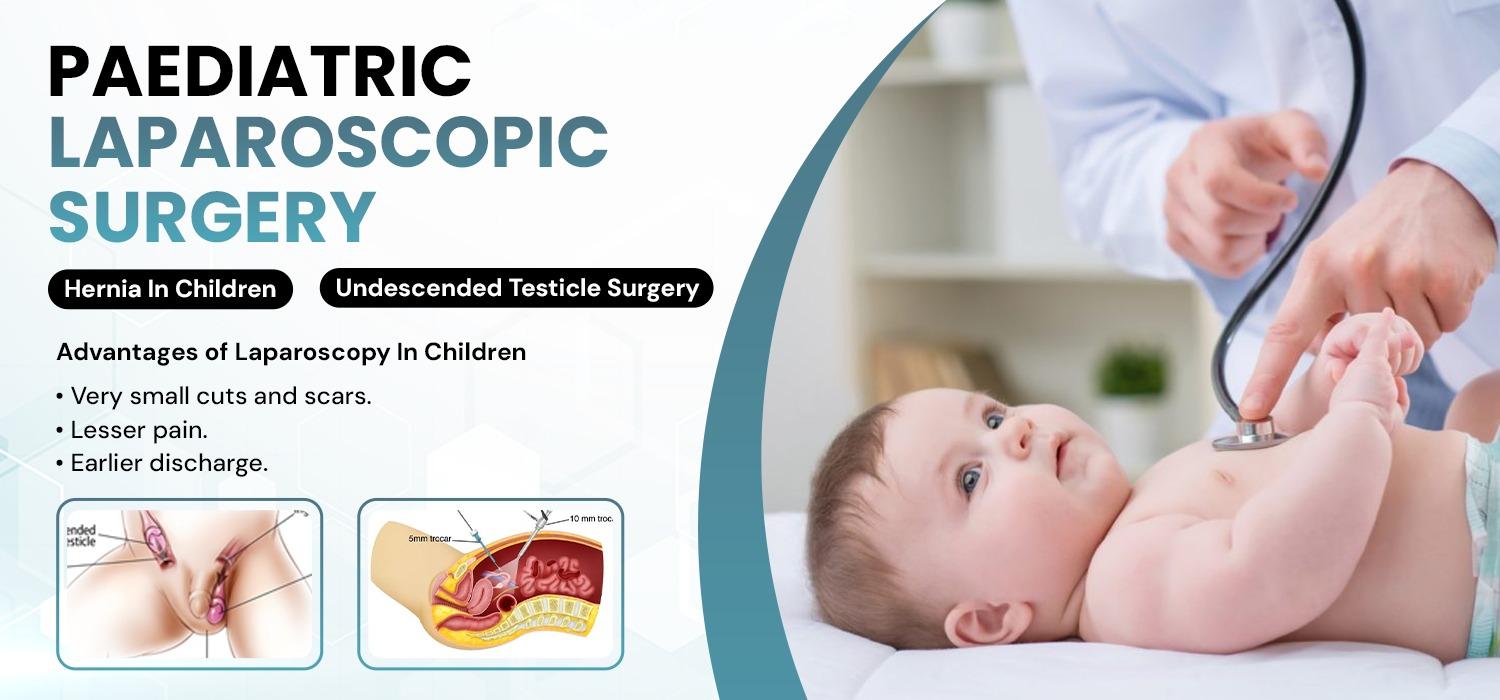
The primary goal of Pediatric Laparoscopic Surgery is to provide effective surgical intervention with the least possible trauma to a child's delicate body. This technique is revolutionizing pediatric healthcare, allowing complex procedures to be performed through tiny incisions. It aims for precise diagnosis and treatment, promoting quicker healing and return to normal activities, aligning perfectly with DivinHeal's commitment to patient-centered, high-quality care.
Treatment Overview
<h3>Gentle & Effective Pediatric Surgical Solutions</h3><p>The primary goal of Pediatric Laparoscopic Surgery is to provide effective surgical intervention with the least possible trauma to a child's delicate body. This technique is revolutionizing pediatric healthcare, allowing complex procedures to be performed through tiny incisions. It aims for precise diagnosis and treatment, promoting quicker healing and return to normal activities, aligning perfectly with DivinHeal's commitment to patient-centered, high-quality care.</p>
Procedures
Pediatric Laparoscopic Surgery typically begins with a small incision, usually around the belly button, through which a cannula is inserted. Carbon dioxide gas is then gently inflated into the abdomen to create working space. A laparoscope (a thin, lighted tube with a camera) is inserted through this incision, allowing the surgeon to visualize the internal organs on a high-definition monitor. Additional small incisions are made for inserting specialized surgical instruments. The surgeon performs the procedure by manipulating these instruments while watching the monitor. Once the surgery is complete, the instruments and laparoscope are removed, the gas is released, and the small incisions are closed with sutures or surgical glue.
Benefits
<h3>Key Benefits of Pediatric Laparoscopic Surgery</h3><ul><li><strong>Minimally Invasive:</strong> Smaller incisions lead to reduced tissue trauma.</li><li><strong>Less Pain:</strong> Significantly lower post-operative pain compared to open surgery, requiring less pain medication.</li><li><strong>Faster Recovery:</strong> Children often return to their normal activities much quicker.</li><li><strong>Shorter Hospital Stay:</strong> Typically, a shorter duration of hospitalization is needed.</li><li><strong>Reduced Scarring:</strong> Smaller, less noticeable scars, which is particularly important for growing children.</li><li><strong>Lower Risk of Infection:</strong> Smaller incisions mean less exposure to external elements.</li><li><strong>Enhanced Precision:</strong> Magnified view during surgery allows for greater surgical accuracy.</li></ul>
Recovery Information
<h3>Pediatric Laparoscopic Surgery Recovery and Care</h3><p>Recovery after Pediatric Laparoscopic Surgery is generally faster and less painful than traditional open surgery. Most children can be discharged within 1-3 days, depending on the procedure. Post-operative care typically involves:</p><ul><li><strong>Pain Management:</strong> Mild oral pain relievers are usually sufficient.</li><li><strong>Activity Restrictions:</strong> Gentle activity is encouraged, but strenuous play or heavy lifting should be avoided for a few weeks, as advised by the surgeon.</li><li><strong>Wound Care:</strong> Keeping the small incisions clean and dry.</li><li><strong>Diet:</strong> Gradual return to a normal diet, starting with clear liquids.</li><li><strong>Follow-up:</strong> A post-operative check-up is typically scheduled within 1-2 weeks.</li><li><strong>Emotional Support:</strong> Providing comfort and reassurance to help children cope with the surgical experience.</li></ul><p>DivinHeal's care coordinators will provide detailed instructions and support throughout your child's recovery, ensuring a smooth transition back to health.</p>
Pediatric Kidney Transplant
Treatment Price
$12000.00 USDOverview of Pediatric Kidney Transplant Goals
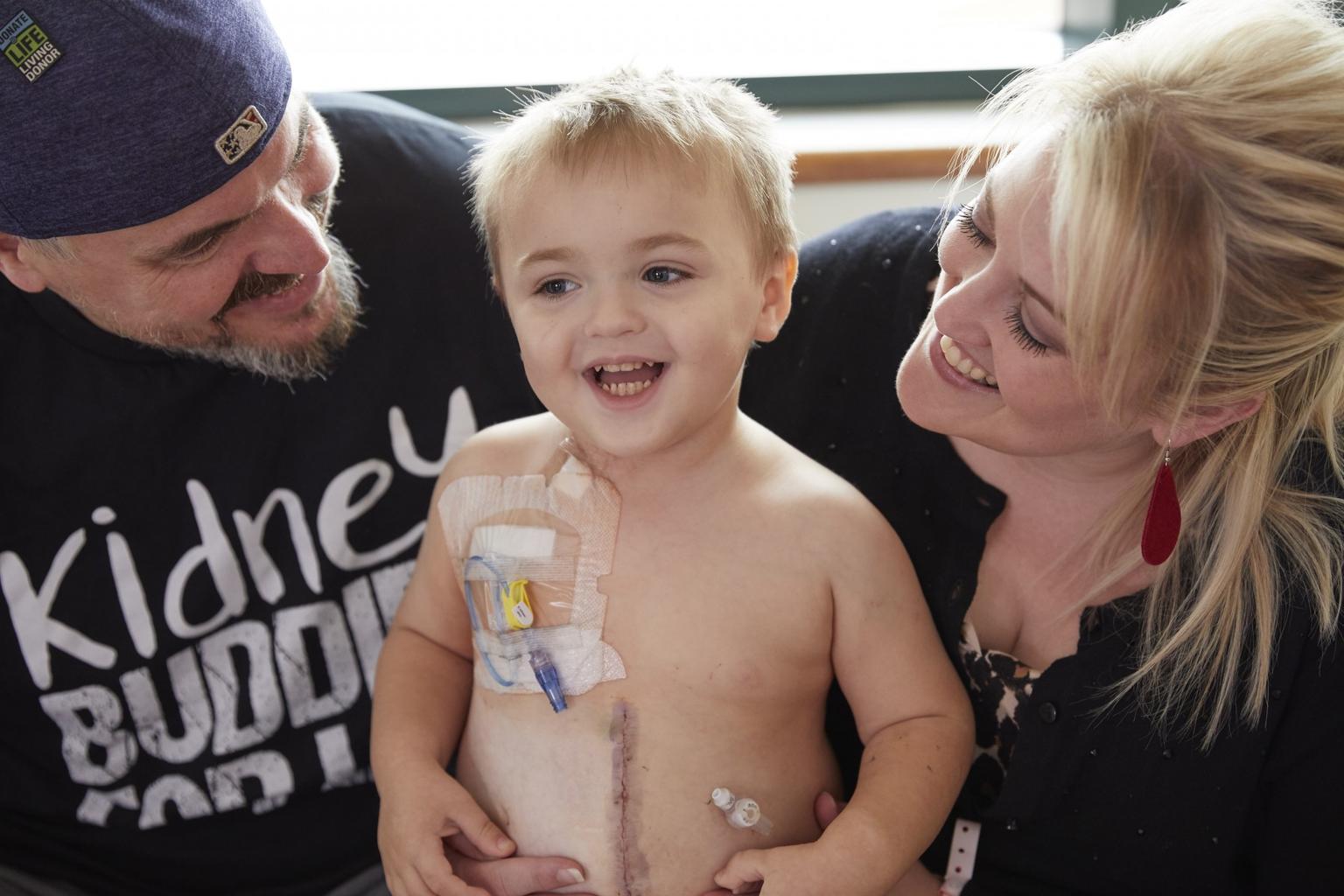
The primary goal of a Pediatric Kidney Transplant is to restore kidney function, eliminate the need for dialysis, and improve the overall health and development of a child with ESRD. The procedure involves meticulous surgical techniques, followed by careful post-transplant management, including lifelong immunosuppression. DivinHeal facilitates access to world-class pediatric nephrologists and transplant surgeons who utilize advanced diagnostics and personalized treatment plans, ensuring the best possible outcomes for your child.
Treatment Overview
<h2>Overview of Pediatric Kidney Transplant Goals</h2><p>The primary goal of a Pediatric Kidney Transplant is to restore kidney function, eliminate the need for dialysis, and improve the overall health and development of a child with ESRD. The procedure involves meticulous surgical techniques, followed by careful post-transplant management, including lifelong immunosuppression. DivinHeal facilitates access to world-class pediatric nephrologists and transplant surgeons who utilize advanced diagnostics and personalized treatment plans, ensuring the best possible outcomes for your child.</p>
Procedures
The Pediatric Kidney Transplant procedure typically involves several key stages: 1. **Anesthesia:** The child receives general anesthesia to ensure comfort and pain-free surgery. 2. **Incision:** A surgical incision is made in the lower abdomen, usually on one side. Unlike adults, the child's native kidneys are generally left in place unless they are severely diseased or infected. 3. **Kidney Placement:** The donor kidney is placed in the pelvis. 4. **Vascular Anastomosis:** The renal artery and vein of the new kidney are meticulously connected to the child's iliac artery and vein, ensuring blood flow to the transplanted organ. 5. **Ureter Anastomosis:** The ureter (tube draining urine from the kidney) of the new kidney is connected directly to the child's bladder. A small stent might be placed temporarily to prevent blockage. 6. **Closure:** Once all connections are secure and the new kidney is functioning, the incision is closed with sutures or staples. The surgery typically lasts 3-5 hours, depending on the complexity and donor type. Post-surgery, the child is moved to an intensive care unit for close monitoring.
Benefits
<h2>Benefits of Pediatric Kidney Transplant</h2><ul><li><h3>Improved Quality of Life</h3><p>A successful transplant frees children from the arduous schedule of dialysis, allowing them to lead more normal lives, attend school regularly, and participate in physical activities.</p></li><li><h3>Enhanced Growth and Development</h3><p>Restored kidney function supports proper physical and cognitive development, which is often stunted by chronic kidney disease.</p></li><li><h3>Increased Energy Levels</h3><p>Children typically experience a significant increase in energy, vitality, and appetite, leading to overall better health.</p></li><li><h3>Better Long-Term Health Outcomes</h3><p>Compared to long-term dialysis, kidney transplant offers better survival rates and reduced complications associated with ESRD.</p></li><li><h3>Psychological Well-being</h3><p>The alleviation of chronic illness burden can profoundly improve a child's mental health, self-esteem, and social interactions.</p></li><li><h3>Freedom from Dialysis</h3><p>Eliminates the need for painful and time-consuming dialysis treatments, offering independence and flexibility.</p></li></ul>
Recovery Information
<h2>Pediatric Kidney Transplant Recovery Time and Tips</h2><p>Recovery from a Pediatric Kidney Transplant is a gradual process that requires careful attention and adherence to medical advice. The initial hospital stay typically ranges from 7 to 14 days, during which the child is closely monitored for graft function and signs of complications.</p><h3>Immediate Post-Operative Period</h3><ul><li><strong>Hospital Stay:</strong> Focus on pain management, monitoring kidney function (urine output, blood tests), and initiating immunosuppressive medications.</li><li><strong>Infection Prevention:</strong> Strict hygiene protocols are followed to minimize the risk of infection, a major concern post-transplant.</li><li><strong>Early Mobility:</strong> Gentle movement is encouraged to aid circulation and prevent complications.</li></ul><h3>Long-Term Recovery and Life After Transplant</h3><ul><li><strong>Medication Adherence:</strong> Lifelong immunosuppressants are crucial to prevent rejection. Families receive comprehensive education on medication schedules and potential side effects.</li><li><strong>Regular Follow-ups:</strong> Frequent clinic visits are essential, especially in the first year, to monitor kidney function, adjust medications, and screen for complications.</li><li><strong>Diet and Nutrition:</strong> A balanced diet is important. Specific dietary restrictions may be advised by the transplant team.</li><li><strong>Physical Activity:</strong> Encouraging appropriate physical activity helps in regaining strength and promotes overall well-being, avoiding contact sports initially.</li><li><strong>Emotional Support:</strong> Both the child and family may benefit from psychological support to cope with the challenges of chronic illness and transplant. DivinHeal emphasizes holistic care, including access to counseling services.</li><li><strong>Return to School:</strong> Most children can return to school within 2-3 months, with necessary precautions to avoid infections.</li></ul><p>With proper care and adherence to the medical regimen, children can look forward to a healthy, active, and fulfilling life post-transplant. DivinHeal's network provides robust post-operative support and resources to ensure a smooth recovery journey.</p>
Pediatric Cardiac Surgery
Treatment Price
$12000.00 USDOverview of Pediatric Cardiac Surgery Treatment
Restoring Hope for Young Hearts
Pediatric Cardiac Surgery is a highly specialized field dedicated to diagnosing and treating heart conditions present at birth (congenital heart disease) or those that develop during childhood. These conditions can range from simple holes in the heart to complex malformations requiring intricate surgical repair. The primary goal is to ensure optimal heart function, allowing children to grow and develop normally.
Advanced Techniques for Delicate Hearts
Modern pediatric cardiac surgery employs advanced diagnostic tools, minimally invasive techniques where appropriate, and highly sophisticated surgical procedures. This includes repairs for conditions like Ventricular Septal Defects (VSD), Atrial Septal Defects (ASD), Tetralogy of Fallot (TOF), Transposition of the Great Arteries (TGA), Patent Ductus Arteriosus (PDA), and many more. DivinHeal facilitates access to hospitals equipped with state-of-the-art facilities and experienced pediatric cardiac surgeons, ensuring the highest standards of care.
Treatment Overview
<h2>Overview of Pediatric Cardiac Surgery Treatment</h2><h3>Restoring Hope for Young Hearts</h3><p>Pediatric Cardiac Surgery is a highly specialized field dedicated to diagnosing and treating heart conditions present at birth (congenital heart disease) or those that develop during childhood. These conditions can range from simple holes in the heart to complex malformations requiring intricate surgical repair. The primary goal is to ensure optimal heart function, allowing children to grow and develop normally.</p><h3>Advanced Techniques for Delicate Hearts</h3><p>Modern pediatric cardiac surgery employs advanced diagnostic tools, minimally invasive techniques where appropriate, and highly sophisticated surgical procedures. This includes repairs for conditions like Ventricular Septal Defects (VSD), Atrial Septal Defects (ASD), Tetralogy of Fallot (TOF), Transposition of the Great Arteries (TGA), Patent Ductus Arteriosus (PDA), and many more. DivinHeal facilitates access to hospitals equipped with state-of-the-art facilities and experienced pediatric cardiac surgeons, ensuring the highest standards of care.</p>
Procedures
Pediatric cardiac surgery procedures vary significantly based on the specific heart defect. However, common steps include: 1. Anesthesia: General anesthesia is administered by a pediatric anesthesiologist. 2. Incision: A median sternotomy (incision down the middle of the chest) is most common, though minimally invasive approaches are sometimes used. 3. Cardiopulmonary Bypass: For most open-heart surgeries, the child is connected to a heart-lung machine to temporarily take over heart and lung function. 4. Defect Repair: The surgeon repairs the heart defect using various techniques, such as patching holes, widening narrowed vessels, re-routing blood flow, or reconstructing malformed structures. 5. Weaning from Bypass: Once the repair is complete, the heart-lung machine is gradually disconnected, and the heart resumes its function. 6. Closure: The chest incision is closed, often with drainage tubes left temporarily. 7. Post-operative Care: The child is moved to a Pediatric Cardiac Intensive Care Unit (PCICU) for close monitoring and recovery.
Benefits
<h2>Benefits of Pediatric Cardiac Surgery</h2><h3>Transforming Lives and Ensuring Healthy Futures</h3><ul><li><h3>Improved Quality of Life</h3><p>Successful surgery corrects heart defects, allowing children to participate in normal activities, play, and lead fulfilling lives without the limitations imposed by heart conditions.</p></li><li><h3>Enhanced Growth and Development</h3><p>By optimizing blood flow and oxygen delivery, surgery supports healthy physical and cognitive development, preventing complications like growth failure and developmental delays.</p></li><li><h3>Increased Life Expectancy</h3><p>Many congenital heart defects, if left untreated, can be life-threatening. Surgery significantly improves long-term survival rates and can lead to a normal or near-normal life expectancy.</p></li><li><h3>Symptom Relief</h3><p>Children often experience relief from symptoms such as shortness of breath, fatigue, cyanosis (bluish skin), and poor feeding, leading to greater comfort and well-being.</p></li><li><h3>Prevention of Complications</h3><p>Early surgical intervention can prevent severe complications like pulmonary hypertension, heart failure, stroke, and infective endocarditis.</p></li><li><h3>Emotional Well-being for Families</h3><p>Providing definitive treatment offers immense relief and hope to families, reducing anxiety and allowing them to focus on their child's future.</p></li></ul>
Recovery Information
<h2>Pediatric Cardiac Surgery Recovery Time and Tips</h2><h3>A Guided Path to Healing and Strength</h3><ul><li><h3>Immediate Post-Operative Period (ICU Stay)</h3><p>Following surgery, your child will spend several days to a week or more in the Pediatric Cardiac Intensive Care Unit (PCICU) for close monitoring. During this time, pain management, ventilator support, and continuous observation of vital signs are crucial. Parents are typically encouraged to be present and involved as much as possible, with guidance from nursing staff.</p></li><li><h3>Hospital Ward Recovery</h3><p>Once stable, your child will be transferred to a regular pediatric ward. The focus shifts to weaning off medications, encouraging mobility, and ensuring adequate nutrition. The hospital stay typically lasts 7-14 days, depending on the complexity of the surgery and the child's progress.</p></li><li><h3>Home Recovery and Activity Restrictions</h3><p>Upon discharge, a period of home recovery is essential. Activity restrictions are common for several weeks to months, especially avoiding heavy lifting, strenuous play, and activities that could impact the chest incision. School may be resumed gradually. Your medical team will provide specific guidelines tailored to your child's recovery.</p></li><li><h3>Long-Term Follow-up and Wellness</h3><p>Regular follow-up appointments with a pediatric cardiologist are vital for monitoring heart function and overall health. Rehabilitation, including physical therapy, may be recommended. DivinHeal supports families with comprehensive post-operative care plans, including access to emotional counseling, nutritional guidance, and support groups, ensuring a holistic approach to your child's long-term well-being and development.</p></li></ul>
Neonatal Intensive Care (NICU)
Treatment Price
$8000.00 USDOverview of NICU Treatment Goals
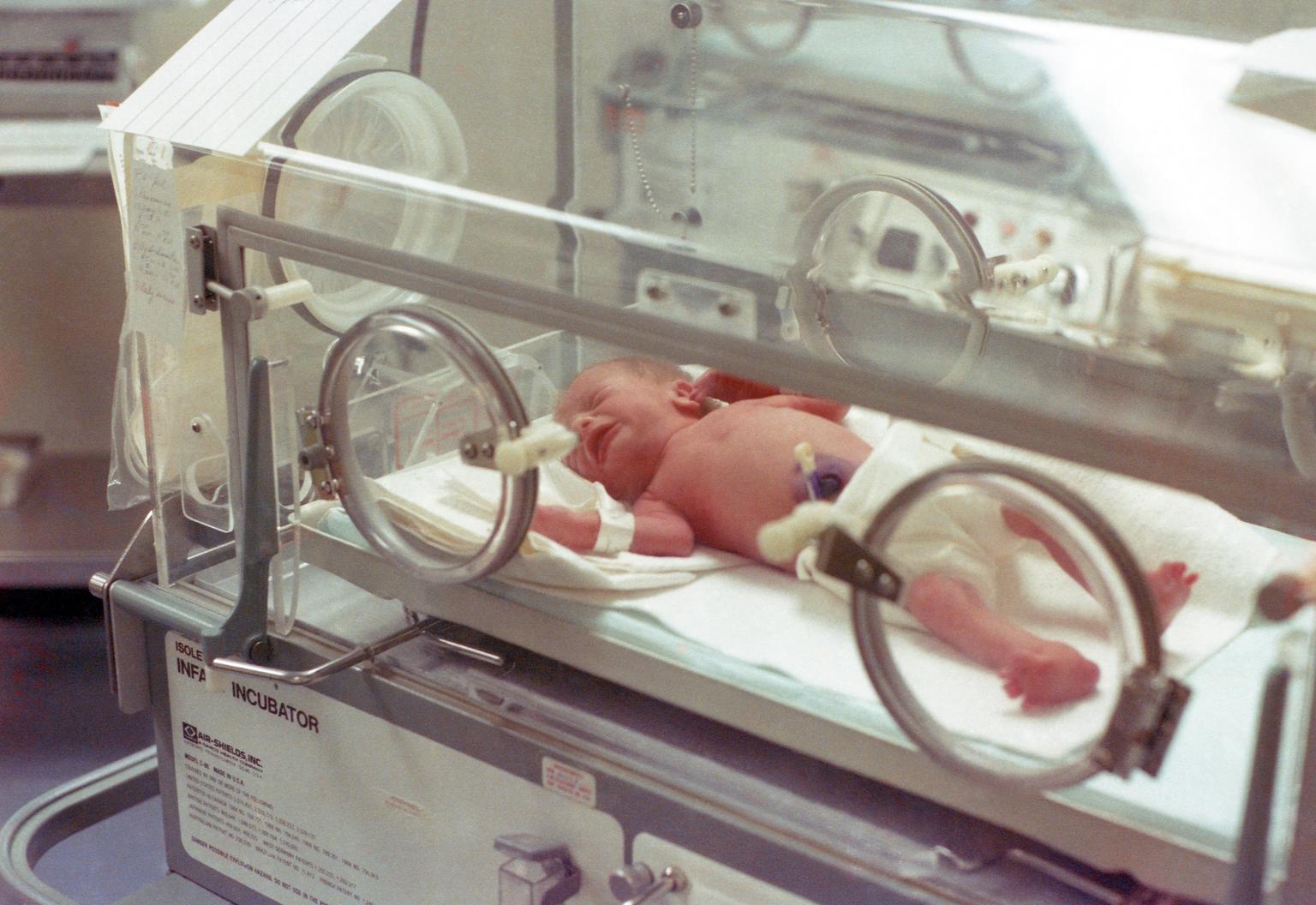
The primary goal of NICU treatment is to stabilize, monitor, and treat critically ill or premature infants until they are healthy enough to go home. Techniques involve sophisticated life support systems, precise medication management, specialized feeding, and developmental care tailored to each baby's unique needs.
Treatment Overview
<h2>Overview of NICU Treatment Goals</h2><p>The primary goal of NICU treatment is to stabilize, monitor, and treat critically ill or premature infants until they are healthy enough to go home. Techniques involve sophisticated life support systems, precise medication management, specialized feeding, and developmental care tailored to each baby's unique needs.</p>
Procedures
NICU treatment involves a comprehensive and continuous care approach rather than a single 'procedure.' Upon admission, the infant undergoes a thorough assessment. Depending on the condition, care may include: placement in an incubator for temperature regulation; respiratory support through oxygen therapy, CPAP, or mechanical ventilation; intravenous lines for fluids and medication; specialized feeding methods like nasogastric or orogastric tubes, or parenteral nutrition; continuous monitoring of vital signs (heart rate, breathing, oxygen saturation); blood tests and imaging studies (X-rays, ultrasounds); and administration of antibiotics or other specific medications. Developmental care, including kangaroo care and minimizing environmental stressors, is also a crucial part of the daily regimen, all coordinated by a multidisciplinary team to address every aspect of the infant's health and development.
Benefits
<h2>Benefits of Advanced Neonatal Intensive Care</h2><ul><li><h3>Improved Survival Rates</h3><p>NICU care significantly increases the chances of survival for critically ill and premature infants, often defying grim prognoses.</p></li><li><h3>Reduced Long-Term Complications</h3><p>Early and intensive intervention helps mitigate the risk of severe developmental delays, neurological damage, and other long-term health issues.</p><li><h3>Specialized Expertise</h3><p>Access to a dedicated team of neonatologists, specialists, and advanced equipment ensures optimal care tailored to the unique needs of fragile newborns.</p><li><h3>Continuous Monitoring & Support</h3><p>Round-the-clock vigilance allows for immediate response to any changes in the infant's condition, providing peace of mind for parents.</p></li><li><h3>Parental Education & Support</h3><p>NICUs often provide resources and education for parents, empowering them to participate in their baby's care and prepare for life after discharge. DivinHeal ensures holistic support for the entire family.</p></li></li></li></ul>
Recovery Information
<h2>Recovery and Developmental Journey After NICU Treatment</h2><p>Recovery from NICU treatment isn't a single event but a gradual developmental journey for the infant. The duration and specifics depend heavily on the initial condition and length of stay.</p><ul><li><h3>Hospital Stay & Discharge Criteria</h3><p>Infants typically remain in the NICU until they can maintain their body temperature, feed adequately by mouth, gain weight consistently, and breathe without significant medical support. This can range from a few days to several months.</p></li><li><h3>Developmental Follow-up</h3><p>Many NICU graduates, especially those born prematurely or with complex conditions, require ongoing developmental assessments and early intervention therapies (physical, occupational, speech) for months or even years post-discharge. DivinHeal assists with coordinating these crucial follow-up care plans.</p></li><li><h3>Parental Adjustment & Support</h3><p>Parents often experience emotional challenges during and after a NICU stay. Support groups, counseling, and practical guidance from healthcare providers and DivinHeal's care coordinators are vital for adjusting to life at home with a NICU graduate.</p></li><li><h3>Long-Term Wellness</h3><p>Focus on a healthy home environment, regular check-ups with a pediatrician, and monitoring for any delayed developmental milestones are key to ensuring the best long-term outcomes for NICU babies.</p></li></ul>
pediatric neurosurgery
Treatment Price
$8500.00 USDDivinHeal connects families with world-renowned pediatric neurosurgeons and state-of-the-art facilities for pediatric neurosurgery treatment. Our goal is to provide hope and optimal outcomes for children facing conditions like brain tumors, hydrocephalus, epilepsy, and congenital anomalies. We ensure access to cutting-edge diagnostic tools and personalized therapy options, including delicate surgical interventions, all within a framework of safety, affordability, and compassionate care.
Treatment Overview
DivinHeal connects families with world-renowned pediatric neurosurgeons and state-of-the-art facilities for pediatric neurosurgery treatment. Our goal is to provide hope and optimal outcomes for children facing conditions like brain tumors, hydrocephalus, epilepsy, and congenital anomalies. We ensure access to cutting-edge diagnostic tools and personalized therapy options, including delicate surgical interventions, all within a framework of safety, affordability, and compassionate care.
Procedures
Pediatric neurosurgery procedures are highly individualized based on the child's condition. A common example is brain tumor resection, which typically involves: 1. Pre-operative imaging (MRI, CT) and neuro-navigation planning to precisely map the tumor and surrounding critical brain structures. 2. Anesthesia administered by a pediatric anesthesiologist. 3. Creation of a craniotomy (opening in the skull) by the pediatric neurosurgeon. 4. Microsurgical removal of the tumor, often guided by intraoperative MRI, endoscopy, or fluorescence. 5. Careful preservation of healthy brain tissue. 6. Closure of the craniotomy and scalp. For hydrocephalus, a VP shunt insertion involves placing a small tube (catheter) into a brain ventricle and tunneling it under the skin to the abdominal cavity to drain excess cerebrospinal fluid. Epilepsy surgery might involve precise removal of the brain region causing seizures (lesionectomy, lobectomy) or interrupting nerve pathways.
Benefits
<h2>Benefits of Advanced Pediatric Neurosurgery</h2><ul><li><h3>Improved Neurological Function</h3><p>Successful pediatric neurosurgery can significantly improve or restore neurological function, addressing issues like motor skills, speech, and cognitive abilities.</p></li><li><h3>Enhanced Quality of Life</h3><p>By treating conditions such as epilepsy, hydrocephalus, or brain tumors, children can experience a dramatically improved quality of life, allowing for better development and participation in daily activities.</p></li><li><h3>Disease Control & Cure</h3><p>For conditions like certain brain tumors or vascular malformations, surgery offers the potential for complete disease eradication or long-term control.</p></li><li><h3>Reduced Symptoms & Complications</h3><p>Effective intervention can alleviate debilitating symptoms like seizures, headaches, developmental delays, and prevent further neurological damage or life-threatening complications.</p></li><li><h3>Future Developmental Potential</h3><p>Early and appropriate surgical intervention in conditions like craniosynostosis or spina bifida can protect brain development and support better long-term physical and cognitive outcomes.</p></li><li><h3>Minimally Invasive Options</h3><p>Advancements in pediatric neurosurgery include endoscopic and stereotactic techniques, leading to smaller incisions, less pain, shorter hospital stays, and faster recovery for some conditions.</p></li></ul>
Recovery Information
<h2>Pediatric Neurosurgery Recovery Time and Tips</h2><h3>Immediate Post-Operative Period</h3><p>The immediate pediatric neurosurgery recovery time typically involves a stay in a pediatric intensive care unit (PICU) for close monitoring for a few days, followed by transfer to a regular pediatric ward. The duration of hospital stay varies greatly depending on the specific procedure, the child's age, and overall health, usually ranging from 5 to 14 days.</p><h3>Long-Term Recovery and Rehabilitation</h3><p>Full recovery can take several weeks to months, often involving a multidisciplinary approach:<ul><li><strong>Physical Therapy:</strong> To regain strength, balance, and motor skills.</li><li><strong>Occupational Therapy:</strong> To help with daily living activities and fine motor skills.</li><li><strong>Speech Therapy:</strong> If communication or swallowing has been affected.</li><li><strong>Neuropsychological Support:</strong> To address cognitive or emotional challenges and support developmental progress.</li><li><strong>Follow-up Appointments:</strong> Regular check-ups with the pediatric neurosurgeon and other specialists are crucial for monitoring progress and adjusting long-term care plans.</li></ul>DivinHeal assists in coordinating these essential recovery services, ensuring your child receives comprehensive support for optimal healing and development.</p>
Hospitals Offering this treatment
India offers premium medical procedures at affordable prices. Discover our most popular treatments, delivered by the country's finest doctors.
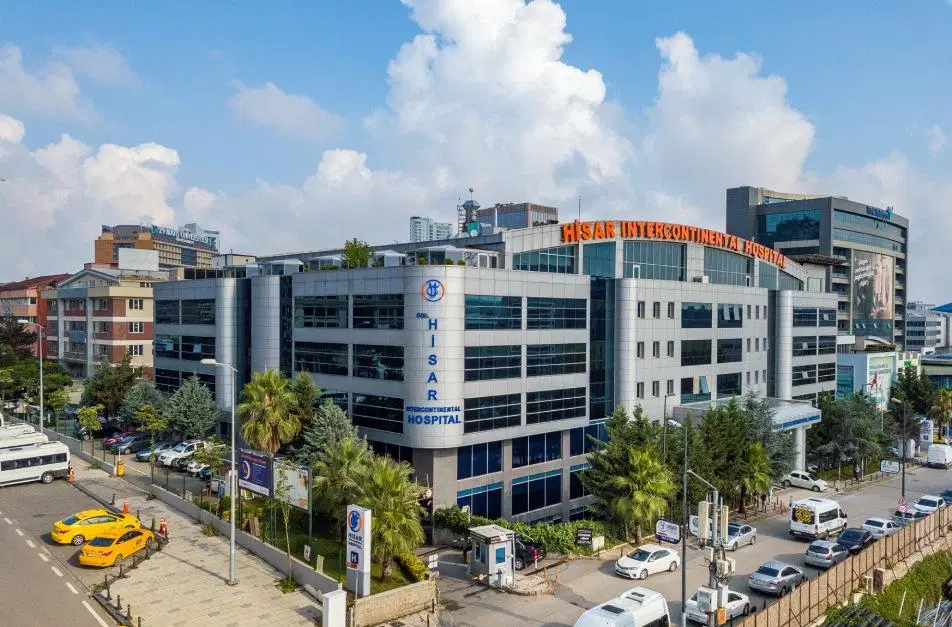
Hisar Intercontinental Hospital
Saray Mah. Siteyolu Cad. No:7, Umraniye, 34768, Istanbul, Turkey
Hisar Intercontinental Hospital

Medical Park Group, Istanbul
Fahrettin Kerim Gokay Cad. Tıbbiye Cd., Kadikoy, Istanbul, Turkey
Medical Park Group, Istanbul

Emsey Hospital, Pendik, Istanbul
Çamlık, Selçuklu Cd. No:22, 34912 Pendik/İstanbul, Türkiye
Emsey Hospital, Pendik, Istanbul
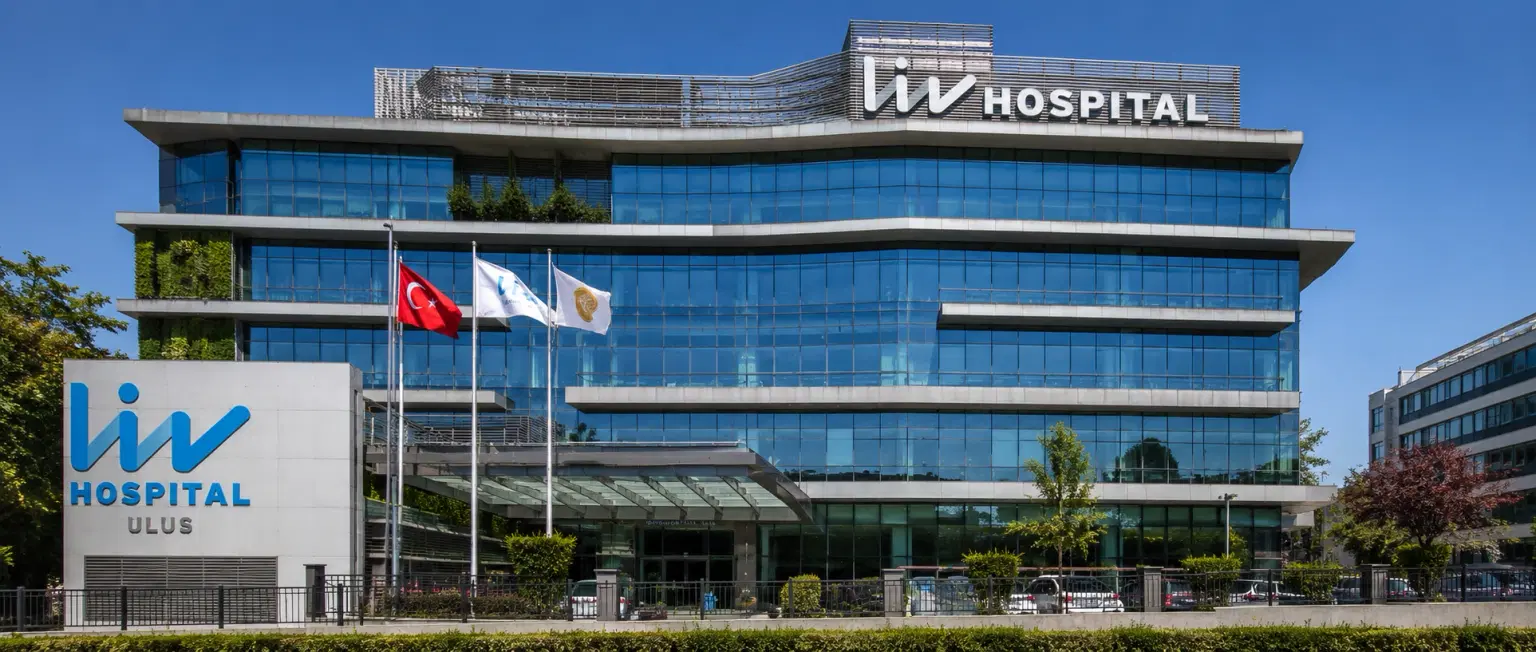
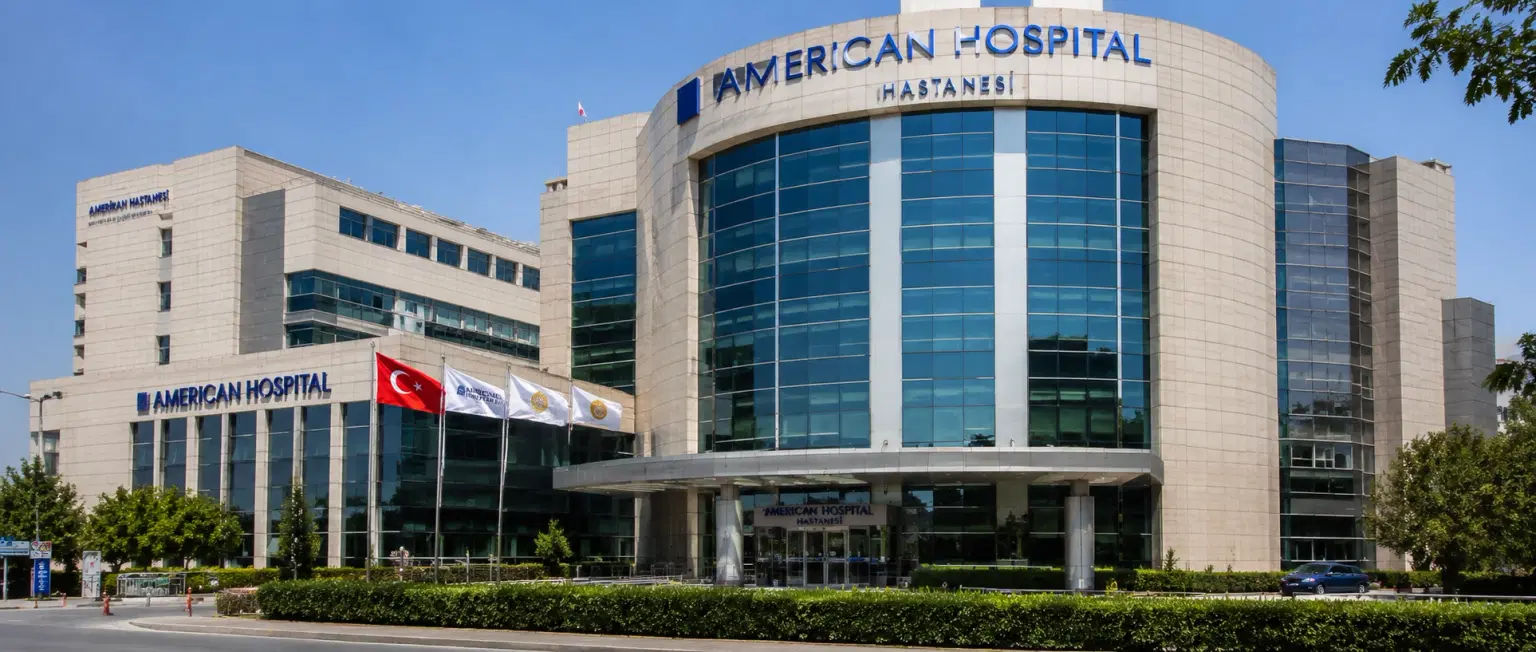
American Hospital, Istanbul
Guzelbahce Sk. No:20, 34365, Nisantasi, Istanbul, Turkey
American Hospital, Istanbul
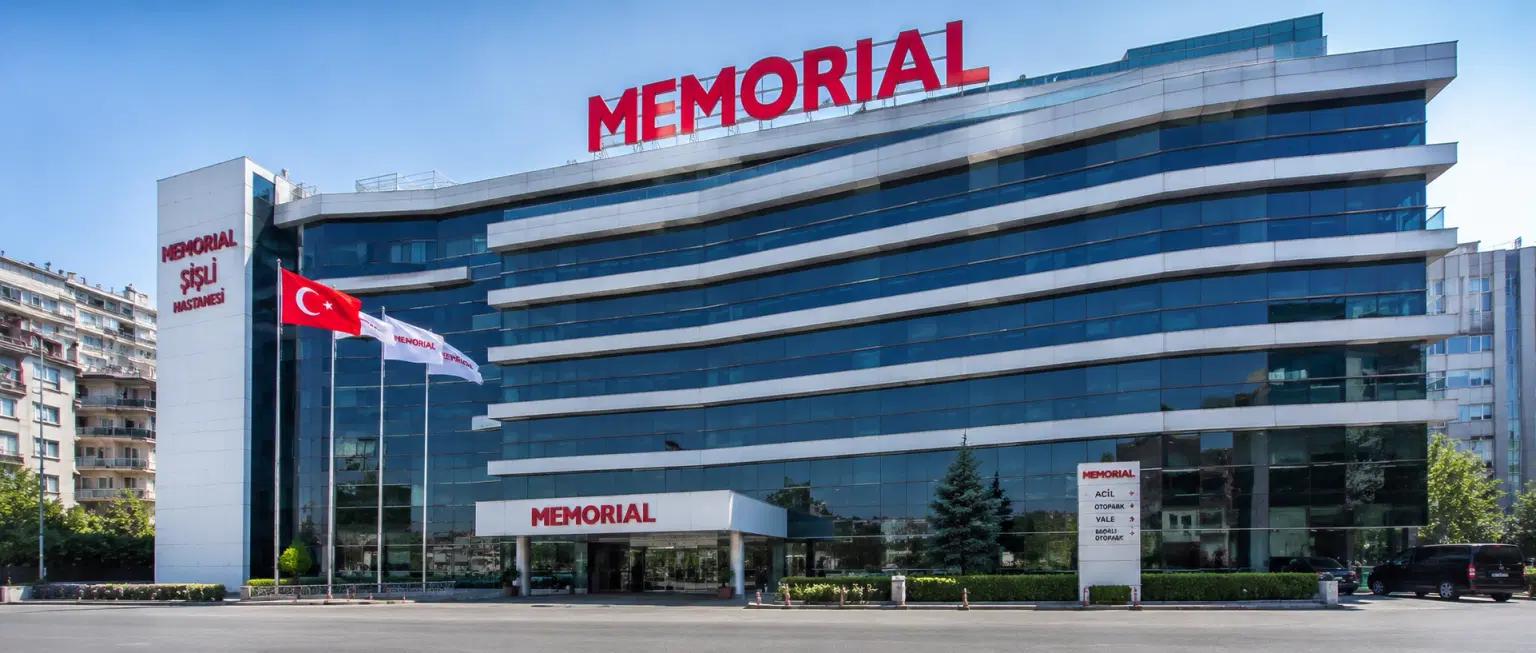
Memorial Hospitals Group
Burhaniye, Nagehan Sokağı No:4/A D:1, 34676 Üsküdar/İstanbul, Türkiye
Memorial Hospitals Group

Florence Nightingale Hospital Istanbul
Abide-i Hürriyet Cd No:166, 34381 Sisli, Istanbul
Florence Nightingale Hospital Istanbul
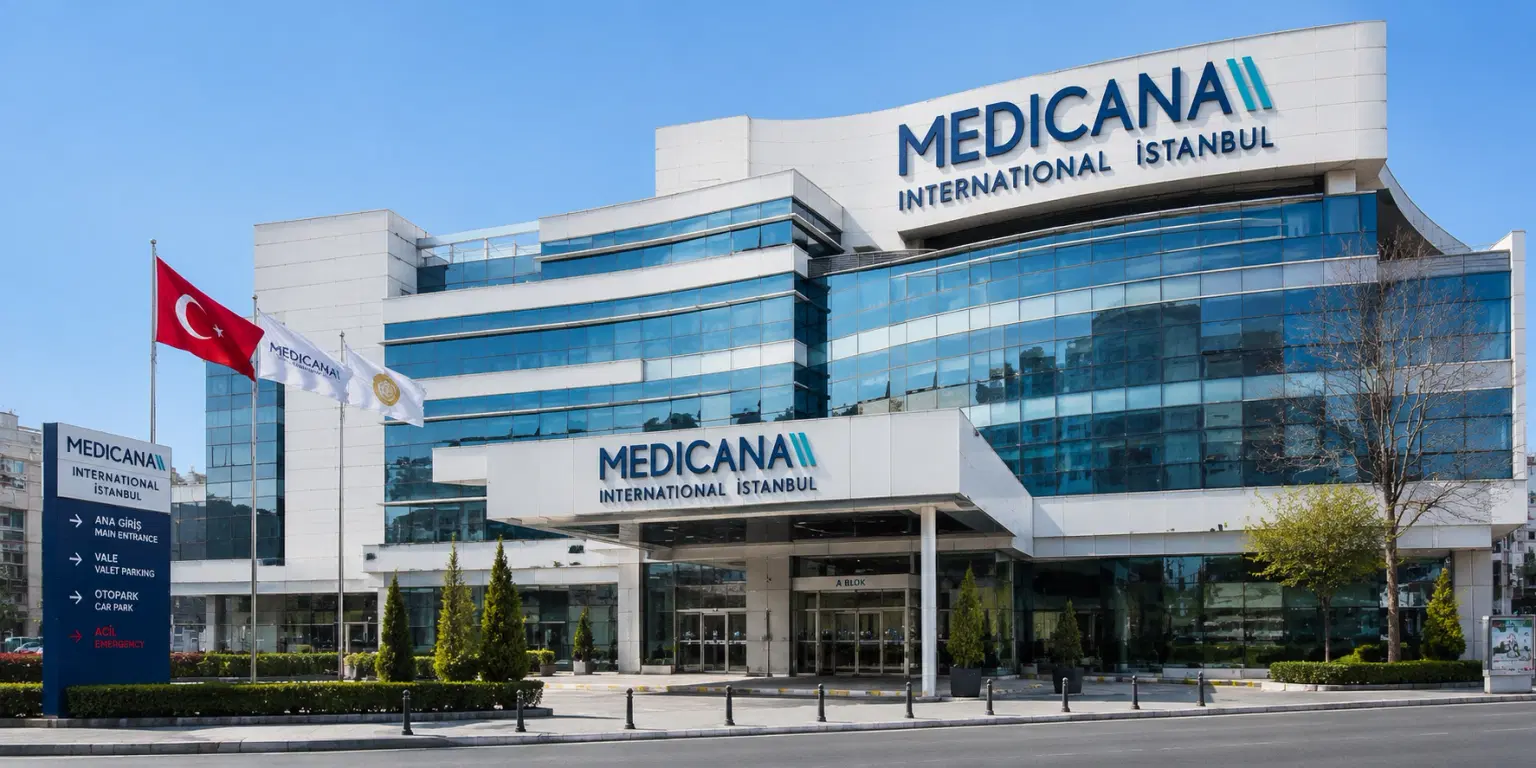
Medicana International Hospital, Istanbul
Halit Ziya Turkkani Mah. Medikal Park Cd. No:1, Beylikdüzü, İstanbul
Medicana International Hospital, Istanbul
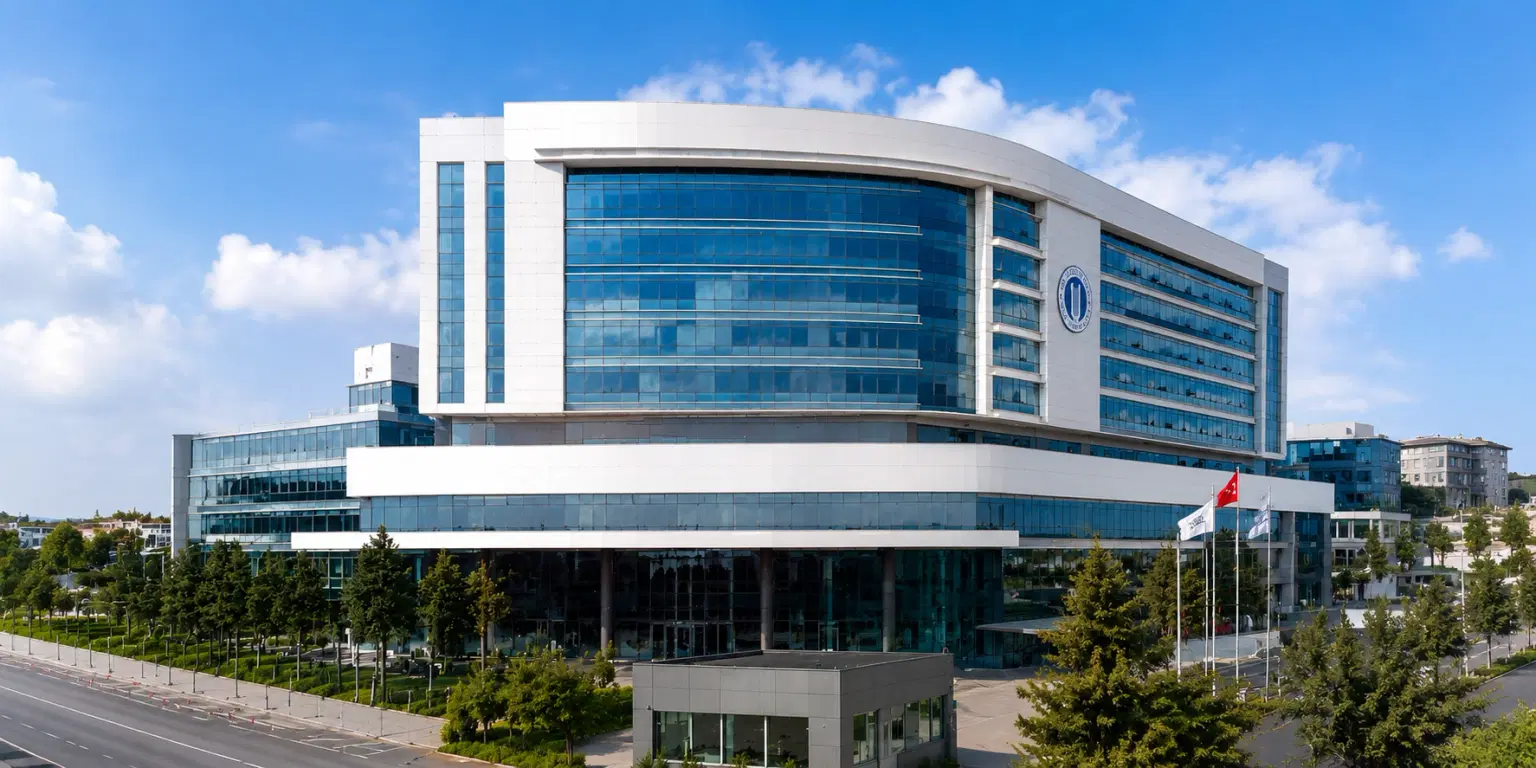
Okan University Hospital Istanbul
Icmeler Mah. Aydınlıyolu Cd. No:2, 34947 Icmeler-Tuzla, Istanbul
Okan University Hospital Istanbul
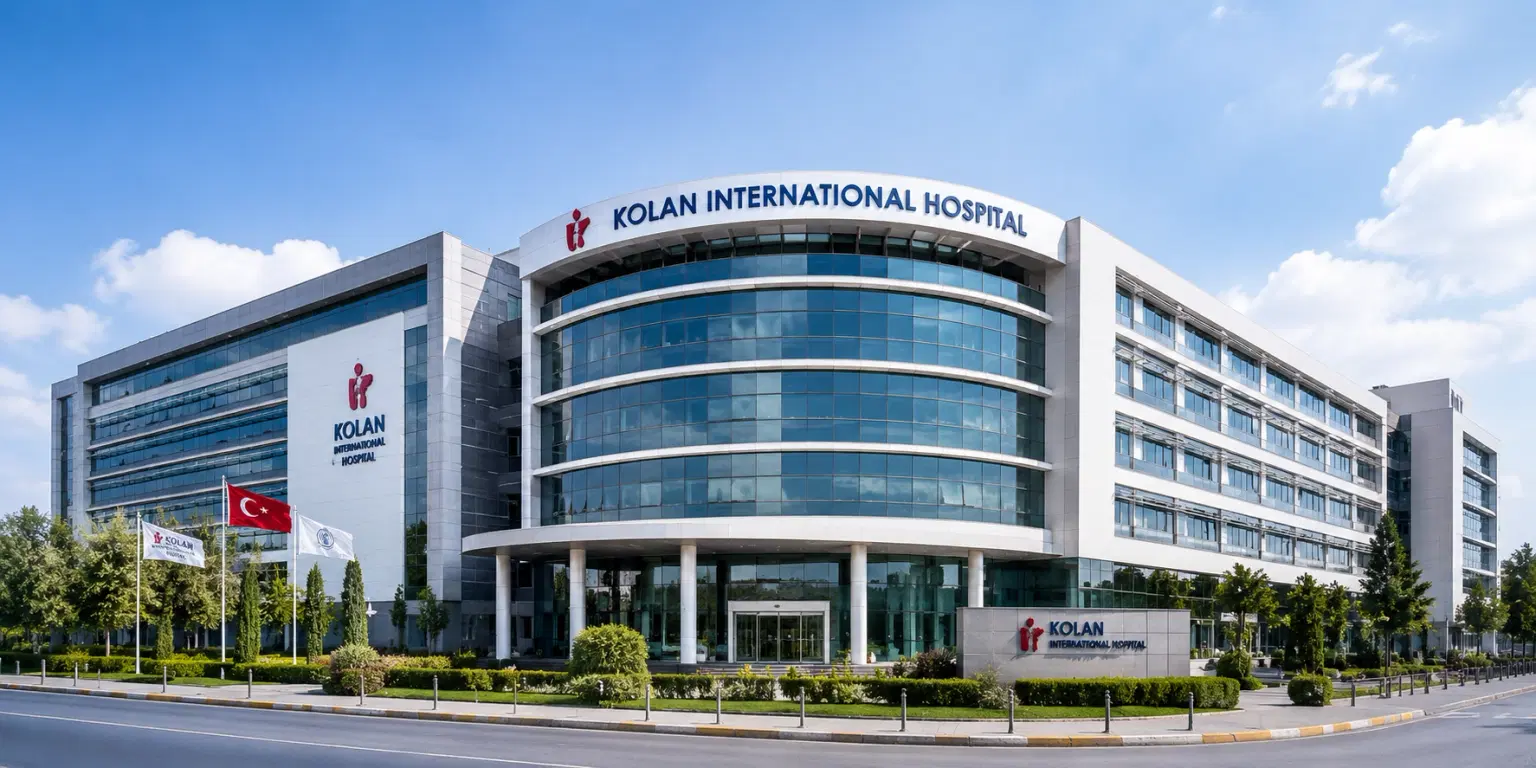
Kolan International Hospital, Istanbul
Kaptanpasa Mah. Okmeydan Kavsagi, Darulaceze Cd. No:14, 34384 Sisli, Istanbul
Kolan International Hospital, Istanbul
Meet Our Doctors
Meet our team of highly qualified and experienced medical professionals dedicated to providing the best healthcare services.
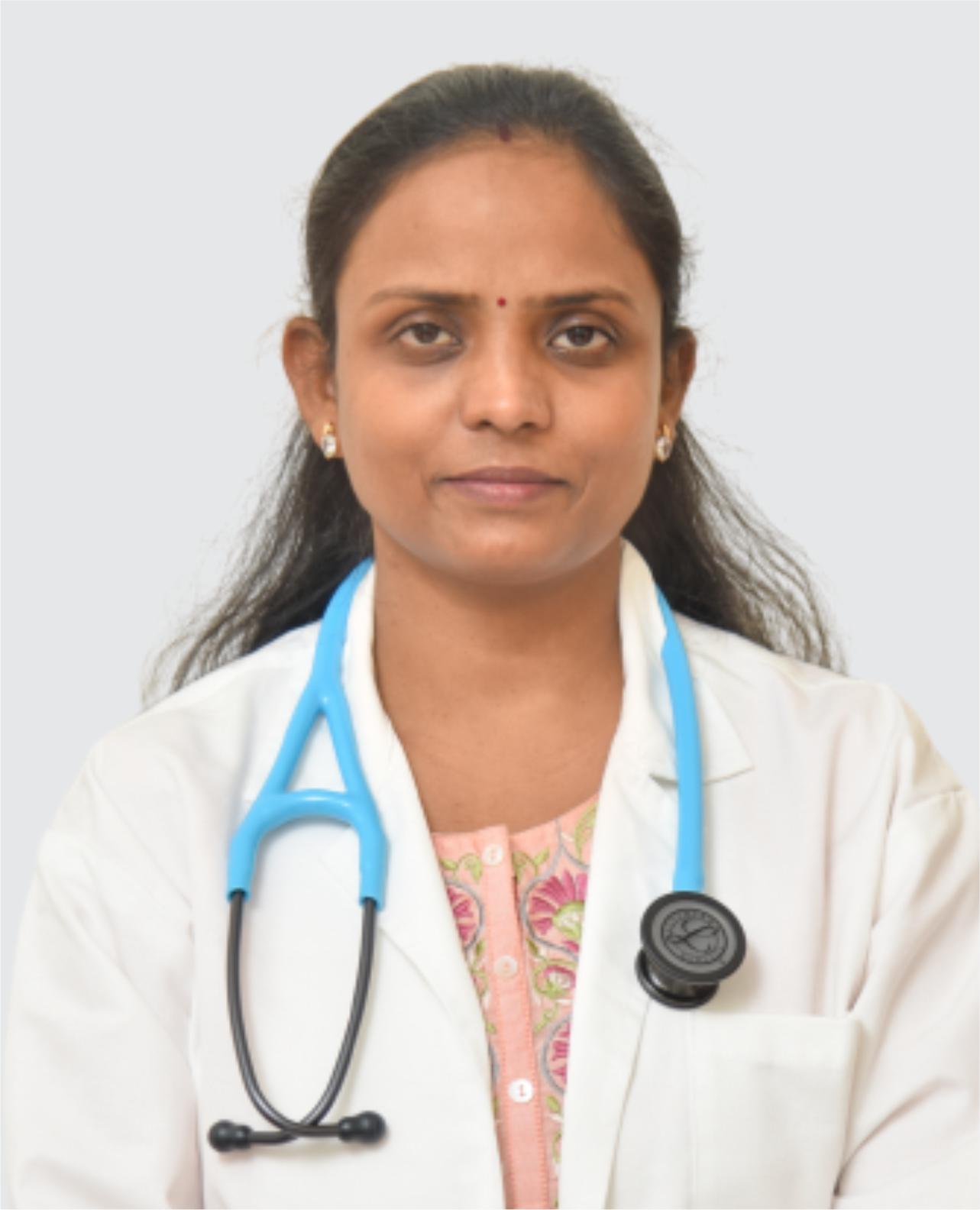
Dr. Anju Singh
Consultant - Pediatric Rheumatology
Pediatric Rheumatology
New Delhi
13+ Years
Experience
Artemis Hospital
Hospital
1500
Fees
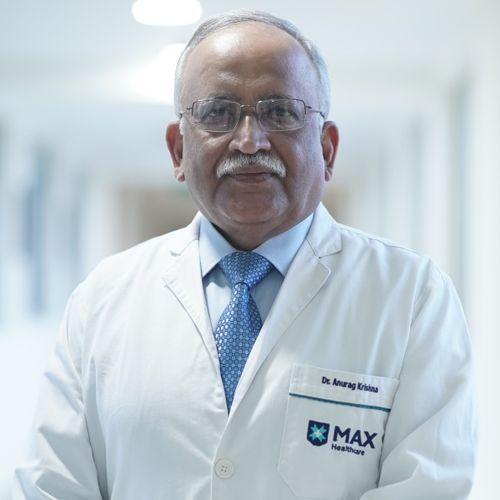
Dr. Anurag Krishna
Director & Head of Pediatric Services, Max Healthcare
Pediatric Surgery
New Delhi
30+ Years
Experience
Max Hospital,Gurgaon
Hospital
1500
Fees

Dr. Avtar Singh Bath
Associate Director - Urology and Renal Transplant
Urology
New Delhi
27+ Years
Experience
Apolo Delhi
Hospital
1500
Fees

Dr. B L Agarwal
Senior Consultant - Endocrinology
Endocrinology
New Delhi
40+ Years
Experience
Apolo Delhi
Hospital
1500
Fees

Dr. Deepa Maheshwari
Unit Head
Maternity, Obstetrics & Gynaecology
New Delhi
20+ Years
Experience
Artemis Hospital
Hospital
1500
Fees
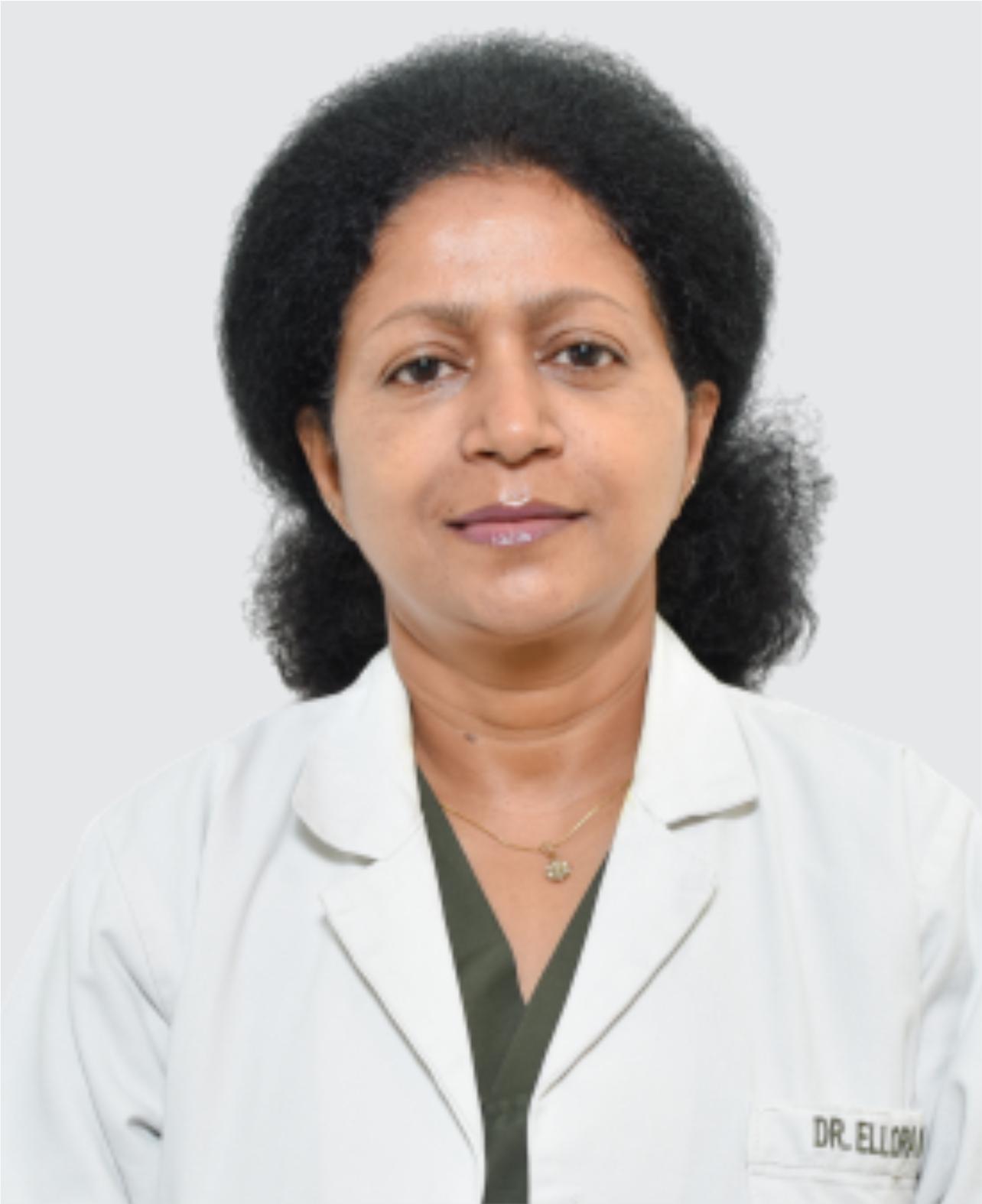
Dr. Ellora Nanda
Admin Head - Emergency
Emergency & Trauma Services
New Delhi
25+ Years
Experience
Artemis Hospital
Hospital
1500
Fees
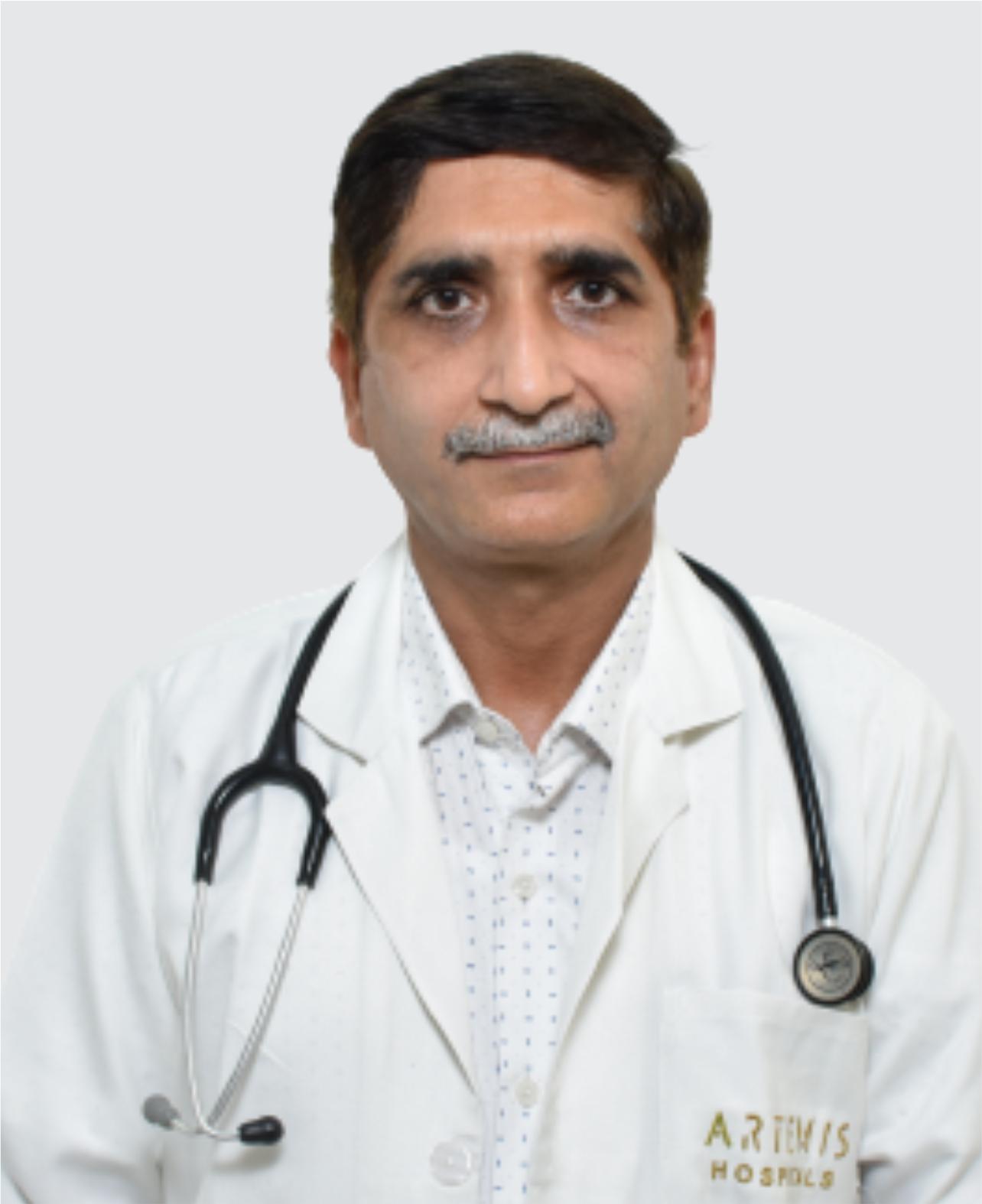
Dr. Hemant Gogia
Sr. Consultant - Paediatrics & Head - Medical Services and Medical Superintendent
Paediatric
New Delhi
10+ Years
Experience
Artemis Hospital
Hospital
1500
Fees

Dr. Lavindra Tomar
Sr. Consultant - Orthopaedics & Joint Replacement
Orthopaedics & Joint Replacement
New Delhi
20+ Years
Experience
Apolo Delhi
Hospital
1500
Fees
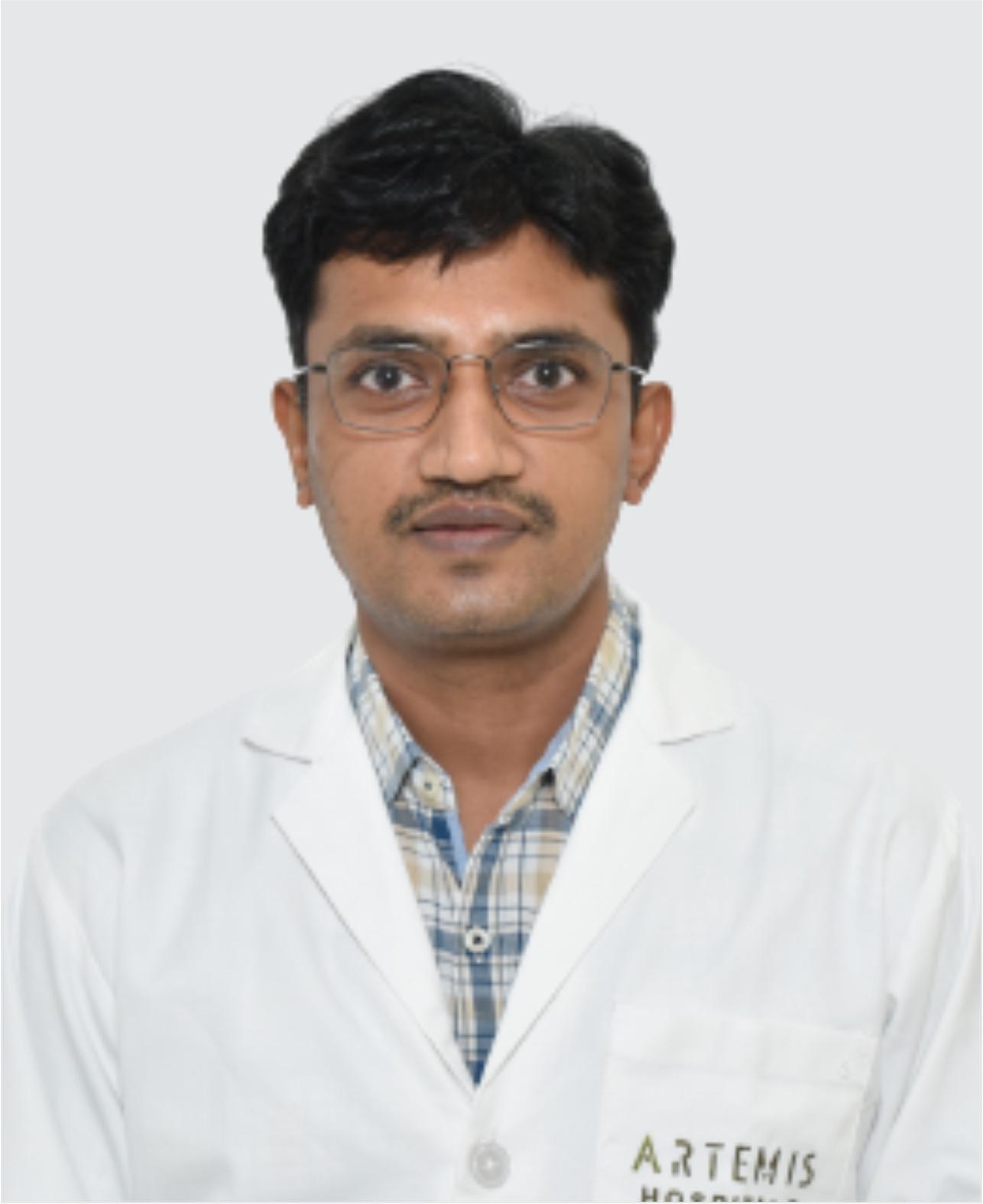
Dr. Nitin Goel
Sr. Consultant
Paediatric Surgery
New Delhi
10+ Years
Experience
Artemis Hospital
Hospital
1500
Fees

Dr. Padam Yadav
Consultant
Paediatric
New Delhi
15+ Years
Experience
Artemis Hospital
Hospital
1500
Fees
Booking With DIVINHEAL
Get a free consultation to understand your treatment options