
व्यक्तिगत सलाह की आवश्यकता है?
हमारे चिकित्सा विशेषज्ञ आपके प्रश्नों का उत्तर देने और आपके उपचार विकल्पों के माध्यम से आपका मार्गदर्शन करने के लिए तैयार हैं।
हमारे चिकित्सा विशेषज्ञ आपके प्रश्नों का उत्तर देने और आपके उपचार विकल्पों के माध्यम से आपका मार्गदर्शन करने के लिए तैयार हैं।
For many patients in Bangladesh living with chronic, debilitating pain, finding lasting relief can be an ongoing challenge. When conventional therapies fall short, the constant discomfort affects every aspect of life, prompting a search for advanced and effective treatment options. This journey often leads individuals to explore specialized medical interventions beyond their local healthcare system.
Bengaluru has emerged as a prominent medical hub, attracting patients seeking high-quality, specialized care like Spinal Cord Stimulation. The city is home to advanced neuro-spine centers and experienced pain management clinics, providing a focused environment for complex procedures. Patients choose Bengaluru for its structured approach to care and efficient coordination of medical services.
The medical infrastructure in Bengaluru is built on a foundation of expert neurosurgeons and pain specialists who work within internationally accredited hospitals. This network ensures that patients receive world-class treatment, supported by cutting-edge technology and dedicated staff. The city’s medical environment fosters confidence, offering comprehensive support for patient journeys from consultation through recovery.
Bengaluru offers an accessible and highly competent setting for advanced pain management.
Our team is here to guide you through every step of evaluating Spinal Cord Stimulation in Bengaluru. Reach out today for personalized information and support.
Spinal Cord Stimulation (SCS) is an advanced pain management technique used to treat chronic neuropathic pain that has not responded to other treatments. It involves implanting a small device, similar to a pacemaker, under the skin. This device delivers mild electrical impulses to the spinal cord, which interrupt or mask pain signals before they reach the brain. SCS does not eliminate the source of pain but changes the perception of pain, often replacing it with a tingling sensation or, in newer systems, no sensation at all.
Different types of SCS systems are available, each with unique features:
The Spinal Cord Stimulation procedure typically involves two distinct phases: an initial trial period to assess effectiveness, followed by permanent device implantation if the trial is successful.
During the trial, thin insulated wires (leads) are temporarily inserted into the epidural space near the spinal cord, guided by X-ray imaging. These leads are connected to an external generator worn on a belt. Patients undergo a trial for several days to a week, during which they can assess pain relief and stimulation comfort in their daily activities. If a significant reduction in pain (typically 50% or more) is achieved, the patient may proceed to permanent implantation.
If the trial is successful, the leads are permanently implanted into the epidural space. A small incision is made, usually in the lower back or buttock area, to implant the pulse generator (IPG) under the skin. The leads are then connected to this IPG. The entire system is programmed externally to deliver customized electrical impulses for optimal pain relief. This procedure is generally performed under local anesthesia with sedation, though general anesthesia may be used in some cases.
Recovery from SCS implantation involves a period of healing and careful management. Immediately after the procedure, patients may experience some soreness at the incision sites. Activity restrictions, such as avoiding heavy lifting or twisting, are usually recommended for the first 6-8 weeks to allow the leads to settle and prevent displacement. A physiotherapist may guide gentle movements and exercises. Regular follow-up appointments are essential for programming adjustments and monitoring the device's effectiveness. Patients learn how to manage their device, including charging if applicable, and integrate it into their daily lives for long-term pain management.
The success rate for Spinal Cord Stimulation is generally high, with many patients experiencing a 50-70% reduction in their chronic pain. Individual outcomes vary based on the underlying condition, patient selection, and adherence to post-operative care. Long-term success is also influenced by appropriate device programming and ongoing pain management strategies. While SCS aims to improve quality of life and reduce reliance on pain medication, it's important to have realistic expectations regarding complete pain elimination.
The cost of Spinal Cord Stimulation in Bengaluru can vary significantly based on several factors. These include the specific type of SCS system implanted (conventional, high-frequency, DRG, rechargeable vs. non-rechargeable), the chosen hospital's facilities and services, the experience and fees of the neurosurgeon and pain specialist, and any additional medical care or rehabilitation required. Bengaluru offers a competitive pricing structure for advanced medical treatments while maintaining high standards of care.
Patients from Bangladesh often find Bengaluru to be a highly cost-effective option for Spinal Cord Stimulation, providing significant savings compared to Western countries without compromising on quality.
| Location | Estimated Cost Range (USD) |
|---|---|
| Bengaluru, India | $8,500 - $18,000 |
| United States | $50,000 - $100,000 |
| United Kingdom | $45,000 - $75,000 |
| Singapore | $45,000 - $67,000 |
| Thailand | $42,000 - $70,000 |
Our network includes leading neurosurgeons and pain management experts in Bengaluru. Let us help you find the right specialist for your Spinal Cord Stimulation journey.
Considering Spinal Cord Stimulation in Bengaluru can be a significant step toward managing chronic pain. Our team is ready to provide the information and support you need to make an informed decision for your health.
India offers premium medical procedures at affordable prices. Discover our most popular treatments, delivered by the country's finest doctors.
Meet our team of highly qualified and experienced medical professionals dedicated to providing the best healthcare services.
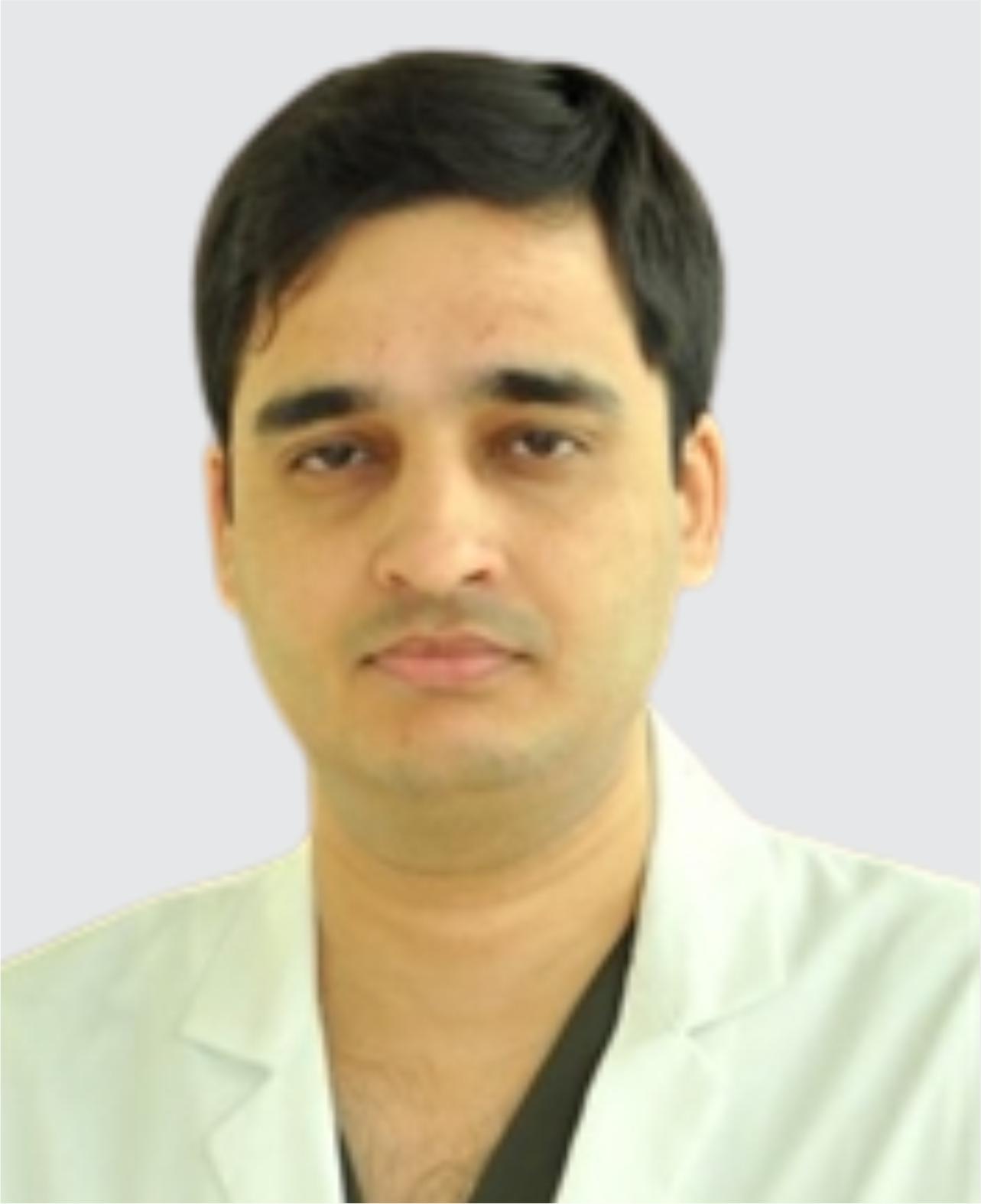
Sr. Consultant - Anaesthesia, Critical Care & Pain Management
Anaesthesia, Critical Care, Pain Management
New Delhi
15+ Years
Experience
Artemis Hospital
Hospital
1500
Fees
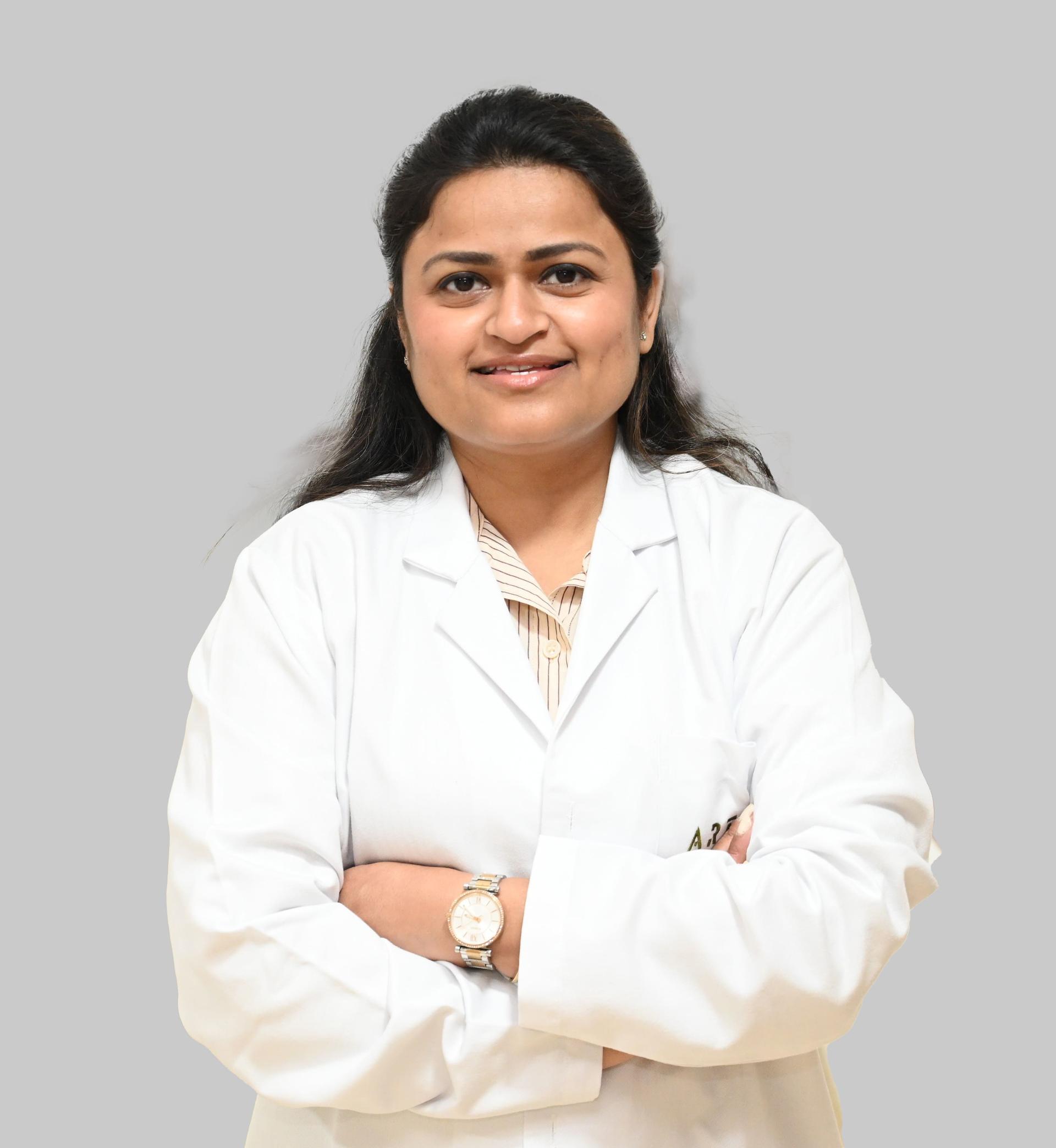
Consultant - Physiotherapy and Rehabilitation Centre
Physiotherapy and Rehabilitation Centre
New Delhi
10+ Years
Experience
Artemis Hospital
Hospital
1500
Fees
Principal Director - Pulmonology
Pulmonology
New Delhi
40+ Years
Experience
Max Hospital,Gurgaon
Hospital
1500
Fees
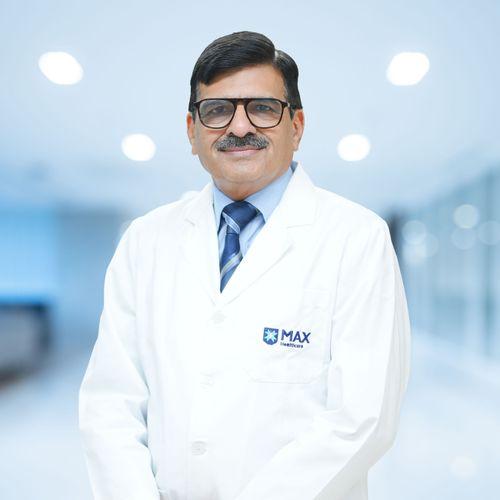
Director
Neurosciences
New Delhi
14+ Years
Experience
Apolo Delhi
Hospital
1500
Fees
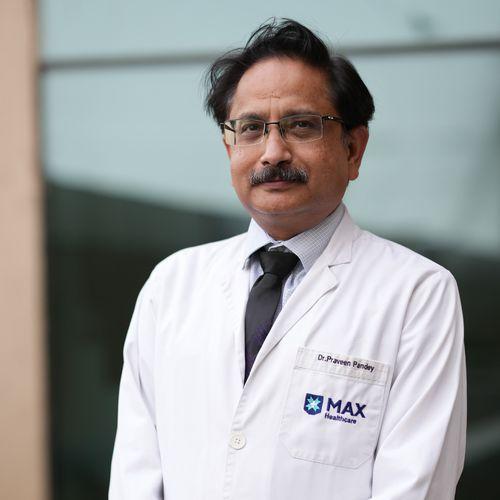
Director
Neuroscience
New Delhi
17+ Years
Experience
Apolo Delhi
Hospital
1500
Fees
भारत के शीर्ष अस्पतालों से व्यक्तिगत चिकित्सा उपचार विकल्प प्राप्त करें। हमारे चिकित्सा विशेषज्ञ हर कदम पर आपकी सहायता करने के लिए तैयार हैं।