

Tonsillectomy & Adenoidectomy Success Rate in Mumbai
Medical registries measure surgical success by infection reduction and breathing recovery. Published figures describe group data, while individual results require specialist evaluation.Tonsillectomy & Adenoidectomy is a routine ENT procedure addressing chronic infections or tissue obstructions. Surgical goals include reducing sore throats, resolving sleep-disordered breathing, and improving respiratory health. Techniques include cold knife dissection, electrocautery, radiofrequency ablation, or microdebrider under general anaesthesia.
Plan My Journey
Tell us your condition and budget - our AI matches the right destination, hospital and doctor and visa pathway
Cost calculator
I know my treatment - show me cost from 3 hospitals
5K+ International Patients Treated
40+ Source Countries Served
500+ Accredited Partner Hospitals
98% Patient Satisfaction
80% Average Savings vs USA
10K+ Doctors
NABH, JCI Accredited Hospitals
Free Treatment Plan
Free Consultation with Doctor
5+ Destinations Covered

Written by DivinHeal Editorial Contributor, DivinHeal Medical Team, Healthcare Advisory Team Published on: September 2, 2026
How success is measured for Tonsillectomy & Adenoidectomy
When evaluating Tonsillectomy & Adenoidectomy Success Rate in Mumbai, clinical metrics focus on symptom resolution. Surgical effectiveness is measured by clinical symptom resolution and infection frequency over twelve months.
| Measure | What it counts |
|---|---|
| Sore throat frequency | Reduction in annual doctor visits for throat infections |
| Airway clearance | Resolution of obstructive sleep symptoms during sleep |
| Infection recurrence | Absence of chronic tissue inflammation after surgery |
Resolution of Chronic Tonsillitis and Infections
Chronic tonsillitis resolution means eliminating recurrent bacterial infections in throat tissues. Surgeons track infection episodes after tonsillectomy procedures. Clear tissue removal prevents repeated surface bacteria growth.
Improvement in Obstructive Sleep Apnea and Breathing
Airway improvement measures how fully nasal passage obstruction clears during sleep. Specialists evaluate nocturnal snoring and breathing pauses. Removing enlarged tissue widens pediatric and adult upper airways.
Long-term Quality of Life and Reduction in Antibiotic Dependence
Quality of life metrics track reduced prescription antibiotic use over time. Fewer infection episodes reduce missed school or work days. Long-term health improves as medication dependence drops.
Clinical measures for surgical success focus on airway clearance and annual infection reduction.
Success rate by country (location rate: 95.0%)
Outcome statistics vary globally due to differing registry standards and surgical criteria. Understanding the Tonsillectomy & Adenoidectomy Success Rate in Mumbai requires checking how patient registries collect data.
High Success Rate in Mumbai (95.0%)
Medical institutions evaluate treatment outcomes through structured post-operative follow-up programs. ENT departments track surgical recovery across diverse patient groups. Structured protocols ensure consistent outcome data collection.
Global Comparative Outcomes for ENT Surgeries
International health databases collect outcome data using distinct clinical definitions. Comparing figures across borders requires matching metric definitions. Registration systems differ in patient follow-up periods.
Why International Patients Choose Mumbai for Adenotonsillectomy
International families seek surgical care based on facility standards and specialist experience. ENT surgeons provide direct care for complex respiratory issues. Clinical teams maintain high standard audit protocols.
Questions to ask a facility regarding outcome figures:
- What clinical metric defines successful treatment in your registry?
- Which patient age group does the data describe?
- Over what follow-up period were these outcomes recorded?
- How many surgical cases are included in the dataset?
- Does the statistic cover all patients or selected groups?
Evaluating surgical figures requires confirming the specific clinical metric and patient group studied.
What affects your outcome
Post-operative outcomes depend on surgical technique, patient age, and tissue recovery. Surgical skill and patient compliance influence tissue healing speed.
Surgical Technique: Coblation vs. Traditional Dissection
Surgical techniques determine thermal tissue injury and immediate recovery comfort. Coblation uses low heat to dissolve tissue cleanly. Traditional dissection cuts tissue directly with thermal cautery.
Surgeon Expertise and ENT Specialization
Experienced specialists minimize operative bleeding and shorten total surgical time. ENT specialists perform delicate dissection near throat blood vessels. Surgical skill directly influences wound recovery.
Adherence to Post-Operative Dietary and Rest Guidelines
Patient diet choices protect healing surgical beds from early scab separation. Soft foods prevent bleeding during soft tissue recovery. Hydration keeps healing throat membranes moist.
Patient Age and Underlying Health Conditions
Patient age influences tissue recovery speeds and systemic inflammation responses. Younger children recover soft tissue faster than adults. Co-existing health conditions can alter recovery timelines.
Key factors influencing surgical outcomes include:
- Selected surgical instrument technology and thermal energy levels
- Specialist surgical volume and pediatric clinical experience
- Strict adherence to soft food post-operative dietary plans
- Patient age and overall immune system health
- Proper hydration levels during the initial healing period
Surgical technology and careful post-operative care directly influence healing times after surgery.
Who this treatment helps most
Surgical intervention benefits individuals with recurrent throat infections or nasal obstruction. Clinical criteria determine patient selection for tissue removal.
Children with Recurrent Throat Infections (The 7-5-3 Rule)
Clinical guidelines define severe infection frequency using annual illness thresholds. The clinical standard identifies seven episodes in one year. Five yearly episodes over two years also warrant surgical review.
Pediatric and Adult Patients with Sleep-Disordered Breathing
Obstructive tissue enlargement impairs normal breathing during sleep across all ages. Enlarged throat tissue blocks airflow during nocturnal rest. Surgical removal restores open upper airway passages.
Patients suffering from Enlarged Adenoids and Chronic Otitis Media
Adenoid tissue swelling blocks fluid drainage from middle ear cavities. Persistent ear infections clear when blocked nasal tissues are removed. Correcting airflow stops middle ear fluid accumulation.
Surgery helps patients experiencing frequent throat infections or persistent airway obstruction during rest.
Safety, accreditation and where you'll be treated
Hospital safety protocols protect patients from surgical site infections and anaesthesia risks. Verified healthcare facilities enforce international quality standards.
JCI and NABH Accredited Hospitals in Mumbai
International hospital accreditations enforce rigid clinical safety and hygiene standards. Patients find accredited care through Best Tonsillectomy & Adenoidectomy Hospitals in Mumbai. Certified standards reduce infection rates during hospital stays.
Top ENT Clinics and Specialized Facilities (e.g., Global Hospital, Wockhardt Hospital)
Specialist medical centres maintain modern surgical units for complex ear, nose, and throat procedures. Consulting Best Tonsillectomy & Adenoidectomy Doctors in Mumbai ensures specialized care. Dedicated surgical teams handle pediatric and adult cases smoothly.
Infection Control and Advanced Anesthesia Safety Standards
Specialized anaesthesia protocols ensure safe airway control throughout surgery. Continuous monitoring maintains stable breathing during the procedure. Strict infection control measures protect open wound sites.
Accredited clinical facilities maintain strict safety guidelines to protect surgical patients during procedures.
What recovery looks like
Post-operative recovery requires monitoring wound scab formation and maintaining adequate hydration.
Day 1 to 5: Pain Management and Fluid Intake
Managing pain lets patients drink liquids comfortably during early healing. Cool fluids keep throat membranes hydrated and reduce swelling.
Day 6 to 10: Scab Formation and Bleeding Precautions
Healing scabs detach naturally from throat beds during week two. Soft foods prevent premature scab detachment and secondary bleeding.
Long-term Healing and Resuming Normal Activities
Normal physical activity resumes after soft tissues heal completely. Full recovery occurs within fourteen days for most patients.
Careful diet management and fluid intake support throat healing through the recovery period.
Cost alongside success
Surgical expenses reflect hospital facilities, surgical technology, and practitioner experience.
Breakdown of Tonsillectomy & Adenoidectomy Costs in Mumbai
Hospital stay length and operating room fees determine base surgical costs. Review detailed information on Tonsillectomy & Adenoidectomy cost in Mumbai options.
Cost Variations by Surgical Technique (Coblation vs Laser)
Advanced Coblation equipment uses specialized single-use surgical wands. Instrument choice alters total facility billing amounts.
Affordability for International Patients (UAE, Iraq, Nigeria, Bangladesh, Ethiopia)
Overseas patients compare surgical care packages across global medical centers. Many travel for specialized Tonsillectomy & Adenoidectomy Treatment in Mumbai services.
Surgical costs vary based on chosen technology, hospital stay length, and facility fees.
How DivinHeal supports your outcome
Dedicated medical coordination assists international families through evaluation, travel, and recovery. Personal care managers facilitate clinical communication.
Free Doctor Consultation and Case Evaluation
Remote medical evaluations allow specialists to review health records before travel. Patients seeking Tonsillectomy & Adenoidectomy Treatment in Mumbai for UAE submit records early. Experts assess throat tissue conditions remotely.
End-to-End Medical Travel Assistance and Visa Support
Travel coordination covers medical visas, airport transfers, and hospital admissions. Patients arriving for Tonsillectomy & Adenoidectomy Treatment in Mumbai for Nigeria receive direct assistance. Accommodation arrangements simplify the medical stay.
Post-Surgical Follow-up and Dedicated Care Coordinator
Care coordinators manage communication between patients and ENT specialists after discharge. Patients using Tonsillectomy & Adenoidectomy Treatment in Mumbai for Iraq access structured remote follow-up.
Specialist clinical evaluation steps include:
- Specialist reviews patient infection records and diagnostic scans.
- ENT team evaluates upper airway anatomical obstructions.
- Anaesthetist assesses general health and surgical readiness.
- Surgical team selects appropriate dissection technique technology.
- Care coordinator schedules post-operative recovery monitoring checks. Optionally manage remote medical follow-up consultation schedules.
Personalized coordination ensures clear medical evaluation, smooth travel, and continuous post-operative care.
Recommended Article
Best In Vitro Fertilization (IVF) Doctors in Hyderabad
Doctors for Nephrology: Find Kidney Care Specialists
Doctors in Chennai: Find Medical Specialists in India
Best Embryo Freezing Hospitals in Hyderabad: Care Guide
Hospitals for reproductive surgery: Compare options
Hospitals in Gurugram: Guide to Quality Facilities
IVF Treatment in Haryana | Cost, Hospitals & Doctors
TAVR (Transcatheter Aortic Valve Replacement) cost in New Delhi
Tonsillectomy & Adenoidectomy Success Rate in Mumbai
Facelift & Anti-Aging Procedures in Chennai for Ethiopia Patients | Cost, Hospitals
Hospitals
NABH & JCI Accredited Hospitals in India,Turkey, Thailand & UAE.
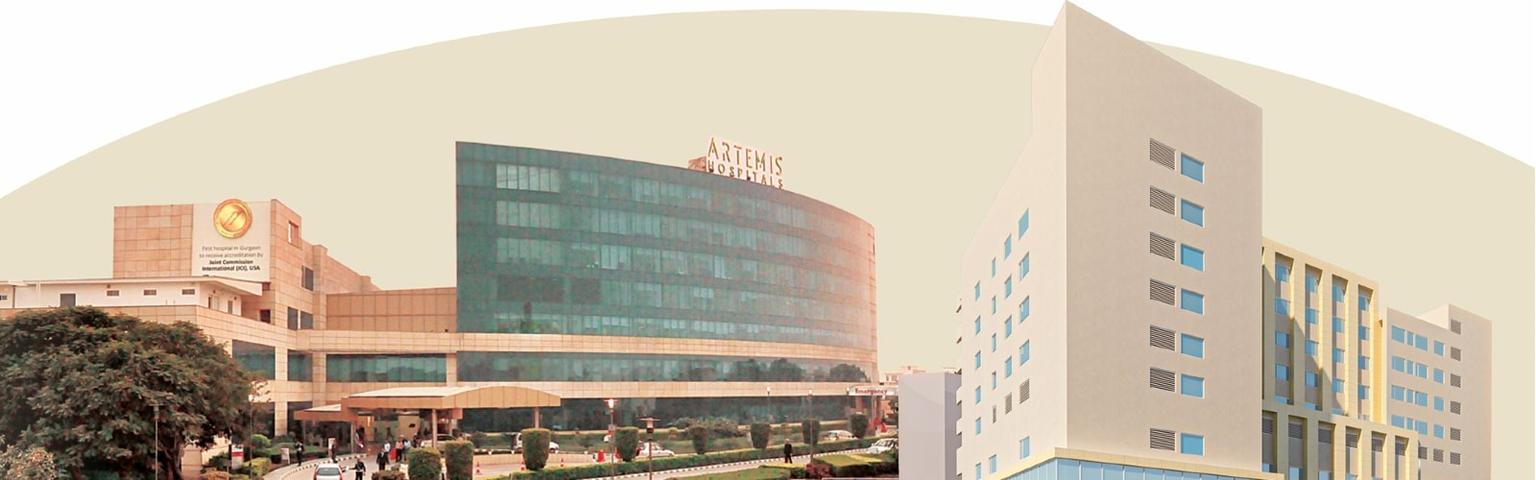
Artemis Hospital
Sector 51, Gurugram, Haryana, India

Lokmanya Hospitals
Not Specified

White Lotus Hospital
766, SFS 3145, SFS Road, 7th Sector, HSR Layout, Bengaluru, Karnataka 560102, India
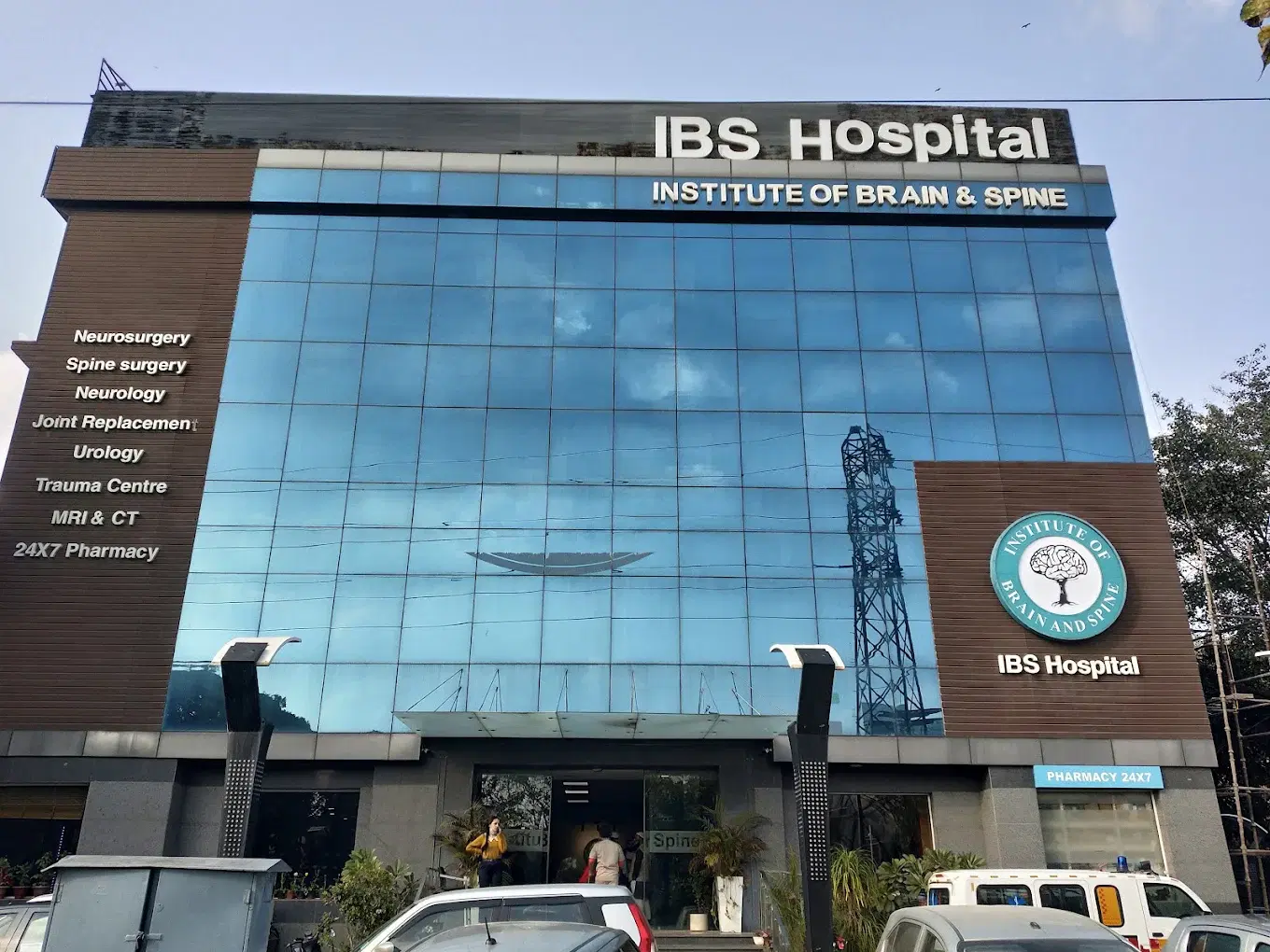
Institute of Brain and Spine (IBS Hospital)
Not Specified
Meet Our Medical Specialists




Sr. Consultant - Urology & Kidney Transplant Program (Unit I)
Dr. Abhinandan Mukhopadhyay
MBBS, MD
India

Sr. Consultant - Urology & Kidney Transplant Program (Unit I)
Dr. Abhinandan Mukhopadhyay
MBBS, MD
India
How DivinHeal Helps
We simplify your medical journey by providing comprehensive support and access to world-class healthcare.
Expert Specialist Matching
Connecting you with the world's top-rated medical experts.
Accredited Hospital Network
Access to JCI & NABH certified healthcare facilities.
Complete Travel Coordination
Hassle-free visa, stay, and local transport assistance.
24/7 Personal Care
Dedicated patient advisors supporting you at every step.
Journey Guidance
Full guidance from start to end of the patient treatment journey.
Expert Specialist Matching
Connecting you with the world's top-rated medical experts.
Everything you
need to know today
Browse through these common inquiries to better understand our patient-focused medical platform.
Tonsillectomy and adenoidectomy are routine, highly safe procedures with a 95.0% success rate in Mumbai. Primary risks include minor post-operative bleeding, temporary throat pain, or infection, all of which are managed effectively by expert ENT teams.
The cost of tonsillectomy & adenoidectomy in Mumbai generally ranges from $1,200 to $2,500 USD (INR 90,000 to INR 2,000,000), depending on the hospital, surgical technique (such as advanced Coblation), and length of stay.
The overall success rate of tonsillectomy and adenoidectomy in Mumbai is approximately 95.0%, leading to permanent relief from recurrent infections and obstructive sleep apnea in the vast majority of patients.
Adenoid regrowing is extremely rare. Complete surgical excision or Coblation ablation removes the tissue thoroughly, resulting in less than a 1-2% re-growth rate, primarily in very young infants.
Adenoidectomy is considered a low-risk, minimally invasive procedure. Modern techniques minimize blood loss and tissue trauma, allowing fast pediatric recovery.
The 7-5-3 rule is a clinical guideline used by ENT specialists: tonsillectomy is recommended if a patient experiences 7 or more episodes of tonsillitis in 1 year, 5 episodes per year for 2 consecutive years, or 3 episodes per year for 3 consecutive years.
Most children recover fully within 7 to 10 days. Soft foods and adequate hydration help accelerate healing during the first week.
Patients are usually advised to stay in Mumbai for 7 to 10 days post-surgery to monitor for any secondary bleeding and ensure complete clearance from the ENT surgeon before flying home.
Still have more questions?
Book a call with our friendly team to learn how DivineHeal simplifies your healthcare journey.