

IVF (In Vitro Fertilization) Cycle Success Rate in Hyderabad
An IVF (In Vitro Fertilization) Cycle Success Rate in Hyderabad measures how often treatment leads to pregnancy or live birth across clinical cohorts. Published figures reflect group outcomes rather than individual patient predictions.An assisted reproductive cycle aims to overcome subfertility through controlled ovarian stimulation, egg retrieval, laboratory fertilisation, and uterine embryo transfer. Patients exploring assisted reproduction procedures in Hyderabad undergo clinical evaluation before treatment starts.
Plan My Journey
Tell us your condition and budget - our AI matches the right destination, hospital and doctor and visa pathway
Cost calculator
I know my treatment - show me cost from 3 hospitals
5K+ International Patients Treated
40+ Source Countries Served
500+ Accredited Partner Hospitals
98% Patient Satisfaction
80% Average Savings vs USA
10K+ Doctors
NABH, JCI Accredited Hospitals
Free Treatment Plan
Free Consultation with Doctor
5+ Destinations Covered

Written by DivinHeal Editorial Contributor, Rahul Kumar, Embryologist | Medically Reviewed by Dr Indu Priya, Gynecologist(MD) Published on: August 31, 2026
How success is measured for IVF (In Vitro Fertilization) Cycle
Success in assisted reproduction is measured through specific clinical milestones, including positive pregnancy tests, confirmed heartbeats, and live deliveries.
Clinics track different standard metrics across each stage of care. Comparing figures requires knowing which endpoint a report uses.
| Measure | What it counts |
|---|---|
| Clinical Pregnancy Rate | The proportion of cycles showing a confirmed gestational sac on ultrasound. |
| Live Birth Rate | The proportion of completed transfers that result in the delivery of a living baby. |
| Implantation Rate | The ratio of transferred embryos that successfully attach to the uterine lining. |
| Cumulative Success Rate | The total chance of birth across all fresh and frozen transfers from one retrieval. |
Clinical Pregnancy Rate vs. Live Birth Rate
Clinical pregnancy rates measure ultrasound confirmation of a heartbeat early in gestation. Live birth rates track deliveries that result in a living infant.
The live birth rate remains the definitive clinical standard for patients. Pregnancy rates run higher because some early pregnancies do not progress to full term.
Specialists report both figures to track different milestones. Patients should confirm which measure a clinic uses when evaluating performance.
Cumulative Success Rates Across Multiple Cycles
Cumulative rates combine outcomes from an initial fresh transfer and subsequent frozen embryo transfers. This metric counts all transfers resulting from a single egg retrieval.
Patients often complete multiple transfers from one stimulation cycle. Tracking cumulative results provides a complete picture of total treatment potential.
Frozen embryo transfers offer additional opportunities without requiring repeated ovarian stimulation. Cumulative tracking reflects total reproductive outcome per retrieval.
Standardised clinical metrics track distinct outcomes from initial pregnancy confirmation to final live birth delivery.
Success rate by country (location rate: 38.0%)
Comparing national fertility figures requires standardising patient age groups, reporting frameworks, and laboratory transfer protocols across international jurisdictions.
International registries define success using different reporting criteria. Evaluating outcomes requires comparing similar patient demographics and clinical parameters.
Hyderabad's Benchmark 38.0% IVF Success Rate
When evaluating an IVF (In Vitro Fertilization) Cycle Success Rate in Hyderabad, patients should review verified clinical reports. Reported statistics describe broader clinical cohorts treated across regional fertility centers.
Individual results depend on personal medical factors assessed by qualified doctors. Clinics publish outcome metrics based on specific age bands and biological factors.
Specialists evaluate baseline hormone levels before projecting outcomes. Regional clinical benchmarks provide general context for population health trends.
Comparing Hyderabad's Fertility Outcomes Globally
Published rates differ across international regions due to varying laws on embryo transfer numbers. Clinical criteria and patient selection guidelines also vary widely between registries.
Patients evaluating global clinical options should request transparent data directly from providers. Comparing unadjusted figures between different countries can lead to misinterpretation.
International registries maintain distinct patient inclusion standards. Reviewing primary source methodology ensures accurate comparisons between centers.
- Which clinical endpoint does this reported figure count?
- What age group does this specific dataset describe?
- How many patient cases were analyzed in this report?
- Does this rate include both fresh and frozen transfers?
- Are all started treatment cycles included in the total?
Evaluating international fertility metrics requires consistent metric definitions and comparable patient cohort demographics.
What affects your outcome
Biological factors, laboratory standards, maternal age, and embryo quality directly influence the clinical success of assisted reproduction treatments.
Understanding an IVF (In Vitro Fertilization) Cycle Success Rate in Hyderabad involves looking at individual biological factors. Specialists evaluate multiple variables before starting care.
Maternal Age and Ovarian Reserve
Maternal age remains a primary factor influencing egg quality and chromosomal normality. Ovarian reserve testing measures remaining egg supply through specific hormone assessments.
Younger patients generally yield higher proportions of genetically balanced eggs. Doctors tailor stimulation protocols based on biological reserve markers.
Anti-Mullerian hormone levels help predict ovarian response during stimulation. Age considerations guide treatment timing and protocol adjustments.
Embryo Quality and Advanced Technologies (ICSI & PGT)
Embryo grade reflects structural development and cellular division speed in the laboratory. Intracytoplasmic sperm injection helps fertilise eggs when male factors are present.
Preimplantation genetic testing screens embryos for chromosomal variations prior to transfer. Advanced laboratory techniques support selected embryo development before placement.
Blastocyst culture allows observation over five days of development. Selecting robust embryos improves implantation efficiency.
Uterine Receptivity and Lifestyle Factors
The uterine lining must reach adequate thickness and structural readiness for successful implantation. Endometrial receptivity timing determines the optimal window for embryo transfer.
Evaluating structural uterine health, such as uterine fibroid management strategies, helps optimize embryo implantation conditions. Managing underlying health conditions supports pelvic organ performance.
Balanced nutrition and smoking cessation positively influence reproductive health. Hormonal preparation ensures uterine lining readiness before transfer.
- Maternal age and baseline ovarian reserve test results
- Sperm quality, motility, and genetic integrity
- Embryo developmental grade and chromosomal status
- Endometrial thickness and receptivity window timing
- Underlying hormonal or autoimmune medical conditions
Biological health, maternal age, and laboratory technology together influence individual treatment outcomes.
Who this treatment helps most
Assisted reproductive procedures help individuals and couples facing tubal damage, male factor subfertility, endometriosis, or unexplained reproductive challenges.
Specialists identify candidate conditions through thorough diagnostic evaluations. Targeted interventions bypass specific anatomical or physiological barriers to conception.
Couples Facing Unexplained or Male Factor Infertility
Male factor subfertility includes low sperm count, reduced motility, or abnormal structure. Laboratory fertilisation methods place sperm directly adjacent to or inside retrieved eggs.
Unexplained subfertility describes persistent non-conception despite normal diagnostic findings. Structured cycle protocols help overcome undetected fertilization or developmental barriers.
Targeted laboratory selection identifies viable sperm for fertilisation. Advanced protocols assist couples when conventional methods show limited progress.
Patients with Tubal Blockages, PCOS, or Endometriosis
Fallopian tube blockages prevent natural egg and sperm interactions within the body. In vitro fertilisation bypasses the fallopian tubes entirely by retrieving eggs directly from ovaries.
Patients dealing with tubal blockage care options often benefit from direct laboratory fertilisation. Conditions like polycystic ovary syndrome require tailored hormonal management before retrieval.
Endometriosis treatment plans address local inflammation to improve pelvic conditions. Customized medical protocols help optimize egg quality despite underlying conditions.
Targeted reproductive protocols effectively bypass structural fallopian tube blockages and biological fertilization hurdles.
Safety, accreditation and where you'll be treated
Accredited fertility centers enforce strict safety protocols, laboratory quality management systems, and clinical guidelines to minimize patient risks.
Independent healthcare oversight ensures clinical protocols meet established national safety benchmarks. Quality assurance protects both patient health and biological samples.
NABH and NABL Accredited Fertility Clinics in Hyderabad
National Accreditation Board guidelines certify clinical hygiene and staff competency standards. NABL certification validates medical laboratory testing accuracy and environmental quality controls.
Accredited facilities undergo regular auditing to verify operational safety. Patients can review accredited fertility centers in Hyderabad before choosing a clinic.
Standardised laboratory air filtration systems protect developing embryos. Quality management protocols maintain strict sample identification security.
Protocol Safety Standards to Prevent Complications Like OHSS
Ovarian hyperstimulation syndrome occurs when ovaries overrespond to fertility medications. Doctors monitor follicle growth using frequent blood tests and ultrasound scans.
Modern trigger medications and freeze-all strategies significantly reduce hyperstimulation risks. Tailored dosing protocols maintain patient safety throughout ovarian stimulation.
Individualised medication dosing prevents excessive ovarian enlargement. Specialist oversight ensures prompt intervention if symptoms develop.
Rigorous national facility accreditation and careful stimulation monitoring safeguard patient health during care.
What recovery looks like
Recovery following egg retrieval involves short rest, while post-transfer care requires routine activity and medication compliance.
Physical symptoms usually resolve quickly after procedures. Patients resume regular routines while avoiding strenuous exertion.
Post-Egg Retrieval and Embryo Transfer Recovery Timeline
Retrieval takes under an hour under light sedation. Cramping resolves within 48 hours. Transfer requires no anaesthesia.
Patients rest briefly before returning home the same day. Routine daily movement is safe from the following morning.
Managing the Two-Week Wait (2WW) and Emotional Health
The two-week wait ends with a blood test. Prescribed progesterone support continues throughout this window.
Maintaining daily routines helps manage stress. Clinical teams provide guidance while waiting for formal pregnancy verification.
Physical recovery remains brief, requiring minimal rest before patients resume normal daily activities.
Cost alongside success
Treatment fees vary based on diagnostic testing, medication, laboratory procedures, and advanced technologies.
Financial planning involves understanding full cycle package inclusions. Additional techniques affect overall expenses independently of baseline care.
Affordable IVF Packages vs. Global Cost Comparison
Base packages cover standard care. Review cycle costs in Hyderabad before care begins.
Operational overhead and medication costs vary regionally. Transparent pricing breakdowns clarify what services each package contains.
Evaluating Return on Investment for Advanced IVF Add-ons
Specialized add-ons like genetic testing add expenses. Doctors evaluate clinical necessity before recommending additions.
Financial investment correlates with clinical complexity rather than guaranteed outcomes. Specialists help patients choose necessary laboratory techniques.
Treatment costs depend on diagnostic needs, required laboratory procedures, and prescribed medication protocols.
How DivinHeal supports your outcome
DivinHeal connects international patients with verified fertility specialists, accredited clinics, and comprehensive medical travel coordination services.
Independent facilitation helps families navigate clinical choices efficiently. Structured support ensures clear communication between patients and care teams.
Doctor and Hospital Selection Tailored to Your Diagnosis
Matching patient needs with appropriate subspecialists improves treatment planning. Experienced teams analyze medical records to identify suitable clinical programs.
Patients can consult qualified fertility doctors in Hyderabad for personalized case reviews before traveling.
Specialists review medical histories to recommend tailored clinic options. Careful doctor selection aligns treatment plans with specific patient profiles.
Seamless Medical Tourism, Travel, and Second Opinion Support
Medical travel assistance includes visa support, local transportation, and accommodation arrangements. Remote second opinions clarify medical strategies prior to departure.
Coordinated logistics reduce stress during international care visits. Dedicated coordinators assist throughout every phase of treatment.
Translators and patient liaisons facilitate smooth clinical consultations. Comprehensive support manages administrative tasks from arrival to departure.
- Reviewing patient medical history and previous treatment records
- Conducting baseline blood tests and pelvic ultrasound evaluations
- Formulating a customized ovarian stimulation medication protocol
- Monitoring follicular growth through regular ultrasound scans
- Executing egg retrieval and controlled laboratory fertilisation
- Selecting top quality embryos for transfer into the uterus
DivinHeal assists patients by coordinating expert doctor evaluations, clinic selection, and travel logistics.
Recommended Article

Best In Vitro Fertilization (IVF) Doctors in Hyderabad
Doctors for Nephrology: Find Kidney Care Specialists
Doctors in Chennai: Find Medical Specialists in India
Best Embryo Freezing Hospitals in Hyderabad: Care Guide
Hospitals for reproductive surgery: Compare options
Hospitals in Gurugram: Guide to Quality Facilities
IVF Treatment in Haryana | Cost, Hospitals & Doctors
TAVR (Transcatheter Aortic Valve Replacement) cost in New Delhi
Tonsillectomy & Adenoidectomy Success Rate in Mumbai
Facelift & Anti-Aging Procedures in Chennai for Ethiopia Patients | Cost, Hospitals
Hospitals
NABH & JCI Accredited Hospitals in India,Turkey, Thailand & UAE.
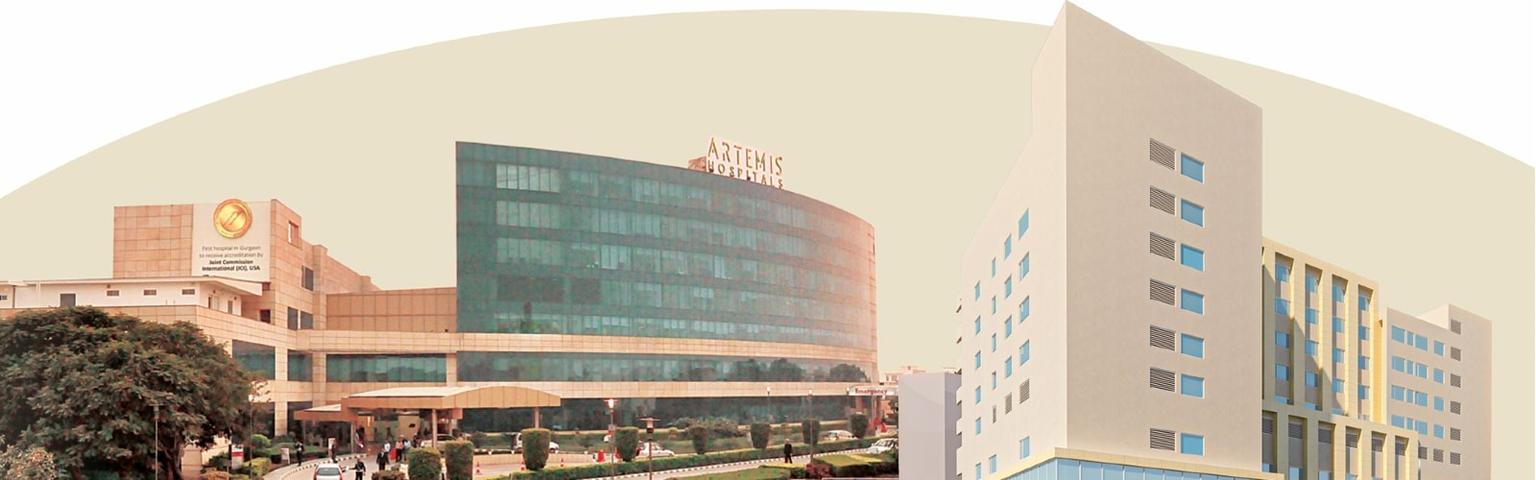
Artemis Hospital
Sector 51, Gurugram, Haryana, India
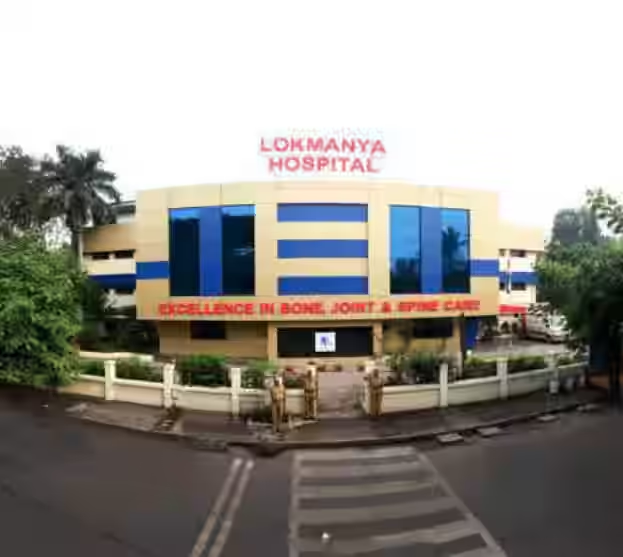
Lokmanya Hospitals
Not Specified

White Lotus Hospital
766, SFS 3145, SFS Road, 7th Sector, HSR Layout, Bengaluru, Karnataka 560102, India
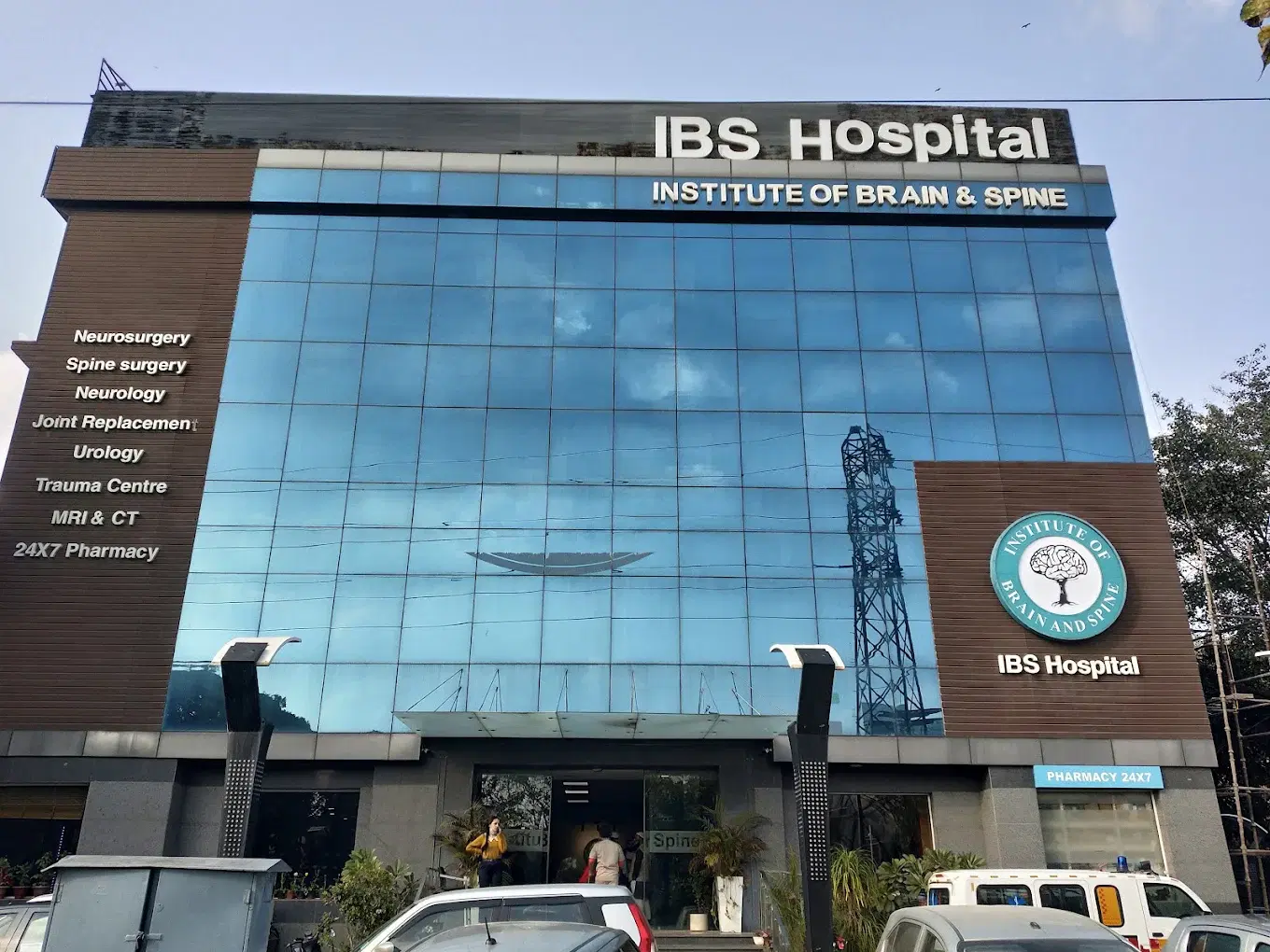
Institute of Brain and Spine (IBS Hospital)
Not Specified
Meet Our Medical Specialists




Sr. Consultant - Urology & Kidney Transplant Program (Unit I)
Dr. Abhinandan Mukhopadhyay
MBBS, MD
India

Sr. Consultant - Urology & Kidney Transplant Program (Unit I)
Dr. Abhinandan Mukhopadhyay
MBBS, MD
India
How DivinHeal Helps
We simplify your medical journey by providing comprehensive support and access to world-class healthcare.
Expert Specialist Matching
Connecting you with the world's top-rated medical experts.
Accredited Hospital Network
Access to JCI & NABH certified healthcare facilities.
Complete Travel Coordination
Hassle-free visa, stay, and local transport assistance.
24/7 Personal Care
Dedicated patient advisors supporting you at every step.
Journey Guidance
Full guidance from start to end of the patient treatment journey.
Expert Specialist Matching
Connecting you with the world's top-rated medical experts.
Everything you
need to know today
Browse through these common inquiries to better understand our patient-focused medical platform.
The average IVF cycle success rate in Hyderabad is approximately 38.0% per cycle, depending on patient age, ovarian reserve, and specific fertility conditions.
No medical fertility treatment guarantees a 100% success rate, but cumulative success rates across 2-3 cycles can reach significantly higher odds.
Statistical evidence suggests that most successful pregnancies occur within the first three IVF cycles, particularly when using personalized treatment protocols.
An IVF cycle in Hyderabad typically costs significantly less than in Western nations, ranging from affordable basic packages to advanced ICSI/PGT plans tailored to individual needs.
IVF works by harvesting mature eggs from the ovaries, fertilizing them with sperm in a specialized laboratory, and transferring the resulting healthy embryo directly into the uterus.
Key factors that can reduce success rates include advanced maternal age, low anti-Müllerian hormone (AMH) levels, poor sperm morphology, and untreated uterine fibroids or polyps.
Yes, Hyderabad is a top destination for fertility tourism, offering accredited hospitals, English-speaking staff, strict protocol standards, and high-tech embryology labs.
A standard fresh IVF cycle typically requires a stay of 18 to 21 days, whereas a frozen embryo transfer (FET) cycle may require a shorter 7 to 10-day trip.
Still have more questions?
Book a call with our friendly team to learn how DivineHeal simplifies your healthcare journey.