

Kidney Transplant Success Rate in Hyderabad: Patient Guide & Insights
Clinics evaluate the Kidney Transplant Success Rate in Hyderabad using graft survival, patient health, and blood tests.The goal of Kidney Transplant treatment is to restore normal kidney function in patients with End-Stage Renal Disease, eliminating the need for dialysis and improving overall health. Techniques involve meticulously connecting the new kidney's blood vessels and ureter to the recipient's system, followed by lifelong immunosuppression to prevent rejection.
Plan My Journey
Tell us your condition and budget - our AI matches the right destination, hospital and doctor and visa pathway
Cost calculator
I know my treatment - show me cost from 3 hospitals
5K+ International Patients Treated
40+ Source Countries Served
500+ Accredited Partner Hospitals
98% Patient Satisfaction
80% Average Savings vs USA
10K+ Doctors
NABH, JCI Accredited Hospitals
Free Treatment Plan
Free Consultation with Doctor
5+ Destinations Covered

Written by DivinHeal Editorial Contributor, DivinHeal Medical Team, Healthcare Advisory Team Published on: September 3, 2026
How success is measured for Kidney Transplant
Clinics measure kidney transplant outcomes by checking graft function, patient survival, and rejection episodes.
Graft Survival Rates & Timeline Benchmarks
Graft survival shows if the donor kidney clears waste without dialysis. Nephrologists track organ function at set intervals after surgery. Stable urine output and normal blood clearance indicate healthy graft function.
Published rates describe the population studied. An individual outlook depends on a specialist's assessment. Clinical records log organ performance over multiple calendar years.
Routine ultrasound scans check blood flow through renal arteries and veins. Timely diagnostic imaging detects vascular complications early.
Patient Survival Rate & Overall Post-Op Quality of Life
Patient survival measures general recipient health after surgical recovery. Restoring renal function helps individuals return to normal daily activities. Long-term medical follow-ups track ongoing health stability.
Hospital databases collect post-operative data during routine clinic visits. Clear records help clinicians evaluate long-term recovery trends.
| Measure | What it counts |
|---|---|
| Graft survival rate | Counts how long the transplanted kidney functions without dialysis. |
| Patient survival rate | Counts recipient survival and overall health following surgery. |
| Acute rejection rate | Counts episodes where immune responses attack the donor organ. |
Graft survival and recipient health determine long-term success for kidney transplant care in Hyderabad.
Success rate by country (location rate: 0.9%)
Transplant registries use different patient eligibility standards and reporting timelines across countries.
Hyderabad Success Rates vs Global Benchmarks
Clinics in India report outcomes to national health registries. International registries collect data under different patient selection rules. Regional demographic factors also influence published clinical statistics.
Comparing local figures with international data requires identical clinical definitions. Patient health profiles vary widely between different global regions. Direct comparisons remain invalid without standardized audit criteria.
Local medical registries record post-operative progress through standardized clinical reporting forms. Regular data submission supports continuous quality improvement in transplant units.
Living Donor vs Deceased Donor Outcomes in Hyderabad
Living donor procedures offer better organ compatibility and scheduled surgery. Deceased donor organs require cold preservation before implantation. Ischemia duration directly impacts initial graft recovery speed.
Surgeons evaluate donor organ quality before approving a kidney transplant procedure. Higher tissue compatibility supports stable long-term organ function. Recipient health status also determines overall treatment success.
Matching genetic markers reduces early organ rejection risks significantly. Specialized laboratories perform crossmatching tests prior to surgical scheduling.
International medical outcome comparisons require matching clinical metrics and recipient health profiles.
What affects your outcome
Donor compatibility, tissue matching, surgical skill, and medication compliance dictate long-term transplant outcomes.
HLA Matching and Donor Compatibility
Human leukocyte antigen matching reduces antibody responses against donor tissues. Close genetic matching lowers rejection risks. Pre-transplant blood testing identifies harmful donor-specific antibodies.
Desensitization therapies help manage elevated antibody levels before surgery. Specialist nephrologists adjust treatment protocols for sensitized recipients.
Blood type compatibility forms the primary requirement for donor selection. ABO-incompatible transplants require specialized plasma exchange treatments before surgery.
Surgical Expertise & Post-Transplant Medication Adherence
Experienced vascular surgeons connect renal blood vessels safely during surgery. Patients must take daily immunosuppressive drugs to protect the organ. Skipping prescribed doses increases chronic rejection risks.
Key factors affecting organ function:
- Human leukocyte antigen compatibility between donor and recipient.
- Total cold ischemia time before surgical implantation.
- Strict adherence to daily antirejection medication regimens.
- Routine screening for post-operative viral infections.
Questions to ask your medical team:
- What definition does your hospital use for graft survival?
- How many patient cases inform your outcome records?
- Which donor matching protocols does your unit follow?
- What infection controls operate in your transplant unit?
Donor tissue compatibility and strict medication adherence directly influence kidney transplant outcomes in Hyderabad.
Who this treatment helps most
Kidney transplantation helps individuals with irreversible end-stage renal disease who need permanent dialysis relief.
End-Stage Renal Disease (ESRD) Patients
End-stage renal disease causes complete failure of natural filtration. Surgery restores metabolic balance and removes dialysis demands. Successful procedures restore liquid balance and toxin removal.
Medical teams perform detailed health checks before surgery. Assessing cardiovascular health and active infection risk protects patient safety. Comprehensive screening ensures candidate readiness for major surgery.
Early referral for transplant evaluation improves overall post-operative recovery speed. Patients evaluated before starting dialysis often experience better initial outcomes.
Patients Seeking High Graft Survival with Affordable Care
Patients review clinical performance alongside hospital care standards. Evaluating the Kidney Transplant Success Rate in Hyderabad helps families plan care. Clear outcome data allows informed decision-making.
International patients travel to access Best Kidney Transplant Hospital in India 2026: Oman & UK Patient Guide resources. Clinical expertise and structured recovery programs support long-term organ function.
Informed patients evaluate hospital infrastructure and nephrology team credentials. Comprehensive pre-operative counseling prepares individuals for post-transplant care responsibilities.
End-stage renal disease patients benefit from complete organ replacement over lifelong dialysis dependence.
Safety, accreditation and where you'll be treated
Accredited hospitals enforce strict infection control, specialist staffing, and dedicated renal intensive care units.
JCI & NABH Accredited Hospitals in Hyderabad
Accreditation agencies audit clinical outcomes and safety standards. Researching Best Kidney Transplant Hospitals in Hyderabad ensures compliance with audited surgical protocols. International standards mandate strict surgical hygiene guidelines.
Independent audits evaluate hospital mortality, infection rates, and nursing ratios. Standardized operational rules minimize post-operative clinical complications.
Accreditation requirements mandate continuous training for nursing and surgical staff. Audited safety protocols reduce medical errors and post-operative complication risks.
Dedicated Nephrology ICUs and Advanced Infection Control
Transplant recipients require isolated intensive care rooms after surgery. Specialised air filters prevent fungal infections during early recovery. Dedicated nursing teams monitor vital signs continuously.
Consulting Best Kidney Transplant Doctors in Hyderabad ensures expert nephrology management throughout treatment. Experienced specialists coordinate emergency interventions when complications arise.
Barrier nursing techniques prevent cross-contamination in organ recipient wards. Visitor access remains strictly regulated during the immediate post-operative phase.
Accredited hospitals in Hyderabad protect vulnerable patients using isolated intensive care facilities.
What recovery looks like
Recovery involves hospital stay, fluid monitoring, daily blood checks, and lifelong antirejection drug therapy.
Immediate In-Hospital Post-Operative Phase
Surgeons monitor urine output immediately after connecting blood vessels. Daily blood tests evaluate creatinine levels and organ function.
Long-Term Immunosuppressive Therapy and Follow-Ups
Patients follow precise medication schedules to prevent organ rejection. Regular outpatient visits monitor antirejection drug concentrations.
Post-operative recovery requires close blood monitoring and strict antirejection medication schedules.
Cost alongside success
Hospital stay length, surgical supplies, donor evaluation, and immunosuppressive medications determine total treatment costs.
Comprehensive Kidney Transplant Pricing in Hyderabad
Financial planning covers surgical fees and intensive care stays. Reviewing Kidney Transplant cost in Hyderabad details expected procedure expenses.
Evaluating Value: Treatment Costs vs Medical Outcomes
Treatment costs remain completely separate from clinical success metrics. Medical fees reflect facility resources rather than guaranteed outcomes.
Transplant costs reflect medical supplies and care duration independently from clinical rates.
How DivinHeal supports your outcome
DivinHeal connects international patients with accredited transplant centres, top nephrologists, and comprehensive travel coordination.
Personalized Medical Coordination & Second Opinions
Care managers organize direct consultations with experienced nephrologists. Expert case reviews verify patient suitability before medical travel. Pre-travel documentation review prevents unnecessary travel delays.
Specialists review crossmatch results and diagnostic imaging remotely. Clear initial assessments help families prepare for treatment requirements.
Multidisciplinary medical boards examine complex patient cases collaboratively. Combined expertise from nephrologists, surgeons, and immunologists optimizes treatment planning.
End-to-End Assistance for International Patients
The coordination team assists with visa invitations and hospital admissions. Reading How DivinHeal Helps You Find the Best Hospital in India clarifies support services. Dedicated patient hosts assist families throughout their stay.
Local transport arrangements ensure comfortable travel between hotels and clinics. Post-discharge follow-up coordination maintains continuity of care after returning home.
How medical specialists evaluate individual cases:
- Review complete medical history and prior dialysis records.
- Perform tissue typing and crossmatching tests.
- Assess cardiovascular and organ system readiness.
- Examine potential donor compatibility and clearance.
- Design post-transplant immunosuppression regimens.
DivinHeal simplifies medical travel and specialist access for international kidney transplant patients.
Recommended Article
Best In Vitro Fertilization (IVF) Doctors in Hyderabad
Doctors for Nephrology: Find Kidney Care Specialists
Doctors in Chennai: Find Medical Specialists in India
Best Embryo Freezing Hospitals in Hyderabad: Care Guide
Hospitals for reproductive surgery: Compare options
Hospitals in Gurugram: Guide to Quality Facilities
IVF Treatment in Haryana | Cost, Hospitals & Doctors
TAVR (Transcatheter Aortic Valve Replacement) cost in New Delhi
Tonsillectomy & Adenoidectomy Success Rate in Mumbai
Facelift & Anti-Aging Procedures in Chennai for Ethiopia Patients | Cost, Hospitals
Hospitals
NABH & JCI Accredited Hospitals in India,Turkey, Thailand & UAE.
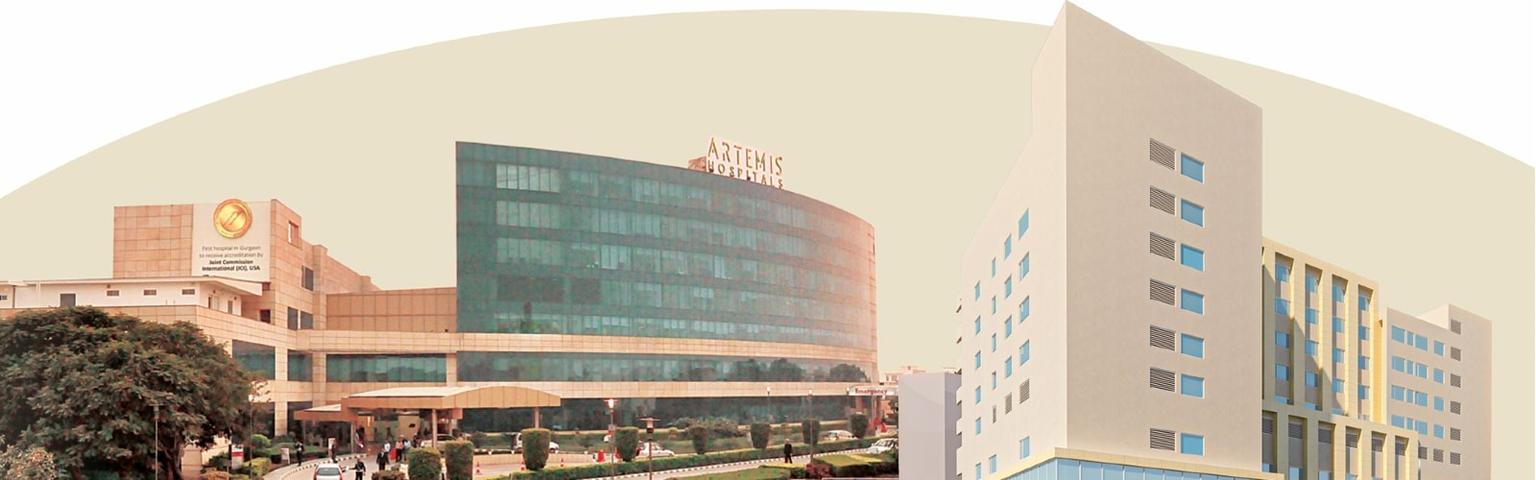
Artemis Hospital
Sector 51, Gurugram, Haryana, India
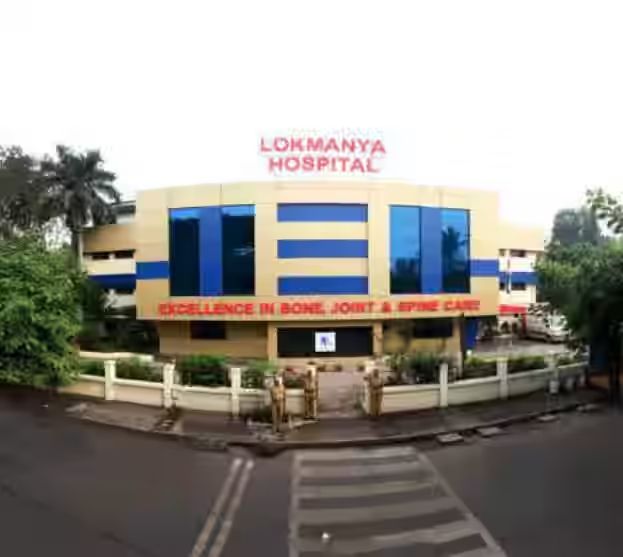
Lokmanya Hospitals
Not Specified

White Lotus Hospital
766, SFS 3145, SFS Road, 7th Sector, HSR Layout, Bengaluru, Karnataka 560102, India
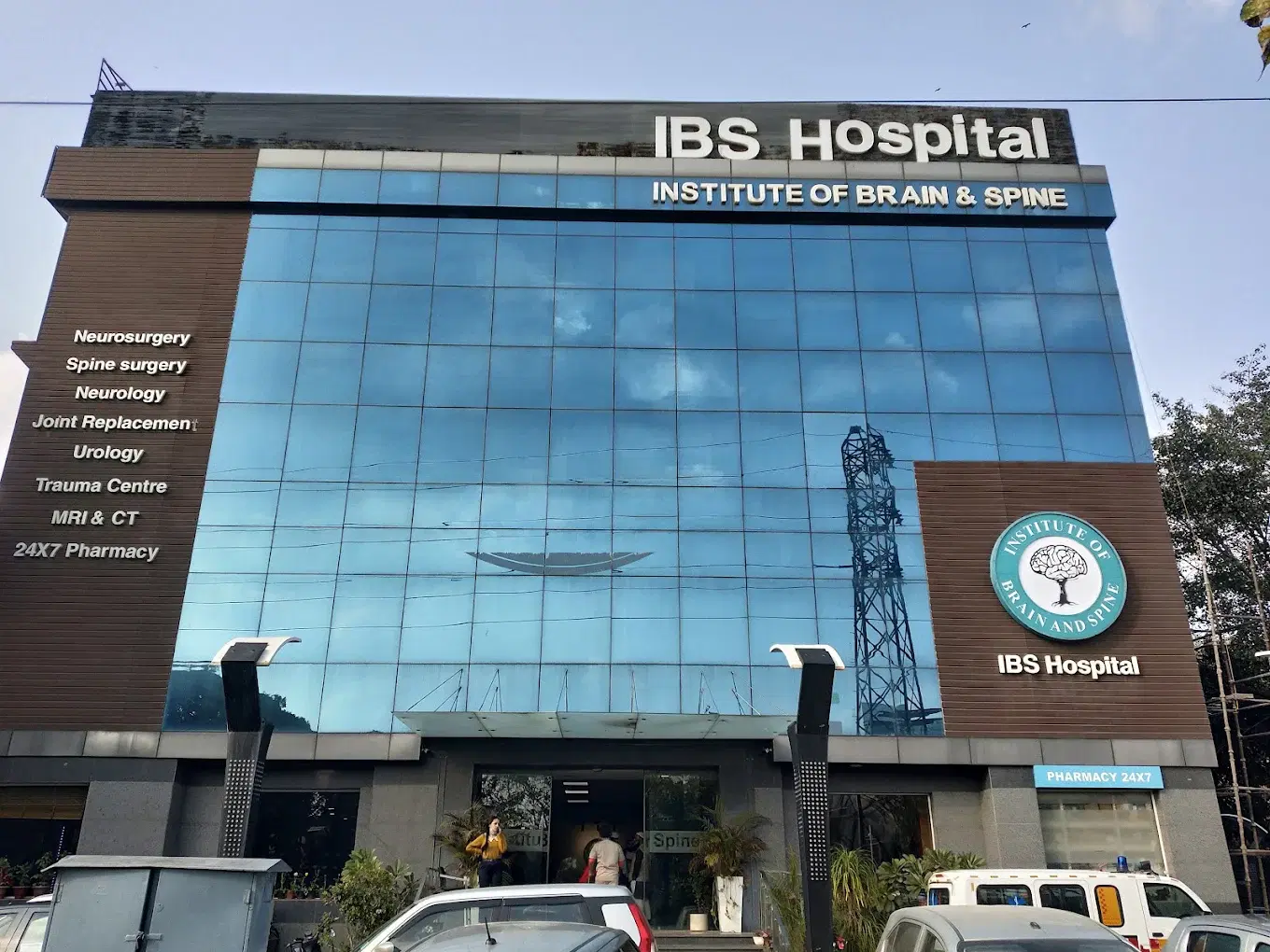
Institute of Brain and Spine (IBS Hospital)
Not Specified
Meet Our Medical Specialists




Sr. Consultant - Urology & Kidney Transplant Program (Unit I)
Dr. Abhinandan Mukhopadhyay
MBBS, MD
India

Sr. Consultant - Urology & Kidney Transplant Program (Unit I)
Dr. Abhinandan Mukhopadhyay
MBBS, MD
India
How DivinHeal Helps
We simplify your medical journey by providing comprehensive support and access to world-class healthcare.
Expert Specialist Matching
Connecting you with the world's top-rated medical experts.
Accredited Hospital Network
Access to JCI & NABH certified healthcare facilities.
Complete Travel Coordination
Hassle-free visa, stay, and local transport assistance.
24/7 Personal Care
Dedicated patient advisors supporting you at every step.
Journey Guidance
Full guidance from start to end of the patient treatment journey.
Expert Specialist Matching
Connecting you with the world's top-rated medical experts.
Everything you
need to know today
Browse through these common inquiries to better understand our patient-focused medical platform.
Still have more questions?
Book a call with our friendly team to learn how DivineHeal simplifies your healthcare journey.