

Kidney Transplant Success Rate in New Delhi
A Kidney Transplant success rate measures graft survival and recipient health following surgery for kidney failure.Evaluating the Kidney Transplant Success Rate in New Delhi requires understanding graft survival metrics and long-term organ function. Kidney Transplant treatment restores normal renal function in patients with End-Stage Renal Disease. Doctors connect donor blood vessels to recipient vessels and manage post-operative health. Published rates describe the population studied. An individual outlook depends on a specialist's assessment.
Plan My Journey
Tell us your condition and budget - our AI matches the right destination, hospital and doctor and visa pathway
Cost calculator
I know my treatment - show me cost from 3 hospitals
5K+ International Patients Treated
40+ Source Countries Served
500+ Accredited Partner Hospitals
98% Patient Satisfaction
80% Average Savings vs USA
10K+ Doctors
NABH, JCI Accredited Hospitals
Free Treatment Plan
Free Consultation with Doctor
5+ Destinations Covered

Written by DivinHeal Editorial Contributor, DivinHeal Medical Team, Healthcare Advisory Team Published on: September 2, 2026
How success is measured for Kidney Transplant
Medical registries measure kidney transplant outcomes by tracking graft survival and recipient health over specific time intervals.
Graft survival indicates that the transplanted organ filters waste without dialysis support. Doctors evaluate graft function through blood tests measuring serum creatinine levels. Patients can review surgical methods and national outcomes when learning about evaluation standards.
1-Year and 5-Year Graft Survival Rates
The one-year mark shows initial organ acceptance and early surgical success. Five-year tracking measures long-term graft endurance and chronic rejection risks.
Clinical teams monitor urine production during both timeframes. Stable filtration proves successful long-term renal function.
Patient Survival Metrics and Quality of Life Improvements
Patient survival tracks overall recipient health following surgical treatment. Quality of life measures include energy return and diet freedom.
Eliminating regular dialysis sessions improves daily recipient physical independence. Reduced cardiovascular strain also supports overall wellness.
| Measure | What it counts |
|---|---|
| 1-Year Graft Survival Rate | Transferred kidneys functioning after twelve months without dialysis. |
| 5-Year Graft Survival Rate | Transferred kidneys functioning after five years without organ failure. |
| Patient Survival Rate | Recipients living after organ transfer within specified follow-up periods. |
| Primary Graft Function | Immediate urine production and waste filtration following surgical reconnection. |
Graft survival measures how long a transplanted kidney functions without requiring return to dialysis.
Success rate by country (location rate: 0.9%)
International registries publish outcome statistics using different patient selection criteria, follow-up durations, and organ donor categories.
Comparing clinical data requires looking at baseline patient health across regions. Registries in different nations collect hospital reports using unique criteria. Families comparing regional care options should examine standard reporting methods.
New Delhi, India: 90%+ Graft Survival Benchmarks
Major nephrology departments record surgical data to establish clinical performance baselines. Institutional registries monitor early post-operative organ function closely.
Standardized protocols guide patient care across local surgical units. Continuous audit practices maintain reporting accuracy.
Global Success Comparison: India vs. US, UK, and Turkey
Published rates differ across global healthcare systems due to varying donor demographics. Living donor transfers often show different patterns than deceased donor transfers.
Published rates are not directly comparable between countries because definitions, patient mix, and reporting standards differ.
- What specific metric does your reported figure represent?
- Which patient population does your clinic data describe?
- Over what time period were these surgical cases recorded?
- How many total procedures form the clinical sample size?
- Does the statistic include living and deceased donor transfers?
Direct comparison between clinical registries requires checking patient health profiles and precise data collection methods.
What affects your outcome
Biological compatibility, recipient health, and strict medication compliance directly influence long-term renal graft performance.
Nephrologists examine several critical factors before scheduling organ transfer. Each variable alters post-operative recovery speed and organ stability.
Donor Compatibility and HLA Matching
Human leukocyte antigen matching reduces recipient immune responses against donor tissue. Close blood type matching prevents acute rejection after vessel connection.
Tissue typing helps specialists design safe immunosuppression medication protocols.
Patient Age, Pre-Existing Conditions, and Health Status
Recipient age and arterial health affect surgical recovery times. Managing diabetes and hypertension protects graft blood vessels from damage.
Pre-operative physical fitness supports safe anesthesia administration and healing.
Post-Transplant Medication Adherence and Immunosuppression
Taking anti-rejection medications on schedule protects the new organ daily. Skipping prescribed doses increases tissue rejection risks significantly.
Specialists adjust drug levels based on regular blood serum tests.
- Human leukocyte antigen matching accuracy between donor and recipient.
- Pre-existing cardiovascular health and vascular condition before surgery.
- Consistent daily intake of prescribed immunosuppressive drugs.
- Early detection and clinical management of acute rejection episodes.
- Donor organ origin from living related or deceased sources.
Consistent immunosuppressive medication use plays a central role in maintaining long-term renal graft function.
Who this treatment helps most
Kidney transplantation helps individuals diagnosed with irreversible kidney failure who are medically cleared for major abdominal surgery.
Evaluating candidates involves reviewing systemic organ function and surgical tolerance. Evaluating the Kidney Transplant Success Rate in New Delhi helps patients with severe kidney disease understand options. International families often consult guides for international medical travelers during initial research.
Patients with End-Stage Renal Disease (ESRD)
End-stage renal disease causes toxic waste buildup in blood streams. Surgical organ replacement offers long-term filtration restoration beyond maintenance dialysis.
Restoring natural kidney function improves fluid balance and metabolic control.
Candidates Eligible for Living or Deceased Donor Organ Transplantation
Living donor candidates often experience shorter waiting periods before surgery. Deceased donor recipients undergo detailed matching procedures through organ allocation networks.
Specialists confirm cardiac and pulmonary safety before approving any candidate.
Medical clearance identifies candidates with severe renal failure capable of enduring transplant surgery safely.
Safety, accreditation and where you'll be treated
Accredited hospitals follow standardized surgical practices and infection controls to protect organ recipients during treatment.
Clean operating suites and dedicated intensive care units lower post-surgical infection risks. Patients can explore accredited clinical centres to review safety certifications and facility standards.
JCI and NABH Accredited Kidney Transplant Hospitals in New Delhi
Joint Commission International certification verifies global clinical safety standards. National Accreditation Board for Hospitals guidelines govern hygiene and nursing protocols.
Accredited centers maintain specialized isolation rooms for immunosuppressed patients.
Legal Guidelines: Transplantation of Human Organs Act Compliance
Indian federal laws govern organ donation practices strictly to ensure ethical compliance. Authorization committees verify family donor relationships before permitting surgery.
Legal clearance protects patient rights and maintains transparent clinical operations.
Accreditation standards verify surgical hygiene and legal compliance in facilities performing renal organ transfers.
What recovery looks like
Post-surgical recovery involves intensive care monitoring followed by long-term clinical oversight and anti-rejection medication management.
Immediate Post-Operative ICU Monitoring and Care
Specialists track urine production and blood pressure in intensive care units immediately after surgery. Clinical teams monitor fluid retention and daily electrolyte balance constantly.
Long-Term Immune System Management and Follow-Up Protocols
Outpatient care requires routine blood testing to monitor organ function and drug dosages. Nephrologists adjust anti-rejection treatments based on clinical lab blood test values.
Frequent blood testing during early recovery allows nephrologists to detect functional changes promptly.
Cost alongside success
Medical pricing reflects hospital stay duration, surgical fees, diagnostic testing, and post-operative immunosuppressive medications.
Affordable Cost Structure for Kidney Transplant in New Delhi
Hospital fees vary based on room selection and length of stay. Reviewing local transplant pricing details helps families plan medical budgets effectively.
Value Comparison: Medical Quality vs Global Treatment Expenses
Financial expenses remain completely separate from clinical safety and graft survival metrics. Patients evaluate hospital infrastructure costs alongside local accommodation requirements.
Hospital expense structures vary independently of clinical success benchmarks or surgical safety metrics.
How DivinHeal supports your outcome
DivinHeal assists international patients by coordinating clinical reviews, hospital arrangements, travel logistics, and medical documentation.
Managing cross-border medical arrangements requires organized clinical coordination. DivinHeal assists families in selecting verified medical facilities for specialist evaluations.
Get Your Personalized Treatment Plan in Just 24 Hours
Nephrologists examine submitted medical records to confirm surgical candidacy rapidly. Patient coordinators deliver structured care outlines promptly.
End-to-End Assistance for International Medical Patients
Case managers help organize visa invitations and hospital appointments smoothly. Translation services assist patients throughout their clinical stay.
- Review patient medical history and current renal filtration status.
- Evaluate tissue typing results and donor compatibility documentation.
- Perform cardiovascular and general systemic health assessments.
- Determine immunological risk factors and baseline drug requirements.
- Formulate individual post-operative monitoring protocols.
Structured clinical evaluation allows medical teams to prepare appropriate surgical plans for international patients.
Recommended Article
Best In Vitro Fertilization (IVF) Doctors in Hyderabad
Doctors for Nephrology: Find Kidney Care Specialists
Doctors in Chennai: Find Medical Specialists in India
Best Embryo Freezing Hospitals in Hyderabad: Care Guide
Hospitals for reproductive surgery: Compare options
Hospitals in Gurugram: Guide to Quality Facilities
IVF Treatment in Haryana | Cost, Hospitals & Doctors
TAVR (Transcatheter Aortic Valve Replacement) cost in New Delhi
Tonsillectomy & Adenoidectomy Success Rate in Mumbai
Facelift & Anti-Aging Procedures in Chennai for Ethiopia Patients | Cost, Hospitals
Hospitals
NABH & JCI Accredited Hospitals in India,Turkey, Thailand & UAE.

Artemis Hospital
Sector 51, Gurugram, Haryana, India

Lokmanya Hospitals
Not Specified

White Lotus Hospital
766, SFS 3145, SFS Road, 7th Sector, HSR Layout, Bengaluru, Karnataka 560102, India
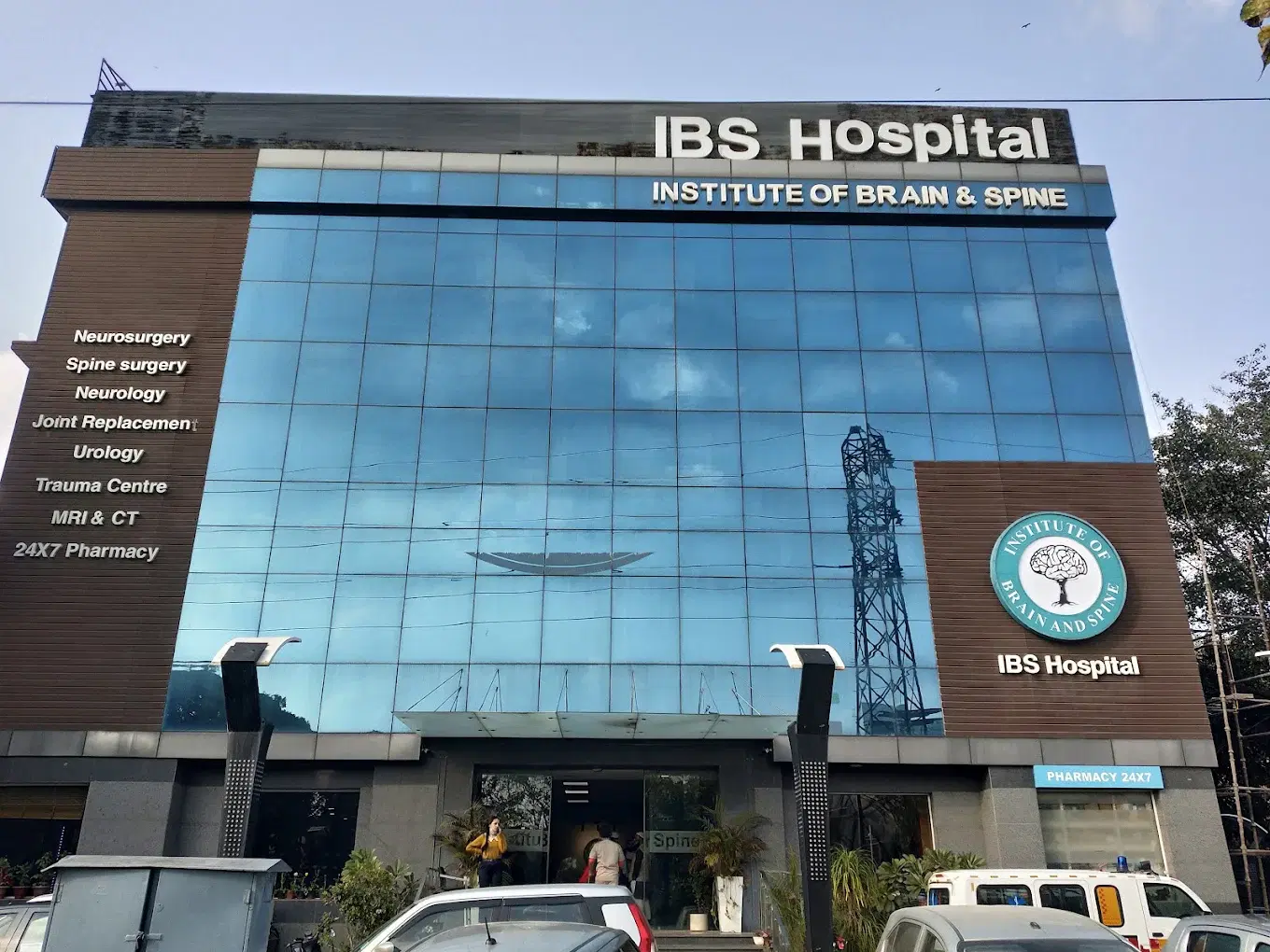
Institute of Brain and Spine (IBS Hospital)
Not Specified
Meet Our Medical Specialists




Sr. Consultant - Urology & Kidney Transplant Program (Unit I)
Dr. Abhinandan Mukhopadhyay
MBBS, MD
India

Sr. Consultant - Urology & Kidney Transplant Program (Unit I)
Dr. Abhinandan Mukhopadhyay
MBBS, MD
India
How DivinHeal Helps
We simplify your medical journey by providing comprehensive support and access to world-class healthcare.
Expert Specialist Matching
Connecting you with the world's top-rated medical experts.
Accredited Hospital Network
Access to JCI & NABH certified healthcare facilities.
Complete Travel Coordination
Hassle-free visa, stay, and local transport assistance.
24/7 Personal Care
Dedicated patient advisors supporting you at every step.
Journey Guidance
Full guidance from start to end of the patient treatment journey.
Expert Specialist Matching
Connecting you with the world's top-rated medical experts.
Everything you
need to know today
Browse through these common inquiries to better understand our patient-focused medical platform.
A kidney transplant in New Delhi typically costs between $10,000 and $15,000 USD, covering surgery, hospital stay, surgeon fees, and initial medication, which is significantly lower than in Western countries.
Delhi NCR (New Delhi) and Tamil Nadu (Chennai) are among the top destinations for kidney transplants in India due to their high concentration of JCI-accredited hospitals and skilled transplant surgeons.
Yes, with proper medical management, strict adherence to immunosuppressive medications, and a healthy lifestyle, many recipients live 30 to 40 years or more with a functioning donor kidney.
India, particularly New Delhi, is recognized globally for offering world-class kidney transplants with high success rates (90%+ graft survival), advanced technology, and affordable medical packages.
No surgical procedure is 100% successful, but live-donor kidney transplants in top New Delhi hospitals carry a success rate of over 90-95% for the first year.
Top hospitals for kidney transplantation in New Delhi include Indraprastha Apollo Hospital, Fortis Escorts Heart & Kidney Institute, Max Super Speciality Hospital, and BLK-Max Super Speciality Hospital.
The 1-year graft survival rate for living donor kidney transplants in top-tier New Delhi hospitals is approximately 90% to 95% (0.90+ ratio).
DivinHeal provides end-to-end support including 24-hour personalized treatment plans, doctor consultations, hospital selection, legal documentation under organ transplant laws, and travel assistance.
Still have more questions?
Book a call with our friendly team to learn how DivineHeal simplifies your healthcare journey.