
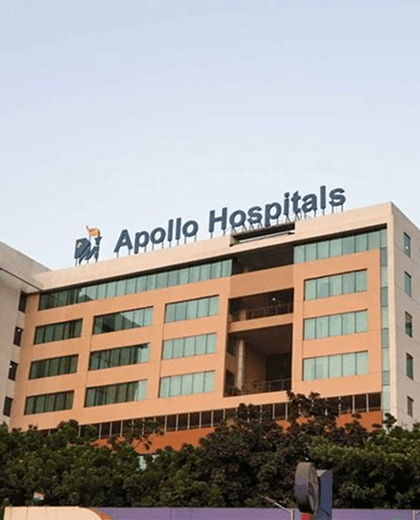
Best Laser Treatment for Kidney Stones (RIRS) Hospitals in Hyderabad
Access high-quality treatment through JCI & NABH-accredited hospitals, renowned specialists, and end-to-end medical travel support designed around your healing journey.
Plan My Journey
Tell us your condition and budget - our AI matches the right destination, hospital and doctor and visa pathway
Cost calculator
I know my treatment - show me cost from 3 hospitals
5K+ International Patients Treated
40+ Source Countries Served
500+ Accredited Partner Hospitals
98% Patient Satisfaction
80% Average Savings vs USA
10K+ Doctors
NABH, JCI Accredited Hospitals
Free Treatment Plan
Free Consultation with Doctor
5+ Destinations Covered

Written by DivinHeal Editorial Contributor, DivinHeal Medical Team, Healthcare Advisory Team Published on: August 30, 2026
About
Best Laser Treatment for Kidney Stones (RIRS) hospitals in Hyderabad
Choosing the best Laser Treatment for Kidney Stones (RIRS) hospitals in Hyderabad requires evaluating urology equipment, surgeon expertise, and hospital accreditation. Patients should verify flexible endoscope availability, laser technology standards, and emergency care readiness. DivinHeal assists international patients in comparing qualified facilities for treatment.
Selecting a kidney stone hospital in Hyderabad
Evaluating a stone care site requires reviewing urology tools, consultant credentials, and emergency response systems.
Patients review clinical features carefully before booking an endoscopic procedure. Checking the best Laser Treatment for Kidney Stones (RIRS) hospitals in Hyderabad involves evaluating surgical equipment standards. Specialist urologists use flexible endoscopes to reach renal stones through natural body passages.
Facilities required for laser stone surgery
Laser stone removal relies on a flexible endoscope, laser equipment, fluoroscopy imaging, and intensive care support.
Retrograde intrarenal surgery uses precise instruments to dust or fragment renal stones. A qualified Laser Treatment for Kidney Stones (RIRS) centre in Hyderabad maintains dedicated operating theatres with safety measures. On-site imaging helps surgeons monitor scope position during active treatment.
Checking hospital accreditation and quality standards
Hospital accreditation confirms that a clinical location meets strict international protocols for patient safety and hygiene.
National Accreditation Board for Hospitals and Healthcare Providers verifies national healthcare standards. Joint Commission International measures global safety benchmarks. You can verify JCI accredited hospitals in Hyderabad directly on the official JCI online register before travel. Official registers list active compliance records.
Identifying experienced urology teams for laser treatment
Surgical experience in endoscopic stone management reduces procedural risks and improves complete stone clearance rates.
Experienced urologists handle complex stone locations and narrow ureters with accuracy. You should select hospitals that perform Laser Treatment for Kidney Stones (RIRS) regularly for routine procedures. Specialist anaesthetists and radiology technicians also support patient care throughout recovery.
Questions to ask your treatment coordinator
Direct questions about surgical tools, stent usage, and admission length clarify your overall treatment plan.
When choosing a Laser Treatment for Kidney Stones (RIRS) hospital, ask your coordinator these key questions:
- Does the surgeon use flexible ureteroscopes for upper stone removal?
- Is a double-J stent routinely placed after stone fragmentation?
- What imaging tests occur before setting your treatment date?
- How long is the typical stay in recovery?
Why patients choose Hyderabad for stone care
Telangana features accredited medical centers, experienced urology specialists, and established English-language healthcare support.
International visitors find well-equipped departments for endoscopic stone procedures. This explains why patients choose Hyderabad for Laser Treatment for Kidney Stones (RIRS) when seeking effective therapy. Modern recovery suites and clinical staff help visitors recuperate comfortably after surgery.
Support services for visiting overseas patients
Dedicated overseas service teams coordinate airport transfers, language interpretation, visa paperwork, and local accommodation.
Travelling for medical care requires organized logistics and clear communication. Staff managing international patient services in Hyderabad assist families throughout their stay. Confirming intensive care escalation protocols and private room options before departure provides clarity during travel. Patient liaisons assist during clinical admissions.
How DivinHeal helps with your options
DivinHeal connects international patients with verified urologists to evaluate medical records and outline treatment options.
You send your diagnostic scans and medical history for preliminary evaluation. DivinHeal then introduces experienced Laser Treatment for Kidney Stones (RIRS) doctors in Hyderabad for virtual consultations. You receive structured cost estimates and arrange your complete care schedule directly.
Meet Our Medical Specialists
How DivinHeal Helps
We simplify your medical journey by providing comprehensive support and access to world-class healthcare.
Expert Specialist Matching
Connecting you with the world's top-rated medical experts.
Accredited Hospital Network
Access to JCI & NABH certified healthcare facilities.
Complete Travel Coordination
Hassle-free visa, stay, and local transport assistance.
24/7 Personal Care
Dedicated patient advisors supporting you at every step.
Journey Guidance
Full guidance from start to end of the patient treatment journey.
Expert Specialist Matching
Connecting you with the world's top-rated medical experts.
Everything you
need to know today
Browse through these common inquiries to better understand our patient-focused medical platform.
Urologists often place a double-J stent, a small plastic tube, to help urine flow after surgery. The stent keeps the ureter open while tissues heal from stone laser treatment. Most patients keep the stent for a short period. Doctors remove the stent during a simple follow-up visit. Your surgeon will explain if a stent is necessary.
Retrograde intrarenal surgery is a procedure to remove kidney stones using a flexible camera scope. A doctor passes a thin tube through the natural urinary path into the kidney. A laser beam then breaks stones into small pieces. The patient usually passes these fragments naturally. This approach requires no surgical skin cuts.
Laser surgery reaches stones inside the kidney using a scope, while lithotripsy uses sound waves from outside. Laser treatment allows direct visualization of stones during the procedure. Sound wave treatment breaks stones from outside the body. Doctors select the method based on stone location and hardness. Both options avoid large abdominal incisions.
Surgical fees depend on hospital accommodation selection, operating technology used, and required stay duration. Expenses include surgeon fees, anaesthesia costs, and pre-surgery imaging tests. Stent insertion or extended observation can also affect overall costs. Patients should request itemised estimates before booking treatment. Local coordinators can help explain payment options clearly.
Complications can include minor urinary tract infection, temporary discomfort, or slight bleeding during urination. Serious issues like ureter injury remain uncommon during standard endoscopic care. Hospital teams monitor patients closely to prevent complications. Patients should verify that emergency escalation protocol exists before selecting a facility. Your doctor discusses individual risks before procedure consent.
Recovery after flexible laser surgery typically requires resting for a few days before returning home. Most individuals resume light normal activities within a short timeframe. Drinking plenty of water helps flush out remaining stone dust. Patients should avoid heavy lifting until cleared by their urologist. Follow-up appointments ensure proper kidney healing.
Pre-procedure evaluation includes blood tests, urine analysis, and computed tomography scans to locate stones accurately. Imaging tests confirm stone size and precise kidney position. Blood testing ensures safe general anaesthesia administration. Urine tests confirm that no active infection is present. Medical teams review these results before clearing patients for surgery.
Overseas travellers can send medical reports online for preliminary review by urology specialists. Coordinators assist with visa invitation letters, accommodation suggestions, and airport transport. Medical consultations and pre-operative tests occur shortly after arrival. Local teams manage appointment scheduling to minimise travel time. International desks provide language interpretation support throughout hospital visits.
Bilateral laser treatment allows surgeons to clear stones from both kidneys during one anaesthetic session. The operating team evaluates patient health and stone location before deciding on simultaneous treatment. Performing both sides together reduces total recovery time. Surgeons may recommend staged procedures if stone burden is extensive. Your specialist guides the safest choice for your condition.
Still have more questions?
Book a call with our friendly team to learn how DivineHeal simplifies your healthcare journey.