

Robotic Kidney Transplant Success Rate in India
Access high-quality treatment through JCI & NABH-accredited hospitals, renowned specialists, and end-to-end medical travel support designed around your healing journey.
Plan My Journey
Tell us your condition and budget - our AI matches the right destination, hospital and doctor and visa pathway
Cost calculator
I know my treatment - show me cost from 3 hospitals
5K+ International Patients Treated
40+ Source Countries Served
500+ Accredited Partner Hospitals
98% Patient Satisfaction
80% Average Savings vs USA
10K+ Doctors
NABH, JCI Accredited Hospitals
Free Treatment Plan
Free Consultation with Doctor
5+ Destinations Covered

Written by DivinHeal Editorial Contributor, DivinHeal Medical Team, Healthcare Advisory Team Published on: February 19, 2026
About
Robotic Kidney Transplant Success Rate in India: Outcomes
Understanding the Robotic Kidney Transplant success rate in India is crucial for patients considering this advanced surgical option. Success hinges on numerous factors, including the patient's overall health, donor type, and the expertise of the medical team. This information provides a foundational understanding, helping individuals navigate their healthcare journey and make informed decisions about receiving care in India, a prominent destination for complex procedures.
India's outcomes for robotic kidney transplants are rigorously reviewed, drawing on aggregated clinical data from leading medical institutions. Evaluating success involves assessing factors like graft survival, patient survival, and post-operative complications. These outcome trends often align with international benchmarks, showcasing the commitment to evidence-based protocols and advanced care delivery in the country's prominent transplant centers.
Defining Success for Robotic Kidney Transplants
For robotic kidney transplant recipients, "success" is multifaceted, encompassing successful engraftment of the new kidney, optimal renal function, and a significant improvement in the patient's quality of life. It also includes minimizing post-operative complications and achieving sustained independence from dialysis. Distinguishing between immediate post-transplant function and long-term graft survival provides a comprehensive view of overall treatment efficacy.
Robotic Kidney Transplant Success Rate Breakdown
Success rates vary depending on treatment approach and patient factors, particularly concerning donor type and recipient health.
| Transplant Scenario / Recipient Profile | Typical Outcome Focus | Success Rate Range (%) | What Success Indicates |
|---|---|---|---|
| Living Donor Robotic Kidney Transplant | Excellent graft function, reduced wait times | High percentage range | Sustained kidney function, improved life quality, minimal complications. |
| Deceased Donor Robotic Kidney Transplant | Functional graft, independence from dialysis | Significant percentage range | Acceptable kidney function, prolonged survival for the recipient. |
| High-Risk Recipient Robotic Kidney Transplant | Management of co-morbidities, graft survival | Moderate to high percentage range | Functional graft despite complex medical history, extended recipient life. |
Robotic Kidney Transplant Survival Rate by Age in India
The Robotic Kidney Transplant survival rate by age in India shows variations, reflecting the patient's physiological reserves and potential co-morbidities. Outcomes for younger recipients typically present with higher survival rates compared to older age groups, aligning with internationally observed clinical trends. Careful pre-transplant evaluation in India ensures appropriate patient selection, optimizing potential success for all age demographics.
| Age Group / Patient Category | Specific Factors | Outcome Range |
|---|---|---|
| Younger Adults (18-45 years) | Fewer co-morbidities, higher physiological reserve | Generally high survival and graft function |
| Middle-Aged Adults (46-65 years) | Potential for controlled chronic conditions | Consistent survival, good long-term graft function |
| Older Adults (65+ years) | Increased risk of co-morbidities, careful selection | Favorable survival with robust pre-screening protocols |
India vs. Global Robotic Kidney Transplant Success Rate Comparison
Success rates for Robotic Kidney Transplant in India are notably comparable with international standards when similar protocols, technology, and patient selection criteria are applied. India’s leading transplant centers often achieve outcomes that align closely with major global healthcare hubs, reflecting significant advancements in surgical expertise and post-operative care management.
| Country | Outcome Focus | Success Rate Range (%) |
|---|---|---|
| India | Patient & graft survival, quality of life | Comparable high percentage range |
| United States | Long-term graft survival, reduced complications | Consistently high percentage range |
| United Kingdom | Graft function, patient rehabilitation | Strong percentage range |
| Germany | Advanced surgical outcomes, minimal rejection | Reliably high percentage range |
| Singapore | Precision surgery, comprehensive post-op care | Excellent percentage range |
| Australia | Sustained graft function, recipient well-being | Very good percentage range |
Transplant success rates are indicative and can vary significantly based on individual patient health, the specific surgical approach, and the quality of post-operative care. These figures should not be considered guarantees.
Factors Influencing Robotic Kidney Transplant Outcomes
- Recipient's Overall Health and Co-morbidities: Pre-existing conditions significantly impact recovery and long-term graft survival.
- Donor Type and Quality: Living donor transplants generally show higher long-term success rates due to better tissue matching and elective timing.
- Surgical Team Experience and Technology: Expertise in robotic surgery and advanced equipment contributes to precision and reduced complications.
- Post-Transplant Care and Adherence: Rigorous follow-up, immunosuppression adherence, and lifestyle choices are vital for long-term success.
- Immunological Matching (HLA): Better matching between donor and recipient reduces the risk of rejection.
- Early Detection and Management of Complications: Prompt intervention for issues like infection or rejection improves prognosis.
The Robotic Kidney Transplant recovery rate in India is influenced by these variables, ensuring comprehensive care. Furthermore, considering the stage wise Robotic Kidney Transplant survival rate in India involves assessing the patient's pre-transplant kidney disease progression, recognizing that earlier intervention may correlate with more favorable outcomes in some cases, highlighting the importance of timely evaluation and candidacy determination.
Data Sources & Methodology
- National Organ and Tissue Transplant Organization (NOTTO) registries providing aggregated transplant outcomes.
- Peer-reviewed medical literature and clinical studies published in reputable journals.
- Aggregated multi-hospital outcome data from major transplant centers in India.
- World Health Organization (WHO) and international transplant society reports on global trends.
Informed Choices for Kidney Health
Understanding the nuances of Robotic Kidney Transplant outcomes allows patients to engage meaningfully with their medical team. This knowledge supports confident, data-based decision-making for optimal health. Always consult healthcare professionals for personalized guidance.
Hospitals
NABH & JCI Accredited Hospitals in India,Turkey, Thailand & UAE.

Artemis Hospital
Sector 51, Gurugram, Haryana, India
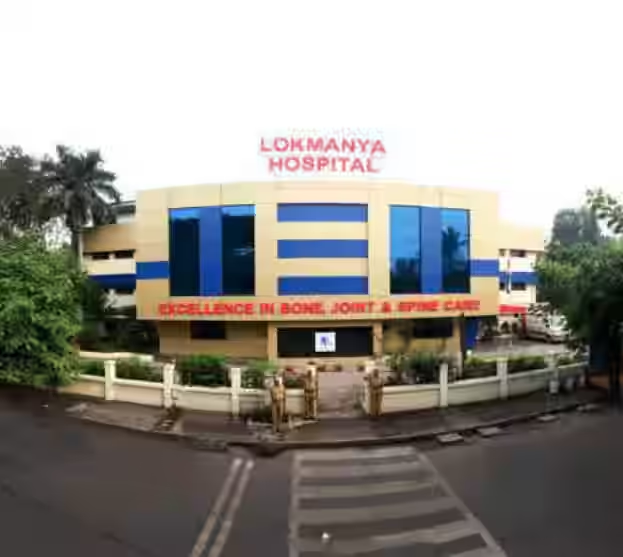
Lokmanya Hospitals
Not Specified

White Lotus Hospital
766, SFS 3145, SFS Road, 7th Sector, HSR Layout, Bengaluru, Karnataka 560102, India
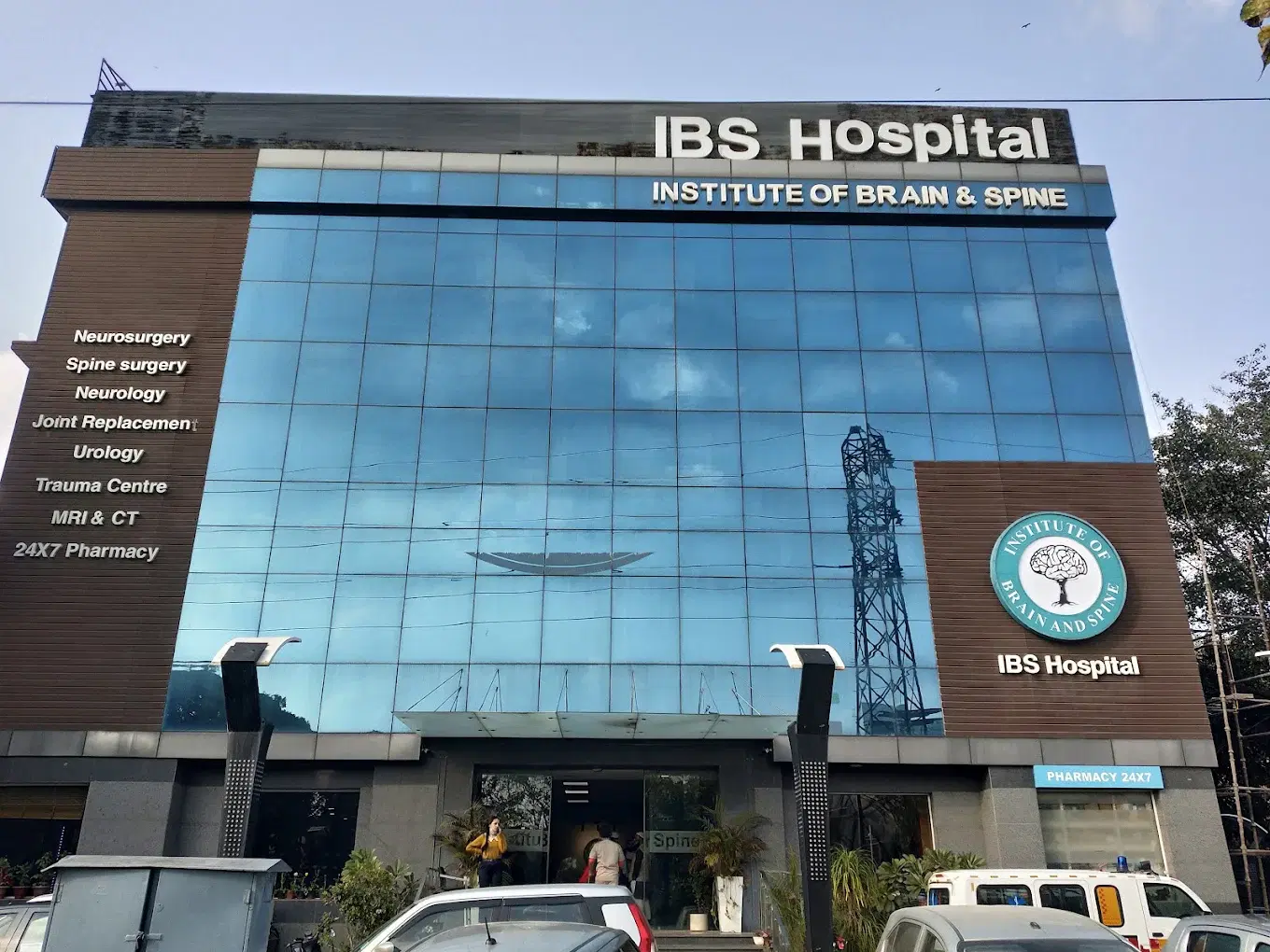
Institute of Brain and Spine (IBS Hospital)
Not Specified
Meet Our Medical Specialists




Sr. Consultant - Urology & Kidney Transplant Program (Unit I)
Dr. Abhinandan Mukhopadhyay
MBBS, MD
India

Sr. Consultant - Urology & Kidney Transplant Program (Unit I)
Dr. Abhinandan Mukhopadhyay
MBBS, MD
India
How DivinHeal Helps
We simplify your medical journey by providing comprehensive support and access to world-class healthcare.
Expert Specialist Matching
Connecting you with the world's top-rated medical experts.
Accredited Hospital Network
Access to JCI & NABH certified healthcare facilities.
Complete Travel Coordination
Hassle-free visa, stay, and local transport assistance.
24/7 Personal Care
Dedicated patient advisors supporting you at every step.
Journey Guidance
Full guidance from start to end of the patient treatment journey.
Expert Specialist Matching
Connecting you with the world's top-rated medical experts.
Everything you
need to know today
Browse through these common inquiries to better understand our patient-focused medical platform.
Yes, we work with a variety of insurance providers. Contact our team to verify your coverage.
Yes, we provide secure online consultations with experienced specialists.
Our care coordinators help match you with the most suitable specialist.
Absolutely. Your medical information is protected according to healthcare privacy standards.
Look at six things: accreditation (JCI or NABH), specialty depth, doctor credentials and experience, procedure-specific success rates, international patient support, and technology. DivinHeal's AI-driven matching evaluates every hospital in our accredited partner network on these dimensions and shortlists the best-fit options for your condition, budget, and country.
JCI (Joint Commission International) is the US-based global gold standard for hospital quality, recognised worldwide. NABH is India's national accreditation — accredited by ISQua, the same body that accredits JCI. Both signal independently verified safety and quality. Most of India's leading hospitals hold both.
Yes. All three welcome international patients through structured medical visa programs. India is the most established, treating patients from Africa, the Middle East, and South Asia at 60–80% lower cost. Thailand leads in cosmetic and dental care. The UAE is emerging in oncology and reproductive medicine.
Most patients save 50–80% on treatment costs. Heart bypass costs US $7,000–9,000 in India compared to $70,000–150,000 in the US. IVF costs $3,000–4,500 compared to $12,000–20,000 in the UK. Even after flights, visa, and accommodation, total savings remain 60–70%.
DivinHeal manages your entire non-medical journey: visa invitation letters, medical visa guidance, doctor appointments, teleconsultations, airport pickup, hospital-vetted accommodation for you and your attendant, language interpreters, local transport, cuisine preferences, and post-treatment follow-up — one dedicated coordinator from first enquiry to final follow-up.
You need a valid passport (6+ months validity), a medical visa (M-Visa for India — DivinHeal provides the hospital invitation letter), return flight tickets, recent medical reports and a doctor's referral, current prescription list, and proof of financial means. Any accompanying attendant needs their own passport and MX-Visa.
Still have more questions?
Book a call with our friendly team to learn how DivineHeal simplifies your healthcare journey.