

Endovascular Thrombectomy for Stroke Success Rate in New Delhi
Clinical success for mechanical clot removal in brain blood vessels is measured by restored blood flow and functional recovery levels.Endovascular Thrombectomy for Stroke is an interventional neurovascular procedure aimed at rapidly removing large vessel occlusions in the brain. The main goal is to re-establish blood flow within critical time windows to minimise brain damage. Specialist teams in New Delhi offer dedicated interventional neurovascular care for international patients. Published rates describe groups of patients studied in clinical trials. An individual outlook depends on a specialist's assessment.
Plan My Journey
Tell us your condition and budget - our AI matches the right destination, hospital and doctor and visa pathway
Cost calculator
I know my treatment - show me cost from 3 hospitals
5K+ International Patients Treated
40+ Source Countries Served
500+ Accredited Partner Hospitals
98% Patient Satisfaction
80% Average Savings vs USA
10K+ Doctors
NABH, JCI Accredited Hospitals
Free Treatment Plan
Free Consultation with Doctor
5+ Destinations Covered

Written by DivinHeal Editorial Contributor, DivinHeal Medical Team, Healthcare Advisory Team Published on: September 2, 2026
How success is measured for Endovascular Thrombectomy for Stroke
Clinical outcome measures for stroke interventions track physical recovery and restored blood flow in brain arteries. Evaluating the Endovascular Thrombectomy for Stroke Success Rate in New Delhi requires understanding clinical outcome measures. Medical teams track technical success and long-term functional recovery.
| Measure | What it counts |
|---|---|
| TICI Score | Measures blood flow restoration inside brain arteries. |
| mRS Scale | Measures daily physical independence after a stroke. |
| NIHSS Score | Measures neurological deficit severity and clinical recovery. |
Successful Blood Flow Restoration (TICI Score)
The Thrombolysis in Cerebral Infarction scale measures blood flow restoration. Doctors aim for complete reopening of blocked brain vessels. A successful result means blood re-enters brain tissue quickly. Restoring perfusion reduces ischemic brain tissue injury.
Functional Independence and Mobility Post-Stroke (mRS Scale)
The modified Rankin Scale assesses patient independence after treatment. Scores track mobility and daily task performance without help. Scores range from complete health to severe disability. Clinicians measure patient independence three months after treatment.
Reduction in Neurological Deficits and Long-Term Disability
Neurological scales measure physical impairment before and after treatment. Lower scores reflect fewer long-term physical deficits. Clinical teams evaluate physical motor control and speech capabilities. Minimising long-term neurological deficits remains the primary goal.
Clinical measures for stroke care focus on arterial reopening and long-term functional physical recovery.
Success rate by country (location rate: 85.0%)
Comparing international outcome measures requires evaluating differences in patient selection and regional registry standards. Evaluating the Endovascular Thrombectomy for Stroke Success Rate in New Delhi requires examining hospital audit registries. Clinical definitions vary between medical registries. Some registries track technical vessel reopening. Others measure functional independence months later.
New Delhi's Benchmark 85.0% Success Rate
Medical centres in the capital maintain clinical standards for emergency neurovascular care. Local audits track emergency response times and procedural outcomes. Capital hospitals participate in clinical stroke registries. These audits evaluate clinical standard compliance and procedural success.
Comparative Analysis: India vs Global Stroke Standards
International outcome standards reflect varied emergency response times and regional patient profiles. Clinical registries publish rates based on specific patient groups. Registry metrics allow clinicians to compare treatment protocol effectiveness. Standardised reporting ensures transparent evaluation across international centres.
High Success Outcomes for International Patients in Delhi
International patients travel for advanced neuro-interventional procedures. Hospital teams evaluate emergency arrival times and vessel health before treatment. Medical teams prepare emergency care pathways before patient arrival. Prompt catheter treatment protects neurological function.
What to ask a clinic about its figures:
- What clinical metric defines successful treatment?
- Which patient age groups are included in reports?
- What time window was evaluated for these outcomes?
- How many total cases were reviewed in the audit?
Published treatment metrics vary across international registries based on reporting standards and patient criteria.
What affects your outcome
Treatment outcomes depend on timing, blockage location, arterial health, and medical team expertise during the emergency response.
- Time elapsed from symptom onset to treatment.
- Location and length of the blood clot.
- Overall vascular health of brain arteries.
- Expertise of the neuro-interventional care team.
- Pre-existing physical health conditions of the patient.
Time Elapsed From Stroke Onset (Golden Hour Window)
Rapid response limits permanent brain cell damage. Early intervention improves functional physical recovery after arterial blockages. Shorter delays between stroke onset and treatment yield better brain tissue survival. Emergency teams focus on minimising transfer times.
Location and Severity of Large Vessel Occlusion
Clot location determines technical procedure complexity. Larger vessels require specific catheter devices for successful retrieval. Blockages in main trunk arteries affect larger brain regions. Specialists select specific extraction tools based on clot structure.
Expertise of Interventional Neuro-radiologists
Experienced specialists perform rapid catheter navigation. Skilled doctors reduce procedure times and manage vascular complications effectively. Experienced specialists navigate complex tortuous cerebral blood vessels. Precision technique lowers technical complication risks.
Rapid medical evaluation and specialist catheter skill significantly influence emergency neurovascular treatment outcomes.
Who this treatment helps most
Emergency catheter clot retrieval helps individuals suffering from sudden large artery blockages in the brain.
Patients with Acute Ischemic Stroke Caused by Large Vessel Occlusion
This procedure targets large clot blockages. Main cerebral arteries must be cleared quickly to prevent tissue death. Diagnostic scans confirm large vessel blockage locations. Interventional techniques physically remove obstructing blood clots.
Individuals Within 6 to 24 Hours of Symptom Onset
Specialists evaluate tissue viability within extended time windows. Advanced brain imaging identifies salvageable brain tissue. Perfusion imaging identifies salvageable tissue in delayed presentations. Specialists select patients based on brain tissue viability.
Patients Who Are Ineligible for or Unresponsive to IV tPA
Catheter removal provides options when medication fails. Patients unable to receive clot-dissolving drugs can receive stroke thrombectomy intervention. Mechanical thrombectomy acts as a primary or secondary treatment option. Patients unable to receive intravenous clot dissolvers gain treatment access.
Emergency clot retrieval provides intervention options for severe ischemic stroke caused by vessel blockages.
Safety, accreditation and where you'll be treated
Accredited stroke centres maintain strict safety protocols and advanced imaging technology for emergency neurovascular procedures.
JCI and NABH Accredited Comprehensive Stroke Centers in Delhi
International accreditation confirms compliance with global safety standards. Leading facilities maintain dedicated emergency neurovascular units. Patients can research Best Endovascular Thrombectomy for Stroke Hospitals in New Delhi. Accreditation audits evaluate staff qualifications and treatment facilities. Standardised clinical pathways ensure rapid emergency care delivery.
State-of-the-Art Biplane Cath Labs and Advanced Imaging
Biplane imaging provides clear three-dimensional views of brain vessels. High-resolution technology guides catheter placement precisely. Advanced imaging systems lower radiation exposure and contrast material usage. Clear visualization allows precise catheter positioning inside cerebral vessels.
Strict Patient Safety and Infection Prevention Protocols
Sterile environments minimise infection risks during interventional procedures. Dedicated teams monitor vital signs continuously throughout care. Strict infection control measures protect patients in catheterisation laboratories. Dedicated neuro-intensive care teams manage post-procedure stability.
Accredited medical centres maintain rigorous safety protocols and specialized imaging labs for emergency care.
What recovery looks like
Post-procedure recovery involves immediate intensive care monitoring followed by structured physical rehabilitation.
Immediate Post-Procedure Neuro-ICU Monitoring
Specialist teams track neurological signs continuously in intensive care. Blood pressure control prevents secondary vascular complications.
Early Neuro-Rehabilitation and Physical Therapy
Physical therapists begin mobility exercises early. Structured rehabilitation restores motor skills and functional independence.
Long-Term Functional Recovery and Follow-Up Care
Medical teams schedule follow-up scans to monitor vessel health. Long-term therapy supports ongoing functional gains.
Recovery requires intensive post-procedure monitoring and long-term physical rehabilitation to rebuild functional skills.
Cost alongside success
Emergency stroke treatment costs cover intensive care, interventional procedures, advanced imaging, and initial rehabilitation.
Affordable High-Success Stroke Care in New Delhi
Treatment pricing reflects procedure complexity and hospital stay duration. Patients can review Endovascular Thrombectomy for Stroke cost in New Delhi for details.
Cost Comparison: New Delhi vs Western Nations
Medical expenses vary across global healthcare systems. Facilities offer itemised billing for international patient care.
Transparent Pricing Packages for International Medical Tourists
Hospitals provide clear package estimates prior to travel. Packages include medical team fees and post-procedure care.
Hospital package estimates detail procedure fees, intensive care stays, and rehabilitation services clearly.
How DivinHeal supports your outcome
DivinHeal coordinates medical travel, specialist consultations, and emergency hospital admissions for international patients. A medical coordinator supports each family through every phase of treatment.
- Reviewing patient medical records and diagnostic brain scans.
- Connecting families with skilled Best Endovascular Thrombectomy for Stroke Doctors in New Delhi.
- Arranging fast-track emergency medical visas and travel plans.
- Coordinating immediate hospital admission and neuro-ICU care.
- Managing translation services and post-discharge rehabilitation schedules.
Fast-Track Emergency Medical Visas and Travel Assistance
Emergency travel coordination expedites visa approvals. Fast processing ensures timely arrival for urgent treatment. Dedicated medical coordinators facilitate rapid travel documentation. Emergency airport transfers streamline hospital admission.
Direct Priority Access to Top Neuro-Interventionalists
Direct connections with specialists ensure immediate case evaluation. Expert doctors review imaging before patient arrival. Medical teams review patient diagnostic scans remotely. Consultations begin immediately upon arrival at the hospital.
Comprehensive End-to-End Medical Tourism Coordination
Dedicated coordinators assist families throughout the medical stay. Support includes translation, accommodation, and follow-up scheduling. International families seeking Endovascular Thrombectomy for Stroke Treatment in New Delhi receive guidance. Personal coordinators manage accommodation, local transit, and hospital administrative processes. Families receive structured support throughout their stay in New Delhi.
DivinHeal coordinates emergency medical travel, specialist access, and administrative logistics for visiting families.
Recommended Article
Best In Vitro Fertilization (IVF) Doctors in Hyderabad
Doctors for Nephrology: Find Kidney Care Specialists
Doctors in Chennai: Find Medical Specialists in India
Best Embryo Freezing Hospitals in Hyderabad: Care Guide
Hospitals for reproductive surgery: Compare options
Hospitals in Gurugram: Guide to Quality Facilities
IVF Treatment in Haryana | Cost, Hospitals & Doctors
TAVR (Transcatheter Aortic Valve Replacement) cost in New Delhi
Tonsillectomy & Adenoidectomy Success Rate in Mumbai
Facelift & Anti-Aging Procedures in Chennai for Ethiopia Patients | Cost, Hospitals
Hospitals
NABH & JCI Accredited Hospitals in India,Turkey, Thailand & UAE.

Artemis Hospital
Sector 51, Gurugram, Haryana, India
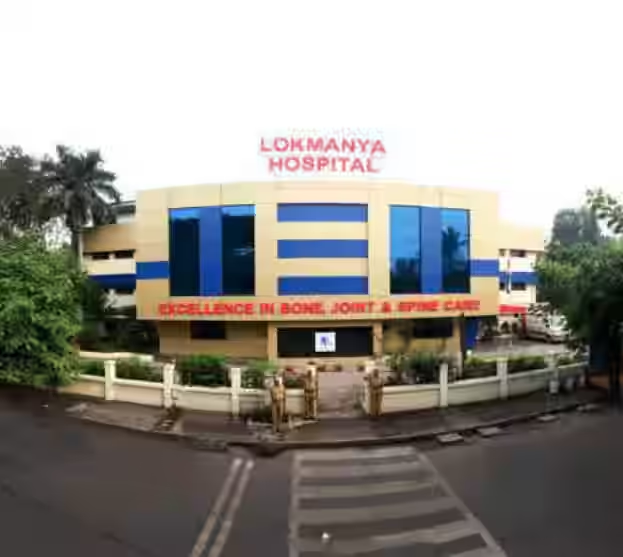
Lokmanya Hospitals
Not Specified

White Lotus Hospital
766, SFS 3145, SFS Road, 7th Sector, HSR Layout, Bengaluru, Karnataka 560102, India
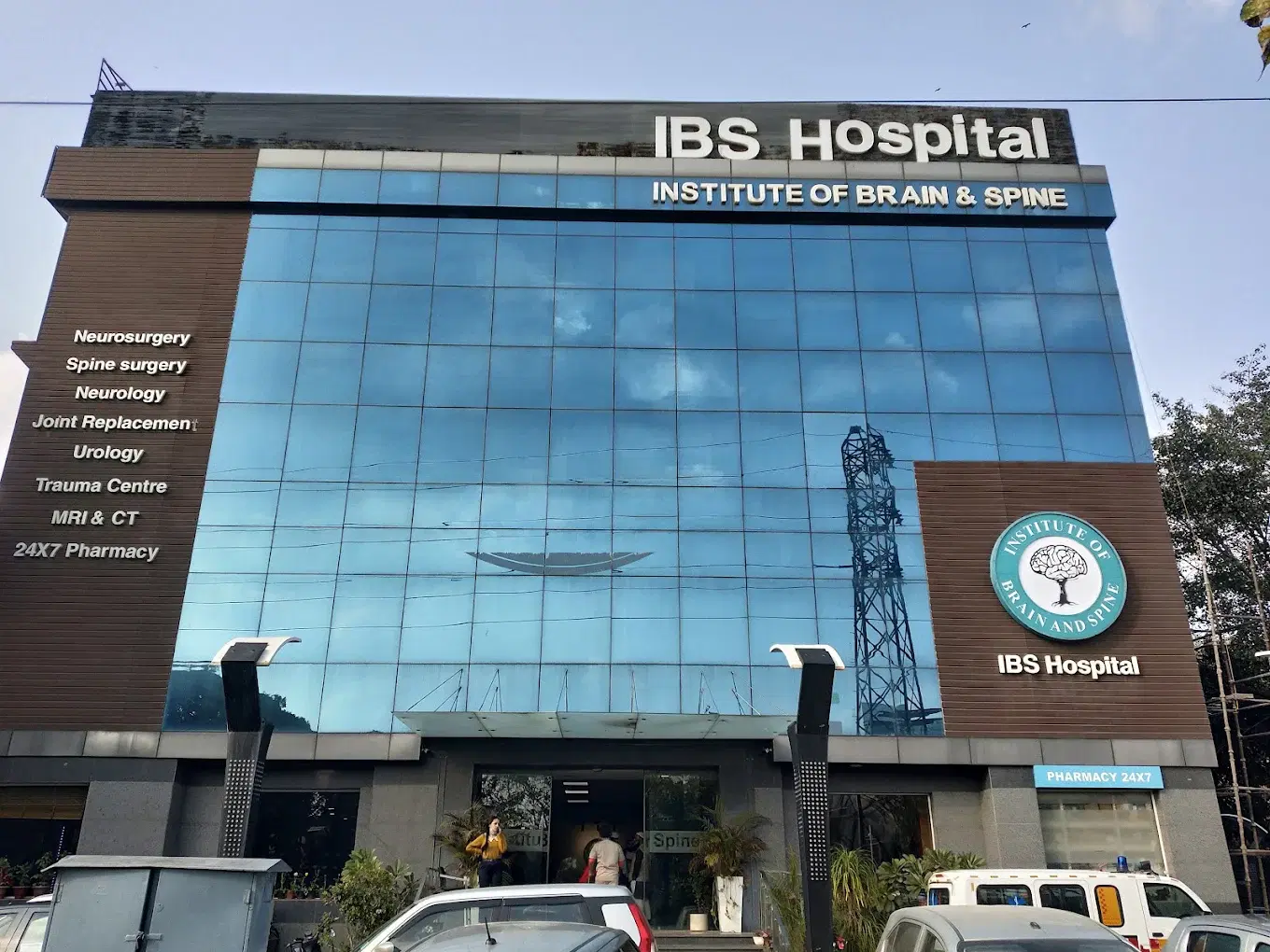
Institute of Brain and Spine (IBS Hospital)
Not Specified
Meet Our Medical Specialists




Sr. Consultant - Urology & Kidney Transplant Program (Unit I)
Dr. Abhinandan Mukhopadhyay
MBBS, MD
India

Sr. Consultant - Urology & Kidney Transplant Program (Unit I)
Dr. Abhinandan Mukhopadhyay
MBBS, MD
India
How DivinHeal Helps
We simplify your medical journey by providing comprehensive support and access to world-class healthcare.
Expert Specialist Matching
Connecting you with the world's top-rated medical experts.
Accredited Hospital Network
Access to JCI & NABH certified healthcare facilities.
Complete Travel Coordination
Hassle-free visa, stay, and local transport assistance.
24/7 Personal Care
Dedicated patient advisors supporting you at every step.
Journey Guidance
Full guidance from start to end of the patient treatment journey.
Expert Specialist Matching
Connecting you with the world's top-rated medical experts.
Everything you
need to know today
Browse through these common inquiries to better understand our patient-focused medical platform.
The success rate for endovascular thrombectomy for stroke in top New Delhi hospitals is approximately 85.0%, which aligns with international benchmarks for successful vessel recanalization.
Stroke treatment costs in Delhi vary based on severity, but endovascular thrombectomy typically costs significantly less than in Western countries while maintaining high standards of clinical outcome.
An endovascular thrombectomy in New Delhi generally ranges between $6,000 and $10,000, covering hospital stay, procedure, specialist fees, and ICU care.
Initial hospital recovery typically takes 5 to 10 days. Functional neurological rehabilitation continues over 3 to 6 months, depending on patient age and stroke severity.
In India, an endovascular thrombectomy costs around $5,500 to $9,500, offering affordable care with success rates up to 85.0%.
Leading JCI and NABH accredited hospitals in New Delhi, such as Max Healthcare, Fortis Healthcare, Apollo Hospitals, and Medanta, are renowned for world-class stroke treatment and advanced biplane cath labs.
The ideal time window is within 6 hours of symptom onset, though selected patients with favorable brain imaging can benefit up to 24 hours post-stroke.
New Delhi provides world-class neuro-interventional care, cutting-edge technology, highly experienced specialists, an 85.0% success rate, and low costs with fast-track medical visa support.
Still have more questions?
Book a call with our friendly team to learn how DivineHeal simplifies your healthcare journey.