
Immunotherapy & CAR-T Cell Therapy Treatment in Mumbai for Ethiopia
ግላዊ ምክር ይፈልጋሉ?
የእኛ የህክምና ባለሙያዎች ጥያቄዎችዎን ለመመለስ እና የህክምና አማራጮችዎን እንዲያውቁ ለመምራት ዝግጁ ናቸው።
የእኛ የህክምና ባለሙያዎች ጥያቄዎችዎን ለመመለስ እና የህክምና አማራጮችዎን እንዲያውቁ ለመምራት ዝግጁ ናቸው።
For patients from Ethiopia facing complex cancer diagnoses, the journey to effective treatment often brings profound questions and anxieties. Exploring options like advanced immunotherapy or CAR-T cell therapy outside their home country is a significant decision, driven by the hope for better outcomes.
Many choose to explore medical care in cities like Mumbai for its established infrastructure in specialized oncology. The city offers an environment where complex treatments are routinely performed, supported by coordinated care teams focused on international patient needs.
Mumbai's hospitals are known for housing leading oncologists and advanced therapeutic units dedicated to complex cancer care. Patients benefit from modern facilities, experienced medical teams, and the convenience of integrated follow-up services available within the city.
Is Mumbai the right city for your journey towards advanced cancer treatment?
Immunotherapy and CAR-T cell therapy represent cutting-edge approaches to cancer treatment that leverage the body's own immune system. Immunotherapy enhances the immune system's natural ability to recognize and destroy cancer cells. CAR-T (Chimeric Antigen Receptor T-cell) therapy takes this a step further by genetically modifying a patient's T-cells in a laboratory to specifically target and attack cancer cells upon re-infusion. Both therapies are vital for treating advanced or aggressive cancers, especially when conventional treatments are no longer effective.
Different types of immunotherapy and CAR-T cell therapies are available, tailored to specific cancer types and patient profiles:
The specific procedure for immunotherapy or CAR-T cell therapy varies based on the type of cancer, the chosen treatment, and individual patient needs.
Immunotherapy agents are typically administered intravenously (IV) in cycles, often over several weeks or months. Each session involves monitoring for immediate reactions. The frequency and duration depend on the specific drug and how the patient responds to treatment.
CAR-T cell therapy is a more complex multi-step process:
Recovery from immunotherapy or CAR-T cell therapy can vary widely. For immunotherapy, patients might experience fatigue and flu-like symptoms, with ongoing monitoring for immune-related adverse events. CAR-T cell therapy requires intensive monitoring for several weeks post-infusion, primarily for Cytokine Release Syndrome (CRS) and neurotoxicity. Patients may need to remain in or near Mumbai for an extended period for close follow-up. Long-term recovery involves regular check-ups, managing potential late side effects, and sometimes rehabilitation to regain strength and function.
Success rates for immunotherapy and CAR-T cell therapy are highly variable, depending on the specific cancer type, stage, and individual patient factors. While some patients achieve complete and durable remissions, others may experience partial responses or no response. These advanced therapies offer significant hope for long-term survival in previously untreatable cancers, but outcomes are not guaranteed and require close monitoring and management.
The cost of advanced cancer treatments like Immunotherapy and CAR-T Cell Therapy in Mumbai can vary significantly. Factors influencing the total expenditure include the specific type of therapy, the number of cycles required, the choice of hospital and specialist, the duration of hospital stay, and any additional medications or supportive care needed.
For Immunotherapy, a single cycle can range from INR 1,50,000 to INR 6,00,000, while CAR-T Cell Therapy is a significantly higher one-time cost, typically ranging from INR 2,50,00,000 to INR 4,00,00,000 (Indian Rupees).
Mumbai offers a highly competitive option for advanced cancer treatments, providing substantial cost savings compared to Western countries without compromising on quality or expertise.
| Location | Immunotherapy (Per Cycle - USD) | CAR-T Cell Therapy (Total - USD) |
|---|---|---|
| Mumbai, India | $1,800 - $7,200 | $300,000 - $480,000 |
| USA | $12,000 - $25,000 | $500,000 - $800,000+ |
| United Kingdom | $8,000 - $15,000 | $450,000 - $700,000 |
| Singapore | $7,000 - $14,000 | $400,000 - $650,000 |
| Turkey | $5,000 - $10,000 | $350,000 - $550,000 |
Taking the next step in your cancer treatment journey is significant. Mumbai offers advanced care and support for international patients seeking cutting-edge therapies.
India offers premium medical procedures at affordable prices. Discover our most popular treatments, delivered by the country's finest doctors.
Meet our team of highly qualified and experienced medical professionals dedicated to providing the best healthcare services.

Sr. Consultant – Women Imaging
Radiology
New Delhi
15+ Years
Experience
Artemis Hospital
Hospital
1500
Fees
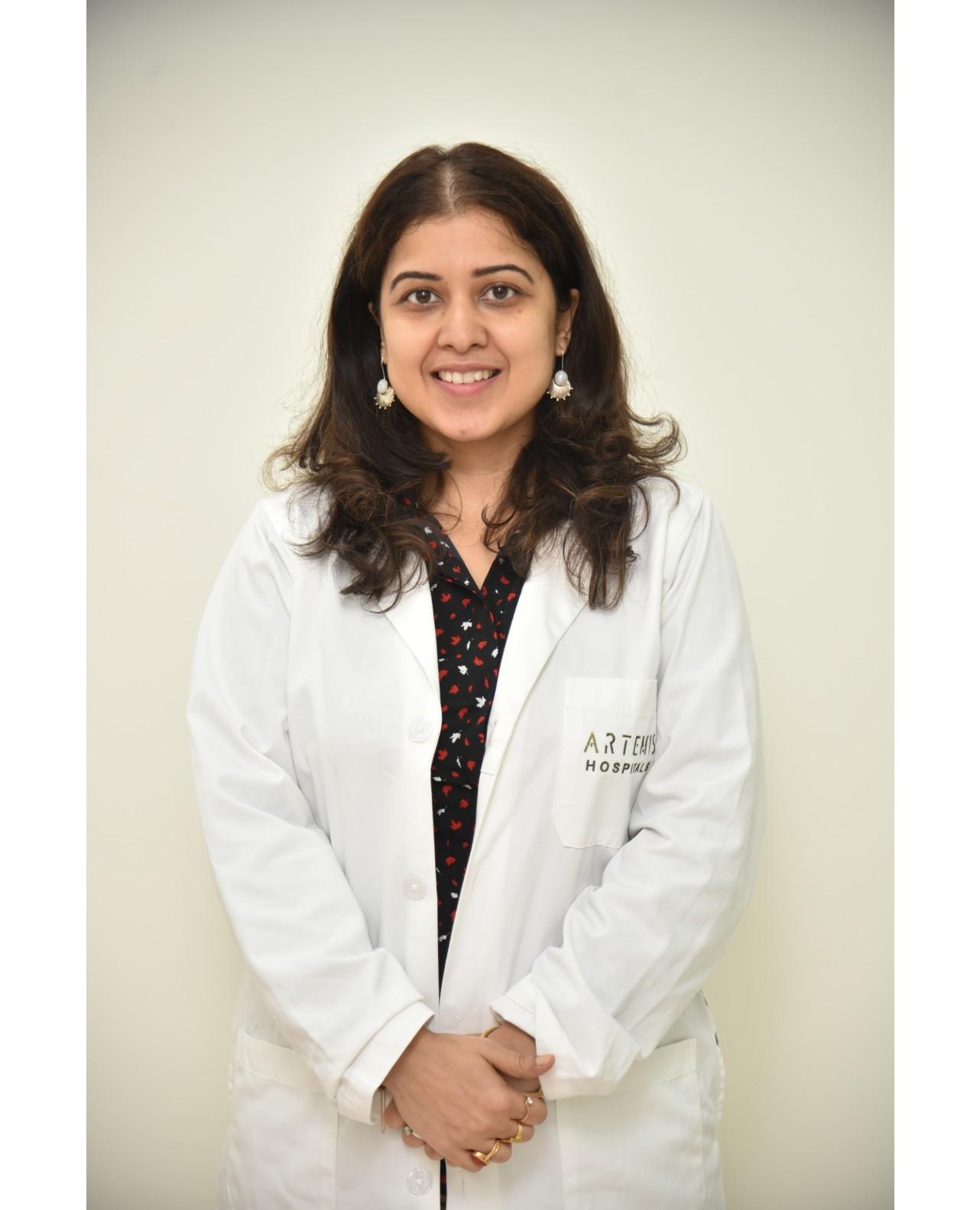
Co-Head Psychological Services
Mental Health and Behavioural Sciences
New Delhi
15+ Years
Experience
Artemis Hospital
Hospital
1500
Fees
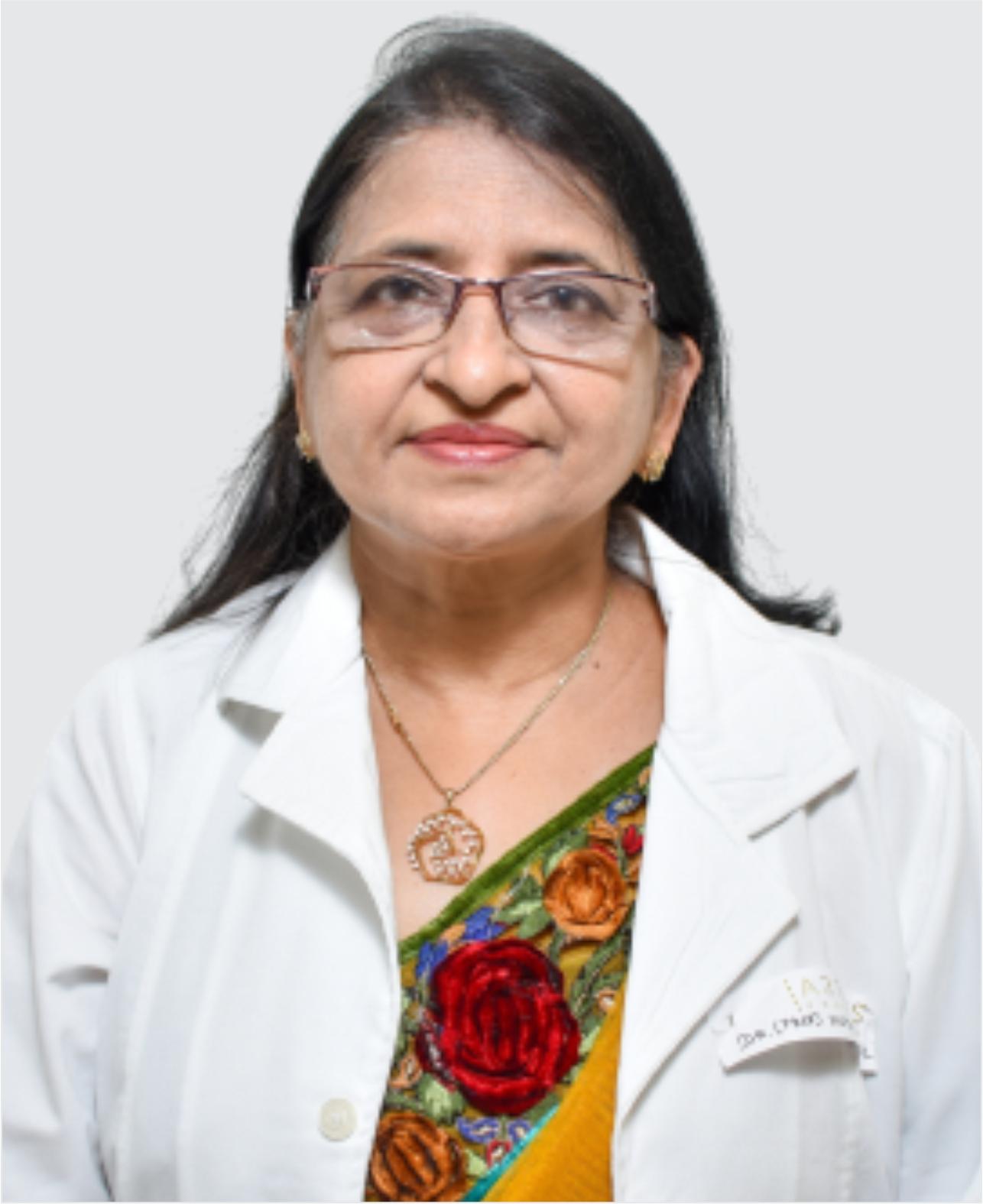
Head of Department - Gynae Endocrinology & DNB Program Director - Obs & Gynae
Gynaecological Endocrinology, Maternity, Obstetrics & Gynaecology
New Delhi
35+ Years
Experience
Artemis Hospital
Hospital
1500
Fees

Senior Consultant - ENT
ENT and Head & Neck Surgery
New Delhi
24+ Years
Experience
Artemis Hospital
Hospital
1500
Fees

Consultant (Head & Neck Surgery) - Surgical Oncology
Head and Neck Surgical Oncology
New Delhi
10+ Years
Experience
Artemis Hospital
Hospital
1500
Fees

Chairperson - Gynae Oncology
Gynaecological Oncology
New Delhi
16+ Years
Experience
Artemis Hospital
Hospital
1500
Fees
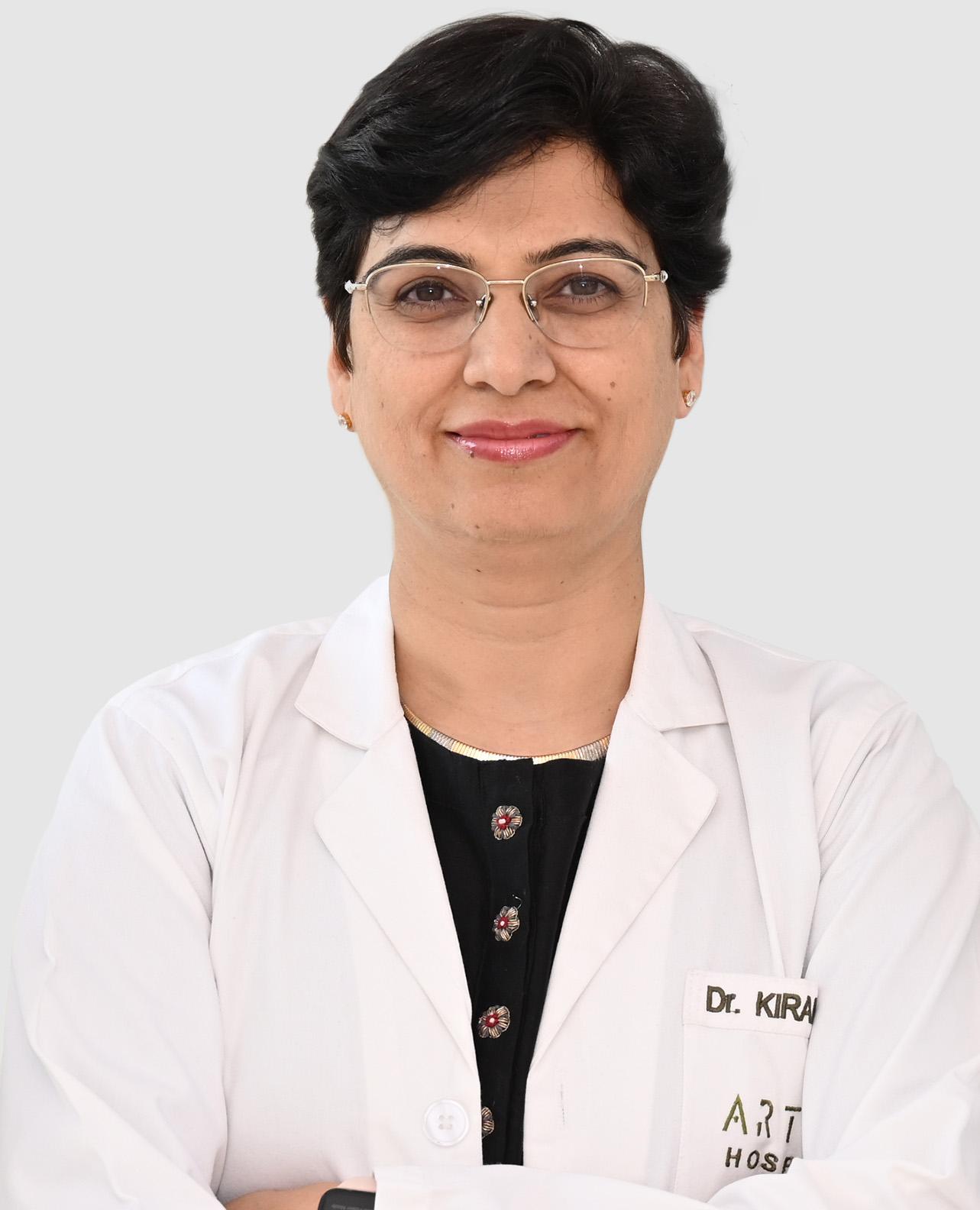
Unit Head - Reproductive Medicine (Unit II)
IVF, Reproductive Medicine, Obstetrics & Gynecology
New Delhi
20+ Years
Experience
Artemis Hospital
Hospital
1500
Fees
Sr. Consultant - Obs & Gynae
Maternity, Obstetrics & Gynaecology
New Delhi
15+ Years
Experience
Artemis Hospital
Hospital
1500
Fees

Unit Head - Obs & Gynae
Maternity, Obstetrics & Gynaecology
New Delhi
19+ Years
Experience
Artemis Hospital
Hospital
1500
Fees
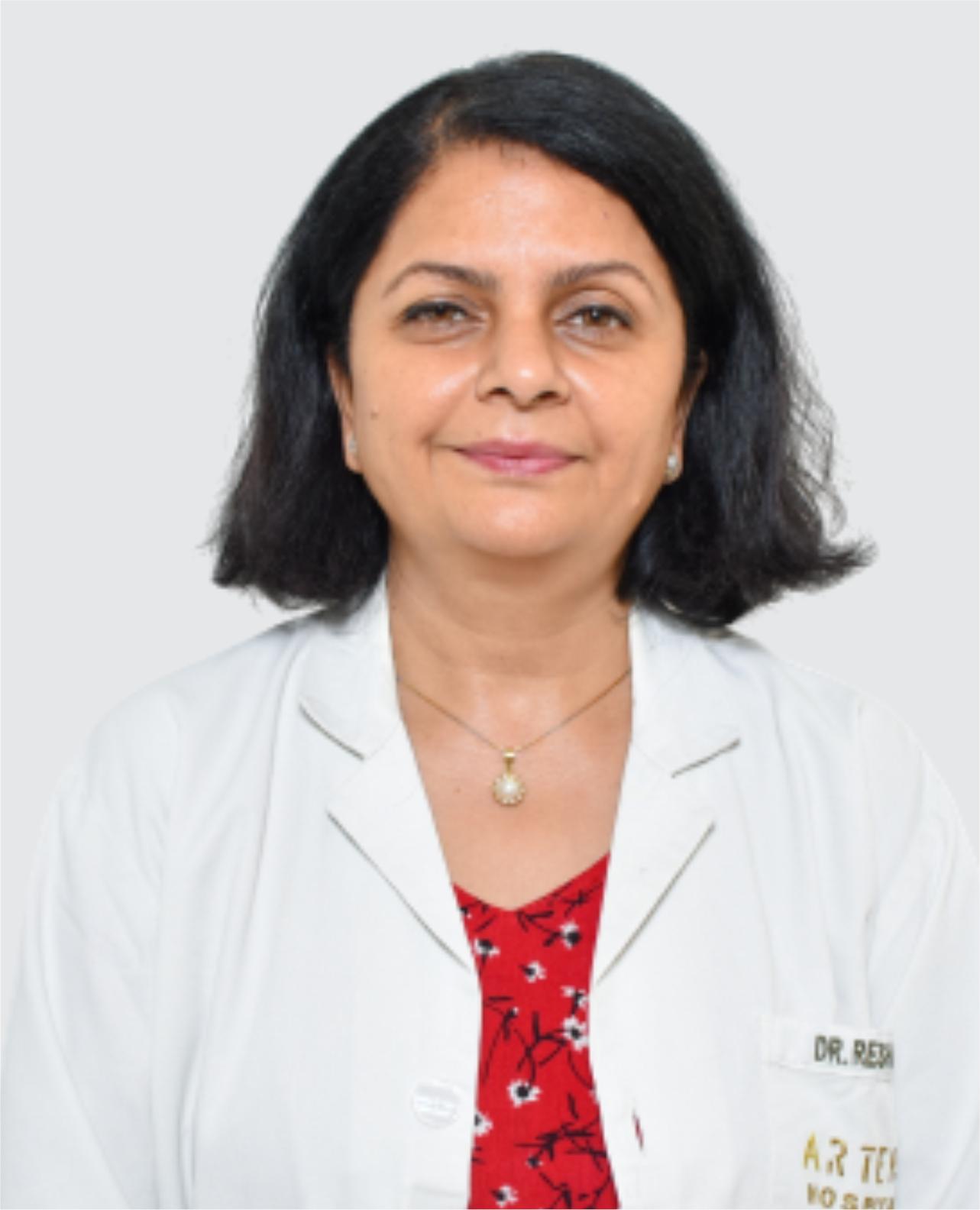
Director
Obstetrics and Gynaecology
New Delhi
19+ Years
Experience
Artemis Hospital
Hospital
1500
Fees
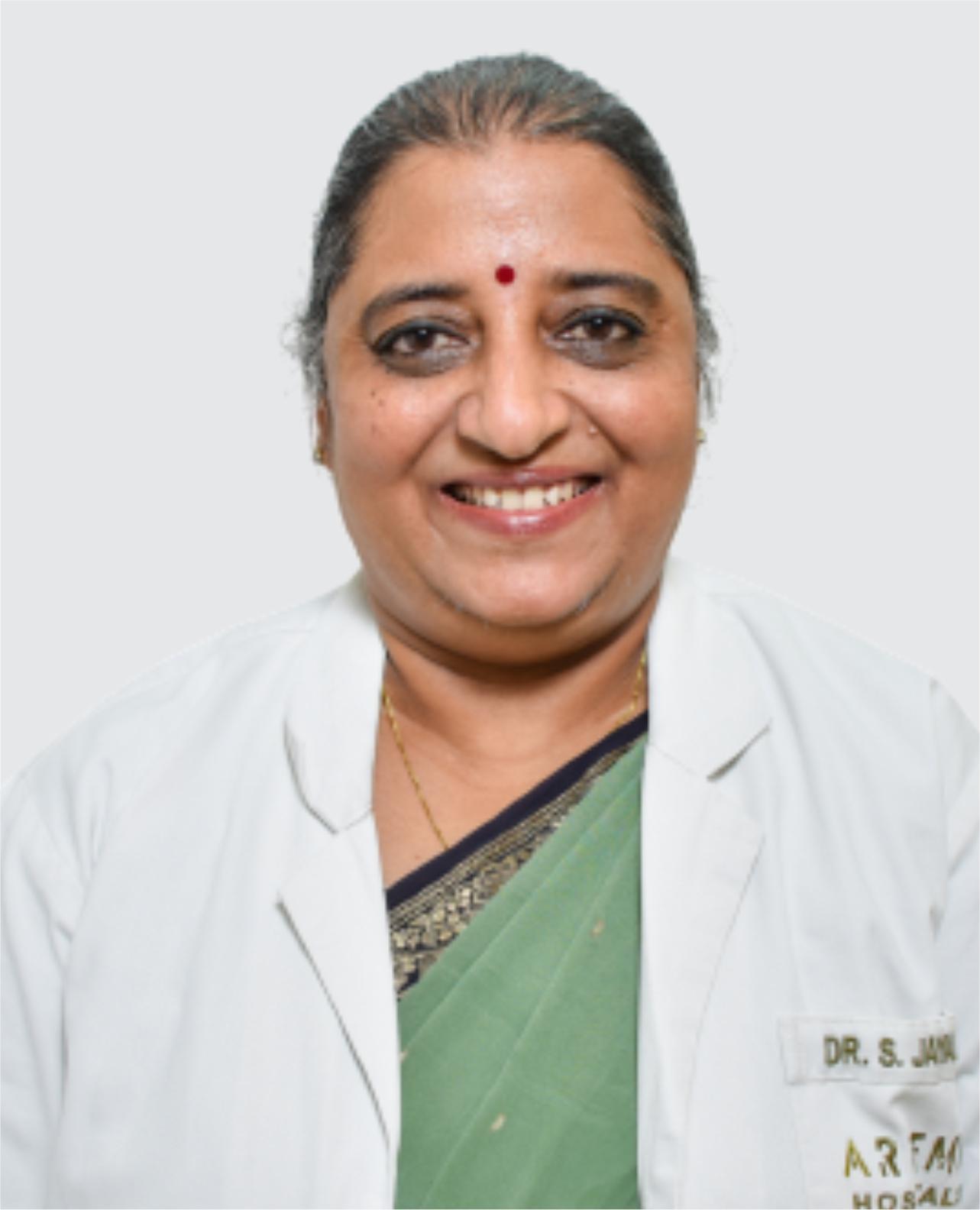
Head - Radiation Oncology & CyberKnife Centre (Unit II)
Oncology
New Delhi
23+ Years
Experience
Artemis Hospital
Hospital
1500
Fees
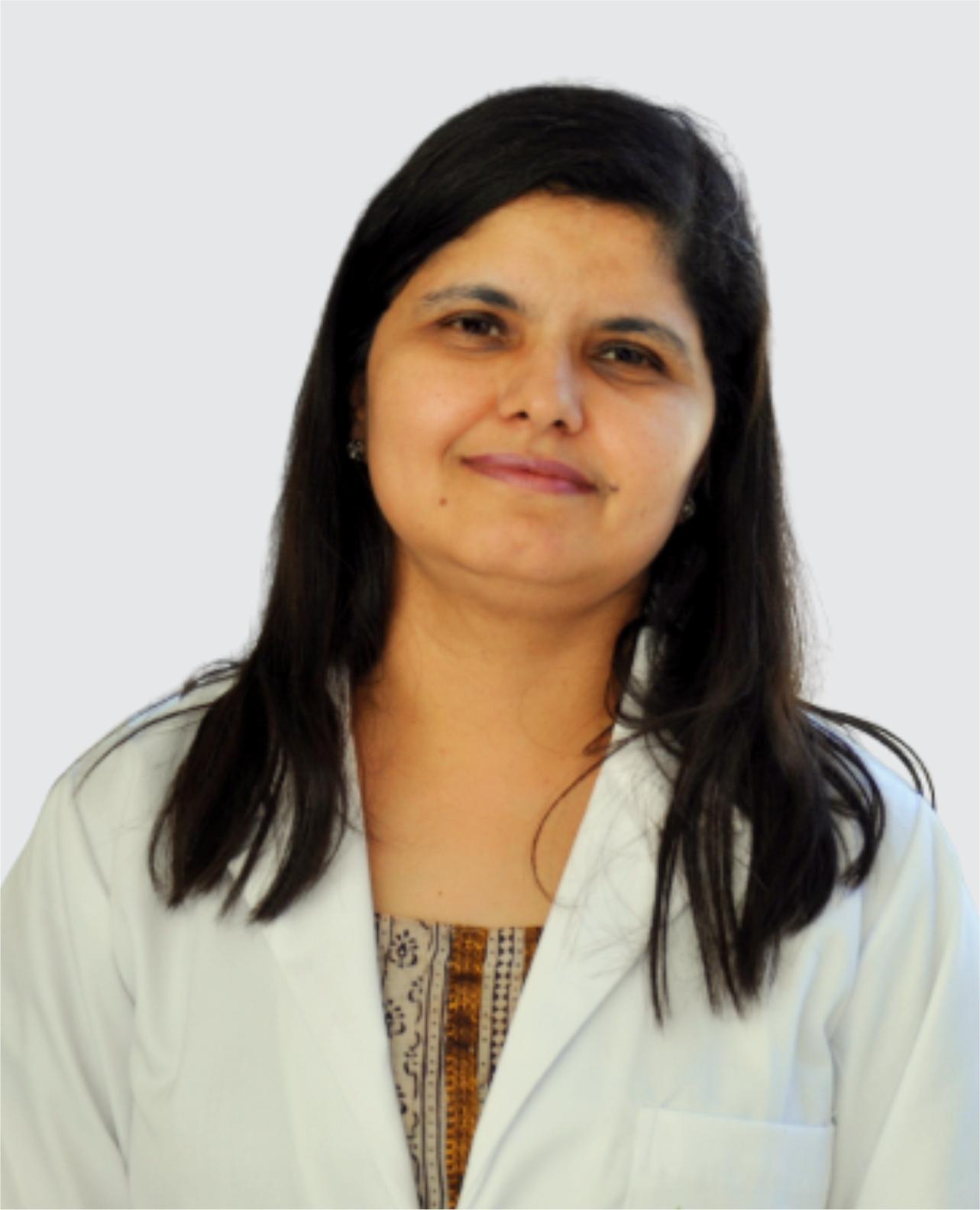
Unit Head & Sr. Consultant - Internal Medicine
Internal Medicine
New Delhi
14+ Years
Experience
Artemis Hospital
Hospital
1500
Fees
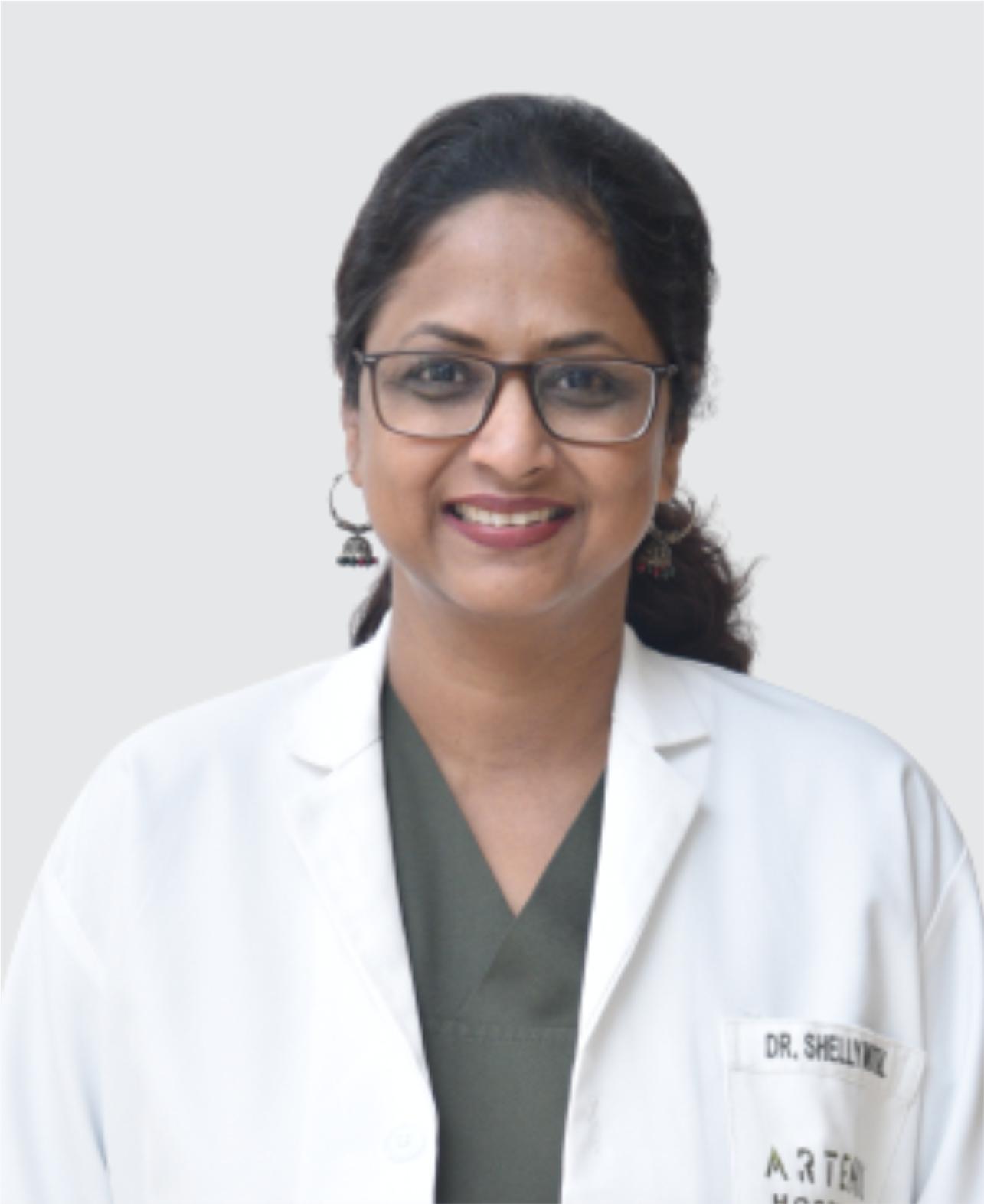
Sr. Consultant
Medical Oncology & Hematology
New Delhi
14+ Years
Experience
Artemis Hospital
Hospital
1500
Fees
Sr. Consultant - Gynaecology & Obstetrics
Gynaecology & Obstetrics
New Delhi
15+ Years
Experience
Apolo Delhi
Hospital
1500
Fees
Director
Obstetrics & Gynaecology
New Delhi
15+ Years
Experience
Artemis Hospital
Hospital
1500
Fees
Classified Consultant
Obstetrics & Gynaecology, Maternity, Women's Health
New Delhi
8+ Years
Experience
Artemis Hospital
Hospital
1500
Fees
Consultant
Obstetrics & Gynaecology
New Delhi
8+ Years
Experience
Artemis Hospital
Hospital
1500
Fees
Director, Medical Oncology
Medical Oncology and Haematology
New Delhi
26+ Years
Experience
Max Hospital,Gurgaon
Hospital
1500
Fees
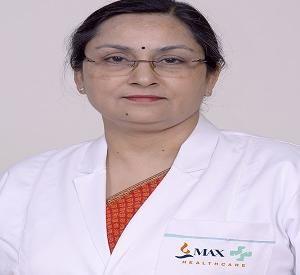
Vice Chairman - Nephrology
Nephrology & Renal Transplant Medicine
New Delhi
17+ Years
Experience
Max Hospital,Gurgaon
Hospital
1500
Fees
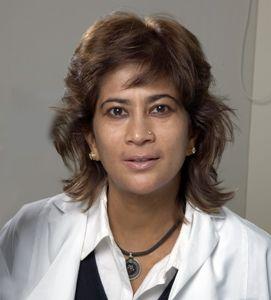
Principal Director - Max Lab & Blood Bank Services
Laboratory Medicine, Transfusion Medicine, Pathology
New Delhi
32+ Years
Experience
Max Hospital,Gurgaon
Hospital
1500
Fees
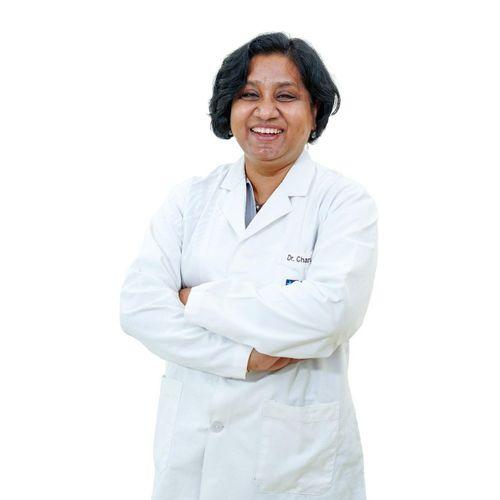
Principal Director - Radiation Oncology
Radiation Oncology
New Delhi
23+ Years
Experience
Max Hospital,Gurgaon
Hospital
1500
Fees
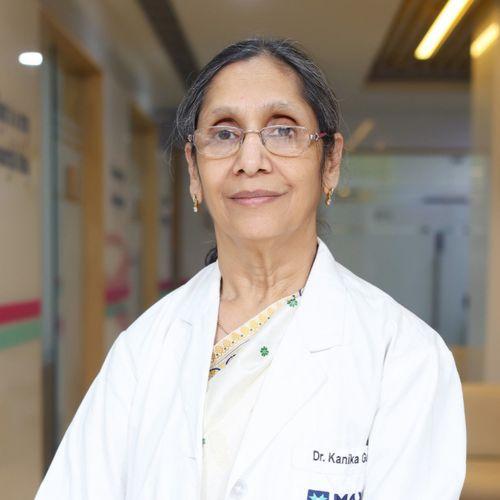
Principal Director – Surgical Oncology (Gynae & Robotic Surgery)
Gynecologic Oncology, Robotic & Laparoscopic Surgery, Gynae Cancer Care, Surgical Oncology
New Delhi
39+ Years
Experience
Max Hospital,Gurgaon
Hospital
1500
Fees
Principal Director & HOD
Paediatrics (Ped)
New Delhi
30+ Years
Experience
Max Hospital,Gurgaon
Hospital
1500
Fees
Principal Director (Obstetrics & Gynaecology) & Head of Unit
Obstetrics, Gynaecology, Gynaecologic Laparoscopy, High-Risk Pregnancy, Endoscopy Surgery
New Delhi
44+ Years
Experience
Max Hospital,Gurgaon
Hospital
1500
Fees
Principal Director - Obstetrics & Gynaecology
Obstetrics And Gynaecology, Robotic Surgery, Gynaecologic Laparoscopy
New Delhi
33+ Years
Experience
Max Hospital,Gurgaon
Hospital
1500
Fees
Sr. Consultant
Obstetrics & Gynaecology
New Delhi
20+ Years
Experience
Apolo Delhi
Hospital
1500
Fees
Sr. Consultant
Obstetrics And Gynaecology
New Delhi
15+ Years
Experience
Apolo Delhi
Hospital
1500
Fees
Senior Consultant - Obstetrics and Gynaecology
Obstetrics and Gynaecology
New Delhi
24+ Years
Experience
Apolo Delhi
Hospital
1500
Fees
Director - Obstetrics & Gynaecology
Obstetrics & Gynaecology
New Delhi
18+ Years
Experience
Apolo Delhi
Hospital
1500
Fees
Senior Consultant
Obstetrics & Gynaecology
New Delhi
22+ Years
Experience
Apolo Delhi
Hospital
1500
Fees
Senior Consultant - Obstetrics & Gynaecology
Obstetrics & Gynaecology
New Delhi
23+ Years
Experience
Apolo Delhi
Hospital
1500
Fees
Director
Medical Oncology & Haemato-Oncology
New Delhi
34+ Years
Experience
Apolo Delhi
Hospital
1500
Fees
Senior Consultant
Obstetrics and Gynaecology
New Delhi
24+ Years
Experience
Apolo Delhi
Hospital
1500
Fees
Director
Obstetrics & Gynaecology
New Delhi
20+ Years
Experience
Apolo Delhi
Hospital
1500
Fees
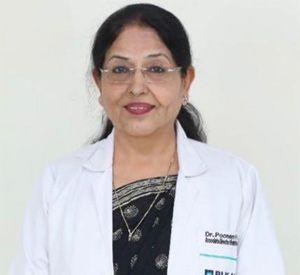
Director
Obstetrics & Gynaecology
New Delhi
22+ Years
Experience
Apolo Delhi
Hospital
1500
Fees
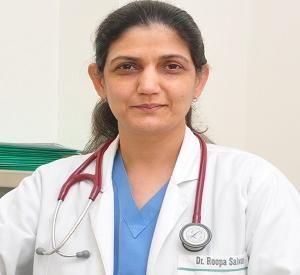
Senior Consultant
Obstetrics and Gynaecology
New Delhi
15+ Years
Experience
Apolo Delhi
Hospital
1500
Fees
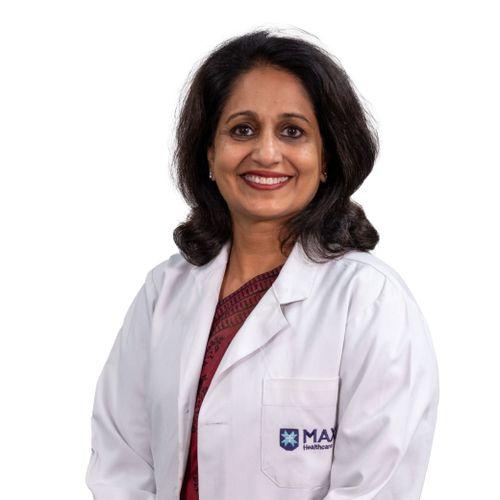
Director
Obstetrics & Gynaecology
New Delhi
18+ Years
Experience
Apolo Delhi
Hospital
1500
Fees
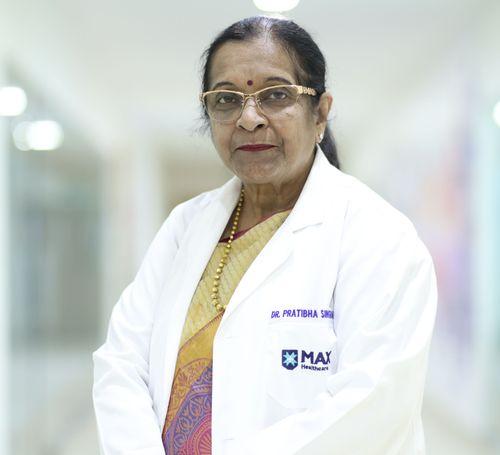
Director & Chief of Service - Obstetrics & Gynaecology
Obstetrics & Gynaecology
New Delhi
24+ Years
Experience
Apolo Delhi
Hospital
1500
Fees
Director
Obstetrics & Gynaecology
New Delhi
18+ Years
Experience
Apolo Delhi
Hospital
1500
Fees
ከህንድ ምርጥ ሆስፒታሎች የግል የህክምና ህክምና አማራጮችን ያግኙ። የእኛ የህክምና ባለሙያዎች በእያንዳንዱ እርምጃ ላይ እርስዎን ለመርዳት ዝግጁ ናቸው።