
Cardiac Ablation for Arrhythmias Treatment in Pune for Iraq
Need Personalized Advice?
Our medical experts are ready to answer your questions and guide you through your treatment options.
Our medical experts are ready to answer your questions and guide you through your treatment options.
Iraq patients often worry about complex heart procedures for arrhythmias. Finding advanced cardiac ablation that offers both expertise and peace of mind is crucial when considering treatment abroad.
Many families choose Pune for its established medical infrastructure. This city offers a focused environment for specialized heart care, ensuring coordinated treatment from initial consultation through recovery.
Pune's cardiac hospitals boast modern technology and experienced electrophysiologists. This concentrated expertise simplifies patient follow-up and ongoing care for international visitors.
Is Pune the ideal choice for your cardiac ablation?
Cardiac ablation corrects heart rhythm problems (arrhythmias) by scarring heart tissue. This process blocks irregular electrical signals, restoring a normal heartbeat. It effectively reduces symptoms like palpitations and dizziness, improving quality of life, often without the need for long-term medication.
Cardiac ablation employs various techniques based on the specific arrhythmia and patient needs:
Cardiac ablation involves guiding thin catheters to the heart to correct irregular rhythms. The general process includes:
Patients receive mild sedation and local anesthesia. The catheter insertion site, usually in the groin, is thoroughly prepped and sterilized.
Catheters are carefully advanced through blood vessels to the heart. Electrodes on the catheters map the heart's electrical activity to pinpoint the abnormal signals. Energy (heat or cold) is then delivered to create small scars, blocking the faulty electrical pathways. Heart rhythm is continuously monitored throughout.
Catheters are removed, and pressure is applied to the insertion site. Patients typically recover in a dedicated area for several hours, often with an overnight hospital stay for monitoring.
Most patients can return home the day after cardiac ablation. Expect minor soreness or bruising at the catheter insertion site. Patients are advised to avoid strenuous activities, heavy lifting, and hot baths for about a week. Regular follow-up with your Pune cardiologist is crucial to monitor heart rhythm and ensure the success of the ablation. Full heart rhythm stabilization can take several weeks to a few months.
Cardiac ablation typically has high success rates, particularly for specific arrhythmias. For atrial fibrillation, success rates are 60-80% after one procedure, often higher with further treatments. For supraventricular tachycardia, rates can exceed 90%. Outcomes vary by patient's age, overall health, and arrhythmia complexity, but generally lead to significantly improved quality of life.
The cost for cardiac ablation in Pune varies based on the chosen hospital's reputation, the specialist's fees, the complexity of the arrhythmia, and the duration of hospital stay. Advanced technology and specialized care also influence the total expense.
In Pune, the approximate cost for Cardiac Ablation for Arrhythmias typically ranges from INR 3,50,000 to INR 7,00,000.
Pune offers advanced cardiac ablation at a significantly lower cost compared to many international destinations, making quality treatment accessible:
| Location | Approximate Cost (USD) |
|---|---|
| Pune, India | $4,200 - $8,500 |
| United States | $30,000 - $60,000 |
| United Kingdom | $25,000 - $45,000 |
| Thailand | $10,000 - $20,000 |
| Germany | $20,000 - $40,000 |
Embark on your journey towards a healthier heart with confidence and expert care. Pune's medical community offers the advanced treatment you seek.
India offers premium medical procedures at affordable prices. Discover our most popular treatments, delivered by the country's finest doctors.
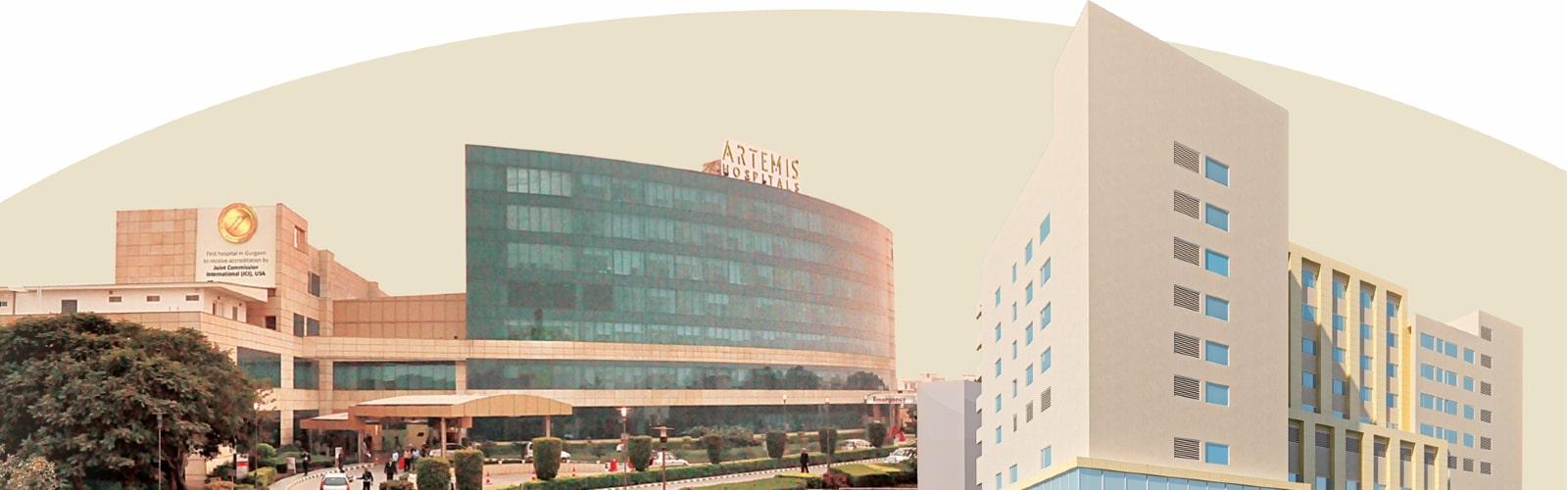
Sector 51, Gurugram, Haryana, India
Artemis Hospital
Meet our team of highly qualified and experienced medical professionals dedicated to providing the best healthcare services.
Chief Cardiology (Unit IV)
Cardiology
New Delhi
30+ Years
Experience
Artemis Hospital
Hospital
1500
Fees
Principal Consultant - Anaesthesia
Anaesthesia
New Delhi
15+ Years
Experience
Artemis Hospital
Hospital
1500
Fees
Head Unit I
Orthopaedic Surgery, Orthopaedics
New Delhi
15+ Years
Experience
Artemis Hospital
Hospital
1500
Fees
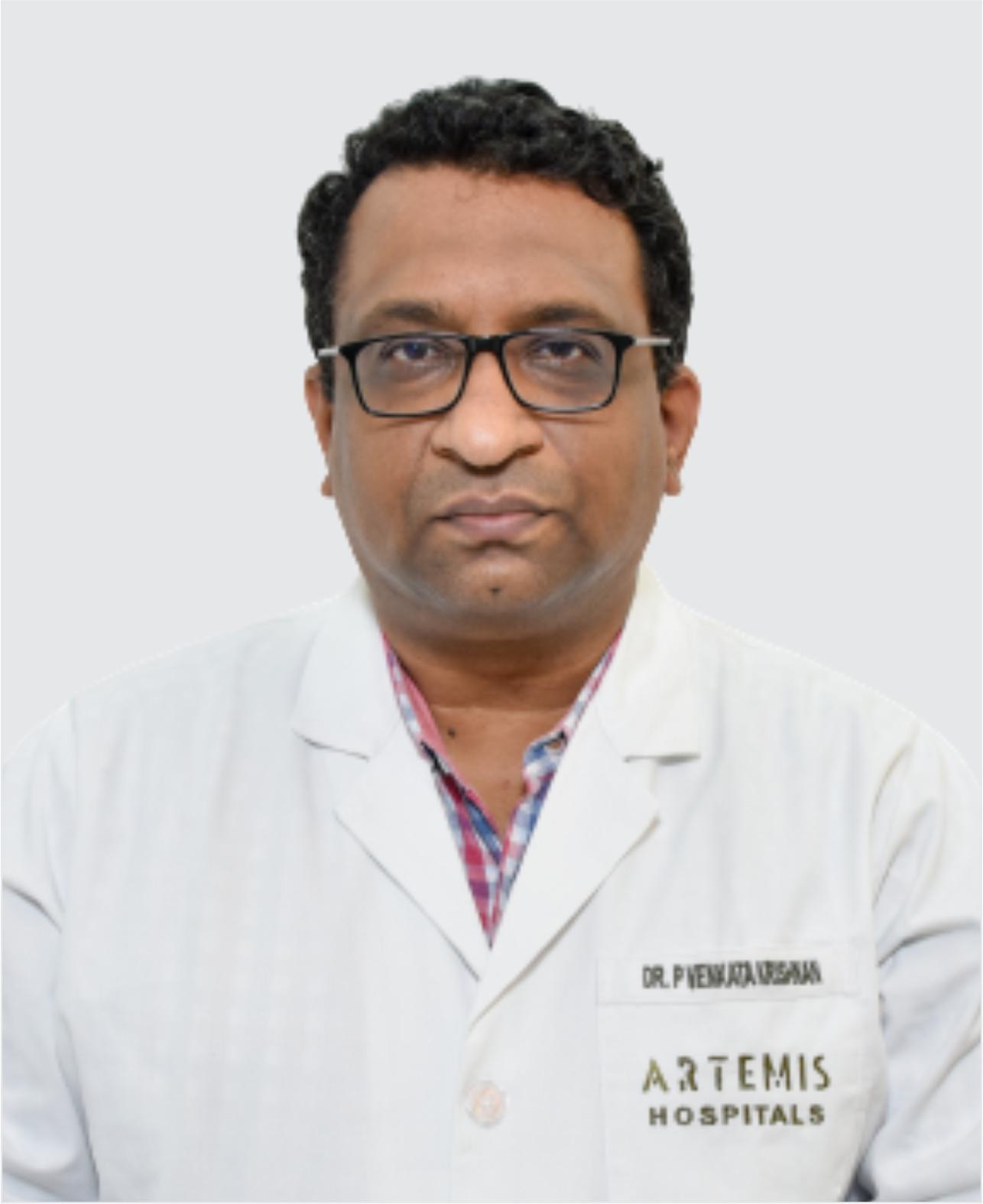
Sr. Consultant
Internal Medicine
New Delhi
12+ Years
Experience
Artemis Hospital
Hospital
1500
Fees
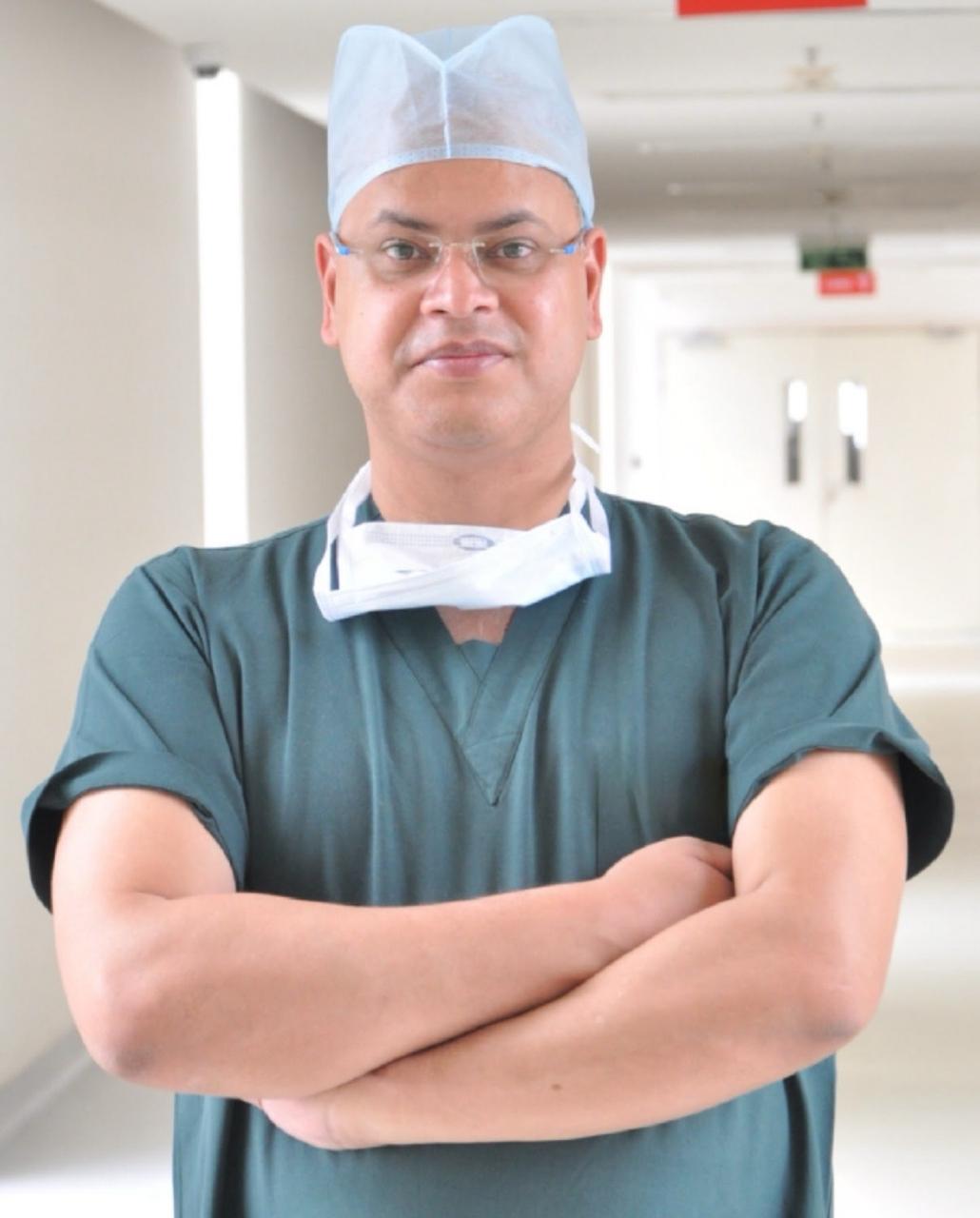
Chief and Unit Head - Orthopaedics (Unit III)
Orthopaedic Surgery, Orthopaedics, Robotic Surgery
New Delhi
20+ Years
Experience
Artemis Hospital
Hospital
1500
Fees
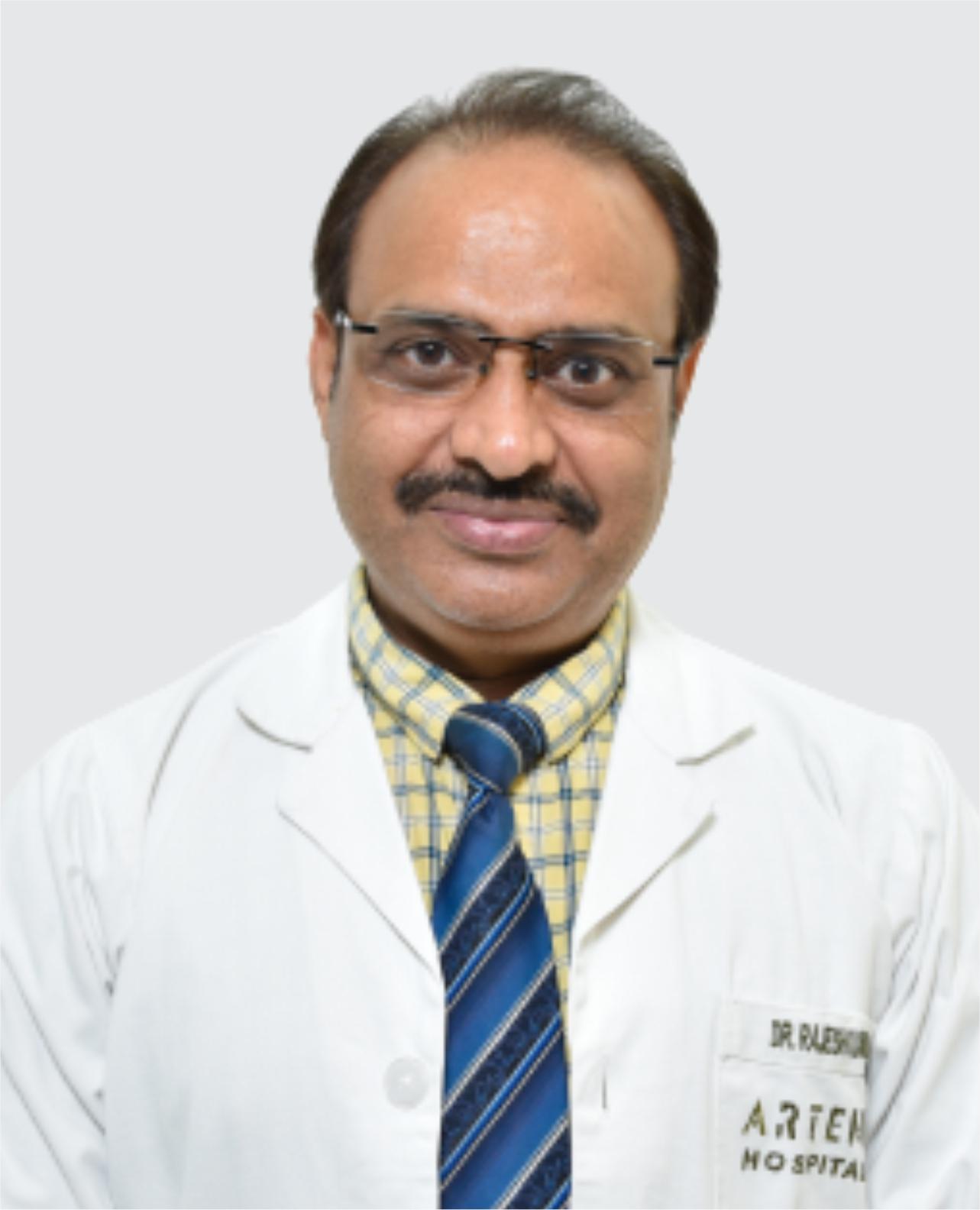
Chief - Head & Neck Surgery
Oncology
New Delhi
20+ Years
Experience
Artemis Hospital
Hospital
1500
Fees
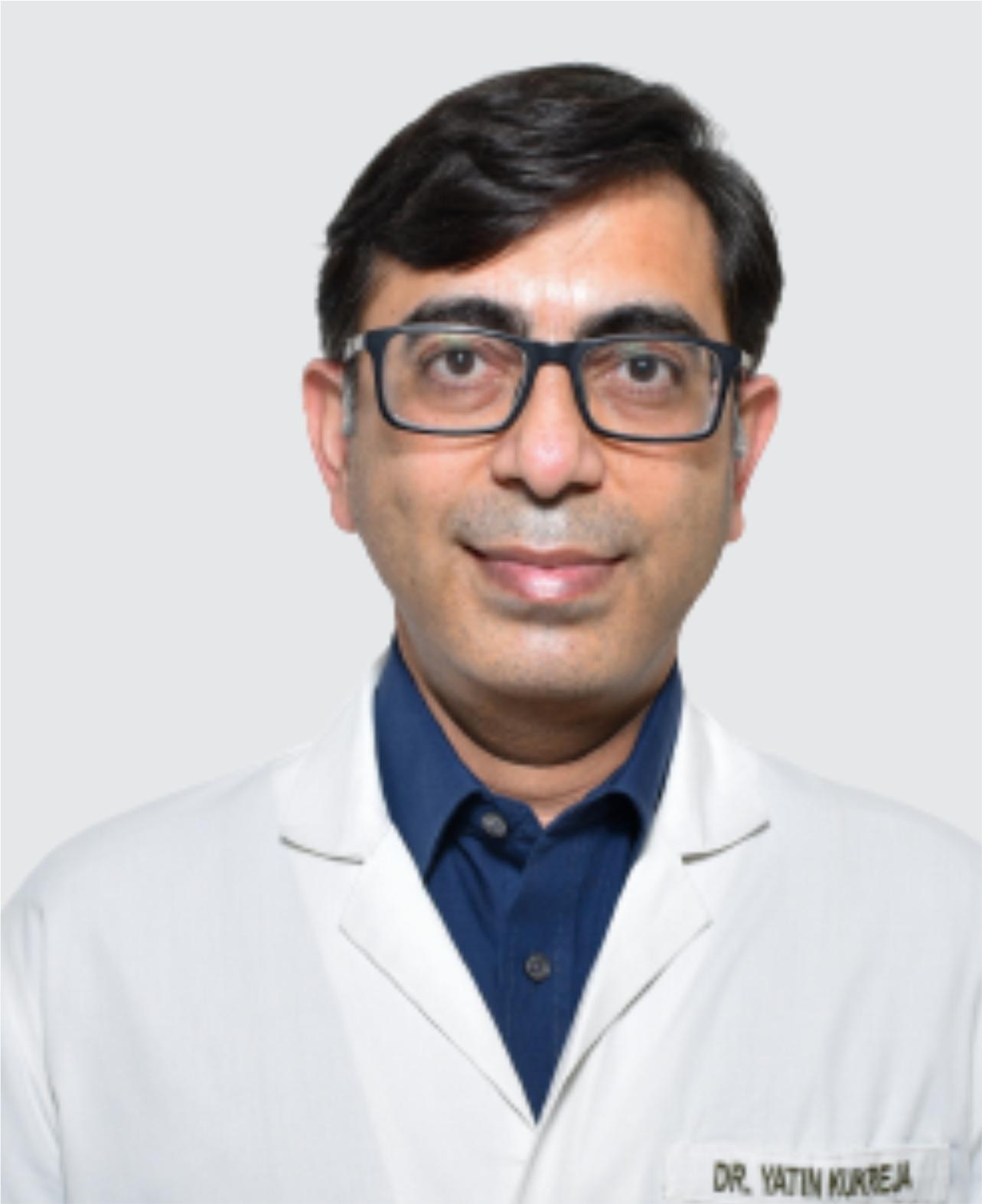
Director
Cardiology
New Delhi
14+ Years
Experience
Artemis Hospital
Hospital
1500
Fees
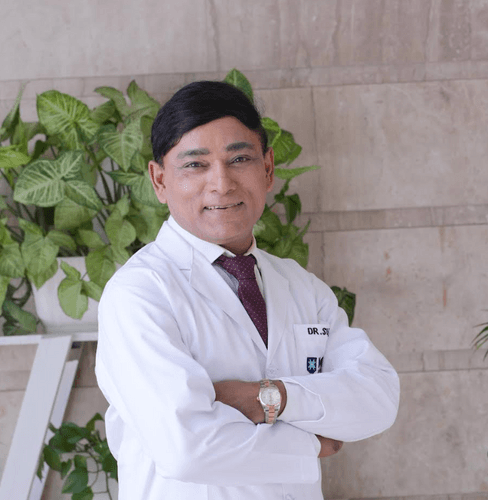
Director & HOD – Robotic Joint Replacement Surgery, Max Healthcare
Orthopaedics
New Delhi
23+ Years
Experience
Max Hospital,Gurgaon
Hospital
1500
Fees
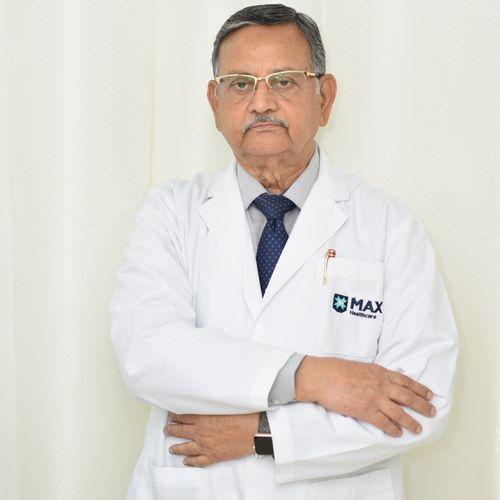
Chairman & Chief Neurosurgeon
Neurosurgery
New Delhi
51+ Years
Experience
Max Hospital,Gurgaon
Hospital
1500
Fees
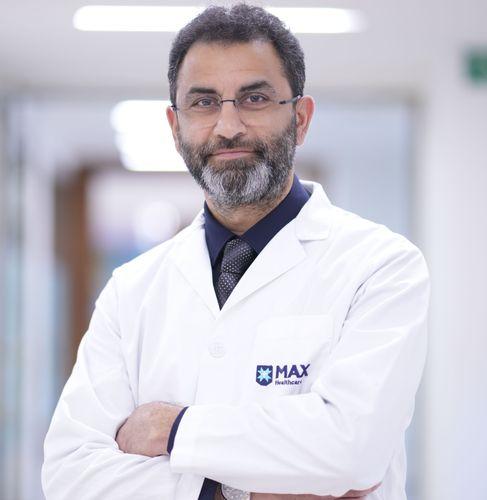
Chairman - Orthopaedics (Joint Diseases & Joint Replacement)
Orthopaedics, Joint Replacement, Robotic Surgery
New Delhi
25+ Years
Experience
Max Hospital,Gurgaon
Hospital
1500
Fees
Get Personalized Medical Treatment Options From India's Top Hospitals. Our Medical Experts Are Ready To Assist You Every Step Of The Way.