
Intracytoplasmic Sperm Injection (ICSI) Treatment in Gurugram for Bangladesh
Need Personalized Advice?
Our medical experts are ready to answer your questions and guide you through your treatment options.
Our medical experts are ready to answer your questions and guide you through your treatment options.
Considering Intracytoplasmic Sperm Injection (ICSI) can bring many questions for couples from Bangladesh. The journey to parenthood often involves deep thought, especially when seeking advanced fertility care outside one's home country. Understanding options, success rates, and the overall experience is a natural and important part of this process.
Many patients from Bangladesh choose Gurugram for their fertility treatments. This city is known for its modern medical infrastructure and patient-focused approach in the field of reproductive health. It offers a combination of advanced technology and compassionate care, which are crucial for such sensitive procedures.
Gurugram's hospitals and fertility specialists are highly regarded for their expertise in ICSI. Patients find assurance in the city's established medical community, designed to support international visitors. The local environment also facilitates easier communication and follow-ups, ensuring continuous care throughout the treatment period.
This overview provides essential details about undergoing ICSI treatment in Gurugram.
Intracytoplasmic Sperm Injection (ICSI) is an advanced fertility procedure used to help couples conceive. It is a specialized form of in-vitro fertilization (IVF) where a single sperm is directly injected into an egg. This method is particularly effective when male infertility factors are present, or when conventional IVF has not been successful. ICSI aims to overcome fertilization challenges, leading to embryo creation.
While ICSI itself is a specific technique, it is often part of a broader IVF cycle and can be combined with other methods:
The ICSI procedure follows several key stages, similar to conventional IVF, with the addition of the specific injection step.
Here are the typical steps involved:
After egg retrieval, some women might experience mild discomfort, bloating, or spotting for a few days. After embryo transfer, a period of rest and avoiding strenuous activities is often recommended. Most patients can resume light daily activities within a day or two. Regular follow-up appointments and hormone support medications are crucial for supporting early pregnancy and monitoring progress. Emotional support during this waiting period is also important.
ICSI success rates vary widely based on factors like the woman's age, cause of infertility, and overall health of both partners. Generally, ICSI achieves fertilization in 70-80% of injected eggs. The live birth rate per ICSI cycle typically ranges from 25% to 40%, with higher rates for younger women. Long-term outcomes for children conceived via ICSI are generally comparable to naturally conceived children.
The cost of ICSI treatment in Gurugram can vary significantly based on several factors. These include the specific hospital or fertility clinic, the experience of the specialist, the type of medication required for ovarian stimulation, and whether additional procedures like genetic testing or embryo freezing are included. The complexity of individual cases also plays a role in the overall expense.
A typical ICSI cycle in Gurugram might range from INR 1,50,000 to INR 2,50,000. This estimate generally covers the basic procedure, but preliminary tests and post-treatment medications are often additional.
Gurugram offers competitive pricing for advanced fertility treatments like ICSI, often making it a more accessible option compared to many Western countries. The quality of care remains high, aligning with international standards.
| Location | Estimated ICSI Cost (USD) |
|---|---|
| Gurugram, India | $1,800 - $3,000 |
| USA | $12,000 - $18,000 |
| UK | $8,000 - $12,000 |
| Australia | $7,000 - $10,000 |
| Canada | $6,000 - $9,000 |
Connect with our expert team to understand the best treatment plan and receive a personalized cost estimate.
Seeking ICSI treatment is a significant decision. Gurugram's advanced facilities and dedicated medical teams are here to support you at every step.
Reach out to us for detailed information and to schedule your initial consultation with a fertility expert.
India offers premium medical procedures at affordable prices. Discover our most popular treatments, delivered by the country's finest doctors.
Meet our team of highly qualified and experienced medical professionals dedicated to providing the best healthcare services.

Sr. Consultant – Women Imaging
Radiology
New Delhi
15+ Years
Experience
Artemis Hospital
Hospital
1500
Fees
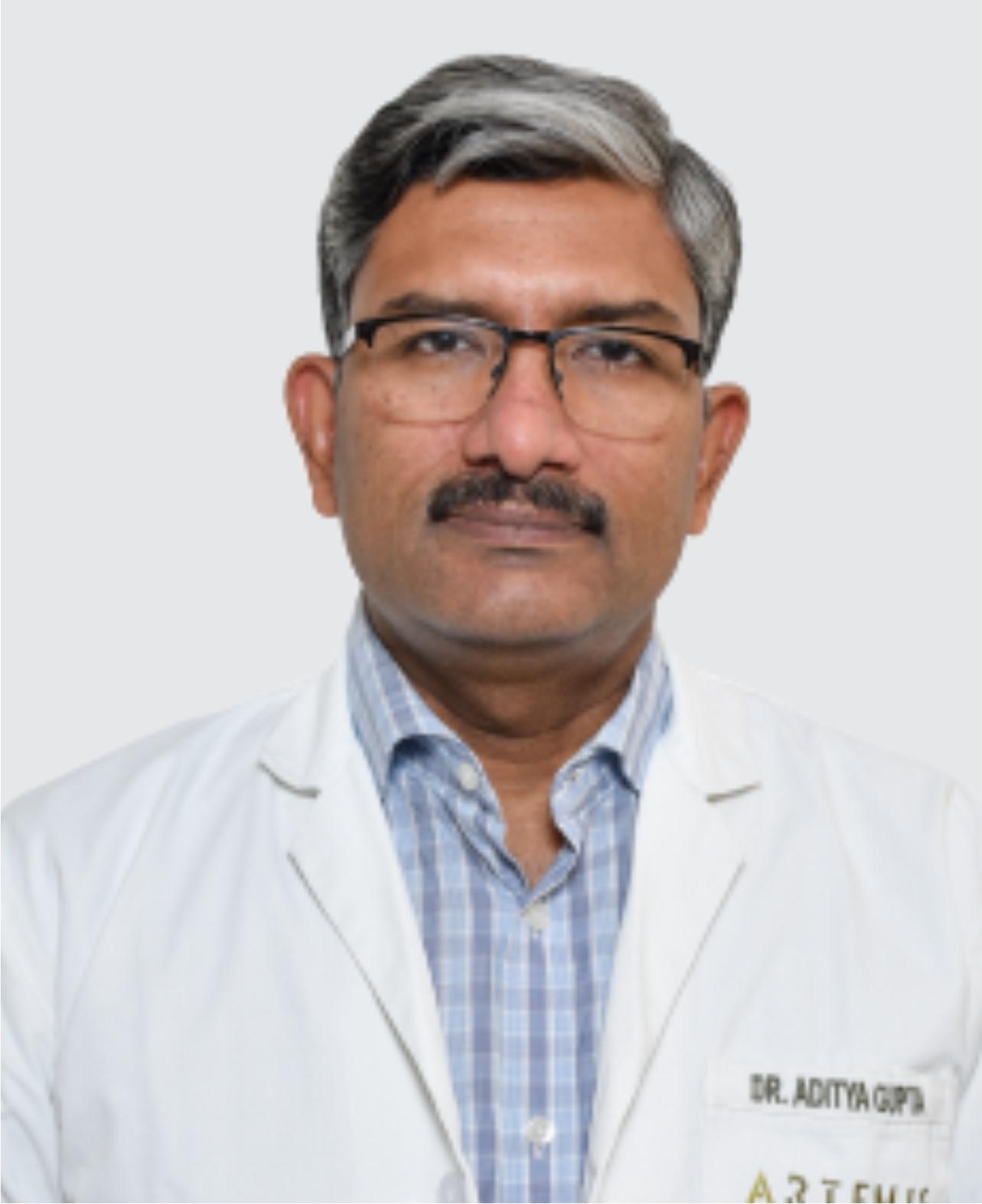
Chairperson - Neurosurgery & CNS Radiosurgery & Co-Chief - Cyberknife Centre
Neurosurgery
New Delhi
32+ Years
Experience
Artemis Hospital
Hospital
1500
Fees

Head - Reproductive Medicine (IVF)
IVF, Reproductive Medicine, Obstetrics and Gynaecology
New Delhi
20+ Years
Experience
Artemis Hospital
Hospital
1500
Fees

Senior Consultant - ENT
ENT and Head & Neck Surgery
New Delhi
24+ Years
Experience
Artemis Hospital
Hospital
1500
Fees

Consultant (Head & Neck Surgery) - Surgical Oncology
Head and Neck Surgical Oncology
New Delhi
10+ Years
Experience
Artemis Hospital
Hospital
1500
Fees

Chairperson - Gynae Oncology
Gynaecological Oncology
New Delhi
16+ Years
Experience
Artemis Hospital
Hospital
1500
Fees
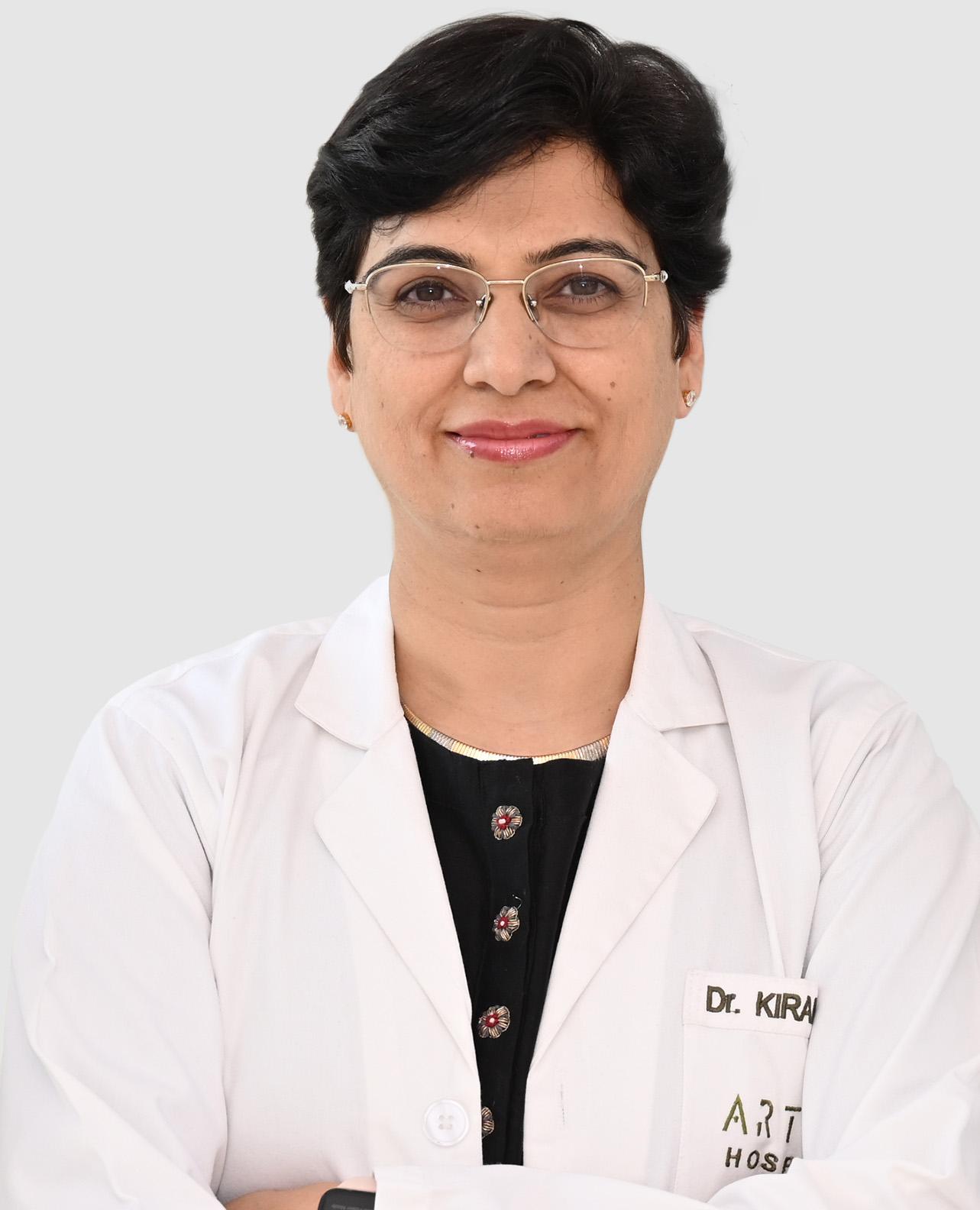
Unit Head - Reproductive Medicine (Unit II)
IVF, Reproductive Medicine, Obstetrics & Gynecology
New Delhi
20+ Years
Experience
Artemis Hospital
Hospital
1500
Fees
Sr. Consultant - Obs & Gynae
Maternity, Obstetrics & Gynaecology
New Delhi
15+ Years
Experience
Artemis Hospital
Hospital
1500
Fees

Unit Head - Obs & Gynae
Maternity, Obstetrics & Gynaecology
New Delhi
19+ Years
Experience
Artemis Hospital
Hospital
1500
Fees
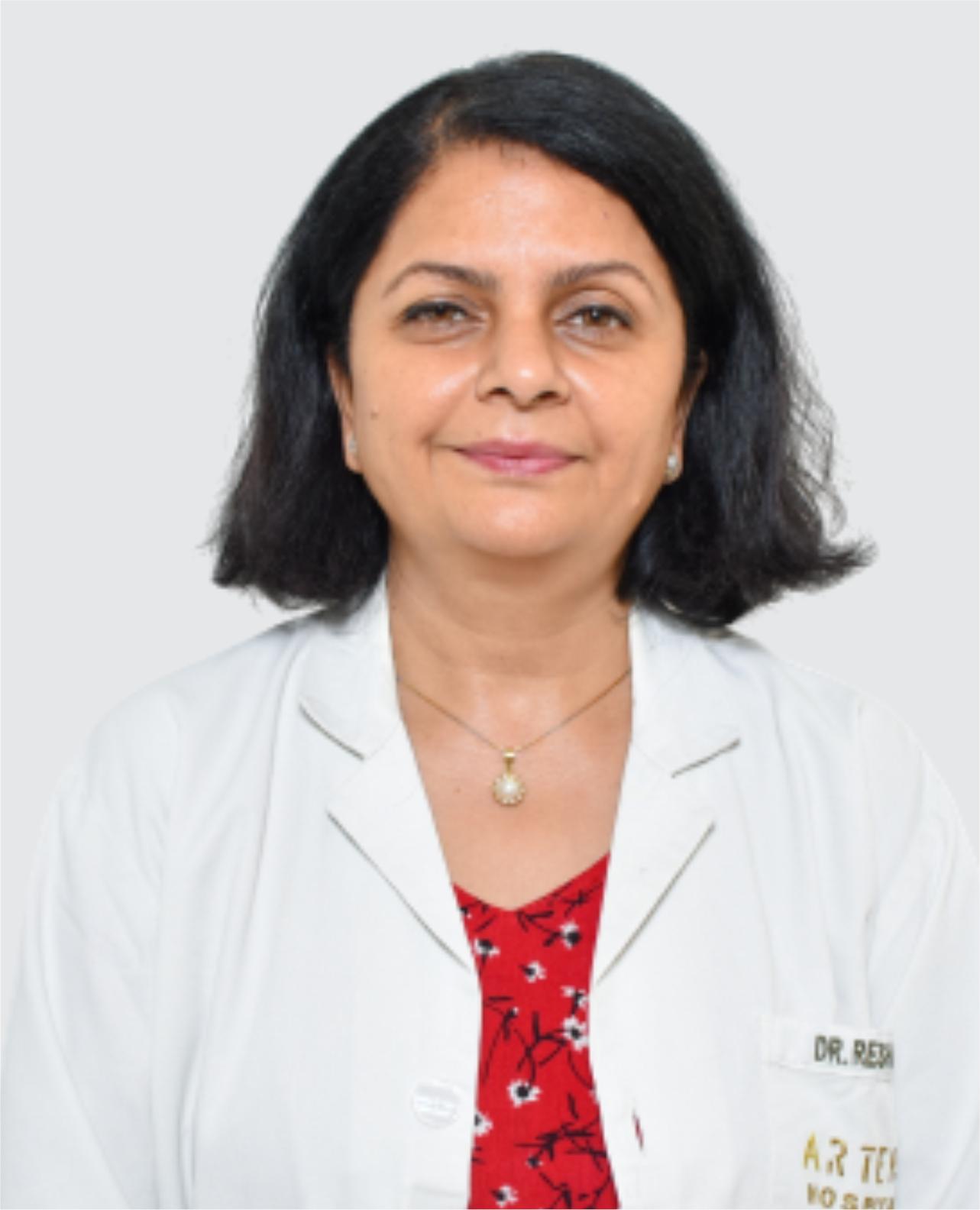
Director
Obstetrics and Gynaecology
New Delhi
19+ Years
Experience
Artemis Hospital
Hospital
1500
Fees
Get Personalized Medical Treatment Options From India's Top Hospitals. Our Medical Experts Are Ready To Assist You Every Step Of The Way.