
Interventional Radiology Procedures Treatment in New Delhi for Nigeria
Need Personalized Advice?
Our medical experts are ready to answer your questions and guide you through your treatment options.
Our medical experts are ready to answer your questions and guide you through your treatment options.
For many patients in Nigeria facing health challenges, the idea of traveling abroad for advanced medical care can bring both hope and uncertainty. When considering complex procedures like interventional radiology, questions about finding expert specialists, state-of-the-art facilities, and a supportive environment are natural.
New Delhi has emerged as a preferred destination for international patients seeking interventional radiology procedures. The city offers a unique combination of highly skilled interventional radiologists, modern hospitals, and a care environment known for efficient coordination. This makes the journey smoother for those seeking specialized treatment.
Trust in New Delhi's medical infrastructure is built upon its accredited hospitals and dedicated specialists in interventional radiology. Patients benefit from comprehensive treatment plans, easy access to follow-up care within the city, and a commitment to positive patient outcomes.
Is New Delhi the right choice for your interventional radiology needs?
Interventional radiology (IR) involves minimally invasive, image-guided procedures used to diagnose and treat a wide range of conditions throughout the body. Unlike traditional open surgery, IR utilizes advanced imaging technologies like X-rays, CT scans, ultrasound, and MRI to guide small instruments, such as catheters and wires, through tiny incisions. These procedures often result in less pain, shorter hospital stays, and quicker recovery times, offering effective alternatives for various medical conditions.
Interventional radiology can address numerous health issues across different body systems:
Interventional radiology procedures vary based on the specific condition and treatment plan developed by the specialist. However, they generally follow a set of core principles involving precision and minimal invasion.
Before the procedure, you will be prepared in a sterile environment. Depending on the complexity, local anesthesia, conscious sedation, or sometimes general anesthesia will be administered to ensure your comfort.
The interventional radiologist uses real-time imaging (such as fluoroscopy, CT, or ultrasound) to guide specialized catheters, wires, or needles through a tiny skin incision, usually just a few millimeters in size.
Once the instruments reach the target area, the specific treatment is performed. This might involve deploying a stent to open a blocked vessel, injecting material to block blood supply to a tumor, ablating tissue with heat or cold, or retrieving a foreign body.
After the procedure, the instruments are carefully removed. The small incision site is typically closed with gentle pressure or a single stitch, requiring minimal dressing.
Recovery following interventional radiology procedures is generally quicker compared to open surgery due to their minimally invasive nature. Most patients experience a shorter hospital stay, often discharged within 24 to 48 hours, or even on the same day for simpler procedures. You will receive specific instructions regarding wound care, pain management, and activity restrictions. Light activity is usually resumed quickly, but strenuous exercise might be limited for a few days or weeks. Follow-up appointments are crucial to monitor healing and assess the long-term success of the treatment.
The success rates for interventional radiology procedures vary widely depending on the specific condition being treated, its severity, and the patient's overall health. Many IR procedures boast very high success rates, offering significant symptomatic relief or curative outcomes. Long-term expectations are often positive, with many patients experiencing lasting benefits. Your interventional radiologist will discuss the expected outcomes and potential variability specific to your treatment plan.
The cost of interventional radiology procedures in New Delhi is influenced by several factors, including the specific type of procedure, the complexity of your condition, the chosen hospital's facilities, the experience of the interventional radiologist, and the technology utilized. Each patient's treatment plan is unique, leading to variations in the final cost.
Generally, interventional radiology procedures in New Delhi can range from approximately 1,50,000 INR to 8,00,000 INR, depending on the procedure and patient specific needs.
Get a personalized estimate for your interventional radiology procedure in New Delhi. We connect you with top hospitals and provide transparent cost breakdowns.
New Delhi offers highly competitive pricing for interventional radiology procedures, making advanced care more accessible without compromising on quality. Below is an approximate comparison:
| Procedure Type | New Delhi (INR) | USA (USD) | UK (GBP) | Singapore (SGD) |
|---|---|---|---|---|
| Uterine Fibroid Embolization | 2,50,000 - 4,50,000 | 8,000 - 15,000 | 7,000 - 12,000 | 10,000 - 18,000 |
| Angioplasty & Stenting (Peripheral) | 1,80,000 - 3,50,000 | 7,000 - 12,000 | 6,000 - 10,000 | 9,000 - 15,000 |
| Tumor Ablation (e.g., Liver) | 3,00,000 - 7,00,000 | 10,000 - 20,000 | 8,500 - 17,000 | 12,000 - 25,000 |
| Vertebroplasty/Kyphoplasty | 1,50,000 - 2,80,000 | 5,000 - 9,000 | 4,500 - 8,000 | 6,000 - 11,000 |
| Image-Guided Biopsy | 40,000 - 80,000 | 1,500 - 3,000 | 1,200 - 2,500 | 1,800 - 3,500 |
Schedule a teleconsultation to discuss your condition and learn about personalized treatment plans available in New Delhi's top hospitals.
Taking the step towards advanced interventional radiology can significantly improve your health. New Delhi offers expertise, modern facilities, and compassionate care to guide you toward recovery.
India offers premium medical procedures at affordable prices. Discover our most popular treatments, delivered by the country's finest doctors.
Meet our team of highly qualified and experienced medical professionals dedicated to providing the best healthcare services.

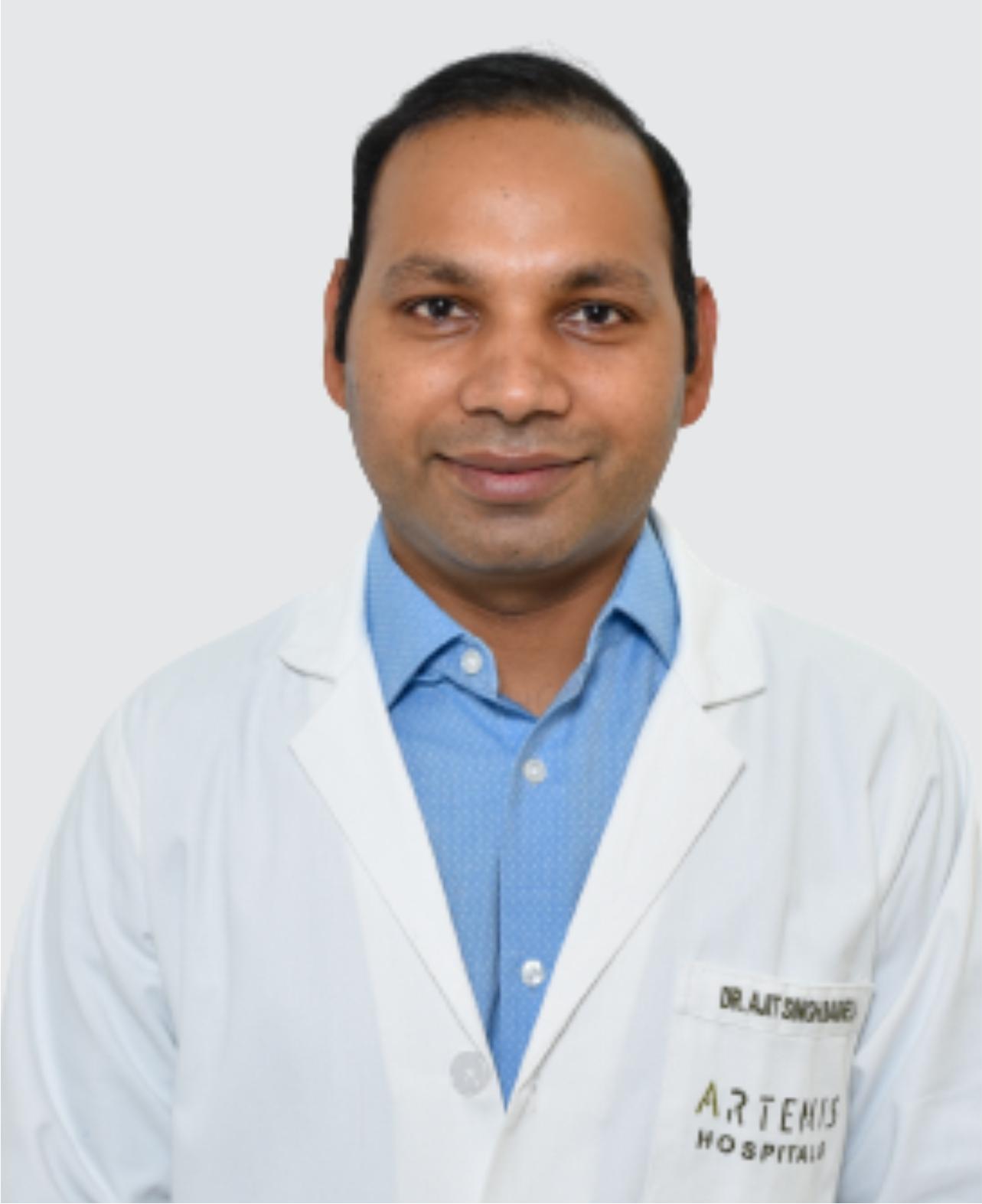
Sr. Consultant – Women Imaging
Radiology (Specializing in Women's Imaging)
Haryana
15+ Years
Experience
Artemis Hospital
Hospital
1500
Fees
Consultant
Paediatric Neurology
Haryana
9+ Years
Experience
Artemis Hospital
Hospital
1500
Fees
Director & Chief
Neurointerventional Surgery
New Delhi
15+ Years
Experience
Artemis Hospital
Hospital
1500
Fees
Additional Consultant - Neuro Interventional Surgery
Neurointerventional Surgery
New Delhi
20+ Years
Experience
Artemis Hospital
Hospital
1500
Fees

Chief - Liver Transplant & Sr. Consultant - GI & HPB Surgery
Liver and Biliary Sciences, Organ Transplant
New Delhi
15+ Years
Experience
Artemis Hospital
Hospital
1500
Fees
Head Imaging & Chief DNB Program
Radiology
New Delhi
19+ Years
Experience
Artemis Hospital
Hospital
1500
Fees
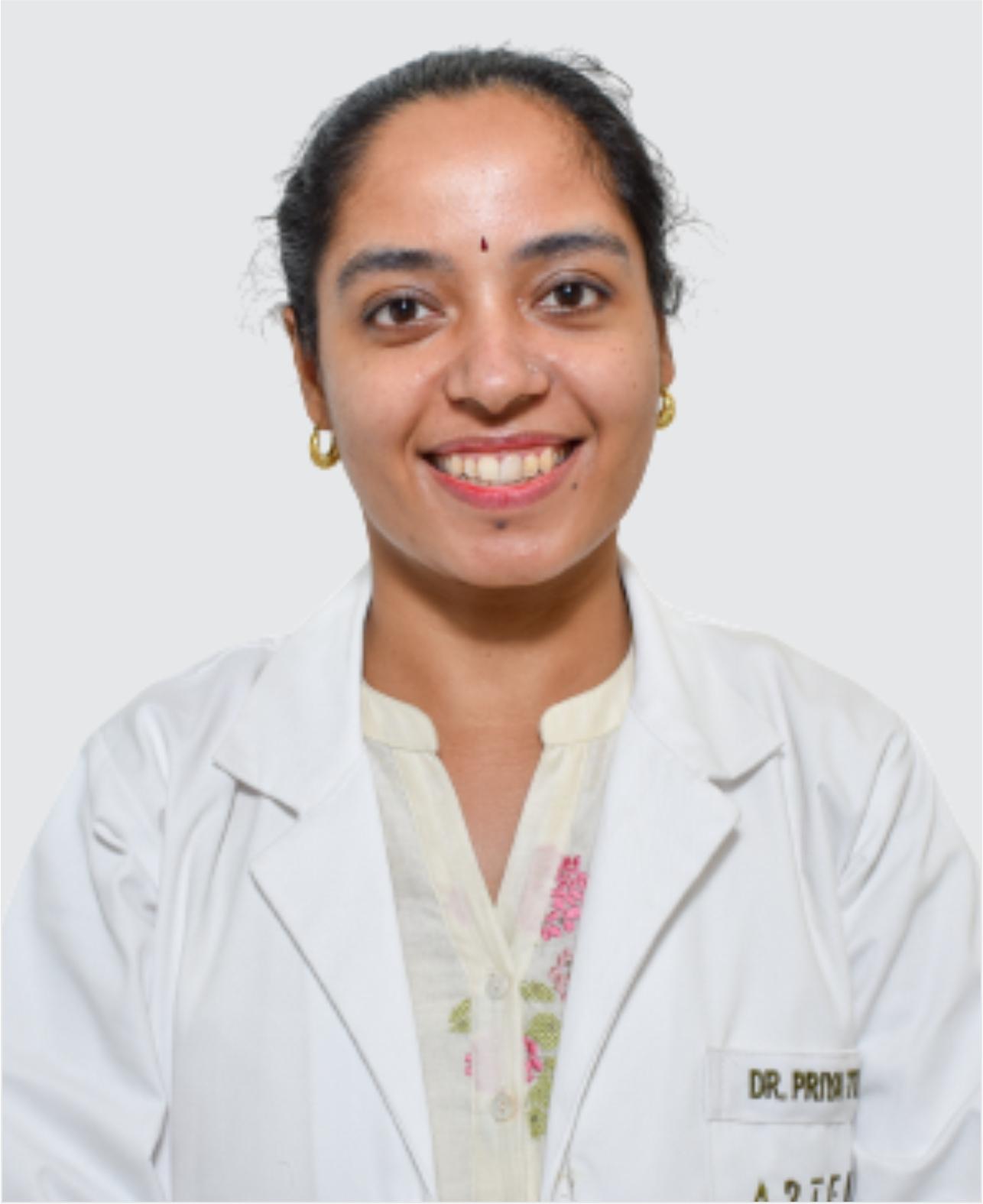
Sr. Consultant
Radiology
New Delhi
12+ Years
Experience
Artemis Hospital
Hospital
1500
Fees
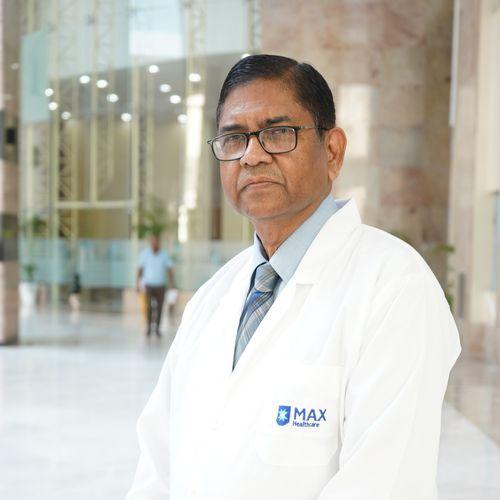
Chairman - Cardiology
Cardiology
New Delhi
41+ Years
Experience
Max Hospital,Gurgaon
Hospital
1500
Fees

Vice Chairman, Cardiac Sciences, Cardiology, Interventional Cardiology, Cardiac Electrophysiology-Pacemaker & Director & HOD (Interventional Cardiology) at Max Super Speciality Hospital, Shalimar Bagh, Delhi
Interventional Cardiology
New Delhi
26+ Years
Experience
Max Hospital,Gurgaon
Hospital
1500
Fees
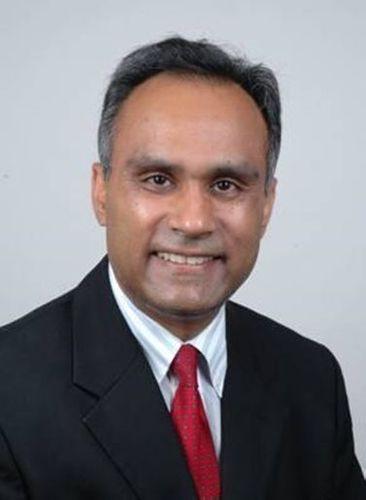
Associate Director
Pulmonology
New Delhi
20+ Years
Experience
Apolo Delhi
Hospital
1500
Fees
Get Personalized Medical Treatment Options From India's Top Hospitals. Our Medical Experts Are Ready To Assist You Every Step Of The Way.