
Left Atrial Appendage Closure (LAAC) Treatment in Bengaluru for Iraq
Need Personalized Advice?
Our medical experts are ready to answer your questions and guide you through your treatment options.
Our medical experts are ready to answer your questions and guide you through your treatment options.
Patients from Iraq facing the complexities of managing atrial fibrillation and the associated stroke risk often consider their options carefully. The decision to undergo a procedure like Left Atrial Appendage Closure can bring many questions, especially regarding access to advanced care and achieving long-term health outcomes.
Many individuals seek medical solutions beyond their borders to find specialized expertise, better technology, or more accessible treatment pathways. Bengaluru stands out as a preferred destination due to its robust healthcare infrastructure and a coordinated environment for international patients, ensuring a smoother medical journey.
The city of Bengaluru has established itself with reputable hospitals and highly skilled cardiac specialists who are proficient in advanced interventions. Patients can trust in the quality of care and the ease of follow-ups within the city, supported by a system designed to accommodate overseas visitors.
Bengaluru offers a reliable choice for advanced cardiac treatment.
Left Atrial Appendage Closure, or LAAC, is a minimally invasive procedure designed to reduce the risk of stroke in patients with non-valvular atrial fibrillation (AFib) who cannot take long-term blood thinners. The left atrial appendage (LAA) is a small pouch in the heart's upper left chamber where blood clots often form in AFib patients. By closing off this appendage, LAAC aims to prevent these clots from traveling to the brain and causing a stroke, offering an alternative to anticoagulant medication.
While LAAC is generally a single type of procedure, the primary variations involve the devices used and the method of delivery:
The LAAC procedure typically involves a minimally invasive, catheter-based approach, and the specific steps may vary slightly depending on the chosen device and individual patient needs.
The patient receives local anesthesia and conscious sedation, or sometimes general anesthesia, to ensure comfort during the procedure. Monitoring equipment is attached to track heart rate, blood pressure, and oxygen levels.
A small incision is made, usually in the groin, to access a major vein. A catheter is then carefully threaded through this vein, guided by real-time X-ray imaging, up to the heart's right atrium.
A specialized needle is used to create a small opening in the wall between the right and left atria (transseptal puncture). This allows the catheter to enter the left atrium, where the left atrial appendage is located.
Once the catheter is correctly positioned within the left atrial appendage, the LAAC device (such as Watchman or Amulet) is advanced and carefully deployed. The device expands to fit the opening of the LAA, effectively sealing it off from the rest of the left atrium.
TEE and fluoroscopy are used to confirm the device's proper placement and secure fit. Once the medical team is satisfied with the deployment, the catheter is withdrawn, and the incision in the groin is closed. The procedure typically takes about one to two hours.
After Left Atrial Appendage Closure, patients typically spend one to two nights in the hospital for observation. During this time, vital signs are monitored, and the access site is checked for any complications. Most individuals can resume light activities within a few days, though strenuous exercise and heavy lifting should be avoided for several weeks. Patients usually continue with a short course of blood thinners, often for 45 days, until the heart tissue grows over the device, sealing it completely. Regular follow-up appointments, including TEE, are scheduled to confirm proper device integration and overall recovery.
The success rates for Left Atrial Appendage Closure are generally high, with studies showing successful device implantation in over 95% of eligible patients. The procedure significantly reduces the risk of stroke in patients with non-valvular AFib who are unable to take oral anticoagulants, often to levels comparable to or better than long-term blood thinner use. Long-term outcomes vary based on individual patient health, adherence to post-procedure guidelines, and specific device performance, but many patients experience sustained stroke risk reduction for many years.
The cost of Left Atrial Appendage Closure in Bengaluru can vary based on several factors. These include the choice of hospital facility, the specific LAAC device used (e.g., Watchman, Amulet), the experience level of the cardiac specialist, the duration of hospital stay, and any additional diagnostic tests or post-procedure medications required. The comprehensive package often includes pre-operative evaluations, the procedure itself, hospital room charges, and follow-up consultations.
In Bengaluru, the estimated cost for Left Atrial Appendage Closure typically ranges from INR 6,50,000 to INR 12,00,000.
Patients from abroad often find Bengaluru offers advanced medical care at a more accessible price point compared to many Western countries, without compromising on quality or technology.
| Location | Estimated Cost (USD) |
|---|---|
| Bengaluru, India | $8,000 - $14,500 |
| United States | $30,000 - $60,000 |
| United Kingdom | $25,000 - $45,000 |
| Germany | $20,000 - $40,000 |
| Singapore | $18,000 - $35,000 |
Embarking on a medical journey for Left Atrial Appendage Closure in Bengaluru can be a significant step toward improving your quality of life and reducing stroke risk.
India offers premium medical procedures at affordable prices. Discover our most popular treatments, delivered by the country's finest doctors.

Sector 51, Gurugram, Haryana, India
Artemis Hospital
Meet our team of highly qualified and experienced medical professionals dedicated to providing the best healthcare services.
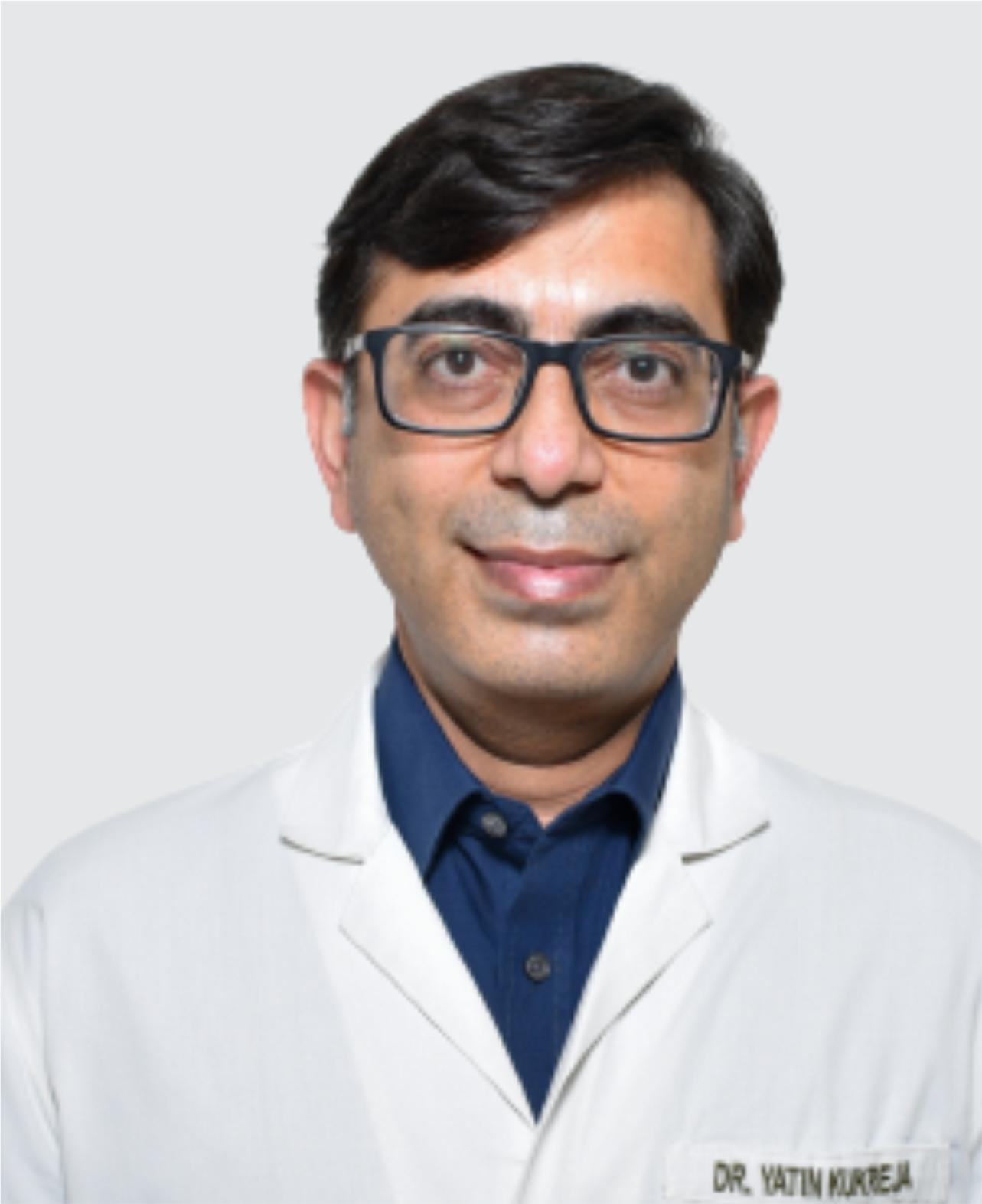
Director
Cardiology
New Delhi
14+ Years
Experience
Artemis Hospital
Hospital
1500
Fees

Senior Director – Orthopaedics & Head – Joint Reconstruction (Hip & Knee), Max Smart Super Speciality Hospital, Saket, New Delhi
Orthopedics & Joint Replacement
New Delhi
26+ Years
Experience
Max Hospital,Gurgaon
Hospital
1500
Fees

Vice Chairman, Cardiac Sciences, Cardiology, Interventional Cardiology, Cardiac Electrophysiology-Pacemaker & Director & HOD (Interventional Cardiology) at Max Super Speciality Hospital, Shalimar Bagh, Delhi
Interventional Cardiology
New Delhi
26+ Years
Experience
Max Hospital,Gurgaon
Hospital
1500
Fees
Get Personalized Medical Treatment Options From India's Top Hospitals. Our Medical Experts Are Ready To Assist You Every Step Of The Way.