
Left Atrial Appendage Closure (LAAC) Treatment in Bengaluru for UAE
Need Personalized Advice?
Our medical experts are ready to answer your questions and guide you through your treatment options.
About
Advanced LAAC in Bengaluru for UAE Patients: Your Health Journey
For patients in the UAE considering Left Atrial Appendage Closure (LAAC), the journey can seem complex. You might be weighing options, wondering about advanced care, costs, and the overall experience away from home. Finding reliable information is key to making a confident choice.
Many individuals from the UAE are increasingly looking towards Bengaluru. This city offers a compelling blend of expert medical professionals, state-of-the-art facilities, and a supportive environment for international patients seeking specialized cardiac procedures like LAAC.
Bengaluru’s hospitals are recognized for their clinical excellence in cardiology, featuring skilled specialists and modern technology. Patients benefit from coordinated care pathways, ensuring smooth transitions from treatment through recovery and follow-up right within the city.
Is Bengaluru the right destination for your LAAC procedure?
What is Left Atrial Appendage Closure (LAAC)?
Left Atrial Appendage Closure (LAAC) is a minimally invasive procedure designed to reduce the risk of stroke in patients with non-valvular atrial fibrillation (AFib) who cannot take long-term oral anticoagulants. During AFib, blood clots often form in the left atrial appendage (LAA), a small pouch in the heart. LAAC involves closing off this appendage, preventing clots from escaping and causing a stroke. This procedure offers an alternative for those seeking to avoid the risks associated with lifelong blood thinners.
Approaches to Left Atrial Appendage Closure (LAAC)
Percutaneous LAAC Devices: These are the most common, involving devices like the WATCHMAN FLX or Amulet, inserted through a catheter.
Surgical LAAC: Performed during open-heart surgery for other conditions or as a standalone procedure (less common).
Hybrid LAAC: Combines epicardial (outside the heart) and endocardial (inside the heart) approaches.
Minimally Invasive Surgical LAAC: Through small incisions, without opening the chest completely.
When Is Left Atrial Appendage Closure (LAAC) Recommended?
- Patients with non-valvular atrial fibrillation who are at high risk for stroke.
- Those who have experienced serious bleeding or are intolerant to oral anticoagulants (blood thinners).
- Individuals with a contraindication to long-term oral anticoagulant therapy.
- Patients seeking an alternative to daily medication for stroke prevention in AFib.
- When there is a high CHA2DS2-VASc score, indicating an increased stroke risk.
- In cases where compliance with blood thinner regimens is a significant challenge.
Preparing for Your LAAC Procedure: Essential Evaluations
- Comprehensive medical history and physical examination.
- Electrocardiogram (ECG) to assess heart rhythm.
- Echocardiogram (transthoracic and transesophageal echocardiogram – TEE) to visualize the heart and LAA.
- Cardiac CT scan to precisely measure the LAA and surrounding structures.
- Blood tests, including coagulation profile, kidney function, and complete blood count.
- Consultation with a cardiologist and electrophysiologist to determine suitability.
- Assessment of current medications and allergies.
How Is a Left Atrial Appendage Closure (LAAC) Procedure Performed?
The LAAC procedure typically involves a minimally invasive approach, customized based on your specific anatomy and device selection.
The Percutaneous LAAC Procedure
This common method begins with local anesthesia and sedation, or general anesthesia. A small incision is made, usually in the groin, to access a major vein. A catheter is then guided through the vein, up into the heart, and into the left atrium. Using imaging guidance, such as fluoroscopy and transesophageal echocardiography, the catheter is precisely maneuvered into the left atrial appendage. A specialized device, like the WATCHMAN FLX or Amulet, is then deployed to seal off the LAA, preventing blood clots from forming and escaping. Once the device is securely in place and confirmed to be effectively sealing the appendage, the catheter is carefully withdrawn, and the incision is closed.
Your Recovery Journey After Left Atrial Appendage Closure (LAAC)
After LAAC, patients typically stay in the hospital for 1-2 days for monitoring. You might experience some mild discomfort at the incision site, which is manageable with medication. Restrictions usually include avoiding heavy lifting and strenuous activities for a few weeks. Regular follow-up appointments, including echocardiograms, are crucial to ensure the device is functioning correctly and the LAA is fully sealed. Your cardiologist will guide you on medication adjustments, often involving a short course of blood thinners, followed by antiplatelet therapy. Full recovery and integration into daily activities generally occur within 4-6 weeks, with ongoing medical supervision.
Understanding LAAC Risks and Success Rates
- ♦ Procedure-related complications: Such as bleeding at the access site, device embolization, or pericardial effusion (fluid around the heart).
- ♦ Stroke or transient ischemic attack (TIA): Although the procedure aims to prevent stroke, there's a small immediate risk during or shortly after.
- ♦ Device-related thrombus: Clots forming on the device surface, requiring specific medication.
- ♦ Infection: A rare but serious complication at the access site or heart.
- ♦ Air embolism: Entry of air into the bloodstream, a very uncommon risk.
- ♦ Allergic reaction: To contrast dye or medications used during the procedure.
Left Atrial Appendage Closure (LAAC) boasts a high success rate in effectively sealing the LAA and significantly reducing stroke risk, often exceeding 90-95% for device implantation. Individual outcomes can vary based on patient anatomy, the presence of other health conditions, and the expertise of the medical team. Long-term studies show sustained stroke prevention benefits, with many patients able to discontinue oral anticoagulants entirely after a period of healing. Consistent follow-up care is vital to monitor the device and overall heart health, ensuring the best possible long-term results.
Cost of Left Atrial Appendage Closure (LAAC) in Bengaluru
The cost of Left Atrial Appendage Closure (LAAC) in Bengaluru is influenced by several factors. These include the specific hospital chosen, the experience of the cardiac specialist, the type of LAAC device used, the duration of hospital stay, and any additional diagnostic tests or recovery care required.
In Bengaluru, the estimated cost for LAAC typically ranges from ₹7,00,000 to ₹12,00,000, varying based on the complexity and facility.
Comparing LAAC Costs: Bengaluru vs. Other International Destinations
Patients from the UAE often find Bengaluru offers a significant cost advantage for LAAC without compromising on quality or advanced medical technology.
| Destination | Estimated Cost (USD) |
|---|---|
| Bengaluru, India | $8,500 - $14,500 |
| United States | $35,000 - $65,000 |
| United Kingdom | $30,000 - $55,000 |
| Germany | $25,000 - $45,000 |
| Singapore | $20,000 - $35,000 |
Assistance for Your Medical Journey in Bengaluru
- Personalized treatment plan coordination from initial inquiry to post-procedure care.
- Assistance with medical visa applications and necessary documentation.
- Booking appointments with leading cardiac specialists in Bengaluru.
- Arrangement of comfortable accommodation options near the hospital.
- Dedicated interpreters for seamless communication throughout your stay.
- Support for local travel arrangements and airport transfers.
- Guidance on financial aspects and cost estimations.
Essential Documents for Your LAAC Treatment
- Valid passport and medical visa.
- Medical reports, diagnostic scans, and physician referrals.
- Past medical history, including any previous heart conditions or surgeries.
- List of current medications, dosages, and allergies.
- Records of previous consultations or opinions regarding LAAC.
- Proof of travel insurance, if applicable.
Preparing for Your LAAC Procedure in Bengaluru
- Follow all dietary and medication instructions provided by your doctor.
- Arrange for a companion to travel with you for support during your stay.
- Understand the pre-procedure fasting requirements.
- Discuss any concerns or questions with your medical team before arriving.
- Pack comfortable clothing and essential personal items for your hospital stay.
- Ensure all necessary documents are organized and easily accessible.
Your Care After LAAC: Recovery and Follow-Up
- Adhere strictly to prescribed medication regimens, especially blood thinners, as instructed.
- Attend all scheduled follow-up appointments and imaging tests (e.g., TEE).
- Gradually reintroduce physical activities as advised by your cardiologist.
- Monitor for any unusual symptoms like swelling, pain, or fever and report them immediately.
- Maintain a heart-healthy diet and lifestyle to support overall recovery.
- Ensure you have a clear plan for ongoing care upon returning to the UAE.
Ready to Explore Your LAAC Options in Bengaluru?
Take the next step towards a healthier future. Our team is here to provide all the information and support you need for your Left Atrial Appendage Closure journey in Bengaluru.
Hospitals Offering this treatment
India offers premium medical procedures at affordable prices. Discover our most popular treatments, delivered by the country's finest doctors.

Al Zahra Hospital, Dubai
Sheikh Zayed Road, Al Barsha 1, Dubai, UAE
Al Zahra Hospital, Dubai

Burjeel Medical City, Abu Dhabi
28th Street, Mohammed Bin Zayed City, Abu Dhabi, UAE
Burjeel Medical City, Abu Dhabi

Burjeel Hospital, Dubai
Dubai, UAE (part of Burjeel Holdings network)
Burjeel Hospital, Dubai
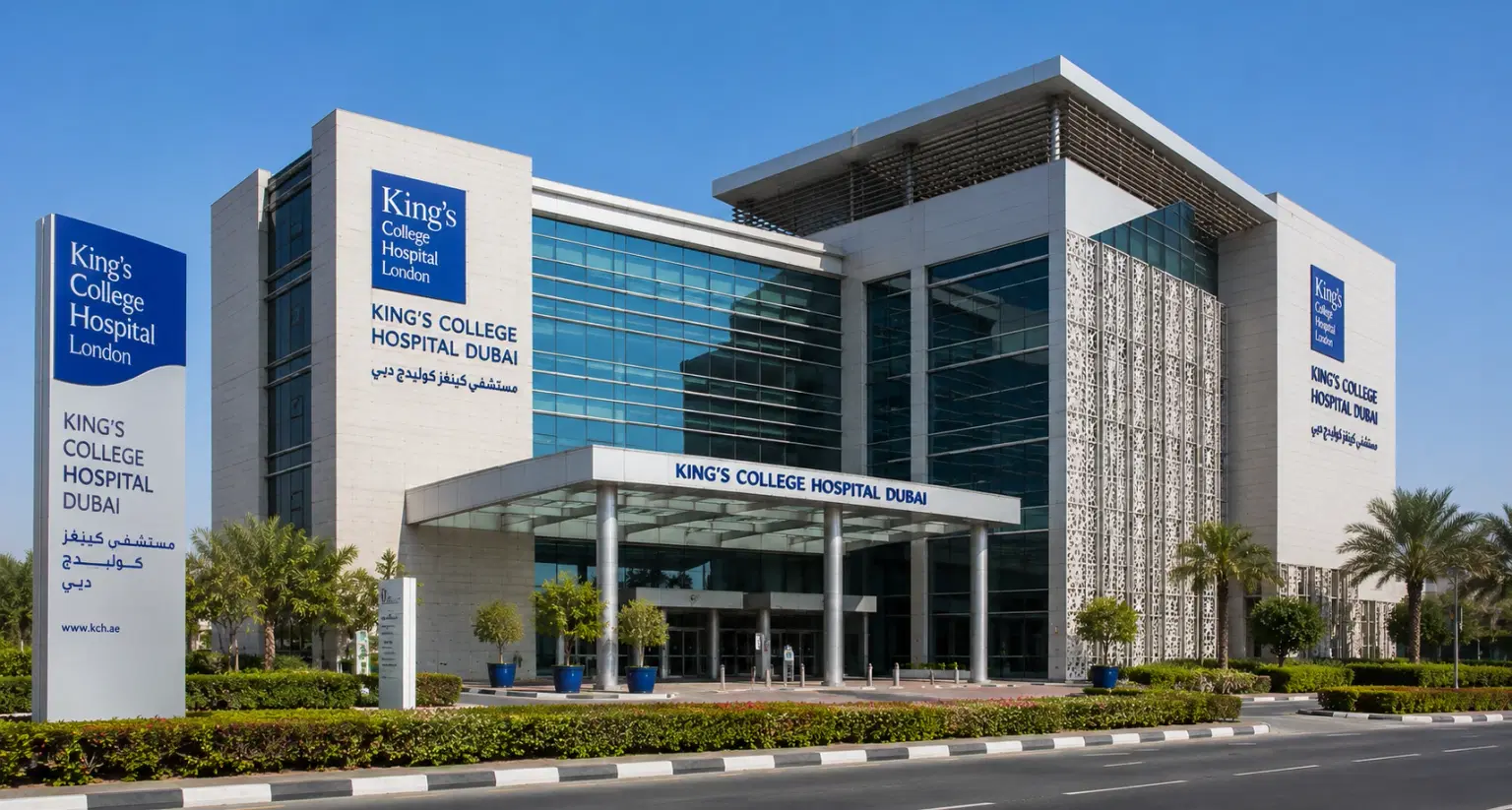
King's College Hospital, Dubai
Dubai Hills, Mohammed Bin Rashid City, Dubai, UAE
King's College Hospital, Dubai
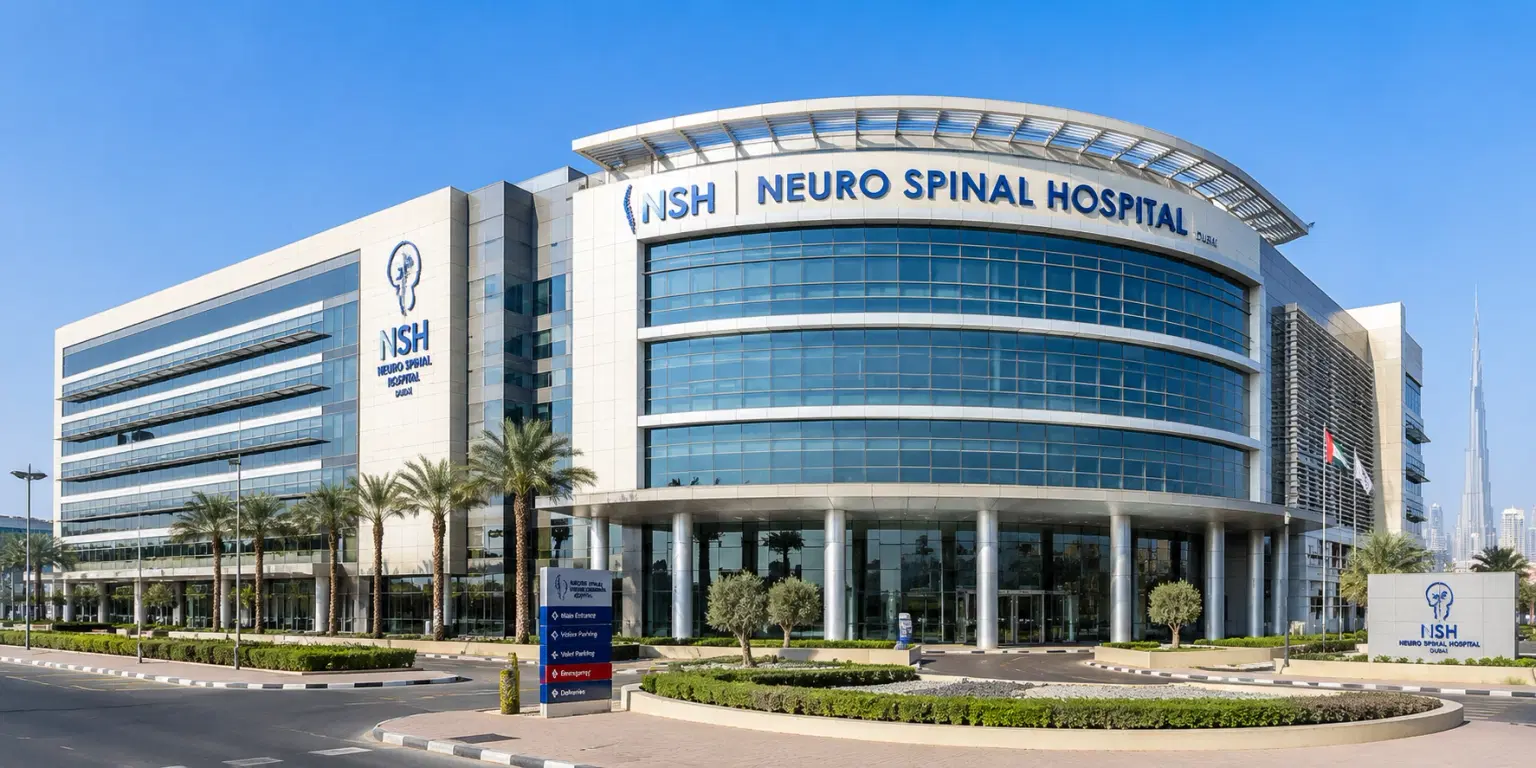
Neuro Spinal Hospital (NSH), Dubai
Dubai Science Park, Umm Suqeim St, Al Barsha South, Dubai, UAE
Neuro Spinal Hospital (NSH), Dubai

HMS Al Garhoud Hospital, Dubai
Al Garhoud Street, Al Garhoud, Dubai, UAE
HMS Al Garhoud Hospital, Dubai
Meet Our Doctors
Meet our team of highly qualified and experienced medical professionals dedicated to providing the best healthcare services.

Dr. Yatin Kukreja
Director
Cardiology
New Delhi
14+ Years
Experience
Artemis Hospital
Hospital
1500
Fees

Dr. Ramneek Mahajan
Senior Director – Orthopaedics & Head – Joint Reconstruction (Hip & Knee), Max Smart Super Speciality Hospital, Saket, New Delhi
Orthopedics & Joint Replacement
New Delhi
26+ Years
Experience
Max Hospital,Gurgaon
Hospital
1500
Fees

Dr. Naveen Bhamri
Vice Chairman, Cardiac Sciences, Cardiology, Interventional Cardiology, Cardiac Electrophysiology-Pacemaker & Director & HOD (Interventional Cardiology) at Max Super Speciality Hospital, Shalimar Bagh, Delhi
Interventional Cardiology
New Delhi
26+ Years
Experience
Max Hospital,Gurgaon
Hospital
1500
Fees
Related Links
Other Treatment related Information
- Left Atrial Appendage Closure (LAAC) cost in Chennai
- Left Atrial Appendage Closure (LAAC) cost in Bengaluru
- Left Atrial Appendage Closure (LAAC) cost in New Delhi
- Left Atrial Appendage Closure (LAAC) cost in India
- Left Atrial Appendage Closure (LAAC) cost in Hyderabad
- Left Atrial Appendage Closure (LAAC) cost in Pune
- Left Atrial Appendage Closure (LAAC) cost in Haryana
- Left Atrial Appendage Closure (LAAC) cost in Mumbai
- Left Atrial Appendage Closure (LAAC) Success Rate in India
- Left Atrial Appendage Closure (LAAC) Success Rate in New Delhi
- Left Atrial Appendage Closure (LAAC) Success Rate in Haryana
- Left Atrial Appendage Closure (LAAC) Success Rate in Pune
- Left Atrial Appendage Closure (LAAC) Success Rate in Bengaluru
- Left Atrial Appendage Closure (LAAC) Success Rate in Hyderabad
- Left Atrial Appendage Closure (LAAC) Success Rate in Mumbai
- Left Atrial Appendage Closure (LAAC) Success Rate in Chennai
- Best Left Atrial Appendage Closure (LAAC) Doctors in Gurugram
- Best Left Atrial Appendage Closure (LAAC) Doctors in Bengaluru
- Best Left Atrial Appendage Closure (LAAC) Doctors in Mumbai
- Best Left Atrial Appendage Closure (LAAC) Doctors in India
Ready To Start Your Healing Journey?
Get Personalized Medical Treatment Options From India's Top Hospitals. Our Medical Experts Are Ready To Assist You Every Step Of The Way.