
Left Atrial Appendage Closure (LAAC) Treatment in New Delhi for Iraq
Need Personalized Advice?
Our medical experts are ready to answer your questions and guide you through your treatment options.
Our medical experts are ready to answer your questions and guide you through your treatment options.
For patients from Iraq considering Left Atrial Appendage Closure (LAAC), navigating treatment options can bring a mix of hope and uncertainty. Concerns about finding advanced care, managing costs, and ensuring a smooth journey are often top of mind when looking abroad for specialized heart procedures.
Many choose to explore medical care beyond their home country, with New Delhi emerging as a leading destination. The city offers a robust healthcare ecosystem, where coordinating complex cardiac treatments like LAAC is streamlined for international visitors seeking specialized interventions.
Trust in New Delhi's medical infrastructure stems from its world-class hospitals and highly skilled cardiologists. Patients benefit from established protocols for follow-up care and comprehensive medical guidance, ensuring continuous support throughout their stay and recovery within the city.
Is New Delhi the right choice for your LAAC procedure and seamless recovery?
Left Atrial Appendage Closure (LAAC) is a minimally invasive procedure designed to reduce the risk of stroke in patients with non-valvular atrial fibrillation (AFib). AFib is an irregular heart rhythm that can lead to blood clots forming in a small pouch of the heart called the left atrial appendage (LAA). These clots can then travel to the brain, causing a stroke. LAAC involves closing off this appendage, typically using a small implantable device, to prevent clots from forming and escaping. It offers an alternative to long-term blood thinner medication for suitable patients.
While LAAC is a specific procedure, there are primary device-based approaches and considerations:
The Left Atrial Appendage Closure procedure is generally performed using a transcatheter approach, and the specifics depend on the chosen device and patient's anatomy.
Patients will typically fast for several hours beforehand. They will receive local anesthesia at the insertion site, along with sedation or general anesthesia to ensure comfort throughout the procedure.
A catheter is inserted into a vein, usually in the groin, and guided up to the heart. Using advanced imaging, often including fluoroscopy and transesophageal echocardiography (TEE), the cardiologist carefully navigates the catheter to the left atrium. A small puncture is made in the atrial septum to access the left atrium and subsequently the left atrial appendage. The LAAC device, compressed within the catheter, is then advanced into the LAA. Once correctly positioned, the device is deployed to seal off the appendage. The cardiologist verifies its stable placement and effective closure of the LAA before removing the catheter.
The access site is closed, and the patient is monitored in a recovery area. Most patients remain in the hospital for 1-2 days for observation, ensuring no immediate complications and stable recovery.
After Left Atrial Appendage Closure, patients typically spend one to two days in the hospital for observation and monitoring. Activity restrictions will be advised for a few weeks, including avoiding heavy lifting and strenuous exercise, to allow the access site to heal. Most individuals can return to light daily activities within a week. A follow-up visit, often including a TEE, is scheduled a few months after the procedure to confirm the device is well-seated and the LAA is fully sealed. Patients usually continue with a short course of antiplatelet or anticoagulant medication after LAAC, transitioning to aspirin over time, as guided by their cardiologist. Full healing and integration of the device can take several months.
Left Atrial Appendage Closure procedures generally have high success rates in terms of device implantation and effective LAA closure, often exceeding 95%. This translates to a significant reduction in the long-term risk of stroke for eligible patients, comparable to or even superior to blood thinners in some populations. The success in reducing stroke risk can range from 70% to over 80% compared to oral anticoagulation, particularly for patients with contraindications to blood thinners. Long-term outcomes are continually monitored, showing sustained benefits in stroke prevention. Individual results may vary based on patient health and adherence to post-procedure care.
The cost of Left Atrial Appendage Closure (LAAC) in New Delhi is influenced by several factors. These include the reputation and facilities of the chosen hospital, the specific type and brand of LAAC device used (e.g., WATCHMAN or Amplatzer Amulet), the experience and fees of the consulting cardiologist and surgical team, and the length of hospital stay required for recovery. Any additional diagnostic tests or unforeseen complications can also impact the final expenditure.
In New Delhi, the estimated cost for Left Atrial Appendage Closure (LAAC) typically ranges from INR 8,00,000 to INR 15,00,000.
New Delhi offers highly competitive pricing for Left Atrial Appendage Closure, making advanced cardiac care accessible compared to Western nations. The table below illustrates how the cost in New Delhi benchmarks against other major medical destinations worldwide.
| Location | Estimated Cost (USD) |
|---|---|
| New Delhi, India | $9,500 - $18,000 |
| United States | $35,000 - $65,000 |
| United Kingdom | $30,000 - $55,000 |
| Germany | $28,000 - $48,000 |
| Thailand | $15,000 - $25,000 |
New Delhi offers a clear path to advanced cardiac care for patients from Iraq seeking Left Atrial Appendage Closure. Our dedicated teams are ready to support your journey towards improved well-being.
India offers premium medical procedures at affordable prices. Discover our most popular treatments, delivered by the country's finest doctors.

Sector 51, Gurugram, Haryana, India
Artemis Hospital
Meet our team of highly qualified and experienced medical professionals dedicated to providing the best healthcare services.
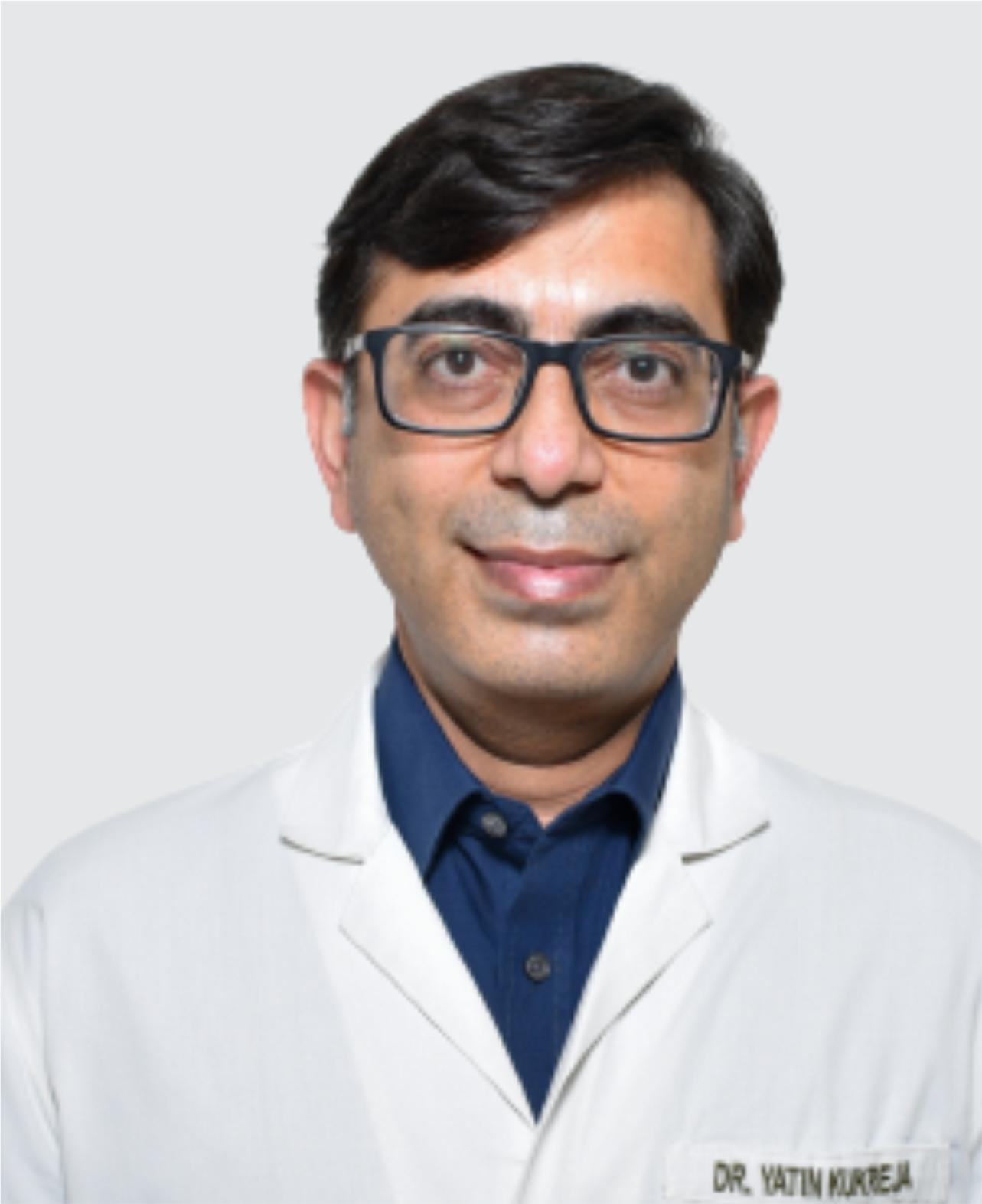
Director
Cardiology
New Delhi
14+ Years
Experience
Artemis Hospital
Hospital
1500
Fees

Senior Director – Orthopaedics & Head – Joint Reconstruction (Hip & Knee), Max Smart Super Speciality Hospital, Saket, New Delhi
Orthopedics & Joint Replacement
New Delhi
26+ Years
Experience
Max Hospital,Gurgaon
Hospital
1500
Fees

Vice Chairman, Cardiac Sciences, Cardiology, Interventional Cardiology, Cardiac Electrophysiology-Pacemaker & Director & HOD (Interventional Cardiology) at Max Super Speciality Hospital, Shalimar Bagh, Delhi
Interventional Cardiology
New Delhi
26+ Years
Experience
Max Hospital,Gurgaon
Hospital
1500
Fees
Get Personalized Medical Treatment Options From India's Top Hospitals. Our Medical Experts Are Ready To Assist You Every Step Of The Way.