
Liver Transplant Treatment in Bengaluru for UAE
Need Personalized Advice?
Our medical experts are ready to answer your questions and guide you through your treatment options.
About
Liver Transplant in Bengaluru for UAE Patients
Facing the need for a liver transplant can bring immense worry for UAE patients, often coupled with questions about accessing timely, high-quality care. The journey to recovery requires not just advanced medical intervention but also deep personal understanding and support. It's a critical decision that weighs heavily on both individuals and their families.
Many patients from the UAE explore options beyond their home country, seeking specialized medical centers known for complex procedures like liver transplantation. Bengaluru stands out as a preferred destination, recognized for its advanced healthcare infrastructure and a patient-centric approach that ensures smooth coordination from arrival to recovery.
The city of Bengaluru offers a robust medical ecosystem, home to some of India's leading hospitals and highly experienced liver transplant specialists. Patients benefit from comprehensive care pathways, state-of-the-art facilities, and dedicated teams focused on long-term outcomes. The emphasis here is on integrated care and ease of follow-up within the city.
Is Bengaluru the right choice for your liver transplant journey?
What Does a Liver Transplant Involve?
A liver transplant is a surgical procedure to remove a diseased or damaged liver and replace it with a healthy liver from a deceased or living donor. This life-saving operation is typically recommended for individuals with end-stage liver disease or acute liver failure, where the liver can no longer perform its essential functions. The goal is to restore normal liver function and improve the patient's quality of life.
What are the Different Kinds of Liver Transplants?
Deceased Donor Liver Transplant: This is the most common type, where a whole liver is taken from a deceased donor who has consented to organ donation. The liver is typically matched based on blood type and body size.
Living Donor Liver Transplant: In this procedure, a portion of a healthy liver is taken from a living donor, usually a relative or friend. Both the donor's liver and the transplanted segment in the recipient regenerate to nearly full size within a few months. This type often offers a shorter waiting time.
Split Liver Transplant: A liver from a deceased donor is divided into two parts and transplanted into two recipients, typically an adult and a child. This maximizes the use of available donor organs.
Auxiliary Liver Transplant: A rare procedure where only a part of a diseased liver is removed, and a portion of a healthy donor liver is implanted alongside the remaining native liver. This allows the native liver a chance to recover while the donor liver assists with function.
When is a Liver Transplant Needed?
- Cirrhosis due to chronic hepatitis B or C, alcohol abuse, or autoimmune diseases.
- Acute liver failure caused by drug overdose, viral infections, or sudden severe liver damage.
- Primary biliary cholangitis or primary sclerosing cholangitis, which are autoimmune diseases affecting bile ducts.
- Genetic diseases such as hemochromatosis or Wilson's disease that lead to liver damage.
- Liver cancer, specifically hepatocellular carcinoma, when it is small and has not spread beyond the liver.
- Biliary atresia in infants, a condition where bile ducts are blocked or absent.
How are Patients Evaluated for a Liver Transplant?
- Extensive blood tests to assess liver function, kidney function, blood clotting, and screen for infections.
- Imaging studies like ultrasound, CT scan, and MRI of the abdomen to evaluate the liver and surrounding organs.
- Cardiac evaluation including ECG and echocardiogram to ensure heart health.
- Pulmonary function tests to assess lung capacity and respiratory health.
- Nutritional assessment and dietary counseling to optimize health before surgery.
- Psychological evaluation to assess mental readiness and support systems for the patient and living donor.
How is a Liver Transplant Performed?
The specifics of a liver transplant procedure depend on whether it is a deceased donor or living donor transplant.
Deceased Donor Transplant Steps
Once a suitable donor liver becomes available, the recipient is called to the hospital. The diseased liver is surgically removed. The new, healthy liver is then carefully placed in the body, connecting blood vessels and bile ducts. This is a complex surgery taking several hours.
Living Donor Transplant Steps
Both the donor and recipient undergo surgery simultaneously. The donor has a portion of their healthy liver removed. Concurrently, the recipient's diseased liver is removed, and the donated liver segment is implanted. The donor's liver regenerates, and the transplanted segment grows within the recipient.
What is the Recovery Process Like After a Liver Transplant?
Recovery after a liver transplant is a long and multi-stage process. Patients typically spend several days to weeks in the intensive care unit followed by a general ward. Healing time involves managing pain, monitoring for complications, and initiating immunosuppressive medications to prevent organ rejection. Physical rehabilitation and dietary modifications are crucial. Regular follow-up appointments with the transplant team are vital for monitoring liver function and adjusting medications, ensuring a successful long-term outcome.
What are the Risks and Success Rates of a Liver Transplant?
- Risk of organ rejection, necessitating lifelong immunosuppressant medication.
- Infections due to immunosuppression, requiring vigilant monitoring and treatment.
- Bleeding during or after surgery, a common risk with major surgical procedures.
- Bile duct complications such as leakage or narrowing, sometimes requiring additional procedures.
- Recurrence of the original liver disease in the transplanted organ.
- Long-term side effects from medications, including kidney problems or high blood pressure.
Liver transplant success rates vary based on the patient's overall health, the underlying liver disease, and the quality of post-transplant care. Generally, one-year survival rates are high, often ranging from 85-90%, with five-year survival rates typically between 70-75%. Long-term outcomes are influenced by adherence to medication regimens, lifestyle choices, and consistent medical follow-up, emphasizing the importance of dedicated post-operative care.
What is the Cost of a Liver Transplant in Bengaluru?
The cost of a Liver Transplant in Bengaluru is influenced by several factors, including the type of transplant (deceased donor vs. living donor), the hospital chosen, the experience of the surgical team, the duration of hospital stay, and the need for any specialized pre or post-operative care. Diagnostic tests, medications, and rehabilitation also contribute to the overall expense.
A Liver Transplant in Bengaluru can range from approximately INR 20,00,000 to INR 35,00,000.
Liver Transplant Cost in Bengaluru Compared to Other Countries
Bengaluru offers a significant cost advantage for Liver Transplant procedures while maintaining high standards of medical care and technology. This makes it an attractive option for international patients seeking quality and affordability.
| Location | Estimated Cost (USD) |
|---|---|
| Bengaluru, India | $24,000 - $42,000 |
| USA | $500,000 - $800,000 |
| UK | $200,000 - $300,000 |
| Singapore | $150,000 - $250,000 |
Considering a Liver Transplant?
Connect with our expert team to understand your options, costs, and the seamless process of getting care in Bengaluru.
Comprehensive Support for Your Medical Journey in Bengaluru
- Assistance with medical visa applications and necessary travel documents.
- Arrangement of airport transfers and comfortable accommodation for patients and companions.
- Dedicated patient care managers to coordinate all appointments and hospital logistics.
- Language interpretation services to ensure clear communication with medical staff.
- Guidance on local amenities, dining, and cultural considerations for a comfortable stay.
- Post-treatment follow-up coordination and remote consultation options.
What Essential Documents Will You Need for Treatment?
- Valid passport and medical visa for India.
- All previous medical records, diagnostic reports, and physician referrals related to your liver condition.
- A detailed summary of your current health status from your referring doctor in the UAE.
- Proof of financial solvency to cover treatment costs and living expenses.
- Any insurance documents or guarantee letters if applicable.
- Identification and relationship proof for any accompanying family members, especially living donors.
Key Steps to Prepare Before Arriving for Your Procedure
- Undergo all recommended pre-transplant evaluations and tests in your home country.
- Ensure all required medical reports are translated into English and easily accessible.
- Discuss your travel plans and medical history thoroughly with your Bengaluru transplant team.
- Arrange for a companion to travel with you, especially if you are undergoing a living donor transplant.
- Plan for an extended stay, as recovery and follow-up can take several weeks to months.
- Understand the dietary and lifestyle modifications required before and after the transplant.
Important Aftercare and Follow-Up Instructions
- Strict adherence to the prescribed immunosuppressant medication schedule to prevent rejection.
- Regular blood tests and check-ups with the transplant team in Bengaluru during your recovery period.
- Following a carefully planned diet and exercise regimen recommended by your care team.
- Avoiding crowded places and contact with sick individuals to minimize infection risk.
- Maintaining open communication with your medical team for any concerns or changes in health.
- Planning for long-term follow-up care, which may include remote consultations once you return to the UAE.
Ready to Explore Liver Transplant Options in Bengaluru?
Our dedicated patient coordinators are here to guide UAE patients through every step, ensuring clarity and confidence.
Embark on Your Journey to Renewed Health Today
Choosing Bengaluru for a liver transplant means opting for a path of medical excellence and compassionate care. We are committed to supporting international patients from the UAE towards a healthier future.
Hospitals Offering this treatment
India offers premium medical procedures at affordable prices. Discover our most popular treatments, delivered by the country's finest doctors.

Al Zahra Hospital, Dubai
Sheikh Zayed Road, Al Barsha 1, Dubai, UAE
Al Zahra Hospital, Dubai

Burjeel Medical City, Abu Dhabi
28th Street, Mohammed Bin Zayed City, Abu Dhabi, UAE
Burjeel Medical City, Abu Dhabi

Burjeel Hospital, Dubai
Dubai, UAE (part of Burjeel Holdings network)
Burjeel Hospital, Dubai
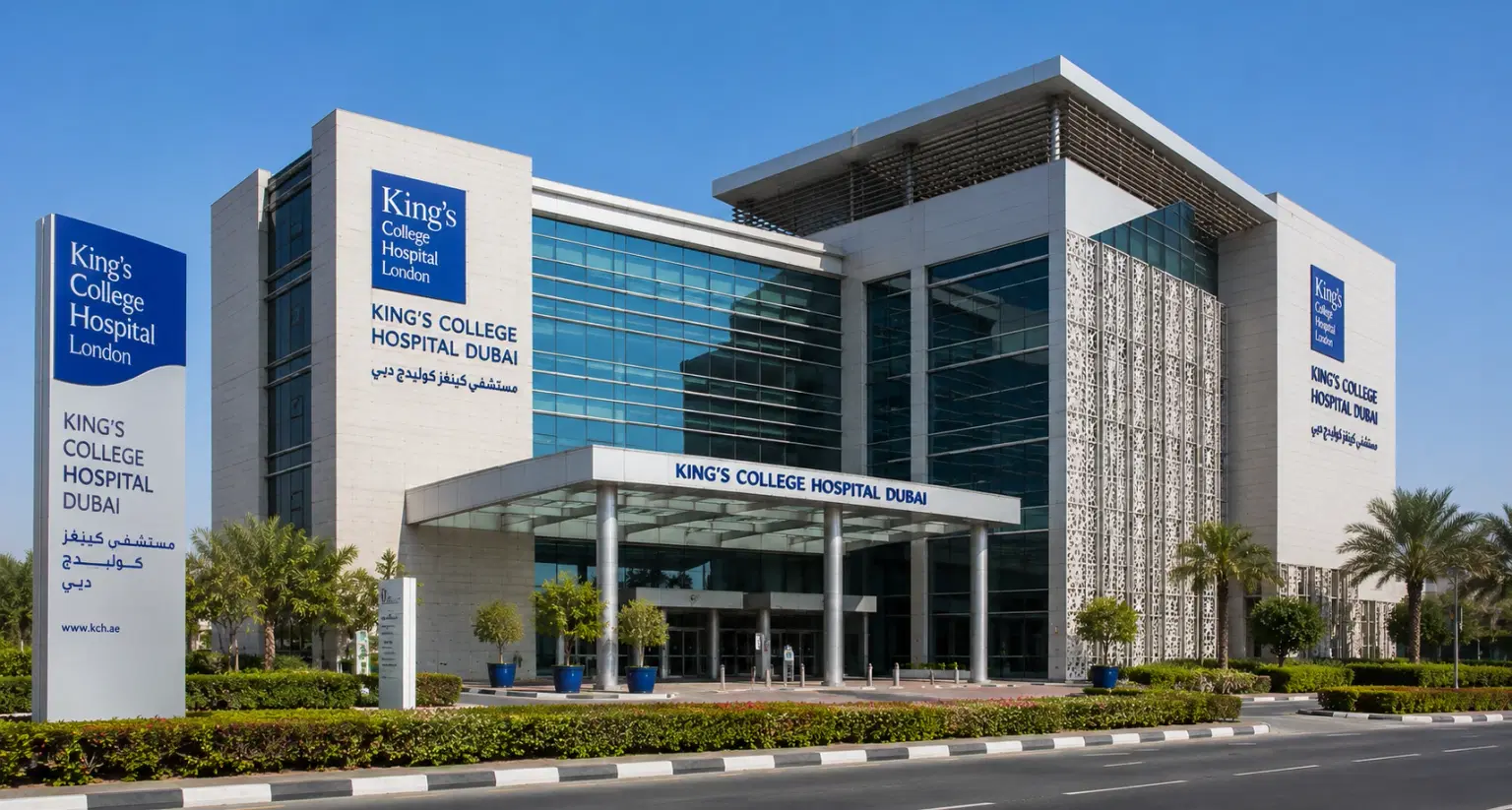
King's College Hospital, Dubai
Dubai Hills, Mohammed Bin Rashid City, Dubai, UAE
King's College Hospital, Dubai

Neuro Spinal Hospital (NSH), Dubai
Dubai Science Park, Umm Suqeim St, Al Barsha South, Dubai, UAE
Neuro Spinal Hospital (NSH), Dubai

HMS Al Garhoud Hospital, Dubai
Al Garhoud Street, Al Garhoud, Dubai, UAE
HMS Al Garhoud Hospital, Dubai
Meet Our Doctors
Meet our team of highly qualified and experienced medical professionals dedicated to providing the best healthcare services.

Dr. Deepa Goel
Head - Histopathology & Cytology Lab
Laboratory Services
New Delhi
21+ Years
Experience
Artemis Hospital
Hospital
1500
Fees

Dr. Devender Yadav
Senior Consultant - Orthopedics (Unit VI)
Orthopaedics
New Delhi
10+ Years
Experience
Artemis Hospital
Hospital
1500
Fees
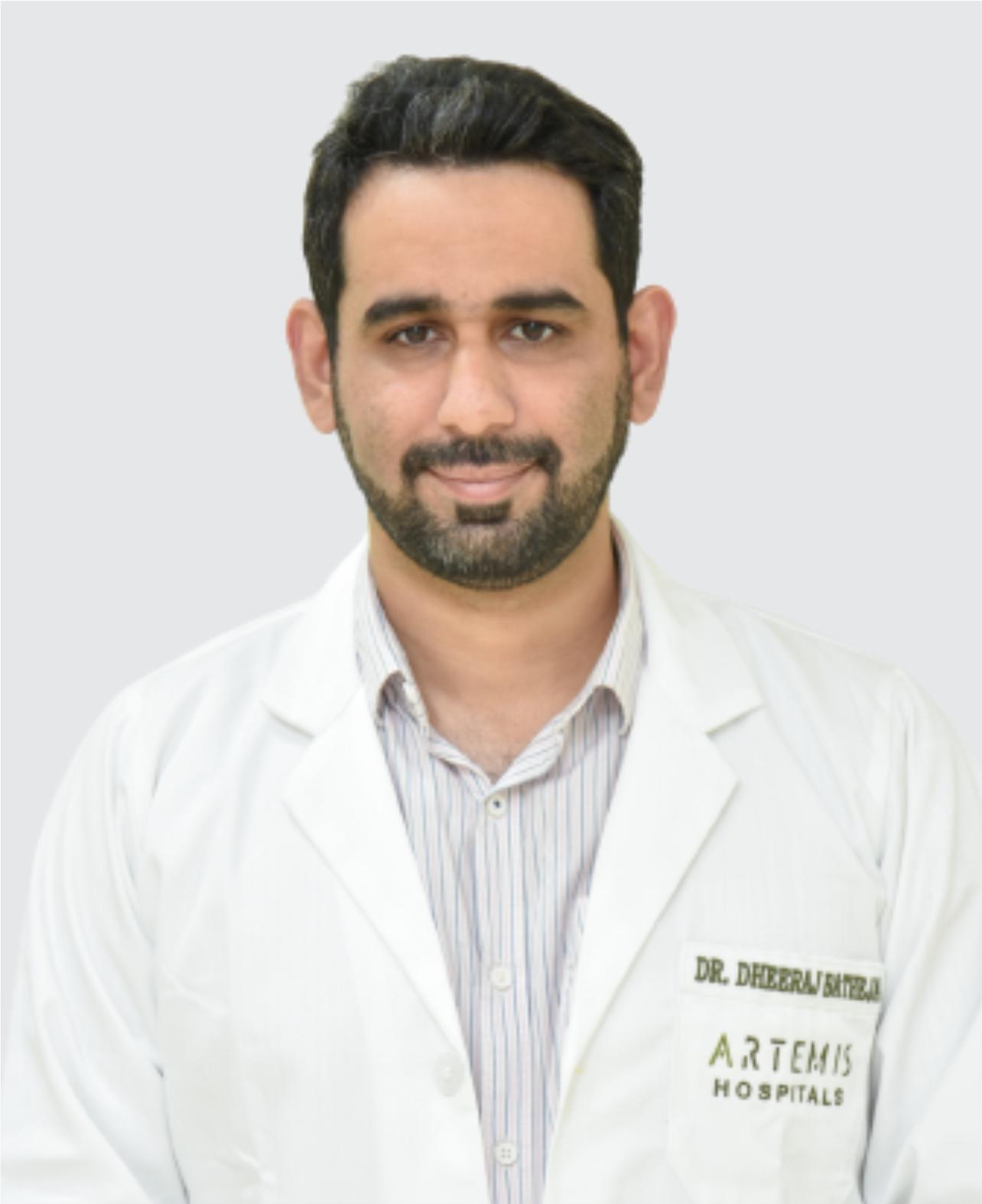
Dr. Dheeraj Batheja
Senior Consultant - Ortho Spine Surgery
Orthopaedic Surgery, Spine Surgery
New Delhi
12+ Years
Experience
Artemis Hospital
Hospital
1500
Fees

Dr. G. Arya Prakash
Head - Anesthesia for Liver transplant
Anaesthesia
New Delhi
16+ Years
Experience
Artemis Hospital
Hospital
1500
Fees
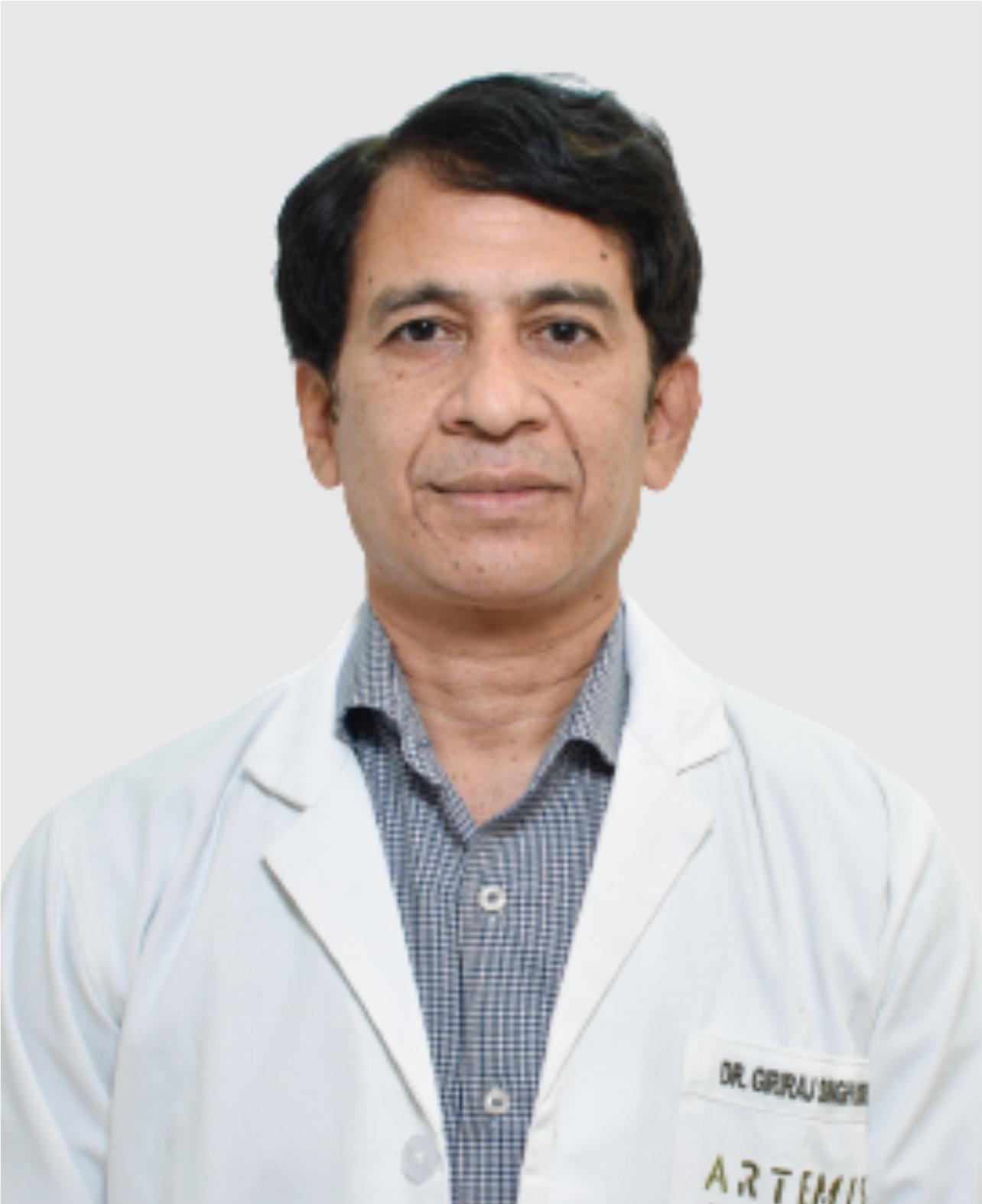
Dr. Giriraj Bora
Chief - Liver Transplant & Sr. Consultant - GI & HPB Surgery
Liver and Biliary Sciences, Organ Transplant
New Delhi
15+ Years
Experience
Artemis Hospital
Hospital
1500
Fees

Nandini Vasdev
Head Lab medicine – Head Histopathology & Cytology
Laboratory Services
New Delhi
24+ Years
Experience
Artemis Hospital
Hospital
1500
Fees
Dr. Subhash Chandra
Chairman - Interventional Cardiology - Cardiology & Structural Heart Disease
Cardiac Sciences, Cardiology, Interventional Cardiology, Cardiac Electrophysiology-Pacemaker
New Delhi
15+ Years
Experience
Max Hospital,Gurgaon
Hospital
1500
Fees

Dr. Rakhi Gupta
Senior Consultant - Paediatric Gastroenterology, Hepatology & Liver Transplant
Paediatric Gastroenterology, Hepatology & Liver Transplant
New Delhi
23+ Years
Experience
Apolo Delhi
Hospital
1500
Fees
Related Links
Recent Blogs
Other Treatment related Information
- Liver Transplant cost in Haryana
- Liver Transplant cost in Chennai
- Liver Transplant cost in Bengaluru
- Liver Transplant cost in Mumbai
- Liver Transplant cost in Hyderabad
- Liver Transplant cost in Pune
- Liver Transplant cost in India
- Liver Transplant cost in New Delhi
- Liver Transplant Success Rate in Hyderabad
- Liver Transplant Success Rate in New Delhi
- Liver Transplant Success Rate in Pune
- Liver Transplant Success Rate in Mumbai
- Liver Transplant Success Rate in Bengaluru
- Liver Transplant Success Rate in Haryana
- Liver Transplant Success Rate in India
Ready To Start Your Healing Journey?
Get Personalized Medical Treatment Options From India's Top Hospitals. Our Medical Experts Are Ready To Assist You Every Step Of The Way.