
Minimally Invasive Coronary Artery Bypass Surgery (MICS CABG) Treatment in Chennai for Bangladesh
Need Personalized Advice?
Our medical experts are ready to answer your questions and guide you through your treatment options.
Our medical experts are ready to answer your questions and guide you through your treatment options.
For patients in Bangladesh facing serious heart conditions, the prospect of needing Minimally Invasive Coronary Artery Bypass Surgery, or MICS CABG, can bring many questions. Concerns about surgical expertise, advanced medical facilities, and the overall cost often lead individuals to seek options beyond their home country. Understanding where to find superior care without overwhelming financial burden is a common worry.
Many from Bangladesh are now considering Chennai, India, as a leading destination for specialized cardiac procedures. This city has emerged as a hub for advanced cardiovascular care, offering a supportive environment tailored for international patients. The focus here is on integrated care pathways, ensuring a smooth transition from initial consultation to post-operative recovery, all within a renowned medical ecosystem.
Chennai's hospitals house some of the region's most experienced cardiac surgeons and medical teams, specializing in complex procedures like MICS CABG. Patients find reassurance in the city's commitment to cutting-edge technology and patient-centric services. The robust infrastructure ensures ease of follow-ups and comprehensive care, making Chennai a trusted choice for critical medical needs.
Chennai provides a reliable and advanced option for cardiac surgery.
Minimally Invasive Coronary Artery Bypass Surgery (MICS CABG) is a modern surgical technique designed to treat blocked coronary arteries. Unlike traditional open-heart surgery, which involves a large incision through the breastbone (sternum), MICS CABG is performed through small incisions between the ribs on the left side of the chest. This approach allows surgeons to bypass narrowed or blocked arteries using healthy blood vessels (grafts) taken from other parts of the body, restoring blood flow to the heart muscle. The procedure aims to alleviate symptoms such as chest pain and shortness of breath, improving heart function and overall quality of life for patients with coronary artery disease.
While MICS CABG itself is a specific technique, it contrasts with other forms of coronary artery bypass surgery. Understanding these differences helps patients appreciate the benefits of MICS:
The MICS CABG procedure is a highly specialized surgical technique tailored to individual patient needs and heart conditions, performed by expert cardiac surgical teams.
The patient is brought to the operating room, where they receive general anesthesia. Monitoring equipment is attached to track vital signs throughout the surgery. The surgical area on the chest is then sterilized.
Unlike traditional CABG, MICS CABG begins with small incisions, typically 2-4 inches long, made between the ribs on the left side of the chest. There is no need to cut through the breastbone. Specialized instruments are then inserted through these incisions to allow the surgeon access to the heart.
A healthy blood vessel, often an artery from inside the chest (internal mammary artery) or a vein from the leg, is carefully harvested. This graft is then connected to bypass the blocked coronary artery, creating a new pathway for blood to flow to the heart muscle. The surgery can be performed either on a beating heart (off-pump) or with the aid of a heart-lung machine (on-pump), depending on the surgeon's preference and the patient's condition.
Once the bypass grafts are securely in place and blood flow is confirmed, the incisions are carefully closed using sutures. Drains may be placed temporarily to remove any excess fluid. The patient is then transferred to the cardiac intensive care unit for close monitoring.
Recovery from MICS CABG is generally faster and less painful compared to traditional open-heart surgery due to the smaller incisions. Patients typically spend 3-5 days in the hospital, beginning with a stay in the Intensive Care Unit (ICU) for 1-2 days, followed by a transition to a regular ward. Post-operative care includes pain management, breathing exercises, and early mobilization to prevent complications. Most patients can return to light activities within 2-3 weeks and achieve full recovery, including resuming normal daily routines, within 4-6 weeks. Follow-up appointments with the cardiac surgeon and cardiologist are crucial to monitor healing and heart function, often involving medication adjustments and cardiac rehabilitation to strengthen the heart.
MICS CABG generally boasts high success rates, often exceeding 95% in terms of immediate surgical outcomes and significant improvement in symptoms for most patients. The long-term success largely depends on the individual's overall health, adherence to post-operative care, and lifestyle modifications. Factors such as the number and severity of blockages, presence of other medical conditions, and the expertise of the surgical team can influence specific outcomes. Many patients experience lasting relief from angina and an improved quality of life for 10-15 years or more after a successful MICS CABG.
The cost of Minimally Invasive Coronary Artery Bypass Surgery (MICS CABG) in Chennai can vary significantly based on several key factors. These include the choice of hospital (government vs. private, multi-specialty vs. boutique cardiac center), the specific cardiac specialist's fees and experience, the technology and equipment utilized during the procedure, the type of bypass grafts needed, and the duration of the hospital stay, including any time spent in intensive care. Additional expenses for pre-operative diagnostics, post-operative medications, and rehabilitation can also influence the final bill.
For Bangladeshi patients, the estimated cost range for MICS CABG in Chennai typically falls between INR 3,80,000 to INR 6,50,000.
Connect with leading Chennai hospitals and cardiac specialists for a personalized treatment plan and transparent cost estimates.
Chennai offers a distinct advantage in terms of cost-effectiveness for MICS CABG without compromising on the quality of medical care. Below is a comparison of average MICS CABG costs in Chennai versus other major medical tourism destinations.
| Location | Average Cost (USD) |
|---|---|
| Chennai, India | $5,000 - $8,500 |
| Thailand | $12,000 - $18,000 |
| Singapore | $25,000 - $40,000 |
| Malaysia | $10,000 - $15,000 |
| Turkey | $9,000 - $14,000 |
Taking the step towards MICS CABG in Chennai can offer a promising path to improved heart health and a better quality of life.
Reach out today for a free consultation and personalized guidance on MICS CABG treatment tailored for patients from Bangladesh.
India offers premium medical procedures at affordable prices. Discover our most popular treatments, delivered by the country's finest doctors.

Sector 51, Gurugram, Haryana, India
Artemis Hospital
Meet our team of highly qualified and experienced medical professionals dedicated to providing the best healthcare services.

Sr. Consultant - Urology & Kidney Transplant Program (Unit I)
Organ Transplant, Urology
New Delhi
8+ Years
Experience
Artemis Hospital
Hospital
1500
Fees

Sr. Consultant
Internal Medicine
New Delhi
12+ Years
Experience
Artemis Hospital
Hospital
1500
Fees

Chief and Unit Head - Orthopaedics (Unit III)
Orthopaedic Surgery, Orthopaedics, Robotic Surgery
New Delhi
20+ Years
Experience
Artemis Hospital
Hospital
1500
Fees

Chairperson, Adult Cardiac Surgery & Heart - Lung Transplant
Cardio Thoracic and Vascular Surgery, Vascular Surgery
New Delhi
34+ Years
Experience
Artemis Hospital
Hospital
1500
Fees
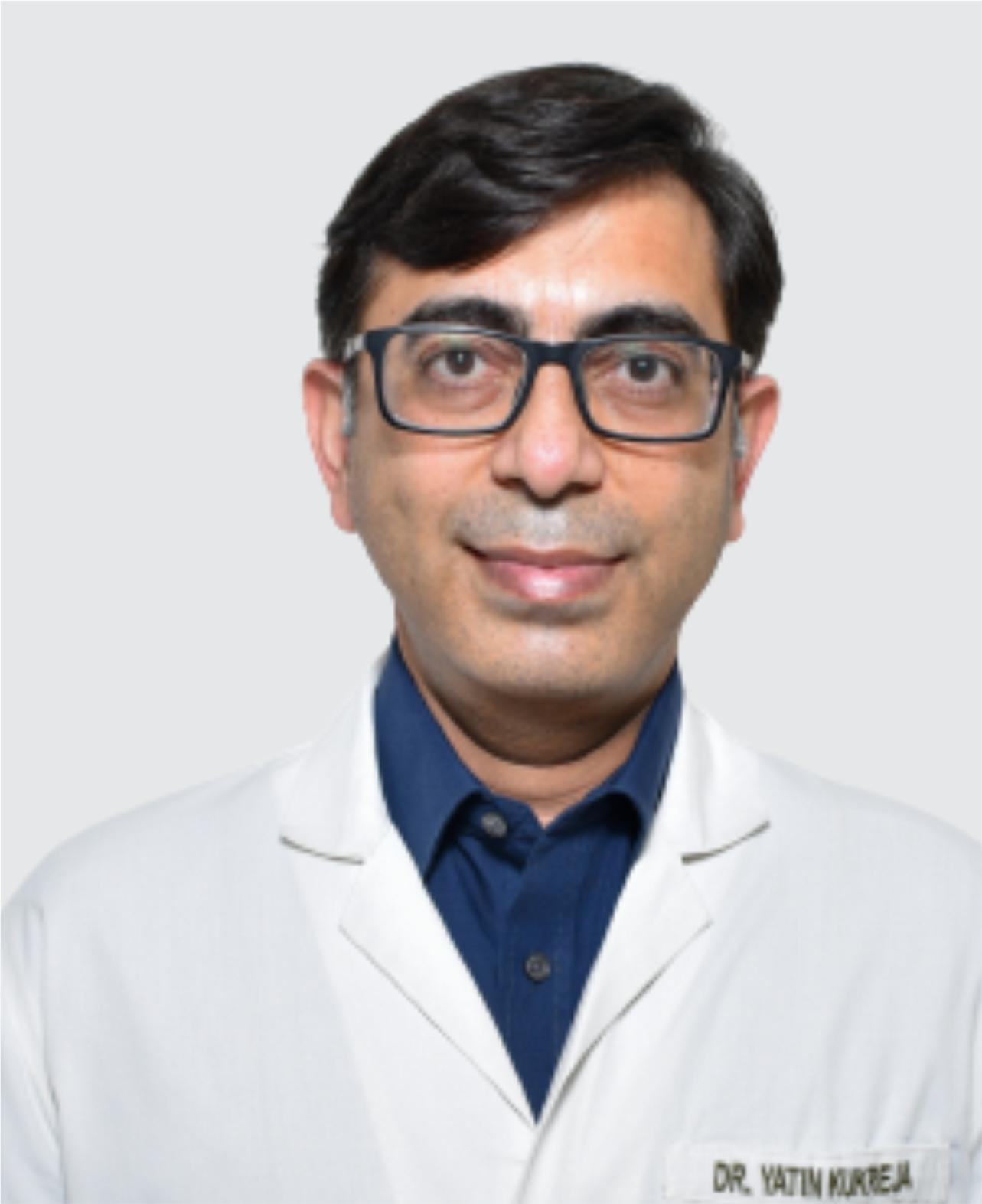
Director
Cardiology
New Delhi
14+ Years
Experience
Artemis Hospital
Hospital
1500
Fees

Vice Chairman, Cardiac Sciences, Cardiology, Interventional Cardiology, Cardiac Electrophysiology-Pacemaker & Director & HOD (Interventional Cardiology) at Max Super Speciality Hospital, Shalimar Bagh, Delhi
Interventional Cardiology
New Delhi
26+ Years
Experience
Max Hospital,Gurgaon
Hospital
1500
Fees
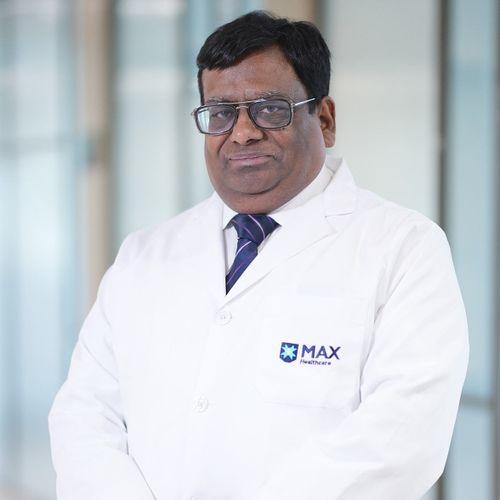
Director - CTVS
Cardiac Surgery
New Delhi
27+ Years
Experience
Apolo Delhi
Hospital
1500
Fees

Associate Director - CTVS (Cardiothoracic and Vascular Surgery)
Cardiothoracic and Vascular Surgery
New Delhi
26+ Years
Experience
Apolo Delhi
Hospital
1500
Fees

Associate Director
Cardiac Surgery
New Delhi
24+ Years
Experience
Apolo Delhi
Hospital
1500
Fees
Senior Consultant, Cardiac Surgery
Cardiac Surgery
New Delhi
18+ Years
Experience
Apolo Delhi
Hospital
1500
Fees
Get Personalized Medical Treatment Options From India's Top Hospitals. Our Medical Experts Are Ready To Assist You Every Step Of The Way.