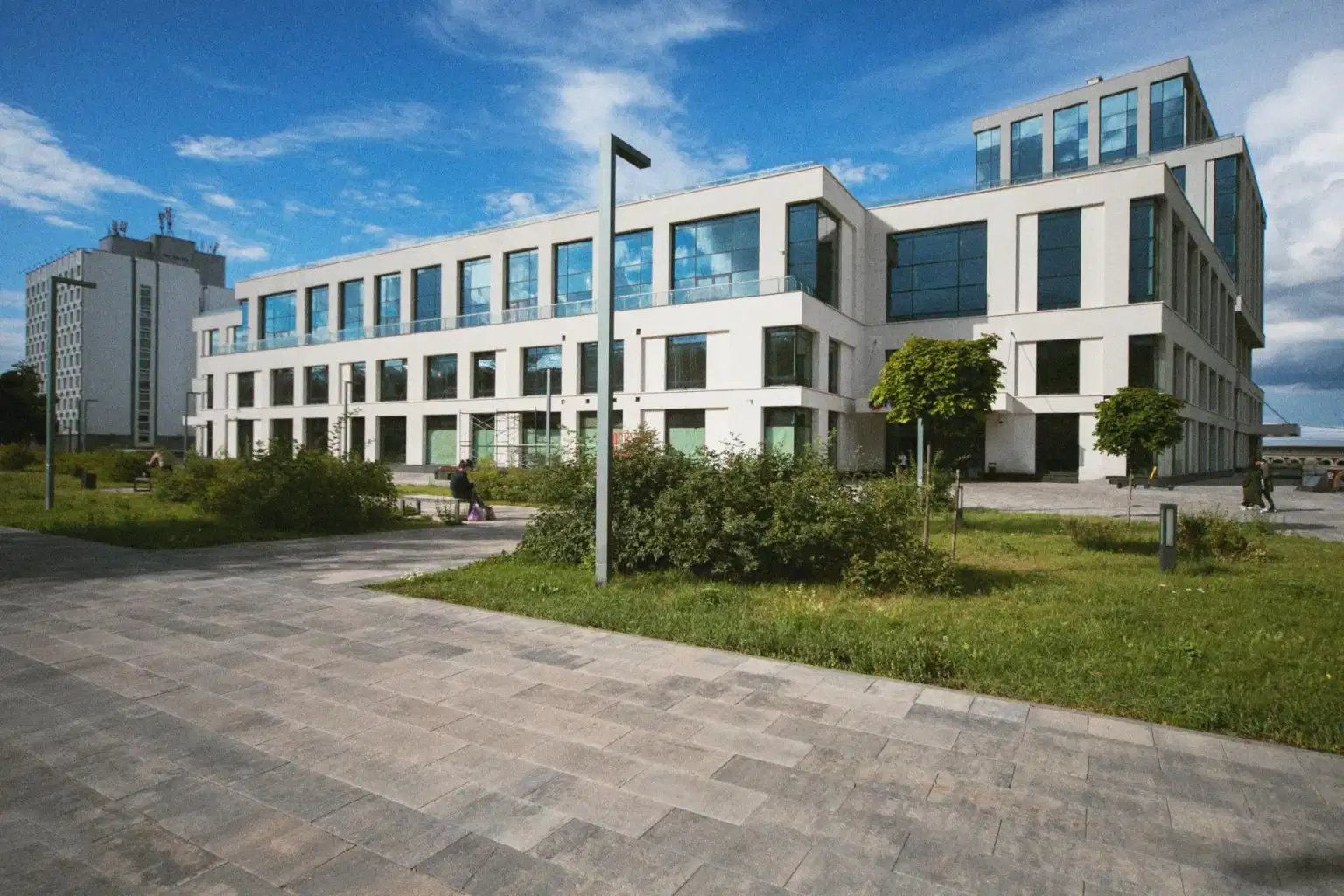
Orthopedics Treatment in New Delhi for Ethiopia
Need Personalized Advice?
Our medical experts are ready to answer your questions and guide you through your treatment options.
About
Orthopedic Treatment in New Delhi for Ethiopian Patients
Ethiopian patients often face significant challenges seeking advanced orthopedic care locally, leading to questions about complex procedures, recovery, and finding trusted specialists abroad. Navigating these choices while ensuring quality and affordability can feel overwhelming and uncertain.
Many therefore consider New Delhi, a renowned medical hub, for its accessible, high-standard orthopedic services. The city offers a clear path to advanced care, supported by modern infrastructure and a commitment to international patient needs.
New Delhi’s hospitals are known for world-class orthopedic departments and experienced specialists. Patients can expect integrated care, from initial consultation to comprehensive follow-ups, ensuring a smooth treatment journey within the city.
Is New Delhi the ideal destination for your orthopedic treatment?
What is Orthopedic Treatment?
Orthopedic treatment focuses on conditions affecting the musculoskeletal system. This includes bones, joints, ligaments, tendons, muscles, and nerves. The goal is to diagnose, treat, and prevent disorders, injuries, and diseases, helping patients regain movement and reduce pain. Treatment options range from non-surgical methods like medication and physical therapy to various surgical procedures, addressing conditions from fractures to complex joint diseases.
Types of Orthopedic Treatments Available
Joint Replacement Surgery
Procedures such as total knee replacement, hip replacement, and shoulder replacement for severe arthritis or joint damage.
Spine Surgery
Treatments for disc herniation, spinal stenosis, scoliosis, and other back conditions, including minimally invasive techniques.
Arthroscopy
A minimally invasive surgical method used to diagnose and treat joint problems, commonly for knees, shoulders, and hips.
Fracture Care and Trauma Surgery
Management of bone fractures and complex orthopedic injuries resulting from accidents or trauma.
Sports Medicine
Treatment and rehabilitation for injuries related to athletic activities, such as ligament tears, tendonitis, and sprains.
Pediatric Orthopedics
Specialized care for musculoskeletal conditions in children, including congenital deformities and growth plate injuries.
When is Orthopedic Treatment Required?
- Persistent joint pain or stiffness, especially in knees, hips, or shoulders.
- Limited range of motion in a joint that affects daily activities.
- Acute or chronic back and neck pain that does not respond to conservative treatments.
- Fractures or dislocations resulting from injury or trauma.
- Ligament or tendon tears, common in sports injuries.
- Deformities or congenital conditions affecting bones and joints.
- Nerve compression syndromes, such as carpal tunnel syndrome or sciatica.
- Swelling, bruising, or inability to bear weight after an injury.
Pre-Treatment Evaluation Process
- Detailed physical examination to assess range of motion, strength, and pain points.
- Imaging studies such as X-rays, MRI scans, and CT scans to visualize bone and soft tissue structures.
- Blood tests to check for inflammation, infection, or other systemic conditions that might affect treatment.
- Neurological assessments, if nerve involvement is suspected, to evaluate sensation and motor function.
- Review of past medical history, including any previous orthopedic issues or surgeries.
How Orthopedic Treatment is Performed
The specific orthopedic procedure depends entirely on your condition, its severity, and the chosen treatment plan after comprehensive evaluation.
Surgical Interventions
For conditions requiring surgery, the process involves anesthesia, followed by the surgical repair or replacement of affected bones, joints, or soft tissues. This can include open surgery or minimally invasive techniques like arthroscopy, using small incisions and specialized instruments.
Non-Surgical Treatments
Many orthopedic conditions can be managed without surgery. These methods include physical therapy and rehabilitation to strengthen muscles and improve flexibility, medications to reduce pain and inflammation, injections (such as corticosteroids or hyaluronic acid) to manage joint pain, and assistive devices like braces or splints.
Post-Procedure Care
Following any orthopedic treatment, a structured recovery plan is crucial. This often involves pain management, wound care, and an individualized rehabilitation program to restore function and mobility.
Recovery Process After Orthopedic Treatment
Recovery from orthopedic treatment varies greatly based on the procedure. For surgical interventions, initial recovery typically involves pain management, rest, and restricted movement for several weeks. Physical therapy is almost always a critical component, helping to restore strength, flexibility, and range of motion. Full recovery can take anywhere from a few months to a year, requiring consistent adherence to rehabilitation exercises, follow-up appointments, and gradual return to daily activities. Non-surgical treatments often involve ongoing therapy and lifestyle modifications.
Potential Risks and Expected Success Rates
- Infection at the surgical site or within the joint.
- Blood clots (deep vein thrombosis) or pulmonary embolism.
- Nerve damage, leading to numbness, weakness, or altered sensation.
- Anesthetic complications, which are rare but possible.
- Implant loosening or wear over time, especially in joint replacements.
- Continued pain, stiffness, or limited function in some cases.
- Allergic reactions to medications or materials.
The success rate for orthopedic treatments in New Delhi is generally high, especially for common procedures like joint replacements, often exceeding 90% for pain relief and improved function. Outcomes can vary based on the specific condition, patient’s overall health, adherence to post-treatment care, and the surgeon's expertise. Long-term expectations typically involve significant improvement in quality of life, reduced pain, and enhanced mobility.
Cost of Orthopedic Treatment in New Delhi
The cost of orthopedic treatment in New Delhi can vary significantly based on several factors. These include the complexity of the procedure, the specific hospital chosen, the experience of the orthopedic specialist, the type of implants or technology used, and the duration of hospital stay and rehabilitation required.
For instance, a major orthopedic surgery like a total knee replacement in New Delhi typically ranges from 4,00,000 INR to 8,00,000 INR, depending on the factors mentioned.
New Delhi Orthopedic Treatment Cost Comparison
New Delhi offers highly competitive pricing for world-class orthopedic care compared to many Western countries, making it an attractive option for international patients seeking quality and affordability.
| Procedure Example | New Delhi (INR) | USA (USD) | UK (GBP) | Singapore (SGD) |
|---|---|---|---|---|
| Total Knee Replacement | 4,00,000 - 8,00,000 | 20,000 - 40,000 | 15,000 - 30,000 | 18,000 - 35,000 |
| Hip Replacement Surgery | 4,50,000 - 8,50,000 | 22,000 - 42,000 | 16,000 - 32,000 | 20,000 - 38,000 |
| Spine Fusion Surgery | 6,00,000 - 12,00,000 | 30,000 - 60,000 | 25,000 - 50,000 | 35,000 - 70,000 |
| Arthroscopy (Knee/Shoulder) | 1,50,000 - 3,50,000 | 8,000 - 15,000 | 6,000 - 12,000 | 7,000 - 14,000 |
Comprehensive Support Services for Your Medical Journey
- Assistance with medical visa applications and necessary travel documents.
- Coordination of airport transfers and comfortable local accommodation.
- Scheduling of all appointments, from initial consultations to follow-up visits.
- Dedicated interpreter services to ensure clear communication with medical staff.
- Guidance for local transportation and logistical support throughout your stay.
- Arrangement of post-treatment recovery and rehabilitation services.
Important Papers Required for Your Visit
- A valid passport with at least six months validity.
- A valid medical visa for India (or e-visa confirmation).
- Copies of all relevant medical records, reports, and imaging scans (X-rays, MRI, CT).
- Referral letters from your primary care physician, if available.
- A list of all current medications, including dosages.
- Contact information for your emergency contacts.
Steps to Get Ready for Your Orthopedic Procedure
- Follow any dietary restrictions advised by your doctor, especially before surgery.
- Stop certain medications, such as blood thinners, as instructed by your medical team.
- Arrange for a companion to travel with you, if possible, for support during your stay.
- Ensure all necessary documents are organized and easily accessible.
- Complete any pre-operative tests or evaluations required before arrival in New Delhi.
- Discuss any concerns or questions you have with your care coordinator.
Aftercare Instructions and Recovery Guidance
- Adhere strictly to prescribed pain management protocols.
- Participate actively in all recommended physical therapy and rehabilitation sessions.
- Follow all wound care instructions carefully to prevent infection.
- Avoid heavy lifting or strenuous activities as advised by your surgeon.
- Attend all scheduled follow-up appointments with your orthopedic specialist.
- Monitor for any signs of complications and report them to your medical team promptly.
Begin Your Path to Enhanced Mobility and Wellness
Considering orthopedic treatment in New Delhi connects you with expert care and advanced facilities designed for your recovery.
Hospitals Offering this treatment
India offers premium medical procedures at affordable prices. Discover our most popular treatments, delivered by the country's finest doctors.
Meet Our Doctors
Meet our team of highly qualified and experienced medical professionals dedicated to providing the best healthcare services.
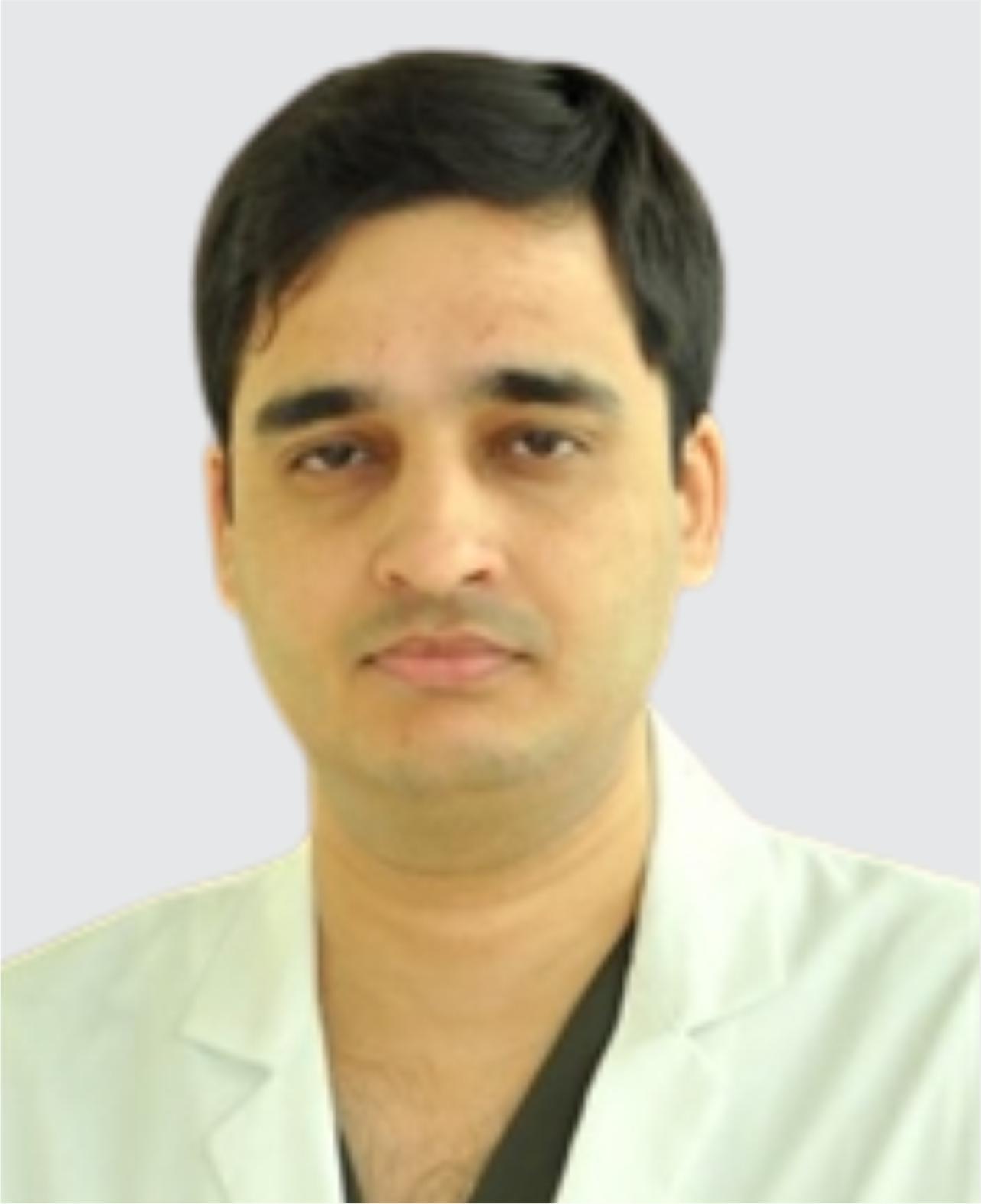
Dr. Amit Kalsotra
Sr. Consultant - Anaesthesia, Critical Care & Pain Management
Anaesthesia, Critical Care, Pain Management
New Delhi
15+ Years
Experience
Artemis Hospital
Hospital
1500
Fees
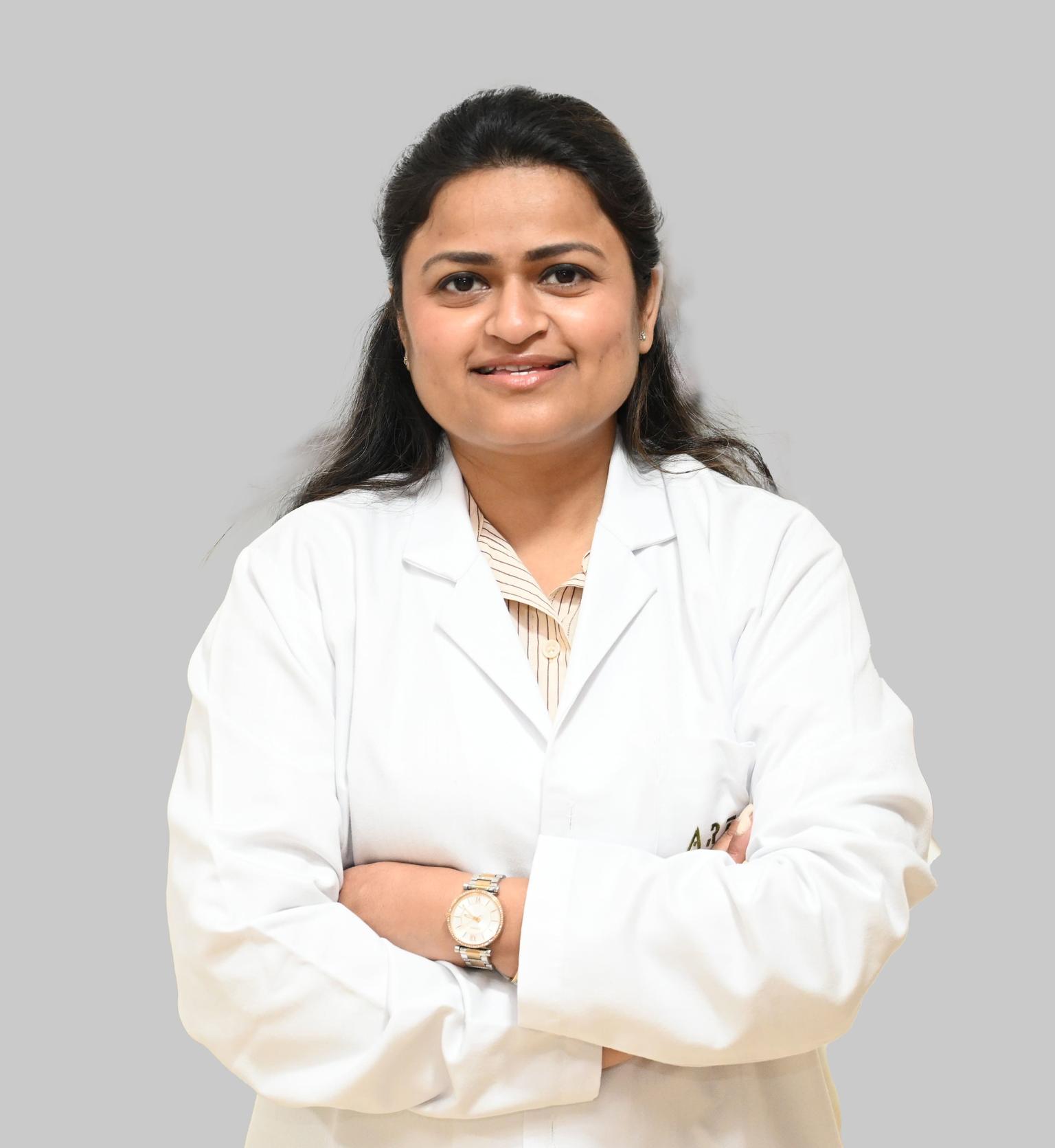
Dr. Anjali Vaish
Consultant - Physiotherapy and Rehabilitation Centre
Physiotherapy and Rehabilitation Centre
New Delhi
10+ Years
Experience
Artemis Hospital
Hospital
1500
Fees
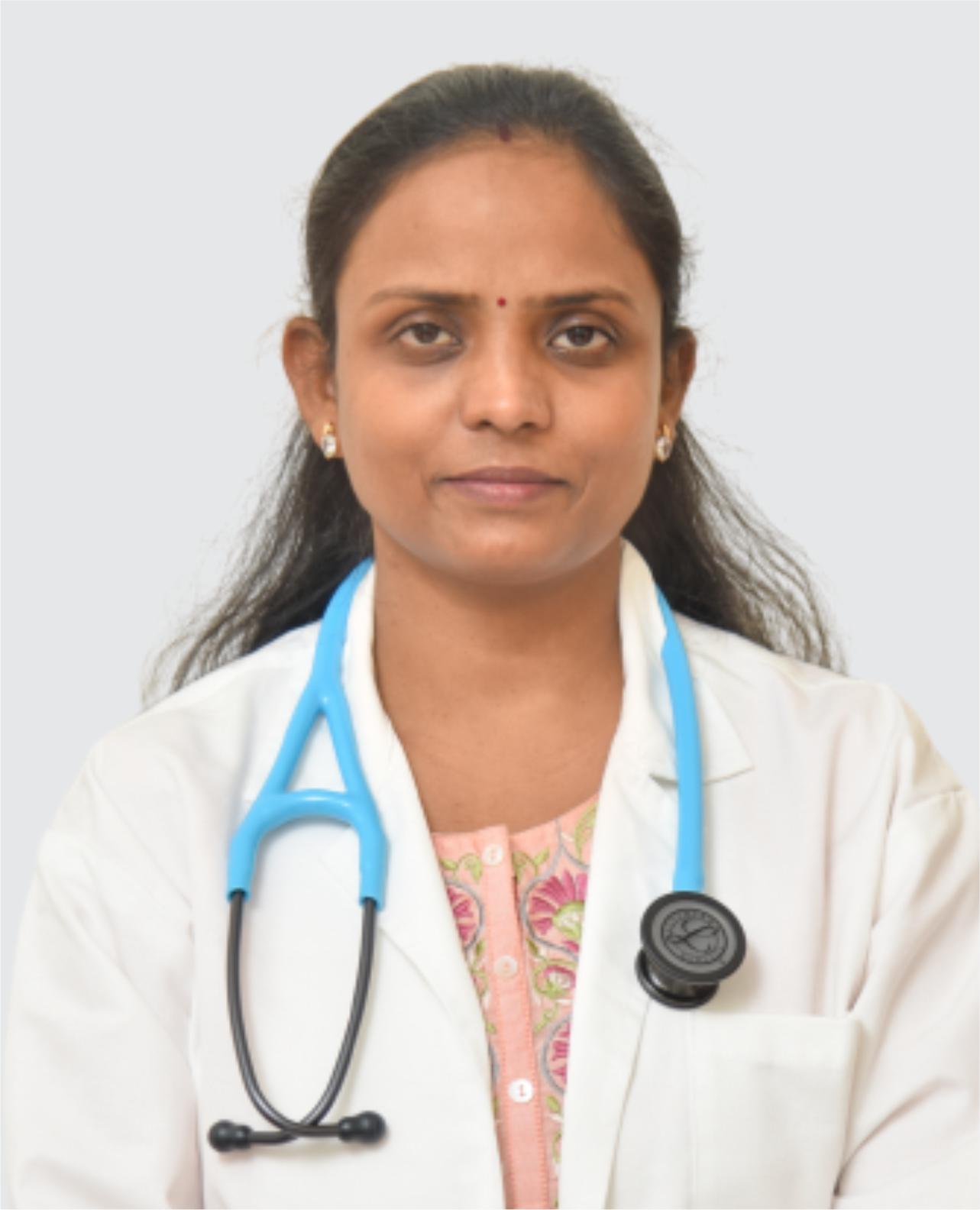
Dr. Anju Singh
Consultant - Pediatric Rheumatology
Pediatric Rheumatology
New Delhi
13+ Years
Experience
Artemis Hospital
Hospital
1500
Fees
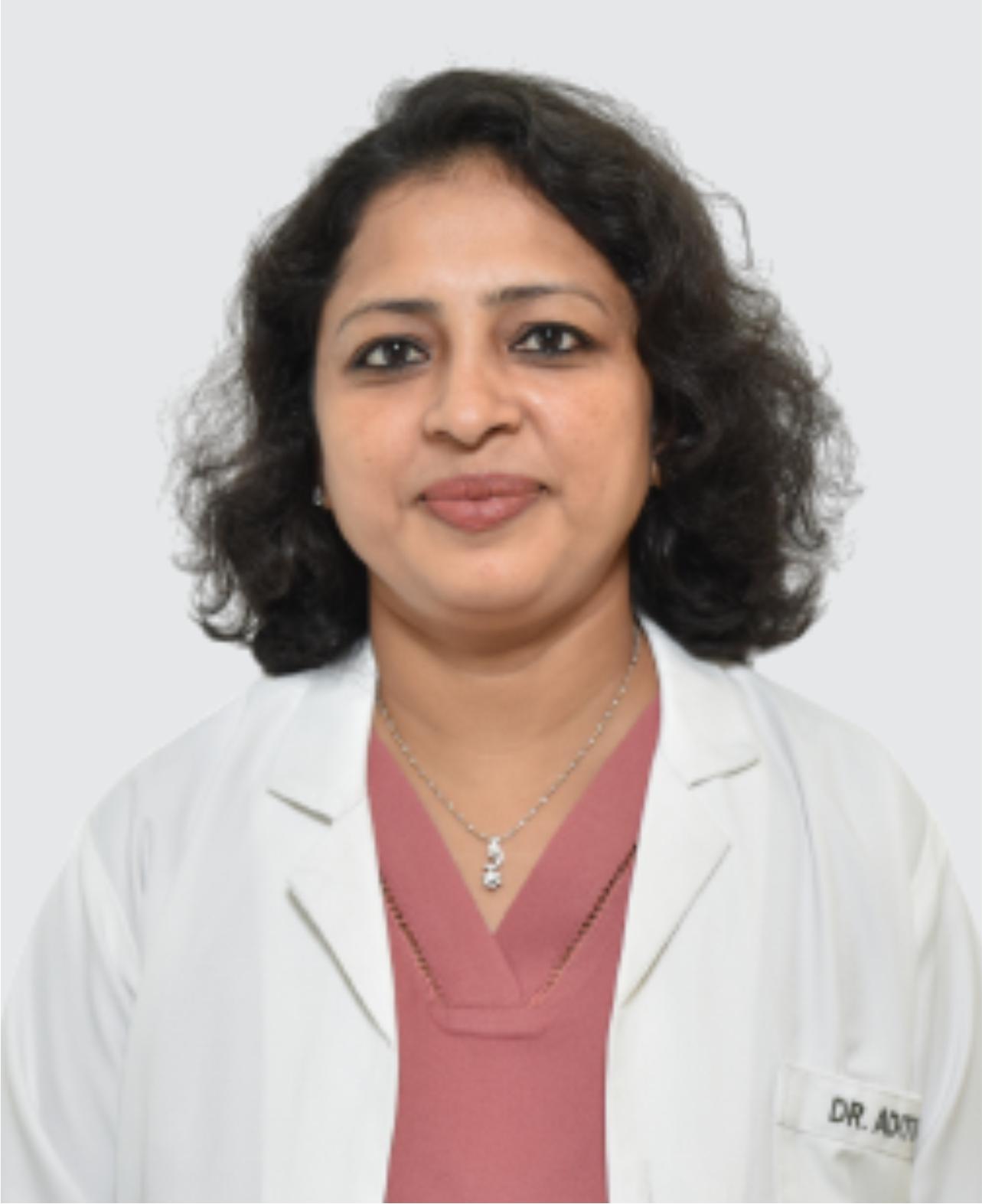
Dr Aditi Dixit
Sr. Consultant – Women Imaging
Radiology
New Delhi
15+ Years
Experience
Artemis Hospital
Hospital
1500
Fees
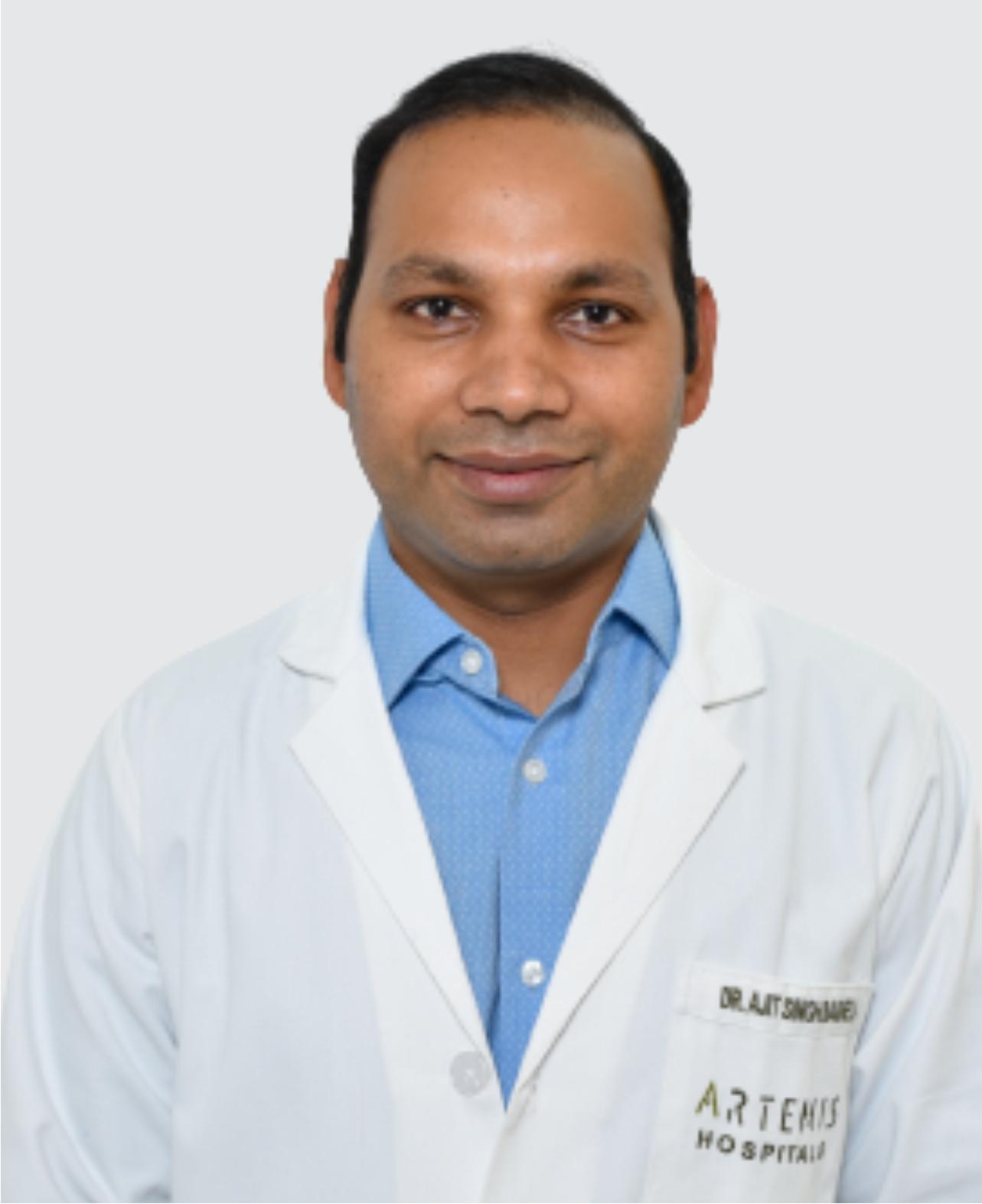
Dr. Ajit Singh Baghela
Sr. Consultant - Paediatric Neurology
Paediatric Neurology
New Delhi
9+ Years
Experience
Artemis Hospital
Hospital
1500
Fees

Dr. (Brig.) Anil Khetarpal
Deputy Chief - Medical Services & Chairperson -Department of Blood Centre and Transfusion medicine
Blood Centre & Transfusion Medicine
New Delhi
33+ Years
Experience
Artemis Hospital
Hospital
1500
Fees
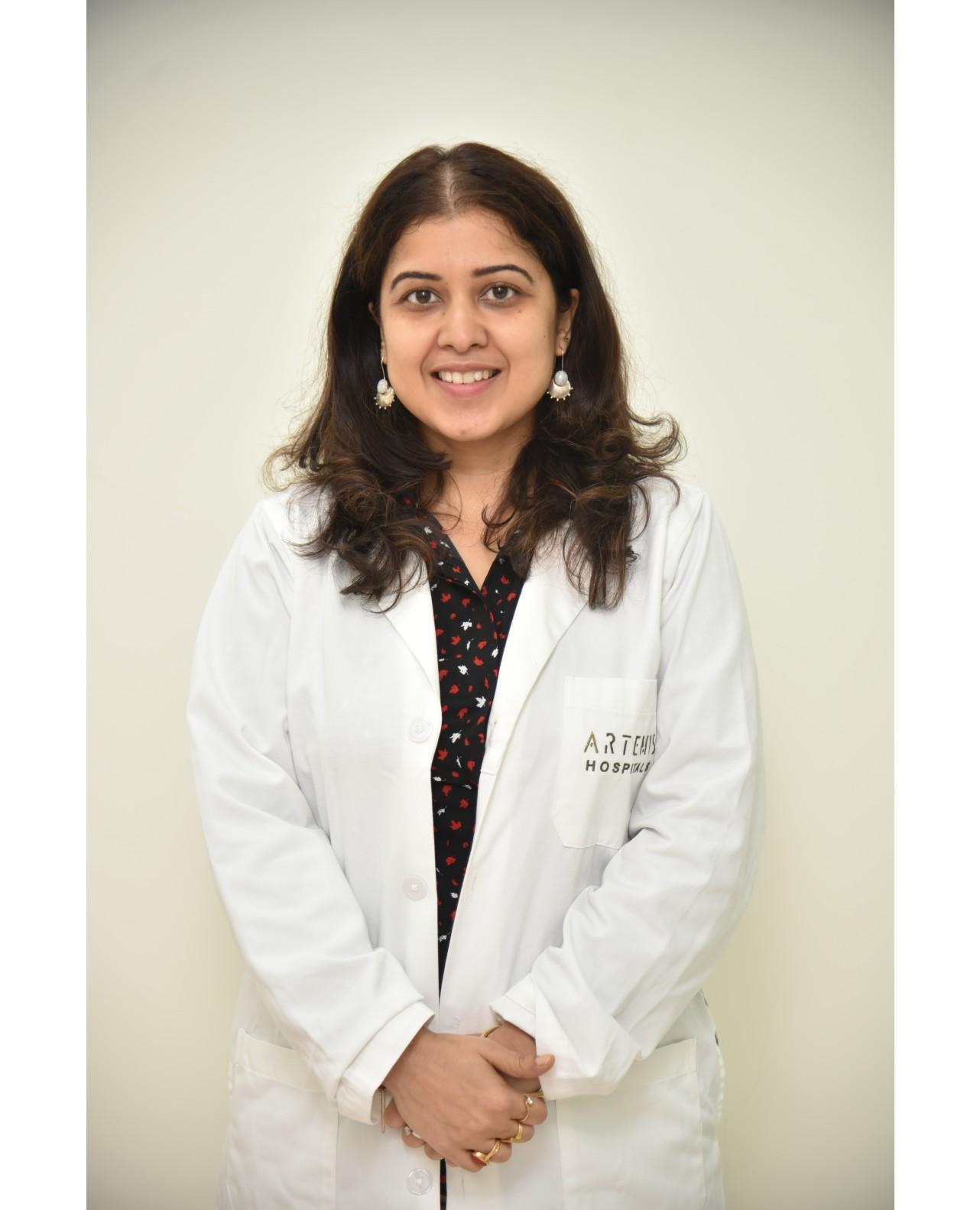
Dr Chandrima Misra M
Co-Head Psychological Services
Mental Health and Behavioural Sciences
New Delhi
15+ Years
Experience
Artemis Hospital
Hospital
1500
Fees
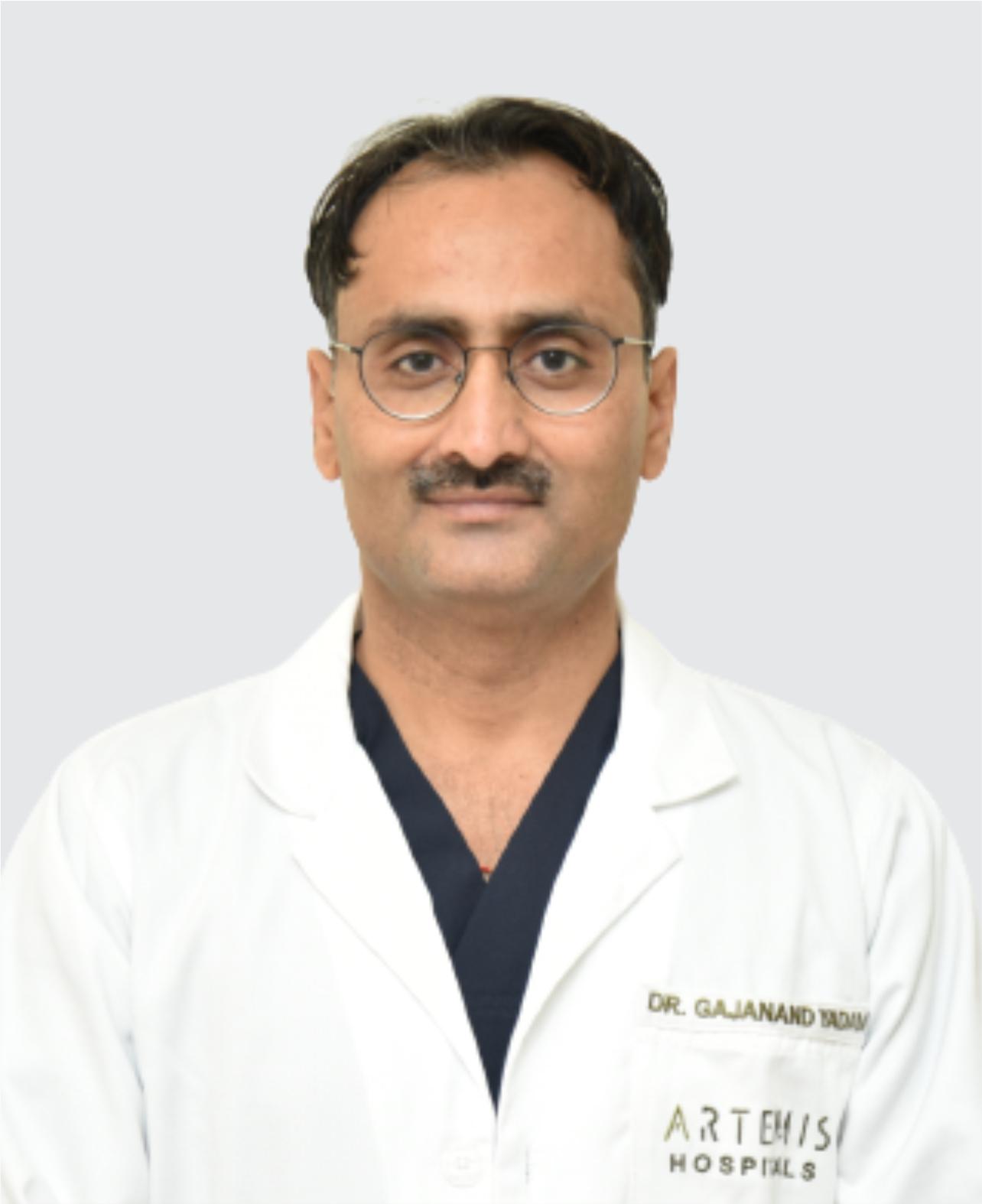
Dr. Gajanand Yadav
Consultant - Orthopaedics and Hip and Knee Arthroplasty
Orthopaedics, Hip and Knee Arthroplasty, Joint Replacement, Sports Medicine
New Delhi
12+ Years
Experience
Artemis Hospital
Hospital
1500
Fees
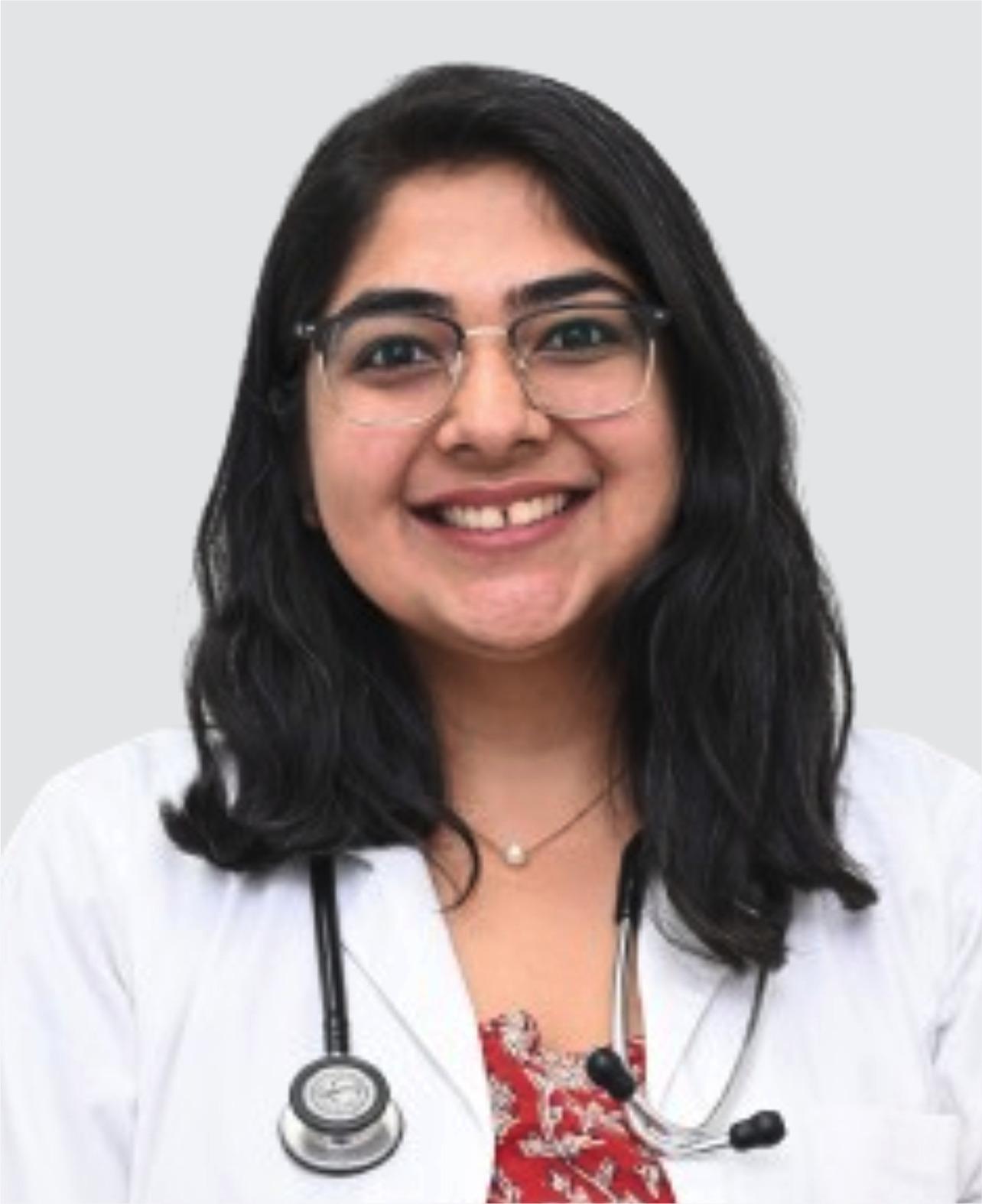
Dr. Meenal Thakral
Attending Consultant – Geriatric Medicine
Geriatric Medicine, Geriatric Surgery
New Delhi
3+ Years
Experience
Artemis Hospital
Hospital
1500
Fees
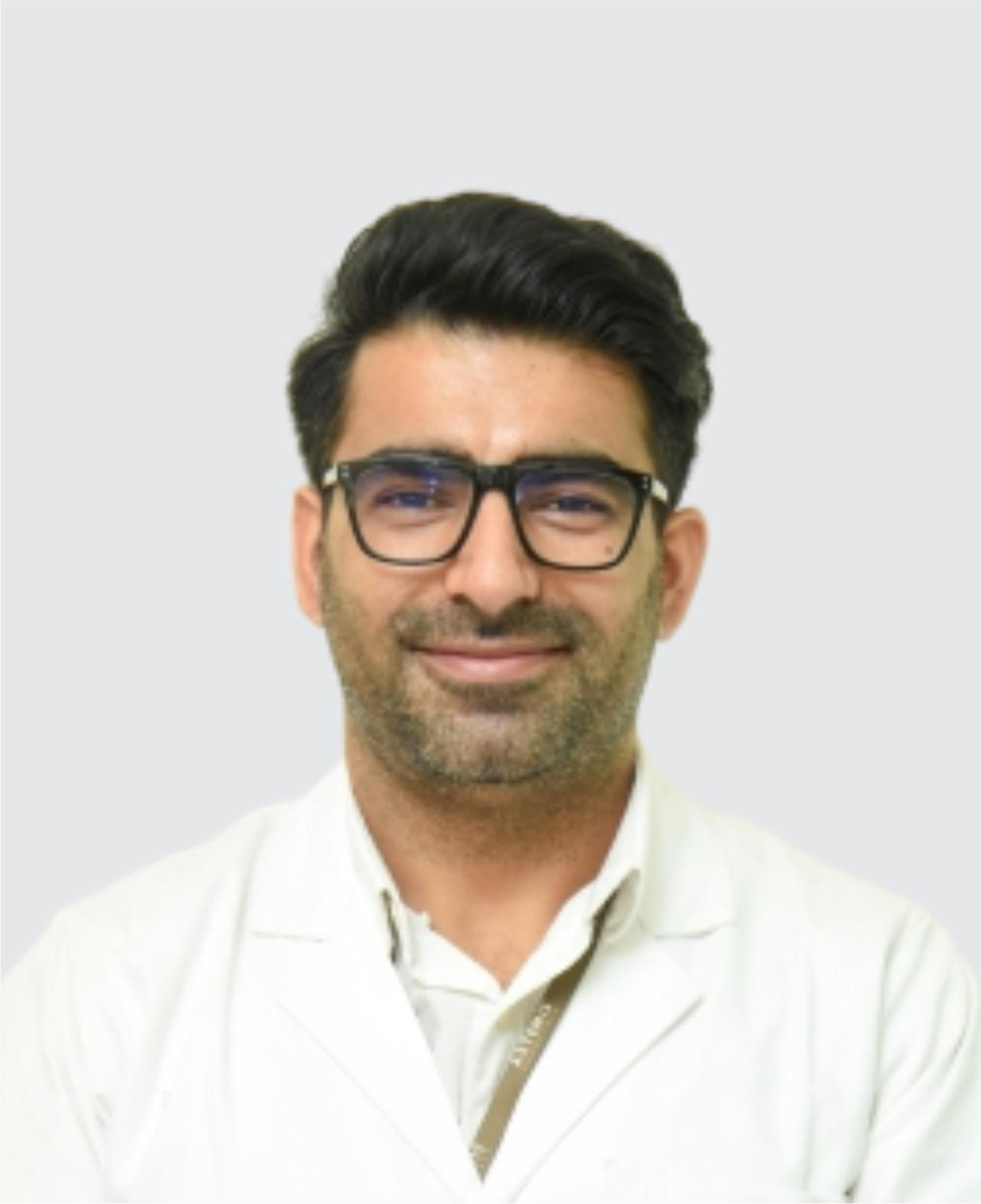
Dr. Mohammad Irfan Banday
Consultant
Orthopaedic Surgery
New Delhi
10+ Years
Experience
Artemis Hospital
Hospital
1500
Fees
Related Links
Recent Blogs
- How DivinHeal Helps You Find the Best Hospital in India
- Limb Lengthening Surgery: India vs USA, Turkey & Europe
- Best Orthopedics Doctors in India for Nigerian Patients
- Best Orthopedics Hospitals in India for Nigerian Patients
- Travel, Stay & Food Tips for Medical Tourists in India
- Ethiopia to India Medical Travel Guide for Patients | DivinHeal
- Top 10 Orthopedic Hospitals in Bangalore (2026 Guide)
- Top Spine Surgeons in India for International Patients
- Limb Lengthening Surgery Cost in India (₹5L–₹10L) Explained
- Chiropractic Treatment Cost in India for Omani Patients
Other Treatment related Information
Ready To Start Your Healing Journey?
Get Personalized Medical Treatment Options From India's Top Hospitals. Our Medical Experts Are Ready To Assist You Every Step Of The Way.