
Pediatric Laparoscopic Surgery Treatment in Chennai for Nigeria
ግላዊ ምክር ይፈልጋሉ?
የእኛ የህክምና ባለሙያዎች ጥያቄዎችዎን ለመመለስ እና የህክምና አማራጮችዎን እንዲያውቁ ለመምራት ዝግጁ ናቸው።
የእኛ የህክምና ባለሙያዎች ጥያቄዎችዎን ለመመለስ እና የህክምና አማራጮችዎን እንዲያውቁ ለመምራት ዝግጁ ናቸው።
For Nigerian parents, finding the right specialized care for a child's surgical needs can be a significant concern. When traditional open surgery might mean longer recovery times and more discomfort for young ones, exploring less invasive options becomes a priority. Understanding the best path for your child's health is paramount.
Chennai, India, has emerged as a preferred destination for advanced pediatric medical care, especially for families from Nigeria. Many choose Chennai not only for its world-class medical facilities but also for the specialized expertise available for intricate pediatric laparoscopic procedures. This city offers a balanced environment for both treatment and recovery.
Hospitals in Chennai are recognized for their dedicated pediatric surgical departments, equipped with modern technology and staffed by highly experienced specialists. The city's medical ecosystem provides a structured and supportive setting for international patients, ensuring comprehensive care from diagnosis through rehabilitation.
Is Chennai the right choice for your child's laparoscopic surgery?
Pediatric laparoscopic surgery, often called keyhole surgery, is a minimally invasive technique used to treat various conditions in infants, children, and adolescents. Instead of a large incision, surgeons make several small cuts (usually 0.5-1 cm) through which a tiny camera (laparoscope) and specialized instruments are inserted. The camera transmits images to a monitor, allowing the surgeon to view the internal organs and perform the procedure with precision. This method generally results in less pain, smaller scars, and a quicker return to normal activities compared to traditional open surgery.
Pediatric laparoscopic surgery addresses a wide range of conditions. Some frequently performed procedures include:
The specific steps for pediatric laparoscopic surgery vary depending on the condition being treated and the child's individual medical plan. However, the general approach involves several key stages.
The child will be given general anesthesia to ensure they are asleep and feel no pain during the surgery. The surgical area will be cleaned and sterilized.
Small incisions, typically 0.5-1 cm long, are made in the abdomen. Carbon dioxide gas is gently introduced to inflate the abdomen, creating space for the surgeon to work. A laparoscope, a thin tube with a camera, is inserted through one incision, providing a clear view on a monitor. Specialized surgical instruments are then inserted through the other small incisions to perform the necessary repair or removal. Once the procedure is complete, the instruments are removed, the gas is released, and the incisions are closed with stitches or surgical glue.
The child will be monitored in a recovery area as they wake up from anesthesia. Pain management will be initiated to ensure comfort. Most children can start taking fluids and light food within hours of the surgery, depending on the type of procedure.
One of the significant advantages of pediatric laparoscopic surgery is the typically shorter and smoother recovery period for children. Most children can be discharged from the hospital within one to three days, though this varies by procedure complexity. Pain at the incision sites is usually mild and can be managed with prescribed medication. Activity restrictions are common for a short period, often involving avoiding strenuous play or heavy lifting for a few weeks to allow complete healing. Follow-up appointments with the pediatric surgeon are crucial to monitor healing and ensure a good recovery. Guidance on wound care and signs of complications will be provided.
Pediatric laparoscopic surgery generally boasts high success rates, with outcomes varying based on the specific condition treated, the child's overall health, and the surgeon's experience. For common procedures like appendectomy or hernia repair, success rates are excellent. Long-term expectations for most children include complete resolution of their condition and a return to normal, active lives. The minimally invasive nature contributes to better cosmetic results and reduced post-operative discomfort, enhancing the overall recovery experience for children.
Seeking expert pediatric surgical care for your child? Connect with Chennai's leading specialists today for a personalized consultation.
Enquire Now for Pediatric Laparoscopic Surgery
The cost of pediatric laparoscopic surgery in Chennai is influenced by several factors, including the specific type of procedure, the chosen hospital and its facilities, the surgeon's fees, the duration of hospital stay, and any additional services like pre-operative tests or post-operative care. Chennai offers a cost-effective alternative without compromising on the quality of medical care.
For a general understanding, the cost of pediatric laparoscopic surgery in Chennai can typically range from INR 150,000 to INR 350,000.
Patients from around the world often find Chennai's medical costs significantly more affordable when compared to Western countries, while still receiving high-quality treatment.
| Location | Estimated Cost Range (USD) |
|---|---|
| Chennai, India | $1,800 - $4,200 |
| United States | $15,000 - $30,000 |
| United Kingdom | $12,500 - $25,000 |
| Singapore | $9,000 - $18,500 |
| Thailand | $5,500 - $11,000 |
Ready to explore world-class pediatric laparoscopic surgery options in Chennai for your child? Our team is here to guide you.
Contact Us for a Free Treatment Plan
Choosing the right path for your child’s health is a profound decision, and Chennai's medical community is dedicated to providing compassionate and advanced care every step of the way.
India offers premium medical procedures at affordable prices. Discover our most popular treatments, delivered by the country's finest doctors.
Meet our team of highly qualified and experienced medical professionals dedicated to providing the best healthcare services.

Consultant
Paediatric Neurology
Haryana
9+ Years
Experience
Artemis Hospital
Hospital
1500
Fees
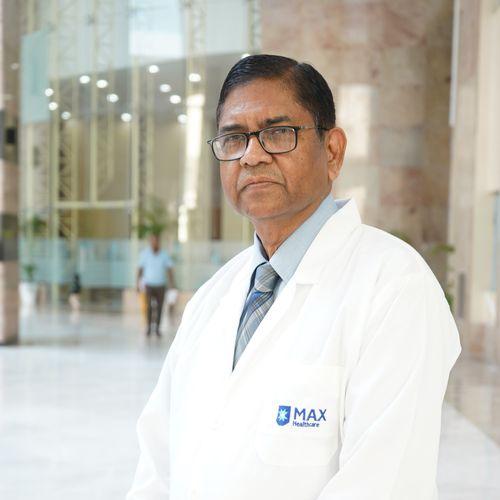
Chairman - Cardiology
Cardiology
New Delhi
41+ Years
Experience
Max Hospital,Gurgaon
Hospital
1500
Fees
ከህንድ ምርጥ ሆስፒታሎች የግል የህክምና ህክምና አማራጮችን ያግኙ። የእኛ የህክምና ባለሙያዎች በእያንዳንዱ እርምጃ ላይ እርስዎን ለመርዳት ዝግጁ ናቸው።